

Plan a marine rescue-focused visit and understand why this aquarium differs from a conventional animal attraction. Clearwater Marine Aquarium is frequently associated with dolphin stories, but its central purpose is marine animal rescue, rehabilitation and conservation education. This distinction matters when deciding whether it is the best aquarium for your group. A traditional aquarium may emphasize a huge variety of themed habitats; Clearwater invites visitors to think about why animals are rescued, how veterinarians and caregivers work, and which creatures cannot return safely to the wild. It can be a particularly meaningful experience for children interested in animals and for adults who want more than a simple photo opportunity during a Gulf Coast beach vacation.
At a glance: is this visit right for you?
- Where: Clearwater, Florida Gulf Coast.
- Main attraction: Clearwater Marine Aquarium.
- Why it is worth considering: Plan a marine rescue-focused visit and understand why this aquarium differs from a conventional animal attraction.
- Other places to consider nearby: Clearwater Beach; Sand Key Park; Dunedin.
- Booking rule: Check the official attraction or national-park page on the date you plan to visit; some activities require a separate reservation..
- Travel style: Works best as one clearly chosen experience, with flexibility for children, adults, older travelers and people who need breaks..
What makes Clearwater Marine Aquarium different?
There is no single best Florida attraction for every visitor. Clearwater Marine Aquarium deserves its own decision rather than being grouped uncritically with big resort theme parks. Consider the pace, environment, transportation and experience that actually matters to your party. Families with babies, groups with older relatives and travelers who want an educational or nature-focused visit may have different priorities from thrill seekers. The following sections explain how to evaluate those trade-offs without promising that every scheduled activity or animal encounter will always be available.

Rescued dolphins and the story behind the exhibits
The dolphin habitats allow visitors to observe resident animals and learn why some receive long-term care. The Ruth & J.O. Stone Dolphin Complex includes underwater viewing opportunities as well as viewing from upper levels. Focus on the animals' welfare and the context given by educators rather than expecting trained entertainment routines. Different dolphins have different histories and care requirements, and programs are subject to change. The story of Winter, the rescued dolphin whose experience inspired widely known films, remains part of the aquarium's educational identity. Explain to younger children that rescue centers sometimes become permanent homes for animals who could not survive after release. That is a different message from meeting wild dolphins at sea.
Sea turtle rehabilitation and the working hospital
The aquarium's rescue and rehabilitation mission includes sea turtles, and visitors may learn about injuries, recovery and the process used to determine whether release is possible. Not every patient can be displayed or observed, because veterinary care must take priority over visitors. Educational areas such as Turtle Cove and the hospital-related exhibits can illustrate the damage caused by entanglement, pollution or accidental human contact. A useful family conversation is what to do if you see a distressed sea turtle in the wild: do not handle it, keep a safe distance and contact authorized wildlife responders. Be mindful of photography policies, animal-rest periods and the fact that medical needs change daily.
Manatees, otters and a broader rescue story
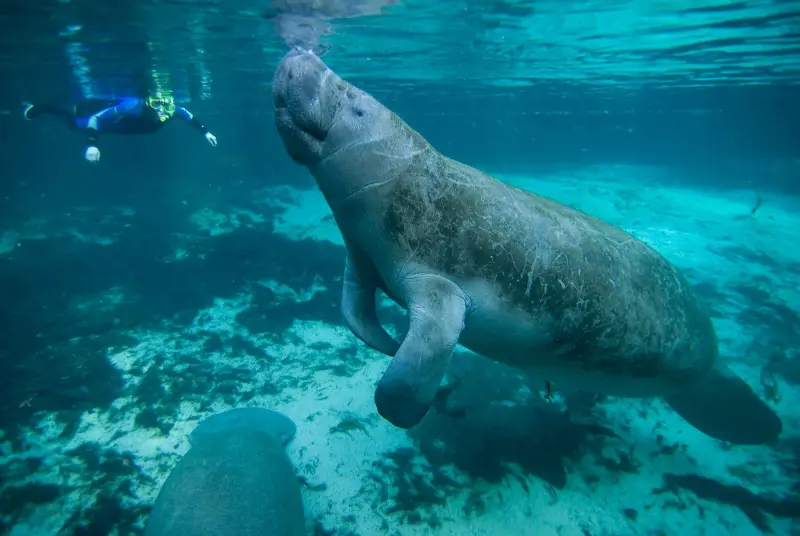
Visitors may also encounter exhibits relating to manatees, otters, stingrays and other marine species, depending on the current collection and rehabilitation work. The aquarium's manatee facilities and changing rescue cases are worth checking on the official site shortly before your visit. Unlike a conventional zoo, the number and species of patients are not fixed attractions guaranteed to appear on schedule. This variability is part of ethical animal care. Teach children to observe behavior from approved viewpoints and ask what a healthy habitat needs. Reading an animal's story can be more educational than racing between tanks just to tick names off a list.
Daily talks, feeding times and behind-the-scenes options
Clearwater Marine Aquarium posts presentations and animal-care programs, which may include dolphin talks, sea turtle interpretation, otter education and additional guided experiences. Use the day's schedule to plan your path rather than assuming a popular presentation runs continuously. Some behind-the-scenes activities, boat tours or interactive experiences cost extra and may have minimum ages or restrictions. These can add depth for committed marine-life enthusiasts but are unnecessary for every family. Plan one or two demonstrations around your group's interests, leaving flexible time for exhibits. If a patient requires special care, scheduled programming can change without warning; respect that treatment always comes before visitor entertainment.
Where the aquarium fits into a Clearwater vacation
The aquarium stands near Clearwater Beach but is not simply another beachfront shop. Allow time for bridges, local traffic, parking and moving through the visitor areas. It can fit well into a Gulf Coast holiday as a half-day educational outing, perhaps with beach time afterward if everyone remains energetic. During peak vacation periods, beach parking and road congestion can be significant; avoiding multiple short driving trips often makes more sense than attempting to see everything in one afternoon. If your group includes older adults, an aquarium visit may offer a comfortable alternative to prolonged sun exposure, although some areas can still involve standing and changing levels.
Admission and the costs visitors forget
The official admission page uses different prices for adults, children and seniors and states that prices can change. Check current age categories and any discounts rather than copying an old tourism brochure. Parking, meals and optional animal programs can alter the total cost. Families visiting several aquariums or museums in Florida should compare the educational focus before buying multiple overlapping tickets. A rescued-animal mission may justify the admission even when an exhibit is temporarily unavailable, but visitors expecting a specific animal should verify its current presence. Purchase from the official site or an authorized seller and keep confirmation details accessible on your phone.
Ethical viewing and a quieter family day
Rescue institutions are strongest when they help guests understand limits. Do not tap glass, use flash against posted rules, call out to animals or pressure staff for close encounters. An animal may rest, hide or receive treatment instead of remaining visible. For toddlers, concentrate on one underwater viewing area and a short talk rather than trying to follow every scheduled activity. Children with sensory needs may prefer quieter corridors or planned breaks; contact the aquarium about current accommodations. Older guests may appreciate seated presentations and the opportunity to observe without rushing. A successful visit changes how the group thinks about the ocean, even if it produces fewer spectacular photographs than expected.
Questions children can ask about rehabilitation
A marine-life rescue visit is an opportunity to explore what happens after an injured animal is found. Who decides whether an animal is ready for release? What kinds of tests and care might be necessary? Why are some patients eventually returned to the sea while others remain in managed facilities? Educators can answer questions within the limits of their work. Parents can explain that rescue is not the same as collecting wild creatures for display. Encourage children to think about how discarded fishing gear, pollution and disturbances near nesting areas affect animals. Visitors leave with a more useful lesson when they understand a prevention step than when they only remember a photograph of a dolphin.
How to choose an animal program responsibly
Extra experiences can be tempting, particularly when marketing features close photographs. Before paying, read what the program actually involves, how long it lasts, whether contact with animals occurs and what restrictions apply. Animal welfare should guide the program; a calm observation or educational talk can be more meaningful than a close encounter. If your child has a strong expectation of touching an animal, explain that many rescued species are not available for that kind of interaction. Respectable animal institutions may change or cancel opportunities for veterinary or behavioral reasons. Such changes are a sign that animal needs take precedence, not evidence that your ticket was wasted.
What to plan around Clearwater traffic
Clearwater and Clearwater Beach can be busy, particularly on sunny weekends and holiday periods. Check which bridge and route serve the aquarium from your hotel and be realistic about parking. If traveling from Tampa or St. Petersburg, do not treat the outing as a five-minute stop because the cities look close on a map. Combine the aquarium with a nearby meal to reduce repeated crossings. For travelers without a rental car, a rideshare to the aquarium may be workable, but confirm return pickup locations and consider vehicle availability at your chosen hour. A comfortable itinerary keeps the educational visit central and treats sunset sightseeing as an optional extra.
Comfortable visits for very young or older travelers
Young children may enjoy watching dolphins underwater but lose interest in detailed veterinary explanations. Give them a short, concrete goal such as spotting how a turtle moves or listening for one interesting fact at a presentation. Older adults may appreciate the structured indoor sections, but standing through multiple talks can still be tiring. Ask about benches, elevator routes, wheelchair options and restrooms before setting out. Families traveling with someone who needs medication or predictable meal breaks should plan those breaks explicitly. An aquarium focused on rescue can be deeply moving for all ages, but there is no requirement to see every patient area or stay for every listed presentation.
A manageable visit: morning, main activity and departure
- Enter with a list of two preferred topics such as dolphins and sea turtles. Review the daily presentation board and adjust the order of exhibits.
- Attend one suitable talk, explore the rescue-focused displays and choose an optional paid experience only if it fits the family’s needs and budget.
- Finish with a relaxed meal and, if conditions suit, a separate Clearwater Beach visit rather than immediately scheduling another crowded attraction.
Planning choices for different ages and travel styles
| Visitor | Practical approach |
|---|---|
| Families with babies or toddlers | Pick one short priority and plan meals, naps, sun protection and restroom access before entering. Ask about stroller rules and do not schedule every hour. |
| School-age children | Let them choose one exhibit, trail, animal question or attraction they are genuinely curious about. Set a clear spending and snack plan. |
| Teenagers and adults | Check whether the venue matches an interest in history, nature, science, creative play or thrills. An independent activity can be a better use of time than a forced group itinerary. |
| Seniors and reduced-mobility visitors | Investigate the actual boarding, walking surfaces, wheelchair routes, seating and bathrooms rather than relying on a broad accessibility label. |
| Travelers on a limited budget | Compare the full cost: admission or tour, ground transport, parking, food, extras and the opportunity cost of a second activity. |
The goal is not to make every person complete the same checklist. If one member wants a demanding experience while another prefers a gentle one, identify a suitable supervised activity or a comfortable place to regroup. Check the operator’s latest rules if any participant needs a companion, transfer support, medication or a particular dietary arrangement. Never treat a general travel article as medical advice or a substitute for the accessibility details of the actual service provider.
Useful questions before you book
Is Clearwater Marine Aquarium mainly a dolphin show?
No. It is a rescue and rehabilitation institution with educational exhibits and animal-care presentations.
Can visitors see rescued sea turtle patients?
Some care-related exhibits may be visible, but patient welfare determines access.
Are all experiences included in the ticket?
No. Some guided, boat or behind-the-scenes experiences can have separate prices.
Is the aquarium near Clearwater Beach?
Yes, in Clearwater; plan for local traffic and parking, especially in peak season.
Official information and final verification
Verify the official visitor information for Clearwater Marine Aquarium and consult the relevant official planning or visitor-assistance page for details that may change, including prices, hours, tour availability and accessibility. These are informational links, not affiliate booking links.
Updated 9 October 2026. Research-based travel information; no first-hand visit or personal experience is claimed. Always recheck operating rules and availability before purchasing tickets or traveling.