
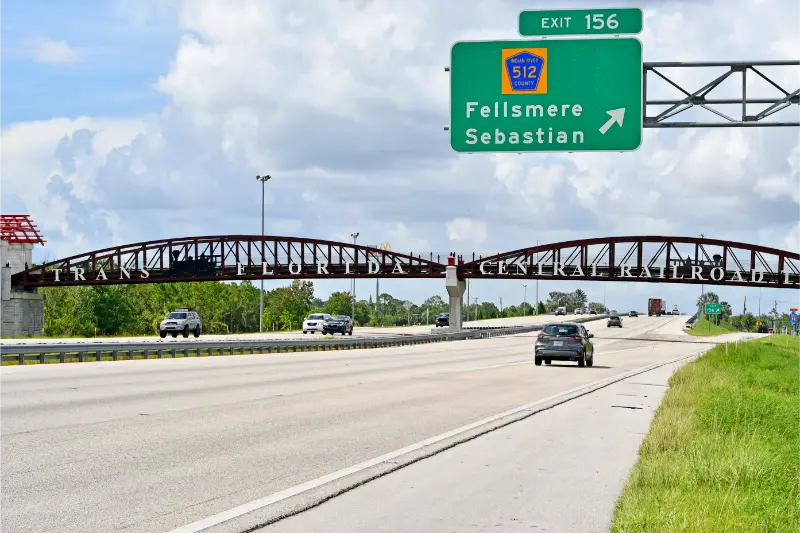
Driving between Florida destinations can feel simple on a map, but the comfort of everyone in the vehicle often depends on what happens between attractions. Families need changing space, older travelers may require frequent accessible restrooms, and long-distance visitors benefit from predictable food and fuel stops. Florida’s interstate rest areas, Turnpike service plazas, welcome centers and ordinary businesses serve different purposes. This guide helps you choose stops without assuming a restroom icon on a navigation app guarantees an accessible facility or that every parking area permits overnight stays. The goal is a safer, less rushed road trip for people of all ages.
At a glance
| Planning step | Practical action |
|---|---|
| Facilities | Use FDOT listing and confirm amenities |
| Families | Schedule bathroom and stretch breaks |
| Access | Verify family or adult changing needs |
| Overnight | Do not assume camping at rest areas is allowed |
Learn the differences between rest areas and service plazas
Rest areas along major highways primarily offer a place to pause, use restrooms, stretch and sometimes enjoy a picnic. Florida’s Turnpike service plazas combine restrooms with services such as fuel, food and shops, depending on the location. Welcome centers can provide tourist information and basic facilities near some state entry points. Private travel centers and gas stations are another category and may have different hours, parking rules and accessibility. Do not treat all these places as interchangeable. A rest area may be excellent for a ten-minute walk but unsuitable when your vehicle needs fuel. A service plaza may have more services but also queues during holiday weekends.
Use Florida Department of Transportation resources
Florida DOT publishes information and a facility map for rest areas, service plazas, welcome centers and other roadside facilities. Its current interactive listings may include family restrooms, adult changing tables, dog-exercise areas and other amenities. Check the official map before a long driving day rather than trusting only a mapping app’s generic icon. Facility closures, maintenance and road changes can affect availability; keep a second stop in mind. Do not assume every listed amenity is functional at every moment. If you need a particular accessible toilet or changing space, contact the facility or operator when possible. The aim is to identify a realistic stopping point before the need becomes urgent.
Plan restroom breaks around children and older adults
For toddlers, stop before discomfort becomes an emergency and allow time for clothing changes, handwashing and snacks. For older companions, consider medication schedules, mobility, continence needs and how long it takes to enter or leave the car safely. A bathroom stop that looks quick in the itinerary may take half an hour when several generations are traveling together. Avoid building a schedule based on driving without stopping from Orlando to Miami or across the Panhandle. Put regular pauses into the route and choose facilities on the correct side of a divided road when possible. A slightly longer stop at a suitable service plaza is preferable to repeated rushed exits onto unfamiliar local streets.
What family restrooms and adult changing tables mean
A family restroom is often a single-user room with enough space for a caregiver and another person, although layouts vary. It may not contain a diaper-changing counter or an adult changing table. An adult changing table is a specific facility that can be essential for some older or disabled travelers. Florida DOT’s modern facility information may identify amenities of this kind at selected locations. Never assume that a baby-changing icon signals facilities for an adult who requires assistance. If a particular table or lift is essential, verify the exact site and create a fallback plan before leaving the hotel. Respect privacy and avoid occupying a companion restroom unnecessarily when other accessible options meet your needs.
Check accessibility from the parking space to the door
An accessible restroom is helpful only if you can safely reach it. Look at whether designated parking spaces, curb ramps and entrances connect with an unobstructed route. Traffic flow around truck bays, loading zones and crowded service plazas can be challenging for wheelchair users. Use the correct designated parking area when authorized, and do not leave a vehicle blocking an accessible route while helping someone transfer. Companions should agree on where they will meet after using different restroom facilities. If a stop is unsafe or access is compromised, continue to a verified alternative rather than attempting an improvised lift over curbs. For travelers using a service animal, confirm available relief areas and follow posted pet rules.
Fuel, food and charging choices on long routes
Do not assume an interstate rest area sells gasoline. Use service plazas or known fuel stations when your tank is running low, and consider fuel availability along quieter rural routes. Electric-vehicle drivers should confirm that any charging station is compatible, operating and suitable for the car’s connector rather than relying on a highway service icon. For food, simple shelf-stable snacks and water reduce dependence on busy fast-food counters. Families may prefer a picnic table for a short break, but do not leave food unattended around wildlife. Travelers with dietary restrictions should identify reliable shops near their route instead of assuming every service plaza has gluten-free, halal or other specialized options. Build stops around genuine needs, not only mileage.
Safety at night and when travelling alone
Official rest areas may have security measures, but every traveler should remain aware of surroundings. Park in a well-lit lawful space, secure valuables and keep phones charged. If an area feels unsafe or isolated, continue to a staffed alternative when driving conditions permit. Do not leave sleeping children unattended in a parked car while an adult enters a building. Travelers arriving after a late flight should consider an airport hotel rather than starting a long road journey when exhausted. For solo drivers, fatigue is a stronger reason to stop than any timetable. A brief rest in a permitted area is not the same as planning to sleep overnight in a roadside car park.
Overnight parking is not automatically camping
Florida DOT states that overnight camping is not permitted at its rest areas and describes limits on how long visitors may remain. Different rules may apply at privately operated truck stops or designated RV facilities, but these must be confirmed with the property operator. Do not use a rest area as a substitute for a paid campsite just because other vehicles appear parked there. A family in a motorhome needs to plan lawful overnight accommodation with appropriate services. Drivers feeling dangerously sleepy should prioritize immediate safety and seek an appropriate place to rest, while following the rules and obtaining assistance if necessary. Booking a nearby hotel may be the safest solution after an unexpectedly exhausting day.
Highway closures and severe-weather adjustments
During thunderstorms, tropical-weather events or major accidents, a usual service facility may be inaccessible or overwhelmed. Review current traffic notices, especially before crossing long bridges or entering low-lying coastal areas. Florida 511 can provide transportation information, while weather alerts and emergency managers handle wider hazards. Never drive across flooded roads simply to reach a planned stop. If heavy rain makes visibility poor, pull off safely at an appropriate location rather than stopping on an interstate shoulder except in an actual emergency. Choose a substantial building for lightning protection when needed. Store offline route notes because navigation apps may reroute poorly around closure zones. Comfort stops remain secondary to evacuation orders and traffic safety.
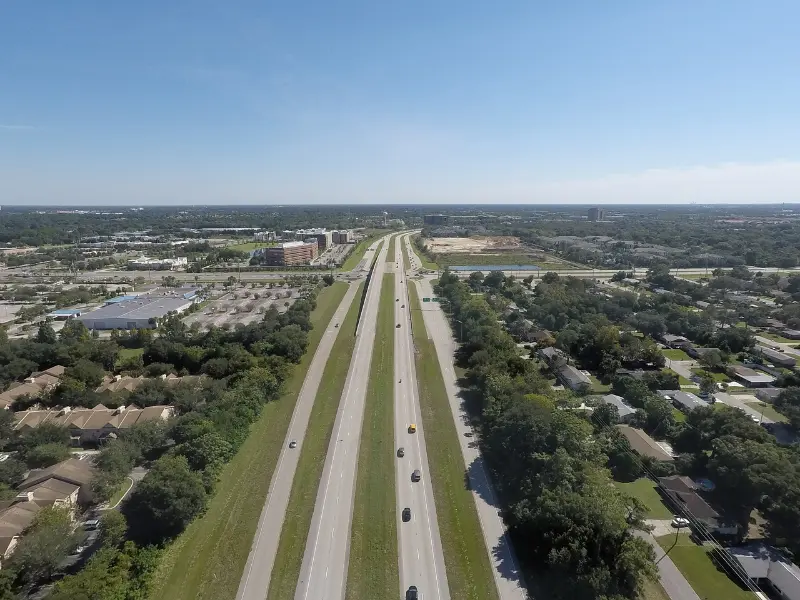
A practical Orlando-to-Miami day with breaks
A family driving south should check realistic traffic and identify two or three potential stops along the chosen route before departure. Plan one mid-morning bathroom and stretch, a substantial lunch stop and a possible afternoon break, adjusting frequency for the youngest or most mobility-limited person. Confirm whether the chosen highway uses Turnpike service plazas or other public rest areas; do not assume facilities are identical on every motorway. Allow additional time for tolls, traffic and rental-car return deadlines. At a meal stop, check that everyone has water, medicines, phones and necessary mobility aids before re-entering the car. The actual schedule matters less than having reachable options when plans change.
Routes across North Florida and the Panhandle
Long stretches of I-10, I-75 and rural connecting roads may have fewer services than busy Orlando corridors, especially after leaving a major town. Rather than drive until fuel is low, mark confirmed stations and stop before fatigue increases. Tourists following scenic roads to springs, forests or small towns should pay attention to limited evening business hours. Rest areas on interstate highways do not necessarily correspond to an exit on your chosen scenic route. A paper or offline map can help when mobile service is weak. If traveling with infants, leave enough supplies for longer distances between shops. If a companion requires a specific accessible bathroom, treat its location as a key itinerary stop rather than an optional convenience.
Make stops part of a sustainable travel rhythm
Short pauses can improve both driving attention and enjoyment. Use a safe designated area to walk, stretch gently, refill water and check the weather. Avoid idling unnecessarily where signs prohibit it, and dispose of packaging in appropriate bins. Keep dogs leashed in pet areas and clean up after them. When children ask to stop frequently, it may signal that the day’s driving distance is simply too ambitious. A family vacation does not have to be measured in the largest number of cities reached. A road trip with manageable mileage and reliable breaks is often more memorable than a rushed itinerary with spectacular destinations but uncomfortable travel between them.
Frequently asked questions
Do all Florida rest areas have gas stations?
No. Traditional rest areas and Turnpike service plazas have different facilities. Check the official listing before departure.
Are adult changing tables available at every stop?
No. Some facilities list them, but you must verify the exact location and current availability.
Can I camp overnight at a highway rest area?
Florida DOT generally prohibits overnight camping at its rest areas. Book a lawful campground or other permitted accommodation.
Are rest areas open all night?
Many official facilities are maintained 24 hours, but operational exceptions and closures can occur. Check current information.
How often should families stop on a road trip?
There is no universal interval. Plan regular breaks based on age, mobility, health, food and safe driving needs.
Official sources and updates
Use the Florida DOT rest facility map, the Florida DOT rest-area information, and Florida 511 traffic information when selecting and adjusting stops. Facility descriptions can change, so confirm amenities essential to a particular traveler before departure.