

Splash pads and shallow hotel pools can seem like easy entertainment during Florida’s hot afternoons. They are especially tempting for toddlers too young for big water slides and for parents who want a low-cost break between attractions. But water that looks shallow or constantly moving can still pose health and safety risks. The CDC warns that splash pads may spread germs when water is not properly treated, and small children can get into trouble very quickly around pools. This family guide covers how to choose a suitable venue, supervise children, manage swim diapers and recognize when water play should be skipped rather than treating any splash attraction as automatically safe.
At a glance
| Planning step | Practical action |
|---|---|
| Health | Keep children with diarrhea out of splash water |
| Diapers | Change away from play water and wash hands |
| Supervision | Assign a focused adult water watcher |
| Weather | Leave water play during thunder and closures |
Splash pads, kiddie pools and swimming pools are different
A splash pad usually sprays or jets water across a play surface. Some designs have little or no standing water, while a hotel swimming pool has a deeper body of water and different supervision and maintenance needs. A small inflatable kiddie pool at a vacation rental is another category again. These differences matter because disinfection arrangements and rules can vary. A splash pad does not necessarily operate under the same equipment requirements as a large pool, even though children may swallow sprayed water or breathe droplets during energetic play.
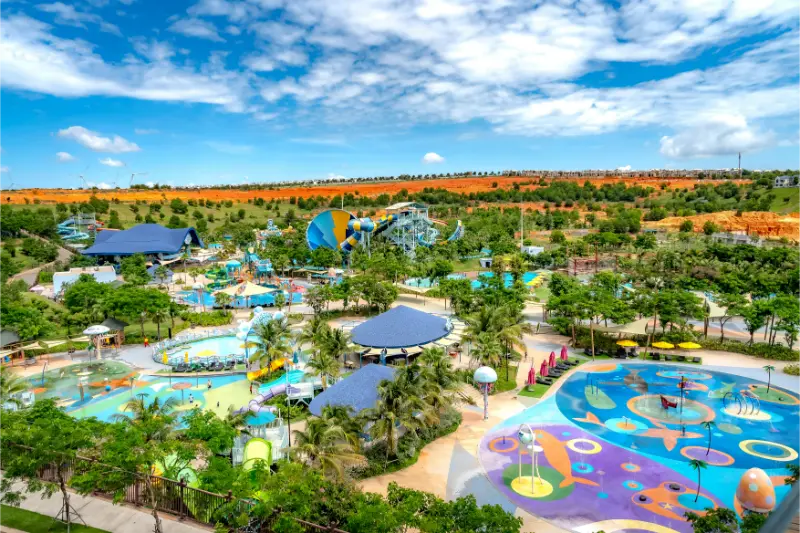
The CDC’s splash pad guidance explains that some systems recirculate and disinfect water while others operate differently. Do not decide safety from the water’s appearance alone. Look for an operator, posted rules, maintenance information and clear emergency procedures. If the venue looks neglected, equipment is damaged or staff announce a closure, choose another activity rather than pushing children into the water because you travelled far to get there.
Why water quality matters even in shallow play areas
Germs can enter splash-pad water from people, shoes, nearby surfaces and contamination. Water jets can create opportunities for swallowing water or exposing eyes and noses. Young children may sit on spray nozzles, but CDC guidance advises against that behavior because it can introduce contamination. Even a properly designed venue depends on maintenance, appropriate disinfectant practices and visitor hygiene. A bright, clean-looking splash pad is encouraging but not a guarantee that no one can become ill.
Teach children to keep splash water out of their mouths and avoid putting faces directly over jets. Do not let anyone use a splash pad when they have diarrhea. If a child has recently been ill, follow current public-health guidance regarding when to return to shared aquatic venues. In the event of a visible contamination incident, inform the operator immediately; do not attempt to clean or treat a public venue yourself.
Swim diapers and bathroom breaks
Swim diapers are useful for managing ordinary messes, but they are not waterproof barriers against microscopic germs. The CDC explicitly notes that swim diapers cannot stop all contamination of shared water. Take young children for regular bathroom breaks and change nappies in designated changing areas, never on the splash-pad surface or beside pool water. Wash hands properly after changing and before handling snacks. The temptation to skip a bathroom visit to avoid interrupting play is not worth increasing hygiene problems for everyone.
Pack more swim diapers, wipes and dry clothes than you expect to need. A small sealed bag for used items helps keep the site clean, but dispose of waste according to venue rules. Avoid rinsing a soiled nappy directly in fountains, pools or nearby drinking-water points. Families can take turns supervising and managing bathroom breaks so the active child is always watched by a responsible adult.
Drowning risk at hotel pools and rental properties
A shallow end does not remove drowning danger, especially for babies and younger children. Designate a responsible adult as a focused water watcher, free from phone use or distracting conversations, and remain close enough to intervene when needed. Do not substitute floating toys or inflatable arm bands for appropriate supervision and properly fitted protective equipment where required. Follow posted depth markers and know where safe entrances and exits are located. If a pool has no lifeguard, the adults in your group must be particularly clear about supervision roles.
Vacation-rental pools require extra precautions. Check fences, gates, door alarms and whether barriers can be opened by small children. Secure access whenever swimming is finished and never leave children in the water under the care of an older child alone. The CDC healthy swimming safety guidance offers a wider framework for water safety; property-specific fencing and equipment should be verified with the host.
Choosing a Florida splash attraction by age
Look for designated areas intended for younger children rather than taking a toddler into a high-pressure jet zone used by older children. Review the surface for slipping hazards and whether spray features can frighten a child with sensory sensitivities. A modest neighborhood splash pad with shaded seating and nearby toilets may be a better choice than a large water park for a one-year-old. For preschool children, clear sightlines and gentle fountains can make supervision easier. School-age children may enjoy more active features but still require appropriate monitoring and respect for other users.
Teenagers and adults should not run through toddler-only play areas or crowd smaller children. Some venues set rules for adults without accompanying children, footwear and permitted toys. Confirm these before travelling, particularly when a splash area belongs to a private resort or community complex rather than a municipal park. No venue should be described as suitable for every age without checking individual physical needs and operating policies.
Sun, heat and lightning around water play
Florida sun can be intense even when children feel cool because they are wet. Plan shade breaks, apply suitable sun protection according to age and product instructions, and offer drinking water regularly. Hot pavement and dark surfaces can be uncomfortable for bare feet; check whether non-slip water shoes are allowed. Do not force a child to continue playing when they are tired or overly hot. Parents may find that a shorter splash session followed by a quiet indoor activity creates a better afternoon than an exhausting full day outdoors.
At the first sign of thunder or an official weather closure, leave the water area and move to appropriate shelter. A covered picnic table or open pavilion is not necessarily safe lightning shelter. Follow the operator’s reopening instructions instead of guessing that the storm has passed. In summer, afternoon thunderstorms are common enough that a flexible morning visit is often easier to organize than a late-afternoon one.
Public parks, private resorts and water-park rules
A public splash pad may have seasonal hours and maintenance closures; a resort feature may be limited to registered guests. Larger water parks can apply entrance fees, age limits, height restrictions and capacity controls. Search the managing authority’s actual website to confirm whether the splash area operates on the day of your visit. Do not rely solely on a map label that continues to show a fountain after it has closed for renovation. Look for clear instructions about shoes, swimwear, food, outside toys and changing areas.
Florida’s Department of Health oversees defined categories of public pools and aquatic venues, but not every water-play feature is identical. The Florida DOH county pool guidance describes inspection and permitting frameworks relevant to public facilities. An operator should be able to address reasonable questions about sanitation and closures. If an issue is serious, contact the appropriate local agency instead of conducting an unsafe independent inspection.
Accessibility and sensory comfort
Consider the route from parking to the changing area, restroom and water feature, not just whether the surface is flat. Some children need a ramp, accessible toilet, quiet bench or additional help with transfers. If a wheelchair user wants to participate, confirm that equipment can safely enter the intended play area and whether the venue allows particular mobility devices near jets. A splash pad is not necessarily fully accessible because there is no deep pool; drainage channels, slippery coatings and crowded walkways can create obstacles.
Water sprays can be noisy and unpredictable for children with sensory sensitivities. Visit at a quieter hour where possible, allow the child to watch from the edge before entering, and offer an immediate retreat without pressure. Noise-reducing supports must be appropriate for water use; ordinary electronics are not automatically safe when wet. A relaxed experience tailored to a child’s comfort is better than insisting on participating in every feature.
What to pack for a short visit
Carry swimsuits, suitable dry clothes, towels, footwear permitted by the venue, drinking water and essential skin-care items. For younger children, include swim diapers, wipes and a changing mat where appropriate. A waterproof pouch can protect your phone, although it should not encourage adults to look at a screen while supervising the pool. Keep medication and other sensitive supplies dry and at suitable temperatures. Use a separate bag for wet clothes on the journey home.
Pack light enough that one adult can supervise while another handles belongings. Heavy coolers or multiple inflatable toys may be disallowed and cumbersome. Check if lockers exist; do not leave passports or valuable electronics unattended beside the water. If the family is travelling on public transport, choose a place with restrooms and shelter near the stop to avoid a long, uncomfortable return in wet clothing.
Recognizing a problem and knowing when to stop
Leave the water if someone has diarrhea, becomes ill, is injured or shows signs of distress. Notify staff about contamination, damaged surfaces, missing safety equipment or water that appears seriously unclean. For a serious emergency, follow the venue’s emergency procedure and call 911 as appropriate. This guide does not provide medical treatment instructions for an individual illness. If a child swallows water and later develops concerning symptoms, seek appropriate professional advice rather than assuming the illness was harmless.
Avoid re-entering a closed area without permission, even if other visitors do. Operators may need to disinfect water or repair equipment after an incident. Respect the restriction: it protects children and helps the site reopen safely. When in doubt, choose a shaded playground, museum, library or indoor activity as a backup and return another day.
An easy family splash-day schedule
Choose an official venue with current opening information and check its rules before leaving. Arrive in the morning when conditions are often more manageable, identify restrooms and a safe meeting point, and agree which adult is the water watcher. Let young children explore at their own pace, take bathroom and hydration breaks, and finish before exhaustion or strong storms. Change into dry clothes before entering an air-conditioned restaurant or starting a long drive.
For a family with different ages, divide activities rather than expecting the entire group to remain in a toddler zone. One adult can accompany older children to a separate permitted area while the other stays close to the youngest. Build the day around safety and enjoyment, not the total number of splash features visited.
Frequently asked questions
Are splash pads safer than swimming pools because they are shallow?
They may have less standing water, but hygiene and other hazards remain. Children still need appropriate supervision.
Do swim diapers prevent germs entering the water?
No. They do not contain all germs or waste. Follow CDC bathroom-break and hygiene advice.
Can my child play when they have diarrhea?
No. Keep anyone with diarrhea out of shared aquatic play and follow health guidance on when to return.
Should we continue during a nearby thunderstorm?
No. Leave the water and follow official weather-closure and shelter instructions.
Are hotel splash areas open to non-guests?
Policies differ. Check the property or park before visiting rather than assuming public entry.
Official sources and updates
Read the CDC splash pad recommendations, the CDC healthy swimming overview, and Florida public pool oversight information. Check the individual venue’s current rules, supervision arrangements and weather alerts.