
A Junior Ranger activity can turn a quick stop at a Florida national park into an enjoyable learning experience for the whole family. Instead of racing between viewpoints, children look closely at plants, animal tracks, historical objects or conservation clues and record what they discover. The National Park Service describes Junior Ranger programs as activities designed for children and families, while welcoming participants of different ages and abilities. In South Florida, Everglades National Park, Biscayne National Park and Big Cypress National Preserve share an especially appealing learning opportunity. The details are different at each site, so a family should confirm booklet availability, visitor-center hours, fees and accessible activities before setting off. A badge is a keepsake, not an entitlement to ignore park rules.
At a glance
| Planning step | Practical action |
|---|---|
| Learning | Collect a booklet and follow the park instructions |
| Parks | Check Everglades, Biscayne and Big Cypress programs |
| Access | Confirm visitor-center hours and accessible activities |
| Wildlife | Observe respectfully without feeding animals |
How the Junior Ranger idea works
A child or other interested visitor picks up an activity booklet where offered, completes the relevant exercises and usually discusses the work with park staff or follows the park’s instructions for earning recognition. Activities may involve observing birds, noticing evidence of past human communities, matching habitat descriptions or writing about protecting natural resources. Younger children often need an adult to read instructions; older children may prefer independent challenges. The National Park Service’s general information explains that sites vary in how programs are administered and how badges are distributed. Many programs emphasize learning and respect rather than a formal examination. Do not promise that every child will receive a badge instantly, especially at an unstaffed location or during an unexpected visitor-center closure.
Start with the three South Florida park sites
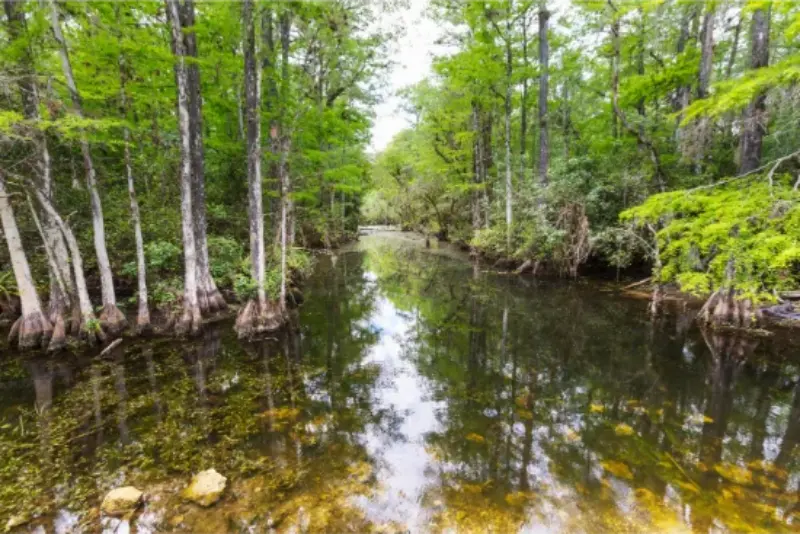
Everglades National Park, Biscayne National Park and Big Cypress National Preserve provide a useful group of learning opportunities because their natural environments differ. Everglades includes freshwater wetlands, mangroves, coastal habitats and a wide array of birds and reptiles. Biscayne emphasizes marine and coastal ecosystems, while Big Cypress allows families to discuss wetland forests, water flow and wildlife conservation. The National Park Service publishes information about a shared South Florida Junior Ranger booklet; ask a visitor center about current language options and where participants can complete or submit it. Avoid presenting three badge sites as a simple walking route. The destinations are spread out and travel times matter, particularly for young children, older adults and people who need frequent rest stops.
Plan a first Junior Ranger morning in the Everglades
Choose one entrance or visitor center rather than trying to cover the whole park in a few hours. Ask staff which short trails, exhibits and observation areas match your child’s age and the conditions that day. Some trails are exposed to intense sun, while others may be temporarily affected by flooding, maintenance or wildlife management. Bring water, hats, insect protection appropriate to the visitor and a pencil. Encourage children to sketch a bird or explain the difference between a mangrove and a freshwater plant, without approaching wildlife to get a better answer. Never feed alligators or other animals. A shorter outing in which everyone learns something is more valuable than a long march undertaken only to complete a booklet.
Biscayne National Park without assuming a boat trip
Biscayne is widely known for marine environments, but a family learning activity does not necessarily require expensive snorkeling or a charter. The visitor center, nearby shoreline and interpretive resources can introduce reef conservation and the importance of water quality. Much of the park is water, so families must distinguish land-accessible experiences from boat-only excursions. Check the site’s current visitor-center hours and whether the booklet can be obtained without a boat reservation. If you book an on-water activity, pay attention to weather and age restrictions, and never assume a Junior Ranger badge qualifies someone to snorkel safely. A parent can use the workbook to discuss why fragile coral should not be touched and why boating rules protect seagrass and marine animals.
Big Cypress and a slower wildlife day
Big Cypress National Preserve offers a different perspective on South Florida’s water-based landscapes. Visitors can learn about cypress habitat, seasonal water levels and the relationship between roads, wildlife movement and conservation. Stop only at official pullouts and boardwalks, respecting traffic and roadway shoulders. Wildlife may appear near roads, but stopping abruptly in a travel lane is dangerous. A family with someone using a wheelchair or a stroller should confirm surface conditions and accessible facilities for the specific visitor center or boardwalk. Bring enough drinking water for the outing and use insect precautions without harming the surrounding environment. When a program is temporarily unavailable, self-directed observation can still provide a worthwhile education day without inventing an unofficial badge requirement.
Programs at other Florida National Park Service sites
Florida’s National Park Service system includes national seashores, historic sites, memorials and preserves as well as the three famous South Florida landscapes. Canaveral National Seashore publishes ranger programs that may satisfy Junior Ranger requirements, but events can be canceled or rescheduled because of staffing, weather or other factors. Some guided activities require a reservation or entry fee. Before planning around Fort Matanzas, Castillo de San Marcos or another historic location, confirm whether that specific site currently offers a Junior Ranger booklet and where it can be submitted. Avoid copying information from a different park simply because both are federal sites. At a historic fort, learning might focus on architecture, communities and historical choices rather than identifying wildlife in the field.
Making the activities age-appropriate
Toddlers may enjoy naming colors, watching birds from a safe distance or finding shapes in a picture book while an adult completes more complicated writing. A child learning to read can identify signs and draw a favorite plant. Teenagers may enjoy questions about conservation dilemmas, water management or the many people connected to Florida’s history. Adults can participate too; the National Park Service states that people of varied ages and abilities are welcome. Do not turn the booklet into a competition between siblings. Let each visitor set a comfortable pace and avoid offering rewards that encourage running off trail or touching animals. For multi-generational groups, ask a grandparent to share an observation or memory while ensuring nobody feels pressured to walk beyond their comfort level.
Accessibility and sensory-friendly planning
A booklet itself is flexible, but a trail, visitor-center film or ranger presentation may present barriers. Ask in advance about accessible parking, restrooms, paved or boardwalk routes, large-print materials and assistance for visitors with hearing or vision impairments. A child with sensory needs may be more comfortable with a quiet observation area rather than a crowded group program. People who communicate nonverbally may use drawings, pointing or assisted communication; discuss reasonable adaptations directly with park staff. Do not assume an accessible entrance guarantees that every path in the park can be used independently. Hot weather, insects and sudden rain also affect comfort. An accessible, short activity completed thoughtfully is a genuine accomplishment.
Booklets, badges, costs and reservation questions
Many Junior Ranger materials are free, but park entry, transport, boat excursions or special ranger-led programs may have separate costs. The site’s website should identify relevant reservations, permitted group sizes and whether a visitor center is staffed. Downloading an activity booklet at home can help children become excited, but a printable copy is not a guarantee that a badge can be shipped internationally. If a badge is important to the child, call the park and ask about current fulfillment procedures. Never buy an unofficial ‘Junior Ranger badge’ from a reseller assuming it represents a park award. Keep completed booklets and certificates dry in a reusable envelope rather than leaving them in a stroller pocket during an afternoon thunderstorm.
Teach respect for nature and Florida history
A strong Junior Ranger day is not merely a scavenger hunt. Ask children why ranger rules protect habitats, why some areas close during nesting season and how pollution can move from a city street into a coastal ecosystem. At historical sites, recognize that different communities experienced events differently; official interpretive programs can help explain complex histories with context. Avoid collecting rocks, plants or shells unless park rules explicitly permit it, and never disturb archaeological objects. Photograph signs and sketches rather than taking natural souvenirs. Families can practice leaving a trail cleaner than they found it, but should not handle sharp debris or hazardous waste. Conservation begins with small, safe decisions repeated throughout the visit.
Combining a badge stop with a realistic itinerary
A family staying in Miami might plan one South Florida park outing and avoid trying to visit Everglades, Biscayne and Big Cypress in the same afternoon. Group the drive with meals, restrooms and a sheltered backup activity; choose an early start when weather makes that sensible. If staying near Orlando, consider whether a closer historic or natural National Park Service site better fits the schedule. Cruise passengers should avoid distant drives just to collect an additional badge before embarkation. Keep a route map offline because reception can be inconsistent in rural wetlands. Make the return drive while the driver is rested, and never extend a wildlife walk after dark just to complete an unfinished page.
Turning a Junior Ranger day into lasting memories
After the outing, invite each traveler to share one surprising thing they learned. A young child might remember a mangrove root, a teenager an explanation of freshwater flow, and an older adult a ranger’s story about local history. Add notes or drawings to a travel journal instead of posting precise locations of sensitive wildlife. If weather cancels the planned program, explore official virtual ranger resources together or try the next available session, understanding that physical badges have their own rules. The real aim is curiosity, public-land stewardship and confidence enjoying natural places safely. Florida has enough different landscapes that one successful program can inspire several later visits without repeating the same experience.
Frequently asked questions
Are Junior Ranger activities only for small children?
No. They are designed for children and families, but NPS states that people of different ages and abilities can participate.
Is a Junior Ranger badge always free?
Activities and booklets are often free; park entrance, special tours or related transportation may still cost money. Verify details at each site.
Can we earn badges at Everglades and Biscayne?
Both publish Junior Ranger information, including a shared South Florida booklet. Confirm the current completion and badge procedures with visitor centers.
Do we need to book a ranger program?
Some events require reservations and others are self-directed. Check the specific site’s current ranger calendar and staffing conditions.
Can an adult help a child complete the booklet?
Yes, age-appropriate help makes learning more enjoyable. Let the child do as much as is comfortable while following park rules.
Official sources and further reading
Start with National Park Service Junior Ranger guidance, Everglades Junior Ranger details, Biscayne Junior Ranger details, and Big Cypress Junior Ranger information. Check visitor-center hours and accessibility before setting out.