
Many people picture Florida as a land of beaches, rockets and theme parks, yet its cattle-ranching heritage reaches far beyond the tourist corridors. In Central Florida and the state’s interior, ranching communities have preserved horseback traditions, agricultural fairs and rodeos that tell another part of the region’s story. Visitors can learn about working landscapes and the history of Florida ‘crackers’—a historical term whose context and use should be approached thoughtfully—without presenting modern ranch life as a costume show. A rodeo is a real sporting event involving animals, skilled competitors and differing ethical viewpoints. This guide helps travelers decide whether a rodeo or ranch-heritage outing fits their interests, and explains how to visit respectfully with children, grandparents or international guests.
At a glance
| Planning step | Practical action |
|---|---|
| Heritage | Learn about Central Florida cattle ranching history |
| Events | Check Silver Spurs and Arcadia organizer schedules |
| Family | Plan around noise, heat and livestock safety |
| Respect | Consider animal welfare and private-property rules |
Why cattle ranching matters to Florida history
Florida’s livestock economy developed over centuries, influenced by Spanish colonial settlement, Indigenous histories, migration, trade and changing land use. Cattle and horses became part of the state’s rural economy long before mass tourism. Communities around Kissimmee and the central interior still retain visible connections to the ranching landscape, even as suburbs and resort developments expand. Local historical societies and museums offer context about how cattle moved across wetlands and grasslands, how ranchers adapted breeds and how work practices evolved. Avoid treating every historical claim as a single uncomplicated narrative: the region’s past includes conflicts over land, labor and environmental change. Learning about those complexities makes a drive through cattle country more meaningful than simply stopping for a photo beside a pasture fence.
Kissimmee and the Silver Spurs Rodeo tradition
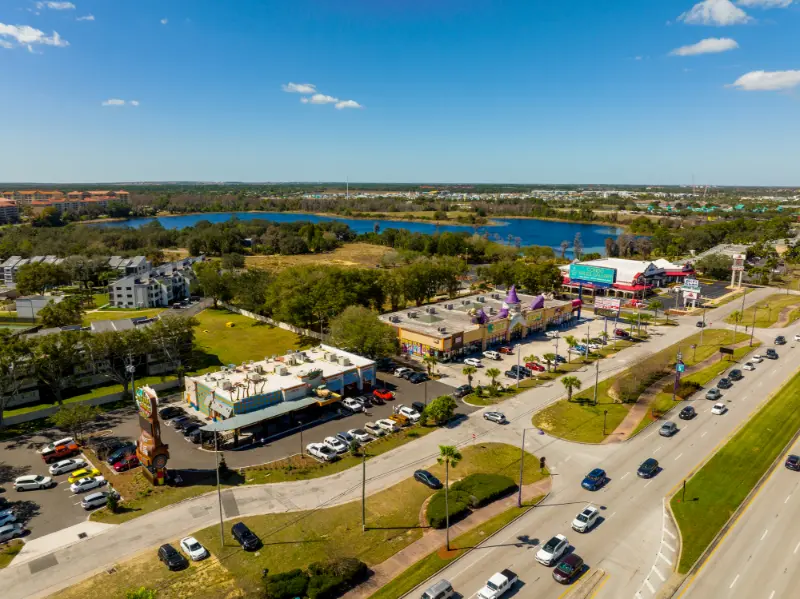
The Silver Spurs Riding Club traces its origins to Osceola County ranchers in the early 1940s, and the Silver Spurs Rodeo developed into a prominent regional event. The organizers publish event history and current ticketing information directly. A traveler staying near Walt Disney World may find the Kissimmee area logistically convenient, but do not assume an event runs every weekend or that seats remain available. Check the official calendar, arena location, ticket terms and parking instructions. Spectators may encounter music, announcements, livestock events and large crowds. The experience can be exciting for some families and overwhelming for others, particularly people sensitive to noise. Arrive with enough time to locate accessible seating and restrooms rather than rushing into the grandstand during the opening events.
Arcadia and inland rodeo culture
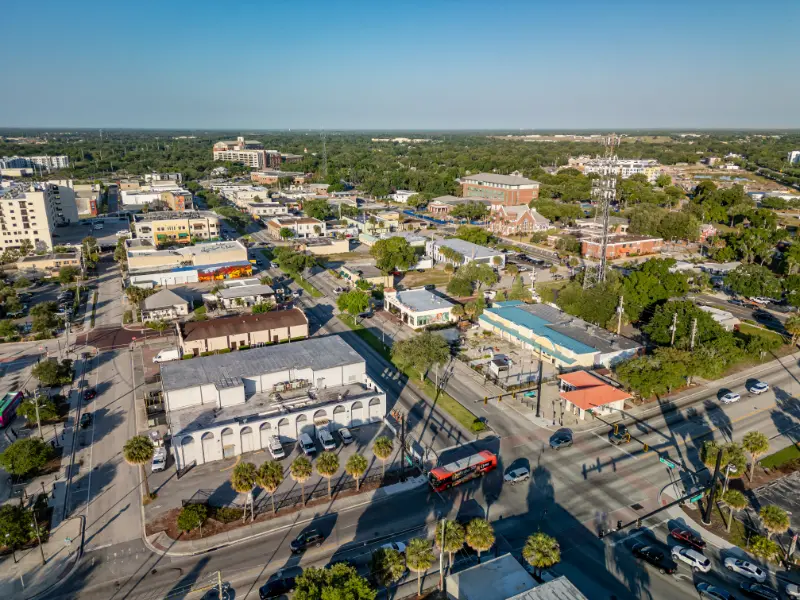
Arcadia, in DeSoto County, is associated with a longstanding rodeo culture and a rural landscape different from Orlando’s visitor districts. Rather than quoting an event date that may change, check the official Arcadia rodeo organizer’s current schedule and venue directions. A trip to the area can also include a modest look at historic downtown streets, local eateries and surrounding countryside, subject to business hours. Distances should be measured from the actual accommodation, as ‘Central Florida’ covers a wide region. Rodeo dates can coincide with traffic and accommodation demand, so secure tickets and plan parking early. A day trip may be more practical than an overnight stay for some travelers, while others will appreciate a slower rural itinerary.
What happens at a rodeo event
The competition program varies by organizer and sanctioning rules, but rodeos may feature timed riding and roping disciplines, barrel racing or other arena events. Announcements can be fast and full of local terminology. Read the event program or ask staff for explanations instead of expecting the meaning of each competition to be obvious. Not every event is appropriate for every spectator: loud sound, dust, livestock movement and occasional falls are part of the environment. Families should be prepared to leave early if children become upset. Animal welfare concerns are legitimate and differ among visitors; review the organizer’s policies, event practices and relevant oversight when deciding whether to attend. It is possible to appreciate Florida ranch history through museums and heritage sites even if you prefer not to watch competitive rodeo events.
Families with children: comfort before spectacle
For young visitors, the combination of crowds, amplified announcements and unfamiliar animal sounds may be intense. Bring appropriate hearing protection for children where indicated, comfortable clothing, water and a simple explanation of the day’s events. Verify whether strollers can enter seating areas or must be parked elsewhere. A small child should never be allowed near working livestock, horses, trailers or arena barriers without explicit permission and qualified supervision. Agree on a meeting location and identify staff in case family members become separated. Some events have daytime programs more suitable for children than late finishes; check the actual schedule rather than assuming a family discount guarantees a child-oriented show. Keep exit plans flexible and do not insist that a frightened child stay to the end.
Accessibility, seating and visitor needs
Large arenas may have designated wheelchair seating, companion seats and accessible facilities, but their location, availability and purchase process should be confirmed with the operator. Ask about parking-to-seat distances, ramps, toilet facilities and whether sound levels could be difficult for guests with hearing aids or sensory needs. An outdoor event may expose spectators to direct sun or rain; check whether any seating is covered and what happens when severe weather develops. Older guests may value a shorter program or an aisle seat for easier rest breaks. For people who use walkers or wheelchairs, do not assume dirt or gravel approaches will be comfortable. The organizer is best placed to describe the actual venue for your booked date.
Learn about ranch life without trespassing
A working ranch is private property unless it specifically offers public tours, accommodation or activities. Never enter a pasture, touch livestock through fences or stop a rental car where it blocks a farm entrance. A legitimate ranch visit should state its insurance, supervision arrangements, guest activities and animal welfare policies. Some venues may offer demonstrations or educational experiences, but advertised services can change. If a travel listing promises cattle drives or horseback experiences, confirm the exact activity and skill requirements before paying. Rural roads are used by heavy agricultural equipment and local residents; drive conservatively, particularly after dark. The respectful visitor enjoys the landscape without interfering with the people and animals who live and work there.
Food, crafts and local businesses beyond the arena
A rodeo weekend can support local eateries, shops and heritage organizations, but not every establishment will operate outside event hours. Before building an itinerary around a market or craft fair, check whether it is actually scheduled and open to the public. Local food might reflect Southern, Latin American and other regional traditions; avoid simplifying Florida’s varied communities into a single cowboy menu. A responsible day can include a small museum, a stroll along a historic street and a locally owned meal, with a rodeo in the evening only if the schedule makes sense. Visitors on a budget can often learn about ranch history without purchasing premium arena seats. Comparing admission, parking, transport and overnight costs helps determine value.
Pair cattle-country history with nature
Ranch landscapes overlap with important wildlife habitat and water systems, so a heritage itinerary can also include legal public nature trails or state parks. The central interior has prairies, lakes and wetland habitats that attract birds and seasonal wildlife. Choose short signed walks appropriate to the party’s stamina, and do not approach wild animals or enter closed land. Heat can be considerable on exposed roads and trails, particularly around midday. A morning nature walk followed by an indoor museum and a late-afternoon cultural event often works better than spending all day outdoors. The combination can help children understand how water, grassland, cattle and human settlement influenced this part of Florida over time.
How to plan a rodeo day from Orlando
Check the current event date and the real travel time from your hotel, not just the distance from the word ‘Orlando’ on a map. Reserve tickets through the official operator or an authorized vendor, and save confirmation offline. Leave extra time for traffic, parking and security, and identify a suitable meal stop before arrival. Dress for the weather and ask about bag restrictions. If the rodeo finishes late, plan who will drive and ensure that person is rested enough for the return trip. Families with younger children may choose a shorter visit, while visitors who dislike nighttime driving might prefer local accommodation. Never invent an ‘available tour’ based solely on a historical listing; verify everything that affects the day’s plan.
Photograph respectfully and consider animal welfare
Follow the organizer’s photography policies, keep away from restricted arena areas and avoid flash or behavior that could disturb animals. Do not publish close-ups of children or ranch employees without appropriate permission. If you have animal-welfare concerns, read event rules and choose a different cultural activity if the format is uncomfortable. Florida’s cowboy heritage includes music, history, horsemanship and agriculture; watching animal competition is only one way to engage with it. Travel writing should acknowledge both the cultural importance of ranching traditions and the existence of differing views about animal sports. A thoughtful visitor can ask questions, support responsible organizations and appreciate the area’s living communities without claiming to speak for them.
Frequently asked questions
Is there really cowboy culture in Florida?
Yes. Cattle ranching and horseback traditions have a long regional history, especially in parts of Central and inland Florida.
Is the Silver Spurs Rodeo inside Walt Disney World?
No. It is a separate event in the Kissimmee area. Check the official organizer for the current venue, date, admission and transport arrangements.
Can small children attend a Florida rodeo?
Some events welcome families, but noise, crowds and live-animal competition may be unsuitable for certain children. Review current venue rules and plan breaks.
Can tourists visit any working cattle ranch?
No. Most ranches are private. Book only explicitly public tours or experiences and respect fences, livestock and farm operations.
Do I need a ticket to learn about Florida ranch history?
Not always. Historical organizations, local museums and public interpretation can provide alternatives; opening hours and admission rules vary.
Official sources and further reading
Explore Silver Spurs Rodeo history, the Florida Historical Society’s Kissimmee history overview, and the Florida State Parks website for nearby public nature experiences. Verify rodeo dates and tickets directly with the organizers.