Category: Florida Horse Country

  • Florida Travel Insurance: Medical Bills, Hurricanes, Rental Cars and What to Check

    Florida Travel Insurance: Medical Bills, Hurricanes, Rental Cars and What to Check

    A Florida vacation can involve a flight connection, a rental car, a theme-park reservation and a hotel deposit before you even see the ocean. Those moving parts create different financial risks. Travel insurance is not one product that automatically solves all of them. Medical coverage, trip cancellation, interruption, baggage, emergency evacuation and rental-car damage may sit in separate contracts with different limits and exclusions. The most useful policy is the one that matches the nonrefundable parts of your itinerary and your ability to pay unexpected costs out of pocket.

    In this guide

    Start with your biggest potential loss

    List the prepaid amounts you cannot recover: flights, hotels, park tickets, tours, cruise fares and rental-car deposits. Read each supplier’s own cancellation terms first; a refundable hotel room may need less cancellation coverage than an expensive nonrefundable cruise. Next, consider medical expenses, which can be substantial for international visitors to the United States. A European public health card is not a substitute for insurance for treatment in Florida. Examine policy limits, deductibles, payment procedures and whether the insurer guarantees direct payment to a hospital or expects reimbursement after a claim. Keep a digital and offline copy of the emergency assistance number, not just the policy PDF.

    Medical care is not the same as trip cancellation

    Check emergency medical treatment, hospitalization, ambulance transport, prescriptions and medical evacuation as separate lines. Some plans exclude treatment related to preexisting conditions unless a waiver applies, sometimes only when the policy is bought within a specified period after the first trip payment. Check whether pregnancy-related complications, children’s care, mobility devices or a chronic prescription are treated differently. If you have a medical condition, obtain written coverage confirmation instead of relying on an advertising headline. Non-emergency and elective treatment is usually handled differently from an unforeseen emergency.

    Hurricanes: timing and policy wording matter

    The Atlantic hurricane season runs from June 1 through November 30, but not every travel disruption during those months creates an insured claim. Many policies distinguish a named storm that already existed when the plan was purchased from an unforeseeable storm after purchase. Others require a specific trigger: airport closure, mandatory evacuation or a supplier becoming unable to provide services. Simply deciding that the forecast looks unpleasant may not qualify. Look carefully at hurricane-related clauses, interruption benefits and any optional cancel-for-any-reason protection, which has its own eligibility window and reimbursement limitations. Monitor the National Hurricane Center and your accommodation provider when weather threatens.

    Miami Retro Diner and Classic Cars

    Rental-car coverage is a separate decision

    An auto-rental desk may offer collision damage waiver, liability protection, roadside assistance and personal accident products. Travel-insurance rental-car damage benefits do not necessarily replace third-party liability insurance and can exclude certain vehicle types, gravel-road damage or unauthorized drivers. A credit card may offer collision protection subject to paying with that card and declining other coverage; that still does not guarantee liability protection. Ask the rental company to explain every fee and benefit in writing before accepting or declining anything. Photograph the vehicle at pickup and return and save the signed agreement.

    A workable claims folder

    Create one folder with confirmation emails, payment receipts, the itinerary, the insurance certificate, medical records and the carrier’s written explanation of a delay or cancellation. If something goes wrong, contact the insurer promptly and ask what proof is required before making expensive alternate arrangements. When a storm affects several counties, keep screenshots of official closures and airline notices with dates. Claims can fail because an otherwise legitimate cost was not documented or was excluded. Do not assume social-media announcements are official proof.

    Who should consider extra protection

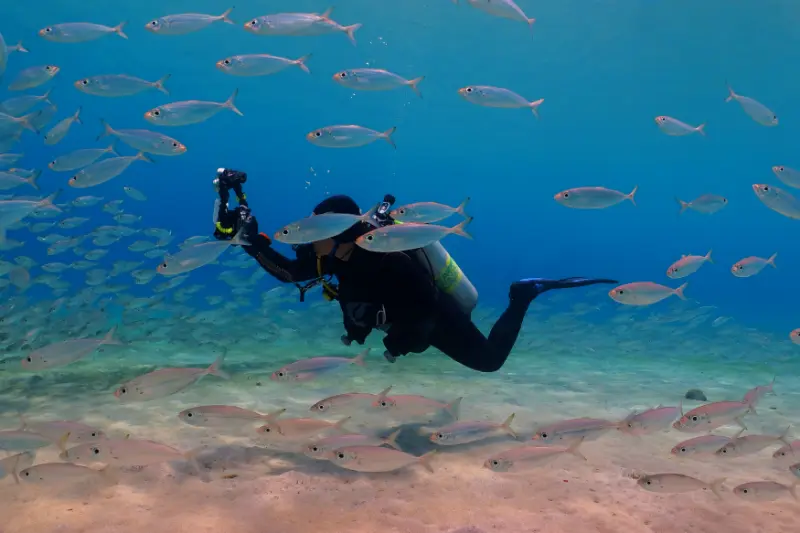
    Travelers taking a long cruise, carrying expensive equipment or booking specialized activities may need separate protection. Families should check whether children are automatically included and whether every traveler is named. Older visitors should read age-related limits and preexisting-condition terms rather than assuming a family plan covers everyone equally. Someone planning scuba diving, parasailing or motorsports should ask whether the exact activity is included. An insurer’s definition of an adventure sport may differ from yours.

    Sample decision for a ten-day vacation

    Imagine a ten-day Orlando and Gulf Coast trip: the airline ticket has a change fee, the Orlando hotel is refundable, a coastal rental is not, and the family will rent a car. The nonrefundable coastal stay creates meaningful cancellation exposure; the car requires a liability and damage review; and an international visitor needs substantial emergency medical protection. A package marketed as comprehensive can still leave gaps in all three. The exercise is to match each risk to a specific clause rather than buying based on the cheapest quoted premium.

    Where travelers tend to misunderstand policy limits

    An advertisement saying “medical coverage included” tells you very little about the practical protection. Find the monetary limit, whether that limit applies per person or for the entire trip, and whether the deductible applies per incident. Look for exclusions involving outpatient treatment, follow-up appointments, chronic illness, mental health care and transport between facilities. Ask what happens when a Florida hospital requires a deposit and whether a 24-hour assistance company can coordinate treatment. A plan with a large headline limit may still require advance approval for certain services. Conversely, a lower-limit plan with clearly defined emergency assistance might suit a short domestic trip better than an elaborate international policy. Currency also matters: claims may be settled in a currency different from the bill. Check the exchange-rate provision, payment timeline and appeal procedure. Policy documents, not comparison-site badges, should settle these questions.

    Cancellation versus interruption: an example

    Suppose your family cannot leave home because a covered illness starts just before departure. Trip cancellation coverage may address certain prepaid nonrefundable costs if the illness and documentation satisfy the terms. Now suppose you have already traveled to the Keys and must return home early because of a covered emergency. Trip interruption benefits may address unused travel arrangements and specified additional transport. These scenarios can be treated very differently. A weather delay that causes you to miss a prepaid museum ticket does not necessarily trigger either benefit. Purchase timing matters because some protections require insurance before a particular event becomes foreseeable. If you move your dates voluntarily, ask whether the policy can be changed with the reservation. Always check for duplicate reimbursement before claiming money from multiple providers.

    Families, seniors and accessibility-specific questions

    If a grandparent travels with grandchildren, confirm exactly who is insured and whether the insurer defines the group as one family. Parents should verify pediatric emergency benefits and the treatment of a child traveling without both legal guardians. For wheelchair users, investigate loss or damage to a mobility device and the cost of accessible replacement transportation; a standard baggage benefit may not solve these problems. Older travelers should check maximum trip length, age bands and renewal limits, not only initial eligibility. Travelers who require regular medication should understand how the policy handles a lost supply versus an illness caused by an existing condition. In every case, the objective is a written answer about a realistic event, not a promise that every emergency is covered.

    Before buying: seven questions to answer

    Identify the exact destination and trip dates, including connecting flights and cruise segments. Calculate prepaid nonrefundable expenses rather than total spending. Compare medical limits, assistance arrangements and deductibles on a like-for-like basis. Examine any hurricane or named-storm restrictions if visiting from summer through fall. Decide separately how rental-car liability and damage will be covered. Review activity exclusions for diving, boating or other planned excursions. Finally, identify who is responsible for making a claim and what documents must be submitted. If the policy is offered as an add-on at checkout, do not mistake convenience for comprehensive protection. Take time to read the certificate and save it somewhere the whole traveling party can access.

    Quick planning checklist

    • Confirm the details described in “Start with your biggest potential loss” before booking or departure.
    • Confirm the details described in “Hurricanes: timing and policy wording matter” before booking or departure.
    • Confirm the details described in “A workable claims folder” before booking or departure.

    Related Wonderful Florida guides

    Official resources and further checking

    Frequently asked questions

    What should I check first?

    List the prepaid amounts you cannot recover: flights, hotels, park tickets, tours, cruise fares and rental-car deposits. Read each supplier’s own cancellation terms first; a refundable hotel room may need less cancellation coverage than an expensive nonrefundable cruise. Next, consider medical expenses, which can be substantial for international visitors to the United States. A European public health card is not a substitute for insurance for treatment in Florida. Examine policy limits, deductibles, payment procedures and whether the insurer guarantees direct payment to a hospital or expects reimbursement after a claim. Keep a digital and offline copy of the emergency assistance number, not just the policy PDF.

    What detail is most often missed?

    The Atlantic hurricane season runs from June 1 through November 30, but not every travel disruption during those months creates an insured claim. Many policies distinguish a named storm that already existed when the plan was purchased from an unforeseeable storm after purchase. Others require a specific trigger: airport closure, mandatory evacuation or a supplier becoming unable to provide services. Simply deciding that the forecast looks unpleasant may not qualify. Look carefully at hurricane-related clauses, interruption benefits and any optional cancel-for-any-reason protection, which has its own eligibility window and reimbursement limitations. Monitor the National Hurricane Center and your accommodation provider when weather threatens.

    How can I keep the trip flexible?

    Travelers taking a long cruise, carrying expensive equipment or booking specialized activities may need separate protection. Families should check whether children are automatically included and whether every traveler is named. Older visitors should read age-related limits and preexisting-condition terms rather than assuming a family plan covers everyone equally. Someone planning scuba diving, parasailing or motorsports should ask whether the exact activity is included. An insurer’s definition of an adventure sport may differ from yours.

    Planning note: Policies, prices, opening times and regulations may change. Verify your own reservations and current official guidance before traveling.

  • Florida Sales Tax for Visitors: Shopping, Restaurant Bills and Budget Surprises

    Florida Sales Tax for Visitors: Shopping, Restaurant Bills and Budget Surprises

    An international traveler may look at a Florida price tag and expect to pay exactly that amount. Often the register total is higher because sales tax is added at checkout. Hotels use different tax rules from ordinary store purchases, restaurant gratuities are not the same as taxes, and local surtaxes can make rates differ by county. A little familiarity with receipts can prevent confusion when budgeting for food, shopping and everyday vacation expenses.

    In this guide

    The statewide starting point

    Florida has a general state sales tax, with additional discretionary sales surtax in many counties. The combined rate therefore depends on where a transaction occurs and what you buy. A statewide percentage quoted online is not necessarily the complete rate at a particular store. The Florida Department of Revenue publishes current rates and county guidance. Some products are exempt, taxed differently or subject to special rules, so avoid applying one percentage to every purchase.

    Shopping receipts and shelf labels

    Most conventional retail price tags display the pretax price. At checkout, a receipt typically separates taxable purchases and sales tax. Grocery purchases can be confusing because some basic food items are exempt while prepared foods, soft drinks or other goods may be taxable. A pharmacy can sell both taxable and exempt items. If an item rings up differently than expected, ask for an explanation rather than assuming the clerk has added a personal surcharge.

    Restaurants: tax, tip and service charge

    The menu price does not always include sales tax or gratuity. Some restaurants add an automatic gratuity for larger parties or a separate service charge; these are not interchangeable with a government tax. Read the bottom of the bill before adding another tip. Counter service, table service and hotel room service may follow different practices. For a family group, ask about automatic gratuity before ordering, particularly in tourist-heavy districts.

    Hotels and vacation rentals

    Transient accommodations can be subject to state and local taxes that differ from the total charged on ordinary shopping. Mandatory resort fees, parking, cleaning and other charges may have their own tax treatment. Because rates and local rules vary, use the property’s final quote rather than guessing by multiplying the nightly price. If you book through a platform, compare the line-item total with the property’s own conditions and any amount due at arrival.

    Theme parks, tickets and add-ons

    A theme-park ticket can have a listed price plus tax and optional extras such as parking, express access or dining. Confirm what is included before purchasing an expensive bundle. Taxes, service charges and third-party platform fees should be treated separately in your trip budget. A deal is only cheaper if the final price buys the same admission, dates and flexibility. The official checkout screen is a better comparison than a screenshot of a headline price.

    Is there a general tax refund for tourists?

    Florida does not operate a broad tourist VAT-refund scheme comparable to some tax-free shopping programs abroad. International visitors should not assume they can reclaim ordinary sales tax when leaving the United States. Certain special rules or exemptions may apply to qualified transactions, but those are not a universal visitor rebate. Keep receipts for warranty or customs purposes and consult the tax authority if a retailer makes an unusual refund claim.

    A simple budget habit

    When comparing restaurant meals, store purchases and hotel rooms, record the full final receipt or quote. Allow room for local tax where it applies and decide your tipping budget separately. This prevents small differences from accumulating into a surprise at the end of a week. If you visit several Florida counties, remember that identical purchases do not always produce identical tax lines. The goal is reliable estimates, not calculating every line of tax in your head.

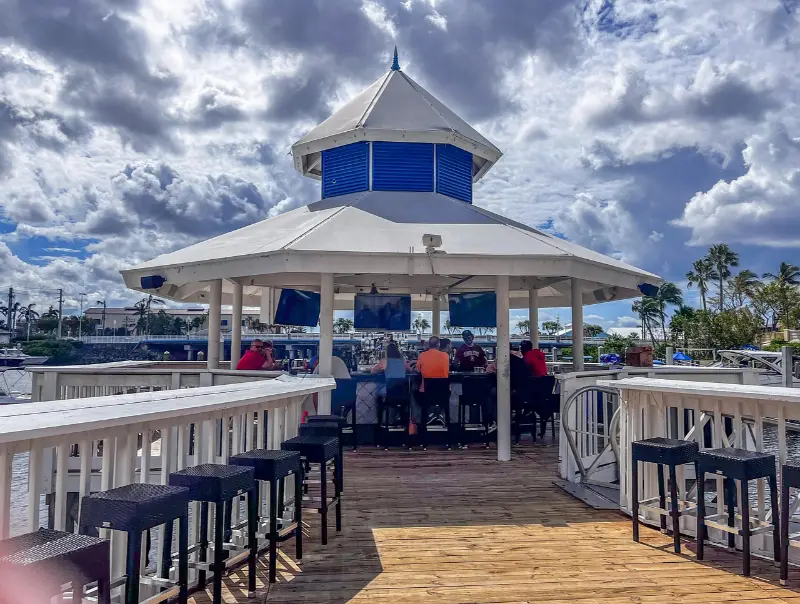
    Florida Dock Restaurant over Blue Water

    Sales tax and a hypothetical souvenir purchase

    Imagine a traveler buying several souvenirs at a listed price that does not include sales tax. At checkout, the bill may increase because the register calculates the applicable state tax and any local surtax on taxable goods. The exact total depends on location and the type of items. If a shop offers a discount, the tax calculation may be affected by how that discount is applied. Rather than memorizing one percentage for the entire state, use the store receipt to understand the taxable amount and tax line. On a multi-city trip, receipts in Miami-Dade County and another county may show different combined rates. The Florida Department of Revenue is the appropriate source for current rates and exemptions.

    Food bills that look inconsistent

    A supermarket receipt can include both nontaxable staple foods and taxable prepared items, so the tax line might not match a simple percentage of the basket total. Restaurant food is generally treated differently from basic grocery purchases. Bottled beverages, bakery items and food sold for immediate consumption can raise classification questions depending on the facts. If budgeting for a family, estimate meals using restaurant totals rather than menu prices alone. Remember that sales tax is not the tip. A printed suggested gratuity may be calculated from a pretax or posttax amount depending on the merchant; you can check the basis before deciding what to leave. Avoid double-tipping when an automatic gratuity already appears.

    Online purchases and delivery charges

    A traveler ordering groceries or clothing to a hotel may see sales tax calculated at checkout using delivery location and the seller’s obligations. Delivery, platform, service or convenience fees may be added separately, depending on the order. Some fees are subject to tax and some may not be, so do not assume a displayed subtotal is final. Confirm delivery instructions with the hotel and learn whether the front desk accepts parcels for guests. A low advertised item price may stop being a bargain after taxes, delivery and tip are included. When ordering on behalf of a larger group, compare the full payable amount with the cost of a nearby shop that can be reached on foot.

    Florida Casual Restaurant and Bar with Guests

    Budget for different kinds of transactions

    Create separate lines for lodging, transportation, dining, attractions and shopping. Hotels may use transient-accommodation taxes in addition to other charges. Rental cars can have airport or concession fees, and toll expenses are not sales tax. Restaurant tips and hotel resort fees are also distinct from government taxes, even when they all appear on a single receipt. Keeping these categories separate helps you assess which expenses can be reduced. A traveler might save more by avoiding a paid hotel parking requirement than by worrying about a small difference in retail sales tax. For official tax questions, check the current Department of Revenue publications instead of relying on a price calculator designed for another state.

    Quick planning checklist

    • Confirm the details described in “The statewide starting point” before booking or departure.
    • Confirm the details described in “Restaurants: tax, tip and service charge” before booking or departure.
    • Confirm the details described in “Theme parks, tickets and add-ons” before booking or departure.

    Related Wonderful Florida guides

    Official resources and further checking

    Frequently asked questions

    What should I check first?

    Florida has a general state sales tax, with additional discretionary sales surtax in many counties. The combined rate therefore depends on where a transaction occurs and what you buy. A statewide percentage quoted online is not necessarily the complete rate at a particular store. The Florida Department of Revenue publishes current rates and county guidance. Some products are exempt, taxed differently or subject to special rules, so avoid applying one percentage to every purchase.

    What detail is most often missed?

    The menu price does not always include sales tax or gratuity. Some restaurants add an automatic gratuity for larger parties or a separate service charge; these are not interchangeable with a government tax. Read the bottom of the bill before adding another tip. Counter service, table service and hotel room service may follow different practices. For a family group, ask about automatic gratuity before ordering, particularly in tourist-heavy districts.

    How can I keep the trip flexible?

    Florida does not operate a broad tourist VAT-refund scheme comparable to some tax-free shopping programs abroad. International visitors should not assume they can reclaim ordinary sales tax when leaving the United States. Certain special rules or exemptions may apply to qualified transactions, but those are not a universal visitor rebate. Keep receipts for warranty or customs purposes and consult the tax authority if a retailer makes an unusual refund claim.

    Keep tax questions separate from customs duties

    Sales tax paid at a Florida store is a domestic checkout issue. Bringing purchased items back to another country raises a different question: the destination country may apply customs allowances, declarations or import duties. Keep major purchase receipts and check the official customs guidance for your country of residence before flying home. A retailer who says an item is tax-free does not necessarily mean the purchase will be duty-free on arrival abroad. Keeping these systems distinct makes souvenir budgeting more accurate.

    Planning note: Policies, prices, opening times and regulations may change. Verify your own reservations and current official guidance before traveling.

  • Florida Scenic Drives With Short Stops: Coastal Roads, Wildlife Views and Gentle Days

    Florida Scenic Drives With Short Stops: Coastal Roads, Wildlife Views and Gentle Days

    Florida Scenic Drives With Short Stops can be one of the most rewarding ways to explore Florida when the day is planned around the people traveling, not an unrealistic checklist. This practical guide explains which choices matter before a reservation is made, how conditions can change on the ground, and ways to adapt the experience for children, first-time visitors, older travelers and people with different energy levels. It combines specific destination ideas with the questions worth asking parks, guides and accommodation providers. The aim is to help you plan a satisfying visit without implying that every attraction is always open, every activity is suitable for every person, or a wildlife sighting is ever guaranteed.

    On this page

    Why short-stop drives work

    Florida is large enough that a drive can consume most of a day if you string together too many places. A satisfying scenic route relies on short, deliberate stops rather than driving as many miles as possible. Some travelers love long hikes; others prefer a viewpoint, shaded picnic bench, local café or small museum. Set a maximum comfortable driving time for your group and add breaks before fatigue sets in. Weather, traffic, tolls, bridges and parking restrictions can make a short-looking route slower than expected. A scenic drive is about the places you notice between destinations, not the number of cities checked off.

    Overseas Highway in the Florida Keys

    US 1 through the Florida Keys is an iconic island drive with water views and bridges linking communities. It is not an invitation to stop on shoulders or bridges for photographs. Use established parks, pullouts and public access points rather than blocking traffic. Key Largo, Islamorada, Marathon and the Lower Keys can each provide a different legitimate break, though parking varies widely. Allow more time than mileage alone suggests, especially on busy weekends. Plan one major destination and a couple of short stops rather than rushing down to Key West and back from Miami on the same day unless that much driving genuinely suits your group.

    A1A on the Atlantic coast

    Sections of State Road A1A run along beaches, barrier islands and older coastal communities, but they are not one uninterrupted traffic-free scenic path. Around St. Augustine, Flagler Beach and other coastal towns, a short A1A segment can pair with a beach park or historic lunch stop. Farther south, development and local traffic change the experience. Check specific public parking options and bridge access rather than assuming the ocean can always be reached directly from the road. If the weather turns rough, a lighthouse museum or historic district can be a useful alternative to a windy beachfront walk.

    Gulf Coast small-town rhythm

    The Gulf side includes very different landscapes: the Panhandle’s dune beaches, Tampa Bay communities, and the quieter coastal areas farther north. Choose a short regional route rather than trying to connect them all in a day. For example, a relaxed Pinellas outing can combine a waterfront park, a café and one beach stop; a Nature Coast drive may center on a small town and an observation point. Some beach accesses charge for parking or have limited spaces. If the group dislikes crowds, early weekday stops may feel more enjoyable than arriving at a highly publicized sunset viewpoint just before dusk.

    Wildlife drives instead of long walks

    Certain refuges and parks provide vehicle-accessible observation routes where you can enjoy wetlands without an extensive hike. Merritt Island and J.N. Ding Darling National Wildlife Refuge are examples worth researching, but road access, opening days and seasonal restrictions must be checked at the exact destination. Do not drive off designated routes to improve a photograph. Binoculars can make a roadside stop much more rewarding and reduce pressure to approach wildlife. When traveling with children, plan a short observation game rather than expecting everyone to sit still indefinitely. Wildlife sightings remain unpredictable, even on celebrated routes.

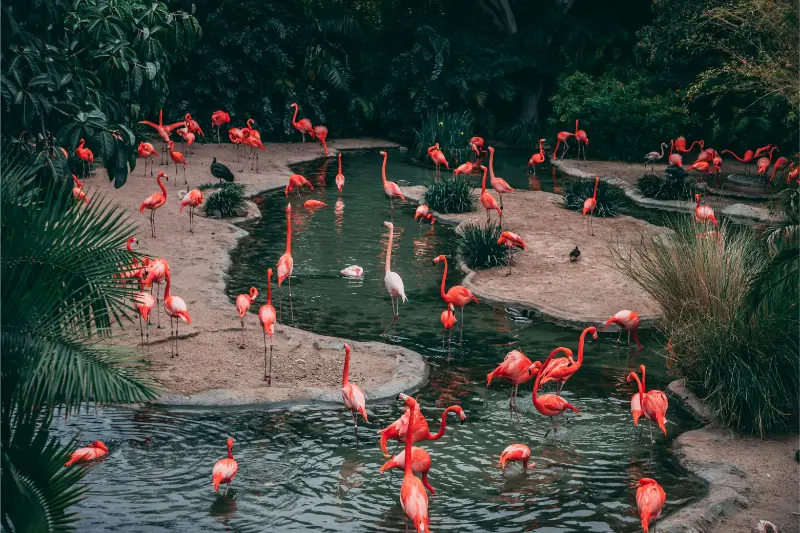
    Pink Flamingos at Florida Wildlife Pond

    Plan comfortable and legal stops

    Use marked parking areas, restrooms and public parks rather than pulling over on narrow shoulders. Beaches and refuges often have protected vegetation or dune systems that can be damaged by improvised parking. Add fuel stops in less populated sections, and keep drinking water on hand. If someone in the group needs frequent restroom access, build that into the route before departure. Roadside views can be wonderful, but they do not justify unsafe stopping or U-turns. Confirm park entrance hours, whether an entrance pass is needed, and if any short walkway between parking and viewpoint is suitable for the group.

    Make the route weather-resistant

    Florida coastal roads can face flooding, roadworks and storm-related changes. Check Florida 511 and local emergency or transportation notices before a longer drive. Do not follow a navigation app into a flooded or closed street. Thunderstorms can make a beach stop unsuitable but may leave indoor historic sites available elsewhere on the same route. Keep a route-shortening option that takes you back to the hotel without retracing every stop. During peak summer heat, use an earlier start and choose shaded lunch stops. Scenic travel is more enjoyable when there is no need to drive aggressively to keep up with an unrealistic schedule.

    Build a one-day example

    Begin after breakfast and select a regional corridor close to your accommodation. Drive thirty to sixty minutes to a first public viewpoint, then allow a proper restroom and hydration break. Choose one local museum, garden or historic town for the main midmorning activity. Have lunch within a short distance and decide whether to continue to one beach or return for rest. Schedule dinner near your hotel rather than at the far end of the route. This pattern works for couples, older travelers and families who want to experience Florida landscapes without spending an exhausting day getting in and out of the car.

    Four real-world ways to adapt this trip

    Family with two young children

    Put a playground or beachfront park with restrooms into the first half of the route, not just at the end. Plan predictable snack breaks, and avoid scenic shoulder stops where children would exit near fast traffic. Let each child choose one legitimate attraction along the way. The drive becomes a set of small discoveries instead of a long confinement in the back seat.

    Senior couple

    Prefer a limited regional loop with easy parking and café stops. Check for benches, elevators where relevant and restroom access before departure. A beautiful stretch of road is less appealing if every view requires a long walk over sand. Keep the last stop optional so you can return before dusk rather than driving unfamiliar roads when tired.

    Photographer chasing sunset

    Research a permitted public viewpoint and its closing time. Avoid crossing barriers, stopping on a bridge or parking along a narrow roadway simply to capture the light. Arrive early enough to evaluate safe access and remain aware of changing surf and weather. If cloud cover hides the sunset, the outing can still yield excellent images of coastal textures and local architecture.

    A rainy-day detour

    Identify a historic museum or indoor visitor center near the planned route before leaving. If a storm makes an exposed boardwalk unsuitable, use the indoor stop or head back rather than driving through standing water. Verify bridge and road conditions using official updates. Keep the return route shorter than the outward journey whenever weather is uncertain.

    Before you leave: a practical decision checklist

    • Confirm the exact site address and current operating hours directly with the operator or government agency.
    • Check admissions, reservations, seasonal restrictions and refund rules rather than relying on an old search snippet.
    • Review the weather and choose an indoor or shorter backup activity for the same region.
    • Verify restrooms, shade, walking surfaces, parking and transport for the least mobile member of the group.
    • Carry water, appropriate sun protection, medication or personal items you normally need, and an offline copy of essential details.
    • Leave space in the itinerary for an unplanned rest, a delayed arrival or a wonderful discovery that deserves more time.

    Frequently asked questions

    Can I photograph from a bridge shoulder?

    Do not stop on bridges or unsafe shoulders. Use legal parking and public observation points instead.

    Is the Keys drive a good Miami day trip?

    A short Upper Keys trip may be more comfortable than a rushed return from Key West. Account for traffic, parking and breaks.

    Can I drive the whole A1A in one day?

    A1A follows varied sections of the coast; an enjoyable trip usually concentrates on a regional stretch with specific stops.

    Where can I see wildlife from a vehicle?

    Research legal refuge driving routes such as Merritt Island or Ding Darling and check their exact current schedules.

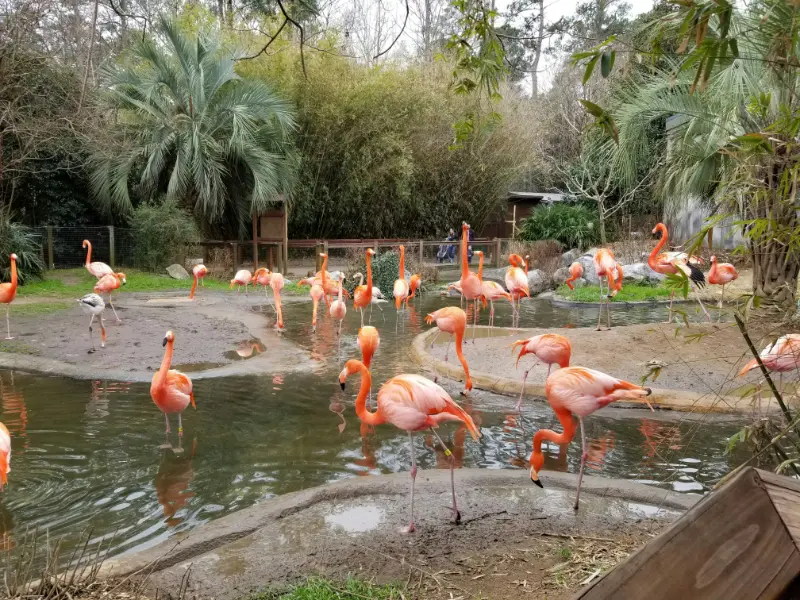
    Pink Flamingos Standing in Florida Wildlife Park

    How do I plan a trip for limited stamina?

    Choose one scenic corridor, easy parking, accessible restrooms and a nearby lunch. Keep the final stop optional.

    Continue planning your Florida trip

    • A Gentle Florida Nature Day: Boardwalks, Tram Tours and Wildlife Viewing Without Long Hikes
    • Birdwatching in Florida for Beginners: Where to Go, What to Bring and How to Spot Wildlife
    • Florida Rainy-Season Afternoons: How to Plan Around Storms Without Losing Vacation Days
    • Mangrove Kayaking in Florida for Beginners: Calm Routes, Guided Trips and Wildlife Safety

    Official reference and current-access starting point: https://fl511.com/. Always confirm any booking, trail closure, route or site-specific activity rule with the responsible venue before visiting.

  • Florida Botanical Gardens for Slow Travel: Peaceful Walks, Shade and Accessible Planning

    Florida Botanical Gardens for Slow Travel: Peaceful Walks, Shade and Accessible Planning

    Florida Botanical Gardens for Slow Travel can be one of the most rewarding ways to explore Florida when the day is planned around the people traveling, not an unrealistic checklist. This practical guide explains which choices matter before a reservation is made, how conditions can change on the ground, and ways to adapt the experience for children, first-time visitors, older travelers and people with different energy levels. It combines specific destination ideas with the questions worth asking parks, guides and accommodation providers. The aim is to help you plan a satisfying visit without implying that every attraction is always open, every activity is suitable for every person, or a wildlife sighting is ever guaranteed.

    On this page

    Why gardens deserve a day

    Theme parks and beaches get most of the attention, but Florida’s public gardens offer a slower way to encounter subtropical plants, local landscapes and outdoor art. A garden visit can fit a couple, a multigenerational family or someone seeking an easier sightseeing day. It should not be assumed that every garden is flat, shaded or wheelchair accessible. Some have extensive paved loops, while others contain sandy paths, gravel, steps or long distances between rest areas. Review each site map and choose one strong garden stop rather than trying to visit several in the afternoon heat.

    Naples Florida Historic Street with Tropical Gardens

    Central Florida garden possibilities

    Harry P. Leu Gardens in Orlando provides a very different day from an amusement park: plant collections, landscaped grounds and opportunities to learn about local horticulture. Bok Tower Gardens in Lake Wales combines gardens with its distinctive tower and a hillier setting; slope and route choice matter when traveling with wheelchairs or anyone who tires easily. Admission, exhibitions and event access can change, so confirm them directly before visiting. Orlando visitors should allow travel time beyond what a map suggests, especially from major resort corridors. A quiet garden morning can balance a busy theme-park day without becoming another exhausting attraction marathon.

    South Florida botanical landscapes

    Fairchild Tropical Botanic Garden in Coral Gables features tropical plant collections and educational programming, making it appealing to visitors already in the Miami area. Naples Botanical Garden offers another opportunity to explore designed tropical landscapes on the Gulf side of the peninsula. These are different destinations with different climates, layouts and admission policies; do not copy opening hours from one to the other. In summer, prioritize shade breaks and water. Families might focus on colors, textures and plant shapes rather than expecting children to appreciate every formal collection. Check event calendars when quieter grounds are more important than a festival atmosphere.

    Gulf Coast and smaller gardens

    The Florida Botanical Gardens in Largo can suit a Pinellas County itinerary that includes Clearwater or St. Petersburg. Smaller municipal or university gardens elsewhere may provide rewarding stops without the same national visibility. Before making a long drive, verify whether the garden is open to the public that day, whether there is a separate parking fee and how much of the route is outdoors. Some landscapes are best seen during particular bloom periods, but drought, storms and maintenance can change what is visible. Leave room for curiosity; a modest local garden can feel more personal than a crowded major attraction.

    Match the route to stamina

    Estimate the actual walking loop rather than judging by acreage alone. Ask about paved paths, accessible restrooms, benches, mobility devices, wheelchairs and any shuttle or tram service. A visitor who can comfortably walk twenty minutes may need a different route from a confident hiker. Identify one or two must-see collections and connect them by the simplest route. If a site is sprawling, an organized tour may offer context but can impose a pace that does not suit everyone. For children, schedule a clear endpoint and a break, not an open-ended instruction to keep walking until every plant has been seen.

    Flowers, insects and weather

    Blooms depend on plant species and season rather than on a universal “best month” for all of Florida. Tropical landscapes may show interest across much of the year, while particular flowers have brief peaks. Butterflies and other pollinators add to the experience; observe rather than capture them. Florida storms and heat can interrupt a garden day, and slick paved paths deserve caution after rain. Carry water and insect protection as appropriate, and avoid assuming that a canopy of trees eliminates the need for sun protection. Check gardens’ severe-weather and closure notices before leaving the hotel.

    Photography without disrupting others

    Gardens are excellent places to practice close-up photography, but stay on permitted paths and do not move signs or plants for a shot. Commercial photography, tripods and ceremonies may require permission or a fee. Respect people visiting for quiet reflection as well as families with children. A smartphone can capture textures, wide views and changing light without bulky equipment. If you are making a travel blog, label your photographs accurately and avoid claiming a flower is native if you have not verified it. Gardens often display species names, but those labels should be checked before publishing technical claims.

    Create a restorative itinerary

    Plan a morning garden walk, an unrushed lunch and perhaps one nearby museum or scenic neighborhood before returning to the hotel. This works particularly well between long driving days or several theme-park visits. If you are traveling with someone older or recovering from a demanding day, make the garden the main attraction rather than an add-on. Bring a small list of questions—parking, shade, path surfaces and restrooms—to check on the official site. The best slow-travel itinerary is not necessarily short on interest; it is selective about where energy is spent.

    Four real-world ways to adapt this trip

    Couple seeking a quiet morning

    Choose a weekday when possible and check whether a special event will make the garden unusually busy. Walk one area slowly, then sit for a break where benches are permitted. Use the plant labels to learn something new rather than rushing to photograph every collection. A café or nearby neighborhood stop can round out the day without a second admission ticket.

    Family with children

    Turn the walk into a color-and-shape activity: look for a broad leaf, a flowering shrub, a palm silhouette and an unusual seedpod. Explain not to pick flowers or climb display trees. If the garden offers a children’s area or educational tour, verify its availability instead of promising it in advance. Leave before fatigue turns a pleasant walk into a struggle.

    Accessible and low-stamina visit

    Ask in advance which loops are paved, whether restrooms are accessible and how far parking lies from the most interesting collections. Identify a short route with places to sit and set an optional extension for anyone who wants more walking. A tram, where offered, may reduce distances but could involve transfer or boarding restrictions; check details before booking.

    Photography and a plant festival

    An exhibition or seasonal festival can create beautiful displays but also queues, parking pressure and restricted pathways. Check the event rules on tripods and commercial work. Keep enough time to enjoy the garden outside the busiest photo spots. If a particular bloom is your priority, verify the current condition directly with the venue rather than relying on a published calendar from earlier years.

    Before you leave: a practical decision checklist

    • Confirm the exact site address and current operating hours directly with the operator or government agency.
    • Check admissions, reservations, seasonal restrictions and refund rules rather than relying on an old search snippet.
    • Review the weather and choose an indoor or shorter backup activity for the same region.
    • Verify restrooms, shade, walking surfaces, parking and transport for the least mobile member of the group.
    • Carry water, appropriate sun protection, medication or personal items you normally need, and an offline copy of essential details.
    • Leave space in the itinerary for an unplanned rest, a delayed arrival or a wonderful discovery that deserves more time.

    Frequently asked questions

    Which Florida garden suits Orlando visitors?

    Harry P. Leu Gardens and Bok Tower Gardens offer different experiences and drive times. Compare accessible routes, admission and event days.

    Are all garden paths wheelchair accessible?

    No. Surfaces and slopes differ within each venue. Ask which specific collections can be reached on a suitable path.

    What if flowers are not in season?

    Designed landscapes, foliage and educational exhibits can remain interesting outside peak bloom, but verify conditions if a particular flower is the main reason for traveling.

    Can I bring a camera tripod?

    Many gardens have photography policies and may require permission for tripods or commercial shoots. Check before visiting.

    How long should I spend in a garden?

    Plan a route based on stamina rather than acreage, usually with one focused walk and time for seating or lunch.

    Continue planning your Florida trip

    • Florida Vacations After 80: Comfortable Sightseeing, Family Planning and Flexible Days
    • A Gentle Florida Nature Day: Boardwalks, Tram Tours and Wildlife Viewing Without Long Hikes
    • Birdwatching in Florida for Beginners: Where to Go, What to Bring and How to Spot Wildlife
    • Florida Rainy-Season Afternoons: How to Plan Around Storms Without Losing Vacation Days

    Official reference and current-access starting point: https://www.floridastateparks.org/. Always confirm any booking, trail closure, route or site-specific activity rule with the responsible venue before visiting.

  • Florida Coastal Wildlife Etiquette: Dolphins, Sea Turtles, Shorebirds and Manatees

    Florida Coastal Wildlife Etiquette: Dolphins, Sea Turtles, Shorebirds and Manatees

    Florida Coastal Wildlife Etiquette can be one of the most rewarding ways to explore Florida when the day is planned around the people traveling, not an unrealistic checklist. This practical guide explains which choices matter before a reservation is made, how conditions can change on the ground, and ways to adapt the experience for children, first-time visitors, older travelers and people with different energy levels. It combines specific destination ideas with the questions worth asking parks, guides and accommodation providers. The aim is to help you plan a satisfying visit without implying that every attraction is always open, every activity is suitable for every person, or a wildlife sighting is ever guaranteed.

    On this page

    Wildlife sightings are not guaranteed

    Florida’s coast is full of opportunities to see animals, but a beach visit is not a scheduled wildlife show. Dolphins may pass offshore, seabirds feed along the strand and sea turtles use suitable beaches for nesting at certain times of year. The type of animal, viewing distance and local protections change by place and season. Build the day around a beautiful beach or educational visitor center, then treat a wildlife sighting as a bonus. A responsible trip starts with the assumption that animals can leave, hide or rest without having to perform for tourists.

    Flock of Flamingos at Florida Wildlife Park

    Give dolphins space

    Wild dolphins need to move, feed, socialize and rest without boats or swimmers cutting off their paths. Do not chase a dolphin pod, surround animals with several vessels or throw food into the water. Follow applicable federal and local viewing guidance and instructions from licensed operators. A tour that promises guaranteed close physical contact with wild dolphins deserves skepticism. Binoculars and a zoom lens are better tools than moving a boat closer whenever an animal dives. When choosing a cruise, ask how the operator handles unexpected sightings, vessel speed and situations where dolphins approach of their own accord.

    Respect nesting sea turtles

    On some Florida beaches, sea turtles nest and hatchlings later move toward the water. Never approach a nesting turtle, stand over a nest, handle hatchlings or disturb markers and protective tape. Artificial lights, flash photography and beach obstacles can disorient turtles. Local ordinances may require special lighting or restrict nighttime beach behavior during nesting season; check the municipality where you are staying. Remove chairs and toys when required and fill holes before leaving the sand. Families can support conservation by attending an authorized educational program rather than seeking out an unmonitored nest at night.

    Manatees choose their own distance

    Manatees sometimes gather in warm-water locations, spring runs and coastal waterways. They are protected animals, not attractions to touch or swim after. Never block access to a travel corridor, offer food or water, or separate a calf from its mother. Whether you are kayaking or snorkeling, stop and give a manatee room to move if it approaches; local rules may impose more specific restrictions. A lawful viewing platform can be a better option for a mixed-age family than pursuing a swimming encounter. Teach children that a calm animal is not automatically an animal that wants human contact.

    Shorebirds need quiet feeding space

    Small shorebirds feeding at the edge of the surf can be easy to overlook. Repeatedly making them fly uses energy, especially during migration and nesting periods. Walk around feeding flocks rather than directly through them and keep dogs out of areas where pets are restricted. Posted nesting areas and dune fences protect eggs, chicks and fragile vegetation. A beach can feel almost empty while still being important habitat. Use designated walkways and avoid leaving fishing line, plastic or food waste behind. If a bird calls, circles or moves away in response to you, increase your distance rather than trying for a closer image.

    Boating, paddling and propellers

    Shallow water, seagrass beds and manatee habitat require extra care from boaters. Follow posted speed zones and navigation markers and never cut across seagrass to shorten a route. Renters should ask for a safety briefing and understand where the vessel may travel. Paddlers need to avoid blocking narrow wildlife corridors and be prepared for changes in wind or tide. Tour operators should not promise access to protected areas where entry is restricted. Read destination-specific rules before departure; the fact that an online photograph shows someone on a sandbar does not mean landing is currently permitted there.

    Avoid feeding all wildlife

    Feeding seabirds can encourage crowding around picnics and make animals associate people with food. Feeding or harassing alligators is dangerous, and wild mammal feeding can create conflict and dependency. Store snacks securely, dispose of litter properly and avoid leaving bait or fish scraps where birds and other wildlife gather. At fishing piers, manage hooks and monofilament carefully and use designated recycling points when available. If you encounter an injured animal, keep your distance and contact an authorized local wildlife rescue organization or park staff; improvising a rescue can harm the animal and people.

    Pink Flamingos at Florida Wildlife Pond

    Choose wildlife experiences carefully

    Read a company’s description for the difference between observing animals in the wild and interacting with captive animals. Ask how many passengers join each excursion, how the operator limits disturbance, what happens when conditions are unsuitable and whether cancellation rules are transparent. A smaller group does not guarantee responsible practices, but a guide willing to stay back and explain habitat often provides the better experience. Keep a flexible afternoon for a nature center, aquarium or museum if offshore conditions prevent a boat excursion. Protecting wildlife does not mean enjoying Florida less; it means leaving its natural places healthier.

    Four real-world ways to adapt this trip

    Family beach day

    Explain simple wildlife rules before children see an animal: look, do not touch; give it a path to move away; never offer snacks. Bring a small trash bag so wrappers are not left in the sand. Avoid setting up beside posted nesting areas, and teach children that temporary closures protect something living even if the animal itself is not visible.

    Wildlife photography outing

    Choose a longer focal length when possible and wait for natural behavior rather than chasing a close frame. Keep flash and bright lights away from nesting or resting wildlife. Avoid geotagging a sensitive nesting location in real time if crowds could create disturbance. Do not pressure tour guides to approach protected species more closely than their guidance allows. Strong photographs often show habitat and context, not just the animal.

    Boat tour selection

    Read the details for duration, passenger count, departure location and weather policy. Ask how operators maintain distance from dolphins or manatees and whether they ever feed wildlife. A captain’s willingness to turn away from an unsafe situation is a good sign, not evidence the tour is poor value. Bring binoculars and be prepared for a rewarding coastal outing even if no charismatic animal appears.

    An animal appears nearby

    Reduce activity and allow room for the animal to choose its route. Do not encourage other visitors to crowd around or reach into the water. If an animal looks injured or distressed, contact park staff or an appropriate wildlife authority rather than attempting to move it yourself. Do not assume that a resting animal needs rescuing; authorized responders can assess the situation more safely.

    Before you leave: a practical decision checklist

    • Confirm the exact site address and current operating hours directly with the operator or government agency.
    • Check admissions, reservations, seasonal restrictions and refund rules rather than relying on an old search snippet.
    • Review the weather and choose an indoor or shorter backup activity for the same region.
    • Verify restrooms, shade, walking surfaces, parking and transport for the least mobile member of the group.
    • Carry water, appropriate sun protection, medication or personal items you normally need, and an offline copy of essential details.
    • Leave space in the itinerary for an unplanned rest, a delayed arrival or a wonderful discovery that deserves more time.

    Frequently asked questions

    Can I swim toward wild dolphins?

    Do not chase or attempt to surround wild dolphins. Choose a reputable observation operator and let the animals determine their distance.

    Can children pick up sea turtle hatchlings?

    No. Do not handle hatchlings or disturb nesting areas. Follow local beach-lighting and nesting-season restrictions.

    Are manatees safe to pet?

    Manatees are protected wildlife. Leave them alone, give them room to move and do not feed or touch them.

    Can I fly a drone over nesting birds?

    Protected areas often restrict drone operations, and disturbance can harm wildlife. Check specific rules and avoid approaching nesting colonies.

    What do I do if wildlife appears injured?

    Contact qualified wildlife responders, park staff or the relevant authority; do not improvise handling or transport.

    Continue planning your Florida trip

    • Mangrove Kayaking in Florida for Beginners: Calm Routes, Guided Trips and Wildlife Safety
    • Florida Vacations After 80: Comfortable Sightseeing, Family Planning and Flexible Days
    • A Gentle Florida Nature Day: Boardwalks, Tram Tours and Wildlife Viewing Without Long Hikes
    • Birdwatching in Florida for Beginners: Where to Go, What to Bring and How to Spot Wildlife

    Official reference and current-access starting point: https://myfwc.com/. Always confirm any booking, trail closure, route or site-specific activity rule with the responsible venue before visiting.

  • Florida Cowboy Country and Rodeos: Ranch Heritage, Kissimmee and Arcadia

    Florida Cowboy Country and Rodeos: Ranch Heritage, Kissimmee and Arcadia

    Many people picture Florida as a land of beaches, rockets and theme parks, yet its cattle-ranching heritage reaches far beyond the tourist corridors. In Central Florida and the state’s interior, ranching communities have preserved horseback traditions, agricultural fairs and rodeos that tell another part of the region’s story. Visitors can learn about working landscapes and the history of Florida ‘crackers’—a historical term whose context and use should be approached thoughtfully—without presenting modern ranch life as a costume show. A rodeo is a real sporting event involving animals, skilled competitors and differing ethical viewpoints. This guide helps travelers decide whether a rodeo or ranch-heritage outing fits their interests, and explains how to visit respectfully with children, grandparents or international guests.

    At a glance

    Planning stepPractical action
    HeritageLearn about Central Florida cattle ranching history
    EventsCheck Silver Spurs and Arcadia organizer schedules
    FamilyPlan around noise, heat and livestock safety
    RespectConsider animal welfare and private-property rules

    Why cattle ranching matters to Florida history

    Florida’s livestock economy developed over centuries, influenced by Spanish colonial settlement, Indigenous histories, migration, trade and changing land use. Cattle and horses became part of the state’s rural economy long before mass tourism. Communities around Kissimmee and the central interior still retain visible connections to the ranching landscape, even as suburbs and resort developments expand. Local historical societies and museums offer context about how cattle moved across wetlands and grasslands, how ranchers adapted breeds and how work practices evolved. Avoid treating every historical claim as a single uncomplicated narrative: the region’s past includes conflicts over land, labor and environmental change. Learning about those complexities makes a drive through cattle country more meaningful than simply stopping for a photo beside a pasture fence.

    Kissimmee and the Silver Spurs Rodeo tradition

    The Silver Spurs Riding Club traces its origins to Osceola County ranchers in the early 1940s, and the Silver Spurs Rodeo developed into a prominent regional event. The organizers publish event history and current ticketing information directly. A traveler staying near Walt Disney World may find the Kissimmee area logistically convenient, but do not assume an event runs every weekend or that seats remain available. Check the official calendar, arena location, ticket terms and parking instructions. Spectators may encounter music, announcements, livestock events and large crowds. The experience can be exciting for some families and overwhelming for others, particularly people sensitive to noise. Arrive with enough time to locate accessible seating and restrooms rather than rushing into the grandstand during the opening events.

    Kissimmee Florida Residential Neighborhood Aerial

    Arcadia and inland rodeo culture

    Arcadia, in DeSoto County, is associated with a longstanding rodeo culture and a rural landscape different from Orlando’s visitor districts. Rather than quoting an event date that may change, check the official Arcadia rodeo organizer’s current schedule and venue directions. A trip to the area can also include a modest look at historic downtown streets, local eateries and surrounding countryside, subject to business hours. Distances should be measured from the actual accommodation, as ‘Central Florida’ covers a wide region. Rodeo dates can coincide with traffic and accommodation demand, so secure tickets and plan parking early. A day trip may be more practical than an overnight stay for some travelers, while others will appreciate a slower rural itinerary.

    What happens at a rodeo event

    The competition program varies by organizer and sanctioning rules, but rodeos may feature timed riding and roping disciplines, barrel racing or other arena events. Announcements can be fast and full of local terminology. Read the event program or ask staff for explanations instead of expecting the meaning of each competition to be obvious. Not every event is appropriate for every spectator: loud sound, dust, livestock movement and occasional falls are part of the environment. Families should be prepared to leave early if children become upset. Animal welfare concerns are legitimate and differ among visitors; review the organizer’s policies, event practices and relevant oversight when deciding whether to attend. It is possible to appreciate Florida ranch history through museums and heritage sites even if you prefer not to watch competitive rodeo events.

    Families with children: comfort before spectacle

    For young visitors, the combination of crowds, amplified announcements and unfamiliar animal sounds may be intense. Bring appropriate hearing protection for children where indicated, comfortable clothing, water and a simple explanation of the day’s events. Verify whether strollers can enter seating areas or must be parked elsewhere. A small child should never be allowed near working livestock, horses, trailers or arena barriers without explicit permission and qualified supervision. Agree on a meeting location and identify staff in case family members become separated. Some events have daytime programs more suitable for children than late finishes; check the actual schedule rather than assuming a family discount guarantees a child-oriented show. Keep exit plans flexible and do not insist that a frightened child stay to the end.

    Accessibility, seating and visitor needs

    Large arenas may have designated wheelchair seating, companion seats and accessible facilities, but their location, availability and purchase process should be confirmed with the operator. Ask about parking-to-seat distances, ramps, toilet facilities and whether sound levels could be difficult for guests with hearing aids or sensory needs. An outdoor event may expose spectators to direct sun or rain; check whether any seating is covered and what happens when severe weather develops. Older guests may value a shorter program or an aisle seat for easier rest breaks. For people who use walkers or wheelchairs, do not assume dirt or gravel approaches will be comfortable. The organizer is best placed to describe the actual venue for your booked date.

    Learn about ranch life without trespassing

    A working ranch is private property unless it specifically offers public tours, accommodation or activities. Never enter a pasture, touch livestock through fences or stop a rental car where it blocks a farm entrance. A legitimate ranch visit should state its insurance, supervision arrangements, guest activities and animal welfare policies. Some venues may offer demonstrations or educational experiences, but advertised services can change. If a travel listing promises cattle drives or horseback experiences, confirm the exact activity and skill requirements before paying. Rural roads are used by heavy agricultural equipment and local residents; drive conservatively, particularly after dark. The respectful visitor enjoys the landscape without interfering with the people and animals who live and work there.

    Food, crafts and local businesses beyond the arena

    A rodeo weekend can support local eateries, shops and heritage organizations, but not every establishment will operate outside event hours. Before building an itinerary around a market or craft fair, check whether it is actually scheduled and open to the public. Local food might reflect Southern, Latin American and other regional traditions; avoid simplifying Florida’s varied communities into a single cowboy menu. A responsible day can include a small museum, a stroll along a historic street and a locally owned meal, with a rodeo in the evening only if the schedule makes sense. Visitors on a budget can often learn about ranch history without purchasing premium arena seats. Comparing admission, parking, transport and overnight costs helps determine value.

    Pair cattle-country history with nature

    Ranch landscapes overlap with important wildlife habitat and water systems, so a heritage itinerary can also include legal public nature trails or state parks. The central interior has prairies, lakes and wetland habitats that attract birds and seasonal wildlife. Choose short signed walks appropriate to the party’s stamina, and do not approach wild animals or enter closed land. Heat can be considerable on exposed roads and trails, particularly around midday. A morning nature walk followed by an indoor museum and a late-afternoon cultural event often works better than spending all day outdoors. The combination can help children understand how water, grassland, cattle and human settlement influenced this part of Florida over time.

    Kissimmee Florida Residential District and Lakes Aerial

    How to plan a rodeo day from Orlando

    Check the current event date and the real travel time from your hotel, not just the distance from the word ‘Orlando’ on a map. Reserve tickets through the official operator or an authorized vendor, and save confirmation offline. Leave extra time for traffic, parking and security, and identify a suitable meal stop before arrival. Dress for the weather and ask about bag restrictions. If the rodeo finishes late, plan who will drive and ensure that person is rested enough for the return trip. Families with younger children may choose a shorter visit, while visitors who dislike nighttime driving might prefer local accommodation. Never invent an ‘available tour’ based solely on a historical listing; verify everything that affects the day’s plan.

    Photograph respectfully and consider animal welfare

    Follow the organizer’s photography policies, keep away from restricted arena areas and avoid flash or behavior that could disturb animals. Do not publish close-ups of children or ranch employees without appropriate permission. If you have animal-welfare concerns, read event rules and choose a different cultural activity if the format is uncomfortable. Florida’s cowboy heritage includes music, history, horsemanship and agriculture; watching animal competition is only one way to engage with it. Travel writing should acknowledge both the cultural importance of ranching traditions and the existence of differing views about animal sports. A thoughtful visitor can ask questions, support responsible organizations and appreciate the area’s living communities without claiming to speak for them.

    Frequently asked questions

    Is there really cowboy culture in Florida?

    Yes. Cattle ranching and horseback traditions have a long regional history, especially in parts of Central and inland Florida.

    Is the Silver Spurs Rodeo inside Walt Disney World?

    No. It is a separate event in the Kissimmee area. Check the official organizer for the current venue, date, admission and transport arrangements.

    Can small children attend a Florida rodeo?

    Some events welcome families, but noise, crowds and live-animal competition may be unsuitable for certain children. Review current venue rules and plan breaks.

    Can tourists visit any working cattle ranch?

    No. Most ranches are private. Book only explicitly public tours or experiences and respect fences, livestock and farm operations.

    Do I need a ticket to learn about Florida ranch history?

    Not always. Historical organizations, local museums and public interpretation can provide alternatives; opening hours and admission rules vary.

    Official sources and further reading

    Explore Silver Spurs Rodeo history, the Florida Historical Society’s Kissimmee history overview, and the Florida State Parks website for nearby public nature experiences. Verify rodeo dates and tickets directly with the organizers.

  • Ocala Horse Country Without Riding: Four Days of Shows, History and Gentle Nature

    Ocala Horse Country Without Riding: Four Days of Shows, History and Gentle Nature

    You do not need to ride a horse to enjoy one of Florida’s best-known equestrian regions. Ocala combines horse farms, international competitions, museums, springs and leafy downtown streets. For a family with children, a couple who loves animals or an older traveler who enjoys watching sport more than participating, four days here can be varied without demanding a riding lesson. The key is to distinguish places that welcome spectators from private farms and training barns, which are workplaces and generally not open for casual visits.

    Use Ocala as your single base. This reduces luggage transfers and allows a competition schedule to dictate one day without disrupting the rest. The busiest event dates can affect hotel prices and traffic, so check the World Equestrian Center calendar before booking. Make no promise that horses will be visible on an empty training day: competitions and horses are present according to event schedules.

    A four-day Ocala itinerary

    Day Suggested area Highlight If it rains
    1 Downtown Ocala Orientation, food and architecture Museum or café
    2 World Equestrian Center Watch scheduled horse sport Covered arena when operating
    3 Silver Springs area Springs and short nature observation Indoor cultural stop
    4 Ocala museums Local history and art Flexible departure

    The itinerary does not require horse-riding ability or specialized clothing. Comfortable walking shoes, a water bottle and layers for air-conditioned venues are more useful than riding boots. Keep a short list of backup activities in case a show changes dates, a park restricts capacity or severe weather arrives.

    Horse Drawn Carriage at Florida Park

    Day 1: Discover Ocala without rushing to a farm

    Begin with downtown Ocala, which works well as an arrival-day introduction. Look at the architecture, public spaces and restaurants, and pick up local information if a visitor center is available. Horse-country identity appears in the city’s art and businesses, but this is still a functioning community with offices, traffic and daily life. Choose a short walk compatible with the youngest or least mobile member of your group rather than trying to see everything on the first afternoon.

    Dinner is a useful opportunity to review the next day’s show program. Ask younger visitors what they would most like to see—jumping, a beautifully prepared arena, riders’ equipment or the teamwork behind caring for animals. This avoids presenting competitions as a generic animal show. For a non-rider, learning to watch carefully can be as enjoyable as participating. If you have a late arrival, save the sightseeing for tomorrow rather than rushing through dark unfamiliar roads.

    Day 2: How to enjoy World Equestrian Center as a spectator

    The World Equestrian Center–Ocala welcomes the public, and many competitions have complimentary general admission and parking, although special events and experiences may charge. Check the specific show calendar, ring locations and starting times. A listing for an event week does not guarantee that the class you want will take place at the moment you arrive. The facility is large; use its official map before choosing a parking area.

    If you are unfamiliar with equestrian sport, spend time watching a few rounds from designated spectator seating and notice how riders balance speed, accuracy and their horses’ welfare. Ask staff where viewing is permitted, especially in indoor arenas. Do not enter stables or pet horses. Competition horses are working athletes with safety routines, and the venue explicitly directs spectators to remain in designated areas. Keep children nearby and avoid flash photography or behavior that could distract a horse.

    Understand the difference between free admission and paid experiences

    General spectator access to many horse shows does not mean every on-site service is free. Restaurants, spa visits, shops, hospitality seating and select ticketed events operate separately. Decide whether your group wants a simple two-hour visit with a meal elsewhere or a longer event day with dining on the property. The official Ocala World Equestrian Center FAQ is useful for accessibility, schedules, photography and general visitor rules.

    A person using a wheelchair should ask about the specific arena entrance and seating before traveling. Although accessible parking is available, the distances across the campus can be substantial. Travelers with children may appreciate the option of leaving after one interesting competition rather than trying to remain all day. The quality of a spectator visit depends more on choosing the right event than on buying extras.

    How to plan around unpredictable schedules

    Horse shows operate on programs that can change as riders enter classes, weather develops and events progress. Check the daily order of go as close to your visit as practical. Have a second activity nearby so a delayed class does not become a long wait in a corridor. Some show days contain several disciplines and levels; ask which would be most approachable for a first-time spectator rather than assuming the biggest prize class is the only interesting one.

    Avoid planning a farm tour based on a roadside sign. Many of Ocala’s horse properties are private operations with biosecurity rules, valuable animals and no public visitor program. A stable gate is not an invitation to enter. If you want a structured encounter, book through a verified operator that explicitly sells public tours or lessons, confirms ages and accessibility, and explains helmets and staff supervision. None of that is necessary for the itinerary described here.

    Day 3: Silver Springs adds nature to the equestrian story

    Spend a nature-focused day around Silver Springs State Park or another confirmed public park near Ocala. Springs show another side of the region: clear water, forest and opportunities to understand local ecology. Check current state-park notices for admission, boat operations, tour availability and weather conditions. Do not assume every boat is accessible or that the advertised ride operates throughout the day. If a water activity is unsuitable for your group, choose a short land-based view and a relaxed picnic instead.

    Watch wildlife respectfully and never feed monkeys or other animals. Animals can behave unpredictably, and feeding damages natural behavior. Keep children away from the water’s edge and stay on marked paths. This is not a day for comparing one horse venue with another; it is a chance to appreciate the wider limestone-and-spring landscape surrounding Ocala. Bring insect repellent and sufficient water even if you intend to walk only a short distance.

    Day 4: Museums and a flexible last afternoon

    Finish with a museum or learning center that matches your group’s interests. Ocala’s Discovery Center is one option for families seeking an interactive indoor activity; verify opening hours and admission before arriving. The Appleton Museum of Art can be a good alternative for adults and older children who enjoy galleries. Do not promise that exhibitions remain unchanged: check each institution’s current calendar. For travelers who have already had a full weekend, a peaceful breakfast and an early departure may be the best use of the day.

    Build in extra time for any long onward drive. Ocala’s central location makes it tempting to continue to Orlando, Gainesville or the Nature Coast, but those are separate experiences with their own traffic and timing. If adding a fifth day, choose one neighboring region rather than combining three destinations into a tiring loop. A relaxed final museum visit often helps balance a lively competition day.

    Where to stay for different budgets

    Hotels close to the equestrian venue may be convenient on show days and expensive during major competitions. Downtown Ocala can be practical for food and local atmosphere, while properties near major roads may simplify driving to regional parks. Compare the full nightly price, cancellation rules and parking, not only the room photograph. If you use a walker, check the exact accessible room configuration, bathroom layout and distance to elevators.

    A family with two teenagers may prefer two beds and a refrigerator over a decorative room in a themed hotel. Groups planning to spend little time in accommodation should not pay a premium for amenities they will never use. Conversely, a pool and comfortable communal area can make the holiday far more pleasant for relatives who skip an afternoon outing. One base for four nights avoids the fatigue of daily checkouts.

    Visiting with children, teens and older relatives

    For young children, the best horse-show visit may be an hour of observation and a snack. Explain that horses can be frightened by sudden noises, and establish rules before entering an arena. Teenagers may enjoy learning the differences between dressage, jumping and western disciplines, but actual programs vary by date. Older adults who cannot walk long distances may enjoy covered seating at a carefully chosen event, with accessible parking arranged in advance.

    Do not assume that everyone of the same age shares the same stamina. Adults who are active riders may want a long competition day, while others prefer to watch one event and explore downtown. Agree on a meeting point and keep meal timing predictable. A multigenerational holiday works best when people have a legitimate choice about leaving early without feeling they are spoiling anyone’s plan.

    Best time to visit Ocala Horse Country

    The calendar matters more than any generic claim about the best season. Large competition series take place during different parts of the year, but dates and public access vary. Winter often brings pleasant outdoor temperatures and a busy equestrian calendar; warmer months can be very hot and humid. Holiday events may have separate tickets and rules even when ordinary competition admission is free. Consult the official WEC events calendar and the sites of the museums or parks you plan to visit.

    In hot months, favor indoor arenas and museums during the afternoon, with outdoor activities in the morning. Thunderstorms may interrupt outdoor sport, so preserve some flexibility in your plans. Even in cooler weather, carry water and dress for changing temperatures between indoor and outdoor facilities. Book lodging early around headline competitions if your dates are fixed.

    Costs, packing and mistakes to avoid

    The predictable costs are accommodation, transport and meals. Admission to a particular horse show may be free, but paid special events, premium food and shopping can add substantially to the total. Verify the exact event rather than advertising the entire property as free. Set a comfortable daily spending limit before entering the shops. Fuel and parking outside the venue may also be part of your trip budget.

    Bring sun protection, comfortable shoes, a charged phone, a reusable water bottle and a light layer for air-conditioned seating. Do not arrive expecting to ride without a reservation or enter barns to photograph horses up close. Remember that a spectator ticket is not permission to interfere with competition activities. The most satisfying experience comes from curiosity, respectful behavior and a realistic schedule.

    A useful final checklist

    Two weeks before the trip, confirm lodging and the relevant competition week. A few days before, check event start times and park notices. On the morning of the show, look for updates to the ring schedule and plan your parking. Ask staff about accessibility and family amenities. Have a museum or café ready as a weather alternative. With those details in place, Ocala offers a horse-country holiday that is welcoming even to visitors who have never worn a riding helmet.

    Frequently asked questions

    Do we need to ride a horse to enjoy Ocala?

    No. Spectator horse shows, museums and nature parks offer a satisfying itinerary without riding, handling or touching any horse.

    Are horse shows always free?

    Many have complimentary general admission, but some special events or experiences have charges. Check the exact event before arriving.

    Can children enter the stables and pet horses?

    No. Visitors should stay in designated spectator areas and follow venue instructions. Stable access is restricted for safety and animal welfare.

    Is the itinerary suitable for someone who cannot walk far?

    It may be with careful choices. Contact venues about parking, distances, seating and accessible entrances; avoid trying to cover the entire large equestrian campus.

  • Florida Lighthouse Road Trip: Historic Coastal Towers, Museum Stops and Planning Tips

    Florida Lighthouse Road Trip: Historic Coastal Towers, Museum Stops and Planning Tips

    Florida Lighthouse Road Trip can be one of the most rewarding ways to explore Florida when the day is planned around the people traveling, not an unrealistic checklist. This practical guide explains which choices matter before a reservation is made, how conditions can change on the ground, and ways to adapt the experience for children, first-time visitors, older travelers and people with different energy levels. It combines specific destination ideas with the questions worth asking parks, guides and accommodation providers. The aim is to help you plan a satisfying visit without implying that every attraction is always open, every activity is suitable for every person, or a wildlife sighting is ever guaranteed.

    On this page

    Choose one coast for each short trip

    Florida’s lighthouses tell stories of navigation, shipwrecks, coastal commerce and changing technology. They are spread across a large state, so a sensible trip groups sites by region rather than creating one exhausting loop. Some historic towers allow climbs, others primarily offer grounds, museum exhibitions or exterior views, and still others are inaccessible. Before choosing dates, check official opening days, ticketing and any restrictions for children or people with mobility limitations. You can enjoy lighthouse heritage without climbing every staircase; the setting, stories and nearby maritime communities often provide as much interest as the view from the top.

    Northeast Florida lighthouse heritage

    The St. Augustine Lighthouse & Maritime Museum can anchor a history day around the old city, coastal fortifications and maritime exhibitions. The climb is an optional physical activity, not the only reason to visit. Farther north, Amelia Island and the Fernandina Beach area have their own maritime heritage to investigate, with access to individual historic sites varying. Pair one lighthouse visit with a coastal lunch or short historic walk rather than packing several admission sites back to back. Check whether photography, guided tours and accessibility accommodations differ between grounds and tower areas.

    East Coast towers and surf towns

    Along the Atlantic side, the Ponce de Leon Inlet Lighthouse south of Daytona Beach is a major historic landmark and museum experience. In the Palm Beaches, the Jupiter Inlet Lighthouse area introduces another landscape where river meets coast. These are far apart and should not automatically be combined into one quick outing. A climb may involve many steps and constraints; confirm requirements rather than assuming an elevator exists. Even if a family member stays on the ground, exhibits, riverfront scenery and a comfortable meeting plan can keep the day inclusive. Watch for heat, wind and changing weather during outdoor sections.

    Florida Waterfront Condominium Towers

    Gulf Coast and Panhandle options

    The Pensacola Lighthouse is a distinctive stop with access considerations connected to its location near Naval Air Station Pensacola; identification and base-entry requirements can change and should be checked in advance. Elsewhere on the Gulf Coast and Panhandle, historic lighthouse landscapes include communities with their own small museums and waterfront settings. Research exact current visitor arrangements before making a detour. An exterior photo stop should not be represented as guaranteed public access to the grounds or tower. Combining a lighthouse with a coastal museum or local seafood lunch can create a more rounded regional day.

    The Keys have different histories

    The Florida Keys and nearby waters contain historic navigational lights, but many are offshore structures that cannot be visited like a land-based tower. A boat excursion may pass a light without landing rights, and weather can alter routes. Research the exact light and operator before paying for a trip advertised as a lighthouse outing. A museum in Key West or a historic walk may be a more reliable way to appreciate maritime history if you cannot safely climb or go offshore. Do not attempt unauthorized access to offshore structures; historic interest does not override protected-area and navigation rules.

    Climbing demands an individual decision

    Historic towers often have narrow staircases, limited landings, height restrictions or health-related safety warnings. Do not pressure someone to climb because a ticket was purchased. Ask about the total number of steps, whether children must meet a minimum height, handrails, rest opportunities and whether the view is suitable for visitors uncomfortable with heights. Wear secure footwear rather than flip-flops. On hot or stormy days, staff may close a tower even while the museum remains open. Plan a clear reunion point for people who prefer ground-level exhibits.

    Support the maritime museums

    Museums can explain the technology of lenses, signals and navigation as well as the lives of lighthouse keepers and their families. Allow time for interpretation rather than treating the tower simply as a selfie stop. Children may appreciate maps, historic photographs and a simple question about how ships navigated before modern electronics. Check for guided tours and exhibits that are temporarily closed. Some museums are operated by nonprofit organizations and may have separate ticket policies from the surrounding public beach. Paying attention to these distinctions avoids arriving at a gate expecting an attraction to function like a general-purpose municipal park.

    A realistic two-day coastal route

    Select a region such as St. Augustine and Daytona Beach, or Pensacola and nearby historic waterfront stops. On day one, visit the primary lighthouse early, eat lunch nearby and make a relaxed afternoon museum or beach stop. On day two, choose a second heritage destination only if the drive is manageable and opening schedules align. Leave weather flexibility for tower climbs. Families and older travelers can replace the climb with exhibits or a scenic drive without losing the theme of the trip. Write down addresses and confirmed admission arrangements so the day is not dependent on an outdated online photograph.

    Four real-world ways to adapt this trip

    History enthusiast

    Spend extra time with interpretive exhibits and archival photographs, then connect them with the shipping routes and coastal communities visible outside. Ask staff whether any talks or keeper-history programs are scheduled. A museum visit can tell a richer story than the climb alone. Photograph exhibit captions only where permitted, and verify details before repeating them in your own writing.

    Family with children

    Check tower age and height restrictions before tickets are purchased. If a child cannot climb or dislikes heights, designate a ground-level museum activity so they do not feel excluded. Explain how sailors used lights and charts before modern navigation systems. A short beach or harbor stop afterward can connect the history to the surrounding landscape.

    Traveler unable to climb

    Research what is accessible on the grounds, in exhibits and at exterior viewpoints. Not every old lighthouse has an elevator, and historic stairways may be narrow even for experienced climbers. Call the venue if online information is unclear. Seeing a lighthouse from a safe public viewpoint and visiting its museum can still be a meaningful cultural experience.

    Bad weather during the visit

    Wind and lightning can close tower climbs at short notice; a ticket does not make the tower safe in a storm. Check which museum or ground-level spaces remain available, and ask staff about rescheduling policies. If the entire venue closes, have a nearby indoor maritime attraction or town museum saved as a backup. Never climb around barriers for an exterior view.

    Before you leave: a practical decision checklist

    • Confirm the exact site address and current operating hours directly with the operator or government agency.
    • Check admissions, reservations, seasonal restrictions and refund rules rather than relying on an old search snippet.
    • Review the weather and choose an indoor or shorter backup activity for the same region.
    • Verify restrooms, shade, walking surfaces, parking and transport for the least mobile member of the group.
    • Carry water, appropriate sun protection, medication or personal items you normally need, and an offline copy of essential details.
    • Leave space in the itinerary for an unplanned rest, a delayed arrival or a wonderful discovery that deserves more time.

    Frequently asked questions

    Can visitors climb every Florida lighthouse?

    No. Some lights are offshore or closed, and access rules at historic towers vary. Check the specific museum or managing authority.

    Florida Lighthouse Silhouette at Sunset

    Is the Pensacola Lighthouse open to everyone?

    Access requirements associated with the naval installation can apply. Check current identification, base access and museum instructions before traveling.

    Do historic lighthouse towers have elevators?

    Do not assume they do. Many climbs involve long, narrow staircases, and age or height requirements may apply.

    Can I enjoy a lighthouse without climbing?

    Often yes, through maritime museum exhibitions, grounds or legal exterior viewpoints. Confirm which areas are accessible.

    What happens during strong winds?

    Staff may suspend tower climbs or close the venue. Keep a nearby museum or historic-town alternative and read ticket terms.

    Continue planning your Florida trip

    • Birdwatching in Florida for Beginners: Where to Go, What to Bring and How to Spot Wildlife
    • Florida Rainy-Season Afternoons: How to Plan Around Storms Without Losing Vacation Days
    • Mangrove Kayaking in Florida for Beginners: Calm Routes, Guided Trips and Wildlife Safety
    • Florida Vacations After 80: Comfortable Sightseeing, Family Planning and Flexible Days

    Official reference and current-access starting point: https://www.nps.gov/subjects/maritimeheritage/. Always confirm any booking, trail closure, route or site-specific activity rule with the responsible venue before visiting.