
Big Cypress National Preserve is not a smaller version of the Everglades. Its mixture of cypress strands, wet prairies, hardwood islands and historic backcountry roads offers a different view of South Florida. Loop Road, south of US 41 near Ochopee, allows travelers to experience that landscape from a vehicle. This is especially appealing to families who cannot manage long walks and older visitors who prefer wildlife observation at a slower pace. But the word road should not suggest a predictable paved attraction. Conditions change with rain and maintenance. This guide explains how to decide whether to drive it, what to expect and how to protect the animals and residents who live here.
Quick planning checklist
| Before you go | Practical check |
|---|---|
| Current conditions | Review local official notices, weather and seasonal restrictions |
| Access and comfort | Confirm parking, step-free routes, restrooms and the needs of your group |
| Budget | Check admission, equipment or transport costs and cancellation terms |
| Backup plan | Choose a nearby alternative if the main activity is unsuitable |
Where Loop Road is and why it is different
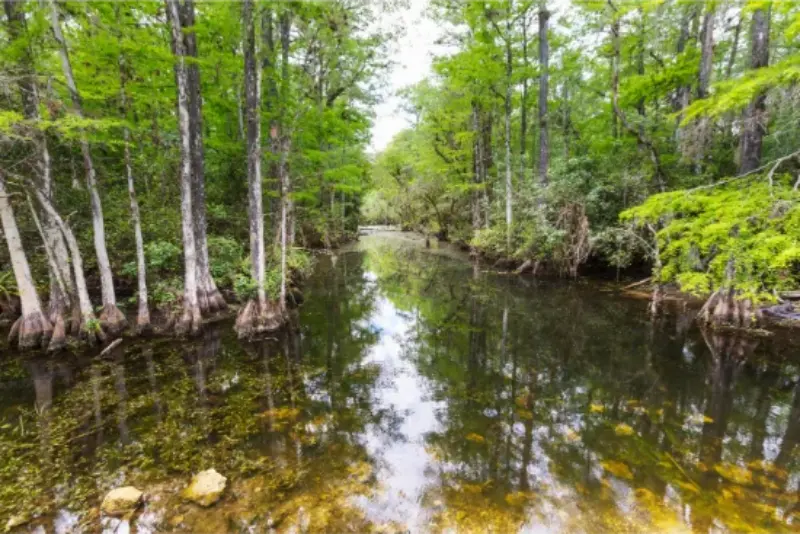
The National Park Service describes Loop Road as roughly twenty-four miles through the southern part of Big Cypress National Preserve. It follows a historic route south of the Tamiami Trail, crossing cypress swamp and wetland habitat rather than offering a sequence of shops or commercial stops. The journey itself is the attraction: reflections among trunks, shifting light, egrets beside canals, and sometimes alligators resting near the water. Unlike a timed safari, nothing guarantees a particular sighting. A full-drive plan works best if you are already traveling between Naples and Miami, or staying in the greater Everglades area. Do not confuse this road with the shorter Turner River–Wagonwheel–Birdon scenic loop; these are separate routes with different distances and driving characteristics. Verify the specific road name on an official map before starting.
Road surface, rental agreements and current conditions
The most important decision is whether your particular vehicle should use Loop Road today. Its surface can include unpaved stretches, potholes, puddles and rough edges; recent rain can change conditions quickly. National Park Service visitor information recommends checking road conditions and proceeding slowly. A low-clearance rental car may be a poor choice after wet weather, and a rental contract may restrict driving on unpaved roads even when the park does not prohibit entry. Ask the rental company rather than assuming your insurance covers a damaged tire, underbody or windshield. Motorhomes, trailers and large vehicles should seek specific guidance instead of trusting a generic navigation app. An alternative is to enjoy paved US 41 stops and official boardwalks. Turning back safely is better than damaging a vehicle or blocking a remote road.
Choose a sensible season and time of day
South Florida's wet season generally brings more rain, standing water, humidity and insects; the drier season often makes roadside wildlife observation and outdoor breaks more comfortable. Yet there is no single guaranteed dry day or animal-viewing window. Check weather and preserve alerts just before leaving, not only while planning a trip months in advance. Start early enough to finish well before darkness and allow the schedule to expand if you stop for birds or photographs. Avoid treating sunset as a deadline for reaching an isolated exit. If lightning threatens, remain inside an appropriate vehicle and postpone walking stops. In hot conditions carry drinking water for the whole group even though you intend to remain mostly in the car. Cell reception can be unreliable, making downloaded maps and a shared itinerary worthwhile.
Watching alligators without disturbing them
An alligator beside a canal is not a photo prop. Stay inside the vehicle where possible, never feed wildlife and never stop in a way that obstructs traffic. The preserve asks visitors to keep at least twenty-five feet from wildlife, and more space is prudent whenever an animal moves or feels pressured. Do not leave children unattended near a water edge, and do not lean over vegetation to obtain a clear picture. Alligators can move rapidly at short distances and are not the only hazards: uneven shoulders, insects and heat matter too. Use a camera zoom rather than a close approach. The best wildlife moments often happen when everyone becomes quiet, observes behavior for a minute and then lets the animal continue undisturbed. Photographs are optional; respectful distance is essential.
The stops that make sense for different ages
Families with children may enjoy looking for birds, tree shapes and reflections through the window instead of trying to cover every mile on foot. Give younger passengers a simple wildlife checklist and explain that not seeing an alligator is still a successful outing. Travelers with limited mobility should establish in advance whether a chosen pull-off is level enough for a safe exit; a road edge is not an accessible path by default. Anyone who needs reliable restrooms, medication storage or frequent breaks should use facilities along the main highway before entering and after leaving. Pack snacks, a small trash bag, insect repellent and a first-aid kit. Because services are limited, this is a natural-area drive, not a place to expect shops, cafés or accessible toilets at frequent intervals.
Compare Loop Road with Turner River Road
Loop Road is attractive for the atmosphere of a longer swamp drive, but Turner River Road and related preserve routes can suit visitors who want different landscapes or a shorter outing. The National Park Service describes the Turner River–Wagonwheel–Birdon route as approximately seventeen miles, including wet prairie and canal habitat. The two drives should not be combined casually into an already crowded travel day. Check which sections are open, the surface condition and where the exits lead. If a traveler is nervous on narrow unpaved roads, this concern should determine the choice more than the prospect of a famous wildlife photograph. A gentle visit to an accessible boardwalk along US 41 may actually provide a more comfortable and memorable introduction to Big Cypress.
A realistic half-day from Naples or Miami
Imagine a couple traveling from Naples toward Homestead, accompanied by a grandparent who prefers minimal walking. They begin after breakfast, stop at a main-highway visitor facility to use restrooms and confirm the latest preserve notice, then decide whether road conditions fit their rental agreement. If the route is suitable, they travel slowly, taking photographs only from safe stopping areas and leaving time for an unplanned wildlife sighting. Lunch is scheduled for after the preserve rather than assumed to be available beside the road. If rain or road conditions make the drive unsuitable, they switch to a paved scenic route and an official short trail. This backup is not a failure; it is good outdoor planning. Keep the entire visit relaxed instead of treating mileage as an achievement.
Responsible travel through a living landscape
Big Cypress protects habitat and is also associated with communities, traditional uses and private residences. Respect signs, private property and closure notices. Never fly a drone without verifying the specific National Park Service rules and any applicable permission; do not introduce one simply for a dramatic swamp video. Do not collect plants, disturb nesting birds or leave food scraps. Keep music low so others can enjoy the area and wildlife behavior is not disrupted. If a vehicle breaks down, use safe roadside procedures and seek help rather than wandering into wetland vegetation. The official NPS road conditions and scenic drives pages should be consulted before publication or departure: https://www.nps.gov/bicy/planyourvisit/scenic-drives.htm and https://www.nps.gov/bicy/planyourvisit/conditions.htm.
Decision guide: when to skip the unpaved drive
Before setting off, consider four factors together rather than one in isolation. First, look at the preserve's newest road notice and ask whether there has been rain since it was issued. Second, read the rental contract for restrictions on non-paved routes or damage to the underside of the vehicle. Third, consider the travelers: an infant who becomes upset during slow bumpy drives, someone recovering from surgery or a passenger who needs regular restroom access may be uncomfortable here. Finally, check your available daylight and expected arrival time at the next hotel. If two or more factors create significant uncertainty, choose a paved alternative. A shorter boardwalk stop lets everybody experience the Big Cypress ecosystem without the stress of navigating a deteriorating track.
How to photograph the swamp without creating a hazard
Use a zoom lens or binoculars instead of moving closer to birds and alligators. Photograph from the passenger seat only when the driver can maintain full attention, or use an authorized pull-off without blocking other vehicles. Avoid standing on the road at blind bends, climbing barriers or walking into high vegetation. A photograph of cypress reflections can be just as memorable as an animal close-up. Early light often creates attractive colors, but never sacrifice safe stopping space for an ideal angle. Children can create a simple photo sequence: one landscape, one plant detail, one bird if observed and one sign explaining conservation. This encourages patience and makes a record of the habitat beyond wildlife encounters.
Frequently asked questions
Is Loop Road paved the whole way? No. Conditions vary and sections may be unpaved or rough. Confirm current National Park Service information and your vehicle's restrictions before attempting the route.
Can children enjoy the drive? Yes, with patient pacing, wildlife observation from the car, water, snacks and bathroom breaks before entering. It is not a substitute for a playground.
Will I definitely see alligators? No. Wild animals move according to conditions, season and disturbance. Never approach, feed or chase them to improve a sighting.
Is it wheelchair accessible? Viewing from a vehicle can be an option, but individual pull-offs may not offer level or step-free access. Confirm suitable facilities separately.
What if rain has made the surface rough? Choose paved alternatives and official visitor stops. A scenic drive is not worth a rental-car claim or unsafe breakdown.