
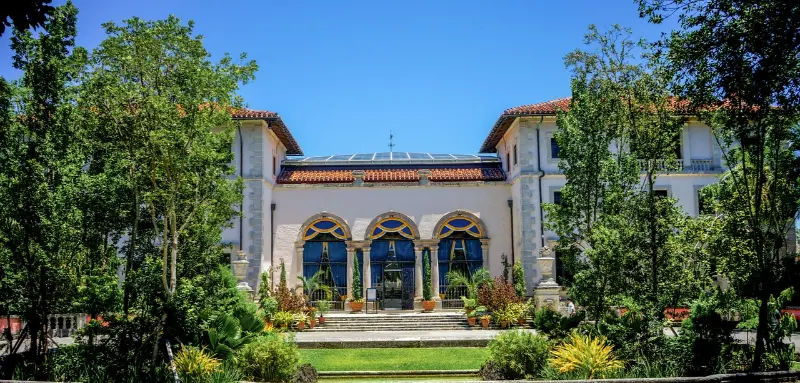
A visit to Pérez Art Museum Miami, usually called PAMM, combines two experiences that are easy to overlook when planning a museum day: contemporary art and the feeling of standing on the edge of Biscayne Bay beneath an extraordinary building. The exhibitions change, but the waterfront setting, shaded terrace and relationship between architecture and landscape help give the museum its identity. PAMM can be a welcome pause between energetic Miami neighborhoods, a purposeful cultural stop for adults or a family introduction to art that is not limited to paintings in traditional frames.
What is PAMM and why visit it?
PAMM focuses on modern and contemporary art with particular attention to the Americas, the Caribbean and the communities that shape Miami. The museum’s collection and temporary exhibitions can present photography, painting, sculpture, film, installation or projects that use unfamiliar materials. This variety is a strength, but it also means that the art on display may differ substantially between two visits. Check the exhibitions calendar before promising a specific work to a friend or child.
The building itself is part of the visit. Designed by Herzog & de Meuron, it faces the bay and uses broad terraces and an interplay of shade, vegetation and open views. Rather than rushing straight to the first gallery, take a few minutes to orient yourself between the entrance, the water and the surrounding park. The changing relationship between the city skyline and the museum makes PAMM a particularly satisfying choice for visitors who enjoy architecture as much as art.
Current opening days, admission and timing
The official museum visit page checked in October 2026 lists Monday 11 a.m.–6 p.m., Tuesday and Wednesday closed, Thursday 11 a.m.–9 p.m., and Friday through Sunday 11 a.m.–6 p.m. The museum currently publishes adult admission of $18, concessions for certain groups and free admission for children six and younger. It also lists free admission on Thursdays after 5 p.m. and other eligibility-based offers. Fees and programs change; confirm the specific date, eligibility documentation and available capacity before traveling.
Tickets can be capacity-controlled, especially on free-entry evenings or during popular exhibitions. The official page notes that sales end before closing, so arriving at the last minute may mean no admission at all. For a first visit, allow two hours as a baseline, with an additional half hour for the terrace, a meal or temporary exhibitions that interest you. If you primarily want a calm gallery experience rather than a lively social night, a less crowded daytime slot may suit you better.
Finding the museum and avoiding parking surprises
PAMM is at 1103 Biscayne Boulevard, Miami, FL 33132, near Maurice A. Ferré Park, the Adrienne Arsht Center area and Downtown Miami’s waterfront. Its central location makes it easier to combine with a neighborhood outing than with a far-flung beach excursion. Driving is possible, but do not mistake a museum address for free parking: the museum operates a paid garage with limited space, and nearby independent garages have their own rates and rules.
As of the checked official directions page, PAMM lists a flat self-parking rate of $18 for its garage. Treat that as a snapshot rather than a guaranteed future price. Visitors staying downtown may find walking or public transit more economical. Plan the return journey as well as the arrival: Miami heat, downpours and traffic can make a seemingly short walk harder for children or older adults. If using a rideshare, confirm the pickup point where the driver can stop legally.
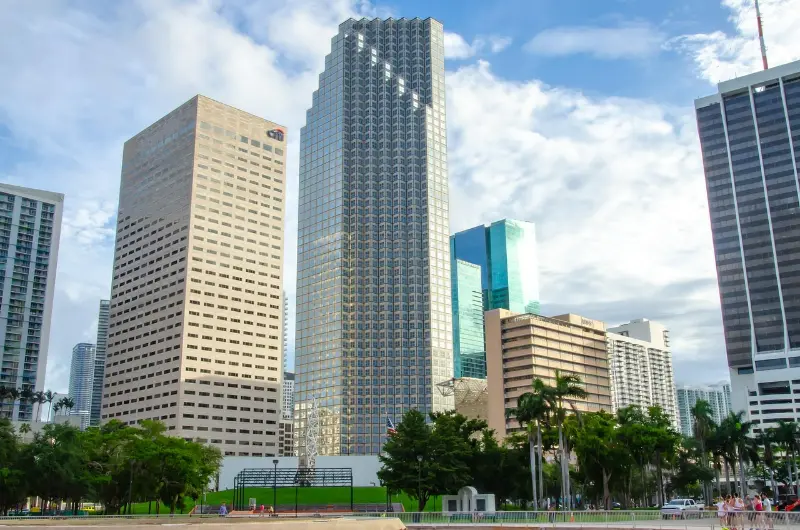
How to look at contemporary art without feeling lost
You do not need specialist training or a knowledge of art history to enjoy PAMM. Begin with one exhibition rather than trying to absorb everything. Read the introductory wall text for its main question, then choose a few works that make you curious. What does the artist ask you to notice? How do size, sound or material change the experience? If something feels confusing, that is a starting point for conversation rather than evidence that you have misunderstood the museum.
For a family visit, invite children to choose their favorite shape, find an unexpected material or describe how a sculpture might look from another side without touching it. Avoid assigning them long written tasks in every gallery. Adults and teenagers might be interested in how local histories, migration and environmental questions appear in the exhibitions. Guided tours and special programs may add useful context; check whether they are available on the particular day instead of assuming a daily schedule.
Architecture, terrace and outdoor spaces
The shaded outdoor areas give PAMM a character unlike a museum in an enclosed shopping district. Look from the terrace toward Biscayne Bay, then back toward the building’s structural lines and vegetation. The waterfront can offer a refreshing change of pace after indoor galleries, although Miami’s humidity can make shade preferable to direct sunlight. It is also a good place to reassess how much more of the museum everyone wants to see.
Respect any restrictions around sculptures, planted areas or private events. Photography rules can differ by gallery or exhibition, and flash or selfie sticks may be restricted. Follow posted notices rather than assuming that a public terrace has no rules. If the weather changes, remember that open coastal environments are not safe during lightning. Move indoors and follow staff instructions instead of trying to capture storm clouds over the bay.
Accessibility and sensory needs
PAMM publishes meaningful accessibility information. It identifies an accessible entrance near the main lobby, wheelchair-accessible galleries and facilities, and complimentary wheelchairs available through Visitor Services, with an ID requirement. Access to certain sculpture-garden areas may require requesting a cart in advance. The museum also welcomes trained service animals under applicable ADA rules, while ordinary pets and emotional-support animals are not permitted in galleries.
For travelers with low vision, hearing differences, sensory sensitivities or stamina limitations, contact the museum before the trip and explain the specific support needed. Ask about exhibition lighting, audio, seating or guided interpretation rather than expecting every accommodation to fit every visitor. A short, focused route may be more satisfying than hours of gallery fatigue. Caregivers should plan a nearby rest stop and allow time for elevators and transitions between indoor and outdoor areas.
PAMM with toddlers, school-age children and teens
Families often underestimate how differently children respond to art museums. Babies may be content in a stroller during a quiet gallery walk, but feeding and diaper-change needs still matter. School-age children tend to do better with a simple mission, such as choosing two works that tell different stories or comparing a sculpture with the skyline outside. Teenagers may be drawn to photography, video, installations or social themes; invite them to shape the route instead of prescribing a complete adult itinerary.
Museum etiquette should be explained before entering. Art is not a climbing structure, and barriers may be intentionally subtle. Maintain close supervision near fragile objects and respect other visitors’ need for quiet. If everyone becomes restless after one exhibition, use the terrace or stop for refreshments rather than turning an educational visit into a struggle. The museum’s value does not depend on seeing every room.
Combining PAMM with Downtown Miami
Because PAMM sits near other central attractions, it works well within a single Downtown Miami day. You might enjoy the museum in the morning, take a waterfront walk when weather allows and then explore another cultural site or restaurant rather than cross the county in traffic. Frost Science is nearby but is a separate ticketed attraction with its own aquarium and planetarium policies. Combining both museums can be rewarding for some families, yet tiring for younger children who need unstructured breaks.
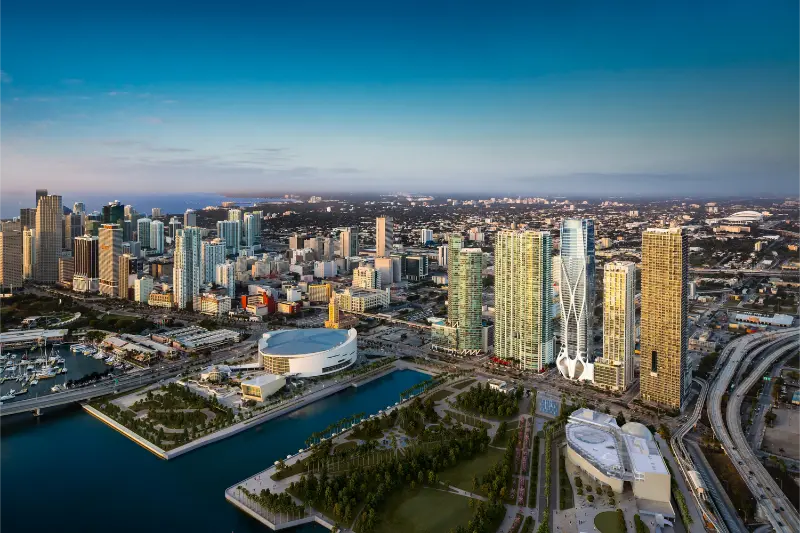
The same caution applies to pairing PAMM with Miami Beach. A map may make destinations appear close, but bridge traffic and parking consume valuable time. For travelers with mobility limitations, booking one cultural area per day often makes more sense than trying to see many landmarks. Keep lunch and transfer options flexible, and remember that museums sometimes adjust opening times for private events or changing exhibitions.
Choosing the right kind of visit
Art enthusiasts could spend half a day reading exhibition labels and attending a tour. First-time Miami visitors might prefer two concentrated hours with extra time on the terrace. A multigenerational group should choose exhibits around shared interests, arrange comfortable transport and avoid the hottest exterior walking periods. People who prefer traditional historical collections may want to browse PAMM’s current exhibition list before buying, since contemporary works can be experimental and the content changes.
A free-admission period can be excellent value, but only if the extra crowds do not undermine your intended visit. The best bargain is not necessarily the lowest ticket cost: it is the combination of art, manageable travel, crowd levels and time. If you have only one museum afternoon in Miami, think about whether your group is more interested in contemporary art, science, local history or architecture. PAMM’s waterfront setting makes it especially attractive for visitors who enjoy more than the galleries alone.
At-a-glance planning table
| Planning question | Practical answer |
|---|---|
| Location | 1103 Biscayne Boulevard, Downtown Miami |
| Main attraction | Modern/contemporary art and waterfront architecture |
| Usual time | Around two to three hours |
| Closing days | Tuesday and Wednesday on the checked schedule |
| Parking | Paid museum garage; alternatives nearby |
| Accessibility | Wheelchairs and accessible facilities; ask about garden cart |
| Pair with | Downtown waterfront or a separate Frost Science visit |
Frequently asked questions
Is PAMM a good choice if I do not know contemporary art?
Yes. Choose a small number of works, use labels as conversation starters and take time to enjoy the architecture. A rewarding visit does not require recognizing any particular artist.
Can you visit PAMM for free?
The museum currently lists free-entry periods and exemptions for eligible visitors, including Thursday evenings. Recheck the official ticket page, capacity and documentation rules for your date.
Is the museum wheelchair accessible?
The official accessibility page reports accessible galleries and facilities, courtesy wheelchairs and specific access assistance for certain outdoor areas. Contact Visitor Services if your route depends on particular equipment.
Can I combine PAMM and Frost Science in one day?
Yes, they are close together, but each has separate admission and substantial exhibits. Families with young children might prefer choosing one museum and allowing outdoor or meal breaks.
Should I book tickets ahead?
Online booking is sensible when visiting during a popular exhibition, weekend or free-admission period. The museum indicates that capacity limits may apply and tickets can sell out.
Official sources and final planning advice
Check the PAMM visitor page, accessibility information and directions and parking before your visit. A successful PAMM day leaves room for the building, the bay and the unexpected: arrive curious, focus on a few works that speak to you and let the waterfront provide a break between exhibitions.