
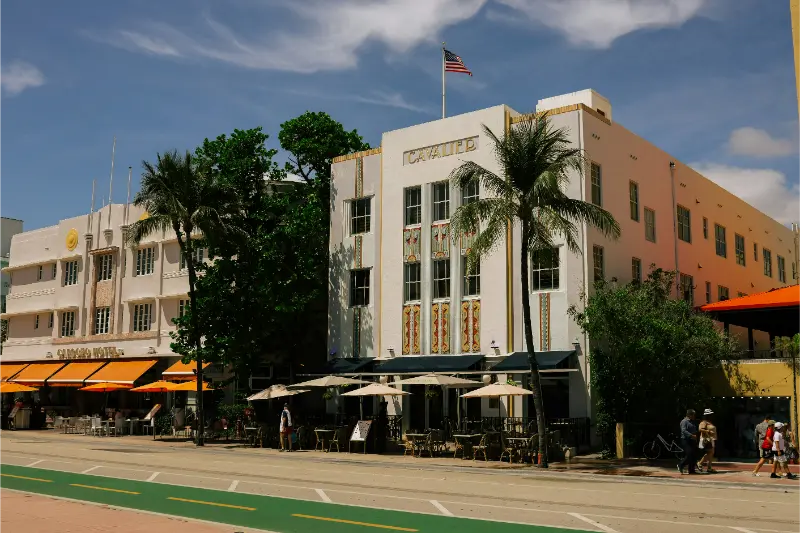
Miami's Art Deco streets are famous, but the region's architectural identity also reflects Mediterranean Revival, midcentury design, contemporary towers and buildings shaped by immigration. Four days is enough to compare these landscapes when you resist the urge to photograph every facade from a moving car. The best plan groups nearby streets and includes time to understand the cultural and environmental reasons buildings look the way they do.
The six steps below combine advance preparations, on-the-ground stops and departure decisions. They are not six compulsory sightseeing days: organize them around the trip length in the title, with arrival and departure tasks sharing days where appropriate.
At a glance
A comfortable pace is one main activity per day, with a late-afternoon rest and a backup option. None of the suggested activities requires purchasing an entire package. Confirm opening times, local admission rules, weather conditions and accessibility directly before booking.
The route is intended as a practical starting point rather than a fixed schedule. Families with infants, older travelers, visitors with mobility needs and people who prefer more time in one place can shorten any day without losing the central experience.
| Step | Main focus |
|---|---|
| Step 1 | South Beach with a historical lens |
| Step 2 | Ocean Drive and pedestrian planning |
| Step 3 | Coral Gables and Mediterranean Revival |
| Step 4 | Downtown towers and climate |
| Step 5 | Little Havana and neighborhood identity |
| Step 6 | Choose a final neighborhood with time to look |
Step 1: South Beach with a historical lens
Start around the Art Deco Historic District in daylight, reading about preservation before taking photographs. The exterior colors are eye-catching, but notice details such as porthole windows, curved corners, vertical fins and the relationship between hotels and the street. A guided architectural walk can add context beyond quick visual impressions.
The decision at this stage is whether south beach with a historical lens deserves more time than other activities in this miami architecture beyond south beach plan. For south beach with a historical lens, review the current operator information and write down the practical detail that could make a visit harder, such as the last admission, an advance reservation, an unsuitable path or a lengthy transfer. If the answer is uncertain, keep the stop optional rather than turning it into a commitment that disrupts the rest of the trip.
Step 2: Ocean Drive and pedestrian planning
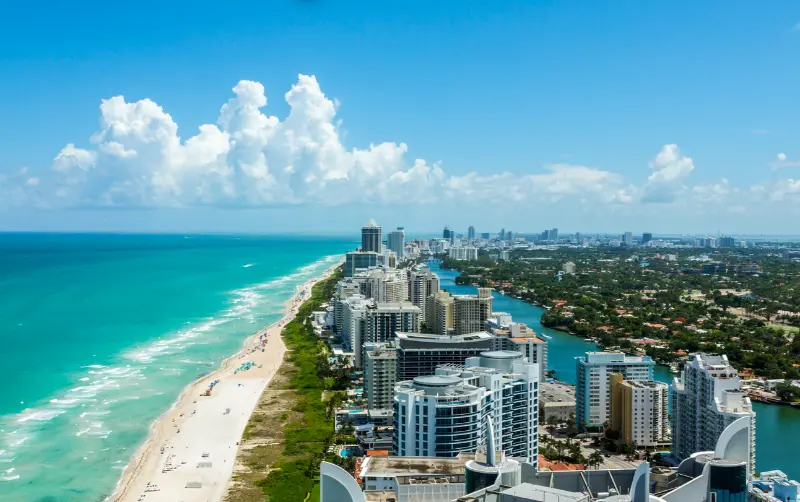
Walk only the distance that suits your group, using shaded rest stops and water breaks. Sidewalks may be crowded and outdoor cafes occupy space; wheelchair users should confirm specific crossings and accessible routes. Avoid treating Ocean Drive as a place where cars can easily pull over for photographs.
The decision at this stage is whether ocean drive and pedestrian planning deserves more time than other activities in this miami architecture beyond south beach plan. For ocean drive and pedestrian planning, review the current operator information and write down the practical detail that could make a visit harder, such as the last admission, an advance reservation, an unsuitable path or a lengthy transfer. If the answer is uncertain, keep the stop optional rather than turning it into a commitment that disrupts the rest of the trip.
Step 3: Coral Gables and Mediterranean Revival
Explore public streets and civic landmarks in Coral Gables, where building scale, landscaping and planned boulevards create a different urban character. Many appealing buildings are private; appreciate them from public spaces and check visitor access before entering courtyards.
The decision at this stage is whether coral gables and mediterranean revival deserves more time than other activities in this miami architecture beyond south beach plan. For coral gables and mediterranean revival, review the current operator information and write down the practical detail that could make a visit harder, such as the last admission, an advance reservation, an unsuitable path or a lengthy transfer. If the answer is uncertain, keep the stop optional rather than turning it into a commitment that disrupts the rest of the trip.
Step 4: Downtown towers and climate
In downtown Miami and Brickell, compare tall buildings with older urban blocks. Think about shade, storm-resistant construction and how waterfront land use has changed. Plan a short route around transit stations instead of attempting to cover the skyline on foot in midsummer heat.
The decision at this stage is whether downtown towers and climate deserves more time than other activities in this miami architecture beyond south beach plan. For downtown towers and climate, review the current operator information and write down the practical detail that could make a visit harder, such as the last admission, an advance reservation, an unsuitable path or a lengthy transfer. If the answer is uncertain, keep the stop optional rather than turning it into a commitment that disrupts the rest of the trip.
Step 5: Little Havana and neighborhood identity
Architecture matters here because businesses, signage and street life tell a cultural story. Do not reduce the neighborhood to a photographic backdrop. Visit public commercial streets, eat at a local business and remember that residential blocks are places where people live.
The decision at this stage is whether little havana and neighborhood identity deserves more time than other activities in this miami architecture beyond south beach plan. For little havana and neighborhood identity, review the current operator information and write down the practical detail that could make a visit harder, such as the last admission, an advance reservation, an unsuitable path or a lengthy transfer. If the answer is uncertain, keep the stop optional rather than turning it into a commitment that disrupts the rest of the trip.
Step 6: Choose a final neighborhood with time to look
For the final day, select one additional area such as Coconut Grove rather than a full-county checklist. Older trees, low-rise streets and waterfront history provide contrast with South Beach. Pay attention to what is publicly accessible and leave enough time for a quiet lunch.
The decision at this stage is whether choose a final neighborhood with time to look deserves more time than other activities in this miami architecture beyond south beach plan. For choose a final neighborhood with time to look, review the current operator information and write down the practical detail that could make a visit harder, such as the last admission, an advance reservation, an unsuitable path or a lengthy transfer. If the answer is uncertain, keep the stop optional rather than turning it into a commitment that disrupts the rest of the trip.
How to organize transportation and timing
Architecture touring works best in comfortable shoes, with water, sun protection and a plan for afternoon rain. Use transit or a parked car to link districts, but explore individual neighborhoods slowly. If you want historic interiors, check tour schedules and admission rules in advance. Not every old hotel is open for non-guests, and photographs of a private lobby are not automatically permitted.
When comparing driving, public transportation and paid transfers, calculate the entire door-to-door journey rather than looking only at the apparent ticket price. Include parking, fuel or charging, tolls, waiting time and the difficulty of carrying luggage or equipment. A simpler plan with fewer transfers may be the better value for a family with small children or for a person who cannot comfortably stand in line.
Where to stay and what to ask before booking
Choose accommodation for location and the facilities you will genuinely use. Contact the property to check the precise sleeping arrangement, parking costs, cancellation deadline, elevator access if required, and whether the advertised amenities operate on your dates. For travelers who need a particular accessible feature, ask for details about the actual room rather than relying on a generic accessible label.
If your group includes several generations, ask how far each person must walk from parking to the room, whether the bathroom layout is workable, and where everyone can relax separately. A kitchen or refrigerator may reduce meal stress; a central location may eliminate extra driving. Read recent reviews with attention to the same needs your group has, but treat a single anecdote as one experience, not a guarantee.
Budget and reservation decisions
Keep three separate budget lines: costs that must be paid ahead, daily expenses, and a small contingency fund. Admission prices, taxes, parking and resort or cleaning fees may vary by date. Do not quote a sample total as a current offer until you have selected real dates and checked the checkout page. Refundable lodging can be worth more than the cheapest prepaid rate when weather or family needs are uncertain.
Before purchasing timed tickets, compare the attraction cancellation policy with the pace of the itinerary. Not every day needs a paid activity. Public parks, historic streets and a slow meal can provide useful variety, although even free places can charge for parking or special exhibits.
Making the route comfortable for every age
For toddlers, plan changing breaks, shade, snacks and age-appropriate car seats. School-age children often enjoy one clear task or discovery at each stop. Teenagers may appreciate choosing a restaurant or helping navigate. Older visitors may prefer fewer hotel changes, dependable seating and a predictable return time. These preferences are individual: ask the traveler rather than assuming that age alone determines ability.
Consider accessibility as an itinerary-wide question. An attraction may have an accessible entrance while the route from its parking area is long, uneven or exposed to heat. Contact each venue about step-free routes, seating, accessible bathrooms and service-animal policy when those details are important. Plan a substitute activity so that a closed elevator or sudden storm does not derail the whole day.
Heat, rain and a realistic backup plan
Florida weather can change quickly. Place outdoor walks earlier in the day when possible, carry drinking water, watch for lightning and follow warnings from local authorities. Do not drive through flooded streets. During a tropical storm or hurricane warning, official safety instructions take priority over sightseeing plans, reservations and schedules.
The best backup is nearby and simple: an indoor museum, a quiet meal, a rest period or a short visit that can be canceled without penalty. Keep the address of your lodging available offline and know how everyone in the group will communicate if plans change.
Frequently asked questions
Is this suitable for a first Florida trip?
Yes, if the stops match your interests and you allow enough time for transfers. Reduce the number of activities rather than rushing to include everything.
Can older travelers or young children enjoy it?
The route can be adapted with shorter days, more seating and frequent breaks. Check the specific accessibility and age restrictions of each venue.
Should I book every activity in advance?
Reserve essentials and any limited-capacity visits, then leave some days flexible. Read cancellation terms and recheck operating hours shortly before travel.
Official planning resources
Check the official destination and operator websites for details that can change after publication. For park access consult Florida State Parks; for regional inspiration consult VISIT FLORIDA. These are starting points, not substitutes for individual locations and their current visitor notices.