
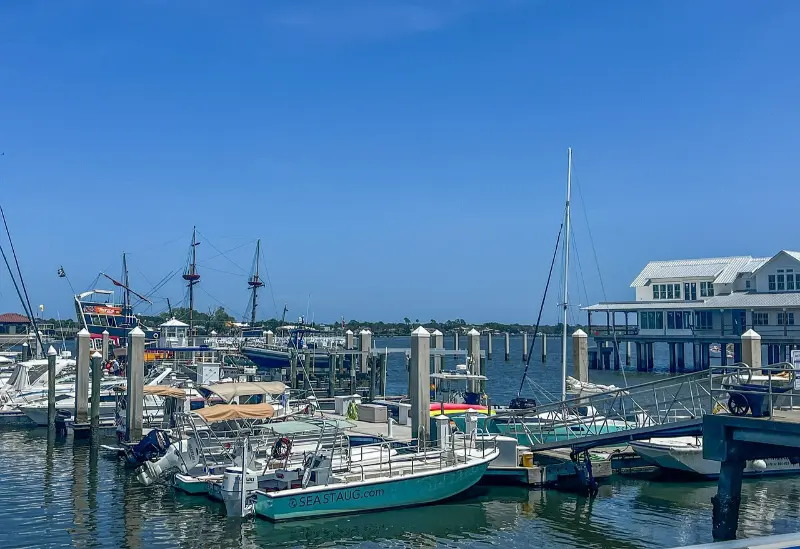
Florida's coastline has been shaped by shipbuilding, fishing, navigation, trade, storms, tourism and the lives of communities who depended on the water. A maritime museum helps connect these subjects without requiring visitors to climb aboard a moving vessel or book a boat excursion. Exhibits may include shipwreck artifacts, lighthouse equipment, photographs of working waterfronts and demonstrations of how wooden boats were made. For families, the objects make history tangible; for older travelers, they provide a comfortable alternative to a long, exposed harbor cruise; for curious adults, they reveal how much happened on the water before modern beach resorts appeared.
Three contrasting places can anchor a Florida maritime itinerary: the St. Augustine Lighthouse & Maritime Museum, the shipwreck heritage museums of Key West and the Florida Maritime Museum in the fishing village of Cortez. They are far apart, so they belong to different regional holidays rather than one hurried afternoon. There is also a crucial current restriction: the Cortez museum's historic schoolhouse is temporarily closed for building rehabilitation, although its grounds and some events may still be accessible. Check that status directly instead of relying on an older guide describing normal indoor gallery hours.
At a glance: which option is right for you?
| Option | Best for | Check before going |
|---|---|---|
| St. Augustine | Lighthouse and maritime archaeology | Tower steps optional |
| Key West | Shipwreck collections | Separate tickets and crowded streets |
| Cortez | Fishing-village heritage | Indoor museum closed for restoration |
What counts as a maritime museum?
A maritime museum may concentrate on the practical life of people who worked at sea: knots, navigation tools, ship design, fisheries and storms. Another may explore famous shipwrecks and the trade that moved goods between continents. A lighthouse museum combines architecture, navigation and the lives of keepers, while an archive or conservation lab can reveal how artifacts are preserved once recovered. These themes intersect, but a day in a working fishing village feels different from an afternoon exploring a reconstructed wrecking scene in a tourist district.
Before purchasing a ticket, identify what the admission actually includes. Some attractions offer a tower climb, guided talk or extra demonstration; others are primarily self-guided indoor displays. Accessibility can vary between ground-floor exhibits, preserved historic rooms, tight stairways and elevated viewpoints. A person unable to climb steps should not have to skip maritime history altogether. The quality of exhibits and interpretation matters more than reaching the highest platform, and an official museum map usually helps families choose the most comfortable route.
St. Augustine Lighthouse & Maritime Museum
St. Augustine's lighthouse complex provides far more than a climb up a tower. The museum's exhibits describe local shrimping, shipwreck archaeology, lighthouse keepers and coastal life through changing centuries. Collections are spread across the keeper's house, grounds, Maritime Archaeology & Education Center and other historic structures. Visitors can learn about the city's maritime history and the people who built and operated vessels without committing to the tower's 219 steps. That distinction matters for families with very young children or adults with mobility concerns.
The official museum describes a 'View from the Top' video experience, hands-on learning for children and conservation work visible through its artifact facilities. The tower may be the landmark in photographs, but a visit focused on ground-level exhibits can still be worthwhile. Confirm which buildings, demonstrations and children's activities are open on your date; a heritage boatbuilding demonstration, for example, should not be promised as running every hour. The museum is on Anastasia Island, so allow time for local traffic and parking if you are staying in downtown St. Augustine.
How to make the lighthouse museum work for different ages
For preschoolers, choose a short loop through hands-on exhibits or the maritime-themed play area rather than demanding quiet attention through every historical label. Older children can investigate how lenses work, why a keeper monitored weather and what shipwreck objects tell archaeologists about trade. Teenagers may appreciate the less romantic elements of a working port, including how maritime industries supported and exploited labor. An adult history enthusiast can linger over conservation displays while another companion enjoys the grounds. A split-and-rejoin plan can prevent frustration in a mixed-age group.
If someone wants to climb the tower, confirm the rules and make sure the rest of the group has a comfortable alternative and meeting point. Tall stairs in a historic lighthouse are not comparable to a modern elevator. People with heart, knee or balance concerns should judge their own limitations and seek appropriate advice, rather than trying to keep up with enthusiastic relatives. Photography may be restricted in certain exhibits, and staff instructions take precedence over social-media examples. Consider combining the museum with a relaxed coastal lunch rather than another strenuous attraction on the same day.
Key West: shipwreck history without a day at sea
Key West's history includes a maritime economy built around salvage, navigation and the dangerous reefs surrounding the Florida Keys. Museums devoted to shipwrecks help explain why finding and recovering cargo was once central to the island's identity. Depending on the venue, visitors may see artifacts, reconstructed scenes and interpretation about life in the era of sailing ships. The Key West Shipwreck Treasure Museum emphasizes the nineteenth-century wrecking industry, while the Mel Fisher Maritime Museum presents artifacts associated with maritime archaeology and recovered shipwrecks.
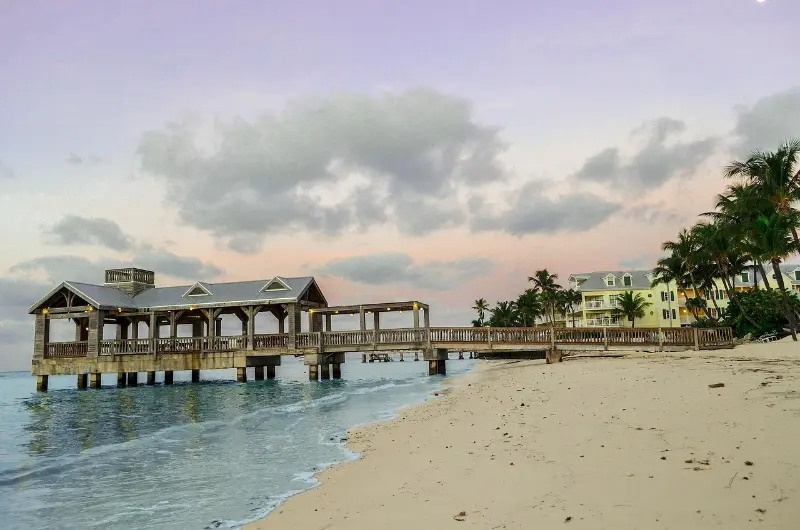
These are separate institutions with different approaches and admission policies. The story of a treasure recovered from the sea can be exciting, but good interpretation also asks who owned the cargo, whose labor supported the trade and what responsibilities accompany recovering historic objects. An older child can compare the two museums' presentations; a history-minded adult may prefer a slower visit to a collections-focused institution. Do not assume one entry ticket includes both sites, and check the accessibility of upper floors or observation areas before purchasing.
Making a Key West museum afternoon manageable
Key West is compact in some areas but can feel hot and crowded, particularly when several cruise ships are in port. Plan museums around midday shade, restroom breaks and a simple route rather than walking back and forth across Old Town. If you are arriving by car from the Upper Keys, remember that the drive itself can consume several hours; a full museum itinerary after arrival may be unrealistic. For a cruise stop, check the ship's all-aboard time and avoid a museum visit that depends on a long queue to reach an optional rooftop viewpoint.
A family with small children might choose one shipwreck-focused museum, leave time for an ice cream or shaded waterfront stop and then return to the hotel. Adults who enjoy archives or artifacts can spend longer comparing displays. Read the signs rather than treating historical objects solely as treasure props. The Caribbean and Gulf routes around Key West connected many communities and economies, and a balanced interpretation can reveal both fascinating seamanship and human hardship. The museums are a starting point for those conversations.
Florida Maritime Museum in Cortez: verify closure before traveling
The Florida Maritime Museum in Cortez preserves and shares the fishing and maritime heritage of the Gulf Coast, with an emphasis on the people and skills of the traditional working waterfront. Its historic 1912 schoolhouse has housed exhibits and educational programming. However, the museum's current official website states that indoor galleries are closed for necessary building rehabilitation. It also reports that the grounds remain accessible and that some programming and events continue. These are different experiences. A traveler should not book a day expecting the building's normal galleries to be open while the renovation notice remains in effect.
If you are visiting Anna Maria Island or Bradenton, check the museum's event calendar and contact the organization to ask what is genuinely available. Cortez itself remains an interesting community with commercial fishing history, but treat docks, fish houses and working yards as active workplaces, not public photo sets. Avoid entering private property or blocking boats and vehicles. A short visit to a public event may be meaningful; driving for hours to see an indoor exhibit that is closed would not. The distinction protects both visitor expectations and the work of local preservation staff.
Working waterfront culture versus tourist displays
A museum often presents historical tools after their active use has ended. A working waterfront still contains boats, repair shops, commercial gear and people earning a living. When visiting Cortez or another fishing town, observe from public places and respect the difference between an educational attraction and someone else's workplace. Ask permission before photographing identifiable workers closely, and never walk onto docks or vessels without an invitation. The goal is to understand how coastal communities adapted to changing markets, fishing practices and storms, not to treat residents as a living exhibition.
Children can connect museum objects with waterfront observation by identifying features like hull shape, nets or docks from a safe vantage point. Adults can explore how shipbuilding knowledge passed between generations and why fishing economies need harbors, cold storage and transportation links. Marine conservation is also part of the story: healthy estuaries and responsible resource management help determine the future of fishing communities. This perspective makes a museum visit more meaningful than a simple collection of boats and dramatic shipwreck stories.
Choosing the best museum for your interests
If a child is fascinated by lighthouses and wants hands-on activities, St. Augustine has a useful combination of indoor exhibits and grounds. If an adult is interested in shipwreck discoveries and archival collections, the Key West maritime museums may be a better fit. If your goal is understanding the Gulf Coast's fishing heritage, Cortez has a compelling history, but the closure means you must confirm the exact program before traveling. Location should also influence your choice; there is no sense in driving from Miami to St. Augustine just for a single museum visit on a short holiday.
A visitor using a wheelchair should ask not only about building entrances but also the actual exhibits included with admission. A tower climb, historic staircase or uneven outdoor path may be optional rather than essential. Families with toddlers should look for changing facilities and a short route that allows children to move between exhibits and open spaces. Teenagers might appreciate archaeological stories or the ethics of recovering historic objects. The best choice depends on the people in your group, not a generic ranking.
Plan costs and opening times carefully
Museum tickets can involve separate charges for tower climbs, special tours, guided talks or seasonal events. Some institutions offer reduced tickets for children, seniors or service members, but eligibility and online booking rules change. Always use the official ticket page for your travel date, not an old price table. Check whether a timed entry is required, whether re-entry is allowed and whether the museum closes earlier on holidays. Historic sites sometimes use different hours for individual buildings, and a gallery can close for preservation work without the entire site shutting.
Transportation is part of the budget. St. Augustine's lighthouse is not in the center of the historic district, and parking patterns change during busy weekends. Key West has limited parking and can be easier to explore on foot or using suitable local transportation if you are already staying in town. Cortez can involve bridge congestion when traffic from the barrier islands is heavy. Keep an alternate attraction in mind for each region, so an unexpected closure does not waste the day. Supporting a museum should never require ignoring posted restrictions or visiting a closed construction site.
A St. Augustine day with maritime history
Begin with the lighthouse complex during its operating hours, when the group is comfortable walking through the outdoor grounds. Choose two or three main exhibits, such as the shipwreck archaeology displays and keeper's house, then consider the tower only for those who want and are able to climb. After lunch, explore public waterfront viewpoints or a small part of the historic town. This creates a logical story: navigation and shipwrecks in the morning, the city's broader port history later. It is a manageable day for adults and school-age children.
For younger visitors, schedule more play and fewer exhibits. For seniors, identify seating and restroom locations in advance. If visiting during the warmer months, the indoor elements can provide useful relief but outdoor waiting areas remain hot. Check for lightning before walking to an exposed tower. A photograph of the lighthouse is memorable, yet the more interesting lesson may come from a story about the keeper's family or a recovered artifact whose purpose the children had to figure out.
An easy Key West history afternoon
Stay within a compact part of Old Town and choose one museum as your main activity. Confirm the current admission and any recommended visiting time, then plan a second stop nearby that does not demand another long tour. If the group includes someone with limited stamina, do not assume that short blocks between attractions always mean effortless walking; pavements, curb transitions, heat and crowds can add up. A seated lunch and indoor museum exhibits can make the afternoon more relaxed than an exposed waterfront walk during peak sun.
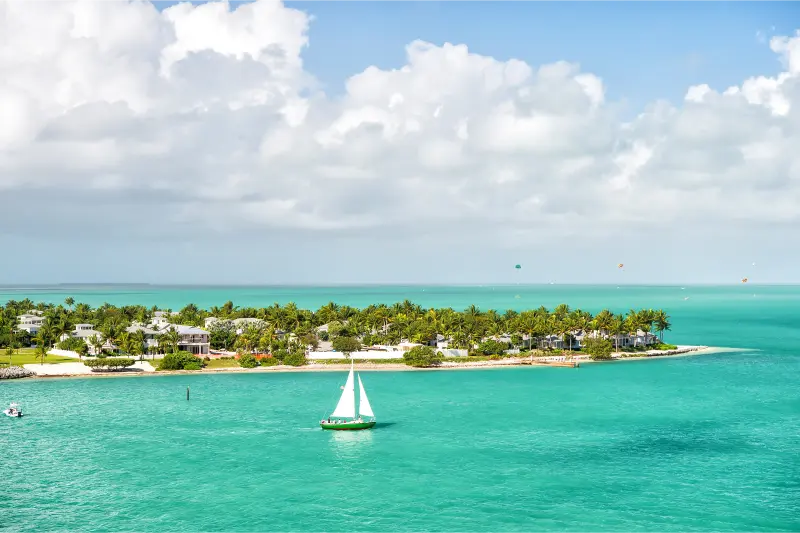
If you are a dedicated maritime history fan, visit the second museum on a different morning or later in the stay. Compare the way each tells the story of salvaging, trade and underwater archaeology. Avoid purchasing tickets from unofficial sellers if you cannot verify the venue and refund conditions. Keep digital reservations accessible offline, particularly if mobile service is unreliable. Let children choose one artifact to remember, and talk about why that object mattered to the people who used it rather than only its monetary value.
Responsible history travel
Shipwrecks and fishing histories include uncomfortable as well as inspiring stories. Trade connected distant peoples, and some ships carried people in bondage or goods produced by exploitative labor. Fishing communities experienced boom times, changing regulations, devastating storms and struggles to preserve their identity. Good museum visits make space for that complexity. Ask whose experiences are represented and whose voices may be missing, and resist treating historic events as entertainment without context.
Respect conservation rules inside galleries. Flash photography, food and touching fragile artifacts can damage exhibits. Follow instructions from staff and keep children's hands away from cases unless a display is explicitly hands-on. If a museum is closed for restoration, seek public lectures or online resources rather than trying to gain access to the building. The best contribution a visitor can make is to learn carefully and support the institutions that protect these histories for future generations.
FAQ
Can I enjoy the St. Augustine Lighthouse museum without climbing the tower? Yes. The official museum lists maritime exhibits, a keeper's house, ground-level activities and interpretive alternatives to the tower climb.
Is the Florida Maritime Museum in Cortez currently open? Its official website currently reports temporary closure of indoor galleries for schoolhouse rehabilitation. Grounds and some events may still be available; check before traveling.
Are Key West's shipwreck museums suitable for children? Many children enjoy the artifacts and storytelling, but check individual exhibits, accessibility and the family's attention span before buying tickets.
Do these museums offer the same admission ticket? No. They are separate institutions, often in different cities. Check each venue's official ticketing information and policies.