
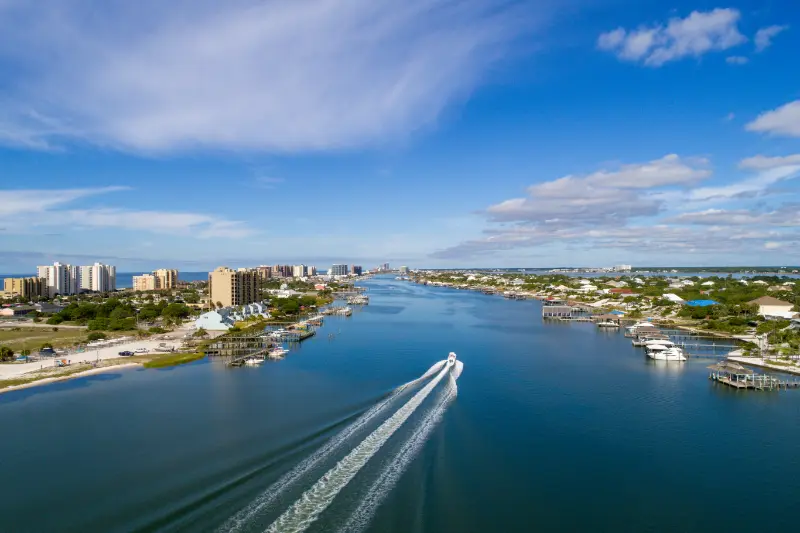
Pensacola combines historic streets, excellent Gulf Coast beaches, aviation history and natural shoreline. But it is easy to book the wrong location if you treat every Pensacola hotel as a beach hotel. Downtown is on the mainland beside Pensacola Bay, Pensacola Beach sits on Santa Rosa Island, and Perdido Key is a separate barrier-island area to the west. The three can suit very different vacations. A family looking for uninterrupted sand time may prefer an island base, while a couple interested in restaurants and historic architecture may be happier in town. This guide looks beyond the room photographs to compare bridges, public access, transport, weather and the actual cost of staying where you want to spend your days.
Which area fits your trip?
| Base | Best for | Watch for |
|---|---|---|
| Downtown Pensacola | History, galleries and restaurants | Not a Gulf swimming beach |
| Pensacola Beach | Sand-first resort holidays | Bridge trips for city attractions |
| Perdido Key | Quieter nature and condo stays | Farther from downtown |
| Suburban Pensacola | Regional drives and one-night stays | Less walkable holiday atmosphere |
Downtown Pensacola: historic streets and food rather than oceanfront sand
Downtown is an appealing home base for visitors who enjoy walkable restaurant districts, galleries, historic architecture and a city atmosphere after dark. Palafox Street and the surrounding streets offer a sense of place that a generic roadside hotel rarely delivers. The Pensacola Museum of History and Historic Pensacola area can anchor a leisurely day, while waterfront spaces near Pensacola Bay give a scenic change of pace. The vital distinction is that Pensacola Bay is not the open Gulf beach you see in photographs of the region. Reaching Pensacola Beach requires a bridge journey. A central hotel can still be excellent for a short break that includes one or two beach outings, but it may frustrate travelers who expect to put their feet in white sand before breakfast. Check whether the property has paid parking, late-evening restaurant access and an elevator. For a quiet stay, review recent comments about nearby entertainment rather than assuming historic means silent.
Pensacola Beach: a Gulf-focused vacation on Santa Rosa Island
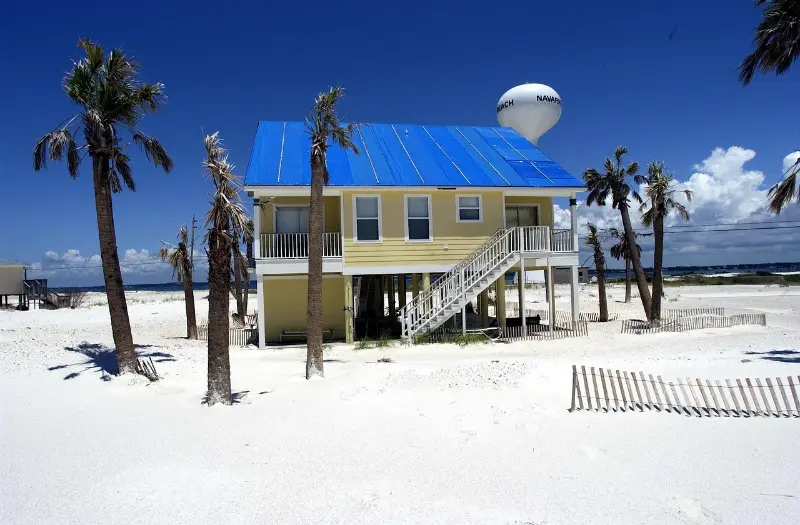
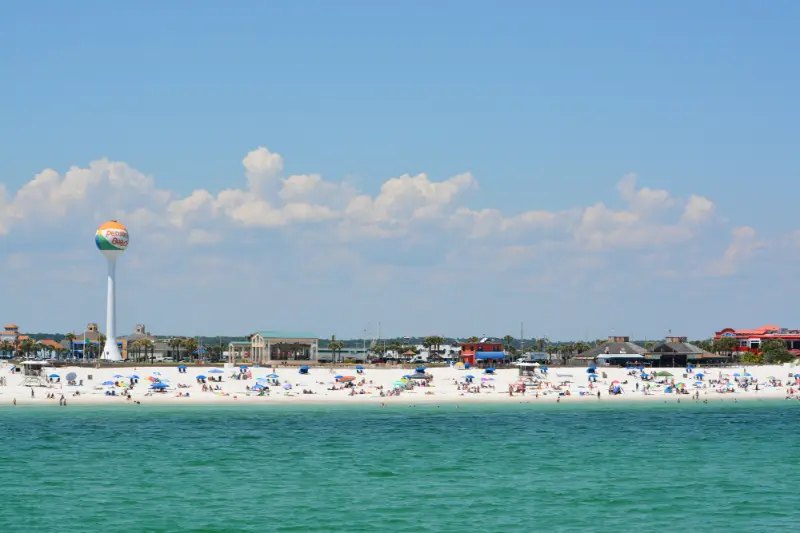
Pensacola Beach is the classic choice for travelers whose schedule revolves around white sand, water views and afternoons near the Gulf. Accommodation includes beachfront hotels and condominiums as well as properties set back from the water. The island setting can make a morning beach walk simple, though every accommodation has a different access arrangement. Verify whether the shortest route crosses a road, whether chairs and umbrellas cost extra, and how far you must carry supplies from the room. Restaurants and entertainment tend to cluster in particular stretches, while other sections are quieter. If a family expects to cook several meals, a kitchen and grocery plan matter more than a lavish lobby. Conditions in the Gulf can vary, including dangerous currents and marine advisories; look for flags and lifeguarded beaches where available. Island life saves daily mainland crossings, but it may increase accommodation cost and require deliberate trips for errands or major attractions.
Perdido Key: a quieter alternative with nature nearby
Perdido Key lies west of Pensacola, separated from the central city and Pensacola Beach by meaningful driving distances. It suits visitors who want a more subdued beach routine, a condominium stay or access to the natural coastline around Gulf Islands National Seashore and nearby state-park areas. This is not one continuous strip of hotels and cafés. Some rental buildings sit close to the Gulf, while others are farther inland and require driving or a designated beach access. Check exact parking, beach access and the rules of the property before booking. Families with older children may enjoy paddling or coastal nature outings if they are properly organized; travelers seeking nightlife may find the area's quieter character less convenient. A romantic week by the water can work beautifully here, but repeated trips downtown for dinner may turn into a chore. Decide whether you want to explore the whole region or settle into the western coast and stay mostly nearby.
Choosing the right part of the coast for families
For families with young children, daily simplicity usually matters more than an impressive list of nearby attractions. A Pensacola Beach property with a short authorized route to the sand and a room for naps lets the family return after an hour without wasting a drive. Perdido Key can be equally comfortable if a rental includes laundry, a kitchen and space to spread out, but verify that groceries and dinner options are manageable. Downtown Pensacola works better when museum visits, restaurants and a day or two at the coast are your actual priorities. Ask about pool barriers, balcony doors, child beds, parking and whether a room described as a suite has a real separate sleeping area. Older relatives may need more shade and a step-free beach approach, not merely a balcony with a Gulf view. The perfect family base is one where a tired child or grandparent can rest without ending everyone else's day.
History, museums and a base for the National Naval Aviation Museum
Pensacola's military and aviation heritage adds depth to a coastal holiday. The National Naval Aviation Museum at Naval Air Station Pensacola can be a highlight for aviation enthusiasts, yet installation access rules and visitor requirements must be verified in advance through official sources. Do not assume normal museum admission arrangements override identification or entry restrictions. A downtown or western Pensacola hotel may make sense if this attraction is central to your visit, depending on the authorized gate and your route. Families should resist combining a major museum day with several far-flung beach stops, particularly in hot weather. Look at the museum's current public access details, opening days and any special events before booking accommodation around it. Nearby historic sites and restaurants can make a rewarding second day if the museum visit takes longer than expected. Good planning respects both the attraction's importance and the practical rules of a working military installation.
Gulf Islands National Seashore: beautiful but not a full-service resort
The protected beaches around Pensacola and Perdido Key are an important reason to visit. Gulf Islands National Seashore includes stretches where the setting feels more natural and services can be limited compared with a commercial beachfront hotel. Before going, check the National Park Service's current access, road, parking, fee and closure information for the specific area. Do not assume you will find food, lifeguards, rental chairs or phone coverage at every remote entrance. Bring water, sun protection and a responsible way to carry away trash. Stay off protected dunes and follow posted wildlife restrictions, especially around nesting birds or turtles. If your party needs accessible facilities, research the particular access point rather than relying on a general statement about the national seashore. A beach morning here can be memorable, but it is not interchangeable with a resort pool day. Choose accommodation according to how often you want this quieter environment.
Driving, bridge crossings and the limits of going car-free
Pensacola's geography makes transportation central to accommodation decisions. A downtown hotel may allow easy walking for dinner and nearby cultural attractions, but reaching the Gulf requires a separate journey. Island guests may enjoy short local outings yet need a car or arranged transfer for museums and major grocery trips. Buses and seasonal local services can help some itineraries, but verify current routes and schedules before relying on them. For visitors without a car, the simplest option is usually choosing a small walking radius and organizing an airport transfer in advance. With children, account for proper restraints in any road vehicle. If you plan to drive, compare hotel parking and any applicable beach or park access fees. Check traffic during holiday weekends, events and peak beach departure hours. An address that looks central on a straight-line map may sit across a bridge from everything on your daily list.
Beaches, water conditions and weather-aware planning
The northern Gulf Coast is known for pale sand and striking water colors, but those qualities do not guarantee safe swimming. Rip currents, changing weather and marine-life conditions can affect a beach day. Consult local lifeguard warnings, flags, beach water-quality information and National Weather Service forecasts. Parents should keep children under close supervision even where the surf appears gentle. Lightning can develop quickly in warmer months; when thunder is audible, move to a substantial building or enclosed vehicle rather than waiting beneath a beach shelter. Winter and shoulder-season beach visits may be excellent for walks while water temperatures feel too cool for some swimmers. From June through November, hurricane season makes cancellation flexibility and attention to evacuation guidance essential. A comfortable vacation includes alternatives for a day when the Gulf is not inviting. Choosing a hotel with appealing indoor space can make bad-weather hours much easier.
Which area is better for couples, seniors and solo travelers?
Couples who enjoy historic architecture and independent restaurants may appreciate a downtown hotel and plan the beach as a separate excursion. Couples whose ideal evening is a sunset over the Gulf should compare Pensacola Beach and Perdido Key directly. Solo travelers may value a central property with reliable dining and simple arrival arrangements rather than an isolated rental. Seniors should pay special attention to stairs, room access, the distance between parking and water, and whether regular meals require a drive. For travelers using mobility aids, request the specific bathroom setup and the route to outdoor facilities; the general word “accessible” is not enough. A slightly smaller room with a reliable elevator and a nearby café may be a better choice than a scenic third-floor rental with difficult access. Match the destination to the actual people traveling, not to the most photogenic stretch of coastline.
Budgeting honestly for beach and mainland lodging
Compare the full cost of identical stays rather than nightly rates alone. A downtown hotel may cost less but require daily driving and parking at the beach. A condominium on Perdido Key may offer space and cooking facilities but add cleaning charges and deposits. A Pensacola Beach resort may include higher room prices and mandatory fees while saving valuable time if you spend most days by the Gulf. Check whether beach equipment, breakfast, parking, internet access and pool use are included. Families should calculate grocery costs against restaurant meals, not assume a kitchen automatically saves money. On popular dates, island rentals may have minimum-stay rules; shorter city stays can be more flexible. Do not forget cancellation and weather policies if you are visiting during the tropical season. A cheaper base only improves the trip if it does not make your intended activities inconvenient or unexpectedly costly.
Four days around Pensacola without constant backtracking
For a beach-first four-day visit, stay on Pensacola Beach and spend the arrival afternoon on a local walk. Devote a second day to the Gulf shoreline with a shaded midday break, use another day for the National Seashore if access and weather permit, and take one deliberate trip downtown for historic sights and dinner. If you prefer Perdido Key, focus on its western coastal setting and make the aviation museum or downtown a selected excursion rather than a daily obligation. Downtown guests can plan two city-based days with one beach day and one flexible day for a museum or nature outing. Traveling with small children or people who tire easily? Reduce the number of stops and leave the final afternoon unplanned. Once you choose an island, make use of the beach proximity you paid for rather than recreating a long road trip each morning.
Final questions before you reserve a Pensacola room
Confirm whether your property is in downtown Pensacola, Pensacola Beach, Perdido Key or a suburban part of the wider region. Mark the actual public beach access and calculate the walk, including any road crossing. Ask about parking, resort or cleaning fees, elevators, beach equipment, laundry and late check-in. Check museum access rules if military history is important to your trip, and current park conditions if protected shoreline is the main attraction. Review beach advisories and weather closer to departure, not months in advance. Save the booking terms, exact address and arrival instructions offline. If you need a step-free room or quiet sleeping area, request written details rather than relying on a tick box. Pensacola rewards visitors who understand its three different settings: the historic city, the lively beach island and the quieter western coast.
Frequently asked questions
Is Downtown Pensacola on the same beach as Pensacola Beach?
No. Downtown is on the mainland near Pensacola Bay. Pensacola Beach occupies Santa Rosa Island and normally requires a bridge journey.
Where should I stay for Gulf Islands National Seashore?
Choose which national-seashore access you intend to use. Both the Pensacola Beach and Perdido Key areas connect to different stretches, with distinct facilities and rules.
Can all visitors enter the Naval Aviation Museum?
Do not assume entry is automatic. Verify current Naval Air Station security, identification and visitor-access requirements directly before visiting.