
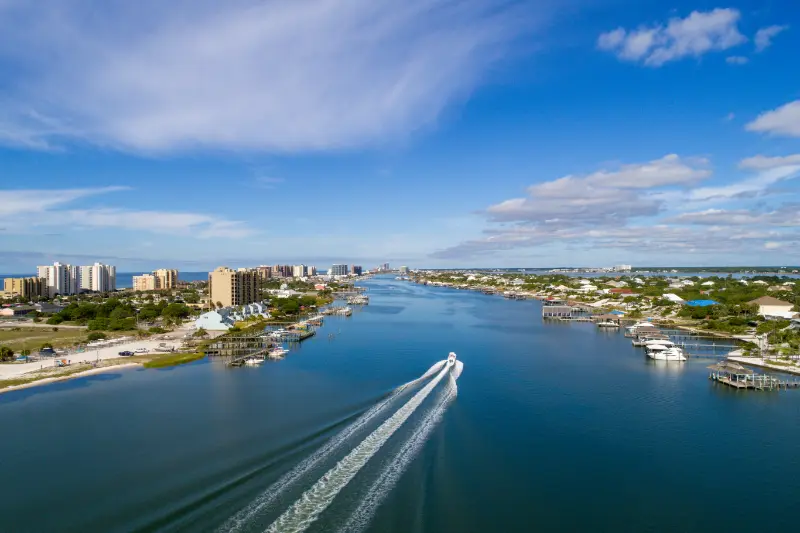
Perdido Key State Park deserves more than a pin on a map because the quality of the visit depends on decisions made before arrival: timing, access, weather, parking and the actual abilities of the people traveling with you. This guide is written for a first visit and for travelers who want useful details rather than a list of photo stops.
Perdido Key State Park is intentionally simple: dunes, boardwalks, picnic shelters and Gulf beach. That simplicity is the point. It protects a fragile barrier-island landscape where sea turtles, shorebirds and the Perdido Key beach mouse share space with swimmers and anglers.
Quick planning summary
- Best for: beachgoers, surf anglers, photographers, couples and families who prefer a simple protected beach to a resort-style attraction.
- How much time: Two to four hours can be enough for a swim and walk, but a half day is more comfortable if you are surf fishing or bringing children.
- Getting there: Use the official state-park access on Perdido Key Drive and do not confuse it with the National Park Service Johnson Beach entrance farther west.
- Where to stay: Perdido Key vacation rentals are closest. Southwest Pensacola is often more practical for groceries and a wider range of hotel prices.
Is it worth visiting?
Yes, if the experience matches the people traveling with you. The western Florida Panhandle can look simple on a map, but beach capacity, surf, heat, security procedures, campground logistics and long stretches of protected land can change how a day actually works. The destination becomes better when you plan for the variable that matters most instead of trying to collect the largest number of stops.
The practical rule I would use: identify the least flexible part of the day and build around it. Reservation-only parks come first. Military-base access needs extra margin. Beaches with capacity limits reward early arrival. Long bike rides belong in cooler hours. Historic sites with short opening windows should not be scheduled after an open-ended beach afternoon.
What makes this place different
Perdido Key State Park is intentionally simple: dunes, boardwalks, picnic shelters and Gulf beach. That simplicity is the point. It protects a fragile barrier-island landscape where sea turtles, shorebirds and the Perdido Key beach mouse share space with swimmers and anglers.
That distinction matters in Northwest Florida, where a state park, national seashore unit, military historic site, wet prairie and paved rail-trail can sit within the same regional itinerary but require completely different expectations. The best plan gives each place the conditions and time it needs rather than treating every stop as interchangeable.
Best things to do and how to approach them
Cross the dunes only on boardwalks
The dune vegetation stabilizes the island and provides habitat. Use the established walkovers even when a shortcut looks harmless; repeated foot traffic creates erosion channels surprisingly quickly.
Pick the swimming window by surf conditions
A beautiful blue Gulf can still have dangerous rip currents. Check beach flags and local conditions, keep children within immediate reach and be willing to turn a swim day into a beach-walk day when surf is rough.
Try surf fishing without dominating the beach
Surf fishing can be excellent, but set up where lines do not cross the main family swimming zone. Confirm licensing rules, pack out line and tackle and remember that busy weekends require more awareness of other visitors.
Look for wildlife signs instead of wildlife guarantees
Nesting shorebirds, turtle tracks and protected beach-mouse habitat are more realistic expectations than close wildlife encounters. Give marked nesting areas generous space and keep lights low during turtle season.
Use the park as a short nature stop
Because facilities are limited, Perdido Key State Park works well as a focused half-day between Big Lagoon, Tarkiln Bayou or a longer Gulf Islands National Seashore day.
Current conditions worth checking
Florida State Parks lists Perdido Key State Park as open from 8 a.m. to sunset every day, with a $3 per-vehicle fee paid through the honor system. Boardwalks protect the dune system and provide beach access. Check surf, weather and any temporary access notices before leaving.
This information was reviewed in October 2026. Access, construction, security procedures, water conditions, fees and recreation services can change before a 2027 trip. Recheck the official managing agency a day or two before departure, especially when one closure, reservation or opening window would determine whether the visit works.
Best time to visit
October through April usually gives Northwest Florida the most comfortable temperatures for hiking, cycling, historic-site walking and long sightseeing days. Winter mornings can be chilly and windy, especially on barrier islands. Spring warms quickly and often combines comfortable air temperatures with longer daylight. Summer is excellent for swimming but demands an earlier start, serious sun protection, more drinking water and a thunderstorm plan.
Wind and surf matter as much as temperature on the coast. A clear forecast can still produce rough swimming conditions or tiring paddling. Inland, recent rain can affect natural-surface trails and insects. Check the condition that controls your planned activity instead of relying on one general weather icon.
Families, teenagers and senior travelers
Families usually do best when the main activity is easy to understand and short enough that children finish with energy left. A simple beach base, short boardwalk, two-hour fort visit or modest bike ride is often more successful than a packed day of constant transfers. Carry dry clothes, snacks and more water than expected.
Teenagers often engage more when they have a role: route navigation, photography, wildlife identification, reading a historic map or choosing the turnaround point. Senior travelers should look beyond the word “accessible” and ask about actual walking distance, shade, benches, sand, stairs and restrooms. Developed facilities can be accessible even when the signature beach or historic route still involves difficult surfaces.
Accessibility and mobility planning
Separate developed access from the complete experience. A paved parking area, accessible restroom or boardwalk does not automatically make deep sand, historic stairs or a long natural-surface trail easy. If mobility is central to the trip, use the official accessibility information and call the managing agency about the exact route you want to use. A short phone call can prevent a long drive to an attraction that does not match the traveler’s needs.
How much time do you really need?
Two to four hours can be enough for a swim and walk, but a half day is more comfortable if you are surf fishing or bringing children.
Add a buffer for parking, unloading gear, security checks, changing clothes, applying sunscreen, reading maps and simply stopping when wildlife, good light or an interesting exhibit deserves attention. Small transitions can easily add an hour to a nature or history day. On multi-day trips, alternate demanding and easy experiences so the least experienced traveler does not spend the second half of the trip recovering from the first half.
Where to stay and how to choose a base
Perdido Key vacation rentals are closest. Southwest Pensacola is often more practical for groceries and a wider range of hotel prices.
Choose lodging according to the first activity of the next morning, not only the room rate. A cheaper room can be false economy if it adds an hour of driving before a reservation-only park, early beach window or short-opening-hours historic site. Families may value a refrigerator and breakfast more than decorative amenities, while cyclists and campers should think about secure gear storage.
Driving, parking and navigation
Use the official state-park access on Perdido Key Drive and do not confuse it with the National Park Service Johnson Beach entrance farther west.
Save the official address, operating-hours page and any current-condition notice before leaving strong mobile coverage. The Pensacola region has several similarly named beaches and protected areas managed by different agencies, so confirm that the navigation destination matches the park or seashore unit you actually intend to visit. Keep enough fuel for a detour and avoid designing a schedule with no parking or security margin.
Food, water and budget
Most of these public lands are inexpensive compared with major Florida attractions, but the whole day still has costs: entrance or reservation fees, fuel, ice, meals, rentals, camping and sometimes a ferry, fishing license or special equipment. Budget around the activity rather than only the gate fee.
Carry water and simple food even when restaurants are nearby. A two-hour outing can become four when traffic, security, surf, wildlife or a slow group changes the pace. A small cooler in the vehicle gives you the freedom to stay longer when conditions are good instead of letting hunger dictate the schedule.
Safety and environmental responsibility
Heat, lightning, rip currents, wildlife, traffic and navigation deserve practical respect without turning the trip into a list of warnings. Carry more drinking water than the minimum, use sun protection and monitor weather. At the Gulf, read beach flags and never treat calm-looking water as proof that currents are weak. On trails and bike routes, tell someone the plan if you are traveling beyond developed areas.
Stay on boardwalks through dunes and wetlands, keep wildlife at a distance and pack out fishing line, food waste and other trash. Protected landscapes are frequently managed with habitat restoration, prescribed fire, construction or temporary closures. Those measures may inconvenience one visit while preserving the place for years; treat barriers and reroutes as part of responsible travel rather than invitations to improvise a shortcut.
A realistic 3-day itinerary
Day 1: simple beach visit
Arrive early, walk the dune boardwalk, swim only if conditions are favorable and keep the setup light enough to move easily.
Day 2: pair with the lagoon
Spend the morning at Big Lagoon State Park for trails or paddling, then use Perdido Key State Park for a late-afternoon beach walk and sunset.
Day 3: wider barrier-island context
Visit the National Park Service Perdido Key area or Fort Pickens on a separate day so the state park does not become one rushed stop in a long beach checklist.
Common mistakes to avoid
- Skipping the official conditions page: reservations, capacity rules, security procedures and closures can change.
- Starting the main activity too late: heat, thunderstorms, sunset and short operating hours reduce your margin.
- Using only a phone map: national seashore units, state parks and military-base entrances can be easy to confuse.
- Carrying too much: sand, boardwalks, historic stairs and distant parking are easier with a lighter setup.
- Assuming the Gulf is safe because it looks calm: always check rip-current and beach-flag information.
- Giving every day the same intensity: alternate demanding outdoor activities with easier walks, history stops or relaxed beach periods.
How to combine this stop with nearby Florida
Useful published Wonderful Florida guides for a wider western Panhandle route include Big Lagoon State Park, Yellow River Marsh Preserve State Park, Grayton Beach State Park. Treat them as alternatives or next-day experiences rather than obligations on the same day. The strongest regional itinerary alternates beach, forest, trail and history so one weather problem does not ruin the entire plan.
How to make the day feel less rushed
Planning tipThe easiest way to improve a Panhandle itinerary is to remove one stop. Distances can look modest until beach traffic, base security, a capacity closure or a slow meal changes the schedule. Leave at least one unscheduled hour. That buffer absorbs parking, changing clothes, gear problems and the moments when you simply want to stay longer.
For mixed-age groups, decide in advance which experience is the day’s priority and which is optional. When everyone knows that the fort, beach, trail or paddle is the anchor, skipping a secondary stop feels like a deliberate choice rather than a failure.
What to pack
For most visits, pack refillable water, sun protection, insect repellent, weather-appropriate clothing, a charged phone, offline directions and shoes that match the surface. Add a light layer outside summer because wind on exposed barrier islands can feel cool. For beach days, keep a dry change of clothes in the vehicle. For cycling, carry a small repair kit and pump. For birding or wet-prairie walks, binoculars often add more value than heavy camera gear.
Photography without damaging the place
The best photographs rarely require leaving a designated route. Use boardwalk angles, longer focal lengths and patience instead of crossing dune fencing, wet prairie or restoration areas. Early and late light reduces glare on sand and water. At historic sites, side light reveals brick, arches and earthworks. If wildlife changes direction because of your presence, back away; the image is not worth disturbing an animal or nesting area.
Weather plan B
Build a backup that changes the activity type rather than merely changing the address. If surf is rough, choose a shaded trail or historic site. If lightning threatens, leave the beach instead of waiting under a small shelter near open water. If heat makes a long bike ride unattractive, use a short museum-style or fort visit. Good Florida planning is not predicting weather perfectly; it is having a second plan that still feels worthwhile.
Who should prioritize this stop — and who can skip it?
This is a strong choice when its defining experience matches the trip’s real goal. Travelers who enjoy nature, history or slow outdoor time will usually value it more than visitors trying to maximize attractions per hour. It also works well as a “reset day” between busier city, resort or theme-park days because the schedule can remain simple.
You can reasonably skip it when the signature activity is already duplicated elsewhere in your itinerary, when weather removes the main reason for visiting, or when the group’s mobility and energy do not fit the surfaces involved. A complete Florida trip does not require every famous stop. Choosing fewer places and experiencing them properly usually produces a better vacation.
Small decisions that improve the visit
Charge the phone before leaving, save the official webpage offline, photograph the parking area or trail map and set a return time before the group separates. Keep footwear and a light layer in the vehicle even on a beach day. If the attraction depends on a reservation, capacity window or base entry, confirm that item again the evening before rather than trusting a screenshot from weeks earlier.
When traveling with children or older adults, identify the nearest restroom before beginning the longest walk. When cycling, decide the turnaround by time as well as distance. When visiting the Gulf, agree on a family meeting point in case people leave the water at different places. These small choices are not glamorous, but they are what make a practical travel guide useful on the ground.
Official resources to check before you go
Final thoughts
Perdido Key State Park works best when you let its defining landscape, access rules or history set the pace. Check the official source again before leaving, choose one main activity and give the least experienced person in the group enough margin. That approach is safer, more comfortable and almost always more memorable than trying to collect every nearby stop in one day.