Category: Escambia County Florida

  • Johnson Beach and Perdido Key Area Guide: Gulf Islands Beaches, Discovery Trail and Capacity Tips

    Johnson Beach and Perdido Key Area Guide: Gulf Islands Beaches, Discovery Trail and Capacity Tips

    Johnson Beach and Perdido Key Area deserves more than a pin on a map because the quality of the visit depends on decisions made before arrival: timing, access, weather, parking and the actual abilities of the people traveling with you. This guide is written for a first visit and for travelers who want useful details rather than a list of photo stops.

    Explore this guide

    Johnson Beach combines a developed day-use zone with a progressively wilder barrier island. Restrooms, pavilions and an accessible discovery trail sit near the entrance, while the road ends farther east and the island beyond continues only for people traveling on foot or by boat.

    Quick planning summary

    • Best for: families, swimmers, walkers, birders and travelers who want National Park Service beach access on Perdido Key.
    • How much time: A half day is practical for beach and the discovery trail. A full day is better during warm weather when the setup effort is significant.
    • Getting there: Enter from Johnson Beach Road and arrive early in high season. Parking is first come, first served and the area can close temporarily when it reaches capacity.
    • Where to stay: Perdido Key is closest. Southwest Pensacola is often better for travelers prioritizing restaurants, groceries and access to multiple parks.

    Is it worth visiting?

    Yes, if the experience matches the people traveling with you. The western Florida Panhandle can look simple on a map, but beach capacity, surf, heat, security procedures, campground logistics and long stretches of protected land can change how a day actually works. The destination becomes better when you plan for the variable that matters most instead of trying to collect the largest number of stops.

    The practical rule I would use: identify the least flexible part of the day and build around it. Reservation-only parks come first. Military-base access needs extra margin. Beaches with capacity limits reward early arrival. Long bike rides belong in cooler hours. Historic sites with short opening windows should not be scheduled after an open-ended beach afternoon.

    What makes this place different

    Johnson Beach combines a developed day-use zone with a progressively wilder barrier island. Restrooms, pavilions and an accessible discovery trail sit near the entrance, while the road ends farther east and the island beyond continues only for people traveling on foot or by boat.

    Woman Traveling Solo on Florida Beach

    That distinction matters in Northwest Florida, where a state park, national seashore unit, military historic site, wet prairie and paved rail-trail can sit within the same regional itinerary but require completely different expectations. The best plan gives each place the conditions and time it needs rather than treating every stop as interchangeable.

    Best things to do and how to approach them

    Arrive before capacity becomes the itinerary

    The National Park Service says the area is subject to maximum-capacity closures from April through September. If Johnson Beach is the main goal, arrive early rather than scheduling it after lunch.

    Use the accessible Discovery Trail

    The boardwalk trail offers a way to experience barrier-island habitat without committing to deep sand. Bikes, e-bikes and scooters are not allowed on the wooden discovery trail.

    Keep the beach setup compatible with the walk from parking

    There is no roadside parking and no RV parking. Pack what can be carried safely from designated spaces instead of bringing a resort-scale setup that makes every move difficult.

    Understand where the road ends

    Beyond the turnaround, the island continues but access changes. Travelers interested in the more remote end should research foot or boat access and backcountry rules separately rather than improvising after a normal beach day.

    Use lifeguarded season when that matters to your group

    The park lists lifeguards from Memorial Day to Labor Day. Families with nervous swimmers may prefer that period, while everyone should still check beach flags and rip-current risk.

    Current conditions worth checking

    The National Park Service currently lists the Perdido Key Area as open 5 a.m.–8 p.m. from March 1 through October 31 and 5 a.m.–6 p.m. from November 1 through February 28. The area can close when it reaches maximum capacity from April through September. Parking is designated-space only, there is no RV parking, no overnight parking, and pets are not allowed on the beach.

    This information was reviewed in October 2026. Access, construction, security procedures, water conditions, fees and recreation services can change before a 2027 trip. Recheck the official managing agency a day or two before departure, especially when one closure, reservation or opening window would determine whether the visit works.

    Best time to visit

    October through April usually gives Northwest Florida the most comfortable temperatures for hiking, cycling, historic-site walking and long sightseeing days. Winter mornings can be chilly and windy, especially on barrier islands. Spring warms quickly and often combines comfortable air temperatures with longer daylight. Summer is excellent for swimming but demands an earlier start, serious sun protection, more drinking water and a thunderstorm plan.

    Wind and surf matter as much as temperature on the coast. A clear forecast can still produce rough swimming conditions or tiring paddling. Inland, recent rain can affect natural-surface trails and insects. Check the condition that controls your planned activity instead of relying on one general weather icon.

    Families, teenagers and senior travelers

    Families usually do best when the main activity is easy to understand and short enough that children finish with energy left. A simple beach base, short boardwalk, two-hour fort visit or modest bike ride is often more successful than a packed day of constant transfers. Carry dry clothes, snacks and more water than expected.

    Teenagers often engage more when they have a role: route navigation, photography, wildlife identification, reading a historic map or choosing the turnaround point. Senior travelers should look beyond the word “accessible” and ask about actual walking distance, shade, benches, sand, stairs and restrooms. Developed facilities can be accessible even when the signature beach or historic route still involves difficult surfaces.

    Accessibility and mobility planning

    Separate developed access from the complete experience. A paved parking area, accessible restroom or boardwalk does not automatically make deep sand, historic stairs or a long natural-surface trail easy. If mobility is central to the trip, use the official accessibility information and call the managing agency about the exact route you want to use. A short phone call can prevent a long drive to an attraction that does not match the traveler’s needs.

    How much time do you really need?

    A half day is practical for beach and the discovery trail. A full day is better during warm weather when the setup effort is significant.

    Add a buffer for parking, unloading gear, security checks, changing clothes, applying sunscreen, reading maps and simply stopping when wildlife, good light or an interesting exhibit deserves attention. Small transitions can easily add an hour to a nature or history day. On multi-day trips, alternate demanding and easy experiences so the least experienced traveler does not spend the second half of the trip recovering from the first half.

    Where to stay and how to choose a base

    Perdido Key is closest. Southwest Pensacola is often better for travelers prioritizing restaurants, groceries and access to multiple parks.

    Choose lodging according to the first activity of the next morning, not only the room rate. A cheaper room can be false economy if it adds an hour of driving before a reservation-only park, early beach window or short-opening-hours historic site. Families may value a refrigerator and breakfast more than decorative amenities, while cyclists and campers should think about secure gear storage.

    Driving, parking and navigation

    Enter from Johnson Beach Road and arrive early in high season. Parking is first come, first served and the area can close temporarily when it reaches capacity.

    Save the official address, operating-hours page and any current-condition notice before leaving strong mobile coverage. The Pensacola region has several similarly named beaches and protected areas managed by different agencies, so confirm that the navigation destination matches the park or seashore unit you actually intend to visit. Keep enough fuel for a detour and avoid designing a schedule with no parking or security margin.

    Food, water and budget

    Most of these public lands are inexpensive compared with major Florida attractions, but the whole day still has costs: entrance or reservation fees, fuel, ice, meals, rentals, camping and sometimes a ferry, fishing license or special equipment. Budget around the activity rather than only the gate fee.

    Carry water and simple food even when restaurants are nearby. A two-hour outing can become four when traffic, security, surf, wildlife or a slow group changes the pace. A small cooler in the vehicle gives you the freedom to stay longer when conditions are good instead of letting hunger dictate the schedule.

    Safety and environmental responsibility

    Heat, lightning, rip currents, wildlife, traffic and navigation deserve practical respect without turning the trip into a list of warnings. Carry more drinking water than the minimum, use sun protection and monitor weather. At the Gulf, read beach flags and never treat calm-looking water as proof that currents are weak. On trails and bike routes, tell someone the plan if you are traveling beyond developed areas.

    Stay on boardwalks through dunes and wetlands, keep wildlife at a distance and pack out fishing line, food waste and other trash. Protected landscapes are frequently managed with habitat restoration, prescribed fire, construction or temporary closures. Those measures may inconvenience one visit while preserving the place for years; treat barriers and reroutes as part of responsible travel rather than invitations to improvise a shortcut.

    A realistic 3-day itinerary

    Day 1: Johnson Beach first

    Arrive early, walk the discovery trail before the hottest hour, then settle into a long beach period near the developed facilities.

    Day 2: compare protected landscapes

    Visit Tarkiln Bayou or Big Lagoon in the morning and return to the Perdido Key area only if capacity and weather make a second beach window sensible.

    Day 3: state park alternative

    Use Perdido Key State Park for a simpler, shorter Gulf stop before departure, or move east toward Pensacola history.

    Common mistakes to avoid

    • Skipping the official conditions page: reservations, capacity rules, security procedures and closures can change.
    • Starting the main activity too late: heat, thunderstorms, sunset and short operating hours reduce your margin.
    • Using only a phone map: national seashore units, state parks and military-base entrances can be easy to confuse.
    • Carrying too much: sand, boardwalks, historic stairs and distant parking are easier with a lighter setup.
    • Assuming the Gulf is safe because it looks calm: always check rip-current and beach-flag information.
    • Giving every day the same intensity: alternate demanding outdoor activities with easier walks, history stops or relaxed beach periods.

    How to combine this stop with nearby Florida

    Useful published Wonderful Florida guides for a wider western Panhandle route include Perdido Key State Park, Tarkiln Bayou Preserve State Park, Big Lagoon State Park. Treat them as alternatives or next-day experiences rather than obligations on the same day. The strongest regional itinerary alternates beach, forest, trail and history so one weather problem does not ruin the entire plan.

    How to make the day feel less rushed

    Planning tipThe easiest way to improve a Panhandle itinerary is to remove one stop. Distances can look modest until beach traffic, base security, a capacity closure or a slow meal changes the schedule. Leave at least one unscheduled hour. That buffer absorbs parking, changing clothes, gear problems and the moments when you simply want to stay longer.

    For mixed-age groups, decide in advance which experience is the day’s priority and which is optional. When everyone knows that the fort, beach, trail or paddle is the anchor, skipping a secondary stop feels like a deliberate choice rather than a failure.

    What to pack

    For most visits, pack refillable water, sun protection, insect repellent, weather-appropriate clothing, a charged phone, offline directions and shoes that match the surface. Add a light layer outside summer because wind on exposed barrier islands can feel cool. For beach days, keep a dry change of clothes in the vehicle. For cycling, carry a small repair kit and pump. For birding or wet-prairie walks, binoculars often add more value than heavy camera gear.

    Photography without damaging the place

    The best photographs rarely require leaving a designated route. Use boardwalk angles, longer focal lengths and patience instead of crossing dune fencing, wet prairie or restoration areas. Early and late light reduces glare on sand and water. At historic sites, side light reveals brick, arches and earthworks. If wildlife changes direction because of your presence, back away; the image is not worth disturbing an animal or nesting area.

    Weather plan B

    Build a backup that changes the activity type rather than merely changing the address. If surf is rough, choose a shaded trail or historic site. If lightning threatens, leave the beach instead of waiting under a small shelter near open water. If heat makes a long bike ride unattractive, use a short museum-style or fort visit. Good Florida planning is not predicting weather perfectly; it is having a second plan that still feels worthwhile.

    Who should prioritize this stop — and who can skip it?

    This is a strong choice when its defining experience matches the trip’s real goal. Travelers who enjoy nature, history or slow outdoor time will usually value it more than visitors trying to maximize attractions per hour. It also works well as a “reset day” between busier city, resort or theme-park days because the schedule can remain simple.

    You can reasonably skip it when the signature activity is already duplicated elsewhere in your itinerary, when weather removes the main reason for visiting, or when the group’s mobility and energy do not fit the surfaces involved. A complete Florida trip does not require every famous stop. Choosing fewer places and experiencing them properly usually produces a better vacation.

    Small decisions that improve the visit

    Charge the phone before leaving, save the official webpage offline, photograph the parking area or trail map and set a return time before the group separates. Keep footwear and a light layer in the vehicle even on a beach day. If the attraction depends on a reservation, capacity window or base entry, confirm that item again the evening before rather than trusting a screenshot from weeks earlier.

    When traveling with children or older adults, identify the nearest restroom before beginning the longest walk. When cycling, decide the turnaround by time as well as distance. When visiting the Gulf, agree on a family meeting point in case people leave the water at different places. These small choices are not glamorous, but they are what make a practical travel guide useful on the ground.

    Official resources to check before you go

    Final thoughts

    Johnson Beach and Perdido Key Area works best when you let its defining landscape, access rules or history set the pace. Check the official source again before leaving, choose one main activity and give the least experienced person in the group enough margin. That approach is safer, more comfortable and almost always more memorable than trying to collect every nearby stop in one day.
  • Perdido Key State Park Guide: Dunes, Swimming, Surf Fishing and Quiet Beach Planning

    Perdido Key State Park Guide: Dunes, Swimming, Surf Fishing and Quiet Beach Planning

    Perdido Key State Park deserves more than a pin on a map because the quality of the visit depends on decisions made before arrival: timing, access, weather, parking and the actual abilities of the people traveling with you. This guide is written for a first visit and for travelers who want useful details rather than a list of photo stops.

    Explore this guide

    Perdido Key State Park is intentionally simple: dunes, boardwalks, picnic shelters and Gulf beach. That simplicity is the point. It protects a fragile barrier-island landscape where sea turtles, shorebirds and the Perdido Key beach mouse share space with swimmers and anglers.

    Quick planning summary

    • Best for: beachgoers, surf anglers, photographers, couples and families who prefer a simple protected beach to a resort-style attraction.
    • How much time: Two to four hours can be enough for a swim and walk, but a half day is more comfortable if you are surf fishing or bringing children.
    • Getting there: Use the official state-park access on Perdido Key Drive and do not confuse it with the National Park Service Johnson Beach entrance farther west.
    • Where to stay: Perdido Key vacation rentals are closest. Southwest Pensacola is often more practical for groceries and a wider range of hotel prices.

    Is it worth visiting?

    Yes, if the experience matches the people traveling with you. The western Florida Panhandle can look simple on a map, but beach capacity, surf, heat, security procedures, campground logistics and long stretches of protected land can change how a day actually works. The destination becomes better when you plan for the variable that matters most instead of trying to collect the largest number of stops.

    The practical rule I would use: identify the least flexible part of the day and build around it. Reservation-only parks come first. Military-base access needs extra margin. Beaches with capacity limits reward early arrival. Long bike rides belong in cooler hours. Historic sites with short opening windows should not be scheduled after an open-ended beach afternoon.

    What makes this place different

    Perdido Key State Park is intentionally simple: dunes, boardwalks, picnic shelters and Gulf beach. That simplicity is the point. It protects a fragile barrier-island landscape where sea turtles, shorebirds and the Perdido Key beach mouse share space with swimmers and anglers.

    That distinction matters in Northwest Florida, where a state park, national seashore unit, military historic site, wet prairie and paved rail-trail can sit within the same regional itinerary but require completely different expectations. The best plan gives each place the conditions and time it needs rather than treating every stop as interchangeable.

    Best things to do and how to approach them

    Cross the dunes only on boardwalks

    The dune vegetation stabilizes the island and provides habitat. Use the established walkovers even when a shortcut looks harmless; repeated foot traffic creates erosion channels surprisingly quickly.

    Pick the swimming window by surf conditions

    A beautiful blue Gulf can still have dangerous rip currents. Check beach flags and local conditions, keep children within immediate reach and be willing to turn a swim day into a beach-walk day when surf is rough.

    Try surf fishing without dominating the beach

    Surf fishing can be excellent, but set up where lines do not cross the main family swimming zone. Confirm licensing rules, pack out line and tackle and remember that busy weekends require more awareness of other visitors.

    Florida Fishing Pier at Night with Sea Waves

    Look for wildlife signs instead of wildlife guarantees

    Nesting shorebirds, turtle tracks and protected beach-mouse habitat are more realistic expectations than close wildlife encounters. Give marked nesting areas generous space and keep lights low during turtle season.

    Use the park as a short nature stop

    Because facilities are limited, Perdido Key State Park works well as a focused half-day between Big Lagoon, Tarkiln Bayou or a longer Gulf Islands National Seashore day.

    Current conditions worth checking

    Florida State Parks lists Perdido Key State Park as open from 8 a.m. to sunset every day, with a $3 per-vehicle fee paid through the honor system. Boardwalks protect the dune system and provide beach access. Check surf, weather and any temporary access notices before leaving.

    This information was reviewed in October 2026. Access, construction, security procedures, water conditions, fees and recreation services can change before a 2027 trip. Recheck the official managing agency a day or two before departure, especially when one closure, reservation or opening window would determine whether the visit works.

    Best time to visit

    October through April usually gives Northwest Florida the most comfortable temperatures for hiking, cycling, historic-site walking and long sightseeing days. Winter mornings can be chilly and windy, especially on barrier islands. Spring warms quickly and often combines comfortable air temperatures with longer daylight. Summer is excellent for swimming but demands an earlier start, serious sun protection, more drinking water and a thunderstorm plan.

    Wind and surf matter as much as temperature on the coast. A clear forecast can still produce rough swimming conditions or tiring paddling. Inland, recent rain can affect natural-surface trails and insects. Check the condition that controls your planned activity instead of relying on one general weather icon.

    Families, teenagers and senior travelers

    Families usually do best when the main activity is easy to understand and short enough that children finish with energy left. A simple beach base, short boardwalk, two-hour fort visit or modest bike ride is often more successful than a packed day of constant transfers. Carry dry clothes, snacks and more water than expected.

    Teenagers often engage more when they have a role: route navigation, photography, wildlife identification, reading a historic map or choosing the turnaround point. Senior travelers should look beyond the word “accessible” and ask about actual walking distance, shade, benches, sand, stairs and restrooms. Developed facilities can be accessible even when the signature beach or historic route still involves difficult surfaces.

    Accessibility and mobility planning

    Separate developed access from the complete experience. A paved parking area, accessible restroom or boardwalk does not automatically make deep sand, historic stairs or a long natural-surface trail easy. If mobility is central to the trip, use the official accessibility information and call the managing agency about the exact route you want to use. A short phone call can prevent a long drive to an attraction that does not match the traveler’s needs.

    How much time do you really need?

    Two to four hours can be enough for a swim and walk, but a half day is more comfortable if you are surf fishing or bringing children.

    Florida Ocean Fishing Pier at Sunset

    Add a buffer for parking, unloading gear, security checks, changing clothes, applying sunscreen, reading maps and simply stopping when wildlife, good light or an interesting exhibit deserves attention. Small transitions can easily add an hour to a nature or history day. On multi-day trips, alternate demanding and easy experiences so the least experienced traveler does not spend the second half of the trip recovering from the first half.

    Where to stay and how to choose a base

    Perdido Key vacation rentals are closest. Southwest Pensacola is often more practical for groceries and a wider range of hotel prices.

    Choose lodging according to the first activity of the next morning, not only the room rate. A cheaper room can be false economy if it adds an hour of driving before a reservation-only park, early beach window or short-opening-hours historic site. Families may value a refrigerator and breakfast more than decorative amenities, while cyclists and campers should think about secure gear storage.

    Driving, parking and navigation

    Use the official state-park access on Perdido Key Drive and do not confuse it with the National Park Service Johnson Beach entrance farther west.

    Save the official address, operating-hours page and any current-condition notice before leaving strong mobile coverage. The Pensacola region has several similarly named beaches and protected areas managed by different agencies, so confirm that the navigation destination matches the park or seashore unit you actually intend to visit. Keep enough fuel for a detour and avoid designing a schedule with no parking or security margin.

    Food, water and budget

    Most of these public lands are inexpensive compared with major Florida attractions, but the whole day still has costs: entrance or reservation fees, fuel, ice, meals, rentals, camping and sometimes a ferry, fishing license or special equipment. Budget around the activity rather than only the gate fee.

    Carry water and simple food even when restaurants are nearby. A two-hour outing can become four when traffic, security, surf, wildlife or a slow group changes the pace. A small cooler in the vehicle gives you the freedom to stay longer when conditions are good instead of letting hunger dictate the schedule.

    Safety and environmental responsibility

    Heat, lightning, rip currents, wildlife, traffic and navigation deserve practical respect without turning the trip into a list of warnings. Carry more drinking water than the minimum, use sun protection and monitor weather. At the Gulf, read beach flags and never treat calm-looking water as proof that currents are weak. On trails and bike routes, tell someone the plan if you are traveling beyond developed areas.

    Stay on boardwalks through dunes and wetlands, keep wildlife at a distance and pack out fishing line, food waste and other trash. Protected landscapes are frequently managed with habitat restoration, prescribed fire, construction or temporary closures. Those measures may inconvenience one visit while preserving the place for years; treat barriers and reroutes as part of responsible travel rather than invitations to improvise a shortcut.

    A realistic 3-day itinerary

    Day 1: simple beach visit

    Arrive early, walk the dune boardwalk, swim only if conditions are favorable and keep the setup light enough to move easily.

    Day 2: pair with the lagoon

    Spend the morning at Big Lagoon State Park for trails or paddling, then use Perdido Key State Park for a late-afternoon beach walk and sunset.

    Day 3: wider barrier-island context

    Visit the National Park Service Perdido Key area or Fort Pickens on a separate day so the state park does not become one rushed stop in a long beach checklist.

    Common mistakes to avoid

    • Skipping the official conditions page: reservations, capacity rules, security procedures and closures can change.
    • Starting the main activity too late: heat, thunderstorms, sunset and short operating hours reduce your margin.
    • Using only a phone map: national seashore units, state parks and military-base entrances can be easy to confuse.
    • Carrying too much: sand, boardwalks, historic stairs and distant parking are easier with a lighter setup.
    • Assuming the Gulf is safe because it looks calm: always check rip-current and beach-flag information.
    • Giving every day the same intensity: alternate demanding outdoor activities with easier walks, history stops or relaxed beach periods.

    How to combine this stop with nearby Florida

    Useful published Wonderful Florida guides for a wider western Panhandle route include Big Lagoon State Park, Yellow River Marsh Preserve State Park, Grayton Beach State Park. Treat them as alternatives or next-day experiences rather than obligations on the same day. The strongest regional itinerary alternates beach, forest, trail and history so one weather problem does not ruin the entire plan.

    How to make the day feel less rushed

    Planning tipThe easiest way to improve a Panhandle itinerary is to remove one stop. Distances can look modest until beach traffic, base security, a capacity closure or a slow meal changes the schedule. Leave at least one unscheduled hour. That buffer absorbs parking, changing clothes, gear problems and the moments when you simply want to stay longer.

    For mixed-age groups, decide in advance which experience is the day’s priority and which is optional. When everyone knows that the fort, beach, trail or paddle is the anchor, skipping a secondary stop feels like a deliberate choice rather than a failure.

    Snorkeling with Dolphins in Florida Sea

    What to pack

    For most visits, pack refillable water, sun protection, insect repellent, weather-appropriate clothing, a charged phone, offline directions and shoes that match the surface. Add a light layer outside summer because wind on exposed barrier islands can feel cool. For beach days, keep a dry change of clothes in the vehicle. For cycling, carry a small repair kit and pump. For birding or wet-prairie walks, binoculars often add more value than heavy camera gear.

    Photography without damaging the place

    The best photographs rarely require leaving a designated route. Use boardwalk angles, longer focal lengths and patience instead of crossing dune fencing, wet prairie or restoration areas. Early and late light reduces glare on sand and water. At historic sites, side light reveals brick, arches and earthworks. If wildlife changes direction because of your presence, back away; the image is not worth disturbing an animal or nesting area.

    Weather plan B

    Build a backup that changes the activity type rather than merely changing the address. If surf is rough, choose a shaded trail or historic site. If lightning threatens, leave the beach instead of waiting under a small shelter near open water. If heat makes a long bike ride unattractive, use a short museum-style or fort visit. Good Florida planning is not predicting weather perfectly; it is having a second plan that still feels worthwhile.

    Who should prioritize this stop — and who can skip it?

    This is a strong choice when its defining experience matches the trip’s real goal. Travelers who enjoy nature, history or slow outdoor time will usually value it more than visitors trying to maximize attractions per hour. It also works well as a “reset day” between busier city, resort or theme-park days because the schedule can remain simple.

    You can reasonably skip it when the signature activity is already duplicated elsewhere in your itinerary, when weather removes the main reason for visiting, or when the group’s mobility and energy do not fit the surfaces involved. A complete Florida trip does not require every famous stop. Choosing fewer places and experiencing them properly usually produces a better vacation.

    Small decisions that improve the visit

    Charge the phone before leaving, save the official webpage offline, photograph the parking area or trail map and set a return time before the group separates. Keep footwear and a light layer in the vehicle even on a beach day. If the attraction depends on a reservation, capacity window or base entry, confirm that item again the evening before rather than trusting a screenshot from weeks earlier.

    When traveling with children or older adults, identify the nearest restroom before beginning the longest walk. When cycling, decide the turnaround by time as well as distance. When visiting the Gulf, agree on a family meeting point in case people leave the water at different places. These small choices are not glamorous, but they are what make a practical travel guide useful on the ground.

    Official resources to check before you go

    Final thoughts

    Perdido Key State Park works best when you let its defining landscape, access rules or history set the pace. Check the official source again before leaving, choose one main activity and give the least experienced person in the group enough margin. That approach is safer, more comfortable and almost always more memorable than trying to collect every nearby stop in one day.
  • Four Days in Pensacola: Historic Downtown, Gulf Beaches and Coastal Forts

    Four Days in Pensacola: Historic Downtown, Gulf Beaches and Coastal Forts

    Pensacola deserves more time than a quick stop on a Florida Panhandle drive. Its walkable historic downtown, strong maritime and military connections, long protected Gulf shorelines and nearby Perdido Key make it an appealing four-day destination. It also has a practical advantage for mixed groups: art and history lovers can enjoy a museum day while others favor a beach, and everyone can meet for a relaxed evening meal. The route works best with a car, but downtown Pensacola itself can be explored without one for short periods.

    Some of the region’s most famous attractions require advance homework. The National Naval Aviation Museum is on an active military base, and visitors who are not U.S. citizens face particular escort and identification rules; do not assume any international tourist can simply drive through the gate. Beaches within Gulf Islands National Seashore have separate park entrance rules and facilities. This itinerary provides alternatives so that a family with young children, an international visitor or someone with limited mobility does not lose an entire day because an attraction turns out to be inaccessible.

    Four days with one main activity per day

    DayAreaMain themeFlexible alternative
    1Historic PensacolaDowntown heritage and waterfrontMuseum and shaded lunch
    2Pensacola Beach/Fort PickensFort, protected beach and dunesShort boardwalk and one fort area
    3Naval aviation or local cultureMuseum if security access is possibleDowntown museum or coastal park
    4Perdido KeyJohnson Beach and a quiet final dayBeach overlook and early departure

    The itinerary does not require all four days of swimming. Even in cooler weather, the shoreline, forts and downtown give it plenty of interest.

    Day 1: Historic Pensacola and a slow waterfront evening

    Start with a walk around downtown Pensacola, where surviving historic buildings, museums, restaurants and public spaces reveal an older Gulf Coast city rather than a single-purpose beach resort. Choose an interpretive visit from the Historic Pensacola complex or another cultural venue whose current tours and ticket rules suit your interests. The area’s history includes Indigenous communities, European colonial powers, maritime trade and military activity; it deserves a more thoughtful approach than a quick row of photographs.

    Pensacola Florida Downtown Skyline at Golden Sunset Aerial

    Make the morning manageable. Parents with children can choose one museum and a short outdoor stop, while history enthusiasts might prefer a longer guided tour. The downtown streets are good for café breaks, but summer heat and occasional event closures can make walking less pleasant. Check which buildings are open that day instead of assuming a historic district ticket grants instant access to every site. An afternoon in a gallery or along the waterfront can be a relaxed addition without a second lengthy drive.

    For dinner, remain downtown if you are sleeping nearby. There is little benefit to driving to the beach just to return after dark on your first night. If your group has a member who uses a wheelchair, check the access arrangements at individual historic properties; old buildings may have uneven paving or stair-only rooms. A slow evening also gives you time to confirm the Gulf Islands National Seashore status for tomorrow, particularly if weather conditions have changed.

    Day 2: Fort Pickens and the protected Gulf shore

    Cross toward Pensacola Beach and allow most of the day for the Fort Pickens area of Gulf Islands National Seashore. The National Park Service maintains historic fortifications, beaches, walking opportunities and designated visitor facilities. Review the park’s operating hours and entrance fee before leaving: the entrance station, fort gate and specific facilities may follow different schedules. Do not rely on an old social-media post about being able to arrive whenever you wish. Pick one historic area and one suitable beach access rather than attempting every battery and shoreline stop.

    The fort’s history helps explain the strategic role of the Gulf Coast, while the beaches show why barrier islands deserve protection. Keep off fragile dunes and use authorized boardwalks. The NPS identifies Langdon Beach as having an accessible swimming area with facilities, though actual service availability and summer lifeguard coverage must be confirmed. Gulf surf can look gentle yet develop dangerous rip currents. Learn local flag meanings and do not enter the water during lightning or unsafe surf conditions.

    For a family, a picnic and one fort walk may fill the day. Adults interested in history can spend longer with interpretive panels and the NPS app; others may prefer seated beach views. If someone cannot navigate sandy paths or fort steps, identify a suitable accessible beach or visitor area before traveling, rather than making decisions in the parking lot. Finish with an early seafood dinner, allowing generous time for the drive back to town.

    Day 3: Naval aviation, with an important international-visitor warning

    The National Naval Aviation Museum is outstanding for visitors interested in aircraft, engineering and military history. Its exhibits include historic naval aircraft and related material, and admission is generally free, but the museum is inside Naval Air Station Pensacola. Security access is not the same as buying a museum ticket. The museum’s official guidance states that adults who are U.S. citizens must present appropriate REAL ID-compliant identification or a passport and use the designated West Gate during public access hours.

    For foreign nationals, the requirements are more restrictive. The official museum FAQ says that non-U.S. visitors generally need a U.S.-citizen escort who is driving the same vehicle and must meet specified documentation and security procedures. Some international tourists will not be eligible, and a valid foreign passport alone may not grant access. Do not make this attraction the sole reason for a non-U.S. family’s visit without reading the current museum security FAQ and confirming eligibility directly. Security policies can change, and staff may deny entry even after a long drive.

    If you cannot access the base—or if the group does not enjoy aircraft—use this day for Pensacola art, a local science museum, or another historic downtown visit. An aviation fan can spend several hours at the museum, while an accompanying child may benefit from shorter sessions and a lunch break. Check current clear-bag restrictions and any simulator or theater pricing. A genuinely useful plan never pretends that a federal installation is an ordinary public shopping mall.

    Day 4: Perdido Key and Johnson Beach at a relaxed pace

    Drive west toward Perdido Key and the Johnson Beach area of Gulf Islands National Seashore. The National Park Service describes beach accesses, picnic facilities, an accessible boardwalk nature trail and a protected barrier-island setting. Entrance fees and capacity restrictions may apply, especially during busy months. The park’s rules forbid casual roadside parking in restricted areas and limit vehicle access. Identify the correct entrance and parking area ahead of time rather than pulling onto shoulders when lots look full.

    This is a day for a walk, views, wildlife observation and a short beach session if conditions permit. Some protected areas have no lifeguards outside specific seasons, and high surf or rip currents can make swimming inappropriate. Stay on approved paths, leave nesting birds undisturbed and do not bring pets onto beaches where rules prohibit them. If your group likes kayaking, research permitted launch areas and tidal conditions with an authorized operator; do not add a spontaneous open-water trip after a long day in the sun.

    A short, scenic final day is especially useful if you have a flight or onward drive. Pack before going out, bring fresh water and return early enough to handle fuel and luggage. If weather is poor, revisit a missed downtown attraction. There is no need to force the beach into a stormy afternoon just because the itinerary labels it ‘day four.’ Pensacola’s variety makes it easy to switch activities when safety takes priority.

    Where to stay: downtown, Pensacola Beach or Perdido Key

    Downtown is a convenient base for culture, restaurants and a relaxed evening on foot. Beachfront hotels provide ocean or Gulf views and immediate shoreline access but can cost more after parking, resort charges and other fees. Perdido Key may suit visitors who favor a quieter final leg, though it places them farther from downtown attractions. Compare total driving for the activities you care about, not only the hotel nightly rate. A four-day visitor with an interest in history may be happier staying downtown than moving hotels twice.

    Pensacola Florida Waterfront City Sunset Aerial

    Families should check sleeping arrangements, kitchen access, laundry and pool facilities. Travelers with disabilities need precise answers about bathroom setup and routes to shore. Historic inns may be charming but have stairs; modern resorts can also have complicated beach access. A hotel claiming to be near the Naval Air Station does not solve foreign-visitor security restrictions. Book the room that works for your actual needs and spend your time on experiences, not avoidable logistical problems.

    Driving, parking and timing the coast

    The easiest route is to separate downtown, Pensacola Beach/Fort Pickens and Perdido Key into their own days. Causeways and beach roads can slow during holidays, and NPS areas have specific entrance and closing times. If you are staying downtown without a car, you can still enjoy day one and arranged museum activities, but the full coastal circuit requires a rental or other planned transport. Verify rental-company rules for tolls and insurance, and never use a beach shoulder as an improvised parking spot.

    If you are planning the Naval Aviation Museum, confirm security access before driving to the base. Passengers and vehicles may be searched. Do not carry prohibited items and do not assume a general map will direct you to the authorized public gate. A visitor who is not a U.S. citizen should arrange a different itinerary unless all current official requirements can be met. This is a major difference from many tourist museums and should be explained clearly to every member of the party.

    Money decisions and what to reserve

    The National Naval Aviation Museum is generally free to enter if you satisfy security rules, but special experiences may cost extra. Gulf Islands National Seashore charges entrance fees in selected areas; official federal passes may be relevant. Historic-district museums and tours each have their own pricing. Choose one or two paid attractions that matter rather than buying tours for every day. A family might prioritize Fort Pickens and a historic-district visit, keeping the rest of the budget for lodging and meals.

    Accommodation and transport often outweigh admission fees on this trip. Compare beachside and downtown rates over the entire stay, especially during school vacations. Check cancellation terms in hurricane season and avoid paying for a boat or outdoor activity when the forecast is uncertain. If traveling on a tighter budget, choose a comfortable inland hotel, pack picnic supplies and use a free waterfront walk for an evening outing. Spending less is compatible with a rewarding Gulf Coast vacation.

    All ages, accessibility and weather comfort

    Young children need a short, predictable rhythm: one attraction, lunch, rest and optional beach time. School-age children can link aircraft exhibits with naval history and coastal fortifications; teenagers may enjoy engineering or photography. Older adults can focus on seated interpretive stops and shorter historic walks. Visitors with limited mobility should ask about fort steps, beach-wheelchair access and the exact distance from parking to facilities. A general ADA listing does not guarantee every historic battery or dune crossing is suitable.

    Summer brings intense sun, humidity and storms; cooler months are often more comfortable for history walks, though the Gulf may be too chilly for some swimmers. The region is exposed to tropical-weather risks during hurricane season. Follow the National Weather Service and the National Park Service’s local alerts, and do not enter water under unsafe surf warnings. If storms disrupt a beach day, the city provides meaningful indoor alternatives. A flexible itinerary is the safest and often the happiest option.

    Frequently asked questions

    Can a European tourist visit the National Naval Aviation Museum?

    Not necessarily. Because it sits on an active Navy base, non-U.S. citizens face escort and documentation requirements that many vacationers cannot meet. Read the official museum security FAQ before making plans.

    Is Fort Pickens separate from downtown Pensacola?

    Yes. It lies in a national seashore area reached by road across the bay and barrier island. Budget for driving, entrance requirements and a substantial visit.

    Are the beaches free?

    Beach and public-park access policies vary. NPS units such as Fort Pickens and Perdido Key’s Johnson Beach area can require admission; parking and concessions may have additional charges.

    Is Pensacola a good destination without swimming?

    Absolutely. Maritime history, museums, historic downtown streets and coastal overlooks make a varied trip even in cooler weather or when surf conditions are unsuitable.

    Should we stay downtown or near the sand?

    Choose downtown for culture and restaurants, beachside for a shoreline-oriented break. For four days, select one main base to avoid unnecessary packing and repeated transfers.

    Official resources

  • Historic Pensacola Guide: Museums, Historic Houses, Tickets and a Walkable Downtown Day

    Historic Pensacola Guide: Museums, Historic Houses, Tickets and a Walkable Downtown Day

    Historic Pensacola works best when you stop thinking of it as one museum. It is a walkable network of historic houses, museums, churches and interpretation spaces spread through downtown, which means the real planning question is not “what is there?” but “which two or three experiences fit the people and time I have today?”

    Explore this guide

    Before the visit, consider not only what the attraction offers, but also how long to allow, when the day can go wrong, how to adapt the visit for children or older adults, and whether the stop is worth prioritizing within a broader Northwest Florida itinerary.

    Quick planning summary

    • Best for: history travelers, architecture fans, families who enjoy short museum visits, seniors, rainy-day itineraries and visitors staying in downtown Pensacola.
    • How much time: Allow three to four hours for a focused visit or use the multi-day admission over several days if you are staying downtown and prefer shorter museum sessions.
    • Current-condition check: Review the official page shortly before travel because hours, security procedures, presentations, closures and seasonal programs can change.
    • Good strategy: Choose one primary reason for visiting and build the rest of the stop around it instead of trying to consume every exhibit or activity.

    Why this stop is worth considering

    Northwest Florida vacations can become repetitive if every day is planned around the same beach rhythm. A strong itinerary alternates open-air coast days with history, wildlife, science, cultural sites or structured family attractions. That variety is especially important for multigenerational groups, because the person who wants to swim for six hours may be traveling with someone who prefers shade, seating, air conditioning or a slower pace.

    The practical question is therefore not whether this place is “good” in the abstract. It is whether it gives your particular trip something different. If the answer is yes, protect enough time for that defining experience. If another stop already offers nearly the same thing, save energy and skip the duplication.

    Best things to do and how to approach them

    Use the unified ticket strategically

    A seven-day ticket makes it unnecessary to rush. If you are staying nearby, split the museums across two mornings rather than trying to absorb every building in one afternoon.

    Join a guided historic-house tour

    The house tours add voices, domestic details and local stories that are easy to miss in self-guided spaces. Arrive before the listed departure time because guided groups cannot always wait for late visitors.

    Pair indoor museums with a short downtown walk

    Historic Pensacola becomes more memorable when you step outside between museums. Use plazas, older streets and public spaces as reset points so children and older travelers are not indoors continuously.

    Pensacola Florida Waterfront City Sunset Aerial

    Choose Sunday carefully

    Sunday access is useful but more limited than the Tuesday–Saturday schedule. If one specific historic house or guided tour matters, build the trip around a full operating day rather than assuming every site is open on Sunday.

    Current information to know before you go

    As reviewed in October 2026, most Historic Pensacola museums and guided house tours operate Tuesday–Saturday, generally 10:00 a.m.–4:00 p.m.; selected museums open Sunday noon–4:00 p.m.; Monday is closed. Unified admission covers multiple museums for seven days, and guided historic-house tours are included on operating days.

    This information was reviewed on 6 October 2026 for an article scheduled for publication in 2027. Treat it as a planning baseline, not a promise. Always recheck the official operator shortly before travel, particularly when identification, reservations, capacity, weather, wildlife conditions or operating hours would determine whether your visit works.

    Who will enjoy it most

    This stop is particularly well matched to history travelers, architecture fans, families who enjoy short museum visits, seniors, rainy-day itineraries and visitors staying in downtown Pensacola. The experience becomes more successful when the group agrees on the purpose before arriving. A family may prioritize hands-on learning, a couple may focus on photography and local character, while a senior traveler may prefer a shorter route with reliable seating and restrooms. None of those versions needs to look identical.

    Large festivals and downtown events can temporarily close individual buildings even when the wider complex remains open. Check the official closure calendar when visiting during a major event weekend.

    Families with babies and young children

    Family tipFor families traveling with babies or preschoolers, logistics matter more than the number of exhibits. Identify the restroom location first, keep one simple snack and water easy to reach, and plan a reset before the child is overtired. A compact 60–90 minute visit that ends well is more useful than extending the day simply because the admission ticket allows it.

    Strollers are helpful when surfaces and security rules permit them, but do not assume every historic tower, pier, boardwalk or small museum room is equally stroller-friendly. If one adult wants to do a physically demanding section, splitting the group for 20–30 minutes can be a better solution than forcing everyone through the same route.

    Traveling with teenagers

    Teenagers usually respond better when they have an active role. Ask them to choose one exhibit, photograph a detail, compare two historical periods, identify an aircraft or marine species, or plan the next walking segment. Giving them ownership turns a “family attraction” into something they helped shape.

    Do not overschedule a teenager-heavy day. One meaningful museum or attraction plus a beach, food stop or outdoor walk usually works better than stacking three indoor visits. If the destination has a simulator, pier, tower climb, animal presentation or interactive exhibit, use that as the anchor and keep the educational content around it.

    Senior travelers and limited mobility

    For older adults, the difference between a good and difficult visit can be a few practical details: distance from parking, whether seating is available, whether the route includes stairs, whether the attraction is exposed to heat, and whether restrooms are inside the paid area. Check those details before arrival instead of assuming a small attraction means an easy one.

    Mixed-mobility groups should establish one shared experience and one optional extension. The more active travelers can add a tower, long pier walk or extra gallery while the rest of the group stays at a museum, café, shaded bench or accessible exhibit. This keeps everyone included without pretending everyone has the same energy or balance.

    Accessibility and comfort

    Accessibility is specific to the activity. An attraction can have accessible parking and restrooms while its signature experience still involves stairs, sand, a long exposed pier or narrow historic spaces. Focus on the exact part of the visit that matters to your group and confirm that element directly with the operator when necessary.

    Comfort planning also includes temperature and noise. Indoor attractions can feel very cool after a hot parking lot, while outdoor marine or aviation sites can be bright and windy. Carry a light layer, sun protection and water even on a mostly indoor day. Travelers sensitive to crowds may have a better experience at opening time.

    Best time of day

    Opening time is usually the safest default for popular attractions because parking is easier, children have more energy and the group can make decisions before heat or afternoon storms build. For a pier, lighthouse or outdoor coastal site, early light can also improve photography and comfort. Museums may become especially useful during the hottest part of the afternoon.

    If the attraction has fixed presentations, tours or security entry windows, those rules override the generic advice. Build the day backward from the non-negotiable time. Leave enough margin for parking, screening, ticket checks and restroom stops so the scheduled element does not become a stressful sprint.

    Seasonal considerations

    Northwest Florida has real seasonal differences. Summer brings long beach days, heat, thunderstorms and vacation crowds. Spring and fall are often more comfortable for walking and historic sites. Winter can be excellent for museums and quiet coastal days, but operating schedules, water temperature and daylight are different. Holiday weeks can create unusual closures even when an attraction normally opens every day.

    Hurricane season and severe weather should also influence planning. An attraction can reopen while nearby roads, docks, beach facilities or secondary exhibits remain under repair. When a recent storm has affected the coast, rely on the attraction’s own update rather than an old travel article or cached map listing.

    How to combine it with nearby experiences

    A good regional itinerary alternates different types of experiences. Useful already-published Wonderful Florida guides include Fort Pickens. Treat these as alternatives or next-day options rather than obligations to squeeze into the same schedule.

    A realistic three-day mini-itinerary

    Day 1: make this attraction the priority

    Arrive close to opening unless a later reservation controls the day. Spend enough time on the signature experience, take a deliberate break and stop adding optional sections once the group’s attention begins to drop. Finish with a relaxed meal or short waterfront walk rather than another major ticketed attraction.

    Florida Tropical Waterfront Houses and Palm Trees

    Day 2: switch landscapes

    Choose a beach, protected natural area, trail or paddling option so the second day feels physically and visually different. In warm weather, do the outdoor component early and leave the hottest hours for lunch, driving or a short indoor stop.

    Day 3: add one regional highlight

    Use the third day for the attraction the group most cares about but has not yet experienced: military history, a state park, marine wildlife, science, cycling or a longer beach. Do not treat the itinerary as a checklist. One excellent three-hour experience is more valuable than rushing through three weak ones.

    Budget planning

    Separate the unavoidable cost from optional upgrades. General admission, parking or a required pass comes first. Simulators, animal encounters, food, souvenirs, special tours and rentals should be treated as choices. Families often spend less and enjoy more when they select one paid upgrade everyone genuinely wants instead of buying several small extras out of habit.

    Carry some flexibility in the budget for practical needs: extra water, sunscreen, a snack, parking change, toll or a replacement poncho. Those small expenses are more likely to affect the day than a souvenir planned months in advance.

    Food and rest breaks

    Check whether the attraction has a café, snacks only or no food service at all. Eat before the group is hungry enough to become impatient. A planned 20-minute sit-down break can make a two-hour attraction feel much easier for children and older adults.

    When outside food is allowed, a simple snack can protect the schedule. When it is not, identify the nearest practical meal before arriving. Avoid leaving a secure military base or paid attraction mid-visit unless you know re-entry is straightforward.

    Weather plan B

    If your primary plan is outdoor and exposed, identify an indoor backup in the same geographic cluster. If your primary plan is a museum, keep a short waterfront walk or beach stop available in case the weather becomes unexpectedly good. The most resilient itineraries switch activity type rather than driving long distances chasing the same conditions.

    Thunderstorms are different from light rain. Coastal piers, towers, beaches and open water should be left early when lightning is developing. Waiting until the storm is directly overhead can create unnecessary risk and a difficult walk back to the car.

    What to bring

    • Photo ID and any required access documents.
    • Water and sun protection, even for primarily indoor attractions.
    • A light layer for air-conditioned museums.
    • Comfortable shoes appropriate to stairs, long piers or museum walking.
    • A charged phone with the official page saved.
    • Only bags and equipment permitted by the attraction’s current policy.

    Common mistakes to avoid

    The most common mistake is arriving with no awareness of the operating model. Some places are walk-in museums; others depend on security gates, timed tours, capacity, seasonal schedules or presentation times. Five minutes on the official page before leaving can save an hour of frustration.

    Another mistake is overestimating attention span. Adults may want every exhibit, while children remember one animal, aircraft, interactive display or view. Identify the moment that matters most and make sure the group reaches it before fatigue.

    Photography and respectful visiting

    Photograph from public routes and obey restrictions around military facilities, animals, artifacts and historic interiors. Do not block narrow galleries or staircases for a long photo session. With wildlife, use distance and patience rather than trying to force an animal closer to the camera.

    Historic Florida Government Building and Clock Tower

    At culturally important sites, read enough context to understand what you are photographing. A historic mound, military aircraft or memorial is more than a backdrop. The strongest travel photography usually comes from understanding the story first and taking the image second.

    Official resource to check before you go

    Final thoughts

    The best version of this visit is not the longest version. Decide what makes the attraction different, verify the current rules, protect enough time for that defining experience and leave before the group is exhausted. That approach produces a more useful, more comfortable Florida day for travelers from toddlers to grandparents.

    How to decide whether this belongs in your itinerary

    A useful rule is to compare this stop with the day immediately before and after it. If those days already contain the same type of experience, this attraction may be better saved for another trip. If it adds a new layer—history after beach time, science after outdoor recreation, wildlife after museums, or a structured activity after several free-form days—it earns its place.

    Travelers often assume that seeing more places automatically makes a vacation better. In practice, variety and pacing matter more. A child who has time to ask questions, an older adult who can sit when needed, or a couple who can stay for the best light will remember more than a group that spent the entire day checking the clock.

    Parking, arrival and departure strategy

    Before driving away from the hotel, confirm the exact entrance rather than relying on the attraction name alone. Military installations, beach parks and multi-building museum complexes can have gates that differ from the map pin. If the attraction has a security or ticket cutoff, aim to arrive at least 30 minutes before that cutoff rather than treating it as the time to enter the parking lot.

    When leaving, avoid scheduling a reservation immediately afterward. Give yourself enough time for a restroom stop, gift shop decision, children gathering belongings and traffic near beach bridges or downtown corridors. That buffer is particularly valuable in Northwest Florida, where a short geographic distance can take much longer during peak vacation traffic.

    Making the visit educational without turning it into school

    For children, ask one open question rather than delivering a lecture: Which aircraft would you choose? Why did people build here? What do you think this animal needs to survive? Which exhibit surprised you? The answer gives you a natural way to talk about history, ecology or engineering without making the day feel like an assignment.

    Adults can use the same approach. Compare the historic story with what you see outside today, look for evidence of how tourism changed the community, or notice how conservation rules respond to pressure on wildlife and coastlines. Travel becomes more memorable when information connects to the place in front of you.

  • Fort Barrancas Guide: Historic Forts, NAS Pensacola Access and Visitor Planning

    Fort Barrancas Guide: Historic Forts, NAS Pensacola Access and Visitor Planning

    Fort Barrancas deserves more than a pin on a map because the quality of the visit depends on decisions made before arrival: timing, access, weather, parking and the actual abilities of the people traveling with you. This guide is written for a first visit and for travelers who want useful details rather than a list of photo stops.

    Explore this guide

    Fort Barrancas is not a typical roadside historic fort. The site sits on an active naval air station and layers Spanish, American and Civil War-era coastal-defense history in one bluff-top complex. The Spanish Water Battery below the main fort and the Advanced Redoubt add depth that a quick photograph cannot show.

    Quick planning summary

    • Best for: history travelers, architecture enthusiasts, families with older children and visitors combining Pensacola military history with Gulf Islands National Seashore.
    • How much time: Allow two to four hours for the visitor center, fort, Spanish Water Battery and a short trail. Add more time if base entry procedures are slow.
    • Getting there: Fort Barrancas is located on active Naval Air Station Pensacola. Visitors currently need to enter through the West Gate and comply with base identification and security rules.
    • Where to stay: Pensacola is the most practical base. Gulf Breeze or Pensacola Beach work if Fort Barrancas is part of a larger Gulf Islands itinerary.

    Is it worth visiting?

    Yes, if the experience matches the people traveling with you. The western Florida Panhandle can look simple on a map, but beach capacity, surf, heat, security procedures, campground logistics and long stretches of protected land can change how a day actually works. The destination becomes better when you plan for the variable that matters most instead of trying to collect the largest number of stops.

    The practical rule I would use: identify the least flexible part of the day and build around it. Reservation-only parks come first. Military-base access needs extra margin. Beaches with capacity limits reward early arrival. Long bike rides belong in cooler hours. Historic sites with short opening windows should not be scheduled after an open-ended beach afternoon.

    What makes this place different

    Fort Barrancas is not a typical roadside historic fort. The site sits on an active naval air station and layers Spanish, American and Civil War-era coastal-defense history in one bluff-top complex. The Spanish Water Battery below the main fort and the Advanced Redoubt add depth that a quick photograph cannot show.

    That distinction matters in Northwest Florida, where a state park, national seashore unit, military historic site, wet prairie and paved rail-trail can sit within the same regional itinerary but require completely different expectations. The best plan gives each place the conditions and time it needs rather than treating every stop as interchangeable.

    Best things to do and how to approach them

    Solve base access before you drive

    The most important planning step is confirming current Naval Air Station Pensacola visitor requirements. Access procedures can be stricter than a normal national-park entrance and may change independently of park hours.

    Pensacola Florida Downtown Skyline at Golden Sunset Aerial

    Start at the visitor center

    Use exhibits, staff guidance and current access information to understand which structures are open. This prevents walking the site in a random order and missing the relationship between fort, battery and redoubt.

    Walk the fort and Spanish Water Battery together

    Seeing the lower battery and the bluff-top fort as one defensive system makes the engineering easier to understand. Wear stable shoes because historic surfaces and stairs can be uneven.

    Add Advanced Redoubt if time and mobility allow

    The redoubt completes the military landscape but should not be treated as mandatory for every visitor. Mixed-age groups may prefer to spend more time in the main fort rather than collecting every structure.

    Keep the schedule flexible around security

    Even with published hours, base entry can add unpredictability. Do not book a tightly timed lunch or airport transfer immediately after the visit.

    Current conditions worth checking

    The National Park Service currently lists Fort Barrancas, the Spanish Water Battery, Advanced Redoubt grounds and the visitor center as open Wednesday through Sunday from 9 a.m. to 4 p.m., with last entry to Fort Barrancas and the Spanish Water Battery at 3:30 p.m. Visitors access the area through Naval Air Station Pensacola’s West Gate and must follow current base-entry rules. The park does not charge a separate entrance fee for this area.

    This information was reviewed in October 2026. Access, construction, security procedures, water conditions, fees and recreation services can change before a 2027 trip. Recheck the official managing agency a day or two before departure, especially when one closure, reservation or opening window would determine whether the visit works.

    Best time to visit

    October through April usually gives Northwest Florida the most comfortable temperatures for hiking, cycling, historic-site walking and long sightseeing days. Winter mornings can be chilly and windy, especially on barrier islands. Spring warms quickly and often combines comfortable air temperatures with longer daylight. Summer is excellent for swimming but demands an earlier start, serious sun protection, more drinking water and a thunderstorm plan.

    Wind and surf matter as much as temperature on the coast. A clear forecast can still produce rough swimming conditions or tiring paddling. Inland, recent rain can affect natural-surface trails and insects. Check the condition that controls your planned activity instead of relying on one general weather icon.

    Families, teenagers and senior travelers

    Families usually do best when the main activity is easy to understand and short enough that children finish with energy left. A simple beach base, short boardwalk, two-hour fort visit or modest bike ride is often more successful than a packed day of constant transfers. Carry dry clothes, snacks and more water than expected.

    Teenagers often engage more when they have a role: route navigation, photography, wildlife identification, reading a historic map or choosing the turnaround point. Senior travelers should look beyond the word “accessible” and ask about actual walking distance, shade, benches, sand, stairs and restrooms. Developed facilities can be accessible even when the signature beach or historic route still involves difficult surfaces.

    Accessibility and mobility planning

    Separate developed access from the complete experience. A paved parking area, accessible restroom or boardwalk does not automatically make deep sand, historic stairs or a long natural-surface trail easy. If mobility is central to the trip, use the official accessibility information and call the managing agency about the exact route you want to use. A short phone call can prevent a long drive to an attraction that does not match the traveler’s needs.

    How much time do you really need?

    Allow two to four hours for the visitor center, fort, Spanish Water Battery and a short trail. Add more time if base entry procedures are slow.

    Add a buffer for parking, unloading gear, security checks, changing clothes, applying sunscreen, reading maps and simply stopping when wildlife, good light or an interesting exhibit deserves attention. Small transitions can easily add an hour to a nature or history day. On multi-day trips, alternate demanding and easy experiences so the least experienced traveler does not spend the second half of the trip recovering from the first half.

    Where to stay and how to choose a base

    Pensacola is the most practical base. Gulf Breeze or Pensacola Beach work if Fort Barrancas is part of a larger Gulf Islands itinerary.

    Choose lodging according to the first activity of the next morning, not only the room rate. A cheaper room can be false economy if it adds an hour of driving before a reservation-only park, early beach window or short-opening-hours historic site. Families may value a refrigerator and breakfast more than decorative amenities, while cyclists and campers should think about secure gear storage.

    Florida Historic Home with Palm Trees

    Driving, parking and navigation

    Fort Barrancas is located on active Naval Air Station Pensacola. Visitors currently need to enter through the West Gate and comply with base identification and security rules.

    Save the official address, operating-hours page and any current-condition notice before leaving strong mobile coverage. The Pensacola region has several similarly named beaches and protected areas managed by different agencies, so confirm that the navigation destination matches the park or seashore unit you actually intend to visit. Keep enough fuel for a detour and avoid designing a schedule with no parking or security margin.

    Food, water and budget

    Most of these public lands are inexpensive compared with major Florida attractions, but the whole day still has costs: entrance or reservation fees, fuel, ice, meals, rentals, camping and sometimes a ferry, fishing license or special equipment. Budget around the activity rather than only the gate fee.

    Carry water and simple food even when restaurants are nearby. A two-hour outing can become four when traffic, security, surf, wildlife or a slow group changes the pace. A small cooler in the vehicle gives you the freedom to stay longer when conditions are good instead of letting hunger dictate the schedule.

    Safety and environmental responsibility

    Heat, lightning, rip currents, wildlife, traffic and navigation deserve practical respect without turning the trip into a list of warnings. Carry more drinking water than the minimum, use sun protection and monitor weather. At the Gulf, read beach flags and never treat calm-looking water as proof that currents are weak. On trails and bike routes, tell someone the plan if you are traveling beyond developed areas.

    Stay on boardwalks through dunes and wetlands, keep wildlife at a distance and pack out fishing line, food waste and other trash. Protected landscapes are frequently managed with habitat restoration, prescribed fire, construction or temporary closures. Those measures may inconvenience one visit while preserving the place for years; treat barriers and reroutes as part of responsible travel rather than invitations to improvise a shortcut.

    A realistic 3-day itinerary

    Day 1: focused history visit

    Enter through the West Gate with extra time for security, start at the visitor center and explore the main fort and Spanish Water Battery.

    Day 2: connect the coastal-defense story

    Visit Fort Pickens on a separate day so both sites receive enough time and the geography of Pensacola Bay becomes easier to understand.

    Day 3: nature reset

    Use Naval Live Oaks or a quiet beach walk as a lower-intensity counterpoint after two history-heavy days.

    Common mistakes to avoid

    • Skipping the official conditions page: reservations, capacity rules, security procedures and closures can change.
    • Starting the main activity too late: heat, thunderstorms, sunset and short operating hours reduce your margin.
    • Using only a phone map: national seashore units, state parks and military-base entrances can be easy to confuse.
    • Carrying too much: sand, boardwalks, historic stairs and distant parking are easier with a lighter setup.
    • Assuming the Gulf is safe because it looks calm: always check rip-current and beach-flag information.
    • Giving every day the same intensity: alternate demanding outdoor activities with easier walks, history stops or relaxed beach periods.

    How to combine this stop with nearby Florida

    Useful published Wonderful Florida guides for a wider western Panhandle route include Fort Pickens, Naval Live Oaks Area, Big Lagoon State Park. Treat them as alternatives or next-day experiences rather than obligations on the same day. The strongest regional itinerary alternates beach, forest, trail and history so one weather problem does not ruin the entire plan.

    How to make the day feel less rushed

    Planning tipThe easiest way to improve a Panhandle itinerary is to remove one stop. Distances can look modest until beach traffic, base security, a capacity closure or a slow meal changes the schedule. Leave at least one unscheduled hour. That buffer absorbs parking, changing clothes, gear problems and the moments when you simply want to stay longer.

    For mixed-age groups, decide in advance which experience is the day’s priority and which is optional. When everyone knows that the fort, beach, trail or paddle is the anchor, skipping a secondary stop feels like a deliberate choice rather than a failure.

    What to pack

    For most visits, pack refillable water, sun protection, insect repellent, weather-appropriate clothing, a charged phone, offline directions and shoes that match the surface. Add a light layer outside summer because wind on exposed barrier islands can feel cool. For beach days, keep a dry change of clothes in the vehicle. For cycling, carry a small repair kit and pump. For birding or wet-prairie walks, binoculars often add more value than heavy camera gear.

    Photography without damaging the place

    The best photographs rarely require leaving a designated route. Use boardwalk angles, longer focal lengths and patience instead of crossing dune fencing, wet prairie or restoration areas. Early and late light reduces glare on sand and water. At historic sites, side light reveals brick, arches and earthworks. If wildlife changes direction because of your presence, back away; the image is not worth disturbing an animal or nesting area.

    Florida Historic Park with Cannon Monument

    Weather plan B

    Build a backup that changes the activity type rather than merely changing the address. If surf is rough, choose a shaded trail or historic site. If lightning threatens, leave the beach instead of waiting under a small shelter near open water. If heat makes a long bike ride unattractive, use a short museum-style or fort visit. Good Florida planning is not predicting weather perfectly; it is having a second plan that still feels worthwhile.

    Who should prioritize this stop — and who can skip it?

    This is a strong choice when its defining experience matches the trip’s real goal. Travelers who enjoy nature, history or slow outdoor time will usually value it more than visitors trying to maximize attractions per hour. It also works well as a “reset day” between busier city, resort or theme-park days because the schedule can remain simple.

    You can reasonably skip it when the signature activity is already duplicated elsewhere in your itinerary, when weather removes the main reason for visiting, or when the group’s mobility and energy do not fit the surfaces involved. A complete Florida trip does not require every famous stop. Choosing fewer places and experiencing them properly usually produces a better vacation.

    Small decisions that improve the visit

    Charge the phone before leaving, save the official webpage offline, photograph the parking area or trail map and set a return time before the group separates. Keep footwear and a light layer in the vehicle even on a beach day. If the attraction depends on a reservation, capacity window or base entry, confirm that item again the evening before rather than trusting a screenshot from weeks earlier.

    When traveling with children or older adults, identify the nearest restroom before beginning the longest walk. When cycling, decide the turnaround by time as well as distance. When visiting the Gulf, agree on a family meeting point in case people leave the water at different places. These small choices are not glamorous, but they are what make a practical travel guide useful on the ground.

    Official resources to check before you go

    Final thoughts

    Fort Barrancas works best when you let its defining landscape, access rules or history set the pace. Check the official source again before leaving, choose one main activity and give the least experienced person in the group enough margin. That approach is safer, more comfortable and almost always more memorable than trying to collect every nearby stop in one day.
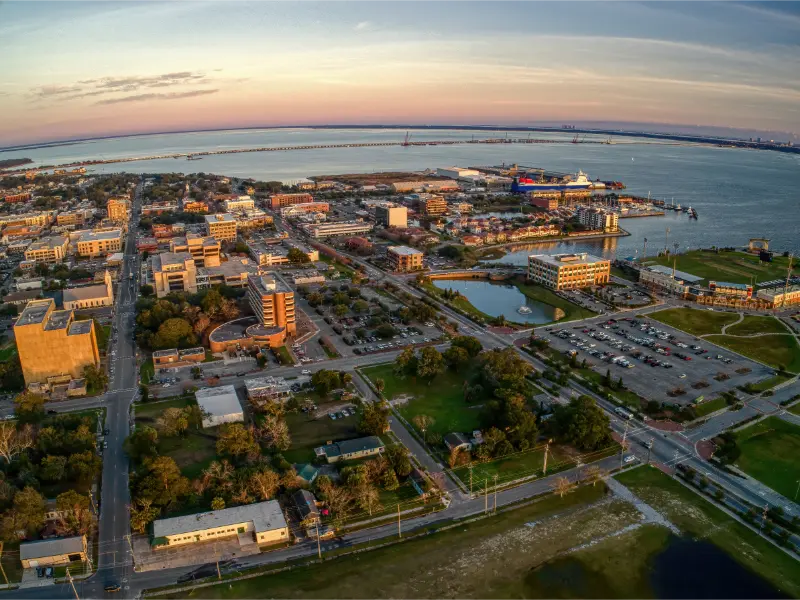
  • Pensacola Lighthouse Guide: Climb, Maritime Museum, NAS Access and Sunset Views

    Pensacola Lighthouse Guide: Climb, Maritime Museum, NAS Access and Sunset Views

    The Pensacola Lighthouse is not just a viewpoint. It is a compact combination of Gulf Coast scenery, maritime history, a physically demanding tower climb and the unusual logistics of visiting a public attraction inside an active military installation. Planning those elements in the right order makes the difference between a smooth visit and a frustrating one.

    Explore this guide

    Before the visit, consider not only what the attraction offers, but also how long to allow, when the day can go wrong, how to adapt the visit for children or older adults, and whether the stop is worth prioritizing within a broader Northwest Florida itinerary.

    Quick planning summary

    • Best for: history-minded travelers, couples, families with school-age children who meet the climbing requirements, photographers, lighthouse enthusiasts and active seniors comfortable with stairs.
    • How much time: Allow about 90 minutes for the lighthouse and maritime museum. Add extra time if you are combining it with the National Naval Aviation Museum or another NAS Pensacola stop.
    • Current-condition check: Review the official page shortly before travel because hours, security procedures, presentations, closures and seasonal programs can change.
    • Good strategy: Choose one primary reason for visiting and build the rest of the stop around it instead of trying to consume every exhibit or activity.

    Why this stop is worth considering

    Northwest Florida vacations can become repetitive if every day is planned around the same beach rhythm. A strong itinerary alternates open-air coast days with history, wildlife, science, cultural sites or structured family attractions. That variety is especially important for multigenerational groups, because the person who wants to swim for six hours may be traveling with someone who prefers shade, seating, air conditioning or a slower pace.

    The practical question is therefore not whether this place is “good” in the abstract. It is whether it gives your particular trip something different. If the answer is yes, protect enough time for that defining experience. If another stop already offers nearly the same thing, save energy and skip the duplication.

    Best things to do and how to approach them

    Climb the historic tower

    The 177-step climb is the signature experience. The reward is a wide view over Pensacola Bay, Santa Rosa Island and the Gulf-side military landscape, but the stairs are steep and the enclosed spiral can feel demanding. Move at a pace that leaves room for people coming the other way, and do not treat the climb as a race.

    Use the maritime museum to slow the pace

    The museum spaces help explain the lighthouse, coastal navigation and local maritime history. They are useful before or after the climb, especially for travelers who want context or who choose not to climb.

    Florida Lighthouse Silhouette at Sunset

    Treat base access as part of the itinerary

    NAS Pensacola security is not a small detail. Carry the required identification, use the designated public gate, avoid oversized bags and build in time for screening. Foreign-national access has additional requirements, so check the latest official guidance before travel.

    Choose the weather window carefully

    Wind, storms and special Blue Angels activity can affect tower access. A clear morning often offers the easiest combination of temperature, visibility and traffic, while special sunset or event access should be treated as a separate reservation-based experience when offered.

    Current information to know before you go

    As reviewed in October 2026, the Pensacola Lighthouse is open daily 9:00 a.m.–4:00 p.m., with last admission at 3:40 p.m. Public access is through NAS Pensacola, and civilian visitors need to follow current base-access rules. Climbers must be at least 44 inches tall or 7 years old, children 12 and under must climb with a ticketed adult, secured-back shoes are required, and oversized bags are not allowed.

    This information was reviewed on 6 October 2026 for an article scheduled for publication in 2027. Treat it as a planning baseline, not a promise. Always recheck the official operator shortly before travel, particularly when identification, reservations, capacity, weather, wildlife conditions or operating hours would determine whether your visit works.

    Who will enjoy it most

    This stop is particularly well matched to history-minded travelers, couples, families with school-age children who meet the climbing requirements, photographers, lighthouse enthusiasts and active seniors comfortable with stairs. The experience becomes more successful when the group agrees on the purpose before arriving. A family may prioritize hands-on learning, a couple may focus on photography and local character, while a senior traveler may prefer a shorter route with reliable seating and restrooms. None of those versions needs to look identical.

    The tower is a poor fit for anyone uncomfortable with heights, enclosed stairs or sustained stair climbing. A non-climbing companion can still enjoy the museum and grounds while the rest of the group climbs.

    Families with babies and young children

    Family tipFor families traveling with babies or preschoolers, logistics matter more than the number of exhibits. Identify the restroom location first, keep one simple snack and water easy to reach, and plan a reset before the child is overtired. A compact 60–90 minute visit that ends well is more useful than extending the day simply because the admission ticket allows it.

    Strollers are helpful when surfaces and security rules permit them, but do not assume every historic tower, pier, boardwalk or small museum room is equally stroller-friendly. If one adult wants to do a physically demanding section, splitting the group for 20–30 minutes can be a better solution than forcing everyone through the same route.

    Traveling with teenagers

    Teenagers usually respond better when they have an active role. Ask them to choose one exhibit, photograph a detail, compare two historical periods, identify an aircraft or marine species, or plan the next walking segment. Giving them ownership turns a “family attraction” into something they helped shape.

    Do not overschedule a teenager-heavy day. One meaningful museum or attraction plus a beach, food stop or outdoor walk usually works better than stacking three indoor visits. If the destination has a simulator, pier, tower climb, animal presentation or interactive exhibit, use that as the anchor and keep the educational content around it.

    Senior travelers and limited mobility

    For older adults, the difference between a good and difficult visit can be a few practical details: distance from parking, whether seating is available, whether the route includes stairs, whether the attraction is exposed to heat, and whether restrooms are inside the paid area. Check those details before arrival instead of assuming a small attraction means an easy one.

    Mixed-mobility groups should establish one shared experience and one optional extension. The more active travelers can add a tower, long pier walk or extra gallery while the rest of the group stays at a museum, café, shaded bench or accessible exhibit. This keeps everyone included without pretending everyone has the same energy or balance.

    Red Classic Corvette in Auto Museum

    Accessibility and comfort

    Accessibility is specific to the activity. An attraction can have accessible parking and restrooms while its signature experience still involves stairs, sand, a long exposed pier or narrow historic spaces. Focus on the exact part of the visit that matters to your group and confirm that element directly with the operator when necessary.

    Comfort planning also includes temperature and noise. Indoor attractions can feel very cool after a hot parking lot, while outdoor marine or aviation sites can be bright and windy. Carry a light layer, sun protection and water even on a mostly indoor day. Travelers sensitive to crowds may have a better experience at opening time.

    Best time of day

    Opening time is usually the safest default for popular attractions because parking is easier, children have more energy and the group can make decisions before heat or afternoon storms build. For a pier, lighthouse or outdoor coastal site, early light can also improve photography and comfort. Museums may become especially useful during the hottest part of the afternoon.

    If the attraction has fixed presentations, tours or security entry windows, those rules override the generic advice. Build the day backward from the non-negotiable time. Leave enough margin for parking, screening, ticket checks and restroom stops so the scheduled element does not become a stressful sprint.

    Seasonal considerations

    Northwest Florida has real seasonal differences. Summer brings long beach days, heat, thunderstorms and vacation crowds. Spring and fall are often more comfortable for walking and historic sites. Winter can be excellent for museums and quiet coastal days, but operating schedules, water temperature and daylight are different. Holiday weeks can create unusual closures even when an attraction normally opens every day.

    Hurricane season and severe weather should also influence planning. An attraction can reopen while nearby roads, docks, beach facilities or secondary exhibits remain under repair. When a recent storm has affected the coast, rely on the attraction’s own update rather than an old travel article or cached map listing.

    How to combine it with nearby experiences

    A good regional itinerary alternates different types of experiences. Useful already-published Wonderful Florida guides include Fort Barrancas. Treat these as alternatives or next-day options rather than obligations to squeeze into the same schedule.

    A realistic three-day mini-itinerary

    Day 1: make this attraction the priority

    Arrive close to opening unless a later reservation controls the day. Spend enough time on the signature experience, take a deliberate break and stop adding optional sections once the group’s attention begins to drop. Finish with a relaxed meal or short waterfront walk rather than another major ticketed attraction.

    Day 2: switch landscapes

    Choose a beach, protected natural area, trail or paddling option so the second day feels physically and visually different. In warm weather, do the outdoor component early and leave the hottest hours for lunch, driving or a short indoor stop.

    Day 3: add one regional highlight

    Use the third day for the attraction the group most cares about but has not yet experienced: military history, a state park, marine wildlife, science, cycling or a longer beach. Do not treat the itinerary as a checklist. One excellent three-hour experience is more valuable than rushing through three weak ones.

    Budget planning

    Separate the unavoidable cost from optional upgrades. General admission, parking or a required pass comes first. Simulators, animal encounters, food, souvenirs, special tours and rentals should be treated as choices. Families often spend less and enjoy more when they select one paid upgrade everyone genuinely wants instead of buying several small extras out of habit.

    Carry some flexibility in the budget for practical needs: extra water, sunscreen, a snack, parking change, toll or a replacement poncho. Those small expenses are more likely to affect the day than a souvenir planned months in advance.

    Food and rest breaks

    Check whether the attraction has a café, snacks only or no food service at all. Eat before the group is hungry enough to become impatient. A planned 20-minute sit-down break can make a two-hour attraction feel much easier for children and older adults.

    When outside food is allowed, a simple snack can protect the schedule. When it is not, identify the nearest practical meal before arriving. Avoid leaving a secure military base or paid attraction mid-visit unless you know re-entry is straightforward.

    Weather plan B

    If your primary plan is outdoor and exposed, identify an indoor backup in the same geographic cluster. If your primary plan is a museum, keep a short waterfront walk or beach stop available in case the weather becomes unexpectedly good. The most resilient itineraries switch activity type rather than driving long distances chasing the same conditions.

    Vizcaya Museum Waterfront Garden and Stone Boats

    Thunderstorms are different from light rain. Coastal piers, towers, beaches and open water should be left early when lightning is developing. Waiting until the storm is directly overhead can create unnecessary risk and a difficult walk back to the car.

    What to bring

    • Photo ID and any required access documents.
    • Water and sun protection, even for primarily indoor attractions.
    • A light layer for air-conditioned museums.
    • Comfortable shoes appropriate to stairs, long piers or museum walking.
    • A charged phone with the official page saved.
    • Only bags and equipment permitted by the attraction’s current policy.

    Common mistakes to avoid

    The most common mistake is arriving with no awareness of the operating model. Some places are walk-in museums; others depend on security gates, timed tours, capacity, seasonal schedules or presentation times. Five minutes on the official page before leaving can save an hour of frustration.

    Another mistake is overestimating attention span. Adults may want every exhibit, while children remember one animal, aircraft, interactive display or view. Identify the moment that matters most and make sure the group reaches it before fatigue.

    Photography and respectful visiting

    Photograph from public routes and obey restrictions around military facilities, animals, artifacts and historic interiors. Do not block narrow galleries or staircases for a long photo session. With wildlife, use distance and patience rather than trying to force an animal closer to the camera.

    At culturally important sites, read enough context to understand what you are photographing. A historic mound, military aircraft or memorial is more than a backdrop. The strongest travel photography usually comes from understanding the story first and taking the image second.

    Official resource to check before you go

    Final thoughts

    The best version of this visit is not the longest version. Decide what makes the attraction different, verify the current rules, protect enough time for that defining experience and leave before the group is exhausted. That approach produces a more useful, more comfortable Florida day for travelers from toddlers to grandparents.

    How to decide whether this belongs in your itinerary

    A useful rule is to compare this stop with the day immediately before and after it. If those days already contain the same type of experience, this attraction may be better saved for another trip. If it adds a new layer—history after beach time, science after outdoor recreation, wildlife after museums, or a structured activity after several free-form days—it earns its place.

    Travelers often assume that seeing more places automatically makes a vacation better. In practice, variety and pacing matter more. A child who has time to ask questions, an older adult who can sit when needed, or a couple who can stay for the best light will remember more than a group that spent the entire day checking the clock.

    Parking, arrival and departure strategy

    Before driving away from the hotel, confirm the exact entrance rather than relying on the attraction name alone. Military installations, beach parks and multi-building museum complexes can have gates that differ from the map pin. If the attraction has a security or ticket cutoff, aim to arrive at least 30 minutes before that cutoff rather than treating it as the time to enter the parking lot.

    When leaving, avoid scheduling a reservation immediately afterward. Give yourself enough time for a restroom stop, gift shop decision, children gathering belongings and traffic near beach bridges or downtown corridors. That buffer is particularly valuable in Northwest Florida, where a short geographic distance can take much longer during peak vacation traffic.

    Making the visit educational without turning it into school

    For children, ask one open question rather than delivering a lecture: Which aircraft would you choose? Why did people build here? What do you think this animal needs to survive? Which exhibit surprised you? The answer gives you a natural way to talk about history, ecology or engineering without making the day feel like an assignment.

    Adults can use the same approach. Compare the historic story with what you see outside today, look for evidence of how tourism changed the community, or notice how conservation rules respond to pressure on wildlife and coastlines. Travel becomes more memorable when information connects to the place in front of you.

  • Perdido Key Florida Travel Guide: Johnson Beach, Gulf Islands, Families, Nature and Where to Stay

    Perdido Key Florida Travel Guide: Johnson Beach, Gulf Islands, Families, Nature and Where to Stay

    Perdido Key sits at Florida’s far western edge, where barrier-island dunes, Gulf beaches and protected coastal landscapes create one of the Panhandle’s most nature-forward vacation bases. The destination feels quieter than a large resort city but still gives you access to Pensacola, Orange Beach and a wide range of water activities.

    The strongest reason to stay here is the combination of beach and protected land. Johnson Beach and other sections of Gulf Islands National Seashore preserve long stretches of shoreline, while Perdido Key itself offers condos, restaurants and practical vacation services.

    For families, couples and senior travelers, the destination works best when you choose a comfortable beach base and resist the temptation to drive east or west every day. The island atmosphere is the attraction.

    Quick planning summary

    • Recommended stay: 3–5 nights for a beach-and-nature stay.
    • Best first stop: Johnson Beach or the nearest public Gulf access to your lodging.
    • Best for: families, couples, nature lovers, beach walkers and travelers combining Florida with coastal Alabama.
    • Transport: a car is recommended for airport transfers, groceries and regional trips.
    • Planning rule: keep most days on Perdido Key and choose only one or two regional excursions.

    In this guide

    Why visit Perdido Key?

    Perdido Key offers a barrier-island experience with substantial protected shoreline. That creates more space for dunes, birds and quieter beach time than you may find in a heavily developed resort corridor.

    Johnson Beach, part of Gulf Islands National Seashore, is a major reason to visit. It adds a national-seashore experience directly to a traditional beach vacation.

    The location also lets you cross into Alabama for restaurants or entertainment while keeping a Florida base, although state-line traffic and event periods can affect travel times.

    Perdido Key suits travelers who want nature and beach first. If shopping malls, museums and nightlife are essential every day, Pensacola or another larger base may be more convenient.

    Where to stay

    Central Perdido Key

    A good all-round choice with condos, restaurants and convenient access to the beach.

    Near Johnson Beach

    Best for travelers prioritizing protected coastline and a quieter nature-focused atmosphere.

    West end toward the Alabama line

    Useful for access to Orange Beach and regional entertainment, but expect more cross-state driving if Pensacola is also on the itinerary.

    Compare condo fees, parking, elevator access, beach-boardwalk distance and minimum-stay rules. Barrier-island rentals can look similar online while functioning very differently in practice.

    For multigenerational groups, choose a property where the least mobile traveler can reach the beach and pool without complicated stairs or long walks.

    Best things to do

    Johnson Beach

    The signature protected-beach experience. Carry water, sun protection and everything you need for a simple coastal day.

    Perdido Key State Park areas

    Additional beach and dune scenery can provide a quieter alternative to condo-lined sections. Check current access and facilities.

    Gulf Islands National Seashore

    Use the national seashore for broader exploration of protected barrier-island landscapes and coastal history.

    Paddling, fishing and boating

    The Gulf and backwater environments support multiple water activities. Conditions and experience level should guide your choice.

    Perdido Key Visitor Center and local nature resources

    Use local information to check beach rules, flags, wildlife guidance and current events rather than relying only on old vacation-rental instructions.

    Florida River Estuary Nature Reserve Aerial

    The protected landscape is the main attraction. Give it real time instead of treating Johnson Beach as a quick photo stop.

    For a busy nightlife evening, cross toward Orange Beach or drive to Pensacola, but return to a calmer island rhythm the next day.

    Nature and outdoor time

    Dunes, Gulf beaches, wetlands and estuaries support birds, marine life and seasonal nesting activity. Respect closed areas and posted wildlife rules.

    The western Panhandle has strong sun but can also experience cold fronts and wind in winter. Pack for conditions rather than for a generic image of tropical Florida.

    Water safety should guide every beach day. Check flags and local conditions before swimming, even when the beach looks calm from the balcony.

    Getting there and around

    Pensacola International Airport is the most convenient major gateway for many visitors. Mobile, Alabama can also work for some routes.

    A rental car is useful for groceries, dining variety, national-seashore access and day trips. Once settled, avoid unnecessary daily driving along the island.

    Holiday periods and special events can create congestion near the state line. Build extra time when driving to Alabama attractions or Pensacola.

    If a beach or park road is temporarily closed because of weather or restoration, have another local access point in mind.

    Best time to visit

    Spring and fall often provide excellent beach-walking weather and lower heat than summer.

    Summer is warm, popular and family-focused, with storms and high humidity influencing afternoon plans.

    Winter is peaceful and can be excellent for long walks and birding, though swimming conditions may not feel warm enough for every visitor.

    Hurricane season requires flexible bookings and attention to official weather information, especially in a barrier-island destination.

    Families, teens, seniors and accessibility

    Families benefit from a condo or hotel close to the sand, where naps and meals do not require repeated car trips.

    Teenagers may enjoy fishing, paddle sports and the ability to combine a quiet beach base with selected regional entertainment.

    Senior travelers can have a very relaxing trip if lodging, parking and beach access are selected carefully before arrival.

    Accessibility varies by property and public beach access. Confirm ramps, mats, restrooms and mobility-equipment availability directly.

    A practical 3-day itinerary

    Day 1: Local beach and sunset

    Settle in, spend a few hours on the nearest beach and keep the first evening local.

    Day 2: Johnson Beach

    Give the national-seashore environment most of the day, bringing shade, water and simple food.

    Day 3: Choose Pensacola or Alabama

    Select one regional direction—Pensacola for history and culture, or Orange Beach for a different resort environment—rather than trying to do both.

    A fourth day should usually return to the beach. The destination is better when regional sightseeing does not replace the reason you booked a barrier island.

    Food and evenings

    Seafood and casual Gulf Coast restaurants dominate the local vacation style. For more variety, Pensacola and Orange Beach are within reach.

    A vacation rental kitchen is valuable for breakfast, beach lunches and families with dietary routines.

    Do not assume every restaurant stays open late in quieter periods. Check seasonal hours before a long evening drive.

    Budget and booking

    Condo rates can look attractive, but cleaning fees, taxes and minimum stays change the real cost. Compare complete totals.

    Beach and national-seashore time can keep entertainment costs low, making it easier to spend selectively on one boat or fishing experience.

    Airport choice should include rental-car distance. A cheaper flight can lose its advantage after a much longer drive.

    Easy day trips and extensions

    Pensacola

    Add historic sites, museums, downtown restaurants and a broader cultural day.

    Pensacola Beach

    A livelier island option that pairs well with sightseeing in Pensacola.

    Orange Beach and Gulf Shores

    Cross into Alabama for another Gulf Coast resort environment and additional dining or entertainment.

    Navarre Beach

    Drive east for a similarly relaxed Florida beach town with its own pier and marine attractions.

    Mistakes to avoid

    • Planning every hour: Leave room for weather, traffic, meals and an activity that takes longer than expected.
    • Choosing lodging only by nightly price: A cheaper room can cost more overall when parking, resort fees and long daily drives are added.
    • Underestimating Florida weather: Heat, humidity, thunderstorms and strong sun can change the best order for the day.
    • Ignoring beach and water conditions: Flags, currents, wind and storms deserve the same attention as attraction opening times.
    • Skipping a backup plan: An indoor museum, shaded district or flexible restaurant plan can rescue a day when outdoor conditions change.

    The biggest Perdido Key mistake is using the island as a bedroom while driving elsewhere every day. The protected coast is what makes the destination special.

    Use these related guides to compare Perdido Key with Pensacola Beach, Navarre and the rest of Northwest Florida.

    Official resources

    For opening hours, closures, launch schedules, beach conditions, event calendars and other details that can change, use Visit Pensacola’s official Perdido Key information. Check again shortly before travel, especially for weather-dependent activities, park access, parking and major events.

    Frequently asked questions

    Is Perdido Key in Florida or Alabama?

    Perdido Key spans the Florida-Alabama border area, with the Florida community lying at the far western edge of the state.

    How many days do you need?

    Three nights work for a quiet beach break; four or five are better if you also want Pensacola or coastal Alabama.

    Is Perdido Key good for families?

    Yes, especially for families who value beach time and nature more than a large attraction district.

    Do you need a car?

    Yes for most visitors. A car makes airport transfers, groceries and regional day trips much easier.

    What is the main attraction?

    The combination of Gulf beaches and protected areas such as Johnson Beach and Gulf Islands National Seashore is the destination’s greatest strength.

    Perdido Key is a place to simplify the Florida beach vacation. Choose a good island base, protect time for the national seashore and let regional day trips remain optional rather than mandatory.