
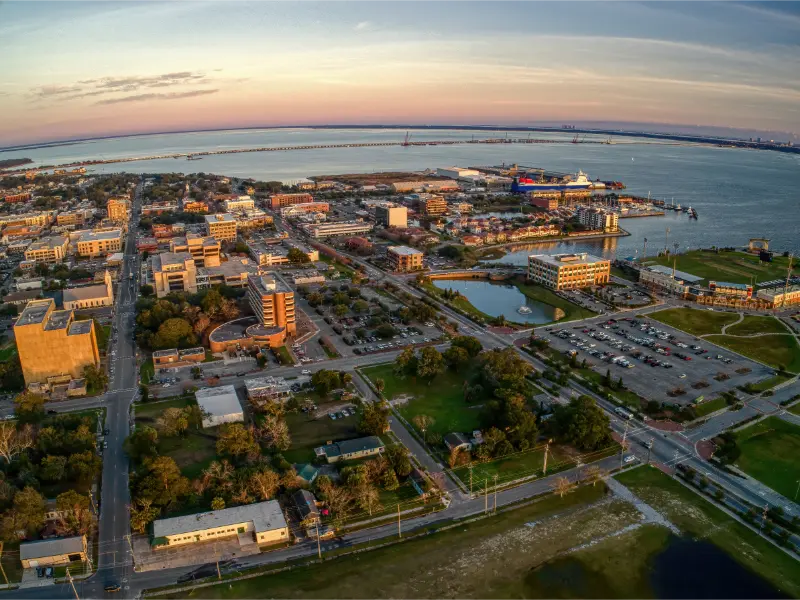
Historic Pensacola works best when you stop thinking of it as one museum. It is a walkable network of historic houses, museums, churches and interpretation spaces spread through downtown, which means the real planning question is not “what is there?” but “which two or three experiences fit the people and time I have today?”
Before the visit, consider not only what the attraction offers, but also how long to allow, when the day can go wrong, how to adapt the visit for children or older adults, and whether the stop is worth prioritizing within a broader Northwest Florida itinerary.
Quick planning summary
- Best for: history travelers, architecture fans, families who enjoy short museum visits, seniors, rainy-day itineraries and visitors staying in downtown Pensacola.
- How much time: Allow three to four hours for a focused visit or use the multi-day admission over several days if you are staying downtown and prefer shorter museum sessions.
- Current-condition check: Review the official page shortly before travel because hours, security procedures, presentations, closures and seasonal programs can change.
- Good strategy: Choose one primary reason for visiting and build the rest of the stop around it instead of trying to consume every exhibit or activity.
Why this stop is worth considering
Northwest Florida vacations can become repetitive if every day is planned around the same beach rhythm. A strong itinerary alternates open-air coast days with history, wildlife, science, cultural sites or structured family attractions. That variety is especially important for multigenerational groups, because the person who wants to swim for six hours may be traveling with someone who prefers shade, seating, air conditioning or a slower pace.
The practical question is therefore not whether this place is “good” in the abstract. It is whether it gives your particular trip something different. If the answer is yes, protect enough time for that defining experience. If another stop already offers nearly the same thing, save energy and skip the duplication.
Best things to do and how to approach them
Use the unified ticket strategically
A seven-day ticket makes it unnecessary to rush. If you are staying nearby, split the museums across two mornings rather than trying to absorb every building in one afternoon.
Join a guided historic-house tour
The house tours add voices, domestic details and local stories that are easy to miss in self-guided spaces. Arrive before the listed departure time because guided groups cannot always wait for late visitors.
Pair indoor museums with a short downtown walk
Historic Pensacola becomes more memorable when you step outside between museums. Use plazas, older streets and public spaces as reset points so children and older travelers are not indoors continuously.

Choose Sunday carefully
Sunday access is useful but more limited than the Tuesday–Saturday schedule. If one specific historic house or guided tour matters, build the trip around a full operating day rather than assuming every site is open on Sunday.
Current information to know before you go
As reviewed in October 2026, most Historic Pensacola museums and guided house tours operate Tuesday–Saturday, generally 10:00 a.m.–4:00 p.m.; selected museums open Sunday noon–4:00 p.m.; Monday is closed. Unified admission covers multiple museums for seven days, and guided historic-house tours are included on operating days.
This information was reviewed on 6 October 2026 for an article scheduled for publication in 2027. Treat it as a planning baseline, not a promise. Always recheck the official operator shortly before travel, particularly when identification, reservations, capacity, weather, wildlife conditions or operating hours would determine whether your visit works.
Who will enjoy it most
This stop is particularly well matched to history travelers, architecture fans, families who enjoy short museum visits, seniors, rainy-day itineraries and visitors staying in downtown Pensacola. The experience becomes more successful when the group agrees on the purpose before arriving. A family may prioritize hands-on learning, a couple may focus on photography and local character, while a senior traveler may prefer a shorter route with reliable seating and restrooms. None of those versions needs to look identical.
Large festivals and downtown events can temporarily close individual buildings even when the wider complex remains open. Check the official closure calendar when visiting during a major event weekend.
Families with babies and young children
Family tipFor families traveling with babies or preschoolers, logistics matter more than the number of exhibits. Identify the restroom location first, keep one simple snack and water easy to reach, and plan a reset before the child is overtired. A compact 60–90 minute visit that ends well is more useful than extending the day simply because the admission ticket allows it.
Strollers are helpful when surfaces and security rules permit them, but do not assume every historic tower, pier, boardwalk or small museum room is equally stroller-friendly. If one adult wants to do a physically demanding section, splitting the group for 20–30 minutes can be a better solution than forcing everyone through the same route.
Traveling with teenagers
Teenagers usually respond better when they have an active role. Ask them to choose one exhibit, photograph a detail, compare two historical periods, identify an aircraft or marine species, or plan the next walking segment. Giving them ownership turns a “family attraction” into something they helped shape.
Do not overschedule a teenager-heavy day. One meaningful museum or attraction plus a beach, food stop or outdoor walk usually works better than stacking three indoor visits. If the destination has a simulator, pier, tower climb, animal presentation or interactive exhibit, use that as the anchor and keep the educational content around it.
Senior travelers and limited mobility
For older adults, the difference between a good and difficult visit can be a few practical details: distance from parking, whether seating is available, whether the route includes stairs, whether the attraction is exposed to heat, and whether restrooms are inside the paid area. Check those details before arrival instead of assuming a small attraction means an easy one.
Mixed-mobility groups should establish one shared experience and one optional extension. The more active travelers can add a tower, long pier walk or extra gallery while the rest of the group stays at a museum, café, shaded bench or accessible exhibit. This keeps everyone included without pretending everyone has the same energy or balance.
Accessibility and comfort
Accessibility is specific to the activity. An attraction can have accessible parking and restrooms while its signature experience still involves stairs, sand, a long exposed pier or narrow historic spaces. Focus on the exact part of the visit that matters to your group and confirm that element directly with the operator when necessary.
Comfort planning also includes temperature and noise. Indoor attractions can feel very cool after a hot parking lot, while outdoor marine or aviation sites can be bright and windy. Carry a light layer, sun protection and water even on a mostly indoor day. Travelers sensitive to crowds may have a better experience at opening time.
Best time of day
Opening time is usually the safest default for popular attractions because parking is easier, children have more energy and the group can make decisions before heat or afternoon storms build. For a pier, lighthouse or outdoor coastal site, early light can also improve photography and comfort. Museums may become especially useful during the hottest part of the afternoon.
If the attraction has fixed presentations, tours or security entry windows, those rules override the generic advice. Build the day backward from the non-negotiable time. Leave enough margin for parking, screening, ticket checks and restroom stops so the scheduled element does not become a stressful sprint.
Seasonal considerations
Northwest Florida has real seasonal differences. Summer brings long beach days, heat, thunderstorms and vacation crowds. Spring and fall are often more comfortable for walking and historic sites. Winter can be excellent for museums and quiet coastal days, but operating schedules, water temperature and daylight are different. Holiday weeks can create unusual closures even when an attraction normally opens every day.
Hurricane season and severe weather should also influence planning. An attraction can reopen while nearby roads, docks, beach facilities or secondary exhibits remain under repair. When a recent storm has affected the coast, rely on the attraction’s own update rather than an old travel article or cached map listing.
How to combine it with nearby experiences
A good regional itinerary alternates different types of experiences. Useful already-published Wonderful Florida guides include Fort Pickens. Treat these as alternatives or next-day options rather than obligations to squeeze into the same schedule.
A realistic three-day mini-itinerary
Day 1: make this attraction the priority
Arrive close to opening unless a later reservation controls the day. Spend enough time on the signature experience, take a deliberate break and stop adding optional sections once the group’s attention begins to drop. Finish with a relaxed meal or short waterfront walk rather than another major ticketed attraction.

Day 2: switch landscapes
Choose a beach, protected natural area, trail or paddling option so the second day feels physically and visually different. In warm weather, do the outdoor component early and leave the hottest hours for lunch, driving or a short indoor stop.
Day 3: add one regional highlight
Use the third day for the attraction the group most cares about but has not yet experienced: military history, a state park, marine wildlife, science, cycling or a longer beach. Do not treat the itinerary as a checklist. One excellent three-hour experience is more valuable than rushing through three weak ones.
Budget planning
Separate the unavoidable cost from optional upgrades. General admission, parking or a required pass comes first. Simulators, animal encounters, food, souvenirs, special tours and rentals should be treated as choices. Families often spend less and enjoy more when they select one paid upgrade everyone genuinely wants instead of buying several small extras out of habit.
Carry some flexibility in the budget for practical needs: extra water, sunscreen, a snack, parking change, toll or a replacement poncho. Those small expenses are more likely to affect the day than a souvenir planned months in advance.
Food and rest breaks
Check whether the attraction has a café, snacks only or no food service at all. Eat before the group is hungry enough to become impatient. A planned 20-minute sit-down break can make a two-hour attraction feel much easier for children and older adults.
When outside food is allowed, a simple snack can protect the schedule. When it is not, identify the nearest practical meal before arriving. Avoid leaving a secure military base or paid attraction mid-visit unless you know re-entry is straightforward.
Weather plan B
If your primary plan is outdoor and exposed, identify an indoor backup in the same geographic cluster. If your primary plan is a museum, keep a short waterfront walk or beach stop available in case the weather becomes unexpectedly good. The most resilient itineraries switch activity type rather than driving long distances chasing the same conditions.
Thunderstorms are different from light rain. Coastal piers, towers, beaches and open water should be left early when lightning is developing. Waiting until the storm is directly overhead can create unnecessary risk and a difficult walk back to the car.
What to bring
- Photo ID and any required access documents.
- Water and sun protection, even for primarily indoor attractions.
- A light layer for air-conditioned museums.
- Comfortable shoes appropriate to stairs, long piers or museum walking.
- A charged phone with the official page saved.
- Only bags and equipment permitted by the attraction’s current policy.
Common mistakes to avoid
The most common mistake is arriving with no awareness of the operating model. Some places are walk-in museums; others depend on security gates, timed tours, capacity, seasonal schedules or presentation times. Five minutes on the official page before leaving can save an hour of frustration.
Another mistake is overestimating attention span. Adults may want every exhibit, while children remember one animal, aircraft, interactive display or view. Identify the moment that matters most and make sure the group reaches it before fatigue.
Photography and respectful visiting
Photograph from public routes and obey restrictions around military facilities, animals, artifacts and historic interiors. Do not block narrow galleries or staircases for a long photo session. With wildlife, use distance and patience rather than trying to force an animal closer to the camera.

At culturally important sites, read enough context to understand what you are photographing. A historic mound, military aircraft or memorial is more than a backdrop. The strongest travel photography usually comes from understanding the story first and taking the image second.
Official resource to check before you go
Final thoughts
The best version of this visit is not the longest version. Decide what makes the attraction different, verify the current rules, protect enough time for that defining experience and leave before the group is exhausted. That approach produces a more useful, more comfortable Florida day for travelers from toddlers to grandparents.
How to decide whether this belongs in your itinerary
A useful rule is to compare this stop with the day immediately before and after it. If those days already contain the same type of experience, this attraction may be better saved for another trip. If it adds a new layer—history after beach time, science after outdoor recreation, wildlife after museums, or a structured activity after several free-form days—it earns its place.
Travelers often assume that seeing more places automatically makes a vacation better. In practice, variety and pacing matter more. A child who has time to ask questions, an older adult who can sit when needed, or a couple who can stay for the best light will remember more than a group that spent the entire day checking the clock.
Parking, arrival and departure strategy
Before driving away from the hotel, confirm the exact entrance rather than relying on the attraction name alone. Military installations, beach parks and multi-building museum complexes can have gates that differ from the map pin. If the attraction has a security or ticket cutoff, aim to arrive at least 30 minutes before that cutoff rather than treating it as the time to enter the parking lot.
When leaving, avoid scheduling a reservation immediately afterward. Give yourself enough time for a restroom stop, gift shop decision, children gathering belongings and traffic near beach bridges or downtown corridors. That buffer is particularly valuable in Northwest Florida, where a short geographic distance can take much longer during peak vacation traffic.
Making the visit educational without turning it into school
For children, ask one open question rather than delivering a lecture: Which aircraft would you choose? Why did people build here? What do you think this animal needs to survive? Which exhibit surprised you? The answer gives you a natural way to talk about history, ecology or engineering without making the day feel like an assignment.
Adults can use the same approach. Compare the historic story with what you see outside today, look for evidence of how tourism changed the community, or notice how conservation rules respond to pressure on wildlife and coastlines. Travel becomes more memorable when information connects to the place in front of you.