
Deerfield Beach International Fishing Pier becomes much more useful when you plan it as part of a real South Florida day rather than as an isolated pin on a map. Broward County can look compact, but traffic, heat, weather, parking and the opening windows of individual facilities can completely change how comfortable a visit feels.
For first-time visitors, families and mixed-age groups, the question is whether this stop fits their trip, how much time to allow, what to prioritize and what details are worth checking immediately before travel.
Quick planning summary
- Best for: ocean views, casual anglers, families, sunrise walkers, senior travelers and visitors who want an inexpensive coastal stop without committing to a full beach day.
- How much time: 08:36.
- Current cost: Current posted rates are $2 for sightseeing and $4 for fishing. Rod-only rental is currently $15, while a $20 package includes a rod, one pack of bait when available and five-hour angler parking when space is available; a refundable cash deposit is required for rentals.
- Current hours: The pier is currently open daily from 6 a.m. to 11 p.m., with holiday and operational exceptions possible. Rod rentals are currently offered only during limited bait-shop hours.
- Important planning note: The pier is exposed to sun, wind and changing marine conditions. Fishing gear and parking availability are not guaranteed, so anglers should arrive with a backup plan during busy weekends.
Why this place is worth including
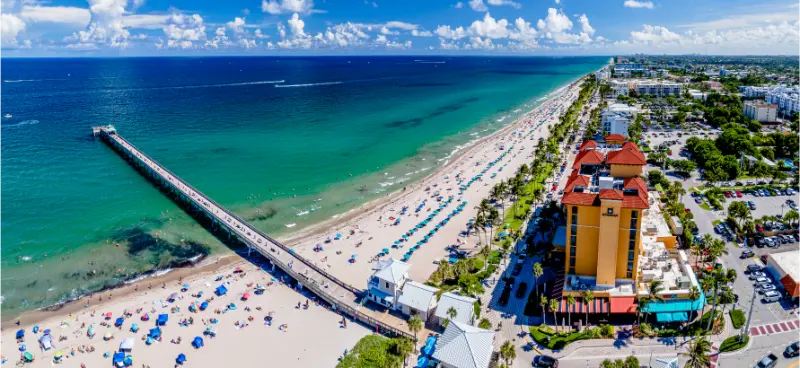
This 976-foot pier gives you a direct ocean experience without needing a boat. The appeal is not only fishing: the long walk over the Atlantic creates wide views of Deerfield Beach, the shoreline and changing water conditions.
It is also one of the easiest Broward County attractions to scale to different ages. A child may enjoy watching fish and seabirds for half an hour, an experienced angler can spend most of the day, and a senior traveler can use it as a short oceanfront outing with nearby restaurants and a beach promenade.
The strongest reason to include any South Florida stop is not simply that it is nearby. It should add a different landscape, story or activity level from what you did before. A good Broward County itinerary alternates coast, wetlands, culture, wildlife and indoor time rather than repeating the same experience every day.
What to do first
Start with the least flexible part of the visit. That may be a shuttle, water-park operating window, rental desk, program, campground check-in or facility that closes earlier than the surrounding park. Open-ended walking and photography can expand or contract around that fixed piece.
When you arrive, read current notices before following an old plan. Construction, prescribed burns, storms, water levels, wildlife management and special events can change one section while the rest of the property remains open.
Best things to do and how to experience them
Walk to the ocean end before deciding how long to stay
For first-time visitors, the simplest strategy is to walk the pier once before stopping. The farther you go, the more the view changes from beach scene to open-ocean perspective, and you can see where anglers are having activity before choosing a spot.
If you are only sightseeing, do not feel pressure to stay for hours. A slow out-and-back walk with time for photos is enough to understand why the pier is one of Deerfield Beach’s signature landmarks.
Try fishing even if you are traveling without equipment
The on-site concession currently rents rods and sells bait and tackle, which makes the pier unusually accessible to travelers who did not pack fishing gear. Ask staff what is biting, what bait is practical that day and whether wind or surf is changing conditions.
Beginners should keep expectations simple: learning how to rig, cast safely and manage bait can be more rewarding than chasing a particular species on a short vacation visit.
Use the pier for sunrise or early-morning atmosphere
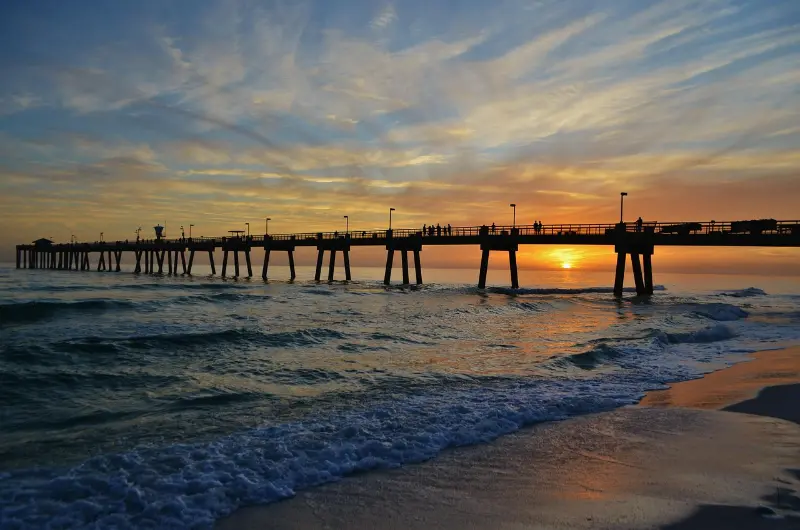
Early morning is one of the strongest times for cooler air, softer light and a less hurried waterfront. The pier opens early enough to pair a sunrise walk with breakfast nearby, while anglers may prefer the lower heat and calmer start.
If photography matters, arrive before the beach becomes busy and pay attention to changing clouds rather than waiting only for a perfectly clear sky.
Pair the pier with a short beach visit
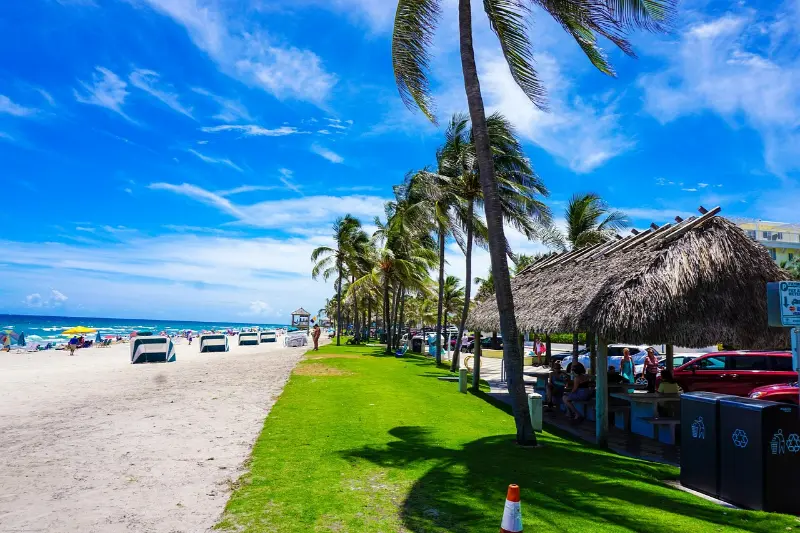
The pier sits directly beside Deerfield Beach, so it works well as a short ocean stop before or after swimming. Keep the two experiences separate in your plan: the pier is exposed and activity-focused, while the beach is where you will want shade, towels and a slower rhythm.
A two-hour waterfront visit can be more satisfying than trying to force a full fishing session and a full beach day into the same morning.
How much time do you really need?
08:36 is a realistic planning range, but do not use the minimum as a target unless the rest of the day truly requires it. Add at least 20 to 30 minutes of buffer before any timed reservation afterward.
South Florida travel time changes with beach traffic, school dismissal, commuter peaks, drawbridges, thunderstorms and special events. The map distance between two Broward attractions can look easy and still create a stressful transfer.
If your group includes young children, senior travelers or anyone sensitive to heat, plan by energy rather than by clock. A shorter visit with shade, water and breaks is usually better than completing every trail or amenity.
Best time of year
November through April generally brings lower humidity and more comfortable outdoor conditions in South Florida. It is also peak visitor season, so accommodation costs and road traffic can be higher.
Summer offers lush vegetation and long daylight, but heat and thunderstorms should reshape the schedule. Put exposed outdoor activity first, keep water available and have an indoor or shaded backup for the afternoon.
Best time of day
Earlier is usually better for nature walks, fishing, birding, boardwalks and playgrounds. Temperatures are lower, wildlife may be more active and parking is easier. For a facility with a separate opening window, work backward from its last entry or last service rather than the overall park closing time.
Late afternoon can be beautiful, but do not begin a trail simply because there is still daylight. Leave enough time to return before gates close and remember that summer storms can shorten the usable day unexpectedly.
Current practical information
Hours: The pier is currently open daily from 6 a.m. to 11 p.m., with holiday and operational exceptions possible. Rod rentals are currently offered only during limited bait-shop hours.
Admission: Current posted rates are $2 for sightseeing and $4 for fishing. Rod-only rental is currently $15, while a $20 package includes a rod, one pack of bait when available and five-hour angler parking when space is available; a refundable cash deposit is required for rentals.
Important: The pier is exposed to sun, wind and changing marine conditions. Fishing gear and parking availability are not guaranteed, so anglers should arrive with a backup plan during busy weekends.
Operating hours, fees, trail conditions, construction, programs and weather-related restrictions can change. If one feature is the reason for your visit, check the official source on the day you travel rather than relying on an old map listing or screenshot.
Getting there and parking
Use the official address at 200 NE 21st Ave., Deerfield Beach. Beach-area parking is limited and can fill quickly on sunny weekends. Angler parking associated with rod-rental packages is conditional on space and bait-shop operation, so do not build the whole day around finding one specific lot.
Save the exact official destination in your phone before leaving the hotel. Broward County has many parks and natural areas with similar names, and a broad search can place you at the wrong entrance, parking area or side of a preserve.
Families with children
This is a strong low-cost family stop when children are curious about fishing, pelicans, waves and boats. Keep younger children close because the environment is open-water and fishing hooks are in active use. A simple rule—walk first, watch anglers, then decide whether to rent equipment—prevents a short family visit from becoming unnecessarily complicated.
A useful family rhythm is one main activity, one food or movement break and one optional second activity. Children usually remember one strong experience better than six rushed stops.
Teenagers
Teenagers often enjoy the pier more when they have a purpose: photography, spotting marine life, learning to cast or comparing conditions with a fishing app. It is also easy to combine with food, the beach and a walk through the waterfront district without making the day feel like a formal attraction schedule.
Teenagers often respond better when they own one decision: the photo goal, trail choice, fishing setup, route or next stop. That small amount of independence can improve the day more than adding another attraction.
Senior travelers and multigenerational groups
Senior travelers can treat the pier as a short oceanfront walk rather than a long beach outing. Go early or later in the day to reduce heat exposure, use benches when available and remember that wind can make the pier feel cooler—or much more tiring—than the street a few blocks inland.
For multigenerational trips, agree on a precise meeting point if the group splits. One person may want a longer trail while another prefers a bench, indoor exhibit or picnic area.
Accessibility and comfort
The main visitor experience is a long, relatively straightforward pier walk, but comfort depends on sun, wind and walking distance. Travelers using mobility devices should confirm current access conditions before the visit, especially after storms or maintenance work.
Accessibility in Florida is not only about steps. Heat, humidity, sun exposure, restroom distance, boat boarding, wet surfaces and long walks between parking and the main experience can matter just as much.
Heat, rain and hurricane-season planning
South Florida weather can change quickly. A bright morning does not guarantee a dry afternoon, and lightning matters more than rainfall alone. Leave exposed water, towers, open fields and long boardwalks when thunder approaches.
After a tropical storm or hurricane, a park may reopen while an individual trail, dock, exhibit or water facility remains closed. Read current alerts even when normal hours appear online.
Budget and value
Sightseeing is inexpensive, making this a good balance after higher-cost South Florida attractions. Fishing adds equipment, bait and parking costs, but a traveler who wants only the ocean view can keep the visit very low-cost.
Think in terms of value per memorable experience rather than hours per dollar. A free boardwalk can be a trip highlight, while a separate activity fee is worthwhile only when it delivers something your group genuinely wants.
Food, water and restroom strategy
Do not assume every natural area has a full café or vending operation. Eat before a long outdoor segment if services are uncertain and carry water even when restaurants look close on the map. In heat, begin drinking before anyone feels thirsty.
Use restrooms when you see them, particularly before boat shuttles, long trails or water-play sessions. Temporary restroom closures after construction or storms can matter more than what an old map shows.
Photography tips
For photos, shoot both directions: east toward open water and west back toward the beach skyline. Keep camera straps secure in wind and never step into an angler’s casting space for a better angle.
Around wildlife, never move closer if the animal changes behavior. Keep pathways clear and avoid blocking other visitors for a photograph.
Where to stay
Deerfield Beach is the obvious base if you want repeated beach access, but Boca Raton, Pompano Beach and northern Fort Lauderdale are also practical. Stay by the ocean if sunrise and walkability matter most; stay inland if this is one stop in a wider Broward County road trip.
Choose accommodation based on the majority of the itinerary. Beachfront hotels are convenient for ocean time, while inland hotels can reduce driving when several days focus on western or central Broward County.
How to combine it with other Wonderful Florida guides
Useful already-published guides include Hillsboro Inlet Lighthouse, Anne Kolb Nature Center, Butterfly World. Use them as next-day ideas or as a second stop only when geography, weather and energy make the combination sensible.
A realistic three-day mini-itinerary
Day 1
Start with the pier and Deerfield Beach in the morning, then keep the afternoon relaxed rather than driving across the county.
Day 2
Use Quiet Waters Park for an inland contrast with trails, mountain biking or seasonal water-play activities.
Day 3
Finish the mini-trip with Hillsboro Inlet Lighthouse or Butterfly World depending on whether your group prefers maritime history or a family attraction.
Who may want to skip or shorten the visit
Skip or shorten the pier if anyone in your group strongly dislikes exposed sun, strong wind, active fishing areas or long walks over open water. If the sea is rough and fishing is not your interest, a beachside café and promenade may provide the coastal atmosphere with less effort.
Travelers with very limited time should protect the experiences that are most specific to their interests. Selective travel is usually better than filling every open hour.
Common mistakes to avoid
- Arriving at midday in summer without sun protection
- Assuming rod rentals are available whenever the pier itself is open
- Blocking active anglers while taking photos
- Expecting guaranteed catches on a short visit
- Relying on one small parking area during a busy weekend
- Scheduling the next reservation so tightly that one traffic delay ruins the day
- Ignoring heat or lightning because the destination is already close
Practical questions before you go
Do I need to reserve in advance?
Reserve whenever the experience depends on a shuttle, campground, rental, special program, water facility or limited-capacity activity. General trail access may be open-ended while the feature you care about most is not.
Is this a good rainy-day choice?
Light rain may be manageable in wooded areas, but lightning changes the answer immediately for open water, boardwalks, fishing piers and exposed fields. Keep one indoor backup in the itinerary.
What should I bring?
For outdoor-heavy visits bring water, sun protection, insect repellent where appropriate, a light rain layer and shoes suited to the actual surface. Add binoculars, swim gear or fishing equipment only when they match the specific plan.
How do I keep the day comfortable in summer?
Start earlier, reduce walking distance, add shade before anyone feels overheated and avoid planning the same physical workload in August that you would choose on a cool January morning.
Can I combine this with the beach?
Usually yes somewhere in Broward County, but use geography rather than ambition. A short beach walk can complement an inland attraction; a full beach day plus a major park often leaves one half of the plan feeling rushed.
Official resource to check before you go
Final thoughts
Deerfield Beach International Fishing Pier is most rewarding when you plan around what is distinctive about it rather than using it as another box on a South Florida checklist. Confirm the current access details, protect enough time for the core experience and let your group’s energy decide whether you add anything afterward.
A strong Florida itinerary is built on contrast. One day may be coastal and active, the next shaded and nature-focused, and the next cultural or indoor. That variety makes each stop easier to remember and gives you options when weather changes.
How to decide whether this stop fits your itinerary
Use three questions. First, is the main experience different from yesterday? Second, does the least mobile or youngest traveler in the group have a comfortable way to participate? Third, is there a weather or access condition that could remove the feature you came for? If the answers work, the stop belongs in the itinerary.
When two attractions seem equally appealing, choose the one with the tighter operating window first. Open trails are easier to move than a shuttle, water-park session, tour, rental or special program.
Driving distances and South Florida traffic
Broward County looks compact on a map, but local travel time changes dramatically with beach traffic, school dismissal, commuter peaks, bridge openings and major events. Avoid planning by mileage alone.
For a morning reservation or shuttle, arrive early enough that a parking search does not consume the check-in window. For flexible attractions, stay in the same geographic cluster for lunch and the next stop instead of crossing the county again.
What is actually worth prioritizing?
Prioritize the ocean walk itself. Even if you do not fish, the perspective from well offshore is the part of the experience you cannot reproduce from the sand.
If you have only one hour, choose one clear objective and leave when you have achieved it. If you have half a day, slow down and add interpretation, photography and a break. Extra time improves a visit only when it creates attention rather than more rushing.