
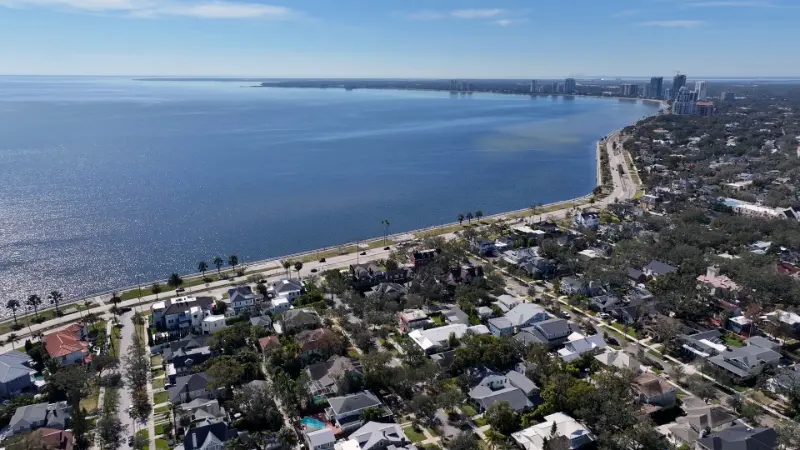
Apollo Beach is a Florida destination where the value of the trip comes from understanding the local landscape and choosing a few experiences well rather than collecting a long list of attractions. For first-time visitors, that creates a more useful itinerary: build the day around one meaningful anchor, then use the surrounding Hillsborough County area to add context without turning the trip into constant driving. Apollo Beach is unusual because one of its signature wildlife experiences exists beside an operating power facility. In cooler weather, manatees gather in the warm-water discharge canal at Tampa Electric’s Big Bend Power Station, creating a seasonal viewing and education site that is free to visit.
Quick planning summary
- Best for: Families, wildlife watchers, senior travelers and anyone visiting in the cooler season who wants a high-probability manatee-learning experience with easy access from Tampa. It also works for travelers who enjoy bay views and short nature walks.
- Best trip length: One day is enough for the Manatee Viewing Center and Apollo Beach Nature Preserve. Stay one night locally if you want to combine the area with Ruskin or avoid Tampa traffic at the start and end of the day.
- Getting around: A car is the simplest option. The Manatee Viewing Center and Apollo Beach Nature Preserve are separate destinations with their own parking and rules. Do not navigate to a generic waterfront pin and assume you have reached the correct entrance.
- Where to stay: Apollo Beach has vacation rentals and nearby lodging, while Ruskin, Brandon and Tampa provide broader hotel choices. If manatees are your priority, staying south of central Tampa can make a morning visit much easier.
Is this the right Florida stop for you?
Apollo Beach is a strong choice if you enjoy local character, water or nature, history and a slower pace. It is less suitable if your priority is a dense nightlife district or a schedule filled with large ticketed attractions. The best approach is to decide what makes this place distinctive and protect enough time to experience that one thing properly.
A practical first-visit rule: put the most weather-sensitive or reservation-dependent activity in the morning. Keep the afternoon flexible for a museum, short walk, meal, scenic drive or second outdoor stop. This makes the itinerary more resilient when wind, rain, heat, traffic or opening hours change.
Best things to do
Visit the Manatee Viewing Center during its seasonal operating window
Tampa Electric currently lists the center as open daily from November 1 through April 15, generally 10 a.m. to 5 p.m., with trails closing earlier and several holiday exceptions. Because the attraction is seasonal, visitors outside that period should not assume the gates are open.
Remember that wildlife is never guaranteed
The warm-water refuge attracts manatees when surrounding water becomes colder, so the best viewing often follows cool weather. A warm winter day can produce fewer animals. Use the exhibits, rays, trails and observation areas as part of the visit rather than measuring success only by a manatee count.
Use the accessible boardwalk and observation areas at your own pace
The center includes broad viewing paths and educational facilities, making it one of the easier wildlife stops for multigenerational groups. Even so, the full campus can involve more walking than expected, so senior travelers should plan rest stops and comfortable shoes.
Climb or view the observation tower only if it suits your mobility
The wider conservation campus includes elevated views, but not every traveler needs to complete every trail or tower. Choose the boardwalk and closer exhibits when walking distance, heat or balance are concerns.
Visit Apollo Beach Nature Preserve for open Tampa Bay views
The county preserve has a sandy recreation area, fishing and a wheelchair-accessible observation tower. Swimming is not allowed. Treat it as a shoreline nature stop and viewpoint, not as a conventional swimming beach.
Keep pets and beach expectations aligned with the rules
The Manatee Viewing Center does not allow pets other than service animals. At the nature preserve, pets have additional restrictions around the tower. Check current rules before arriving with an animal or planning a picnic-and-swim style outing.
Why Apollo Beach feels different from Florida’s resort corridors
Apollo Beach combines industry, wildlife protection and public education in a way that is distinctly Florida. The manatees come because warm water offers refuge during cold periods, while the nearby preserve shows the broader Tampa Bay shoreline beyond the power-station setting.
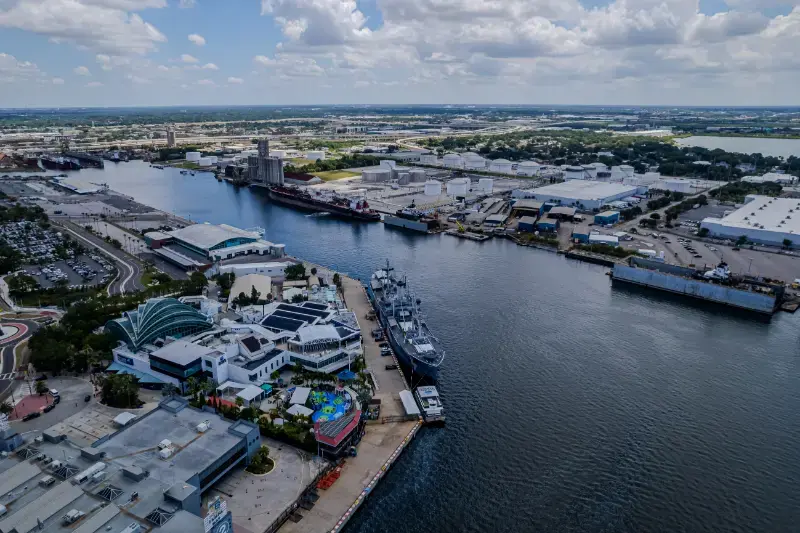
The wider Hillsborough County landscape matters because the road and water between named attractions are part of the experience. Pay attention to wetlands, drainage, working waterfronts, preserved land, older buildings and the amount of open space. Those details explain why this part of Florida moves at a different rhythm from Orlando or the biggest beach resorts.
How to plan the area without overestimating one day
Start by asking what would make a visit to Apollo Beach worthwhile even if you accomplished only one major activity. Put that experience first, then add a second stop only if it changes the type of day rather than repeating it. A morning on the water followed by a museum, or a heritage trail followed by a relaxed meal, usually works better than three similar outdoor stops.
For mixed-age groups, build a shared core and optional extensions. One person can take a longer walk while another rests in shade; teenagers can photograph wildlife or navigate; younger children can focus on a simple spotting challenge. Multigenerational travel is easier when everyone experiences the same place without being forced to match the same pace.
Where to stay: choose the base before the hotel
Apollo Beach has vacation rentals and nearby lodging, while Ruskin, Brandon and Tampa provide broader hotel choices. If manatees are your priority, staying south of central Tampa can make a morning visit much easier.
Compare accommodation by the next morning’s drive, not only by the nightly rate. A cheaper room can become a false economy if it creates repeated bridge crossings or an hour of backtracking before a boat departure. Families often value a refrigerator and laundry; senior travelers may gain more from step-free access, easy parking and a short walk to breakfast than from a long amenity list.
Getting there and getting around
A car is the simplest option. The Manatee Viewing Center and Apollo Beach Nature Preserve are separate destinations with their own parking and rules. Do not navigate to a generic waterfront pin and assume you have reached the correct entrance.
Save essential addresses and maps offline before leaving a strong mobile signal. Coastal and rural Southwest Florida can include narrow roads, bridges, private docks and long stretches without the services you expect in a city. Stay on public routes, park only where allowed and do not use a navigation-app shortcut when signs indicate private property or restricted access.
Families, teenagers, seniors and accessibility
Apollo Beach can work well for a broad age range when you match the activity to the traveler rather than the destination stereotype. Families should keep water activities short enough that children stay engaged. Teenagers often enjoy photography, fishing, navigation or choosing a restaurant more than a passive scenic drive.
Senior travelers should confirm boarding steps, trail surfaces, restroom locations and shade before choosing a long outdoor activity. A destination may be generally accessible while one historic building, boat, boardwalk, beach access or natural trail still has steps, sand or uneven ground. Ask the specific operator or park about current conditions when mobility is important.
Best time to visit
November through mid-April is the essential season for the Manatee Viewing Center, with colder periods usually producing better manatee concentrations. The nature preserve is useful year-round, although summer heat and storms make morning or evening visits more comfortable.
Southwest Florida seasons are shaped by humidity, water, insects, tropical weather and visitor demand as much as by temperature. Winter mornings can be excellent for walking and birding, while warm-season afternoons are more likely to be interrupted by thunderstorms. Hurricane-season travelers should check current local conditions instead of assuming every facility has the same recovery status after a storm.
What to do when weather changes the plan
Treat weather as part of the itinerary rather than an inconvenience added at the end. If thunderstorms build, leave open water and exposed beaches early. If wind makes paddling uncomfortable, switch to a museum, protected walk or long lunch. If heat is the problem, shorten the route instead of forcing the planned mileage. The best backup is a different kind of experience, not the same activity in worse conditions.
A realistic 3-day itinerary
Day 1
Arrive in the wider Hillsborough County area, orient yourself in Apollo Beach and choose one low-pressure introductory stop. Confirm tomorrow’s opening times or departure point, buy water and allow the first evening to remain close to your accommodation.
Day 2
Use the morning for visit the manatee viewing center during its seasonal operating window. Take a genuine break for lunch, then choose one secondary activity that adds a different perspective. Keep enough margin that a longer wildlife sighting, slower museum visit or traffic delay does not ruin the afternoon.
Day 3
Choose a short scenic walk, public waterfront stop or historical visit before continuing to the next destination. If weather disrupted Day 2, use this morning for the experience you missed rather than cramming it into the previous evening.
How to pace the trip so it still feels like a vacation
Protect unscheduled time. A good conversation with a ranger, an unexpected bird sighting, a slow breakfast or a beautiful sunset should not make you feel behind schedule. Avoid booking timed activities back to back when bridges, boat launches, parking or rural roads are involved.
For a multigenerational trip, choose one shared experience per day and allow the rest to be optional. A successful Florida itinerary does not require every person to walk the same distance, stay in the sun for the same amount of time or care about the same historical detail. Shared context matters more than identical participation.
Food and local flavor
The attraction area is easy to combine with restaurants in Apollo Beach and Ruskin. Do not let a meal reservation force you to leave just when wildlife activity improves; keep lunch flexible and carry water for trails.
Locally owned restaurants are often part of the destination rather than a service between attractions. Check operating days, especially in smaller communities, and plan dinner before you lose reliable mobile service or finish a late boat trip. Carry simple snacks so a closed café does not force a long detour.
Budget: where the money actually goes
The main costs in this part of Florida are usually accommodation, guided water activities, fishing charters, tolls, parking and meals rather than museum tickets. Public preserves and parks can be inexpensive, but a private boat trip can dominate the daily budget. Decide which paid experience genuinely adds value and keep the rest of the itinerary simple.
Moving hotels every night rarely saves enough to justify the lost time. Two or three nights in a well-positioned base can reduce fuel use, packing stress and repeated bridge or causeway crossings. Bring reusable water bottles, sun protection, insect repellent and a small first-aid kit so remote stops do not require inconvenient purchases.
Common mistakes to avoid
- Planning a Manatee Viewing Center visit outside its seasonal opening dates.
- Expecting a guaranteed large manatee gathering regardless of temperature.
- Going to Apollo Beach Nature Preserve expecting an approved swimming beach.
- Bringing a pet to the Manatee Viewing Center.
- Trying to fit the center, nature preserve and central Tampa into a tightly timed half-day.
How to combine this stop with the rest of Florida
Apollo Beach completes the progression from Ruskin’s mangrove parks to a more accessible wildlife-learning stop on Tampa Bay. It is a strong final day before continuing north into Tampa or east toward inland Hillsborough County.
For a longer road trip, alternate environments rather than repeating the same kind of day. Pair a history stop with a wetland, a long boat morning with a short village walk, or a beach day with a nature trail. Directional routes are almost always more relaxing than zigzagging between distant bases.
Practical packing and safety notes
Bring sun protection year-round, insect repellent near wetlands and mangroves, closed shoes for natural trails and a light rain layer in the warm season. Around docks, beaches, canals and ramps, surfaces can be slippery. Wear a properly fitted life jacket when paddling or boating and never feed wildlife.
If thunder is approaching, leave open water before rain begins. For remote walks or paddles, tell someone your route and expected return time. Check tide, marine wind, park alerts, hunting seasons, prescribed burns, storm repairs and temporary closures when they are relevant to your chosen activity.
Official resources to check before you go
Hours, fees, trail access, seasonal programs, water conditions, construction and storm recovery can change. Check official or primary sources shortly before departure, especially when one visitor center, boat launch, museum or preserve is the main reason for the trip.
Final thoughts
Apollo Beach is most rewarding when you plan for what the place actually does well instead of forcing it to behave like a major resort. Choose one or two experiences that explain the seasonal Manatee Viewing Center, realistic wildlife expectations and the non-swimming shoreline experience at Apollo Beach Nature Preserve, leave room for weather and local rhythm, and keep driving proportional to the size of the destination. That approach works for families, couples, solo travelers and senior visitors and usually creates a more memorable Florida trip than a schedule built only around famous attractions.