Category: Southwest Florida

  • Three Days on Boca Grande and Gasparilla Island: Beaches, Lighthouse History and Island Time

    Three Days on Boca Grande and Gasparilla Island: Beaches, Lighthouse History and Island Time

    Boca Grande feels a little apart from Florida's larger resort coast. Visitors cross a causeway to reach Gasparilla Island, where an established village, historic buildings, Gulf beaches and a lighthouse landscape make a rewarding short stay. Three days is enough to appreciate the island without rushing between every beach entrance. This itinerary starts with the village, dedicates a full day to Gasparilla Island State Park and leaves time for wildlife observation and the quieter northern end. It is not a promise of inexpensive accommodation or completely deserted sand. The island's attractions are appealing partly because they operate on a smaller scale, which makes planning parking, meals and transportation particularly important.

    Three-day summary

    DayMain planEasier alternative
    1Boca Grande village and shorelineShort historic village walk and lunch
    2Gasparilla Island State Park lighthouseMuseum grounds and a suitable public beach
    3Birding, cycling or a slow island morningCafé and a scenic authorized viewpoint

    Understand the island before booking a place to stay

    Boca Grande is the main village on Gasparilla Island, connected to the mainland by a toll causeway. Lodging on the island can be costly or limited during popular periods, and a mainland base in Placida or nearby areas may make sense if price is the priority. The trade-off is crossing the causeway for most activities, paying applicable tolls and managing parking. For a three-day trip, compare a smaller room near the village with a more spacious inland property. If you plan to visit the same beach every morning, time and driving costs deserve as much consideration as the nightly rate.
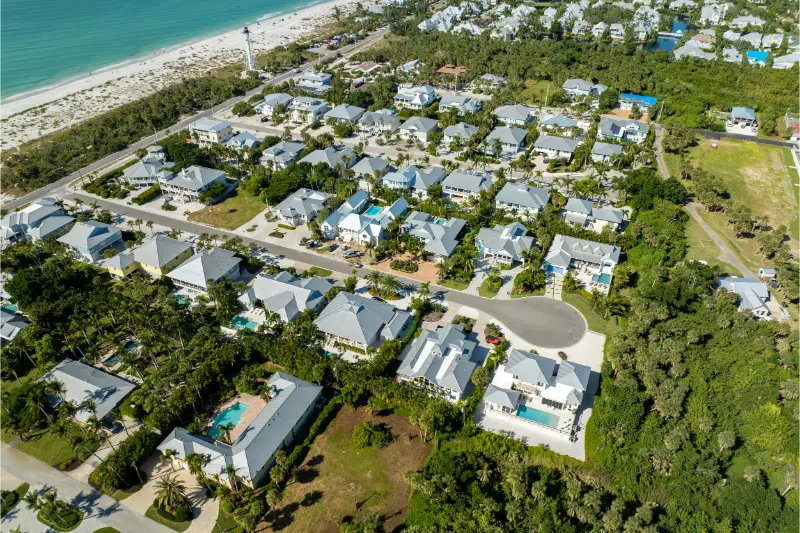
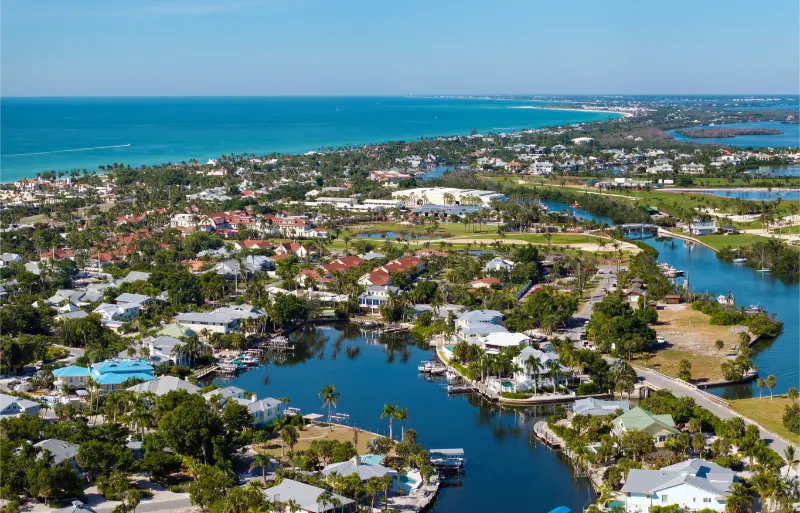
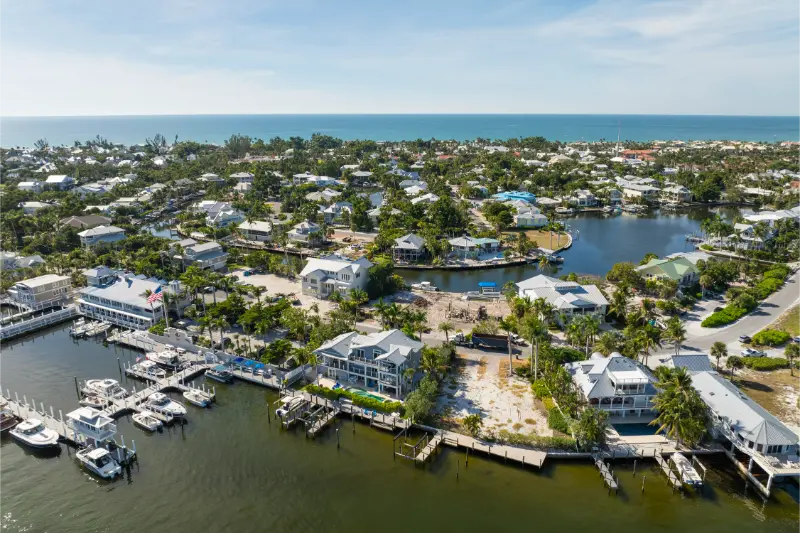
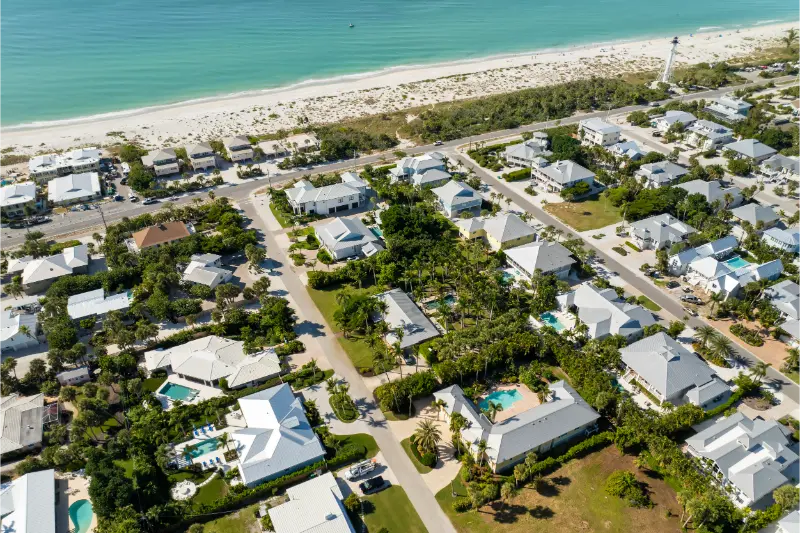
    Gasparilla Island Florida Residential Coastal Neighborhood Aerial

    Check the actual location of every advertised 'waterfront' home. Boca Grande Pass has powerful currents and heavy boating activity, and a property on a bay or canal is not the same as one on a suitable Gulf beach. A rental may have steps, narrow paths or a dock that is unsuitable for small children. For visitors with mobility limitations, ask about doorway widths, parking surfaces, elevators if present and the route from accommodation to nearby amenities. Golf-cart rentals are common around the village, but they are not a universal substitute for accessible transportation or an exemption from local traffic rules.

    Day one morning: explore the historic Boca Grande village

    Begin with the village rather than driving immediately to the island's southern tip. A relaxed breakfast and walk around its central streets help you get oriented among older buildings, small shops, churches and local services. Boca Grande has a distinctive history involving fishing, transport and seasonal visitors; the village is more than an attractive backdrop for a bicycle photograph. Look for interpretive displays or local history resources, and allow yourself time to notice architectural details. Side streets may have fewer shops but can be more pleasant when the main corridor is busy.

    This is a residential place, so respect private properties and avoid blocking narrow lanes while searching for photographs. Pedestrians, cyclists and golf carts share parts of the street network with cars. Families should keep children close at crossings and resist the temptation to treat a quiet-looking road as traffic-free. For older travelers, a shaded bench and one compact village loop may be more enjoyable than walking the whole island. If the weather is already humid, bring your main walk forward in the morning and reserve a long lunch break. Independent shops may have shorter or seasonal hours, especially outside peak travel periods.

    Day one afternoon: an easy Gulf viewpoint

    After lunch, select one legally accessible Gulf shoreline rather than parking at a string of entrances. Several beach approaches are associated with Gasparilla Island State Park and other public areas, but each has its own conditions and available facilities. Check the published park map and current guidance for parking, picnic areas and accessibility. The island's beaches are attractive for a quiet walk and viewing boats offshore, but current patterns can be hazardous. Do not assume that clear water or a calm-looking edge of the beach makes swimming safe near the pass.

    If your group includes babies or people who prefer not to swim, bring a light picnic and focus on the horizon, seabirds and gentle shoreline exploration. Stay back from eroding dune edges and marked nesting zones. An afternoon beach stop can be shorter than you expect if wind, sun or storm clouds arrive. The sensible backup is a café or return to your accommodation, not another exposed stretch of sand. At dinner, try a village restaurant if one suits your budget, but check reservations and closing days instead of relying on the assumption that every venue serves late meals.

    Day two: Port Boca Grande Lighthouse and state-park beaches

    Make Gasparilla Island State Park the centerpiece of day two. At the southern end, the historic Port Boca Grande Lighthouse stands in a striking setting of sand, Gulf water and views toward the pass. The building houses a museum with seasonal opening patterns, so check the official hours before planning the day's sequence. The state park also has separate parking areas, and visitors should not assume one lot is best for every activity. The entrance fee and island causeway toll are separate expenses. As of October 2026, the park notes an updated electronic payment arrangement at its Dunes parking lot; check current methods before arriving.

    The lighthouse area is particularly suitable for visitors who want history alongside a beach outing. Read the museum exhibits rather than visiting only for an exterior photograph: the site illustrates changes in marine navigation and life on a working coastline. The surrounding waters are dynamic, with strong currents and boating near Boca Grande Pass. Observe from a safe location, follow posted restrictions and keep children far from steep or unstable edges. If you want to swim, choose an officially suitable beach area with safe conditions rather than the channel. Wildlife is best observed quietly at a distance, not approached for a selfie.

    Spend the rest of day two slowly, not driving constantly

    After the lighthouse, either stay at your chosen state-park beach or return to the village. Switching between many similar access points wastes time and makes parking more stressful. A packed lunch can be convenient because food options at natural sites may be limited; keep perishable items cool and dispose of trash carefully. Beachcombing is enjoyable, but do not collect live shells or disturb nesting wildlife. The Gulf environment here is sensitive, and visitors should leave it in the condition they found it. Midday shade may be limited, so bring sun protection rather than assuming trees will shelter a beach picnic.

    Family tipFor families, an afternoon rest can be the most useful part of the itinerary. Children who spent the morning in sun and sand may enjoy a pool or a quiet game at the rental more than another scheduled attraction. Adults interested in photography could return to an approved viewpoint when the light softens, but avoid arriving at isolated places without checking legal access and safe parking. Local sunset is a lovely time for a coastal view, though it should not become an excuse to cross dunes or enter closed areas. If lightning appears, go indoors immediately rather than waiting for rain.

    Day three: nature, bicycling and the quieter island landscape

    Spend the final morning considering the island's quieter side. A short bicycle outing, when road conditions and your group's abilities make it appropriate, can reveal streets and coastal vegetation missed from a car. Check where cycling is permitted, wear helmets and avoid carrying young children in unsuitable equipment. Golf carts have their own safety and age rules; a rental company should explain where its vehicles may travel. Drivers and cyclists should be especially alert around intersections, pedestrians and visitors unfamiliar with local directions. If movement on two wheels is not comfortable, choose a short village walk instead.

    Birding and wildlife observation are excellent alternatives to a full beach day. Look for shorebirds, seabirds and other species from marked public areas without entering sensitive habitats. Keep a respectful distance from gopher tortoises and never feed wild animals. If you prefer history, revisit a museum or seek out local interpretive information, subject to opening hours. The island is small enough that the final day need not feel like a complicated expedition. Choose one memorable experience, then spend the afternoon preparing for your onward journey or enjoying the accommodation you paid for.

    Visiting with children, seniors and mixed-age groups

    A trip with a baby or toddler works best when the day's principal outing is short and followed by an indoor rest. Choose a parking area with restrooms and a manageable route to the sand. For school-age children, museum interpretation and spotting birds can be as satisfying as looking for shells. Teenagers may enjoy cycling or guided nature activities, provided equipment and supervision fit their experience. Older visitors should treat strong sun, uneven sand and the distance between parking and shoreline as real considerations. Ask park staff about available beach wheelchairs and whether advance arrangements are necessary.

    A mixed-age group may not want the same pace. One person can enjoy a museum while another spends longer at a beach, then everyone reunites for lunch near the village. If someone uses a wheelchair, plan around actual paths and accessible restrooms; a listing that says 'beach access' rarely tells the whole story. The historic lighthouse environment includes different surfaces and facilities, so consult the park's accessibility information. Travelers who do not wish to swim still have ample reasons to visit: maritime history, scenic views, birds and a quieter rhythm than large resort communities.

    Food, transport and the cost of an island holiday

    Cost planning here starts with the causeway toll, lodging and parking arrangements, followed by meals and park admission. The state park currently lists a small per-vehicle fee, but rates and payment methods may change, so verify them before your trip. If staying inland, include each return journey to the island rather than assuming a single daily crossing. Carry a reusable water bottle and some snacks; small-town restaurant choices can be limited at particular hours. Compare menus and required service charges before booking a celebratory dinner, especially in peak season.

    A car is the most practical way to reach the island from an airport or mainland hotel, although some visitors then prefer walking or cycling locally. Ride-share availability may be unpredictable, particularly at night. If you are staying without a car, confirm your full transfer and grocery plan rather than relying on a last-minute taxi. Accommodation advertisements can include high cleaning fees or strict minimum stays; examine the full checkout total and cancellation rules. The cheapest apparent room is not necessarily the lowest-cost experience if it creates repeated causeway travel.

    Weather, safety and a final plan you can trust

    Warm months bring strong sun and frequent thunderstorms; hurricane season can disrupt roads, beach access and accommodation plans. Cooler months are often pleasant for walking and birding but not every traveler will enjoy swimming. Always check official beach and state-park notices, current surf conditions, traffic advisories and museum hours. If a storm has recently affected the area, don't assume facilities have returned to normal because an older travel article says the beach is open. The lighthouse museum uses seasonal hours, and an arrival at the wrong time can cost an entire visit.

    Choose a base, reserve just one major activity each day and leave space for the details you discover on the island. Save the park's official page and a map of authorized parking locations. Bring reef-conscious sun protection, drinking water, comfortable shoes, a waterproof bag and a flexible attitude to the weather. Three days on Gasparilla Island are best used to enjoy the relationship between its village, historic lighthouse and working coastal environment, rather than racing from one photo stop to the next.

    Frequently asked questions

    Is there a toll to reach Boca Grande?

    Yes. The Gasparilla Island causeway has a separate toll from any state park fee; check the current bridge authority charges.

    Can everyone climb the Boca Grande lighthouse?

    The Port Boca Grande Lighthouse houses a museum; verify its current access arrangements and seasonal opening days on the state park site.

    Is Boca Grande Pass a good place for casual swimming?

    Strong currents and boating near the pass make it unsuitable to assume safe swimming; follow park guidance and choose appropriate designated areas.
    Official information and useful resources

    Explore the area on an interactive map

  • Charlotte Harbor and Boca Grande: A Four-Day Florida Coastal Trip Without a Boat

    Charlotte Harbor and Boca Grande: A Four-Day Florida Coastal Trip Without a Boat

    Charlotte Harbor is an appealing choice for travelers who like working waterfronts, historic towns, wide estuary views and calmer evenings than the largest beach resorts offer. A four-day trip can combine Punta Gorda, the harbor communities, Placida and Boca Grande without booking a cruise or renting a boat. It suits couples, families with children who enjoy history and shoreline stops, and older travelers who prefer moderate activity. The important distinction is that the region includes both mainland communities and barrier islands: crossing a bridge is not the same as driving a continuous beachfront road.

    Choose one accommodation base near Punta Gorda or Port Charlotte, or split the stay if you particularly want an island atmosphere. Check current hurricane-recovery works before relying on a particular waterfront boardwalk, fishing pier or playground. Facilities have been undergoing repairs following several storms, so an attractive old travel photograph is not evidence that every amenity is open today.

    Four-day coastal itinerary

    Day Base / area Focus Gentle alternative
    1 Punta Gorda Downtown and harbor setting Short waterfront stop
    2 Charlotte Harbor Historical interpretation and parks Scenic drive and café
    3 Placida / Boca Grande Island history and lighthouse Museum-focused visit
    4 Punta Gorda / departure Local shopping and rest Early checkout

    The route is intentionally compact. You do not need to reach every beach or island in Charlotte County. Keep morning activities limited, especially when traveling with young children or companions who need regular seating. A car remains the simplest transport; private shuttles and rideshares should not be assumed available across every rural barrier-island route.

    Day 1: Punta Gorda as a walkable orientation stop

    Punta Gorda has a historic waterfront character that rewards a relaxed arrival day. Begin in the downtown area, where you can appreciate the buildings, find a café and learn the basic geography of the harbor. Rather than rushing to the nearest beach, notice the mixture of public waterfront, working marinas and residential neighborhoods. Public paths can be enjoyable, but specific segments may change because of construction or storm recovery. Check local signs and do not cross barriers to reach a familiar photograph location.

    Families can enjoy a short scavenger hunt for architecture, boats and native birds, while older visitors can choose a café with outdoor views. If it is very hot, limit the exposed walking and save an indoor activity for later. One advantage of this destination is the ability to have a satisfying first day without purchasing a major attraction ticket. The key is to keep the itinerary grounded in actual accessible public space.

    Day 2: Charlotte Harbor and the importance of current park notices

    Drive around selected mainland harbor areas, choosing one public park or interpretive site whose current amenities are confirmed. Bayshore Live Oak Park is described by Charlotte County as a harborfront park with historical information and recreational facilities. However, the county also lists ongoing disaster-recovery projects affecting features such as sidewalks, piers, seawalls and other amenities. Check the county recovery update before treating the entire waterfront as open.

    This is an important lesson for visitors planning a leisurely holiday: a park can be open while individual facilities are unavailable. A traveler using a wheelchair may be especially affected if the intended route includes damaged or closed surfaces. Telephone the park department if that determines whether you can visit comfortably. Have an alternative lunch or short scenic drive ready, and do not send children toward fenced repair areas.

    Enjoying an estuary without taking a boat

    Charlotte Harbor is an estuarine environment, where freshwater and seawater mix, creating habitat for fish, birds and other wildlife. Shore-based observation can be fascinating when you choose an official public access point. Binoculars, a field guide and patience are more useful than trying to approach animals. Watch for pelicans, wading birds and changes in the water’s appearance, while accepting that sightings depend on weather, tide and season.

    Never enter marsh vegetation or private shoreline to take a photograph. Avoid feeding birds and do not leave fishing line, food wrappers or bait packaging behind. Visitors with small children should choose an established area with toilets and seating. A waterfront lunch can feel like a complete holiday experience when the environment is treated as something to observe rather than conquer.

    Day 3: The drive to Boca Grande and Gasparilla Island

    Boca Grande on Gasparilla Island is a distinct destination, reached over a toll causeway. Plan for bridge charges as well as any park admission or parking fees. Start early enough to enjoy the island before midday heat, but do not assume that all the streets are public sightseeing routes. Respect residential areas and use designated parking. Beach access and soft sand may limit what people with mobility aids can do, so build the morning around a museum and a manageable paved walk when appropriate.

    Gasparilla Island State Park protects portions of the southern island. Its Port Boca Grande Lighthouse is especially interesting because it connects maritime navigation with local history. The building houses a museum interpreting the island, including its Indigenous history, phosphate shipping and fishing heritage. It is a more substantial cultural stop than simply taking a photograph of the lighthouse from outside.

    Boca Grande Florida Tropical Waterfront Houses Aerial

    Port Boca Grande Lighthouse: check seasonal museum hours

    The Gasparilla Island State Park hours page distinguishes the state-park opening day from the lighthouse museum’s seasonal schedule. Museum hours vary between warmer and cooler parts of the year, and holidays may alter access. There is also a separate toll to reach the island. Check the museum’s current visitor information before driving out specifically for the displays.

    Inside, look for exhibits about how the harbor supported commercial shipping and why a lighthouse was needed here. Children may respond to the connection between ships, local fossils and history; adults may enjoy learning how the shoreline and port activities changed. Follow museum rules for photographs and touching exhibits. Do not promise visitors that they can climb the lighthouse: the historic structure is a museum, and access rules should be taken from its operator.

    Boca Grande as more than an expensive beach address

    The village is often associated with a refined island atmosphere, but a worthwhile visit need not revolve around luxury shopping or high-end dining. A comfortable lunch, a short look at historic streets and the lighthouse area can fill the day. Keep parking restrictions in mind and resist the urge to drive a golf cart on a public road without checking legal rules. If you rent a bike, ask about helmets, traffic, the route’s exposure to sun and any local cycling restrictions.

    Travelers hoping for shelling or beach photography should choose a permitted access point and observe wave conditions. The Boca Grande Pass area is known for currents, fishing activity and boat traffic; it is not a place to improvise swimming because the beach looks quiet. Families may prefer observing the water from dry land. Leave plenty of time for the return bridge crossing and avoid driving when exhausted.

    Day 4: A low-pressure last morning

    Use the final morning to return to a favorite café, buy local products from an operating shop or enjoy one brief public view of the harbor. Do not add a distant island excursion before your flight. Storm-related construction can alter travel times, and busy bridge corridors are not always predictable. A short waterfront outing is enough to close a trip focused on the region’s history and landscapes.

    If you have a full extra day, consider exploring another mainland community only after checking current attractions. Placida and the Cape Haze area can provide different views of the harbor and barrier islands, but many island destinations need a boat. Do not promise that a ferry or water taxi serves a particular island without verifying the operator’s current schedule and boarding location.

    Where to stay and what to compare

    Punta Gorda offers a useful town base with restaurants and access to major roads. Port Charlotte has a range of practical accommodation and shopping services. Boca Grande can be attractive for a special island stay but may involve higher prices and fewer everyday conveniences. Compare the total price, including resort charges, parking, cleaning fees and bridge tolls. Travelers needing medical facilities or accessible accommodation should prioritize confirmed services over a remote scenic address.

    Boca Grande Florida Luxury Waterfront Villas Aerial

    For multigenerational groups, a hotel with a lift, breakfast and a quiet room can be more valuable than a waterfront view. Young children benefit from a refrigerator and room to sleep early. If a vacation rental includes stairs to a raised entrance, verify whether everyone can manage them. Hurricane recovery can affect both the surrounding neighborhood and a property’s amenities, so ask directly about anything essential before paying.

    Best season and weather expectations

    Winter and spring can be pleasant for walking and outdoor dining but are also popular for visitors escaping colder climates. Summer is hotter and more humid with frequent thunderstorms. Autumn may bring variable weather, and Atlantic hurricane season is a consideration through November. Do not rely on old promotional claims that one month is always calm or dry. Check the forecast and local storm information before each activity.

    In hot weather, place outdoor stops in the morning and schedule an indoor lunch or rest. Bring sunscreen, drinking water and insect repellent. Anyone sensitive to heat should keep activities shorter and avoid exposed midday walks. A coastal wind can make a warm day feel cooler without reducing ultraviolet exposure. Carry a light rain layer but leave an exposed pier or beach if lightning approaches.

    Budget, safety and visitor etiquette

    Plan for hotel costs, car rental, fuel, meals, the Gasparilla causeway toll and park fees. Museum admission can differ from state-park vehicle entry. Check the current charges directly; avoid presenting a single guaranteed total because peak-season hotel rates vary substantially. This route is usually less expensive than a theme-park-centered holiday when visitors choose simple activities, but upscale island restaurants can change that quickly.

    Observe wildlife without feeding it, use marked public access points and never enter restoration sites or private waterfront property. Swimming should be limited to appropriate locations and conditions, with active supervision for children. Keep away from strong currents and fishing areas. A respectful visitor leaves a working coastal community just as pleasant for residents after leaving as it was on arrival.

    Four-day planning checklist

    Reserve a convenient base, identify parking for your key stops and check the county’s storm-recovery notices. Confirm lighthouse museum hours, the bridge toll and any special event affecting Boca Grande. Keep a backup for weather and construction. Pack enough water and plan predictable meal stops for children and older companions. If a facility is closed, do not force the itinerary: a scenic drive and relaxed meal are often a better choice than searching for an unsafe alternate access point.

    Charlotte Harbor is ideal for a vacation built around landscapes, everyday history and slower coastal pleasures. Its most interesting experiences are found through careful planning rather than the assumption that every waterfront attraction is operating exactly as it did before a storm.

    Frequently asked questions

    Can we visit Boca Grande without a boat?

    Yes. Gasparilla Island is reached by road over a toll causeway. Some nearby barrier islands require a boat, but this itinerary does not depend on them.

    Is every harbor boardwalk currently open?

    No. Charlotte County has ongoing recovery projects at some waterfront parks. Check the specific facility and the county’s latest project notices.

    Can we climb the Port Boca Grande Lighthouse?

    Do not assume tower climbing is available. The lighthouse operates as a historical museum, and visitors should follow the current operator’s access rules.

    Is this a good trip for older travelers?

    Yes, especially with a carefully selected hotel and short walks. Confirm park paths, museum access and restroom facilities for each companion’s needs.

  • Apollo Beach, Florida for First-Time Visitors: Manatee Viewing Center, Tampa Bay Views and Nature Preserve

    Apollo Beach, Florida for First-Time Visitors: Manatee Viewing Center, Tampa Bay Views and Nature Preserve

    Apollo Beach is a Florida destination where the value of the trip comes from understanding the local landscape and choosing a few experiences well rather than collecting a long list of attractions. For first-time visitors, that creates a more useful itinerary: build the day around one meaningful anchor, then use the surrounding Hillsborough County area to add context without turning the trip into constant driving. Apollo Beach is unusual because one of its signature wildlife experiences exists beside an operating power facility. In cooler weather, manatees gather in the warm-water discharge canal at Tampa Electric’s Big Bend Power Station, creating a seasonal viewing and education site that is free to visit.

    Explore this guide

    Quick planning summary

    • Best for: Families, wildlife watchers, senior travelers and anyone visiting in the cooler season who wants a high-probability manatee-learning experience with easy access from Tampa. It also works for travelers who enjoy bay views and short nature walks.
    • Best trip length: One day is enough for the Manatee Viewing Center and Apollo Beach Nature Preserve. Stay one night locally if you want to combine the area with Ruskin or avoid Tampa traffic at the start and end of the day.
    • Getting around: A car is the simplest option. The Manatee Viewing Center and Apollo Beach Nature Preserve are separate destinations with their own parking and rules. Do not navigate to a generic waterfront pin and assume you have reached the correct entrance.
    • Where to stay: Apollo Beach has vacation rentals and nearby lodging, while Ruskin, Brandon and Tampa provide broader hotel choices. If manatees are your priority, staying south of central Tampa can make a morning visit much easier.

    Is this the right Florida stop for you?

    Apollo Beach is a strong choice if you enjoy local character, water or nature, history and a slower pace. It is less suitable if your priority is a dense nightlife district or a schedule filled with large ticketed attractions. The best approach is to decide what makes this place distinctive and protect enough time to experience that one thing properly.

    A practical first-visit rule: put the most weather-sensitive or reservation-dependent activity in the morning. Keep the afternoon flexible for a museum, short walk, meal, scenic drive or second outdoor stop. This makes the itinerary more resilient when wind, rain, heat, traffic or opening hours change.

    Best things to do

    Visit the Manatee Viewing Center during its seasonal operating window

    Tampa Electric currently lists the center as open daily from November 1 through April 15, generally 10 a.m. to 5 p.m., with trails closing earlier and several holiday exceptions. Because the attraction is seasonal, visitors outside that period should not assume the gates are open.

    Remember that wildlife is never guaranteed

    The warm-water refuge attracts manatees when surrounding water becomes colder, so the best viewing often follows cool weather. A warm winter day can produce fewer animals. Use the exhibits, rays, trails and observation areas as part of the visit rather than measuring success only by a manatee count.

    Use the accessible boardwalk and observation areas at your own pace

    The center includes broad viewing paths and educational facilities, making it one of the easier wildlife stops for multigenerational groups. Even so, the full campus can involve more walking than expected, so senior travelers should plan rest stops and comfortable shoes.

    Climb or view the observation tower only if it suits your mobility

    The wider conservation campus includes elevated views, but not every traveler needs to complete every trail or tower. Choose the boardwalk and closer exhibits when walking distance, heat or balance are concerns.

    Visit Apollo Beach Nature Preserve for open Tampa Bay views

    The county preserve has a sandy recreation area, fishing and a wheelchair-accessible observation tower. Swimming is not allowed. Treat it as a shoreline nature stop and viewpoint, not as a conventional swimming beach.

    Tampa Bay Marina and Waterfront Aerial

    Keep pets and beach expectations aligned with the rules

    The Manatee Viewing Center does not allow pets other than service animals. At the nature preserve, pets have additional restrictions around the tower. Check current rules before arriving with an animal or planning a picnic-and-swim style outing.

    Why Apollo Beach feels different from Florida’s resort corridors

    Apollo Beach combines industry, wildlife protection and public education in a way that is distinctly Florida. The manatees come because warm water offers refuge during cold periods, while the nearby preserve shows the broader Tampa Bay shoreline beyond the power-station setting.

    The wider Hillsborough County landscape matters because the road and water between named attractions are part of the experience. Pay attention to wetlands, drainage, working waterfronts, preserved land, older buildings and the amount of open space. Those details explain why this part of Florida moves at a different rhythm from Orlando or the biggest beach resorts.

    How to plan the area without overestimating one day

    Start by asking what would make a visit to Apollo Beach worthwhile even if you accomplished only one major activity. Put that experience first, then add a second stop only if it changes the type of day rather than repeating it. A morning on the water followed by a museum, or a heritage trail followed by a relaxed meal, usually works better than three similar outdoor stops.

    For mixed-age groups, build a shared core and optional extensions. One person can take a longer walk while another rests in shade; teenagers can photograph wildlife or navigate; younger children can focus on a simple spotting challenge. Multigenerational travel is easier when everyone experiences the same place without being forced to match the same pace.

    Where to stay: choose the base before the hotel

    Apollo Beach has vacation rentals and nearby lodging, while Ruskin, Brandon and Tampa provide broader hotel choices. If manatees are your priority, staying south of central Tampa can make a morning visit much easier.

    Compare accommodation by the next morning’s drive, not only by the nightly rate. A cheaper room can become a false economy if it creates repeated bridge crossings or an hour of backtracking before a boat departure. Families often value a refrigerator and laundry; senior travelers may gain more from step-free access, easy parking and a short walk to breakfast than from a long amenity list.

    Getting there and getting around

    A car is the simplest option. The Manatee Viewing Center and Apollo Beach Nature Preserve are separate destinations with their own parking and rules. Do not navigate to a generic waterfront pin and assume you have reached the correct entrance.

    Save essential addresses and maps offline before leaving a strong mobile signal. Coastal and rural Southwest Florida can include narrow roads, bridges, private docks and long stretches without the services you expect in a city. Stay on public routes, park only where allowed and do not use a navigation-app shortcut when signs indicate private property or restricted access.

    Families, teenagers, seniors and accessibility

    Apollo Beach can work well for a broad age range when you match the activity to the traveler rather than the destination stereotype. Families should keep water activities short enough that children stay engaged. Teenagers often enjoy photography, fishing, navigation or choosing a restaurant more than a passive scenic drive.

    Tampa Bay Florida Cruise Ship at Port

    Senior travelers should confirm boarding steps, trail surfaces, restroom locations and shade before choosing a long outdoor activity. A destination may be generally accessible while one historic building, boat, boardwalk, beach access or natural trail still has steps, sand or uneven ground. Ask the specific operator or park about current conditions when mobility is important.

    Best time to visit

    November through mid-April is the essential season for the Manatee Viewing Center, with colder periods usually producing better manatee concentrations. The nature preserve is useful year-round, although summer heat and storms make morning or evening visits more comfortable.

    Southwest Florida seasons are shaped by humidity, water, insects, tropical weather and visitor demand as much as by temperature. Winter mornings can be excellent for walking and birding, while warm-season afternoons are more likely to be interrupted by thunderstorms. Hurricane-season travelers should check current local conditions instead of assuming every facility has the same recovery status after a storm.

    What to do when weather changes the plan

    Treat weather as part of the itinerary rather than an inconvenience added at the end. If thunderstorms build, leave open water and exposed beaches early. If wind makes paddling uncomfortable, switch to a museum, protected walk or long lunch. If heat is the problem, shorten the route instead of forcing the planned mileage. The best backup is a different kind of experience, not the same activity in worse conditions.

    A realistic 3-day itinerary

    Day 1

    Arrive in the wider Hillsborough County area, orient yourself in Apollo Beach and choose one low-pressure introductory stop. Confirm tomorrow’s opening times or departure point, buy water and allow the first evening to remain close to your accommodation.

    Day 2

    Use the morning for visit the manatee viewing center during its seasonal operating window. Take a genuine break for lunch, then choose one secondary activity that adds a different perspective. Keep enough margin that a longer wildlife sighting, slower museum visit or traffic delay does not ruin the afternoon.

    Day 3

    Choose a short scenic walk, public waterfront stop or historical visit before continuing to the next destination. If weather disrupted Day 2, use this morning for the experience you missed rather than cramming it into the previous evening.

    How to pace the trip so it still feels like a vacation

    Protect unscheduled time. A good conversation with a ranger, an unexpected bird sighting, a slow breakfast or a beautiful sunset should not make you feel behind schedule. Avoid booking timed activities back to back when bridges, boat launches, parking or rural roads are involved.

    For a multigenerational trip, choose one shared experience per day and allow the rest to be optional. A successful Florida itinerary does not require every person to walk the same distance, stay in the sun for the same amount of time or care about the same historical detail. Shared context matters more than identical participation.

    Food and local flavor

    The attraction area is easy to combine with restaurants in Apollo Beach and Ruskin. Do not let a meal reservation force you to leave just when wildlife activity improves; keep lunch flexible and carry water for trails.

    Locally owned restaurants are often part of the destination rather than a service between attractions. Check operating days, especially in smaller communities, and plan dinner before you lose reliable mobile service or finish a late boat trip. Carry simple snacks so a closed café does not force a long detour.

    Budget: where the money actually goes

    The main costs in this part of Florida are usually accommodation, guided water activities, fishing charters, tolls, parking and meals rather than museum tickets. Public preserves and parks can be inexpensive, but a private boat trip can dominate the daily budget. Decide which paid experience genuinely adds value and keep the rest of the itinerary simple.

    Moving hotels every night rarely saves enough to justify the lost time. Two or three nights in a well-positioned base can reduce fuel use, packing stress and repeated bridge or causeway crossings. Bring reusable water bottles, sun protection, insect repellent and a small first-aid kit so remote stops do not require inconvenient purchases.

    Common mistakes to avoid

    • Planning a Manatee Viewing Center visit outside its seasonal opening dates.
    • Expecting a guaranteed large manatee gathering regardless of temperature.
    • Going to Apollo Beach Nature Preserve expecting an approved swimming beach.
    • Bringing a pet to the Manatee Viewing Center.
    • Trying to fit the center, nature preserve and central Tampa into a tightly timed half-day.

    How to combine this stop with the rest of Florida

    Apollo Beach completes the progression from Ruskin’s mangrove parks to a more accessible wildlife-learning stop on Tampa Bay. It is a strong final day before continuing north into Tampa or east toward inland Hillsborough County.

    For a longer road trip, alternate environments rather than repeating the same kind of day. Pair a history stop with a wetland, a long boat morning with a short village walk, or a beach day with a nature trail. Directional routes are almost always more relaxing than zigzagging between distant bases.

    Practical packing and safety notes

    Bring sun protection year-round, insect repellent near wetlands and mangroves, closed shoes for natural trails and a light rain layer in the warm season. Around docks, beaches, canals and ramps, surfaces can be slippery. Wear a properly fitted life jacket when paddling or boating and never feed wildlife.

    If thunder is approaching, leave open water before rain begins. For remote walks or paddles, tell someone your route and expected return time. Check tide, marine wind, park alerts, hunting seasons, prescribed burns, storm repairs and temporary closures when they are relevant to your chosen activity.

    Official resources to check before you go

    Hours, fees, trail access, seasonal programs, water conditions, construction and storm recovery can change. Check official or primary sources shortly before departure, especially when one visitor center, boat launch, museum or preserve is the main reason for the trip.

    Final thoughts

    Apollo Beach is most rewarding when you plan for what the place actually does well instead of forcing it to behave like a major resort. Choose one or two experiences that explain the seasonal Manatee Viewing Center, realistic wildlife expectations and the non-swimming shoreline experience at Apollo Beach Nature Preserve, leave room for weather and local rhythm, and keep driving proportional to the size of the destination. That approach works for families, couples, solo travelers and senior visitors and usually creates a more memorable Florida trip than a schedule built only around famous attractions.

  • Lutz, Florida for First-Time Visitors: Lake Park, Brooker Creek Headwaters and Easy Nature Near Tampa

    Lutz, Florida for First-Time Visitors: Lake Park, Brooker Creek Headwaters and Easy Nature Near Tampa

    Lutz is not a classic Florida vacation town, but it is a useful reminder that worthwhile outdoor spaces can survive inside a suburban landscape. Lake Park provides a broad mix of lakes, trails, boating and equestrian facilities, while Brooker Creek Headwaters protects a quieter upstream wetland-and-pine system. For travelers staying north of Tampa, these places can create a low-stress nature day without the long drive to a famous state park.

    Explore this guide

    Quick planning summary

    • Best for: Families, casual hikers, runners, cyclists, birders and travelers based in north Tampa who want a flexible outdoor half-day or full day.
    • Best trip length: A half-day works for Lake Park. Use a full day if you want both Lake Park and Brooker Creek Headwaters, with a proper lunch and rest between the two.
    • Getting around: A car is practical. Lake Park has a developed entrance on North Dale Mabry Highway; Brooker Creek Headwaters uses a much smaller trailhead and should be navigated by the official address.
    • Where to stay: Lutz, Carrollwood, Wesley Chapel and north Tampa offer many hotel and vacation-rental choices. Choose based on the roads you will use at rush hour, not merely the destination name.

    Is this the right Florida stop for you?

    Lutz is a strong choice if you enjoy local character, nature, history and a slower pace. It is less suitable if your priority is a dense nightlife district or a schedule filled with large ticketed attractions. The best approach is to decide what makes this place distinctive and protect enough time to experience that one thing properly.

    A practical first-visit rule: put the most weather-sensitive, capacity-limited or reservation-dependent activity in the morning. Keep the afternoon flexible for a shorter walk, meal, scenic drive or second outdoor stop. This makes the itinerary more resilient when heat, traffic, water levels or opening hours change.

    Best things to do

    Use Lake Park as the flexible anchor

    Lake Park works for mixed-age groups because one person can walk, another can fish, children can use developed recreation areas and more active visitors can bike or run. That flexibility is more important than treating the park as one fixed route.

    Explore Brooker Creek Headwaters for a quieter landscape

    The 1,121-acre preserve includes oak hammocks, pine woods, meadows and cypress swamps at the upstream end of Brooker Creek. The setting feels surprisingly removed from nearby suburban roads.

    Connect to the Upper Tampa Bay Trail only if it improves the route

    Brooker Creek Headwaters joins the paved trail system, which can be useful for cyclists. Hikers do not need to add miles simply because the connection exists.

    Downtown Tampa Buildings and Palm Trees

    Watch seasonal water levels

    Cypress and wetland landscapes are supposed to hold water. During rainy periods, a trail can be muddy or inundated, so footwear and route choice should reflect conditions rather than expectations from winter photos.

    Treat archery and equestrian areas as specialized facilities

    Lake Park offers more than ordinary picnic space, but some activities require equipment, rules or experience. Do not assume casual visitors can simply join every facility on arrival.

    Use Lutz as a low-pressure recovery day

    After busier Tampa sightseeing, a lake walk, picnic and early dinner can be more valuable than another ticketed attraction. The area works especially well for multigenerational road trips that need an easier day.

    Why Lutz feels different from Florida’s resort corridors

    The wider Tampa Bay landscape matters because the road and water between named attractions are part of the experience. Pay attention to wetlands, drainage, preserved land, older roads and the amount of development around each park. Those details explain why a short drive can move you from a suburban corridor into habitat that still feels surprisingly wild. This is also why local preserves deserve more than a quick photo stop: they protect pieces of larger watersheds and wildlife corridors that would otherwise be fragmented by growth.

    In Lutz, the interesting part is often the relationship between the protected site and the ordinary community around it. You may pass schools, farms, subdivisions, industrial land or busy commuter roads just before reaching a river, scrub tract or cypress wetland. That contrast is not a reason to dismiss the destination; it is part of the modern Florida story.

    How to plan the area without overestimating one day

    Start by asking what would make the day worthwhile even if you completed only one major activity. Put that experience first, then add a second stop only if it changes the character of the day rather than repeating it. A museum followed by a river walk, a spring swim followed by a shaded trail, or a bike ride followed by an easy meal usually works better than three demanding outdoor activities back to back.

    For mixed-age groups, build a shared core and optional extensions. One person can take a longer loop while another rests at a picnic area; teenagers can handle navigation or photography; younger children can focus on a simple wildlife-spotting challenge. Multigenerational travel becomes easier when everyone experiences the same place without being forced to match the same pace.

    Where to stay: choose the base before the hotel

    Lutz, Carrollwood, Wesley Chapel and north Tampa offer many hotel and vacation-rental choices. Choose based on the roads you will use at rush hour, not merely the destination name.

    Compare accommodation by the next morning’s drive, not only by nightly price. A slightly cheaper room can become a false economy if it places you on the wrong side of commuter traffic or forces repeated highway crossings. Families often value a refrigerator and laundry, while senior travelers may gain more from step-free access, simple parking and a short walk to breakfast than from a long amenity list.

    Getting there and getting around

    A car is practical. Lake Park has a developed entrance on North Dale Mabry Highway; Brooker Creek Headwaters uses a much smaller trailhead and should be navigated by the official address.

    Save essential addresses, trail maps and current notices before leaving a strong mobile signal. Even near Tampa, preserve entrances can be easy to miss and navigation apps sometimes choose service roads or secondary gates. Stay on public routes, park only where allowed and use the official property page when directions conflict with a crowd-sourced map pin.

    Families, teenagers, seniors and accessibility

    This area can work well for a broad age range when you match the activity to the traveler rather than to a stereotype about what everyone should do. Families should keep nature walks short enough that children remain curious. Teenagers often enjoy photography, cycling, wildlife spotting or route planning more than a passive scenic drive.

    Senior travelers should confirm trail surface, restroom location, shade and seating before choosing a long outdoor activity. A destination may be generally accessible while one boardwalk, launch, historic building or natural trail still has steps, sand, roots or uneven ground. Ask the managing agency about current conditions when mobility is an important factor.

    Lake Park is the easier choice for groups that need developed amenities and shorter options. Brooker Creek Headwaters is a natural preserve with minimal facilities and can be wet, so mobility needs should guide which site becomes the main stop.

    Best time to visit

    Cooler months are ideal. In the rainy season, natural preserve trails can hold standing water even when developed park roads are dry.

    Central-west Florida seasons are shaped by humidity, water levels, insects, thunderstorms and visitor demand as much as by temperature. Winter mornings can be excellent for hiking and birding, while warm-season afternoons are more likely to be interrupted by lightning. Tropical weather can also produce temporary closures long after the storm itself has passed.

    Current conditions worth checking

    Lake Park currently lists five lakes plus hiking, biking, boating, fishing, equestrian facilities and an archery range, with a small vehicle entrance fee. Brooker Creek Headwaters has a 4.3-mile marked hiking trail and connects to the Upper Tampa Bay Trail in several places.

    Tampa Downtown Skyscrapers and Canal Aerial

    Conditions can change between the date this article is written and the day you arrive. Recheck the official property page shortly before departure, especially if one closure, water level or event schedule could determine whether the trip is worthwhile.

    What to do when weather changes the plan

    Treat weather as part of the itinerary rather than an inconvenience added at the end. If thunder builds, leave open water and exposed areas early. If heavy rain has saturated a preserve, switch to a developed park, museum or shorter paved route instead of forcing the planned mileage. The best backup is a different kind of experience, not the same activity in worse conditions.

    Good to knowA useful rule for Tampa Bay and inland Hillsborough County is to separate “rain” from “lightning.” A light shower may simply change footwear; nearby lightning can make water, open fields and exposed trails unsafe. Follow ranger instructions and do not wait until a storm is directly overhead to leave a river or lake.

    A realistic 3-day itinerary

    Day 1

    Arrive in the wider Lutz area, orient yourself and choose one low-pressure introductory stop. Confirm tomorrow’s hours, closure notices and exact entrance, buy water and allow the first evening to stay close to your accommodation instead of immediately crossing the metro area.

    Day 2

    Use the morning for the activity that most clearly defines Lutz. Take a genuine break for lunch, then choose one secondary experience that adds a different perspective. Keep enough margin that a longer wildlife sighting, slower museum visit, trail detour or traffic delay does not ruin the afternoon.

    Day 3

    Choose a short walk, public park or historical stop before continuing to the next destination. If weather disrupted Day 2, use this morning for the experience you missed rather than cramming it into the previous evening.

    How to pace the trip so it still feels like a vacation

    Protect unscheduled time. A conversation with a ranger, an unexpected bird sighting, a slow picnic or a longer museum section should not make you feel behind schedule. Avoid booking tightly timed activities back to back when trailheads, park entrances and suburban traffic are involved.

    For a multigenerational trip, choose one shared experience per day and allow the rest to be optional. A successful Florida itinerary does not require every person to walk the same distance, stay in the sun for the same amount of time or care about the same historical detail. Shared context matters more than identical participation.

    Food and local flavor

    Because Lutz is suburban, food logistics are easy. The better strategy is to avoid interrupting a preserve walk just to chase a restaurant; carry water and a small snack, then eat after the trail.

    Locally owned restaurants can be part of the destination, but opening days and hours change more often than major attractions. Check the day you plan to go, especially on Sunday or Monday, and carry a simple snack so a closed kitchen does not force a long detour.

    Budget: where the money actually goes

    The main costs in this part of Florida are usually accommodation, fuel, food, campground fees and any specialized rental or guided activity. Many county preserves are free or inexpensive, which makes it easier to spend selectively on the experience that adds real value rather than paying for a full schedule of attractions.

    Moving hotels every night rarely saves enough to justify the lost time. Two or three nights in a well-positioned base can reduce packing stress and repeated highway driving. Bring reusable water bottles, sun protection, insect repellent and a small first-aid kit so an outdoor day does not depend on finding supplies at the trailhead.

    Common mistakes to avoid

    • Expecting Brooker Creek Headwaters to have a visitor center or full park services.
    • Starting the 4.3-mile preserve trail without enough water.
    • Assuming rainy-season trail conditions match the dry developed paths at Lake Park.
    • Trying to experience every Lake Park activity in one visit.
    • Choosing a hotel without considering North Tampa traffic patterns.

    How to combine this stop with the rest of Florida

    Moving from Thonotosassa to Lutz shows two sides of Tampa-area nature: a destination state park with rapids versus everyday local parks and headwater preserves embedded in suburbs.

    For a longer road trip, alternate environments rather than repeating the same kind of day. Pair a history stop with a wetland, a demanding ride with an easy paved walk, or a river morning with a relaxed town evening. Directional routes are almost always less tiring than zigzagging between distant bases.

    Practical packing and safety notes

    Bring sun protection year-round, insect repellent near wetlands, closed shoes for natural trails and a light rain layer in the warm season. Around rivers, ramps and boardwalks, surfaces can be slippery. Wear a properly fitted life jacket when paddling or boating, and never feed wildlife.

    If thunder is approaching, leave open water before rain begins. For remote walks or paddles, tell someone your route and expected return time. Check prescribed burns, storm repairs, water levels and temporary closures when they are relevant to your chosen activity. Florida parks are dynamic landscapes, so a current official notice matters more than an old itinerary online.

    Official resources to check before you go

    Hours, fees, trail access, seasonal programs, water conditions, construction and storm recovery can change. Check official or primary sources shortly before departure, especially when one park, museum, launch or preserve is the main reason for the trip.

    Final thoughts

    Lutz the most rewarding way to visit is to plan for what the place genuinely does well instead of forcing it to behave like a major resort. Choose one or two experiences that explain the local landscape, leave room for weather and changing conditions, and keep driving proportional to the size of the destination. That approach works for families, couples, solo travelers and senior visitors and usually produces a more memorable Florida trip than a schedule built only around famous attractions.

  • Oldsmar, Florida for First-Time Visitors: Mobbly Bayou, Tampa Bay Shoreline and an Easy Outdoor Day

    Oldsmar, Florida for First-Time Visitors: Mobbly Bayou, Tampa Bay Shoreline and an Easy Outdoor Day

    Oldsmar sits at the top of Tampa Bay where freshwater drainage, mangroves, tidal shoreline and suburban parks overlap. It is easy to drive through without realizing how much public waterfront space is available. Mobbly Bayou Wilderness Preserve, Mobbly Beach Park and the city’s shoreline parks make Oldsmar a useful stop for travelers who want a lower-key bay experience without committing to a full beach-resort day.

    Explore this guide

    Quick planning summary

    • Best for: Families, kayakers, casual walkers, birders, senior travelers who like short outdoor stops and Tampa Bay visitors looking for a quieter shoreline experience.
    • Best trip length: A half-day can cover Mobbly Bayou and the waterfront. One full day lets you add a picnic, art walk or longer trail without rushing.
    • Getting around: A car works best, though individual parks are easy to explore on foot once you arrive. Mobbly Bayou Wilderness Preserve and Mobbly Beach Park are separate facilities with different entrances and rules.
    • Where to stay: Oldsmar has hotels along the Tampa Road corridor and easy access to Westchase, Safety Harbor and Clearwater. It can be a convenient base if your trip mixes Tampa and northern Pinellas County.

    Is this the right Florida stop for you?

    Oldsmar is a strong choice if you enjoy local character, nature, history and a slower pace. It is less suitable if your priority is a dense nightlife district or a schedule filled with large ticketed attractions. The best approach is to decide what makes this place distinctive and protect enough time to experience that one thing properly.

    A practical first-visit rule: put the most weather-sensitive, capacity-limited or reservation-dependent activity in the morning. Keep the afternoon flexible for a shorter walk, meal, scenic drive or second outdoor stop. This makes the itinerary more resilient when heat, traffic, water levels or opening hours change.

    Best things to do

    Walk Mobbly Bayou Wilderness Preserve

    The preserve combines trails, fishing, a kayak launch and environmental education facilities in a setting that helps visitors understand upper Tampa Bay wetlands.

    Use Mobbly Beach Park as a shoreline complement

    The beach support area is better thought of as an access-and-recreation point than a Gulf resort beach. Trails, shelters and a kayak launch make it useful for a short waterside stop.

    Check parking and pet rules before arrival

    Oldsmar’s city parks have specific parking requirements, and dogs are not permitted on Mobbly Beach or in the water. Confirm rules before building the day around a pet or an extended picnic.

    Florida Coastal Shoreline before Storm

    Look for public art and neighborhood parks

    Oldsmar maintains an art walk and multiple small parks. These are useful when one person wants less trail time or weather makes a longer preserve visit unattractive.

    Paddle only when wind and tide suit your experience

    Upper Tampa Bay can look calm from shore but still become difficult in wind. New paddlers should choose protected conditions and wear properly fitted life jackets.

    Use Oldsmar as a bridge between Tampa and Pinellas County

    Its location makes it strategically valuable. A morning in Oldsmar can lead to Safety Harbor or Clearwater without sending you back through central Tampa.

    Why Oldsmar feels different from Florida’s resort corridors

    The wider Tampa Bay landscape matters because the road and water between named attractions are part of the experience. Pay attention to wetlands, drainage, preserved land, older roads and the amount of development around each park. Those details explain why a short drive can move you from a suburban corridor into habitat that still feels surprisingly wild. This is also why local preserves deserve more than a quick photo stop: they protect pieces of larger watersheds and wildlife corridors that would otherwise be fragmented by growth.

    In Oldsmar, the interesting part is often the relationship between the protected site and the ordinary community around it. You may pass schools, farms, subdivisions, industrial land or busy commuter roads just before reaching a river, scrub tract or cypress wetland. That contrast is not a reason to dismiss the destination; it is part of the modern Florida story.

    How to plan the area without overestimating one day

    Start by asking what would make the day worthwhile even if you completed only one major activity. Put that experience first, then add a second stop only if it changes the character of the day rather than repeating it. A museum followed by a river walk, a spring swim followed by a shaded trail, or a bike ride followed by an easy meal usually works better than three demanding outdoor activities back to back.

    For mixed-age groups, build a shared core and optional extensions. One person can take a longer loop while another rests at a picnic area; teenagers can handle navigation or photography; younger children can focus on a simple wildlife-spotting challenge. Multigenerational travel becomes easier when everyone experiences the same place without being forced to match the same pace.

    Where to stay: choose the base before the hotel

    Oldsmar has hotels along the Tampa Road corridor and easy access to Westchase, Safety Harbor and Clearwater. It can be a convenient base if your trip mixes Tampa and northern Pinellas County.

    Compare accommodation by the next morning’s drive, not only by nightly price. A slightly cheaper room can become a false economy if it places you on the wrong side of commuter traffic or forces repeated highway crossings. Families often value a refrigerator and laundry, while senior travelers may gain more from step-free access, simple parking and a short walk to breakfast than from a long amenity list.

    Getting there and getting around

    A car works best, though individual parks are easy to explore on foot once you arrive. Mobbly Bayou Wilderness Preserve and Mobbly Beach Park are separate facilities with different entrances and rules.

    Save essential addresses, trail maps and current notices before leaving a strong mobile signal. Even near Tampa, preserve entrances can be easy to miss and navigation apps sometimes choose service roads or secondary gates. Stay on public routes, park only where allowed and use the official property page when directions conflict with a crowd-sourced map pin.

    Families, teenagers, seniors and accessibility

    This area can work well for a broad age range when you match the activity to the traveler rather than to a stereotype about what everyone should do. Families should keep nature walks short enough that children remain curious. Teenagers often enjoy photography, cycling, wildlife spotting or route planning more than a passive scenic drive.

    Senior travelers should confirm trail surface, restroom location, shade and seating before choosing a long outdoor activity. A destination may be generally accessible while one boardwalk, launch, historic building or natural trail still has steps, sand, roots or uneven ground. Ask the managing agency about current conditions when mobility is an important factor.

    Developed Oldsmar parks generally offer easier short visits than remote preserves, but shoreline sand and natural trails can still be uneven. Choose the preserve, beach support area or paved city park according to the group’s mobility.

    Best time to visit

    October through April is best for walking and paddling. Summer is still usable for short mornings, but heat, lightning and mosquitoes make midday less comfortable.

    Central-west Florida seasons are shaped by humidity, water levels, insects, thunderstorms and visitor demand as much as by temperature. Winter mornings can be excellent for hiking and birding, while warm-season afternoons are more likely to be interrupted by lightning. Tropical weather can also produce temporary closures long after the storm itself has passed.

    Current conditions worth checking

    Mobbly Bayou Wilderness Preserve is currently open dawn to dusk and lists trails, a fishing dock, kayak launch, environmental education center and dog park. Mobbly Beach Park also has a kayak launch and trails; the city currently charges a $5 daily parking fee there, and dogs are not permitted on the beach or in the water.

    Conditions can change between the date this article is written and the day you arrive. Recheck the official property page shortly before departure, especially if one closure, water level or event schedule could determine whether the trip is worthwhile.

    What to do when weather changes the plan

    Treat weather as part of the itinerary rather than an inconvenience added at the end. If thunder builds, leave open water and exposed areas early. If heavy rain has saturated a preserve, switch to a developed park, museum or shorter paved route instead of forcing the planned mileage. The best backup is a different kind of experience, not the same activity in worse conditions.

    Good to knowA useful rule for Tampa Bay and inland Hillsborough County is to separate “rain” from “lightning.” A light shower may simply change footwear; nearby lightning can make water, open fields and exposed trails unsafe. Follow ranger instructions and do not wait until a storm is directly overhead to leave a river or lake.

    A realistic 3-day itinerary

    Day 1

    Arrive in the wider Oldsmar area, orient yourself and choose one low-pressure introductory stop. Confirm tomorrow’s hours, closure notices and exact entrance, buy water and allow the first evening to stay close to your accommodation instead of immediately crossing the metro area.

    Day 2

    Use the morning for the activity that most clearly defines Oldsmar. Take a genuine break for lunch, then choose one secondary experience that adds a different perspective. Keep enough margin that a longer wildlife sighting, slower museum visit, trail detour or traffic delay does not ruin the afternoon.

    Day 3

    Choose a short walk, public park or historical stop before continuing to the next destination. If weather disrupted Day 2, use this morning for the experience you missed rather than cramming it into the previous evening.

    How to pace the trip so it still feels like a vacation

    Protect unscheduled time. A conversation with a ranger, an unexpected bird sighting, a slow picnic or a longer museum section should not make you feel behind schedule. Avoid booking tightly timed activities back to back when trailheads, park entrances and suburban traffic are involved.

    For a multigenerational trip, choose one shared experience per day and allow the rest to be optional. A successful Florida itinerary does not require every person to walk the same distance, stay in the sun for the same amount of time or care about the same historical detail. Shared context matters more than identical participation.

    Food and local flavor

    Oldsmar’s suburban location makes dining easy. Use a waterfront picnic if weather is pleasant, but have an indoor backup in summer when heat or storms can change plans quickly.

    Locally owned restaurants can be part of the destination, but opening days and hours change more often than major attractions. Check the day you plan to go, especially on Sunday or Monday, and carry a simple snack so a closed kitchen does not force a long detour.

    Budget: where the money actually goes

    The main costs in this part of Florida are usually accommodation, fuel, food, campground fees and any specialized rental or guided activity. Many county preserves are free or inexpensive, which makes it easier to spend selectively on the experience that adds real value rather than paying for a full schedule of attractions.

    Moving hotels every night rarely saves enough to justify the lost time. Two or three nights in a well-positioned base can reduce packing stress and repeated highway driving. Bring reusable water bottles, sun protection, insect repellent and a small first-aid kit so an outdoor day does not depend on finding supplies at the trailhead.

    Common mistakes to avoid

    • Confusing Mobbly Bayou Wilderness Preserve with Mobbly Beach Park.
    • Expecting the beach support area to have the same pet rules as the preserve.
    • Arriving without knowing the current parking fee.
    • Treating Tampa Bay paddling as protected water regardless of wind.
    • Skipping insect repellent around mangroves and wetlands.

    How to combine this stop with the rest of Florida

    From Odessa, Oldsmar is a logical move west from inland lakes toward the upper Tampa Bay estuary, where the landscape becomes more tidal and mangrove-influenced.

    For a longer road trip, alternate environments rather than repeating the same kind of day. Pair a history stop with a wetland, a demanding ride with an easy paved walk, or a river morning with a relaxed town evening. Directional routes are almost always less tiring than zigzagging between distant bases.

    Practical packing and safety notes

    Bring sun protection year-round, insect repellent near wetlands, closed shoes for natural trails and a light rain layer in the warm season. Around rivers, ramps and boardwalks, surfaces can be slippery. Wear a properly fitted life jacket when paddling or boating, and never feed wildlife.

    If thunder is approaching, leave open water before rain begins. For remote walks or paddles, tell someone your route and expected return time. Check prescribed burns, storm repairs, water levels and temporary closures when they are relevant to your chosen activity. Florida parks are dynamic landscapes, so a current official notice matters more than an old itinerary online.

    Official resources to check before you go

    Hours, fees, trail access, seasonal programs, water conditions, construction and storm recovery can change. Check official or primary sources shortly before departure, especially when one park, museum, launch or preserve is the main reason for the trip.

    Final thoughts

    Oldsmar the most rewarding way to visit is to plan for what the place genuinely does well instead of forcing it to behave like a major resort. Choose one or two experiences that explain the local landscape, leave room for weather and changing conditions, and keep driving proportional to the size of the destination. That approach works for families, couples, solo travelers and senior visitors and usually produces a more memorable Florida trip than a schedule built only around famous attractions.

  • Osprey, Florida for First-Time Visitors: Oscar Scherer, Historic Spanish Point and Little Sarasota Bay

    Osprey, Florida for First-Time Visitors: Oscar Scherer, Historic Spanish Point and Little Sarasota Bay

    Osprey is a Florida destination where the value of the trip comes from understanding the local landscape and choosing a few experiences well rather than collecting a long list of attractions. For first-time visitors, that creates a more useful itinerary: build the day around one meaningful anchor, then use the surrounding Sarasota County area to add context without turning the trip into constant driving. Osprey is one of the strongest places on this stretch of coast for understanding both natural and human history: Florida scrub habitat survives at Oscar Scherer, while Historic Spanish Point interprets thousands of years beside Little Sarasota Bay.

    Explore this guide

    Quick planning summary

    • Best for: Nature travelers, history lovers, birders, cyclists, families and seniors who want a mix of accessible cultural attractions and real Florida habitat. Osprey is especially useful when your group needs alternatives to another full beach day.
    • Best trip length: Two nights work well: one day for Oscar Scherer State Park and another for Historic Spanish Point plus a shorter waterfront or cycling activity. A single day is possible if you choose only one major site.
    • Getting around: A car is useful for reaching major sites, while the Legacy Trail offers a strong cycling link through the area. Oscar Scherer is directly connected to the trail, making a bike-based visit realistic for experienced riders.
    • Where to stay: Osprey has limited local lodging compared with Sarasota and Venice. Either city can be a practical base, but staying nearby reduces traffic and makes early-morning park time easier.

    Is this the right Florida stop for you?

    Osprey is a strong choice if you enjoy local character, water or nature, history and a slower pace. It is less suitable if your priority is a dense nightlife district or a schedule filled with large ticketed attractions. The best approach is to decide what makes this place distinctive and protect enough time to experience that one thing properly.

    A practical first-visit rule: put the most weather-sensitive or reservation-dependent activity in the morning. Keep the afternoon flexible for a museum, short walk, meal, scenic drive or second outdoor stop. This makes the itinerary more resilient when wind, rain, heat, traffic or opening hours change.

    Best things to do

    Give Oscar Scherer State Park a real half-day

    The park protects more than two square miles and includes about 15 miles of trails, South Creek paddling and Lake Osprey. It is important habitat for the Florida scrub-jay. Choose one trail system rather than trying to walk every loop, and ask staff about current wildlife and trail conditions.

    Look for scrub-jays from the trail, not by chasing them

    Florida scrub-jays are found nowhere else in the world and depend on scrub habitat. Seeing one is memorable, but the responsible strategy is patient observation from open trails. Keep food away and never attempt to attract wildlife closer.

    Visit Historic Spanish Point for context beyond pioneer history

    The 30-acre bayfront campus of Marie Selby Botanical Gardens interprets ancient peoples, pioneer life, the Palmer legacy and native plants. It is a paid attraction, but it provides historical depth that is difficult to gain from roadside markers alone.

    Use the Legacy Trail to connect movement and landscape

    Oscar Scherer is a popular stop for Legacy Trail cyclists. Even non-cyclists can use the trail context to understand how communities from Venice to Sarasota are connected. Start early, use lights if conditions are dim and obey intersection signals.

    Sarasota Florida Waterfront Skyline Illuminated at Night

    Choose Lake Osprey or South Creek according to your group

    Lake Osprey has the county’s only freshwater swimming lake, while South Creek supports fishing and paddling. Not every traveler needs both. Families may value the beach and picnic facilities; paddlers may prefer a quieter creek experience.

    Separate cultural time from outdoor heat

    Historic Spanish Point and Oscar Scherer are close enough to combine, but doing both as long midday walks can be exhausting. Use one in the cooler morning, take a substantial break and keep the second experience shorter or later.

    Why Osprey feels different from Florida’s resort corridors

    Osprey preserves a rare overlap of scrub ecology, bayfront archaeology, pioneer history and modern trail access. It is not just a suburb between better-known cities; it is one of the most informative stops for understanding this section of Sarasota County.

    The wider Sarasota County landscape matters because the road and water between named attractions are part of the experience. Pay attention to wetlands, drainage, working waterfronts, preserved land, older buildings and the amount of open space. Those details explain why this part of Florida moves at a different rhythm from Orlando or the biggest beach resorts.

    How to plan the area without overestimating one day

    Start by asking what would make a visit to Osprey worthwhile even if you accomplished only one major activity. Put that experience first, then add a second stop only if it changes the type of day rather than repeating it. A morning on the water followed by a museum, or a heritage trail followed by a relaxed meal, usually works better than three similar outdoor stops.

    For mixed-age groups, build a shared core and optional extensions. One person can take a longer walk while another rests in shade; teenagers can photograph wildlife or navigate; younger children can focus on a simple spotting challenge. Multigenerational travel is easier when everyone experiences the same place without being forced to match the same pace.

    Where to stay: choose the base before the hotel

    Osprey has limited local lodging compared with Sarasota and Venice. Either city can be a practical base, but staying nearby reduces traffic and makes early-morning park time easier.

    Compare accommodation by the next morning’s drive, not only by the nightly rate. A cheaper room can become a false economy if it creates repeated bridge crossings or an hour of backtracking before a boat departure. Families often value a refrigerator and laundry; senior travelers may gain more from step-free access, easy parking and a short walk to breakfast than from a long amenity list.

    Getting there and getting around

    A car is useful for reaching major sites, while the Legacy Trail offers a strong cycling link through the area. Oscar Scherer is directly connected to the trail, making a bike-based visit realistic for experienced riders.

    Save essential addresses and maps offline before leaving a strong mobile signal. Coastal and rural Southwest Florida can include narrow roads, bridges, private docks and long stretches without the services you expect in a city. Stay on public routes, park only where allowed and do not use a navigation-app shortcut when signs indicate private property or restricted access.

    Families, teenagers, seniors and accessibility

    Osprey can work well for a broad age range when you match the activity to the traveler rather than the destination stereotype. Families should keep water activities short enough that children stay engaged. Teenagers often enjoy photography, fishing, navigation or choosing a restaurant more than a passive scenic drive.

    Senior travelers should confirm boarding steps, trail surfaces, restroom locations and shade before choosing a long outdoor activity. A destination may be generally accessible while one historic building, boat, boardwalk, beach access or natural trail still has steps, sand or uneven ground. Ask the specific operator or park about current conditions when mobility is important.

    Best time to visit

    Cooler months are ideal for trail walking and cycling. Summer visits can still work when you start early and use shaded or cultural stops later. Scrub habitat can feel very hot, and afternoon storms can make a long ride or paddle impractical.

    Southwest Florida seasons are shaped by humidity, water, insects, tropical weather and visitor demand as much as by temperature. Winter mornings can be excellent for walking and birding, while warm-season afternoons are more likely to be interrupted by thunderstorms. Hurricane-season travelers should check current local conditions instead of assuming every facility has the same recovery status after a storm.

    What to do when weather changes the plan

    Treat weather as part of the itinerary rather than an inconvenience added at the end. If thunderstorms build, leave open water and exposed beaches early. If wind makes paddling uncomfortable, switch to a museum, protected walk or long lunch. If heat is the problem, shorten the route instead of forcing the planned mileage. The best backup is a different kind of experience, not the same activity in worse conditions.

    A realistic 3-day itinerary

    Day 1

    Arrive in the wider Sarasota County area, orient yourself in Osprey and choose one low-pressure introductory stop. Confirm tomorrow’s opening times or departure point, buy water and allow the first evening to remain close to your accommodation.

    Sarasota Florida Bayfront Sunset Skyline

    Day 2

    Use the morning for give oscar scherer state park a real half-day. Take a genuine break for lunch, then choose one secondary activity that adds a different perspective. Keep enough margin that a longer wildlife sighting, slower museum visit or traffic delay does not ruin the afternoon.

    Day 3

    Choose a short scenic walk, public waterfront stop or historical visit before continuing to the next destination. If weather disrupted Day 2, use this morning for the experience you missed rather than cramming it into the previous evening.

    How to pace the trip so it still feels like a vacation

    Protect unscheduled time. A good conversation with a ranger, an unexpected bird sighting, a slow breakfast or a beautiful sunset should not make you feel behind schedule. Avoid booking timed activities back to back when bridges, boat launches, parking or rural roads are involved.

    For a multigenerational trip, choose one shared experience per day and allow the rest to be optional. A successful Florida itinerary does not require every person to walk the same distance, stay in the sun for the same amount of time or care about the same historical detail. Shared context matters more than identical participation.

    Food and local flavor

    Osprey has enough dining for a relaxed day, with more options in nearby Sarasota and Venice. Reserve extra time after Historic Spanish Point rather than rushing directly into a timed dinner; museum-style visits often take longer than expected.

    Locally owned restaurants are often part of the destination rather than a service between attractions. Check operating days, especially in smaller communities, and plan dinner before you lose reliable mobile service or finish a late boat trip. Carry simple snacks so a closed café does not force a long detour.

    Budget: where the money actually goes

    The main costs in this part of Florida are usually accommodation, guided water activities, fishing charters, tolls, parking and meals rather than museum tickets. Public preserves and parks can be inexpensive, but a private boat trip can dominate the daily budget. Decide which paid experience genuinely adds value and keep the rest of the itinerary simple.

    Moving hotels every night rarely saves enough to justify the lost time. Two or three nights in a well-positioned base can reduce fuel use, packing stress and repeated bridge or causeway crossings. Bring reusable water bottles, sun protection, insect repellent and a small first-aid kit so remote stops do not require inconvenient purchases.

    Common mistakes to avoid

    • Trying to hike all of Oscar Scherer’s trails on a first visit.
    • Feeding or approaching Florida scrub-jays.
    • Treating Historic Spanish Point as a quick photo stop instead of a substantial history-and-gardens visit.
    • Cycling the Legacy Trail at midday without enough water.
    • Assuming Sarasota traffic will always make cross-town driving quick.

    How to combine this stop with the rest of Florida

    Osprey follows Nokomis well because the trip shifts from inlet and beach recreation to scrub ecology and cultural history. After Osprey, an inland detour to Warm Mineral Springs creates another completely different Florida experience.

    For a longer road trip, alternate environments rather than repeating the same kind of day. Pair a history stop with a wetland, a long boat morning with a short village walk, or a beach day with a nature trail. Directional routes are almost always more relaxing than zigzagging between distant bases.

    Practical packing and safety notes

    Bring sun protection year-round, insect repellent near wetlands and mangroves, closed shoes for natural trails and a light rain layer in the warm season. Around docks, beaches, canals and ramps, surfaces can be slippery. Wear a properly fitted life jacket when paddling or boating and never feed wildlife.

    If thunder is approaching, leave open water before rain begins. For remote walks or paddles, tell someone your route and expected return time. Check tide, marine wind, park alerts, hunting seasons, prescribed burns, storm repairs and temporary closures when they are relevant to your chosen activity.

    Official resources to check before you go

    Hours, fees, trail access, seasonal programs, water conditions, construction and storm recovery can change. Check official or primary sources shortly before departure, especially when one visitor center, boat launch, museum or preserve is the main reason for the trip.

    Final thoughts

    Osprey is most rewarding when you plan for what the place actually does well instead of forcing it to behave like a major resort. Choose one or two experiences that explain Oscar Scherer’s scrub-jay habitat, Historic Spanish Point’s long human story and Osprey’s connection to Little Sarasota Bay, leave room for weather and local rhythm, and keep driving proportional to the size of the destination. That approach works for families, couples, solo travelers and senior visitors and usually creates a more memorable Florida trip than a schedule built only around famous attractions.

  • Riverview, Florida for First-Time Visitors: Bell Creek, Alafia Scrub and a Practical Tampa Bay Nature Base

    Riverview, Florida for First-Time Visitors: Bell Creek, Alafia Scrub and a Practical Tampa Bay Nature Base

    Riverview is not a resort town, and that is exactly why it can be useful in a Florida itinerary. It sits close to Tampa while still giving easy access to the Alafia River, neighborhood preserves and the greener side of rapidly growing Hillsborough County. The strongest first visit is not built around a checklist of attractions; it is built around one or two preserves, a river viewpoint and the convenience of using Riverview as a base between Tampa, Brandon and south Hillsborough County.

    Explore this guide

    Quick planning summary

    • Best for: Travelers who want nature without sleeping far from urban services, families who prefer short hikes, birders, road trippers and visitors using the south/east side of Tampa as a practical base.
    • Best trip length: One day covers Bell Creek and Alafia Scrub comfortably. Two nights make sense if Riverview is your base for Gibsonton, Lithia, Tampa or the south shore of Tampa Bay.
    • Getting around: A car is strongly recommended. Riverview is spread out, and preserve entrances do not form a walkable sightseeing district. Save the exact trailhead address before leaving your hotel.
    • Where to stay: Riverview and nearby Brandon have many chain hotels and everyday services. Choose a property close to the roads you will actually use; a few miles can matter during weekday commuter traffic.

    Is this the right Florida stop for you?

    Riverview is a strong choice if you enjoy local character, nature, history and a slower pace. It is less suitable if your priority is a dense nightlife district or a schedule filled with large ticketed attractions. The best approach is to decide what makes this place distinctive and protect enough time to experience that one thing properly.

    A practical first-visit rule: put the most weather-sensitive, capacity-limited or reservation-dependent activity in the morning. Keep the afternoon flexible for a shorter walk, meal, scenic drive or second outdoor stop. This makes the itinerary more resilient when heat, traffic, water levels or opening hours change.

    Best things to do

    Walk Bell Creek Nature Preserve

    Bell Creek protects a wildlife corridor amid suburban development and has marked trails through mature trees, grassy openings and varied understory. It is a useful introduction to the kind of habitat that survives between Riverview’s roads and neighborhoods.

    Use Alafia Scrub for a shorter second hike

    Alafia Scrub is much smaller than Bell Creek, which makes it useful when your group wants another ecosystem without another long hike. Its loops pass scrub, hammock, creeks and tidal marsh, and the river overlook gives the visit a clear destination.

    Notice the conservation-versus-growth story

    Riverview is expanding quickly. The preserves become more meaningful when you pay attention to what surrounds them: subdivisions, roads, drainage, remnant wetlands and narrow wildlife connections.

    Consider a public river access only if it fits your skills

    The Alafia River can be explored from public ramps and launch points, but paddling conditions depend on water level, current, weather and your experience. A short hike is a better first choice than forcing a water activity into the itinerary.

    Florida River Estuary Nature Reserve Aerial

    Use audio and trail maps where available

    Hillsborough County provides maps and, at several sites, interpretive audio resources. Download material before the hike so weak signal does not turn a simple walk into unnecessary navigation stress.

    Make Riverview a base rather than an attraction marathon

    The community’s biggest advantage is location. One night here can reduce backtracking when your route continues toward Lithia, Gibsonton, Brandon or Tampa.

    Why Riverview feels different from Florida’s resort corridors

    The wider Tampa Bay landscape matters because the road and water between named attractions are part of the experience. Pay attention to wetlands, drainage, preserved land, older roads and the amount of development around each park. Those details explain why a short drive can move you from a suburban corridor into habitat that still feels surprisingly wild. This is also why local preserves deserve more than a quick photo stop: they protect pieces of larger watersheds and wildlife corridors that would otherwise be fragmented by growth.

    In Riverview, the interesting part is often the relationship between the protected site and the ordinary community around it. You may pass schools, farms, subdivisions, industrial land or busy commuter roads just before reaching a river, scrub tract or cypress wetland. That contrast is not a reason to dismiss the destination; it is part of the modern Florida story.

    How to plan the area without overestimating one day

    Start by asking what would make the day worthwhile even if you completed only one major activity. Put that experience first, then add a second stop only if it changes the character of the day rather than repeating it. A museum followed by a river walk, a spring swim followed by a shaded trail, or a bike ride followed by an easy meal usually works better than three demanding outdoor activities back to back.

    For mixed-age groups, build a shared core and optional extensions. One person can take a longer loop while another rests at a picnic area; teenagers can handle navigation or photography; younger children can focus on a simple wildlife-spotting challenge. Multigenerational travel becomes easier when everyone experiences the same place without being forced to match the same pace.

    Where to stay: choose the base before the hotel

    Riverview and nearby Brandon have many chain hotels and everyday services. Choose a property close to the roads you will actually use; a few miles can matter during weekday commuter traffic.

    Compare accommodation by the next morning’s drive, not only by nightly price. A slightly cheaper room can become a false economy if it places you on the wrong side of commuter traffic or forces repeated highway crossings. Families often value a refrigerator and laundry, while senior travelers may gain more from step-free access, simple parking and a short walk to breakfast than from a long amenity list.

    Getting there and getting around

    A car is strongly recommended. Riverview is spread out, and preserve entrances do not form a walkable sightseeing district. Save the exact trailhead address before leaving your hotel.

    Save essential addresses, trail maps and current notices before leaving a strong mobile signal. Even near Tampa, preserve entrances can be easy to miss and navigation apps sometimes choose service roads or secondary gates. Stay on public routes, park only where allowed and use the official property page when directions conflict with a crowd-sourced map pin.

    Families, teenagers, seniors and accessibility

    This area can work well for a broad age range when you match the activity to the traveler rather than to a stereotype about what everyone should do. Families should keep nature walks short enough that children remain curious. Teenagers often enjoy photography, cycling, wildlife spotting or route planning more than a passive scenic drive.

    Senior travelers should confirm trail surface, restroom location, shade and seating before choosing a long outdoor activity. A destination may be generally accessible while one boardwalk, launch, historic building or natural trail still has steps, sand, roots or uneven ground. Ask the managing agency about current conditions when mobility is an important factor.

    Bell Creek and Alafia Scrub are natural preserves rather than polished botanical gardens. Trail conditions can be sandy, wet or uneven. Travelers with limited mobility should check current trail surfaces and consider a shorter route rather than assuming the entire preserve is accessible.

    Best time to visit

    November through March offers the most comfortable hiking weather. Summer visits are still possible, but early mornings are far better because heat, standing water, mosquitoes and thunderstorms build quickly.

    Central-west Florida seasons are shaped by humidity, water levels, insects, thunderstorms and visitor demand as much as by temperature. Winter mornings can be excellent for hiking and birding, while warm-season afternoons are more likely to be interrupted by lightning. Tropical weather can also produce temporary closures long after the storm itself has passed.

    Current conditions worth checking

    Bell Creek Nature Preserve is currently listed as a 477-acre preserve open from sunrise to sunset, with hiking, birding and fishing. Alafia Scrub has short marked loops and an Alafia River overlook, making the two sites easy to combine without committing to a full wilderness day.

    Conditions can change between the date this article is written and the day you arrive. Recheck the official property page shortly before departure, especially if one closure, water level or event schedule could determine whether the trip is worthwhile.

    What to do when weather changes the plan

    Treat weather as part of the itinerary rather than an inconvenience added at the end. If thunder builds, leave open water and exposed areas early. If heavy rain has saturated a preserve, switch to a developed park, museum or shorter paved route instead of forcing the planned mileage. The best backup is a different kind of experience, not the same activity in worse conditions.

    Good to knowA useful rule for Tampa Bay and inland Hillsborough County is to separate “rain” from “lightning.” A light shower may simply change footwear; nearby lightning can make water, open fields and exposed trails unsafe. Follow ranger instructions and do not wait until a storm is directly overhead to leave a river or lake.

    A realistic 3-day itinerary

    Day 1

    Arrive in the wider Riverview area, orient yourself and choose one low-pressure introductory stop. Confirm tomorrow’s hours, closure notices and exact entrance, buy water and allow the first evening to stay close to your accommodation instead of immediately crossing the metro area.

    Day 2

    Use the morning for the activity that most clearly defines Riverview. Take a genuine break for lunch, then choose one secondary experience that adds a different perspective. Keep enough margin that a longer wildlife sighting, slower museum visit, trail detour or traffic delay does not ruin the afternoon.

    Day 3

    Choose a short walk, public park or historical stop before continuing to the next destination. If weather disrupted Day 2, use this morning for the experience you missed rather than cramming it into the previous evening.

    How to pace the trip so it still feels like a vacation

    Protect unscheduled time. A conversation with a ranger, an unexpected bird sighting, a slow picnic or a longer museum section should not make you feel behind schedule. Avoid booking tightly timed activities back to back when trailheads, park entrances and suburban traffic are involved.

    For a multigenerational trip, choose one shared experience per day and allow the rest to be optional. A successful Florida itinerary does not require every person to walk the same distance, stay in the sun for the same amount of time or care about the same historical detail. Shared context matters more than identical participation.

    Food and local flavor

    Riverview has enough everyday dining that you do not need to overplan meals. The useful strategy is to eat between hikes rather than drive back and forth across the community during peak traffic.

    Locally owned restaurants can be part of the destination, but opening days and hours change more often than major attractions. Check the day you plan to go, especially on Sunday or Monday, and carry a simple snack so a closed kitchen does not force a long detour.

    Budget: where the money actually goes

    The main costs in this part of Florida are usually accommodation, fuel, food, campground fees and any specialized rental or guided activity. Many county preserves are free or inexpensive, which makes it easier to spend selectively on the experience that adds real value rather than paying for a full schedule of attractions.

    Moving hotels every night rarely saves enough to justify the lost time. Two or three nights in a well-positioned base can reduce packing stress and repeated highway driving. Bring reusable water bottles, sun protection, insect repellent and a small first-aid kit so an outdoor day does not depend on finding supplies at the trailhead.

    Common mistakes to avoid

    • Expecting Riverview to function like a compact downtown sightseeing destination.
    • Starting a preserve hike in the hottest part of a summer afternoon.
    • Relying on a generic map pin instead of the official trailhead address.
    • Assuming a dry trail in winter will have the same conditions during rainy season.
    • Trying to combine Riverview, central Tampa and Gulf beaches in one tightly timed day.

    How to combine this stop with the rest of Florida

    Coming from Gibsonton, Riverview shifts the emphasis from carnival heritage to the Alafia River’s protected habitat and the challenges of conserving nature in a fast-growing suburban area.

    For a longer road trip, alternate environments rather than repeating the same kind of day. Pair a history stop with a wetland, a demanding ride with an easy paved walk, or a river morning with a relaxed town evening. Directional routes are almost always less tiring than zigzagging between distant bases.

    Practical packing and safety notes

    Bring sun protection year-round, insect repellent near wetlands, closed shoes for natural trails and a light rain layer in the warm season. Around rivers, ramps and boardwalks, surfaces can be slippery. Wear a properly fitted life jacket when paddling or boating, and never feed wildlife.

    If thunder is approaching, leave open water before rain begins. For remote walks or paddles, tell someone your route and expected return time. Check prescribed burns, storm repairs, water levels and temporary closures when they are relevant to your chosen activity. Florida parks are dynamic landscapes, so a current official notice matters more than an old itinerary online.

    Official resources to check before you go

    Hours, fees, trail access, seasonal programs, water conditions, construction and storm recovery can change. Check official or primary sources shortly before departure, especially when one park, museum, launch or preserve is the main reason for the trip.

    Final thoughts

    Riverview the most rewarding way to visit is to plan for what the place genuinely does well instead of forcing it to behave like a major resort. Choose one or two experiences that explain the local landscape, leave room for weather and changing conditions, and keep driving proportional to the size of the destination. That approach works for families, couples, solo travelers and senior visitors and usually produces a more memorable Florida trip than a schedule built only around famous attractions.

  • Terra Ceia, Florida for First-Time Visitors: Mangrove Trails, Paddling and a Quiet Tampa Bay Preserve

    Terra Ceia, Florida for First-Time Visitors: Mangrove Trails, Paddling and a Quiet Tampa Bay Preserve

    Terra Ceia is a Florida destination where the value of the trip comes from understanding the local landscape and choosing a few experiences well rather than collecting a long list of attractions. For first-time visitors, that creates a more useful itinerary: build the day around one meaningful anchor, then use the surrounding Manatee County area to add context without turning the trip into constant driving. Terra Ceia is a protected transition zone between upland Florida and Tampa Bay. The state park preserves about 2,000 acres of mangrove forest, wetlands and uplands, much of it shaped by long-term habitat restoration after earlier agricultural use.

    Explore this guide

    Quick planning summary

    • Best for: Birders, paddlers, hikers and travelers who prefer an undeveloped coastal preserve to a built attraction. It suits visitors comfortable with simple facilities and self-guided exploration rather than those who need concessions, shaded visitor centers or a beach-service setup.
    • Best trip length: A half-day is enough for a short hike or paddle. A full day works if you combine two different access points and leave time for tide and wildlife. Most visitors should sleep elsewhere in Manatee County because Terra Ceia is better as an outdoor stop than a lodging base.
    • Getting around: A car is essential for reaching the different trail and launch points. The preserve is not organized around a single staffed entrance. Save the official map, confirm the access road you need and do not block gates when parking near trail access.
    • Where to stay: Palmetto, Ellenton and Bradenton provide the practical lodging choices. Staying nearby lets you reach the preserve early, when heat and wind are lower and bird activity can be better.

    Is this the right Florida stop for you?

    Terra Ceia is a strong choice if you enjoy local character, water or nature, history and a slower pace. It is less suitable if your priority is a dense nightlife district or a schedule filled with large ticketed attractions. The best approach is to decide what makes this place distinctive and protect enough time to experience that one thing properly.

    A practical first-visit rule: put the most weather-sensitive or reservation-dependent activity in the morning. Keep the afternoon flexible for a museum, short walk, meal, scenic drive or second outdoor stop. This makes the itinerary more resilient when wind, rain, heat, traffic or opening hours change.

    Best things to do

    Choose hiking or paddling as the main activity before you arrive

    The preserve has multiple access points, and a hiking day is not the same as a paddling day. Foot trails are reached from park gates, while launches and an unimproved ramp serve the water. Decide which experience matters most so you do not waste the cool morning driving between entrances.

    Walk the trails with realistic expectations about facilities

    The state park notes that there are no visitor facilities along the hiking area. Bring water, sun protection and insect repellent, and use a restroom before arriving. Some trails can hold water in wet periods, so closed shoes and a willingness to turn around are more useful than an ambitious mileage target.

    Time shallow-water boating around tide and draft

    The preserve’s unimproved boat ramp is intended for shallow-draft vessels and is most practical around mid to high tide. A route that looks simple on a map can become difficult when water is low, so paddlers and small-boat users should check tide and wind together.

    Look for birds without pushing deeper into sensitive habitat

    Herons, ibis, spoonbills and raptors can use the wetland mosaic. Binoculars add more value than leaving the trail or forcing a kayak into a narrow wildlife area. Keep distance from roosting and feeding birds and let the landscape remain quiet.

    Florida Lake Sunset and Quiet Waterfront

    Use the newer Bishop Harbor trail access if it matches your plan

    The park lists a hiking trail off Bishop Harbor Road in addition to older access points. Because maps and restoration work can evolve, verify the current official access information before relying on an old blog or mapping pin.

    Treat restoration as part of what you came to see

    Some of Terra Ceia’s interest comes from watching former agricultural land return toward a more natural wetland and upland system. Restoration can look less manicured than a city park, but that roughness is evidence of an ecological process rather than neglect.

    Why Terra Ceia feels different from Florida’s resort corridors

    Terra Ceia shows a side of Tampa Bay that visitors can miss from bridges and waterfront restaurants: tidal creeks, mangroves, wetland restoration and low, open uplands. Its value is ecological continuity, not a concentrated list of attractions.

    The wider Manatee County landscape matters because the road and water between named attractions are part of the experience. Pay attention to wetlands, drainage, working waterfronts, preserved land, older buildings and the amount of open space. Those details explain why this part of Florida moves at a different rhythm from Orlando or the biggest beach resorts.

    How to plan the area without overestimating one day

    Start by asking what would make a visit to Terra Ceia worthwhile even if you accomplished only one major activity. Put that experience first, then add a second stop only if it changes the type of day rather than repeating it. A morning on the water followed by a museum, or a heritage trail followed by a relaxed meal, usually works better than three similar outdoor stops.

    For mixed-age groups, build a shared core and optional extensions. One person can take a longer walk while another rests in shade; teenagers can photograph wildlife or navigate; younger children can focus on a simple spotting challenge. Multigenerational travel is easier when everyone experiences the same place without being forced to match the same pace.

    Where to stay: choose the base before the hotel

    Palmetto, Ellenton and Bradenton provide the practical lodging choices. Staying nearby lets you reach the preserve early, when heat and wind are lower and bird activity can be better.

    Compare accommodation by the next morning’s drive, not only by the nightly rate. A cheaper room can become a false economy if it creates repeated bridge crossings or an hour of backtracking before a boat departure. Families often value a refrigerator and laundry; senior travelers may gain more from step-free access, easy parking and a short walk to breakfast than from a long amenity list.

    Getting there and getting around

    A car is essential for reaching the different trail and launch points. The preserve is not organized around a single staffed entrance. Save the official map, confirm the access road you need and do not block gates when parking near trail access.

    Save essential addresses and maps offline before leaving a strong mobile signal. Coastal and rural Southwest Florida can include narrow roads, bridges, private docks and long stretches without the services you expect in a city. Stay on public routes, park only where allowed and do not use a navigation-app shortcut when signs indicate private property or restricted access.

    Families, teenagers, seniors and accessibility

    Terra Ceia can work well for a broad age range when you match the activity to the traveler rather than the destination stereotype. Families should keep water activities short enough that children stay engaged. Teenagers often enjoy photography, fishing, navigation or choosing a restaurant more than a passive scenic drive.

    Florida Drawbridge over Downtown Canal

    Senior travelers should confirm boarding steps, trail surfaces, restroom locations and shade before choosing a long outdoor activity. A destination may be generally accessible while one historic building, boat, boardwalk, beach access or natural trail still has steps, sand or uneven ground. Ask the specific operator or park about current conditions when mobility is important.

    Best time to visit

    Late fall through spring is usually the easiest period for hiking and birding. Summer brings heat, insects and frequent storm risk. Paddling depends on wind and tide in every season, so a cool day is not automatically a safe water day.

    Southwest Florida seasons are shaped by humidity, water, insects, tropical weather and visitor demand as much as by temperature. Winter mornings can be excellent for walking and birding, while warm-season afternoons are more likely to be interrupted by thunderstorms. Hurricane-season travelers should check current local conditions instead of assuming every facility has the same recovery status after a storm.

    What to do when weather changes the plan

    Treat weather as part of the itinerary rather than an inconvenience added at the end. If thunderstorms build, leave open water and exposed beaches early. If wind makes paddling uncomfortable, switch to a museum, protected walk or long lunch. If heat is the problem, shorten the route instead of forcing the planned mileage. The best backup is a different kind of experience, not the same activity in worse conditions.

    A realistic 3-day itinerary

    Day 1

    Arrive in the wider Manatee County area, orient yourself in Terra Ceia and choose one low-pressure introductory stop. Confirm tomorrow’s opening times or departure point, buy water and allow the first evening to remain close to your accommodation.

    Day 2

    Use the morning for choose hiking or paddling as the main activity before you arrive. Take a genuine break for lunch, then choose one secondary activity that adds a different perspective. Keep enough margin that a longer wildlife sighting, slower museum visit or traffic delay does not ruin the afternoon.

    Day 3

    Choose a short scenic walk, public waterfront stop or historical visit before continuing to the next destination. If weather disrupted Day 2, use this morning for the experience you missed rather than cramming it into the previous evening.

    How to pace the trip so it still feels like a vacation

    Protect unscheduled time. A good conversation with a ranger, an unexpected bird sighting, a slow breakfast or a beautiful sunset should not make you feel behind schedule. Avoid booking timed activities back to back when bridges, boat launches, parking or rural roads are involved.

    For a multigenerational trip, choose one shared experience per day and allow the rest to be optional. A successful Florida itinerary does not require every person to walk the same distance, stay in the sun for the same amount of time or care about the same historical detail. Shared context matters more than identical participation.

    Food and local flavor

    There are no concessions in the preserve. Bring drinking water and simple food, then plan a meal in Palmetto or Ellenton afterward. Avoid creating a full picnic setup at a trail gate where space is limited and vehicles need access.

    Locally owned restaurants are often part of the destination rather than a service between attractions. Check operating days, especially in smaller communities, and plan dinner before you lose reliable mobile service or finish a late boat trip. Carry simple snacks so a closed café does not force a long detour.

    Budget: where the money actually goes

    The main costs in this part of Florida are usually accommodation, guided water activities, fishing charters, tolls, parking and meals rather than museum tickets. Public preserves and parks can be inexpensive, but a private boat trip can dominate the daily budget. Decide which paid experience genuinely adds value and keep the rest of the itinerary simple.

    Moving hotels every night rarely saves enough to justify the lost time. Two or three nights in a well-positioned base can reduce fuel use, packing stress and repeated bridge or causeway crossings. Bring reusable water bottles, sun protection, insect repellent and a small first-aid kit so remote stops do not require inconvenient purchases.

    Common mistakes to avoid

    • Arriving without knowing which access point matches your activity.
    • Expecting restrooms, food or a staffed visitor center on the trails.
    • Using the shallow boat ramp without checking tide.
    • Blocking a preserve gate while parking.
    • Walking off trail to chase a better wildlife photograph.

    How to combine this stop with the rest of Florida

    Terra Ceia is the natural outdoor follow-up to Ellenton. After a history-focused morning at Gamble Plantation, move toward the bay for mangroves, birding and a quieter landscape before continuing into Palmetto.

    For a longer road trip, alternate environments rather than repeating the same kind of day. Pair a history stop with a wetland, a long boat morning with a short village walk, or a beach day with a nature trail. Directional routes are almost always more relaxing than zigzagging between distant bases.

    Practical packing and safety notes

    Bring sun protection year-round, insect repellent near wetlands and mangroves, closed shoes for natural trails and a light rain layer in the warm season. Around docks, beaches, canals and ramps, surfaces can be slippery. Wear a properly fitted life jacket when paddling or boating and never feed wildlife.

    If thunder is approaching, leave open water before rain begins. For remote walks or paddles, tell someone your route and expected return time. Check tide, marine wind, park alerts, hunting seasons, prescribed burns, storm repairs and temporary closures when they are relevant to your chosen activity.

    Official resources to check before you go

    Hours, fees, trail access, seasonal programs, water conditions, construction and storm recovery can change. Check official or primary sources shortly before departure, especially when one visitor center, boat launch, museum or preserve is the main reason for the trip.

    Final thoughts

    Terra Ceia is most rewarding when you plan for what the place actually does well instead of forcing it to behave like a major resort. Choose one or two experiences that explain Terra Ceia Preserve’s mangroves, restored wetlands, foot trails and shallow-water access on the edge of Tampa Bay, leave room for weather and local rhythm, and keep driving proportional to the size of the destination. That approach works for families, couples, solo travelers and senior visitors and usually creates a more memorable Florida trip than a schedule built only around famous attractions.

  • Southwest Florida Wildlife Photography: Five Days from Corkscrew Swamp to Sanibel and Big Cypress

    Southwest Florida Wildlife Photography: Five Days from Corkscrew Swamp to Sanibel and Big Cypress

    Southwest Florida rewards patient wildlife photographers who enjoy changing light, wetland landscapes and quiet observation more than dramatic close-ups at any cost. The region’s protected habitats can reveal wading birds, dolphins, alligators, mangroves, bald cypress, insects and seasonal migrants, but nothing is guaranteed. This five-day circuit uses Naples and the Fort Myers area as practical bases, with Corkscrew Swamp Sanctuary, the Ten Thousand Islands region, Big Cypress National Preserve and Sanibel Island as anchors. The plan works for dedicated cameras or smartphones and can be adapted for a traveler who prefers flat paths and a short walk. Wildlife welfare and refuge regulations must always come before a photograph.

    What makes photography here different

    Southwest Florida combines freshwater swamps, brackish estuaries, mangroves, coastal islands and open wetland edges. Each habitat produces different photographic conditions. Cypress forests can be dim, while exposed boardwalks have intense midday reflections. A lens suited to a distant bird is not automatically suitable for a sweeping mangrove landscape. Think in sequences: one broad view to show habitat, one medium view of an animal in context, and only a closer photograph if the animal’s natural behavior and the site rules allow it.

    The best trip is not measured by how many species you photograph. Watching a heron hunt for several minutes can teach more than chasing a moving bird from one parking lot to the next. Never bait animals, use recorded calls without permission or block their movement for a close image. Wildlife refuges explicitly discourage disturbance, including forcing birds to fly. Keep natural vegetation and the dignity of other visitors in mind. A long lens or a crop from a safe distance is far better than an unsafe approach to a nesting bird, alligator or manatee.

    Pink Flamingos at Florida Wildlife Pond

    When to visit and what equipment to carry

    Cooler months generally make extended observation more pleasant and can bring seasonal bird activity. Summer may offer dramatic skies and lush vegetation but also storms, humidity, insects and heat stress. Sunrise can deliver soft light and active animals, although entrance hours at individual sites may begin later. A plan for “golden hour” is useless if the protected area is closed then. Verify daylight access and any timed ticketing. Bring a reusable water bottle, sun protection, shoes with traction and a lightweight rain cover for the camera.

    A moderate telephoto lens is helpful for birds, but a smartphone with a steady hand and patient framing is enough for habitat photographs. Avoid heavy gear if it forces you to leave the trail or makes long boardwalks exhausting. A small dry bag can protect equipment during tropical rain; a waterproof cover does not make the photographer immune to lightning. Bring binoculars even if you have a long camera lens. Watching first and photographing second often leads to more interesting composition and fewer attempts to push too close.

    Day one: Corkscrew Swamp Sanctuary near Naples

    Begin with Corkscrew Swamp Sanctuary, an Audubon destination northeast of Naples known for its boardwalk through wetland and old-growth bald cypress habitat. Review the official sanctuary planning page for current admission, operating hours and conditions. Its boardwalk is a major part of the experience and is designed to be accessible, but the full circuit can be longer than a visitor with limited stamina wants. Choose a manageable distance and do not rush; morning sounds and the shapes of the trees are as important as a rare animal sighting.

    Pay attention to reflected light under the canopy. The contrast between bright sky and dark trunks may be greater than a camera can capture in one exposure; exposing for highlights and accepting some shadow is often better than producing an unnatural image. Look for repeated cypress shapes, the reflection of leaves and the changing color of water. Ask staff about recent sightings rather than assuming old social media reports are current. Lunch and a rest in Naples make an appropriate end to the first day, especially for families or older travelers.

    Day two: Ten Thousand Islands marshes and careful boat choices

    Spend day two around the Ten Thousand Islands National Wildlife Refuge and its accessible mainland observation options. The US Fish and Wildlife Service describes a Marsh Trail and observation tower, while much of the refuge is most naturally visited by water. It **does not itself operate kayak rentals or guided tours**, so an operator claiming to be the official refuge guide should be checked carefully. The refuge visitor information explains public access and facilities. Use the mainland trail for a low-impact morning if wind or boat logistics are unsuitable.

    A guided boat excursion can offer different perspectives on mangrove shorelines and birds, provided it follows boating regulations and wildlife approach limits. Ask about group size, speed, shade, restroom access and cancellation conditions. Choose an operator who describes ecological interpretation and avoids chasing dolphins or approaching nesting habitat for photographs. From a moving boat, stabilize your camera safely without leaning over railings. Keep camera straps secure and protect gear from spray. An unhurried marsh-tower session can be more productive than a high-speed boat trip if your main interest is bird behavior.

    Day three: Big Cypress boardwalks and swamp landscapes

    Travel the Tamiami Trail through Big Cypress National Preserve, stopping at official visitor areas and boardwalks. The National Park Service accessibility page describes accessible visitor centers and wildlife-viewing options. Before targeting Kirby Storter Boardwalk, note that park notices have reported partial access limitations after a 2025 fire; verify its present status rather than relying on an older description that calls the full route open. H. P. Williams and the visitor-center boardwalks can provide alternatives when one route is restricted.

    Pink Flamingos Standing in Florida Wildlife Park

    The swamp offers quiet photographic opportunities that do not depend on approaching reptiles. Focus on cypress knees, layers of vegetation and reflections. Alligators are wild animals; never stand between an animal and the water or feed one for an image. Carry insect protection and drink water even on cool days. Roadside shoulder stopping is dangerous on US 41, particularly when traffic is fast. Use marked pull-offs. If a thunderstorm develops, return to the vehicle or a safe building rather than continuing along an open boardwalk because the clouds look dramatic.

    Day four: Sanibel and Ding Darling refuge

    Drive to Sanibel Island for J. N. “Ding” Darling National Wildlife Refuge. Its Wildlife Drive is a popular route for birds and coastal wetland photography. The official refuge visitor page states that Wildlife Drive is **closed on Fridays**, a critical detail for a five-day itinerary. Check current reopening or repair notices for facilities, since storm recovery can affect some trails. The drive’s slow speed encourages observation from designated stopping points without stepping into sensitive habitat.

    Try to work with the light rather than choosing a species first. During suitable tidal conditions, mudflats may attract feeding shorebirds, but tidal cycles and seasonal patterns vary. Ask staff about the best legal observation opportunities on your particular day. Use a long focal length for a spoonbill or egret, leaving generous space around the animal. If a bird stops feeding, repeatedly looks at you or moves away, increase distance. Finish with an easy island meal and a sunset landscape from a permitted public access, not a blocked private driveway or dune crossing.

    Day five: optional return to a favorite habitat

    The final day should be flexible rather than another high-mileage transfer. Serious photographers often learn more by returning to the sanctuary that produced the most interesting conditions. If day one was overcast, a second look at Corkscrew can reveal new textures. If Sanibel was windy, spend longer on a calm protected path. Families can choose a short beach visit or an indoor nature exhibit instead. A traveler with limited mobility can revisit a known accessible deck without needing to explore miles of new trail.

    Review photographs in the afternoon. Organize them by habitat, date and location and record what you actually observed. A blurry image of a bird you cannot identify should not be published with a confident species label. Use a field guide, credible birding reference or a qualified local expert when necessary. Do not share sensitive nesting coordinates or real-time locations of protected animals if that could encourage crowding. A responsible photo journal can communicate why wetland conservation matters without advertising secret wildlife sites.

    Birdwatching etiquette, drones and animal safety

    Do not use flash at close range on sensitive nocturnal wildlife, and follow the specific rules of each sanctuary and refuge for tripods, commercial filming and drones. A national wildlife refuge is not an unregulated drone-flying space. Many protected areas restrict unmanned aircraft and filming that affects visitors or wildlife. Pets may also be restricted; Corkscrew, for example, does not allow ordinary pets on its boardwalk. Check service-animal guidance if relevant. Never enter closed sections to obtain a new angle.

    Photographing alligators, dolphins and manatees requires restraint. Do not lure animals with food or sound. Observe from a safe distance and never approach a mother and young. In water, follow local boating and paddling guidance, maintain safe distance and understand that a wildlife sighting may be brief. If using a polarizing filter or looking through a long lens, remain aware of your position and approaching people. Photography is a privilege in a shared conservation setting, not a reason to ignore safety instructions.

    Where to stay and how to pace the driving

    Use Naples for nights one through three, then the Fort Myers or Sanibel area for one or two nights. Naples provides access to Corkscrew and Big Cypress, while Sanibel is more convenient for an early refuge visit. Driving through the region can be slow during winter seasonal tourism, particularly over island causeways. Avoid scheduling a nonrefundable boat excursion immediately after a long drive. A room with easy parking, a secure place for equipment and an early breakfast can be more valuable than a view from the highest floor.

    For wheelchair users, check the actual path between parking, restroom and observation area; a site that advertises an accessible boardwalk may still have unavailable segments or nearby unpaved parking. Family groups should bring child-friendly binoculars and select short assignments instead of expecting hours of silence from toddlers. Those traveling alone should let someone know their plan before entering remote areas. Cell service can be inconsistent, and a scheduled check-in is a sensible safeguard during field photography.

    Budget, fees and equipment decisions

    This route’s largest expenses are lodging, car rental and any paid excursions. Corkscrew requires admission, wildlife drives may have entry fees and professional boat trips can be expensive. A visitor with a phone and binoculars can still enjoy excellent natural history observation with no new camera purchase. Renting a lens for a few days may be more rational than buying costly gear before learning the conditions. Compare cancellation terms for storm-prone months and keep a free inland or museum alternative ready.

    Avoid adding multiple paid boat rides because one sighting was disappointing. Animals cannot be scheduled, and repeated disturbance harms the very habitats you came to enjoy. Small donations to conservation organizations or purchases from visitor-center shops can support interpretation, but they should not buy privileged access to restricted areas. Photography is often better after a second visit to an accessible location because you know where light falls and how long it takes to walk from parking.

    Five-day field schedule

    DaySiteBest focusConfirm first
    1Corkscrew SwampCypress forest and boardwalk wildlifeOperating hours and ticketing
    2Ten Thousand IslandsMarsh birds and mangrove landscapeBoat operator or mainland trail status
    3Big CypressCypress strands, water reflectionsBoardwalk repair and road notices
    4Ding Darling, SanibelWading birds and estuaryWildlife Drive not Friday
    5Favorite siteRepeat in better lightWeather and available access

    Frequently asked questions

    What is the best month for wildlife photography in Southwest Florida?

    Cooler months are generally comfortable and often good for seasonal birds, but sightings depend on weather, tides and habitat. There is no guaranteed wildlife calendar.

    Do I need a long professional lens?

    No. Binoculars, a smartphone and good observation habits can produce engaging habitat images. A longer lens helps with distant birds without approaching them.

    Can I drive through Ding Darling on Friday?

    The refuge’s official visitor information says Wildlife Drive closes on Fridays. Check for updated schedules and other permitted refuge areas before visiting.

    Are all Big Cypress boardwalks fully open?

    Do not assume so. Some have experienced repair or fire-related restrictions. Consult the National Park Service’s current notices and choose an accessible alternative if necessary.

    Will a guided boat trip guarantee dolphins or birds?

    No ethical operator can guarantee wild animal behavior. Choose a safety-conscious interpreter and treat sightings as an opportunity rather than an entitlement.

    Official field references

    Read Audubon's Corkscrew Swamp guidance, Ten Thousand Islands refuge visitor information, Big Cypress accessibility updates and Ding Darling visitor rules. Prepared October 2026; seasonal hours, refuge closures and repair notices change.

  • Where to Stay in Punta Gorda and Port Charlotte: Historic Harbor Walks or Convenient Gulf Coast Driving?

    Where to Stay in Punta Gorda and Port Charlotte: Historic Harbor Walks or Convenient Gulf Coast Driving?

    Punta Gorda and Port Charlotte share the Charlotte Harbor region, but they offer noticeably different visitor experiences. Punta Gorda has a compact historic center and waterfront places that suit strolling, dining and a relaxed weekend. Port Charlotte covers a broad suburban area with shopping, practical services and useful road connections. Neither should be confused with a conventional Gulf beachfront resort. The harbor offers scenery and boating, while the open Gulf beaches require a separate journey. Selecting accommodation here is about deciding whether you want local-town atmosphere, easy road access or a base for exploring the wider southwest Florida coast.

    Which area should you choose?

    AreaBest forConsider before booking
    Historic Punta GordaWalkable restaurants and harbor viewsEvents, parking and room location
    Punta Gorda harborfrontWater views and marina-oriented tripsNot an open Gulf beach
    Port Charlotte hotelsGrocery access and regional drivesCar-oriented surroundings
    Port Charlotte rental neighborhoodsGroup space and longer staysWaterfront type and driving distance

    Punta Gorda's historic downtown for a walkable weekend

    Downtown Punta Gorda is an appealing choice when the plan is to leave the room, have coffee, explore nearby streets and enjoy waterfront views without continually getting into the car. Its older buildings and dining areas create a different setting from the main shopping corridors to the north. Lodging close to downtown may come in a range of forms, from conventional hotels to smaller accommodations. The key is the exact walk from the entrance to the restaurants and harbor areas you expect to use.

    Historic Tall Sailing Ships Docked in Florida Harbor

    Before booking, inspect sidewalks and crossings rather than relying on a listing's “close to downtown” promise. A distance that looks insignificant on a map may involve a major road or a long exposed stretch in summer heat. Ask about parking arrangements and whether nearby events can affect road access or nighttime noise. A hotel that feels quiet on a weekday may experience a different rhythm during a weekend festival.

    For couples or senior travelers wanting a gentle short break, being close to restaurants and waterfront paths can matter more than having a large pool complex. The convenience is not luxurious, but it lets the town become part of the holiday.

    Harborfront stays and the difference between water views and beach access

    A harbor-facing room can provide a memorable view of boats, changing clouds and broad water. That does not create an open-ocean swimming beach outside the door. Charlotte Harbor is an estuary, and conditions differ from the sandy Gulf shore of barrier islands. Booking websites sometimes emphasize “waterfront” without explaining this distinction. Check exactly what the accommodation faces and whether any advertised swimming beach is on the property or several towns away.

    Fishermen, birdwatchers and travelers who enjoy watching the light change may find a harbor outlook more attractive than a busy Gulf resort. Families expecting children to spend hours digging in coastal sand should instead plan a proper beach excursion, potentially toward Englewood or another suitable coastal access. Port Charlotte Beach Park has a sheltered harborfront recreation setting, not the same experience as an open Gulf beach.

    A balcony above the marina may have beautiful views but also early morning boat activity. Ask about noise, privacy, wind exposure and whether the room view is guaranteed in the reserved category.

    Port Charlotte for supermarkets, hotels and road trips

    Port Charlotte can be the practical option for families visiting several locations over a week. Its hotels, shopping and service areas are spread across a broad road network rather than a single historic walking district. You may find a conventional room with straightforward parking and more predictable meal options. That can be valuable when traveling with children, carrying sports equipment or planning to explore Charlotte County by car.

    The trade-off is daily driving. Even a property a short distance from the harbor on a map can be separated from attractions by large intersections and roads built primarily for vehicles. Do not assume that a supermarket or restaurant across the road is easy to walk to with a stroller. Check whether the route has sidewalks and safe crossings, particularly for evening meals.

    Driving Along Palm Lined Florida Road

    For one night on a road trip, an accessible hotel near the planned onward route may be ideal. For a romantic weekend of sunset walks, Punta Gorda's downtown is often a better starting point. Choose the experience before choosing the nightly rate.

    Fishermen's Village and nearby attractions

    Punta Gorda's waterfront is associated with Fishermen's Village, a shopping, dining and marina destination that often appears in visitor itineraries. A hotel nearby may be convenient for an evening meal or arranged cruise, but the exact distance and pedestrian route still matter. Attraction businesses can change hours or operating status, so verify current information before reserving a room mainly for one specific boat departure.

    Other regional experiences include historic streets, parks and harbor-oriented nature outings. Travelers interested in wildlife should bring binoculars and use designated observation areas rather than approaching animals along the shore. A guided boat trip can be rewarding, but weather and sea conditions determine whether it operates. Ask about shade, restrooms, boarding assistance and child minimum ages before buying tickets.

    Trying to visit every waterfront place in a single afternoon rarely improves the experience. An unhurried meal, one walk and a scheduled activity are often enough, especially for grandparents traveling with younger children.

    How to plan real Gulf beach days from an inland base

    One of the most common mistakes is treating a Punta Gorda or Port Charlotte hotel as if it were steps from a Gulf swimming beach. The closest suitable outing depends on the exact accommodation and the current status of public beaches. Routes toward Englewood and the barrier islands can involve traffic, parking and seasonal access changes. Check the specific park or beach entrance, not just the coastline on a map.

    Bring everything needed for a few hours outdoors, including water, sun protection and dry clothing, so you do not have to repeat the drive after forgetting a towel. If a family plans five daily beach mornings, reconsider whether an inland hotel is the right base. It might be more efficient to stay on or closer to the barrier island and visit Punta Gorda for an evening instead.

    For a trip focused on boating, historic streets or visiting relatives, the inland choice makes much more sense. A destination's value depends on what you came to do.

    Traveling with children or older relatives

    Families can enjoy the harbor region when they structure the trip around shorter outdoor sessions and dependable meals. A room with a refrigerator, enough beds and an easy bathroom setup reduces stress. Children need supervision near docks and seawalls, where deep water may be close to an apparently safe public walkway. Do not assume that every waterfront area is intended for swimming or play.

    Older visitors may appreciate the ability to sit with a harbor view and take a short paved walk rather than crossing long beaches in strong sun. However, accessibility varies between older buildings and modern hotels. Ask about elevator access, bathroom layout, parking-to-room distance and whether local waterfront routes have curb ramps. The presence of a restaurant at the property is useful for someone who does not want a long outing every evening.

    Multigenerational groups should select accommodation allowing some people to rest while others explore. Two connecting rooms or a rental with a shared living area may be more practical than a large number of beds in one open room.

    Arrival routes, local transport and parking

    Southwest Florida airports can serve this region, but the most convenient arrival airport depends on where you are flying from and the next stop in your itinerary. Plot the route between the selected airport and the actual hotel address. For drivers, investigate tolls, rental-car insurance arrangements and the location of the parking entrance rather than stopping at an approximate map pin.

    Port Charlotte is generally car-oriented, while portions of Punta Gorda's historic center can support a car-light short stay. Regional transit and rideshares should be checked for their exact hours and coverage, particularly if you need an evening return or accessible vehicle. A hotel described as “downtown area” may still be outside your comfortable walking distance. Verify that a planned walk is practical in heat and heavy rain.

    If traveling with a boat trailer or large vehicle, request permission for overnight parking in writing. Standard guest spaces are not necessarily designed for oversized vehicles.

    Seasonal weather, storms and waterfront conditions

    Southwest Florida weather can disrupt boat excursions, outdoor meals and beach plans. Thunderstorms are a serious concern on open water, and tropical weather can affect roads and coastal infrastructure. Read current county notices before travel, especially after a major storm. Do not rely on older images of parks, piers or marinas as evidence they are fully open. A waterfront hotel's proximity to water should also prompt a careful reading of cancellation and evacuation policies.

    During hot months, visit exposed waterfronts earlier in the day and take longer breaks indoors. Sunscreen and drinking water matter even if you are not entering the sea. In cooler months, a harbor walk may be more comfortable for much of the day, while swimming conditions can differ from the marketing images visitors associate with Florida.

    Travel insurance is worth evaluating for the particular risks of your itinerary, including nonrefundable boat trips. Make plans that can be rearranged when weather changes.

    Two simple itineraries for different travelers

    For a two-night Punta Gorda getaway, arrive in the afternoon, explore the central waterfront and have dinner nearby. Spend the following morning on a comfortable walk or historical outing, take an indoor break and consider one prebooked harbor activity when weather allows. Keep the last morning easy enough for an unrushed checkout. This is a good rhythm for couples, grandparents and travelers who prefer fewer transitions.

    For a four-night road-based stay in Port Charlotte, plan separate days around the harbor, one Gulf beach and one inland or nature activity. Avoid putting the longest drives on consecutive days, particularly with younger children. A supermarket stop on arrival can make breakfasts easy and reduce the need to leave the hotel early every day.

    Do not schedule an essential boat trip on the final morning before a flight. Weather delays or late returns can create unnecessary pressure. The region rewards flexible time more than a densely packed checklist.

    Full cost comparison and a final recommendation

    Compare a downtown Punta Gorda room, a harbor-view property and a Port Charlotte hotel using the same dates and number of guests. Add taxes, parking, resort or cleaning fees, breakfast and the realistic cost of driving to beaches. A less expensive Port Charlotte hotel may be ideal for a road trip but less attractive for a traveler who intends to walk to waterfront restaurants every evening. A harbor-view hotel can be worth the premium when the room itself is part of the holiday.

    Choose Punta Gorda for a more walkable, historic harbor experience. Choose Port Charlotte for practical services and a car-based regional itinerary. Neither is a substitute for staying directly on a Gulf beach. Before paying, confirm the view, room accessibility, parking, mandatory fees, dining hours and cancellation terms. The best base lets you enjoy the region's calm character without constantly commuting toward the vacation you imagined.

    Frequently asked questions

    Does Punta Gorda have Gulf beachfront hotels?

    Its central waterfront is on Charlotte Harbor rather than an open-Gulf barrier beach.

    Is Port Charlotte a good walking-based base?

    Usually less so than central Punta Gorda. Examine the actual address and roads around your hotel.

    Can visitors reach a Gulf beach on a day trip?

    Yes, with a planned drive to a suitable public beach access, subject to current parking and facility rules.

    Official visitor resources