Category: Southwest Florida

  • Sanibel Island Florida Travel Guide: Shelling, Wildlife, Beaches, Cycling and Where to Stay

    Sanibel Island Florida Travel Guide: Shelling, Wildlife, Beaches, Cycling and Where to Stay

    Sanibel Island is a strong choice when you want a low-rise Gulf island where shelling, wildlife, cycling and quiet beaches matter more than nightlife or large-scale attractions. It is not a destination that requires a packed checklist to feel worthwhile. The better approach is to identify the one or two experiences that matter most to your group, choose a convenient base, and leave enough open time to enjoy the local pace.

    For a first visit, I would plan around 3–5 nights. That gives you enough time to understand the area without turning the trip into a sequence of parking lots and short photo stops. Sanibel Island is especially well suited to nature lovers, shell collectors, couples, families, birders, cyclists and travelers who prefer a quieter island routine.

    This guide focuses on practical trip design: where to stay, what deserves priority, how much driving to expect, how to adapt the trip for children or older travelers, and how to connect Sanibel Island with the rest of Southwest Florida. Hours, admission policies, road conditions and event schedules can change, so always confirm time-sensitive details on official sites before the day of your visit.

    Quick planning summary

    • Recommended stay: 3–5 nights for a balanced first visit.
    • Best for: nature lovers, shell collectors, couples, families, birders, cyclists and travelers who prefer a quieter island routine.
    • Main strength: a low-rise Gulf island where shelling, wildlife, cycling and quiet beaches matter more than nightlife or large-scale attractions.
    • Transport: a car is usually the easiest way to combine the destination with surrounding attractions, even when the central district itself is walkable.
    • Best planning rule: organize each day by area instead of zig-zagging across the region.

    In this guide

    Why visit Sanibel Island?

    Sanibel Island works because it gives a Florida trip a different rhythm from the state’s biggest resort corridors. You can still build full sightseeing days, but you do not need to. The destination rewards slower mornings, one substantial activity, a relaxed lunch and enough time for the setting itself.

    That makes it particularly useful in a longer Florida itinerary. After several intense theme-park, city or driving days, a stop in Sanibel Island can reset the pace without feeling like a “nothing day.” The experience is still specific to Southwest Florida, but the pressure to maximize every hour is lower.
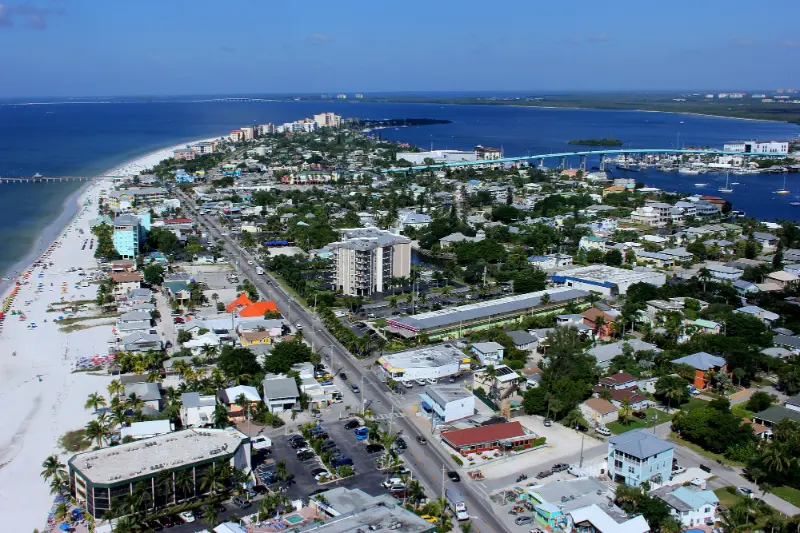
    Fort Myers Beach Florida Residential Island Aerial

    It is also a good place for travelers with different energy levels. A teenager can choose a more active experience, younger children can focus on parks or simple outdoor time, and grandparents can stay involved through scenic stops, short walks, museums, waterfront areas or meals that do not require a major physical commitment.

    My preferred way to approach the destination is to identify one anchor experience for each day, then add secondary stops only if the group still has time and energy. That simple rule prevents the most common Florida planning problem: trying to force too much into a hot, spread-out destination.

    Where to stay in Sanibel Island

    The best area is not automatically the most luxurious one. For most visitors, convenience matters more than a small difference in room quality. Look at parking fees, breakfast, pool hours, room size, elevator access, cancellation policy and the real door-to-door drive to your priority attractions.

    East End / Lighthouse side

    Best for: best for quick causeway access, lighthouse-area beaches and shorter drives to the mainland. Before booking, compare the exact route to the places you expect to visit most often. A hotel that looks close on a regional map can still create repeated driving, parking or bridge time.

    Mid-island

    Best for: practical for grocery runs, bike routes and a central position between east-end and west-end attractions. Before booking, compare the exact route to the places you expect to visit most often. A hotel that looks close on a regional map can still create repeated driving, parking or bridge time.

    West End / refuge side

    Best for: best for a quieter nature-focused stay and easier access to J.N. Ding Darling National Wildlife Refuge. Before booking, compare the exact route to the places you expect to visit most often. A hotel that looks close on a regional map can still create repeated driving, parking or bridge time.

    Family tipFor families, a refrigerator, laundry access and a pool can be more valuable than an elaborate lobby. Couples may prefer walkability and evening atmosphere. Senior travelers should check elevator availability, shower design, the distance from parking to the room and whether restaurants are reachable without crossing wide roads.

    If you are using a vacation rental, compare the full price after cleaning and service fees, read parking and occupancy rules carefully, and confirm whether beach equipment, bicycles or other advertised extras are actually included.

    Best things to do in Sanibel Island

    1. Sanibel beaches and shelling

    The island’s east-west orientation and Gulf setting make shelling part of the daily rhythm. Go with realistic expectations: conditions change with tides, weather and season. Give this stop enough time to enjoy it without immediately rushing to the next item. For mixed-age groups, it is usually better to shorten the list and leave room for breaks than to plan a full day of tightly timed stops.

    2. J.N. Ding Darling National Wildlife Refuge

    The refuge protects mangrove habitat and is central to Sanibel’s wildlife identity, with birding and scenic exploration that can be enjoyed without a strenuous hike. Give this stop enough time to enjoy it without immediately rushing to the next item. For mixed-age groups, it is usually better to shorten the list and leave room for breaks than to plan a full day of tightly timed stops.

    Flock of Flamingos at Florida Wildlife Park

    3. Bailey-Matthews National Shell Museum & Aquarium

    A useful indoor stop that gives scientific and cultural context to the shells visitors see on the beaches. Give this stop enough time to enjoy it without immediately rushing to the next item. For mixed-age groups, it is usually better to shorten the list and leave room for breaks than to plan a full day of tightly timed stops.

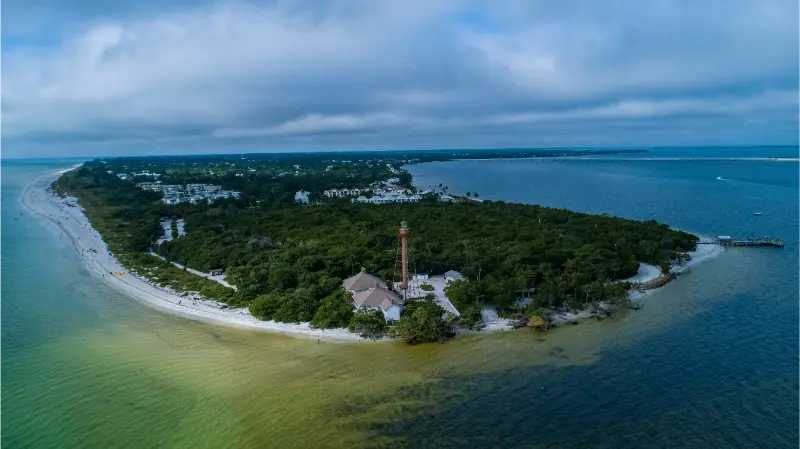
    4. Sanibel Island Lighthouse area

    The east-end lighthouse and beach create an easy first or last stop, especially for visitors crossing the causeway. Give this stop enough time to enjoy it without immediately rushing to the next item. For mixed-age groups, it is usually better to shorten the list and leave room for breaks than to plan a full day of tightly timed stops.

    5. Cycling on Sanibel

    A network of shared-use paths makes cycling one of the island’s signature ways to explore, though heat and road crossings still require attention. Give this stop enough time to enjoy it without immediately rushing to the next item. For mixed-age groups, it is usually better to shorten the list and leave room for breaks than to plan a full day of tightly timed stops.

    Nature and outdoor time

    Sanibel rewards slow observation. Rather than scheduling many attractions, leave time for tide changes, wildlife, beach walks and unplanned stops along the bike paths.

    Florida weather changes how an outdoor day feels. In warm months, the same trail or beach that is comfortable at 8:00 a.m. can feel completely different at 1:00 p.m. Use shade, water, sun protection and realistic walking distances, and check radar rather than assuming a forecast icon means an entire day will be lost.

    If wildlife is part of the experience, treat observation distance as part of the attraction rather than an inconvenience. Do not feed animals, block nesting areas or approach wildlife for a photograph. For beaches and waterways, follow posted flags, closures and local safety advice.

    Getting there and around

    A car remains useful, but once on the island, bikes can replace short trips for many visitors. Traffic can be slow at popular times, so grouping activities by area is more efficient than crossing the island repeatedly.

    When planning a Florida road trip, think in terms of actual travel time rather than map distance. Bridges, beach traffic, event crowds and parking searches can add significant time. Build at least one buffer period into each day, especially if you have a timed tour or reservation.

    For air travel, compare the total trip from the airport to your hotel rather than the flight price alone. A cheaper airport can lose its advantage once rental-car rates, tolls and a longer drive are included. If anyone in the group uses a mobility aid, confirm vehicle size before pickup.

    Best time to visit

    Winter and early spring bring comfortable weather and high demand. Summer and early fall are quieter and hotter, with greater storm awareness required.

    Florida’s peak travel periods can also include school holidays, major events and winter escapes from colder states. If your dates are fixed, book the hardest-to-replace item first: a special hotel, event ticket, campground or vacation rental. Flexible travelers can often find better value by avoiding Friday and Saturday arrivals.

    During hurricane season, keep reservations and insurance terms clear. A tropical system does not mean every Florida trip will be disrupted, but refundable or changeable bookings are valuable when uncertainty increases.

    Families, teenagers, seniors and accessibility

    With babies and toddlers

    Keep the first day simple. Choose one outdoor stop, return to the room for a nap or pool break, and avoid scheduling a long dinner after a full afternoon in the sun. Shade and access to restrooms matter more than adding another attraction.

    With school-age children

    Alternate “look and learn” attractions with something active. A museum followed by a park, a historic district followed by swimming, or a nature center followed by ice cream usually works better than three educational stops in a row.

    With teenagers

    Give teenagers a role in choosing one activity, restaurant or photo stop. Destinations feel more engaging when they have some control over the day rather than simply following an adult itinerary.

    For seniors and multigenerational groups

    Plan shorter walking loops, more seated breaks and easy meal access. Avoid treating every group member as if they have the same heat tolerance. One traveler can do a longer walk while another enjoys a shaded viewpoint, museum or cafe.

    Accessibility

    Accessible facilities can vary between beaches, historic buildings, parks and private attractions. Check current accessibility pages directly, especially for beach mats, wheelchairs, ramps, elevators, companion restrooms, sensory resources and accessible parking. Historic properties may have unavoidable stairs even when part of the visit is accessible.

    A practical 3-day Sanibel Island itinerary

    Day 1: orientation and local character

    Start with the most walkable central area and give yourself time to understand the street layout, parking and restaurant options. Choose one signature attraction for late morning or early afternoon, then keep the evening close to the hotel. The first day should establish the rhythm of the trip rather than exhaust the group.

    Day 2: the major experience

    Use the second day for the attraction or outdoor area you would be most disappointed to miss. Start early if parking or heat could become an issue. After lunch, choose a flexible secondary activity that can be shortened if weather or energy levels change.

    Day 3: nature, beach or regional extension

    Finish with a contrasting experience: if the first two days were history and dining, choose nature; if they were beach-focused, add culture or a nearby town. Keep the final afternoon light if you are driving onward, because Florida traffic often makes late-day transfers more tiring than expected.

    If you have a fourth day, use it for a larger regional day trip rather than adding more small local stops. That gives the trip a clearer structure and reduces repeated packing and hotel changes.

    Pink Flamingos at Florida Wildlife Pond

    Food and evenings

    Restaurants are spread rather than concentrated into one nightlife district. For a relaxed trip, plan groceries and a few reservation-worthy meals instead of expecting late-night options.

    For families, an early dinner often solves several problems at once: shorter waits, easier parking and a calmer bedtime. For couples, sunset or a post-dinner walk can be more memorable than adding another paid attraction.

    Do not build the entire trip around famous restaurants seen on social media. Keep one or two priority meals, then leave space for a cafe, bakery, seafood counter or casual local place you discover while walking.

    Budget and booking strategy

    Separate your budget into lodging, transport, food and paid attractions. Beach and park time may be inexpensive, but parking, rental-car costs and resort fees can change the total quickly. Always compare the final hotel price, not only the advertised nightly rate.

    For a value-focused trip, spend on location rather than on constant upgrades. A slightly more expensive room in the right area can save fuel, parking and time. Use free outdoor attractions to balance one or two paid experiences that genuinely matter to the group.

    Book time-sensitive attractions through official sellers whenever possible. If the schedule is uncertain, prioritize flexible tickets or refundable reservations. For outdoor plans, avoid paying for multiple weather-dependent activities on consecutive afternoons.

    Best day trips from Sanibel Island

    Captiva, Fort Myers Beach, downtown Fort Myers, Naples and other Southwest Florida nature areas can extend the trip.

    Keep a day trip to one main destination. A two-hour drive followed by four separate attractions and another long return is rarely a good use of vacation time. Choose one anchor experience and one meal stop, then treat anything else as optional.

    If you are moving hotels after the day trip, pack the car once in the morning and avoid returning to the old base. That turns a transfer day into a useful sightseeing day without adding another long drive.

    Mistakes to avoid

    • Booking by map distance only: bridges, parking and traffic matter as much as mileage.
    • Overloading the hottest hours: schedule outdoor priorities early and keep midday flexible.
    • Ignoring event calendars: festivals, races, holidays and school breaks can change prices and parking.
    • Assuming every beach, park or historic site has the same accessibility: verify individual facilities.
    • Planning every meal in advance: reserve only the truly important ones and leave room for discovery.
    • Forgetting weather flexibility: one indoor backup activity can rescue a stormy afternoon.

    Official resources

    Use official sources for current hours, closures, event schedules, access rules and safety information before you travel:

    Frequently asked questions

    How many days do you need in Sanibel Island?

    3–5 nights is a good first-trip target. A shorter stay works if you focus on one neighborhood or attraction, while a longer stay makes sense if you want several regional day trips.

    Do you need a car in Sanibel Island?

    For most visitors, yes. Some central areas can be explored on foot, but a car makes it much easier to connect parks, beaches, nature areas and neighboring towns.

    Is Sanibel Island good for families?

    Yes, especially when the itinerary is paced around the age of the youngest traveler. The strongest family days usually combine one structured attraction with simple outdoor time and a pool or rest break.

    Is Sanibel Island suitable for senior travelers?

    Yes. Choose lodging with easy parking and elevators, prioritize shaded or seated attractions, and keep midday heat exposure under control. Confirm accessibility directly for historic buildings and outdoor sites.

    What should first-time visitors avoid?

    Avoid trying to turn the destination into a checklist. The trip is better when you choose a convenient base, group activities geographically and leave enough time to enjoy the setting instead of driving constantly.

    Travel information can change. Always verify current hours, admission, road conditions, weather alerts, beach flags and accessibility details on official websites before departure.

  • Siesta Key Florida Travel Guide: Siesta Beach, Crescent Beach, Turtle Beach and Where to Stay

    Siesta Key Florida Travel Guide: Siesta Beach, Crescent Beach, Turtle Beach and Where to Stay

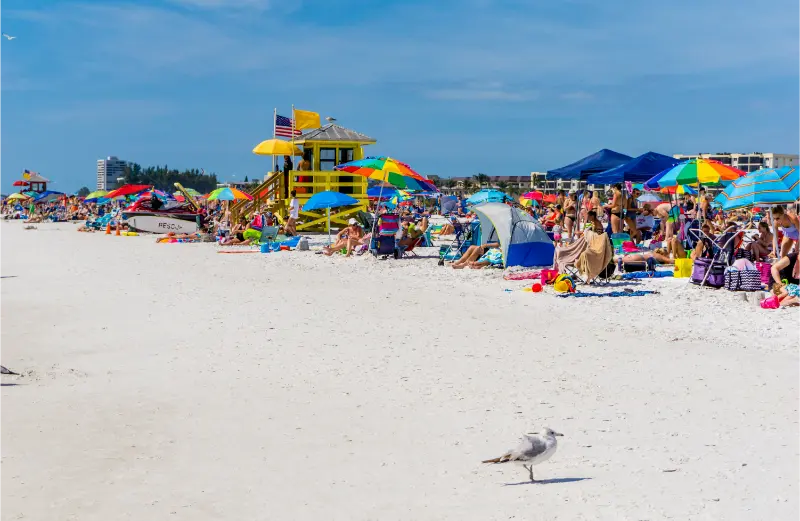
    Siesta Key is a strong choice when you want a barrier-island beach destination known for bright quartz sand, a relaxed village atmosphere and several beaches with distinct personalities. It is not a destination that requires a packed checklist to feel worthwhile. The better approach is to identify the one or two experiences that matter most to your group, choose a convenient base, and leave enough open time to enjoy the local pace.

    For a first visit, I would plan around 3–5 nights. That gives you enough time to understand the area without turning the trip into a sequence of parking lots and short photo stops. Siesta Key is especially well suited to families, couples, beach lovers, multigenerational groups and travelers who want a Gulf beach base close to Sarasota culture.

    This guide focuses on practical trip design: where to stay, what deserves priority, how much driving to expect, how to adapt the trip for children or older travelers, and how to connect Siesta Key with the rest of Sarasota Gulf Coast. Hours, admission policies, road conditions and event schedules can change, so always confirm time-sensitive details on official sites before the day of your visit.

    Quick planning summary

    • Recommended stay: 3–5 nights for a balanced first visit.
    • Best for: families, couples, beach lovers, multigenerational groups and travelers who want a Gulf beach base close to Sarasota culture.
    • Main strength: a barrier-island beach destination known for bright quartz sand, a relaxed village atmosphere and several beaches with distinct personalities.
    • Transport: a car is usually the easiest way to combine the destination with surrounding attractions, even when the central district itself is walkable.
    • Best planning rule: organize each day by area instead of zig-zagging across the region.

    In this guide

    Why visit Siesta Key?

    Siesta Key works because it gives a Florida trip a different rhythm from the state’s biggest resort corridors. You can still build full sightseeing days, but you do not need to. The destination rewards slower mornings, one substantial activity, a relaxed lunch and enough time for the setting itself.

    That makes it particularly useful in a longer Florida itinerary. After several intense theme-park, city or driving days, a stop in Siesta Key can reset the pace without feeling like a “nothing day.” The experience is still specific to Sarasota Gulf Coast, but the pressure to maximize every hour is lower.

    Siesta Key Florida Turquoise Water Aerial

    It is also a good place for travelers with different energy levels. A teenager can choose a more active experience, younger children can focus on parks or simple outdoor time, and grandparents can stay involved through scenic stops, short walks, museums, waterfront areas or meals that do not require a major physical commitment.

    My preferred way to approach the destination is to identify one anchor experience for each day, then add secondary stops only if the group still has time and energy. That simple rule prevents the most common Florida planning problem: trying to force too much into a hot, spread-out destination.

    Where to stay in Siesta Key

    The best area is not automatically the most luxurious one. For most visitors, convenience matters more than a small difference in room quality. Look at parking fees, breakfast, pool hours, room size, elevator access, cancellation policy and the real door-to-door drive to your priority attractions.

    Siesta Key Village / north end

    Best for: best for walkability to restaurants, nightlife and quick access to Siesta Beach. Before booking, compare the exact route to the places you expect to visit most often. A hotel that looks close on a regional map can still create repeated driving, parking or bridge time.

    Mid-key / Crescent Beach

    Best for: good for a quieter condo-style stay and access to Point of Rocks. Before booking, compare the exact route to the places you expect to visit most often. A hotel that looks close on a regional map can still create repeated driving, parking or bridge time.

    South Siesta / Turtle Beach

    Best for: best for travelers who prefer a more relaxed setting, boating access and less emphasis on village nightlife. Before booking, compare the exact route to the places you expect to visit most often. A hotel that looks close on a regional map can still create repeated driving, parking or bridge time.

    Family tipFor families, a refrigerator, laundry access and a pool can be more valuable than an elaborate lobby. Couples may prefer walkability and evening atmosphere. Senior travelers should check elevator availability, shower design, the distance from parking to the room and whether restaurants are reachable without crossing wide roads.

    If you are using a vacation rental, compare the full price after cleaning and service fees, read parking and occupancy rules carefully, and confirm whether beach equipment, bicycles or other advertised extras are actually included.

    Best things to do in Siesta Key

    1. Siesta Beach

    The island’s most famous beach combines broad white quartz sand with extensive public facilities, making it especially practical for first-time visitors and families. Give this stop enough time to enjoy it without immediately rushing to the next item. For mixed-age groups, it is usually better to shorten the list and leave room for breaks than to plan a full day of tightly timed stops.

    Siesta Beach Florida Welcome Sign

    2. Crescent Beach and Point of Rocks

    Crescent Beach is generally quieter than the main public beach, while Point of Rocks adds one of the island’s best-known snorkeling and marine-life areas when conditions are suitable. Give this stop enough time to enjoy it without immediately rushing to the next item. For mixed-age groups, it is usually better to shorten the list and leave room for breaks than to plan a full day of tightly timed stops.

    3. Turtle Beach

    The southern beach has a different feel, darker shellier sand and useful facilities for travelers who want a change from Siesta Beach. Give this stop enough time to enjoy it without immediately rushing to the next item. For mixed-age groups, it is usually better to shorten the list and leave room for breaks than to plan a full day of tightly timed stops.

    4. Siesta Key Village

    Restaurants, shops and casual nightlife make the village the island’s main evening hub. Give this stop enough time to enjoy it without immediately rushing to the next item. For mixed-age groups, it is usually better to shorten the list and leave room for breaks than to plan a full day of tightly timed stops.

    5. Sarasota cultural day

    The Ringling, downtown Sarasota, St. Armands Circle and botanical attractions can turn a beach trip into a more varied vacation. Give this stop enough time to enjoy it without immediately rushing to the next item. For mixed-age groups, it is usually better to shorten the list and leave room for breaks than to plan a full day of tightly timed stops.

    Nature and outdoor time

    The island is built around beach time, but paddling, fishing, cycling and sunset walks add variety. Always treat surf, lightning and heat conditions as day-by-day decisions.

    Florida weather changes how an outdoor day feels. In warm months, the same trail or beach that is comfortable at 8:00 a.m. can feel completely different at 1:00 p.m. Use shade, water, sun protection and realistic walking distances, and check radar rather than assuming a forecast icon means an entire day will be lost.

    If wildlife is part of the experience, treat observation distance as part of the attraction rather than an inconvenience. Do not feed animals, block nesting areas or approach wildlife for a photograph. For beaches and waterways, follow posted flags, closures and local safety advice.

    Getting there and around

    Parking at the most popular beach access points can fill during peak periods. Staying close to the beach, using the island trolley where practical and avoiding repeated car movements can make the trip much easier.

    When planning a Florida road trip, think in terms of actual travel time rather than map distance. Bridges, beach traffic, event crowds and parking searches can add significant time. Build at least one buffer period into each day, especially if you have a timed tour or reservation.

    For air travel, compare the total trip from the airport to your hotel rather than the flight price alone. A cheaper airport can lose its advantage once rental-car rates, tolls and a longer drive are included. If anyone in the group uses a mobility aid, confirm vehicle size before pickup.

    Best time to visit

    Late fall through spring offers the most comfortable walking weather but also stronger demand. Summer is hot and humid, with warmer water and a greater need for shade and storm flexibility.

    Florida’s peak travel periods can also include school holidays, major events and winter escapes from colder states. If your dates are fixed, book the hardest-to-replace item first: a special hotel, event ticket, campground or vacation rental. Flexible travelers can often find better value by avoiding Friday and Saturday arrivals.

    During hurricane season, keep reservations and insurance terms clear. A tropical system does not mean every Florida trip will be disrupted, but refundable or changeable bookings are valuable when uncertainty increases.

    Families, teenagers, seniors and accessibility

    With babies and toddlers

    Keep the first day simple. Choose one outdoor stop, return to the room for a nap or pool break, and avoid scheduling a long dinner after a full afternoon in the sun. Shade and access to restrooms matter more than adding another attraction.

    With school-age children

    Alternate “look and learn” attractions with something active. A museum followed by a park, a historic district followed by swimming, or a nature center followed by ice cream usually works better than three educational stops in a row.

    With teenagers

    Give teenagers a role in choosing one activity, restaurant or photo stop. Destinations feel more engaging when they have some control over the day rather than simply following an adult itinerary.

    For seniors and multigenerational groups

    Plan shorter walking loops, more seated breaks and easy meal access. Avoid treating every group member as if they have the same heat tolerance. One traveler can do a longer walk while another enjoys a shaded viewpoint, museum or cafe.

    Accessibility

    Accessible facilities can vary between beaches, historic buildings, parks and private attractions. Check current accessibility pages directly, especially for beach mats, wheelchairs, ramps, elevators, companion restrooms, sensory resources and accessible parking. Historic properties may have unavoidable stairs even when part of the visit is accessible.

    A practical 3-day Siesta Key itinerary

    Day 1: orientation and local character

    Start with the most walkable central area and give yourself time to understand the street layout, parking and restaurant options. Choose one signature attraction for late morning or early afternoon, then keep the evening close to the hotel. The first day should establish the rhythm of the trip rather than exhaust the group.

    Day 2: the major experience

    Use the second day for the attraction or outdoor area you would be most disappointed to miss. Start early if parking or heat could become an issue. After lunch, choose a flexible secondary activity that can be shortened if weather or energy levels change.

    Day 3: nature, beach or regional extension

    Finish with a contrasting experience: if the first two days were history and dining, choose nature; if they were beach-focused, add culture or a nearby town. Keep the final afternoon light if you are driving onward, because Florida traffic often makes late-day transfers more tiring than expected.

    If you have a fourth day, use it for a larger regional day trip rather than adding more small local stops. That gives the trip a clearer structure and reduces repeated packing and hotel changes.

    Food and evenings

    Siesta Key Village is easiest for a lively evening, while the south end is quieter. Sarasota expands the dining choice considerably when you want a break from the island.

    For families, an early dinner often solves several problems at once: shorter waits, easier parking and a calmer bedtime. For couples, sunset or a post-dinner walk can be more memorable than adding another paid attraction.

    Do not build the entire trip around famous restaurants seen on social media. Keep one or two priority meals, then leave space for a cafe, bakery, seafood counter or casual local place you discover while walking.

    Budget and booking strategy

    Separate your budget into lodging, transport, food and paid attractions. Beach and park time may be inexpensive, but parking, rental-car costs and resort fees can change the total quickly. Always compare the final hotel price, not only the advertised nightly rate.

    For a value-focused trip, spend on location rather than on constant upgrades. A slightly more expensive room in the right area can save fuel, parking and time. Use free outdoor attractions to balance one or two paid experiences that genuinely matter to the group.

    Book time-sensitive attractions through official sellers whenever possible. If the schedule is uncertain, prioritize flexible tickets or refundable reservations. For outdoor plans, avoid paying for multiple weather-dependent activities on consecutive afternoons.

    Best day trips from Siesta Key

    Sarasota, St. Armands Circle, Venice, Myakka River State Park and Anna Maria Island can all be added to a longer stay.

    Keep a day trip to one main destination. A two-hour drive followed by four separate attractions and another long return is rarely a good use of vacation time. Choose one anchor experience and one meal stop, then treat anything else as optional.

    If you are moving hotels after the day trip, pack the car once in the morning and avoid returning to the old base. That turns a transfer day into a useful sightseeing day without adding another long drive.

    Mistakes to avoid

    • Booking by map distance only: bridges, parking and traffic matter as much as mileage.
    • Overloading the hottest hours: schedule outdoor priorities early and keep midday flexible.
    • Ignoring event calendars: festivals, races, holidays and school breaks can change prices and parking.
    • Assuming every beach, park or historic site has the same accessibility: verify individual facilities.
    • Planning every meal in advance: reserve only the truly important ones and leave room for discovery.
    • Forgetting weather flexibility: one indoor backup activity can rescue a stormy afternoon.
    • Sarasota and Siesta Key Travel Guide
    • Central West Florida Travel Guide
    • Florida Gulf Coast Road Trip
    • Best Florida Beaches for Families
    • Florida Beach Vacation Guide

    Official resources

    Use official sources for current hours, closures, event schedules, access rules and safety information before you travel:

    Frequently asked questions

    How many days do you need in Siesta Key?

    3–5 nights is a good first-trip target. A shorter stay works if you focus on one neighborhood or attraction, while a longer stay makes sense if you want several regional day trips.

    Do you need a car in Siesta Key?

    For most visitors, yes. Some central areas can be explored on foot, but a car makes it much easier to connect parks, beaches, nature areas and neighboring towns.

    Is Siesta Key good for families?

    Yes, especially when the itinerary is paced around the age of the youngest traveler. The strongest family days usually combine one structured attraction with simple outdoor time and a pool or rest break.

    Is Siesta Key suitable for senior travelers?

    Yes. Choose lodging with easy parking and elevators, prioritize shaded or seated attractions, and keep midday heat exposure under control. Confirm accessibility directly for historic buildings and outdoor sites.

    What should first-time visitors avoid?

    Avoid trying to turn the destination into a checklist. The trip is better when you choose a convenient base, group activities geographically and leave enough time to enjoy the setting instead of driving constantly.

    Travel information can change. Always verify current hours, admission, road conditions, weather alerts, beach flags and accessibility details on official websites before departure.

  • Southwest Florida Travel Guide: Naples, Fort Myers, Sanibel, Captiva, Marco Island and the Gulf Coast

    Southwest Florida Travel Guide: Naples, Fort Myers, Sanibel, Captiva, Marco Island and the Gulf Coast

    Southwest Florida is best understood as a region rather than a checklist of famous stops. Its strongest mix is Gulf beaches, shelling, wildlife, boating, relaxed resort towns, Everglades gateways and winter sunshine. A first-time visitor can build a satisfying trip by choosing one or two bases, then using day trips to add contrast instead of changing hotels every night.

    I would start by deciding whether the trip is mainly about coast, nature, cities, attractions or a combination. Good bases include Naples, Marco Island, Fort Myers area, Sanibel/Captiva or a split stay. The distances are manageable when the itinerary follows one direction, but they become tiring when the same highways are repeated every day. The options suit couples, families, teenagers, senior travelers and multigenerational groups, with practical attention to accessibility and pacing.

    Quick planning summary

    • Best for: Gulf beaches, shelling, wildlife, boating, relaxed resort towns, Everglades gateways and winter sunshine.
    • Best bases: Naples, Marco Island, Fort Myers area, Sanibel/Captiva or a split stay.
    • Recommended stay: 4–7 nights for one part of the region; 7–10 nights for a broader road trip.
    • Transport: a car is usually the easiest option outside compact downtowns and selected rail corridors.
    • Best planning rule: choose fewer bases and spend more time actually experiencing each place.

    In this guide

    Naples: beaches, dining and a polished base

    Naples combines Gulf beaches with a walkable dining and shopping core, attractive neighborhoods and access to preserves. It is a strong choice for couples, senior travelers and multigenerational families who value comfortable infrastructure. Beach parking and access vary, so the ideal hotel depends on whether evenings or early beach time matters more.

    A central hotel can reduce dinner driving, while a beachfront property can justify its price for travelers who want daily sand time. Compare resort fees and parking before judging the nightly rate. For a regional trip, the practical question is not how many stops can fit on a map but how much time the group wants to spend outside the car. Cluster attractions by base, preserve one lighter half-day, and avoid moving hotels simply to save a short drive. This matters for families with small children, senior travelers and anyone who values relaxed evenings.

    Marco Island and Ten Thousand Islands

    Marco Island has a resort-oriented beach environment and easy access to boat trips into the Ten Thousand Islands. The surrounding waters are ideal for travelers interested in dolphins, mangroves, shelling and fishing. The island itself is more spread out than a compact historic town, so accommodation location influences how much driving is needed.

    Marco Island Florida Resort Community Aerial

    For boat days, keep the schedule flexible around wind and storms. Wildlife encounters should be treated as possibilities rather than guaranteed performances. Road-trip distances in Florida can be deceptive because bridges, beach traffic, weather and urban congestion change the real journey. I would plan around realistic door-to-door time, include a food or restroom stop, and keep a second nearby option for days when thunderstorms or capacity limits alter the original plan.

    Fort Myers and the river corridor

    Fort Myers provides museums, historic estates, a riverfront setting and practical services for the wider region. It is not the same experience as Fort Myers Beach, which is a separate barrier-island destination. The city can be an efficient base for travelers who want day trips in several directions.

    Before you goCheck current conditions and reconstruction status for specific coastal businesses or access points because Southwest Florida continues to evolve after major storms. Use official local sources close to travel dates. Accommodation location has a larger effect on the experience than a small difference in room price. Compare parking, resort fees, breakfast, laundry, kitchen facilities and the first drive of the morning. A well-located base often reduces both cost and fatigue over several days.

    Sanibel and Captiva

    Sanibel and Captiva are known for shelling, wildlife, cycling and a low-rise island atmosphere. Their appeal is strongest for travelers who enjoy mornings outdoors and quieter evenings rather than a dense nightlife scene. J.N. “Ding” Darling National Wildlife Refuge is a major nature anchor.

    Cycling can be excellent, but heat and afternoon storms affect comfort. Verify current refuge, beach and business operations, and respect live-shelling and wildlife rules. Outdoor days are easiest when they start earlier, especially in warm months. Use midday for museums, lunch, pools or rest, then return outside later when conditions improve. Florida weather can change quickly, so a flexible sequence is usually better than a rigid hour-by-hour plan.

    Everglades gateways from the west

    Southwest Florida offers access to the western Everglades and Big Cypress through Everglades City, Chokoloskee and the Tamiami Trail corridor. Boat tours, paddling and scenic drives reveal a different side of the ecosystem from the Miami approaches. Distances are significant enough that these outings deserve a full day.

    Choose experiences based on water level, season and mobility. Bring insect protection and sun protection, and do not build the plan around guaranteed wildlife sightings. When an activity depends on wildlife, water, launches, ferries or park capacity, treat the schedule as conditional. Verify the responsible agency or operator shortly before travel and plan a nearby alternative that would still make the day worthwhile.

    Beaches, shelling and Gulf conditions

    Southwest Florida beaches often appeal to families because Gulf wave energy can be lower than on exposed Atlantic beaches, but calm-looking water can still have currents, lightning and marine hazards. Shelling is a major draw on islands and passes, especially after tides and weather events.

    Never collect live animals or enter protected areas for shells. Check local beach advisories and understand that red tide or other water-quality conditions can affect individual areas at times. For a regional trip, the practical question is not how many stops can fit on a map but how much time the group wants to spend outside the car. Cluster attractions by base, preserve one lighter half-day, and avoid moving hotels simply to save a short drive. This matters for families with small children, senior travelers and anyone who values relaxed evenings.

    How long to spend in Southwest Florida

    Four nights can support one base and a couple of day trips; a week allows a more relaxed split between Naples/Marco and Fort Myers/Sanibel. A ten-day Gulf trip can add Sarasota or Tampa farther north. The region is best when daily driving is kept modest and sunsets are treated as part of the schedule.

    Sanibel Island Florida Mangrove Coast Aerial

    Leave at least one unscheduled half-day. Boat conditions, beach weather and wildlife activity can shift, and flexibility often turns a disappointing forecast into a better indoor or inland day. Road-trip distances in Florida can be deceptive because bridges, beach traffic, weather and urban congestion change the real journey. I would plan around realistic door-to-door time, include a food or restroom stop, and keep a second nearby option for days when thunderstorms or capacity limits alter the original plan.

    Families, seniors and accessibility

    Southwest Florida can work extremely well for mixed-age trips if the day has one shared highlight rather than a long sequence of mandatory stops. Families with babies and toddlers benefit from short transfers, reliable restrooms, shade and accommodation where naps do not end the day. Teenagers often enjoy having one active or self-selected element such as surfing, kayaking, a sports event, shopping or a theme-park attraction. Senior travelers may prefer scenic drives, boat tours, museums and shorter walking loops.

    Accessibility should be checked at the level of the specific beach access, park, museum, boat, trail and hotel. A destination can be broadly accessible while one dune crossing, historic building or temporary route is not. Verify step-free access, beach mats or wheelchairs, elevators, accessible restrooms and parking directly when these features are essential. Build extra transition time into multigenerational days so the group does not have to move at the pace of its fastest member.

    Best time to visit

    The best season for Southwest Florida depends on the trip. Winter and early spring often bring comfortable outdoor weather but can also bring higher demand in popular coastal areas. Late spring can offer warm beach conditions before the most humid period. Summer is useful for school-holiday travel but requires earlier outdoor starts, frequent hydration and realistic thunderstorm backups. Fall can be quieter, but tropical-weather risk remains part of planning through hurricane season.

    Do not reduce the decision to a single statewide temperature chart. North Florida can feel much cooler than Miami in winter, Gulf and Atlantic water conditions differ, and inland afternoons can feel hotter than breezy beaches. For trips built around swimming, wildlife, fishing or festivals, check the seasonal pattern for that specific activity as well as the general weather.

    Getting around and airports

    A rental car is the most flexible way to explore Southwest Florida because many beaches, springs, preserves and small towns are not connected by frequent regional transit. In cities, however, parking can be expensive or inconvenient, so rideshare, trolleys, local buses or walking may be better for individual days. Build tolls, parking and one-way rental fees into the transport budget rather than treating the advertised car rate as the total cost.

    For flights, compare the airport closest to the first and last hotel rather than choosing solely by airfare. A cheaper flight that lands several hours from the actual destination may require an extra rental day, fuel and a tiring final drive. If the itinerary is linear, an open-jaw flight or one-way rental can sometimes save more time than it costs.

    Where to stay

    The strongest bases for Southwest Florida include Naples, Marco Island, Fort Myers area, Sanibel/Captiva or a split stay. Beachfront lodging is valuable when sunrise, sand access and midday breaks are central to the trip. A downtown hotel is usually better when restaurants, museums and evening walks matter more. Vacation rentals can be useful for families and longer stays, but compare cleaning fees, parking, cancellation terms and legal occupancy rules before deciding they are cheaper.

    For a regional road trip, two well-chosen bases usually beat five one-night stops. Unpacking less often protects morning time and gives the group a place to recover after a long outdoor day. I would change hotels only when it removes a substantial drive or creates a genuinely different experience, not simply because another town appears on the route.

    A realistic 5-day regional itinerary

    Day 1: arrive and explore Naples: beaches, dining and a polished base at an easy pace. Day 2: give the main beach, park or signature attraction a full day. Day 3: use Marco Island and Ten Thousand Islands for a contrasting experience. Day 4: choose Fort Myers and the river corridor or another nature-focused excursion. Day 5: finish with Sanibel and Captiva, a relaxed meal and departure without adding a distant final stop.

    If the trip lasts a week, add one unstructured weather day and one smaller town or wildlife area. If it lasts only three nights, remove a destination rather than compressing all five days. A successful regional itinerary should have enough space for a beach morning to run long, a child to need a nap, or a storm to push an outdoor plan to the following day.

    Budget and booking strategy

    The biggest cost variables are usually accommodation location, school-holiday timing, theme-park or attraction tickets, rental cars and restaurant frequency. Save by choosing the right base first, then compare a room with breakfast or kitchen facilities against a lower headline rate. Free beaches, state parks, downtown walks, scenic drives and wildlife areas can balance expensive attractions without making the trip feel cheap.

    Reserve genuinely capacity-limited experiences early, but avoid prepaying every hour of the trip. Check cancellation terms for hurricane season and for trips built around boat excursions. Prices, parking systems and reservation rules can change, so confirm the official source shortly before payment when a detail materially affects the budget.

    Common mistakes to avoid

    • Trying to cover the entire region from one hotel when the daily drive becomes repetitive.
    • Judging beach safety only by how calm the water looks.
    • Scheduling every outdoor activity for the hottest part of the afternoon.
    • Assuming every spring, refuge, ferry or boat tour operates the same way year-round.
    • Choosing accommodation by price without adding parking, resort fees and transport.
    • Planning wildlife encounters as guaranteed sightings.
    • Ignoring a weather backup and then losing a full day to thunderstorms.

    Naples travel guide, Fort Myers, Sanibel and Captiva guide, Marco Island travel guide, Florida Gulf Coast road trip, Florida wildlife guide.

    Official resources to check

    Opening hours, prices, event calendars, park capacity, water access, ferry or tour operations and storm-related conditions can change. Verify any detail that is essential to the trip with the responsible agency, attraction, accommodation or operator shortly before travel.

    Final advice

    Southwest Florida is most rewarding when the itinerary reflects what the region does best instead of trying to imitate another part of Florida. Choose a base that matches the group, protect the mornings for the experiences that matter most, and leave enough unscheduled time for weather and discovery. A slower regional trip usually creates better memories than a statewide checklist completed from the car.