Category: Southwest Florida

  • Sarasota vs Naples: Which Florida Gulf Coast Vacation Suits Couples and Senior Travelers?

    Sarasota vs Naples: Which Florida Gulf Coast Vacation Suits Couples and Senior Travelers?

    Sarasota and Naples are two attractive Gulf Coast bases for travelers who want more than time on the sand. Both have galleries, gardens, restaurants and nearby nature, yet their scale, cultural offerings and day-trip geography differ. Sarasota is closely associated with its arts scene, Siesta Key and visits toward Venice or Longboat Key. Naples has an elegant downtown environment, botanical attractions and proximity to parts of southwest Florida’s natural landscapes. The better place is not always the more famous one. Couples, retirees, three-generation groups and travelers with limited stamina can make a much better choice by comparing how each destination works hour by hour rather than by chasing a general ranking.

    Quick decision table

    CompareOption AOption B / planning note
    Main strengthSarasota: arts and several keysNaples: downtown and southwest nature
    Cultural dayThe Ringling and Selby GardensNaples Botanical Garden and local arts
    Likely airportSRQ plus other regional optionsRSW plus other regional options

    The character of Sarasota in practice

    Sarasota is a city with a significant cultural identity as well as coastal access. The Ringling, performing arts venues and Marie Selby Botanical Gardens are examples of experiences that can fill a day without setting foot on the beach. Siesta Key, Lido Key and Longboat Key are different coastal areas rather than one continuous, interchangeable strip of hotel frontage. That variety is a strength for someone who wants two museum days, two beach days and perhaps a garden visit. It also means a hotel in downtown Sarasota may not put you within walking distance of Siesta Key’s sand. Build plans around specific addresses, bridges and parking arrangements so the itinerary remains comfortable.

    The character of Naples in practice

    Naples has a compact-feeling downtown shopping and dining identity along with access to Gulf beaches and botanical attractions. The broader area contains very different settings, from resort corridors and residential neighborhoods to parks and routes toward Everglades City. If you want to dine in a pleasant downtown district and enjoy relaxed afternoons, Naples can work well. Nevertheless, the name ‘Naples’ on a hotel listing covers a considerable area, and a roadside property may require driving to the places shown in promotional photographs. Naples should not be marketed as universally uncrowded or affordable; winter demand and desirable beach locations can be expensive. Check current beach entrances and any remaining storm-recovery work rather than trusting old travel photos.

    Which has the stronger arts and museum program?

    Sarasota often stands out for travelers who genuinely want multiple cultural visits. The Ringling’s museum campus, theater history and collections can occupy substantial time, while other institutions and performances create options for an extended stay. Naples also offers arts and cultural organizations, exhibitions and a lively seasonal program, but travelers seeking a varied list of established art institutions in a single city may find Sarasota easier to organize. Don’t assume every venue is open every day, or that a particular performance runs year-round. Verify the exhibition calendar and accessibility of the exact building you plan to visit. A couple who loves art can build a four-night Sarasota vacation without relying on perfect beach weather.

    Botanical gardens and quiet outdoor experiences

    Both areas have appealing gardens: Marie Selby Botanical Gardens in Sarasota and Naples Botanical Garden are two major examples with different landscapes and programming. Gardens are ideal when you want an outdoor outing with rest areas and educational interest, though heat and distance still matter. For a traveler using a cane or wheelchair, inquire about the actual route, mobility rental policies and accessible toilets before buying tickets. Arrive earlier in hot months, take water and avoid rushing through every section. Naples also serves as a gateway to wildlife viewing areas farther south, while Sarasota can be combined with Myakka River State Park or nearby coastal preserves. Those larger parks require separate access and weather planning, not a casual assumption that everything is next door.

    Sarasota beaches compared with Naples beaches

    Sarasota County includes prominent beaches such as Siesta Key, known for fine white sand, while Naples provides Gulf views and a range of municipal or county-managed beach entrances. The experience varies by the section you choose, current conditions and parking. A beach can be stunning yet impractical for someone who cannot walk far through deep sand. Find a boardwalk, nearby toilets and legitimate parking or a hotel entrance that minimizes carrying equipment. Water clarity, tides and red tide conditions are variable; no destination can promise calm or clean conditions on your dates. For families with children, lifeguard arrangements, shade, and easy access to the hotel are more important than an online ‘top ten beaches’ ranking.
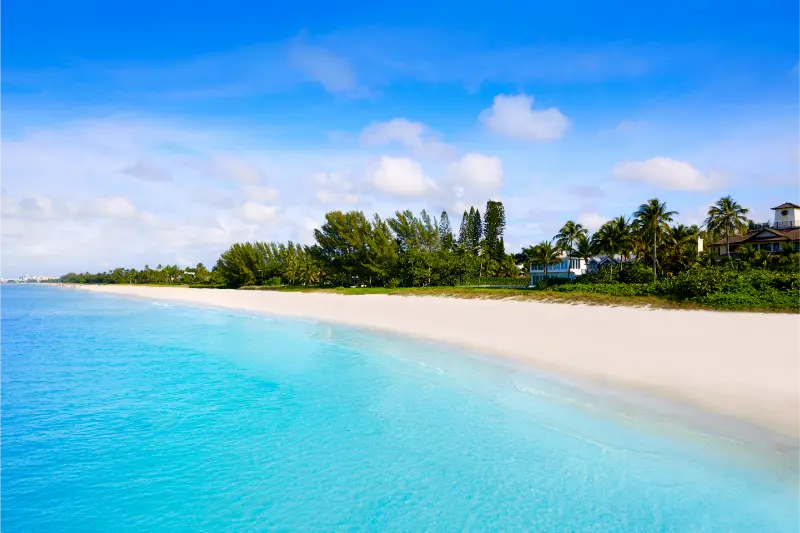
    Naples Beach Florida Sand and Turquoise Water

    Which city is a better fit for people over seventy?

    Either can be a comfortable choice, but assess your group’s actual mobility and health needs. An older traveler who loves museums and short indoor visits may favor Sarasota; someone who enjoys gardens, downtown meals and slower coastal days may favor Naples. Do not assume age determines someone’s interests, or that every senior traveler wants quiet nights. Ask about room location, elevator access, walk-in shower specifications, seating at restaurants and the distance from parking to attractions. A hotel with a beautiful view and an inconvenient corridor may be less useful than one with an easily navigated entrance. Try a balanced day with one activity, one meal out and a genuine chance to rest.

    A couple in their thirties might decide differently

    Sarasota can appeal to couples who like performances, galleries, independent dining and the option to visit several barrier islands. Naples offers a different mix of restaurants, art events, boutique shopping and quiet nature excursions. Rather than relying on stereotypes that one place is ‘young’ and the other ‘old,’ compare the actual event calendar. A live concert, exhibition or food market may make one destination more attractive for the week you travel. If you want nightlife every evening, inspect closing times and transport rather than assuming any downtown maintains the same energy after midnight. Each destination has a relaxed Gulf Coast identity, but your choice should come from the type of evenings and days you enjoy.

    Airports, transfers and how much driving is required

    Sarasota Bradenton International Airport (SRQ) serves the Sarasota area, and Southwest Florida International Airport (RSW) is a common gateway for Naples. Tampa and other airports may also have suitable flights, but an apparently cheaper fare can be offset by a longer transfer. Compare the ticket price plus bags, ground transfer, rental car and fuel. Within both cities, visiting several beaches, parks and districts is often much easier with a car, unless you stay in a highly convenient neighborhood and limit outings. If mobility or driving after dark is difficult, arrange an airport pickup and choose accommodation near your main activities. Airports should be part of the decision from the beginning, not an afterthought once the room is paid for.

    Accommodation: the right part of town matters

    Downtown Sarasota suits museum and restaurant outings, while barrier-island hotels prioritize beach access. Naples has its own central shopping and dining areas, resort properties and less central accommodations. Research parking, resort fees and room layout. A kitchen can make a week comfortable for travelers who prefer breakfast at home, while a full-service hotel can reduce chores and luggage. If traveling with grandchildren, ask how the property handles connecting rooms, pools, extra beds and quiet hours. Be especially cautious of listings that describe a property as ‘steps from the beach’ when it is actually across a busy road or far from a legally accessible entrance. Choose a location that matches your daily routine rather than one featured in an attractive aerial photograph.

    Budget: compare four-day scenarios, not broad averages

    Create two sample itineraries for the same four nights. Include actual accommodation totals, transportation, two paid attractions, meals and beach parking. Sarasota might require driving between the city and Siesta Key, while Naples can also involve trips away from the central dining district to beaches or parks. A museum-focused vacation may include higher ticket spending, while a beach-focused trip may require chair rentals and parking. Prices change by season and event dates. A flexible visit in a quieter period can be more affordable than traveling during winter peaks, but hurricane-season weather risk must be weighed. The most transparent budget makes optional expenses optional and reserves money for contingencies.

    Four days in Sarasota for arts and coastal variety

    On day one, settle near downtown or your chosen beach and enjoy an easy meal. Dedicate day two to The Ringling or another current cultural venue rather than attempting several museums at once. Day three can focus on Marie Selby Botanical Gardens followed by an early dinner, leaving time for a comfortable midday rest. Use day four for a beach morning on your preferred key, checking access and weather, or for a short neighborhood walk if surf conditions are poor. Travelers who enjoy performances can replace one evening with a confirmed ticketed event. This plan avoids claiming that every local attraction is within a short stroll of the hotel, and it can be adapted for families with younger children.

    Four days in Naples for gardens and Gulf views

    Arrive and keep the first day free from ambitious touring. Set aside day two for Naples Botanical Garden or another chosen outdoor destination, starting early and taking plenty of breaks. Day three can include a relaxed beach visit and a meal in a downtown area with confirmed accessible parking. Make the fourth day a flexible cultural or nature excursion, depending on weather and energy; a distant Everglades outing should be a conscious, separate plan rather than an impulsive side trip. If the group prefers short walks, select one principal destination each day. Couples wanting a fuller schedule can add a boat tour after checking seasickness, boarding and weather arrangements; no water-based activity is obligatory.
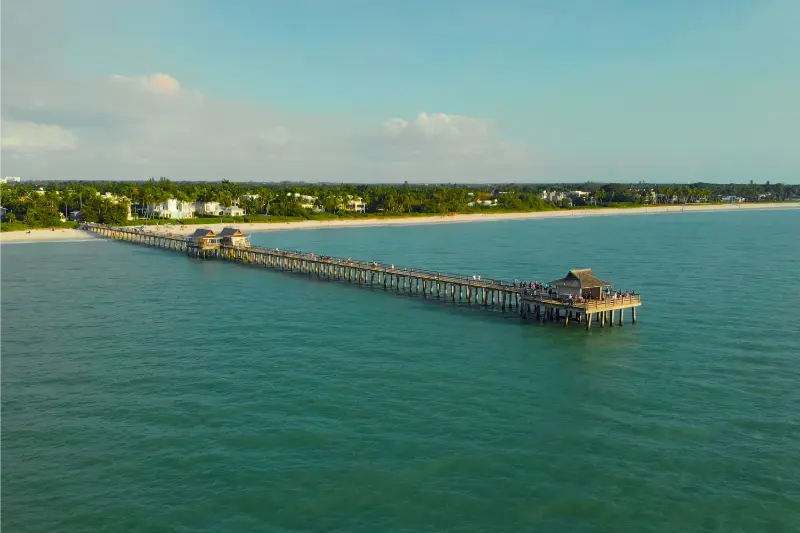
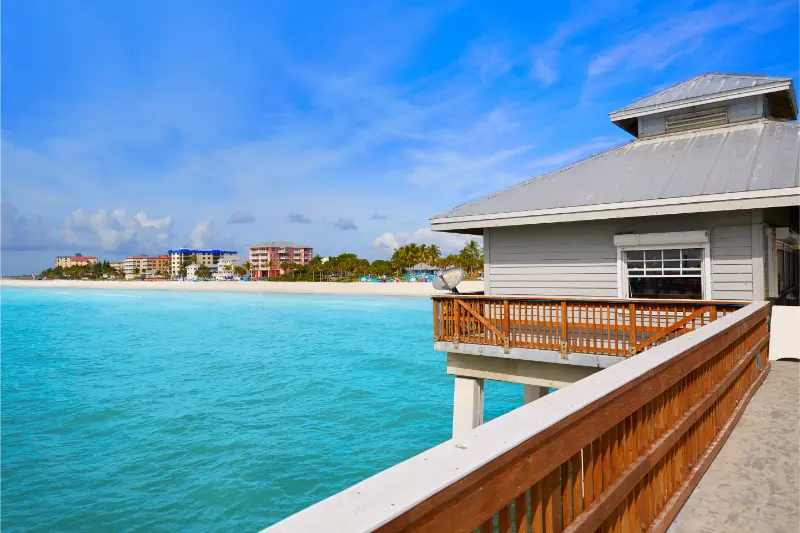
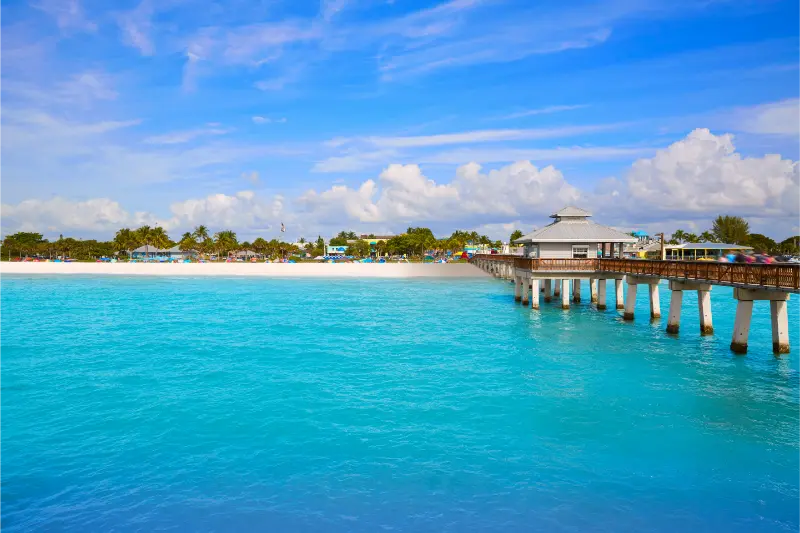
    Naples Pier Florida at Sunset

    What changes in summer, winter and storm season?

    Winter is often appealing for outdoor walking and cultural events, but accommodation demand can be high in both places. Summer brings humidity, afternoon storms and heat-related concerns, especially during garden visits and long beach days. Hurricane season runs from June through November; cancellation flexibility, official forecasts and the possibility of coastal disruption matter more than generalized predictions. Plan a museum or indoor attraction for any day that becomes unsuitable for outdoor activity. Older visitors and those with health concerns should consult their medical team about personal travel needs, but a travel guide cannot assess anyone’s fitness. For all ages, schedule outdoor activity early, protect against the sun and adapt quickly to lightning warnings.

    Day trips: which direction interests you?

    From Sarasota, nearby Bradenton, Longboat Key and Venice expand your choices, with travel times influenced by traffic and bridge approaches. From Naples, nature outings toward the western Everglades, Marco Island and inland preserves offer different experiences, sometimes with limited public facilities. Choose based on the experience itself: fossil beaches, botanical landscapes, galleries, wildlife viewing or a quiet café. Do not pack several faraway stops into one short day merely because they fall within the same county. For a first visit, one memorable destination is better than four rushed photo opportunities. Check the current state of boardwalks and coastal parks after significant storms.

    A decision you can make in ten minutes

    Put two hotel addresses, two flights and four activities on one sheet. Ask whether cultural institutions or Gulf-side relaxation will fill most of the hours. Choose Sarasota if museums and arts are central, or Naples if the type of downtown and southwest Florida nature excursions fits better. Then look for counterexamples: a Naples museum you particularly want or a Sarasota resort offering the perfect accessible room can legitimately change the answer. The best place is the one where your group can actually enjoy its interests at a sustainable pace. Age should inform comfort needs but never dictate the itinerary by itself.

    Sources for up-to-date visits

    The official Visit Sarasota County guide and Naples, Marco Island and the Everglades visitor site are useful starting points for event calendars and local areas. Verify admission and mobility services directly with The Ringling and Naples Botanical Garden. Coastal conditions, closures and rates should always be checked again for your dates.

    Frequently asked questions

    Which is better if I do not plan to rent a car?

    Select a specific walkable neighborhood and airport transfer rather than choosing solely by city. Both regions are spread out and many excursions are easier by car.

    Is Naples only for seniors?

    No. Families, couples and younger adults visit too. It has varied attractions, but the exact neighborhood and season shape the atmosphere.

    Is Sarasota better if the weather is bad?

    Its museum and cultural options can provide a strong indoor plan. Naples has indoor alternatives as well; confirm hours and programs for your dates.

  • Four Days in Fort Myers and Sanibel: History, Shelling and Wildlife

    Four Days in Fort Myers and Sanibel: History, Shelling and Wildlife

    Southwest Florida looks especially appealing when you give it time to be quiet. Fort Myers has historic estates and a riverfront district, while Sanibel is known for coastal habitats, shelling and the J.N. “Ding” Darling National Wildlife Refuge. Nearby Captiva brings a different island atmosphere, and the beaches around the region invite unhurried afternoons. Four days allow these experiences to complement each other without requiring daily hotel changes or exhausting everyone with multiple drives across the causeway.

    This is a nature-and-culture itinerary for visitors who may not wish to spend all day swimming. A car is strongly recommended for connecting the historic sites, islands and coastal stops. The region has experienced hurricane damage and recovery work in recent years; verify the operational status of individual beaches, businesses, boardwalks, parking areas and refuge facilities before leaving. A generic map pin or old travel article is not sufficient evidence that a visitor center has reopened or that a favorite restaurant is operating as before.

    Four days with separate inland and island time

    DayAreaMain themeSlower alternative
    1Fort MyersEdison and Ford estates, riverfront historyGarden tour and downtown lunch
    2Sanibel IslandWildlife Drive, refuge habitatsShort auto tour with viewing stops
    3Sanibel and CaptivaShelling, beaches and island villagesCoastal lunch and scenic overlooks
    4Fort Myers Beach or nearby coastMound House or another cultural stopRest morning and easy departure

    Try to schedule the wildlife refuge on a day other than Friday. The U.S. Fish and Wildlife Service lists Wildlife Drive as closed on Fridays, and some visitor facilities may have separate closure or reconstruction notices.

    Day 1: The historic side of Fort Myers

    Start with the Edison and Ford Winter Estates, where historic residences, gardens and museum interpretation provide context for Fort Myers beyond its beaches. This is a good morning attraction because much of the interest is in the relationship between industrial history, winter travel and the subtropical landscape. Check the official tour schedule and whether particular areas are included. Visitors with limited mobility should ask about step-free routes and which portions of historic structures are accessible; preserved buildings may have restrictions that differ from contemporary museum galleries.

    Fort Myers Florida Colorful Buildings and Palms

    After lunch, take a measured look at Fort Myers’ riverfront or downtown district. Look for local architecture, public spaces and a suitable place for a sit-down meal rather than treating downtown as a shopping marathon. The Caloosahatchee River is a major geographic feature, but not all waterfront areas connect seamlessly. Choose one sensible walking circuit or short vehicle transfer. If you’re traveling with children, make the day about inventors, gardens and local history, then leave the afternoon free for a rest or a pool at the hotel.

    An evening around downtown Fort Myers is a practical first-night choice when staying on the mainland. Restaurants and events have their own hours, and severe weather can disrupt services; check before heading out. Families may appreciate a suite with a kitchen so the evening is not dominated by searching for dinner. This city day helps distinguish the broader region from a beach-only destination and makes tomorrow’s island ecosystems feel like a true change of scenery.

    Day 2: J.N. “Ding” Darling Refuge on Sanibel

    Cross to Sanibel and visit the J.N. “Ding” Darling National Wildlife Refuge, a nationally important protected mangrove and wetland habitat. The Wildlife Drive is a one-way nature route that can be experienced by car, bicycle or other permitted means, with designated stops for wildlife observation. Bird sightings vary with tide, season and time of day. Alligators may be present, so remain in designated areas and keep a safe distance. Never feed or attempt to attract animals for photographs.

    The most consequential planning detail is the Friday closure of Wildlife Drive. The U.S. Fish and Wildlife Service also publishes current visitor-center information, including construction notices associated with hurricane recovery. In 2026 its pages have reported a temporary visitor-center closure with a projected reopening, while other sections list ordinary hours; because these notices may not update simultaneously, check the latest site-specific alert before assuming the center is operating. The drive itself has remained the more dependable centerpiece, except on its scheduled closure day or when other conditions intervene.

    For a multigenerational group, a vehicle-based wildlife tour can be especially appealing. You can stop where access permits, watch wading birds and enjoy the landscape without completing a long hike. More active visitors may prefer walking a designated trail or joining a licensed nature outing, but should confirm its status and equipment needs. Carry binoculars, drinking water and insect protection. Avoid loud behavior around nesting or feeding birds. A calm, respectful nature afternoon is more rewarding than chasing wildlife sightings between multiple remote spots.

    Day 3: Shelling and the island atmosphere of Sanibel and Captiva

    Sanibel’s beaches are famous for shells, but the best way to experience them is with realistic expectations. Shell abundance changes with tide, weather and season, and no beach can promise a bucket of spectacular finds every morning. Visit a designated public access point with legal parking and appropriate facilities. Bring water and footwear for shell-strewn shoreline, and leave any live shellfish or occupied shells where they belong. Collect only where local rules allow and avoid disturbing protected wildlife or dunes.

    Spend part of the afternoon driving toward Captiva, enjoying the contrast between the islands’ natural setting and smaller developed areas. Do not treat every scenic road shoulder as a parking space. Island parking and beach-access arrangements can be limited and have changed during storm recovery; verify the exact destination rather than relying on a general search map. A casual lunch in an operating restaurant is a better plan than assuming a specific old favorite has reopened. Let the afternoon be open enough for weather, tides and whatever the group genuinely enjoys.

    Small children may love comparing shell shapes more than swimming, though they still need close supervision at the waterline. Teens can photograph shorebirds and learn about conservation. Adults who prefer a relaxed vacation may simply walk a short section of beach, have lunch and return to the hotel. For a wheelchair user, sand access is highly location-specific; contact the relevant county or beach operator about mats or available equipment. Enjoying Sanibel does not require walking its entire coastline.

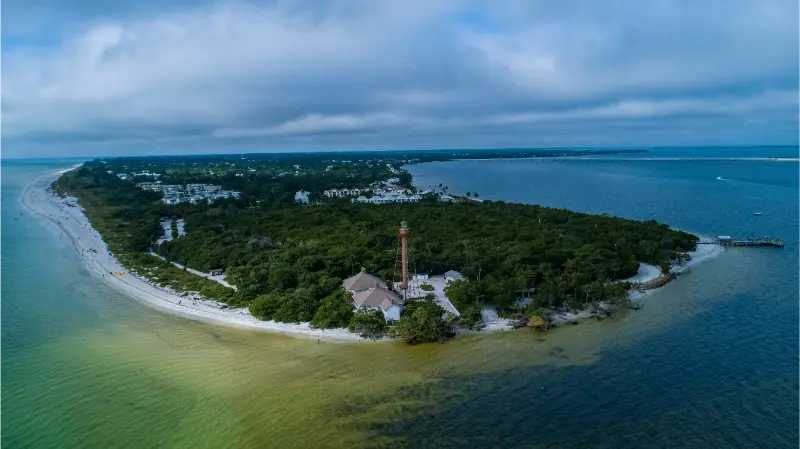
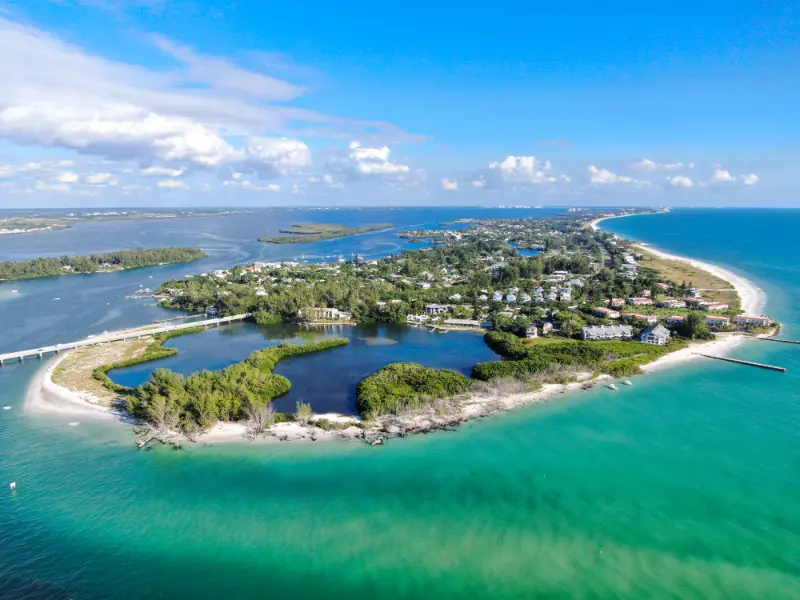
    Sanibel Island Florida Mangrove Coast Aerial

    Day 4: Fort Myers Beach and a final local-history stop

    Use your final day for Fort Myers Beach or another nearby shoreline that suits your route and current access information. If the Mound House’s historical and archaeological interpretation interests you, check tours and open days in advance; it can provide an illuminating look at the Calusa people and local coastal history. This option works especially well when the weather is too windy for swimming. Choose one cultural stop, lunch and perhaps a short beach walk, rather than booking a boat excursion too close to departure.

    The Fort Myers Beach area has continued rebuilding and adapting after major storms, so verify parking, beach access, restrooms and businesses individually. An old image showing a facility does not prove that it is still available. Beach conditions, red-tide advisories where applicable and weather should influence whether you swim. During unfavorable conditions, a museum or riverfront café is a meaningful alternative, not a consolation prize. Travelers with young children often appreciate this flexibility most on the last day.

    If you need to reach Southwest Florida International Airport, allow time for traffic, car return and the actual location of your accommodation. A hotel on Sanibel may require crossing the causeway before the mainland drive even begins. A final morning that stays close to the departure route reduces stress and leaves room for the small surprises that are part of real travel.

    Where to stay for four days

    A mainland Fort Myers base offers comparatively straightforward access to the estates, restaurants and airport, with day trips to Sanibel. Staying on Sanibel is better for early shelling and island atmosphere, but you may spend more and drive farther for mainland attractions. Fort Myers Beach can suit those who want an ocean-oriented holiday, provided individual properties and access routes are operating as advertised. Compare the actual drive, accommodation charges and parking, not simply a ‘Gulf Coast’ neighborhood label.

    After hurricane damage, check recent property information carefully and contact the hotel if accessibility or services are essential. Ask whether the elevator is operating, whether the pool and beach access are open, and whether nearby construction affects your stay. Travelers with mobility aids need reliable dimensions and step-free routes, not merely a statement that the hotel is newly renovated. A family may save on dining with a kitchenette, while a couple may value staying closer to an island’s quiet evening scene.

    Transport, the causeway and the importance of time buffers

    A rental car is the easiest option for this exact four-day route. Sanibel and Captiva involve island-road travel and limited parking at selected public areas. Build the refuge visit and shelling day together geographically only if doing so does not create a rushed schedule. The Sanibel Causeway and island traffic can be slow at popular times. Save the exact legal beach parking area and any current access instructions before leaving the hotel. Do not assume that a rideshare will be instantly available at a quiet island access point.

    If you are visiting without a car, focus on a walkable mainland or beachside base and book organized transfers or outings with dependable pickup arrangements. Confirm accessibility of vehicles and water-based experiences before paying. For overseas visitors, verify rental license and insurance rules and ask about toll-payment options; different companies use different billing approaches. Give every return drive generous time. The point of the islands is to escape the feeling of being in a hurry.

    Money, reservations and sensible priorities

    The Edison and Ford estates, refuge entrance, some guided tours and parking all have costs, but you do not need to purchase several paid experiences every day. Choose the cultural attraction on day one and the nature experience on day two as your main commitments. Enjoy beach access, scenic walks and relaxed meals the remaining days. Wildlife Drive has a separate fee schedule, and certain passes may be recognized; check the current federal refuge rules rather than assuming admission is identical to a state park.

    Accommodation rates can vary sharply with winter visitor demand and holiday periods. Early booking may help, but cancellation flexibility matters in tropical-weather season. A family should compare food and gear expenses as well as room cost. Bring reusable water bottles, adequate sun protection and suitable shoes rather than purchasing everything at a beach kiosk. The most expensive surprise is often not admission but a room or vehicle plan that requires repeated long trips.

    Inclusive nature travel across generations

    For infants and toddlers, prioritize morning shade, short beach periods and predictable feeding or nap times. School-age children can learn how mangroves support birdlife, why shells belong to living animals and how tidal wetlands differ from hotel pools. Teenagers may enjoy photography and guided kayaking if they meet operator requirements. Older adults often appreciate the refuge’s vehicle-based wildlife viewing and short garden walks. None of these groups needs to spend the whole day in the sun to have an authentic Sanibel experience.

    Ask individual venues about accessible restrooms, transport, seating and wheelchair-friendly viewing areas. The availability of an auto tour does not mean every stop along Wildlife Drive is barrier-free. A traveler with sensory sensitivity may prefer an early quiet nature outing to a crowded midday beach access. If some relatives want a longer trail while others prefer a shorter stop, arrange a meeting location and time. Good planning makes different abilities compatible rather than making one person’s limits define the whole holiday.

    Wildlife, weather and marine advisories

    Tropical heat, lightning and rain can change the trip, and hurricane season calls for especially flexible arrangements. Coastal water conditions may also be affected by red tide and other advisories; use current official public-health and beach updates, not assumptions from last month’s photos. At the refuge, avoid interacting with alligators and keep a safe distance from birds. On the beach, respect turtle nesting areas and never use bright lights where regulations restrict them.

    If heavy rain or refuge closure disrupts day two, move the historic estates or another operating indoor attraction into that slot. The Friday closure of Wildlife Drive is foreseeable; the weather is not. A route with deliberately flexible island afternoons makes it easier to protect visitors and wildlife while still enjoying Southwest Florida’s distinctive coast.

    Frequently asked questions

    Is Ding Darling Wildlife Drive open on Fridays?

    No, the refuge’s official visitor information lists Wildlife Drive as closed on Fridays. Check any holiday, construction or storm alerts before planning an alternative day.

    Is the visitor center fully operational?

    The refuge has published hurricane-recovery construction notices, including a temporary closure and projected reopening. Confirm current status directly rather than relying on an older schedule.

    Is shelling guaranteed on Sanibel?

    No. Tides, weather and natural movement of shells change conditions. Enjoy the shoreline regardless of the number you find, and leave living creatures undisturbed.

    Can children and grandparents enjoy this trip together?

    Yes. Short beach walks, garden visits and vehicle-based wildlife viewing are adaptable. Confirm accessible facilities and allow frequent cooling breaks.

    Should we stay on Sanibel or the mainland?

    Choose Sanibel for the island atmosphere and early beach access; choose Fort Myers for easier airport transfers and mainland attractions. Compare total costs and drive times.

    Official resources

  • Five Days in Southwest Florida: Naples, Big Cypress, Everglades City and Marco Island

    Five Days in Southwest Florida: Naples, Big Cypress, Everglades City and Marco Island

    Southwest Florida is much more than a collection of beach resorts. Just beyond Naples and Marco Island, the landscape opens into cypress swamps, mangrove waterways and small communities with close ties to the Everglades. A five-day trip can combine coastal comfort with real ecological discovery, provided you understand how to visit the protected areas. Big Cypress National Preserve and Everglades National Park are neighboring but different units; neither is a drive-through theme park where animals appear on demand. This itinerary makes room for visitor centers, guided experiences, safe wildlife observation and beach time without demanding long hikes or multiple hotel changes.

    Use Naples or the Marco Island area as one base if minimizing hotel changes matters most. Alternatively, spend two or three nights in Naples, then move closer to Everglades City for a quieter nature-oriented end to the trip. A rental car is the most practical way to link these areas. Expect South Florida heat and insects to influence outdoor plans, and note that the Everglades’ Homestead and Shark Valley entrances are not connected to the Everglades City entrance by internal park roads. This route concentrates on the Gulf Coast side rather than promising to cover every entrance.

    A balanced five-day outline

    DayLocationPriority
    1NaplesArrival, historic streets and an easy Gulf sunset
    2NaplesBotanical garden, local culture or beach
    3Big CypressVisitor centers, wildlife observation and ecological context
    4Everglades CityTen Thousand Islands gateway and guided water excursion
    5Marco Island or departure routeBeach, shoreline nature or a restful final morning

    The sequence can be reversed if weather improves later in the week or you fly from an airport that makes Marco Island a better first stop. Avoid booking a boat tour too close to a departure flight. Conditions on the water can delay or cancel a trip, and last-minute changes are easier to accommodate when you have one flexible day left.

    Day 1: Naples at a slower pace

    Settle in around Naples rather than heading directly from an airport toward the swamp. Fifth Avenue South and nearby parts of town offer restaurants, galleries and an urban introduction to the region. Choose a short walk and one restaurant instead of attempting a full sightseeing circuit after travel. If you have daylight and the weather cooperates, spend a little time on the Gulf shoreline from an authorized public access point. Beach access, pier structures and local amenities can change after coastal storms, so verify current municipal notices before counting on a specific facility.

    A comfortable first afternoon makes the nature days more rewarding. Buy water, suitable sun protection and any food you’ll want during a long stretch on the Tamiami Trail. Travelers with small children or limited mobility should identify the easiest restroom and meal options for the coming days. Naples is a convenient place to gather supplies because later nature routes may have fewer services. Keep valuables out of sight in vehicles and plan where to park at your next day’s attractions.

    Day 2: Naples culture and a restful coastal afternoon

    Naples Botanical Garden is one possible anchor for day two, offering a plant-focused visit that contrasts with the later cypress and mangrove landscapes. Confirm its opening schedule, current exhibitions and accessibility information directly. A botanical visit is especially pleasant when you allow time to enjoy the distinct gardens instead of treating every corner as a checklist. If gardens are not your interest, choose a local art or history venue and a neighborhood walk instead. A late lunch gives you a comfortable break during the hottest hours.

    Naples Florida Historic Shopping Street

    Spend the remainder of the day at a suitable Gulf beach or exploring another small part of town. For swimmers, check posted beach conditions, water-quality advisories and lifeguard arrangements where available. For families, a short beach session with reliable shade may be better than hours of exposure. For travelers over eighty or anyone who prefers gentle activities, a garden bench and a scenic lunch can be the highlight, with no need for an ambitious beach walk. The trip should meet travelers where they are, not where a generic itinerary expects them to be.

    Day 3: The Tamiami Trail and Big Cypress National Preserve

    Drive east along U.S. 41 into Big Cypress National Preserve. The National Park Service identifies the Nathaniel P. Reed Visitor Center and Oasis Visitor Center as important orientation stops; check which facilities are currently open and their hours before leaving. Exhibits and ranger information help visitors distinguish a wetland ecosystem from the simplified image of a swamp full of alligators. Some locations provide observation opportunities without a long hike. Stay at designated areas, keep wildlife at a respectful distance and never lean over protective railings for a closer photograph.

    This is not a day to race past the visitor centers in search of one animal sighting. Take time to learn about the habitats, seasonal water levels and the many creatures other than alligators. If you choose an organized wildlife tour, review whether it operates inside the preserve, on neighboring land or elsewhere along the corridor. These are not interchangeable descriptions. The Loop Road is sometimes discussed as a scenic drive, but conditions and closures can change; verify official access and whether your rental agreement allows the road before setting out.

    What Big Cypress requires from visitors

    The landscape may look inviting from a boardwalk or roadside stop, but stepping into wild wetland without a suitable route and preparation is not a casual family activity. Roads and trails can be wet or rough, wildlife deserves space, and insects vary with season and rainfall. Wear appropriate clothing, bring drinking water and carry an offline route. Cell reception can be limited in parts of the region. If anyone in your group needs an accessible surface, contact the visitor center for current facilities instead of assuming all marked nature sites are equally manageable.

    Never feed alligators, pull over dangerously to photograph animals, or block traffic for a wildlife sighting. Respect speed limits and be alert for other people stopping unexpectedly. A patient fifteen-minute watch from a lawful observation area can reveal birds, turtles and changing light that hurried drivers miss. If weather conditions are unsafe, return to an indoor cultural stop near Naples. There is no reason to take a storm-related risk to complete a nature checklist.

    Day 4: Everglades City and the Ten Thousand Islands

    Everglades City is a gateway to the Gulf Coast side of Everglades National Park and the maze of waters called the Ten Thousand Islands. It is a distinct park access area from Shark Valley and Homestead. The National Park Service explains that its entrances do not connect through the interior of the park, so a visitor planning the Gulf Coast should not accidentally navigate to a Miami-side address. Begin with current National Park Service visitor information and choose a water experience that matches the group’s comfort and abilities.

    Guided boat tours and paddling outings can interpret mangrove ecology, coastal birds and the history of people who have lived with these waterways. Ask exactly where a tour operates, whether it is authorized for the particular area, how long passengers remain on the vessel, and what happens in bad weather. Some boat experiences are seated and relatively gentle, while others involve small, exposed craft and physical boarding requirements. Choose deliberately, and keep a shore-based fallback such as a visitor-center program if the excursion is canceled.

    How to enjoy wildlife without disturbing it

    A sighting is a privilege, not something a guide can guarantee. Dolphins, manatees, alligators, turtles and wading birds are wild animals with their own behavior. Stay at the distance required by law and by the guide’s instructions. Never throw food, attempt to touch wildlife, or encourage a boat captain to chase animals for a photograph. In areas where shorebirds nest, obey closures and do not enter posted habitats. A longer camera lens is much better than walking closer to a resting animal.

    If children are interested in wildlife, give them a notebook to record habitats, calls or species seen rather than rewarding only dramatic encounters. Older adults and travelers using mobility aids may prefer a viewing spot or boat with secure seating; check actual boarding specifications and bathroom access beforehand. People who do not swim can still enjoy many guided observation trips if the operator’s requirements are met, but sea conditions must be taken seriously. The goal is to enjoy the ecosystems while leaving them undisturbed.

    Day 5: Marco Island, a beach morning or one more nature stop

    Finish with a gentler coastal day around Marco Island or the Naples area, depending on where you are sleeping and your departure airport. Marco Island offers a different view of the Gulf Coast from the wilder waters around Everglades City, with resort settings and public beach access to research in advance. Beach access points, parking rules and facilities are not identical; choose the right one for your group before leaving the hotel. A short shoreline walk and café lunch can be a more satisfying final day than a rushed excursion with an uncertain return time.

    Marco Island Florida Waterfront at Sunset

    If you particularly enjoy nature, use the last day for a missed visitor center or a guided outing postponed by weather. For a traveler with limited stamina, keep it entirely as a rest day and pack slowly. If an early flight is planned, don’t assume a remote beach or boat dock lies on the most efficient airport route. The last day deserves the same practical planning as the first, especially when returning a rental car.

    Can you include Shark Valley or the Homestead entrance?

    You can, but not casually as an extra hour in this five-day Gulf Coast route. Shark Valley is accessed from the Miami side of the Tamiami Trail, and the Homestead entrance leads toward Royal Palm and Flamingo. The Everglades National Park road system does not connect these entrances internally. Driving between them requires leaving the park and using public roads, and each serves different landscapes and activities. If you want to bike the Shark Valley loop or explore the Anhinga Trail near Royal Palm, consider an additional day and a separate hotel base.

    For a first Southwest Florida visit, I would prioritize Big Cypress and the Everglades City area rather than attempt all three entrances. That offers an intelligible sequence from cypress swamps to mangrove-dominated coastal waterways. You will have a better chance of learning how the region works, and you can return for the Miami-side Everglades on another trip.

    Accommodation, budgeting and travel seasons

    Naples accommodation ranges from urban hotels to upscale coastal properties. Marco Island may appeal to those who prioritize resort facilities, while Everglades City provides a smaller-town base for nature outings. Compare full rates, parking, mandatory fees, food availability and the hours of any hotel restaurant. A cheaper room in an inconvenient location may create long drives on the days you most want to relax. For a family, a refrigerator and easy breakfast arrangements can simplify early starts.

    Southwest Florida’s drier months are often attractive for wildlife tours and cooler outdoor days, but also popular with visitors. Rainy-season travel can mean greater heat, insects, showers and the potential for tropical weather. Conditions affect wildlife visibility and water-based itineraries. Check official National Park Service alerts, marine forecasts and refund rules rather than counting on a fixed schedule. One organized boat trip, a garden admission and several low-cost nature stops can provide a varied budget, especially when meals and hotel extras are planned in advance.

    Families, solo travelers and visitors with access needs

    For children, the best activity may be a short interpreted walk or junior-ranger-style learning opportunity rather than the longest boat tour. Never allow children to approach wildlife or wander alone near waterways. Solo travelers should tell a trusted contact their route for remote nature outings and use reputable operators. Travelers with mobility limitations can still enjoy protected landscapes, but must confirm actual surfaces, boarding ramps, restroom access and rest locations for each chosen site. “Nature accessible” is too general to make a booking decision.

    This itinerary is especially adaptable for multigenerational groups. One traveler can enjoy a garden, another a wildlife boardwalk, and everyone can share an evening meal. If someone is sensitive to heat or insects, reduce outdoor exposure rather than forcing the entire day to follow a predefined schedule. A successful Southwest Florida trip gives visitors a clearer understanding of the coastal ecosystems and time to appreciate them safely.

    Frequently asked questions

    Is Big Cypress the same as Everglades National Park?

    No. They are different federal protected areas with different facilities and activities, though their ecosystems are connected.

    Can we drive from Everglades City to Shark Valley through the park?

    No. The park entrances do not connect by internal roads. You must travel on external public roads to change entrances.

    Do we need a boat tour?

    Not necessarily. Visitor centers, approved observation areas and local history can make an excellent trip, especially when conditions are unsuitable for boating.

    Can young children come along?

    Yes, with careful supervision, appropriate excursions, heat planning and respect for wildlife and water safety.

    When is the best time for wildlife watching?

    It depends on species, water levels, weather and your chosen location. Ask park rangers about current conditions rather than expecting guaranteed sightings.

    Official planning sources

  • Naples vs Fort Myers: Which Southwest Florida Vacation Base Is Better?

    Naples vs Fort Myers: Which Southwest Florida Vacation Base Is Better?

    Naples and Fort Myers are major names in southwest Florida tourism, but travelers searching for a beach holiday can be surprised to learn how different the actual city centers, nearby beaches, and resort areas are. Naples is often associated with refined dining, a walkable downtown district, art, gardens, and Gulf access. Fort Myers combines a historic riverfront city with access to coastal areas and several nature and family attractions spread across Lee County. The label ‘Fort Myers’ also appears in accommodation marketing for Fort Myers Beach, which is a distinct coastal municipality. Understanding those details helps prevent booking a cheaper room in the wrong location and losing the savings to long daily drives.

    Quick decision table

    CompareOption AOption B / planning note
    City centerNaples: restaurants, galleries, coastal cityFort Myers: riverfront history, regional day trips
    Beach issueGulf access in Naples areaDowntown Fort Myers is not Fort Myers Beach
    Trip rhythmGardens and downtown eveningsHistory and multiple nature outings

    The biggest clarification: Fort Myers is not Fort Myers Beach

    Downtown Fort Myers sits along the Caloosahatchee River and is not a Gulf-front beach district. Fort Myers Beach is on Estero Island, with different access routes, traffic, accommodation patterns, and beach conditions. When comparing it with Naples, first decide whether the choice is between two cities or between two beach bases. A downtown Fort Myers hotel can be excellent for riverfront dinners and day trips, yet it will not let your children walk onto a Gulf beach after breakfast. Conversely, a property on Fort Myers Beach may place you close to sand but not to the downtown river district. Always verify the street address before calculating driving time or assuming that a listing’s ‘waterfront’ description means open Gulf swimming.

    Fort Myers Florida Wetlands and Roads Aerial

    Naples is easiest to understand as a compact city-plus-beach stay

    Naples has a recognizable downtown area around Fifth Avenue South and Third Street South, where restaurants, shops, galleries, and evening walks can form an easy part of a holiday. The Gulf shoreline and local parks add another dimension, although exact parking and beach access rules vary. Visitors who want to dine out after a relaxed day without a complex evening drive may appreciate lodging in or near the central districts. Yet not every Naples address is walkable to both downtown and the sand. North Naples and other surrounding areas may require a car. Before booking, identify whether you value downtown access, an on-site pool, a particular beach, or an easy route to nature attractions more than a glamorous regional name.

    Fort Myers is a stronger base for a mixed city-and-nature itinerary

    Fort Myers is practical for travelers who want a riverfront city experience mixed with outings elsewhere in Lee County. Its historic districts, local museums, and restaurants can fill part of a week even when beach conditions are disappointing. Day trips might include wildlife environments, nearby islands, or other inland attractions, depending on openings and transport. The drawback is that these places are geographically spread out. A hotel that works well for airport transfers may be poorly placed for repeated beach visits; another near the river may require a car for most nature excursions. Choose Fort Myers when you are comfortable with selected drives, not when you expect every attraction to be a short stroll from one beachfront building.

    Beaches: comparing the actual shoreline options

    Naples offers Gulf beach access, with the exact experience varying by location, tide, erosion, public access rules, and seasonal conditions. Fort Myers travelers may look toward Fort Myers Beach or make excursions to Sanibel and other coastal areas. But the journey from the city to those shores can take longer than anticipated during popular periods. There is no reason to choose Fort Myers solely for Sanibel unless you genuinely intend to visit the island and have planned the road transfer. Beach access after storms can change, including parking, facilities, and the availability of certain areas. Check the latest official notices rather than using an outdated list of ‘top beaches’ as a current guarantee. Neither destination makes rough surf or red tide advisories irrelevant.

    Naples for gardens, art, and gentle sightseeing

    Naples Botanical Garden and the city’s gallery and cultural environment make a good alternative to an all-day beach holiday. A couple may enjoy a morning garden visit followed by an unhurried lunch and a downtown walk. A family with children can structure the same day around short outdoor sessions and a pool break. Gardens can still become tiring in the heat, so check shade, tram availability if offered, accessible routes, and where someone can rest. Not every indoor art venue is open daily, and event schedules change seasonally. If a particular exhibition is your main reason for choosing Naples, confirm tickets and hours directly. Travelers who need to avoid long walks should select a realistic subset of the attraction rather than trying to see every garden section.

    Fort Myers for history and a working riverfront

    The historic riverfront district gives Fort Myers a different identity from Gulf resort towns. Architecture, local history, dining, and river views can be experienced without pretending the downtown is on a sandy island. Visitors interested in the region’s commercial and cultural development may appreciate this emphasis. The Edison and Ford Winter Estates are one prominent historical attraction, but opening conditions and tour options should be checked before arrival. For an older traveler, the suitability of an outdoor historic property may depend on heat, walking surfaces, and a comfortable restroom plan. Families with teenagers who find beaches repetitive might enjoy alternating a history visit with wildlife or water activities. Choose the day’s main experience and leave room for traffic rather than scheduling several scattered attractions at fixed times.

    What about Sanibel and Captiva as day trips?

    Fort Myers is often marketed as a gateway to Sanibel and Captiva, but a day trip still requires the causeway journey, parking, and enough time to enjoy the destination. Sanibel’s bicycle network and Ding Darling refuge offer activities beyond shelling, while Captiva has a different island character. A single beach trip can be rewarding, but visiting both islands and several beaches in one day may feel rushed. Naples visitors can also travel north, though the additional journey makes it less attractive as a repeated excursion. If Sanibel is your main priority for three or four days, consider whether an island accommodation is a better match than staying in either city. Use the official Sanibel–Captiva visitor guide to check current attractions and access.

    Where to stay in Naples

    A centrally located hotel can reduce the need for repeated evening driving, especially when guests wish to enjoy restaurants and galleries. Properties farther north or closer to selected beaches may suit a different kind of vacation. Compare the room’s exact access to the sand, whether beach chairs and umbrellas are included, and parking arrangements. Couples may value an attractive evening walking environment, while a family of five may get more use from a kitchen, washer, and separate sleeping space. Travelers with mobility needs should confirm elevators, level access, grab bars, and the distance from the room to a suitable rest area. Even a high-end property should not be assumed to meet a particular accessibility requirement without written confirmation.

    Where to stay in Fort Myers and the beach district

    In downtown Fort Myers, accommodation makes the most sense for people whose primary plans include city activities and day trips by car. Fort Myers Beach is a different decision centered on being near the Gulf, with its own parking and access considerations. Outlying hotels may be inexpensive but require substantial driving to both. Ask how the property was affected by past storms and whether advertised amenities are currently available. A photograph taken years earlier may no longer represent the immediate surroundings. Families should inquire about pools, laundry, kitchen arrangements, and child-friendly beach access rather than assuming every coastal rental is equally convenient. Compare neighborhood safety, road noise, and food options when considering properties away from main visitor districts.

    Naples with children and teenagers

    Naples is not only for couples and retirees. Families can enjoy beaches, selected nature areas, gardens, and a relaxed dining routine. The main challenge is matching children to an activity level that does not require long exposure to sun or repeated car transfers. A hotel with a good pool can be central to the plan. Teenagers who want water sports or more active experiences may need a different daily program from younger siblings. If several family members have different interests, consider one paid attraction in the morning and an easy common activity later. Do not build a week around expensive restaurants and shopping if the children would prefer straightforward beach days and occasional wildlife stops.

    Old Naples Fifth Avenue Historic Restaurants at Sunrise

    Fort Myers with children and teenagers

    Fort Myers can be attractive for families who want a variety of outings and are comfortable using a car. History sites, nearby nature destinations, and different coastal day trips can provide a more varied week than one shoreline. The cost is transport time, so avoid planning a different long drive every morning. A family with preschoolers might choose a resort or rental with enough on-site entertainment to make the occasional rainy day easy. Older children may enjoy planning their own priorities, including an island outing or selected museum. Any boating or wildlife activity must be checked for ages, physical demands, and safety guidance. A dolphin sighting or perfect shelling haul should be treated as a possibility, never a promised result.

    Which city suits older visitors?

    Naples can work well for visitors who value gentle downtown outings, dining, gardens, and a comfortable hotel. Fort Myers may appeal more to those interested in local history, riverfront culture, and day trips. In both places, accessibility is a property-specific and attraction-specific question. A central neighborhood with short trips to restaurants might be preferable to a remote beachfront home for someone who no longer drives. For people traveling with medical equipment, confirm electrical access, room layout, and nearby appropriate services before paying a deposit. Build midday rest into the schedule, especially during the hotter months. A traveler aged ninety can enjoy either destination when transport and lodging match their actual abilities, not their birth year.

    Cost and value: avoid broad assumptions

    Naples has an upscale reputation, but that does not prove every Naples stay costs more than every Fort Myers stay. Peak dates, hotel standard, view, included services, cleaning fees, and cancellation terms can reverse a headline comparison. Build two complete quotes for the same period. Include lodging taxes, parking, resort charges, rental car, fuel, meals, and one or two paid activities. If you intend to spend much of the week on Sanibel, add those transfers to a Fort Myers quote. If you intend to eat dinner downtown every evening, calculate what a faraway hotel adds to the Naples quote. Total cost is a decision tool; a single advertised average nightly rate is not.

    A four-day Naples itinerary

    Arrival day should be used for settling in, identifying a good nearby restaurant, and enjoying an easy evening. On the first full day, plan a beach morning with shade and rest, then a slow downtown walk after the hottest hours. On the next day, select Naples Botanical Garden or another cultural experience according to group interest and operating conditions. Reserve the third day for a nearby nature outing or a relaxed pool session. This pacing lets couples enjoy the city without rushing and helps multigenerational groups avoid constantly returning to the car. If storms affect the beach, exchange the outdoor block with an indoor alternative rather than attempting to force a scheduled swimming day.

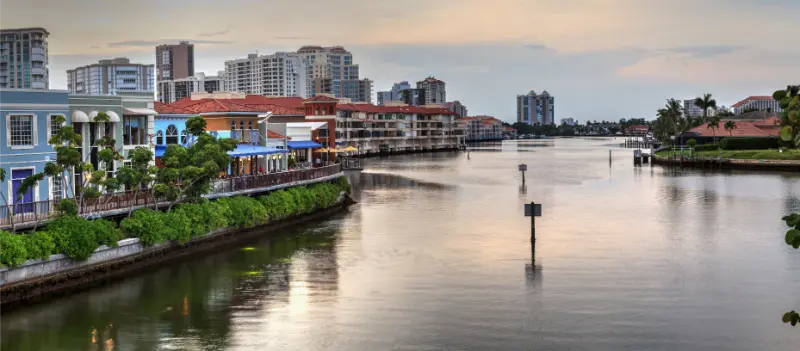
    Village Shops on Venetian Bay Naples Waterfront View

    A four-day Fort Myers itinerary

    Begin with a quiet look at the riverfront and the local neighborhood around your hotel. Use the first full day for a history attraction and lunch, leaving a substantial break. Choose the second day for a beach or Sanibel excursion when conditions and parking look favorable. The third day can feature a separate nature experience or relaxed time at the hotel, rather than another long transfer across the region. If you are staying on Fort Myers Beach instead of downtown, reverse the priorities and make the ocean your center. The point is to avoid a daily circuit of driving from the city to the coast and back for every meal or activity.

    Air travel, road access, and storm planning

    Southwest Florida International Airport serves the wider region, but flight convenience, fares, and ground transport will differ with the exact accommodation. Compare door-to-door time before booking. A rental car is useful for scattered attractions, but not every trip needs one for seven days if most activities are within walking distance or accessible by arranged transport. During the June–November hurricane season, read insurance exclusions and monitor official guidance; coastal recovery work and water-quality conditions can also affect visits outside major storms. Travelers should verify public beach facilities and attraction openings shortly before departure. Always preserve enough time on departure day to handle traffic, fuel return, and airport procedures without stress.

    Final recommendation: two useful but different bases

    Choose Naples when you want the Gulf plus a refined downtown, gardens, galleries, and gentle city evenings. Choose Fort Myers when riverfront history and multiple regional day trips are a better fit, particularly if you are happy to drive. If you actually mean Fort Myers Beach, compare that coastal accommodation directly with Naples beach properties rather than downtown Fort Myers hotels. The most important step is to identify your top three activities, draw a circle around their locations, and select lodging that reduces unnecessary transfers. Confirm current information with the Lee County tourism resources and Naples visitor information before booking.

    Frequently asked questions

    Is Fort Myers on the Gulf beach?

    Downtown Fort Myers is on the Caloosahatchee River. Fort Myers Beach is a separate coastal community on Estero Island.

    Which is better for art and gardens?

    Naples has a strong combination of botanical gardens and downtown galleries, although Fort Myers offers its own cultural experiences.

    Can I stay in Fort Myers and visit Sanibel for a day?

    Yes, but allow time for traffic, causeway travel, beach parking, and current conditions at your selected destination.

  • Siesta Key vs Anna Maria Island: Where to Stay on Florida’s Gulf Coast

    Siesta Key vs Anna Maria Island: Where to Stay on Florida’s Gulf Coast

    Siesta Key and Anna Maria Island are popular choices for travelers who want Florida’s Gulf Coast without the scale and pace of major theme-park resorts. On a map both seem to promise pale sand, sunsets, and easygoing days. In practice they differ in their towns, lodging patterns, transportation, and the way visitors reach the beach. Siesta Key lies just west of Sarasota and is especially associated with Siesta Beach, while Anna Maria Island sits farther north in Manatee County and includes several distinct communities. Comparing them properly means examining your preferred beach access, evening routine, and the amount of driving your group can comfortably manage.

    Quick decision table

    CompareOption AOption B / planning note
    Beach experienceSiesta: major public beach and facilitiesAnna Maria: varied access and village locations
    Nearby cultureConvenient Sarasota arts outingsIsland towns and Bradenton-area outings
    Key questionHotel-to-sand route and bridge trafficProperty location within the island communities

    Choosing by the type of beach day

    Siesta Beach is a well-known destination with broad sand and a large public beach setting, making it attractive to groups who want amenities and space to spread out. It can also be extremely busy, and a famous beach is not automatically the quietest place for an afternoon nap. Anna Maria Island offers a different collection of Gulf shorelines, some near village streets and others with a more residential feel. Access points may be smaller, and the distance from a rental property to the water deserves special attention. Neither island should be treated as a single homogeneous beach. Before booking, identify exactly where you will lay down towels, the nearest restrooms, and how far you must walk with supplies.

    Geography and why it influences the week

    Siesta Key connects to Sarasota by bridges, giving visitors access to the city’s museums, gardens, cultural attractions, and broader dining choices. Anna Maria Island connects with Bradenton-area roads and is composed of communities including Anna Maria, Holmes Beach, and Bradenton Beach. That layout creates several possible holiday styles: one based around a walkable village, one involving a car for groceries and outings, or one organized around the island’s transport links. Visitors should not assume that a home with ‘Anna Maria Island’ in the listing is next to the town of Anna Maria itself. Similarly, a Sarasota rental advertised as close to Siesta Key may still require a bridge crossing and parking hunt every beach morning.

    Siesta Key's strength beyond the sand

    A Siesta Key stay can combine beach time with the cultural attractions of greater Sarasota. The Ringling’s art collections, Selby Gardens, and local arts venues provide meaningful alternatives when someone in the group needs a break from heat or water. This matters on a week-long holiday because bad weather or fatigue can make endless beach days less enjoyable. An arts-loving grandparent and a teenager interested in museums may be happier here than in a rental chosen solely for a patio view. The tradeoff is that bridge traffic and parking can become part of the routine. Plan one Sarasota outing as a proper half-day rather than treating every attraction as a quick stop between beach visits.

    Anna Maria Island's stronger village atmosphere

    Anna Maria Island can be ideal for travelers who enjoy browsing small streets, having a long breakfast, and spending an afternoon walking between shops and the waterfront. Some guests rent a property close to a village center precisely to avoid driving to dinner. The atmosphere varies from lively near a popular beach access or commercial district to noticeably residential a few blocks away. Respect the fact that many homes are close to vacation rentals: noise rules, parking restrictions, and waste collection arrangements can be strictly regulated. A picturesque cottage is less enjoyable when your group is too large for the authorized parking spaces or must make a long walk across roads with beach equipment.

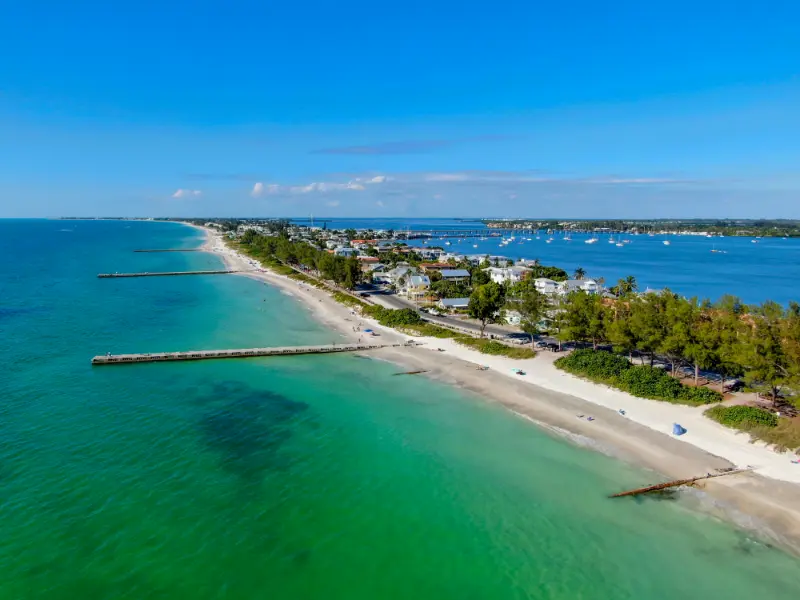
    Bradenton Beach Anna Maria Island Florida Coast Aerial

    The reality of getting around without a car

    Both areas offer visitor transportation options, but routes, operating seasons, capacity, and stops must be checked on official local websites before promising a car-free vacation. A free island trolley or local bus may be useful for certain trips yet does not replace a door-to-door service, especially after dark, with luggage, or during a sudden thunderstorm. For Siesta Key, examine the transport connection from your specific accommodation to Siesta Beach and downtown Sarasota. On Anna Maria Island, determine whether the transport you expect actually passes the grocery, restaurant, and beach sections you intend to use. Travelers who cannot stand for long periods should also ask about stop seating, ramps, and what to do when a vehicle is full.

    Parking is part of the vacation experience

    Popular public beaches draw crowds, and arriving in the middle of a sunny weekend can make parking difficult. A beach described as having free parking may still have limited spaces or special rules in neighboring streets. A rental with a dedicated parking place can therefore be more valuable than a slightly cheaper room where you must move the car daily. When driving to the beach, bring only what your group can comfortably carry from a legal parking area. Do not block driveways, emergency routes, paths, or residential access. Parking apps and posted signs take precedence over advice in a dated travel blog. If your main plan requires a guaranteed convenient parking space, consider staying within an appropriate walking distance instead.

    Selecting accommodation for different budgets

    Siesta Key includes beach-oriented properties, condo rentals, and other accommodation with varying distances to the sand. Anna Maria Island offers cottages, vacation homes, and some smaller lodging options alongside larger rentals. Price comparisons are meaningless without accounting for cleaning costs, minimum stays, taxes, cancellation policies, and whether beach equipment is included. A family of five might save money with a kitchen and laundry facilities, while a couple might prefer a hotel room that removes cleaning and check-out obligations. Ask about the advertised bedroom count versus actual beds, elevator availability, swimming pool supervision, and any charge for an extra vehicle. Never assume a ‘beachfront’ label proves unrestricted direct access from the unit.

    Which works better with babies and preschoolers?

    Parents with young children should choose whichever property most reduces the daily load of carrying diapers, sun protection, snacks, beach toys, and dry clothing. An accessible path from the room to sand, a shaded place to take a break, and a close bathroom can matter more than which beach ranks higher online. Siesta Beach’s substantial public facilities may be helpful, but crowds and parking still need a plan. On Anna Maria Island, a well-located rental might allow short beach sessions followed by an immediate return for naps. Do not assume the Gulf is safe simply because it often looks gentle; waves, rip currents, water quality, storms, and marine animals can affect either island.

    Teenagers, couples, and multi-generation groups

    Teenagers may prefer a stay where they can safely and independently reach cafés, shops, or a supervised activity without constantly asking adults for transport. Couples who enjoy museums and varied dining may gravitate toward Sarasota and Siesta Key; couples who want a smaller village rhythm could favor Anna Maria Island. Grandparents traveling with grandchildren should compare distances from parking, the presence of benches, and the amount of midday shade. For a large family reunion, think carefully about whether everyone wants the same kind of beach day. The best rental may be a central property with enough common space and a quiet bedroom, not the most expensive house close to the water.

    A four-day Siesta Key itinerary

    On arrival, settle in, buy basic supplies, and have an early evening by the Gulf rather than trying to squeeze in a museum after a drive. Spend the first full day at Siesta Beach, arriving with a clear parking plan and allowing generous rest time. On the second day, visit one Sarasota cultural attraction and enjoy a restaurant meal in the city, perhaps returning to the island later in the afternoon. The final day can combine a different shoreline or an easy neighborhood walk with a relaxed lunch. This sequence helps families who cannot spend four consecutive days in full sun and gives visitors alternatives if beach conditions are poor. Reserve tickets only once you confirm current opening days.

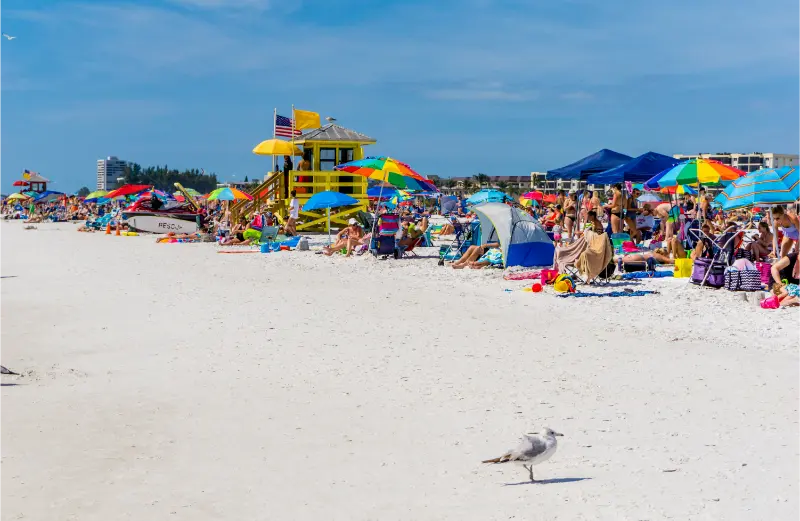
    Siesta Key Beach Florida Colorful Lifeguard Stations

    A four-day Anna Maria Island itinerary

    Begin by exploring the area around your lodging so you understand where to buy breakfast and how to reach the beach without stress. Dedicate the next morning to your nearest public access, leaving the afternoon open for reading, cycling if suitable, or rest. On the third day, explore another island community using the current local transport arrangement or your own vehicle. Visit a waterfront area or selected nearby mainland attraction on the fourth day if you have energy. Keep the island days deliberately light: driving around repeatedly to find a different sunset spot can be less enjoyable than staying somewhere comfortable and letting the weather determine your plans.

    Water, sand, environmental care, and storms

    Both islands are working coastal environments, not maintained theme-park sets. Sea turtle nesting restrictions, dune protection, beach nourishment, high tides, and temporary closures can affect access and activities. Use marked paths to preserve sensitive vegetation, and never disturb a marked nest or wildlife. During the Atlantic hurricane season, travel flexibility and reliable official information are essential; storm damage can also change beach facilities after the event has passed. Watch current water-quality notices and any red tide guidance rather than assuming a historic recommendation guarantees present conditions. For visitors with asthma or other sensitivities, it is especially important to check advisories before planning long outdoor days.

    Flying in and calculating ground transportation

    Sarasota Bradenton International Airport may be useful for either destination, depending on flight availability, rental-car costs, and your exact address. Larger airports in the region can sometimes offer better fares but also longer transfers. Compare the full journey, including landing time and whether car rental desks will still be open. For travelers who do not drive, request a realistic transfer quote and check whether a child seat, wheelchair-accessible vehicle, or room for beach equipment can be arranged. Do not budget only for the airport journey: consider groceries, dinners, attractions, and the return transfer. A rental with cheap nightly rates can become expensive if every local outing needs a paid ride.

    Final choice: Siesta Key or Anna Maria Island?

    Choose Siesta Key when you want access to a major public beach and Sarasota’s citywide cultural attractions. Choose Anna Maria Island when a smaller-island village experience is the central goal and you have selected a property that makes daily life easy. Both can suit families and seniors, but no destination name guarantees easy parking, stroller access, or quiet evenings. Compare exact addresses and read up-to-date local notices. The Sarasota County government and Manatee County government publish the practical information that matters for access, roads, and local services; review it alongside your accommodation details.

    Frequently asked questions

    Does Anna Maria Island have several different towns?

    Yes. Its communities differ in access, services, and atmosphere, so check the location of the specific accommodation.

    Is Siesta Key better for museums?

    Siesta Key provides convenient access to the cultural attractions of Sarasota, making it a practical choice for visitors who want more than the beach.

    Is either beach always calm enough for toddlers?

    No. Always assess current conditions, lifeguard guidance, and water quality, regardless of how calm the Gulf appears.

  • Bonita Springs and Estero Travel Guide: Lovers Key, Beaches, Nature, Shopping and Where to Stay

    Bonita Springs and Estero Travel Guide: Lovers Key, Beaches, Nature, Shopping and Where to Stay

    Bonita Springs and Estero sit between Naples and Fort Myers, which makes them easy to overlook and very useful to know. This is a strong base for travelers who want Southwest Florida beaches and nature without committing to the price or pace of a larger resort center. Lovers Key, Estero Bay, historic Koreshan State Park, wildlife areas and open-air shopping give the area enough variety for a three- or four-night stay.

    For a first visit, I would plan Bonita Springs and Estero around two questions: what do you want to do before lunch, and where do you want to be after dinner? Those choices determine whether a central hotel, a beach-side base or a more practical inland property will save the most time. The destination is easier when you protect mornings for the priority experience, use the hottest part of the day for lunch or an indoor stop, and leave enough flexibility for Florida weather.

    Quick planning summary

    • Lovers Key State Park — The signature nature stop for beach, paddling, wildlife and trails.
    • Koreshan State Park — A fascinating mix of Estero River nature and the preserved story of the Koreshan Unity settlement.
    • Mound Key and Estero Bay — Experienced paddlers and guided visitors can explore a landscape with deep Calusa history.
    • Wonder Gardens — A compact wildlife and botanical attraction in Bonita Springs that works well with children or on a day when you want something easier than a long beach session.
    • Best pacing: one major activity plus one flexible neighborhood, park or beach stop each day.
    • Who it suits: couples, families, senior travelers and multigenerational groups who prefer a balanced Florida itinerary.
    • Transport: a car is usually helpful even when one district is walkable.

    In this guide

    Why visit Bonita Springs and Estero?

    Bonita Springs and Estero sit between Naples and Fort Myers, which makes them easy to overlook and very useful to know. This is a strong base for travelers who want Southwest Florida beaches and nature without committing to the price or pace of a larger resort center. Lovers Key, Estero Bay, historic Koreshan State Park, wildlife areas and open-air shopping give the area enough variety for a three- or four-night stay.

    The strongest reason to stay rather than rush through is the ability to experience different parts of the day. Morning light, lunchtime heat and the evening waterfront or downtown atmosphere can completely change a place. An overnight also lets you choose the best weather window for a beach, boat, trail or wildlife activity instead of forcing it into one fixed hour.

    I would not use Bonita Springs and Estero as a base for a long drive every day. It works better when at least half the trip is genuinely local. Pick two or three regional excursions, keep the rest close to the hotel, and allow enough unstructured time for a park, café, sunset or local event you did not know about before arrival.

    Where to stay

    Bonita Springs near the Imperial River

    Good for local restaurants, Riverside Park and a more residential Old Florida feel.

    Bonita Beach and Little Hickory Island area

    Best for travelers who want the coast to shape the day. Verify parking and access arrangements before booking because beach infrastructure can change after major storms and restoration projects.

    Estero and Coconut Point

    A practical choice for shopping, modern hotels and road access between Naples and Fort Myers. It suits families who value easy parking and predictable services.

    Before booking, compare the total trip cost. A centrally located room can cost more per night but save parking, fuel and rideshare. A larger room farther out can be better for a family if it includes a kitchen, laundry and free parking. Senior travelers should check walking distance, elevator access and bathroom layout; families should look beyond the advertised occupancy and consider whether everyone can actually sleep comfortably for several nights.

    Best things to do

    Lovers Key State Park

    The signature nature stop for beach, paddling, wildlife and trails. Access arrangements have changed during resilience work, so check the official park page before the visit.

    Koreshan State Park

    A fascinating mix of Estero River nature and the preserved story of the Koreshan Unity settlement. It is one of the best cultural counterpoints to a beach-heavy itinerary.

    Mound Key and Estero Bay

    Experienced paddlers and guided visitors can explore a landscape with deep Calusa history. A guide is a good choice if tides and navigation are unfamiliar.

    Wonder Gardens

    A compact wildlife and botanical attraction in Bonita Springs that works well with children or on a day when you want something easier than a long beach session.

    Riverside Park and downtown Bonita Springs

    A low-key community center for events, music and a relaxed local evening.

    Coconut Point and regional shopping

    Useful for dining, shopping and weather-proof time, especially on arrival day or during an afternoon storm.

    Illuminated Shopping Complex at Night

    Nature, beaches and outdoor time

    The best outdoor experiences are estuary-based rather than only beach-based. Lovers Key, Estero Bay and Corkscrew Swamp Sanctuary in the wider region create a strong wildlife itinerary. Start early in warm months and carry insect protection for marsh and cypress environments.

    Outdoor planning in Florida works best by temperature rather than by a rigid clock. Put the longest walk, bike ride, paddle or beach session early, then use lunch and an indoor attraction for the hottest hours. Later afternoon can be excellent again, but summer storms may arrive quickly. If swimming is part of the day, check flags, lifeguard coverage and local conditions instead of assuming calm-looking water is safe.

    Wildlife encounters should stay observational. Do not feed birds, dolphins, manatees, alligators or other animals, and never block an animal’s movement for a photograph. When nesting areas, rookeries or protected habitats have seasonal restrictions, treat those rules as part of the experience rather than an inconvenience.

    Getting there and around

    Southwest Florida International Airport is convenient to Estero and Bonita Springs. A car is still the most practical option because beaches, parks and shopping districts are spread out. Check current beach parking and shuttle arrangements before relying on old maps or reviews.

    For rental cars, add parking and tolls to the budget before pickup. If you plan a partly car-free stay, verify the exact hotel address and not just the neighborhood name. A one-mile walk on a map can feel very different in midday humidity, across a wide arterial road or with a stroller. Airport choice should be based on nonstop flights and total transfer time, not only straight-line distance.

    Best time to visit

    For most travelers, late fall through spring gives the easiest combination of comfortable outdoor weather and lower humidity, although winter can also bring higher accommodation prices and busier weekends. Summer is workable if you start outside early, take a real midday break and expect afternoon thunderstorms. Shoulder-season travel can offer better value, but tropical systems and heat should stay in the planning conversation.

    Event weekends can change both prices and traffic, especially in smaller towns where one festival fills much of the hotel inventory. If a specific event is the reason for the trip, book early. If it is not, checking the calendar before choosing dates can help you avoid paying festival-weekend rates for an ordinary getaway.

    Families, teenagers, seniors and accessibility

    Family tipFor families with babies or toddlers, reduce transitions: one major attraction plus pool, park or beach time is enough for a good day. Teenagers usually respond better when the plan includes something active or independent such as paddling, cycling, shopping or a waterfront district. Senior travelers benefit from the same pacing—shorter outdoor blocks, dependable seating and a hotel close to dinner. If accessibility is essential, confirm ramps, beach mats, accessible restrooms, boat boarding and parking directly with the operator or local authority before arrival.

    Multigenerational trips do not need to keep everyone together every hour. One shared morning anchor, followed by optional afternoon choices, often works better than forcing the youngest child and oldest adult through the same pace. Regrouping for dinner can turn a difficult schedule into an easy one.

    A practical 3-day itinerary

    Day 1: learn the center

    Arrive, check in and explore the main downtown or waterfront district. Choose one short attraction and an easy dinner within a few minutes of the hotel. Avoid expensive prepaid activities on arrival day because flight delays, rental-car lines and traffic can turn them into stress.

    Florida City Center with Shopping Streets Aerial

    Day 2: signature outdoor experience

    Use the morning for the destination’s strongest beach, preserve, boat, trail or cultural activity. Take a real lunch break, then choose one secondary attraction from the list above. Finish with a sunset or neighborhood dinner rather than adding another long drive.

    Day 3: culture, nature or a selective day trip

    Choose the experience you skipped on day two or make one regional excursion. If the weather is poor, switch to a museum, shopping district or indoor family attraction. Keep the final evening simple so departure does not become a rushed ending to the trip.

    Food and evening planning

    The area mixes resort dining, local seafood, farm-to-table restaurants and casual family options. Estero is convenient for predictable choices, while downtown Bonita rewards a slower evening around local venues.

    For families, breakfast in the room and one planned restaurant meal can make the day easier. For couples, a walkable dinner district is often worth paying slightly more for the hotel. In winter and during special events, reserve only the meals that really matter; too many fixed bookings can make outdoor days feel rushed.

    Budget and booking strategy

    The largest costs are usually lodging, transport and paid experiences. Compare the full stay, not only the room rate: parking, resort or destination fees, breakfast, beach equipment and rideshare can change the real price. Free parks and beaches still create parking and food costs, while one well-chosen paid attraction can deliver several hours of useful family time. Keep at least one flexible day so poor weather does not force you to waste a prepaid outdoor booking.

    A useful budget test is to compare three lodging scenarios: the central hotel, the resort or beach property, and a larger room or rental farther out. Add parking, breakfast, local transport and the amount of driving each requires. The cheapest nightly rate is not always the cheapest trip.

    Best day trips and regional combinations

    Naples, Fort Myers, Sanibel and Captiva all fit naturally. For a short trip, choose either a Naples day or a Fort Myers/Sanibel day rather than trying to sample the entire coast at once.

    Avoid stacking substantial drives on consecutive days. If you take a long day trip, make the following morning local. Florida roads can be easy when traffic is light and exhausting when crashes, storms, bridge delays or weekend beach traffic intervene.

    Common mistakes to avoid

    • Booking the cheapest hotel without checking the actual daily driving pattern.
    • Trying to combine a full beach day, a major attraction and a long-distance day trip in one schedule.
    • Ignoring afternoon heat or thunderstorms when planning outdoor time.
    • Assuming every beach access or park has the same parking, lifeguards and restroom facilities.
    • Building every evening around a fixed reservation when boat tours, traffic or weather can run late.
    • For multigenerational groups, keeping everyone together all day instead of planning one shared anchor and optional split time.

    Official resources

    Hours, admission prices, beach access, parking systems, ferry schedules, construction and storm-recovery conditions can change. If a specific attraction or service is essential to your trip, confirm it with the official source shortly before travel.

    Frequently asked questions

    How many days do you need in Bonita Springs and Estero?

    Two full days is enough for a focused introduction, while three or four nights gives you room for the signature outdoor experience, the main cultural district and one nearby excursion without rushing. Stay longer if the hotel, beach or boating itself is a major part of the vacation.

    Do you need a car?

    For most visitors, yes. One central district may be walkable, but beaches, preserves, airports and day trips are easier with a car. A partly car-free trip can work when you deliberately choose a central hotel and limit regional excursions.

    Is Bonita Springs and Estero good for families?

    Yes, especially when you keep days simple. One destination-specific attraction plus beach, park or pool time is usually more successful than filling every hour. Check age, height and boarding requirements before paying for water activities.

    Is it suitable for senior travelers?

    Usually yes. Choose lodging close to dinner, schedule outdoor sightseeing in the cooler morning and verify accessibility details when they are essential. Boat steps, soft sand and long boardwalks can matter more than an attraction’s general “accessible” label.

    What is the biggest planning mistake?

    Trying to use the destination as a launch point for a long drive every day. Protect enough local time to enjoy the place you actually booked, and treat day trips as optional additions rather than the whole vacation.

    Final advice

    Bonita Springs and Estero is most rewarding when you let its strongest experiences set the pace. Choose the right base, protect the morning for what matters most, leave room for Florida weather and build the itinerary around the people traveling with you. A thoughtful three-night stay usually feels richer than a longer checklist with too much driving.

  • Cape Coral Florida Travel Guide: Canals, Boating, Nature, Families and Where to Stay

    Cape Coral Florida Travel Guide: Canals, Boating, Nature, Families and Where to Stay

    Cape Coral Florida is a sprawling Southwest Florida waterfront city built around canals, boating, neighborhood parks and vacation homes rather than a single compact tourist center. The easiest way to enjoy it is to decide what role it should play in the wider Florida trip. It can be a self-contained two- or three-night stop, a quieter base near a larger destination, or a practical part of a longer road trip. What usually goes wrong is trying to make one hotel location serve beaches, museums, nature, nightlife and distant day trips equally well.

    I would plan Cape Coral Florida around two priorities: where you want to spend the early morning and where you want to be after dinner. Those two choices determine whether you should stay by the beach, near the main downtown district or in a more spacious property farther out. The destination is particularly good for boaters, families wanting a house or condo, longer-stay visitors, anglers and travelers who prefer a residential Gulf Coast base with day-trip flexibility.

    Quick planning summary

    • Boating and the canal lifestyle — Cape Coral makes the most sense when you understand that water access is part of the destination.
    • Four Mile Cove Ecological Preserve — Four Mile Cove provides mangrove scenery and a quieter contrast to the residential city.
    • Rotary Park and wildlife watching — Rotary Park is a good place for short walks, butterfly habitat and birding.
    • Cape Harbour, Tarpon Point and waterfront evenings — The marina districts are ideal for a relaxed dinner, sunset walk and low-pressure evening.
    • Best stay strategy: choose the district that matches your first and last activity of the day, not the cheapest room on a map.
    • Best pacing: one major activity plus one flexible neighborhood, beach or park stop per day.
    • For families and seniors: protect a midday rest during hot weather and verify parking, shade and accessible routes before arrival.

    In this guide

    Why visit Cape Coral Florida?

    Cape Coral Florida works because it offers a clear identity without forcing every traveler into the same itinerary. A beach-first visitor can spend long mornings outdoors, while someone interested in culture can build the day around museums, local districts and dining. Families can alternate active mornings with easier afternoons, and couples can keep evenings walkable instead of driving from one isolated attraction to another.

    Coral Castle Outdoor Stone Sculptures Florida

    The destination also fits a broader Florida strategy. Rather than changing hotels every night, use it as a base and make selective day trips. This is usually more enjoyable than collecting cities. The reward comes from learning the rhythm of one place: which mornings are quiet, where parking becomes difficult, when the waterfront is comfortable and how much downtime your group actually needs.

    Where to stay in Cape Coral Florida

    South Cape is convenient for restaurants and nightlife, while Cape Harbour and Tarpon Point appeal to visitors who want a marina atmosphere. Waterfront vacation rentals can be excellent for families, but canal access, pool safety and driving distance to groceries or beaches should be checked carefully before booking.

    Before booking, compare the full stay cost rather than the nightly rate. Parking, resort or destination fees, breakfast, beach equipment, kitchen access and the need for rideshare can change the value dramatically. A slightly more expensive hotel in the right district can be cheaper than a low room rate that requires two paid car trips every day.

    Families should also check room layout, not just occupancy. A sofa bed that technically sleeps two children may be fine for one night but uncomfortable for a week. For senior travelers, elevator reliability, walk-in showers, short routes to the lobby and shade around the property can matter more than a rooftop pool.

    Best things to do in Cape Coral Florida

    Boating and the canal lifestyle

    Cape Coral makes the most sense when you understand that water access is part of the destination. A boat rental or charter can transform the trip, but route knowledge, weather, tides, local rules and insurance matter. First-time boaters should favor guided or professionally managed options over treating the canals like a simple road network.

    Four Mile Cove Ecological Preserve

    Four Mile Cove provides mangrove scenery and a quieter contrast to the residential city. Boardwalk-style walking and paddling opportunities make it useful for birders and families, especially in cooler morning hours.

    Rotary Park and wildlife watching

    Rotary Park is a good place for short walks, butterfly habitat and birding. Cape Coral is also known for burrowing owls in developed neighborhoods, but sightings should be treated responsibly: keep distance, do not approach burrows and follow local conservation guidance.

    Cape Harbour, Tarpon Point and waterfront evenings

    The marina districts are ideal for a relaxed dinner, sunset walk and low-pressure evening. They are especially useful for multigenerational groups because people can sit, stroll or eat without committing to a long attraction.

    Family attractions and parks

    Water-play and family entertainment can fill a non-boating day. Operating schedules can change seasonally, so check the current calendar before promising a specific water-park or recreation day to children.

    Beaches, parks and outdoor time

    Cape Coral is waterfront, but it is not the same as staying directly on a Gulf barrier-island beach. For classic sand-and-surf days you may drive toward Fort Myers Beach, Sanibel or other coastal areas, and traffic can add time. In exchange, Cape Coral offers canal access, parks and more space in many vacation rentals.

    Coral Castle Historic Stone Entrance Florida

    Florida outdoor days are easiest when you schedule by temperature rather than by a rigid list. Put the longest walk, beach session, bike ride or wildlife activity early. Use lunch, a museum or the hotel for the hottest part of the day, then return outside later. In summer, thunderstorms can be brief but intense; in winter, a windy cold front can make an exposed beach far less comfortable than the air temperature suggests.

    Whenever swimming is part of the plan, check local flags, lifeguard coverage and current conditions. Never assume a calm-looking ocean or Gulf is risk-free, and do not build a family beach day around a tiny access point if you know you need toilets, shade and an accessible path.

    Getting there and around

    A car is close to essential for most leisure trips because the city is large and attractions are spread out. Fort Myers is just across the river, but bridge traffic and beach traffic can change drive times. If boating is central, choose accommodation based on dock and water access first, not only on straight-line distance to the coast.

    For a rental car, include parking and tolls in the budget before pickup. For a car-free or partly car-free stay, check whether the hotel is truly within comfortable walking distance of restaurants and the activities you care about. Florida heat turns a pleasant-looking one-mile map walk into a very different experience at midday.

    Airport choice should be based on total transfer time and flight convenience, not only distance. A nonstop flight to a slightly farther airport can be easier than a connection that saves twenty minutes on the ground. If your trip combines several Florida regions, consider collecting or returning the rental car only for the road-trip segment.

    Best time to visit

    For most travelers, the cooler and drier part of the year offers the easiest outdoor conditions, but it also brings stronger seasonal demand in many Florida destinations. Spring can balance warm weather with fewer winter visitors, while summer offers long daylight and family travel availability at the cost of heat, humidity and frequent thunderstorms. Fall can be quieter, but tropical weather planning matters.

    Do not choose a month only from average temperature. Think about the activities that define your trip. Beach swimming, wildlife viewing, outdoor festivals, theme parks and restaurant-focused weekends all have different ideal conditions. Check event calendars and local school-holiday patterns before paying a non-refundable rate.

    Families, teens, seniors and accessibility

    Family tipFor families with babies or toddlers, reduce the number of transitions. One beach, one lunch area and one easy afternoon stop is enough for a good day. Teenagers usually enjoy having one activity with independence or adrenaline—surfing, cycling, shopping, paddling or an evening district—rather than being moved through adult sightseeing all day.

    Senior travelers often benefit from the same strategy: shorter walks, earlier starts, reliable seating and a hotel near dinner. If mobility is limited, verify accessible parking, ramps, beach mats, wheelchairs or boarding assistance directly with the responsible attraction or local authority. “Accessible” can mean very different things depending on whether the challenge is a museum floor, soft sand or a small boat.

    Multigenerational groups do not need to remain together every hour. Plan one shared anchor each day, then allow a split. Grandparents can return to the hotel while teenagers stay at the beach; one adult can take children to a playground while another visits a museum. Regrouping for dinner is often more successful than forcing everyone to follow the most demanding itinerary.

    A practical 3-day Cape Coral Florida itinerary

    Day 1: understand the center

    Check in, explore the primary downtown or visitor district and keep the first evening easy. Choose a walkable dinner and one short attraction or waterfront stop. Arrival days are the wrong time to schedule a prepaid activity that becomes stressful if the flight, rental car or traffic is late.

    Day 2: the signature experience

    Use the morning for the destination’s main outdoor or cultural priority, then take a real break at lunch. In the afternoon, choose one secondary attraction from the list above rather than trying to complete all of them. Finish in the district you most want to experience after dark.

    Day 3: nature or a selective day trip

    Use the final full day for nature, a neighboring community or a second beach. If the weather is poor, swap in a museum, shopping district or indoor family attraction. Keep the last evening simple so packing and departure do not turn a good trip into a rushed finish.

    Food and evening planning

    South Cape and the marina areas have the most visitor-friendly concentrations of restaurants. Seafood is an obvious choice, but casual waterfront dining can be crowded at sunset. Vacation-home travelers can save money by mixing restaurant nights with simple meals at the rental.

    Florida dining times can become competitive in winter and on event weekends. Reserve only the meals that really matter; too many fixed reservations can make a beach or wildlife day feel rushed. For breakfast, a hotel room with a refrigerator or small kitchen can save both money and time, especially for families.

    Budget and booking strategy

    The biggest costs are usually lodging, transport and the activities that require a ticket or boat. Build the budget in that order. Free beaches and parks do not always mean a free day once parking, rentals and food are included. Conversely, a paid attraction with included parking and several hours of entertainment can be good value for a family.

    I would compare at least three lodging scenarios: the convenient central hotel, a beach or resort property, and a larger room or rental farther out. Add parking and local transport to each. For a short stay, location often wins. For a week with children, kitchen and laundry access can justify a little more driving.

    Keep cancellation terms visible in your planning notes. Florida weather can change, and boat tours, outdoor attractions and beach days are more enjoyable when one weather delay does not threaten the value of the whole trip.

    Day trips and how to combine the region

    Fort Myers, Sanibel, Captiva and Pine Island expand the trip naturally. Naples and the Everglades are possible longer day trips, but I would not do them on consecutive days with children. Cape Coral works best as a relaxed base with two or three substantial outings rather than a hotel used only for sleeping.

    A useful rule is to avoid more than one substantial drive on consecutive days. If you take a long day trip, make the following morning local. Florida roads can be easy when traffic is light and exhausting when weather, crashes or weekend beach traffic intervene. A slower plan usually produces more usable vacation time.

    Common mistakes to avoid

    • Booking the cheapest hotel without checking the real driving pattern of the trip.
    • Scheduling beach, museum, wildlife and nightlife priorities into the same day.
    • Ignoring parking costs or assuming every beach access has the same facilities.
    • Planning long outdoor activities at midday in the hottest months.
    • Using drive-time estimates that do not include event, bridge, theme-park or beach traffic.
    • Forgetting that a good multigenerational itinerary needs rest, shade and easy meal options.
    • Treating a weather-sensitive activity as guaranteed instead of keeping a flexible backup.

    Official resources

    Hours, parking systems, admission prices, beach rules, event schedules and construction can change. When a particular attraction or service is essential to your trip, confirm it on the official source shortly before travel.

    Frequently asked questions

    How many days do you need in Cape Coral Florida?

    Two full days is enough for a focused first visit, while three nights gives you room for a beach or nature day, the main cultural district and one nearby excursion without rushing. Longer stays make sense if the accommodation itself—such as a beach resort or vacation home—is part of the vacation.

    Do you need a car in Cape Coral Florida?

    That depends on the neighborhood. A central stay can reduce driving for meals and evening walks, but a car is usually helpful once you add beaches, nature preserves, family attractions or day trips. Check the actual address before deciding.

    Is Cape Coral Florida good for families?

    Yes, especially when you build the day around short activity blocks and a midday rest. The strongest family trips mix one destination-specific attraction with beach, park or pool time rather than trying to entertain children continuously.

    Is Cape Coral Florida suitable for senior travelers?

    Usually yes. Choose lodging close to dinner, check walking surfaces and parking, and use the cooler morning for outdoor sightseeing. Call ahead when wheelchair, scooter or accessible beach equipment is essential.

    What is the biggest planning mistake?

    Trying to use Cape Coral Florida as both a relaxed vacation base and a launch point for a long drive every day. Pick a few regional excursions and protect enough local time to enjoy the destination you actually booked.

    Final advice

    Cape Coral Florida is most rewarding when you let its strongest experiences set the pace. Choose the right neighborhood, protect the morning for what matters most, leave room for Florida weather and build the trip around the people traveling with you. A thoughtful two- or three-day stay will usually feel richer than a longer checklist with too much driving.

  • Punta Gorda and Port Charlotte Travel Guide: Charlotte Harbor, Boating, Nature and Where to Stay

    Punta Gorda and Port Charlotte Travel Guide: Charlotte Harbor, Boating, Nature and Where to Stay

    Punta Gorda and Port Charlotte make sense for travelers who prefer a calmer Southwest Florida base built around Charlotte Harbor rather than a dense resort strip. Punta Gorda brings the walkable historic core, waterfront parks and Fishermen’s Village; Port Charlotte adds practical lodging, shopping and access to the wider region. Together they work especially well for boating, fishing, cycling, nature and relaxed multigenerational trips.

    For a first visit, I would plan Punta Gorda and Port Charlotte around two questions: what do you want to do before lunch, and where do you want to be after dinner? Those choices determine whether a central hotel, a beach-side base or a more practical inland property will save the most time. The destination is easier when you protect mornings for the priority experience, use the hottest part of the day for lunch or an indoor stop, and leave enough flexibility for Florida weather.

    Quick planning summary

    • Fishermen’s Village — A waterfront complex for shops, dining, marina activity and harbor views.
    • Punta Gorda Harborwalk — The waterfront walking and cycling network helps connect parks, marinas and downtown.
    • Peace River — The river is central to local kayaking, fishing and fossil-hunting culture.
    • Peace River Botanical & Sculpture Gardens — A landscaped cultural stop that gives the trip an indoor-outdoor balance and works well for visitors who want something quieter than a full beach day.
    • Best pacing: one major activity plus one flexible neighborhood, park or beach stop each day.
    • Who it suits: couples, families, senior travelers and multigenerational groups who prefer a balanced Florida itinerary.
    • Transport: a car is usually helpful even when one district is walkable.

    In this guide

    Why visit Punta Gorda and Port Charlotte?

    Punta Gorda and Port Charlotte make sense for travelers who prefer a calmer Southwest Florida base built around Charlotte Harbor rather than a dense resort strip. Punta Gorda brings the walkable historic core, waterfront parks and Fishermen’s Village; Port Charlotte adds practical lodging, shopping and access to the wider region. Together they work especially well for boating, fishing, cycling, nature and relaxed multigenerational trips.

    The strongest reason to stay rather than rush through is the ability to experience different parts of the day. Morning light, lunchtime heat and the evening waterfront or downtown atmosphere can completely change a place. An overnight also lets you choose the best weather window for a beach, boat, trail or wildlife activity instead of forcing it into one fixed hour.

    I would not use Punta Gorda and Port Charlotte as a base for a long drive every day. It works better when at least half the trip is genuinely local. Pick two or three regional excursions, keep the rest close to the hotel, and allow enough unstructured time for a park, café, sunset or local event you did not know about before arrival.

    Where to stay

    Historic Punta Gorda

    Best for waterfront walks, local restaurants and a more atmospheric evening. You can park the car and spend part of the day on foot.

    Historic Tall Sailing Ships Docked in Florida Harbor

    Charlotte Harbor and Fishermen’s Village area

    Useful for travelers who want marina views, boat departures and easy access to waterfront dining.

    Port Charlotte

    Often the practical choice for larger hotels, highway access and road-trip value, especially if you plan to explore several directions rather than stay downtown every day.

    Before booking, compare the total trip cost. A centrally located room can cost more per night but save parking, fuel and rideshare. A larger room farther out can be better for a family if it includes a kitchen, laundry and free parking. Senior travelers should check walking distance, elevator access and bathroom layout; families should look beyond the advertised occupancy and consider whether everyone can actually sleep comfortably for several nights.

    Best things to do

    Fishermen’s Village

    A waterfront complex for shops, dining, marina activity and harbor views. It is easy to combine with an evening walk and sunset without turning the day into a long drive.

    Punta Gorda Harborwalk

    The waterfront walking and cycling network helps connect parks, marinas and downtown. It is one of the best ways to understand how the city relates to Charlotte Harbor.

    Peace River

    The river is central to local kayaking, fishing and fossil-hunting culture. Guided experiences are useful if you are unfamiliar with tides, wildlife or access points.

    Peace River Botanical & Sculpture Gardens

    A landscaped cultural stop that gives the trip an indoor-outdoor balance and works well for visitors who want something quieter than a full beach day.

    Charlotte Harbor Environmental Center and preserves

    The wider harbor region rewards birding, short trails and interpretation of mangrove and estuary ecosystems.

    Historic downtown Punta Gorda

    Murals, local restaurants and compact streets make this the best part of the area for an unstructured afternoon or evening.

    Nature, beaches and outdoor time

    Charlotte Harbor is the main attraction even when you never step onto a boat. Mangroves, tidal rivers and bird habitat shape the landscape. If you book fishing, paddling or a wildlife cruise, keep a weather backup because wind can change harbor conditions quickly.

    Outdoor planning in Florida works best by temperature rather than by a rigid clock. Put the longest walk, bike ride, paddle or beach session early, then use lunch and an indoor attraction for the hottest hours. Later afternoon can be excellent again, but summer storms may arrive quickly. If swimming is part of the day, check flags, lifeguard coverage and local conditions instead of assuming calm-looking water is safe.

    Wildlife encounters should stay observational. Do not feed birds, dolphins, manatees, alligators or other animals, and never block an animal’s movement for a photograph. When nesting areas, rookeries or protected habitats have seasonal restrictions, treat those rules as part of the experience rather than an inconvenience.

    Florida River Estuary Nature Reserve Aerial

    Getting there and around

    A car is the easiest way to connect Punta Gorda, Port Charlotte and outlying beaches. Punta Gorda Airport can be convenient for some routes, while Southwest Florida International Airport offers broader service. Distances look short on a map, but bridges and beach traffic can change drive times.

    For rental cars, add parking and tolls to the budget before pickup. If you plan a partly car-free stay, verify the exact hotel address and not just the neighborhood name. A one-mile walk on a map can feel very different in midday humidity, across a wide arterial road or with a stroller. Airport choice should be based on nonstop flights and total transfer time, not only straight-line distance.

    Best time to visit

    For most travelers, late fall through spring gives the easiest combination of comfortable outdoor weather and lower humidity, although winter can also bring higher accommodation prices and busier weekends. Summer is workable if you start outside early, take a real midday break and expect afternoon thunderstorms. Shoulder-season travel can offer better value, but tropical systems and heat should stay in the planning conversation.

    Event weekends can change both prices and traffic, especially in smaller towns where one festival fills much of the hotel inventory. If a specific event is the reason for the trip, book early. If it is not, checking the calendar before choosing dates can help you avoid paying festival-weekend rates for an ordinary getaway.

    Families, teenagers, seniors and accessibility

    Family tipFor families with babies or toddlers, reduce transitions: one major attraction plus pool, park or beach time is enough for a good day. Teenagers usually respond better when the plan includes something active or independent such as paddling, cycling, shopping or a waterfront district. Senior travelers benefit from the same pacing—shorter outdoor blocks, dependable seating and a hotel close to dinner. If accessibility is essential, confirm ramps, beach mats, accessible restrooms, boat boarding and parking directly with the operator or local authority before arrival.

    Multigenerational trips do not need to keep everyone together every hour. One shared morning anchor, followed by optional afternoon choices, often works better than forcing the youngest child and oldest adult through the same pace. Regrouping for dinner can turn a difficult schedule into an easy one.

    A practical 3-day itinerary

    Day 1: learn the center

    Arrive, check in and explore the main downtown or waterfront district. Choose one short attraction and an easy dinner within a few minutes of the hotel. Avoid expensive prepaid activities on arrival day because flight delays, rental-car lines and traffic can turn them into stress.

    Day 2: signature outdoor experience

    Use the morning for the destination’s strongest beach, preserve, boat, trail or cultural activity. Take a real lunch break, then choose one secondary attraction from the list above. Finish with a sunset or neighborhood dinner rather than adding another long drive.

    Day 3: culture, nature or a selective day trip

    Choose the experience you skipped on day two or make one regional excursion. If the weather is poor, switch to a museum, shopping district or indoor family attraction. Keep the final evening simple so departure does not become a rushed ending to the trip.

    Food and evening planning

    Look for seafood, casual waterfront restaurants and independent downtown dining. Punta Gorda is the better choice for a walkable dinner; Port Charlotte is more spread out and usually easier for parking and quick family meals.

    For families, breakfast in the room and one planned restaurant meal can make the day easier. For couples, a walkable dinner district is often worth paying slightly more for the hotel. In winter and during special events, reserve only the meals that really matter; too many fixed bookings can make outdoor days feel rushed.

    Budget and booking strategy

    The largest costs are usually lodging, transport and paid experiences. Compare the full stay, not only the room rate: parking, resort or destination fees, breakfast, beach equipment and rideshare can change the real price. Free parks and beaches still create parking and food costs, while one well-chosen paid attraction can deliver several hours of useful family time. Keep at least one flexible day so poor weather does not force you to waste a prepaid outdoor booking.

    A useful budget test is to compare three lodging scenarios: the central hotel, the resort or beach property, and a larger room or rental farther out. Add parking, breakfast, local transport and the amount of driving each requires. The cheapest nightly rate is not always the cheapest trip.

    Best day trips and regional combinations

    Boca Grande, Englewood, Venice and Fort Myers are all possible day trips. I would pick one coastal direction rather than combining several beaches in the same day.

    Avoid stacking substantial drives on consecutive days. If you take a long day trip, make the following morning local. Florida roads can be easy when traffic is light and exhausting when crashes, storms, bridge delays or weekend beach traffic intervene.

    Common mistakes to avoid

    • Booking the cheapest hotel without checking the actual daily driving pattern.
    • Trying to combine a full beach day, a major attraction and a long-distance day trip in one schedule.
    • Ignoring afternoon heat or thunderstorms when planning outdoor time.
    • Assuming every beach access or park has the same parking, lifeguards and restroom facilities.
    • Building every evening around a fixed reservation when boat tours, traffic or weather can run late.
    • For multigenerational groups, keeping everyone together all day instead of planning one shared anchor and optional split time.

    Official resources

    Hours, admission prices, beach access, parking systems, ferry schedules, construction and storm-recovery conditions can change. If a specific attraction or service is essential to your trip, confirm it with the official source shortly before travel.

    Frequently asked questions

    How many days do you need in Punta Gorda and Port Charlotte?

    Two full days is enough for a focused introduction, while three or four nights gives you room for the signature outdoor experience, the main cultural district and one nearby excursion without rushing. Stay longer if the hotel, beach or boating itself is a major part of the vacation.

    Do you need a car?

    For most visitors, yes. One central district may be walkable, but beaches, preserves, airports and day trips are easier with a car. A partly car-free trip can work when you deliberately choose a central hotel and limit regional excursions.

    Is Punta Gorda and Port Charlotte good for families?

    Yes, especially when you keep days simple. One destination-specific attraction plus beach, park or pool time is usually more successful than filling every hour. Check age, height and boarding requirements before paying for water activities.

    Is it suitable for senior travelers?

    Usually yes. Choose lodging close to dinner, schedule outdoor sightseeing in the cooler morning and verify accessibility details when they are essential. Boat steps, soft sand and long boardwalks can matter more than an attraction’s general “accessible” label.

    What is the biggest planning mistake?

    Trying to use the destination as a launch point for a long drive every day. Protect enough local time to enjoy the place you actually booked, and treat day trips as optional additions rather than the whole vacation.

    Final advice

    Punta Gorda and Port Charlotte is most rewarding when you let its strongest experiences set the pace. Choose the right base, protect the morning for what matters most, leave room for Florida weather and build the itinerary around the people traveling with you. A thoughtful three-night stay usually feels richer than a longer checklist with too much driving.

  • Bradenton Florida Travel Guide: Riverwalk, Arts, Nature, Anna Maria Island and Where to Stay

    Bradenton Florida Travel Guide: Riverwalk, Arts, Nature, Anna Maria Island and Where to Stay

    Bradenton is one of the most useful Gulf Coast bases for travelers who want both a real city and easy access to island beaches. The Manatee River gives downtown a strong waterfront identity, while the western side of the city opens toward preserves, bays and Anna Maria Island. I would choose Bradenton when you want more than a resort stay: culture, nature, local food and beach days can all fit into the same trip without changing hotels every night.

    For a first visit, I would plan Bradenton Florida around two questions: what do you want to do before lunch, and where do you want to be after dinner? Those choices determine whether a central hotel, a beach-side base or a more practical inland property will save the most time. The destination is easier when you protect mornings for the priority experience, use the hottest part of the day for lunch or an indoor stop, and leave enough flexibility for Florida weather.

    Quick planning summary

    • Bradenton Riverwalk — The riverfront path is the easiest introduction to the city.
    • The Bishop Museum of Science and Nature — A strong indoor anchor for hot or rainy weather, especially for families and multigenerational groups interested in Florida history, science and regional wildlife.
    • Village of the Arts — A colorful live-work arts district where galleries, studios, restaurants and periodic art walks give Bradenton a creative side that feels very different from the beach corridor.
    • Robinson Preserve — One of the best nature stops in the area for walking, biking, paddling and birding through mangrove and salt-marsh habitat.
    • Best pacing: one major activity plus one flexible neighborhood, park or beach stop each day.
    • Who it suits: couples, families, senior travelers and multigenerational groups who prefer a balanced Florida itinerary.
    • Transport: a car is usually helpful even when one district is walkable.

    In this guide

    Why visit Bradenton Florida?

    Bradenton is one of the most useful Gulf Coast bases for travelers who want both a real city and easy access to island beaches. The Manatee River gives downtown a strong waterfront identity, while the western side of the city opens toward preserves, bays and Anna Maria Island. I would choose Bradenton when you want more than a resort stay: culture, nature, local food and beach days can all fit into the same trip without changing hotels every night.

    The strongest reason to stay rather than rush through is the ability to experience different parts of the day. Morning light, lunchtime heat and the evening waterfront or downtown atmosphere can completely change a place. An overnight also lets you choose the best weather window for a beach, boat, trail or wildlife activity instead of forcing it into one fixed hour.

    I would not use Bradenton Florida as a base for a long drive every day. It works better when at least half the trip is genuinely local. Pick two or three regional excursions, keep the rest close to the hotel, and allow enough unstructured time for a park, café, sunset or local event you did not know about before arrival.

    Where to stay

    Downtown Bradenton

    Best for Riverwalk, restaurants, events and a short walk to the river. It is the easiest choice for travelers who like an evening stroll and do not need to wake up on the sand.

    West Bradenton

    A practical base for Robinson Preserve, Palma Sola, De Soto National Memorial and the drive toward Anna Maria Island. It works especially well with a rental car.

    Anna Maria Island

    Choose the island instead if sunrise-to-sunset beach time is the main reason for the trip. Rates can be higher and traffic slower, but you gain the atmosphere of a true beach stay.

    Anna Maria Island Waterfront Restaurant and Pier

    Before booking, compare the total trip cost. A centrally located room can cost more per night but save parking, fuel and rideshare. A larger room farther out can be better for a family if it includes a kitchen, laundry and free parking. Senior travelers should check walking distance, elevator access and bathroom layout; families should look beyond the advertised occupancy and consider whether everyone can actually sleep comfortably for several nights.

    Best things to do

    Bradenton Riverwalk

    The riverfront path is the easiest introduction to the city. It connects green space, public art, play areas and views of the Manatee River, and it works well for a gentle first evening.

    The Bishop Museum of Science and Nature

    A strong indoor anchor for hot or rainy weather, especially for families and multigenerational groups interested in Florida history, science and regional wildlife.

    Village of the Arts

    A colorful live-work arts district where galleries, studios, restaurants and periodic art walks give Bradenton a creative side that feels very different from the beach corridor.

    Robinson Preserve

    One of the best nature stops in the area for walking, biking, paddling and birding through mangrove and salt-marsh habitat. The observation tower is a useful orientation point.

    De Soto National Memorial and Palma Sola

    This western side of Bradenton combines history, shaded trails, bayside scenery and easy access to the coast. It is a good half-day when the beach feels too hot or crowded.

    Manatee Village Historical Park

    A compact historical stop that helps put the region in context before you head to newer waterfront districts and beach communities.

    Nature, beaches and outdoor time

    Bradenton is strongest when you mix water and land. Robinson Preserve, Emerson Point across the river, Palma Sola and the Manatee River all reward slower exploration. For a beach day, continue west to Anna Maria Island rather than expecting downtown Bradenton to function like an oceanfront resort.

    Outdoor planning in Florida works best by temperature rather than by a rigid clock. Put the longest walk, bike ride, paddle or beach session early, then use lunch and an indoor attraction for the hottest hours. Later afternoon can be excellent again, but summer storms may arrive quickly. If swimming is part of the day, check flags, lifeguard coverage and local conditions instead of assuming calm-looking water is safe.

    Wildlife encounters should stay observational. Do not feed birds, dolphins, manatees, alligators or other animals, and never block an animal’s movement for a photograph. When nesting areas, rookeries or protected habitats have seasonal restrictions, treat those rules as part of the experience rather than an inconvenience.

    Getting there and around

    Sarasota-Bradenton International Airport is the most convenient airport for many visitors, while Tampa can offer more flight options. A car is useful if your plans include preserves and beaches. Island traffic can be slow at peak times, so start beach days early and avoid scheduling a fixed dinner reservation immediately after a late-afternoon return.

    For rental cars, add parking and tolls to the budget before pickup. If you plan a partly car-free stay, verify the exact hotel address and not just the neighborhood name. A one-mile walk on a map can feel very different in midday humidity, across a wide arterial road or with a stroller. Airport choice should be based on nonstop flights and total transfer time, not only straight-line distance.

    Best time to visit

    For most travelers, late fall through spring gives the easiest combination of comfortable outdoor weather and lower humidity, although winter can also bring higher accommodation prices and busier weekends. Summer is workable if you start outside early, take a real midday break and expect afternoon thunderstorms. Shoulder-season travel can offer better value, but tropical systems and heat should stay in the planning conversation.

    Event weekends can change both prices and traffic, especially in smaller towns where one festival fills much of the hotel inventory. If a specific event is the reason for the trip, book early. If it is not, checking the calendar before choosing dates can help you avoid paying festival-weekend rates for an ordinary getaway.

    Families, teenagers, seniors and accessibility

    Family tipFor families with babies or toddlers, reduce transitions: one major attraction plus pool, park or beach time is enough for a good day. Teenagers usually respond better when the plan includes something active or independent such as paddling, cycling, shopping or a waterfront district. Senior travelers benefit from the same pacing—shorter outdoor blocks, dependable seating and a hotel close to dinner. If accessibility is essential, confirm ramps, beach mats, accessible restrooms, boat boarding and parking directly with the operator or local authority before arrival.

    Multigenerational trips do not need to keep everyone together every hour. One shared morning anchor, followed by optional afternoon choices, often works better than forcing the youngest child and oldest adult through the same pace. Regrouping for dinner can turn a difficult schedule into an easy one.

    A practical 3-day itinerary

    Day 1: learn the center

    Arrive, check in and explore the main downtown or waterfront district. Choose one short attraction and an easy dinner within a few minutes of the hotel. Avoid expensive prepaid activities on arrival day because flight delays, rental-car lines and traffic can turn them into stress.

    Day 2: signature outdoor experience

    Use the morning for the destination’s strongest beach, preserve, boat, trail or cultural activity. Take a real lunch break, then choose one secondary attraction from the list above. Finish with a sunset or neighborhood dinner rather than adding another long drive.

    Day 3: culture, nature or a selective day trip

    Choose the experience you skipped on day two or make one regional excursion. If the weather is poor, switch to a museum, shopping district or indoor family attraction. Keep the final evening simple so departure does not become a rushed ending to the trip.

    Food and evening planning

    Downtown and Village of the Arts are good for independent restaurants, while the beach route adds seafood and casual waterfront stops. Build one meal around local seafood, but keep the rest flexible so traffic or weather does not dictate the day.

    For families, breakfast in the room and one planned restaurant meal can make the day easier. For couples, a walkable dinner district is often worth paying slightly more for the hotel. In winter and during special events, reserve only the meals that really matter; too many fixed bookings can make outdoor days feel rushed.

    Budget and booking strategy

    The largest costs are usually lodging, transport and paid experiences. Compare the full stay, not only the room rate: parking, resort or destination fees, breakfast, beach equipment and rideshare can change the real price. Free parks and beaches still create parking and food costs, while one well-chosen paid attraction can deliver several hours of useful family time. Keep at least one flexible day so poor weather does not force you to waste a prepaid outdoor booking.

    A useful budget test is to compare three lodging scenarios: the central hotel, the resort or beach property, and a larger room or rental farther out. Add parking, breakfast, local transport and the amount of driving each requires. The cheapest nightly rate is not always the cheapest trip.

    Best day trips and regional combinations

    Anna Maria Island is the obvious beach day. Sarasota adds museums and dining to the south, while St. Petersburg can work as a longer cultural day if you do not mind bridge traffic.

    Anna Maria Island Florida Barrier Island Beach Aerial

    Avoid stacking substantial drives on consecutive days. If you take a long day trip, make the following morning local. Florida roads can be easy when traffic is light and exhausting when crashes, storms, bridge delays or weekend beach traffic intervene.

    Common mistakes to avoid

    • Booking the cheapest hotel without checking the actual daily driving pattern.
    • Trying to combine a full beach day, a major attraction and a long-distance day trip in one schedule.
    • Ignoring afternoon heat or thunderstorms when planning outdoor time.
    • Assuming every beach access or park has the same parking, lifeguards and restroom facilities.
    • Building every evening around a fixed reservation when boat tours, traffic or weather can run late.
    • For multigenerational groups, keeping everyone together all day instead of planning one shared anchor and optional split time.

    Official resources

    Hours, admission prices, beach access, parking systems, ferry schedules, construction and storm-recovery conditions can change. If a specific attraction or service is essential to your trip, confirm it with the official source shortly before travel.

    Frequently asked questions

    How many days do you need in Bradenton Florida?

    Two full days is enough for a focused introduction, while three or four nights gives you room for the signature outdoor experience, the main cultural district and one nearby excursion without rushing. Stay longer if the hotel, beach or boating itself is a major part of the vacation.

    Do you need a car?

    For most visitors, yes. One central district may be walkable, but beaches, preserves, airports and day trips are easier with a car. A partly car-free trip can work when you deliberately choose a central hotel and limit regional excursions.

    Is Bradenton Florida good for families?

    Yes, especially when you keep days simple. One destination-specific attraction plus beach, park or pool time is usually more successful than filling every hour. Check age, height and boarding requirements before paying for water activities.

    Coquina Beach Bradenton Florida Aerial

    Is it suitable for senior travelers?

    Usually yes. Choose lodging close to dinner, schedule outdoor sightseeing in the cooler morning and verify accessibility details when they are essential. Boat steps, soft sand and long boardwalks can matter more than an attraction’s general “accessible” label.

    What is the biggest planning mistake?

    Trying to use the destination as a launch point for a long drive every day. Protect enough local time to enjoy the place you actually booked, and treat day trips as optional additions rather than the whole vacation.

    Final advice

    Bradenton Florida is most rewarding when you let its strongest experiences set the pace. Choose the right base, protect the morning for what matters most, leave room for Florida weather and build the itinerary around the people traveling with you. A thoughtful three-night stay usually feels richer than a longer checklist with too much driving.

  • Fort Myers Beach Florida Travel Guide: Estero Island, Mound House, Beaches, Families and Where to Stay

    Fort Myers Beach Florida Travel Guide: Estero Island, Mound House, Beaches, Families and Where to Stay

    Fort Myers Beach has long been one of Southwest Florida’s classic Gulf beach towns, with Estero Island combining sand, boating, casual dining and access to the protected waters of Estero Bay. The area has also been rebuilding and evolving, so practical planning matters more here than in destinations where every block looks the same year after year.

    A good trip focuses on what is open and enjoyable now rather than comparing the destination with old photographs. Beaches, water activities, Mound House, nearby nature and the broader Fort Myers-Sanibel region give you more than enough for several days.

    The easiest approach is to choose your section of the island carefully, confirm current access and parking, then keep the itinerary flexible. This is especially important for families, senior travelers and anyone who wants a relaxing stay rather than a daily logistics project.

    Quick planning summary

    • Recommended stay: 3–5 nights, depending on how much of Southwest Florida you want to explore.
    • Best first stop: the beach near your lodging and the central island area for orientation.
    • Best for: Gulf beach travelers, boaters, couples, families and visitors combining the island with Sanibel or Fort Myers.
    • Transport: a car is useful for regional trips, but parking and bridge traffic make a well-chosen base important.
    • Planning rule: confirm current conditions shortly before travel and keep at least one day flexible.

    In this guide

    Why visit Fort Myers Beach?

    Fort Myers Beach offers a livelier beach-town experience than some of Southwest Florida’s quieter islands. You can combine classic sand-and-sunset time with boating, local history and day trips to nature-rich islands and preserves.

    Fort Myers Beach Florida Pier and White Sand

    Mound House adds cultural depth by interpreting the island’s long human history, while Lovers Key State Park to the south provides a more natural counterpoint to the built-up beach corridor.

    The destination also works well for travelers who like to alternate between active and easy days. A boat outing can be followed by a slow beach morning, and a day on Sanibel can be balanced by a short local evening.

    Because the area has experienced major storm impacts and ongoing redevelopment, the best plan is current rather than nostalgic: verify the specific beach access, parking area, business or attraction that matters to your trip.

    Where to stay

    North end near Times Square and the bridge

    Convenient for visitors who want activity, restaurants and easier access back toward the mainland. Check the current level of construction and operating businesses.

    Central Estero Island

    A practical middle-ground with beach access and a more residential feel in places. It can reduce the sense of being in the busiest part of town.

    South end toward Lovers Key

    A quieter base that works well for travelers focused on nature and a slower atmosphere, though some meals and services may require more driving.

    Verify the exact property status, parking arrangement and nearby services before paying a nonrefundable rate. In a rebuilding destination, old review photos can be less useful than recent operational information.

    If anyone in the group has limited mobility, ask specific questions about elevators, ramps, temporary walkways, beach access and the distance from parking to the room.

    Best things to do

    Fort Myers Beach shoreline

    Protect at least one unstructured morning for the beach. The point of staying on Estero Island is to have time when you are not racing to the next attraction.

    Mound House

    A valuable cultural stop that helps explain Calusa history and the island’s long relationship with Estero Bay.

    Bowditch Point and north-end nature

    When access is available, the north end offers a different perspective from the central resort corridor and can be useful for walking and wildlife watching.

    Lovers Key State Park

    A strong nature day with beaches and coastal habitat south of the island. Check current access and facilities before departure.

    Boating and dolphin-watching

    Water is central to the region. Choose a reputable operator and match the length of the trip to children, motion sensitivity and weather conditions.

    Current conditions can change faster than old guidebooks. Confirm parking, park access and business operations shortly before the trip.

    If you are also visiting Sanibel, do not treat both islands as a single rushed day. Each deserves enough time to slow down and enjoy the environment.

    Nature and outdoor time

    Estero Bay, mangroves, Gulf beaches and nearby islands create excellent opportunities for paddling, birding and wildlife observation.

    Shelling can be enjoyable, but follow local rules and never collect live animals. The ecological value of the shoreline matters more than the souvenir bag.

    Strong sun and summer storms affect even short beach outings. Carry water, shade and a simple exit plan rather than waiting until everyone is overheated.

    Getting there and around

    Southwest Florida International Airport is the main air gateway. The final drive depends on bridge traffic and where you are staying on Estero Island.

    A car is helpful for Sanibel, downtown Fort Myers, shopping and nature areas, but the island becomes easier when you can walk to at least some meals and beach access.

    Bridge approaches can become slow during busy periods. Avoid creating reservations on opposite sides of the island with unrealistic transfer times.

    For boat trips, verify departure marina and parking before the day of the excursion. “Fort Myers Beach” can refer to different areas around the island and back bay.

    Best time to visit

    Winter and early spring are popular for comfortable weather, seasonal visitors and beach conditions. Expect higher demand.

    Late spring can be warm and pleasant, with fewer winter crowds, but heat builds quickly.

    Summer is hot, humid and storm-prone. Morning activities and long midday breaks are the most practical strategy.

    During hurricane season, flexible bookings and current local information are particularly important because storm recovery can affect access even after the weather has cleared.

    Families, teens, seniors and accessibility

    Families should choose lodging that reduces repeated bridge crossings and makes it easy to return for naps, snacks or clothing changes.

    Teenagers may prefer paddling, boating or fishing to passive sightseeing. Give them a role in choosing the water activity.

    Senior travelers can enjoy the destination with a slower schedule, but should prioritize shade, elevators, short transfer routes and clear information about current walking surfaces.

    Accessibility can vary by beach access and property, especially where repairs or temporary routes exist. Confirm conditions directly rather than assuming older accessibility descriptions remain accurate.

    A practical 3-day itinerary

    Day 1: Beach and island orientation

    Settle in, walk the beach, learn your local access points and keep the first sunset close to the hotel.

    Day 2: Mound House and the bay

    Use the cooler morning for history or a guided water experience, rest midday and return to the beach later.

    Day 3: Lovers Key or Sanibel extension

    Choose a nature-focused day south toward Lovers Key or a separate island day on Sanibel, depending on your interests and current conditions.

    A fourth day is ideal for doing almost nothing beyond beach, pool, lunch and sunset. That slow day often becomes the one people remember most.

    Food and evenings

    Seafood, casual waterfront meals and beach-town restaurants define much of the local dining experience. Recent openings and operating hours can change, so check close to travel.

    Lunch can be a better time than dinner for popular waterfront spots if you want a view with less waiting.

    Keep one or two meals simple in the room or rental, especially if children or older travelers need an early night.

    Budget and booking

    Lodging is often the largest expense. Compare cancellation terms carefully because current conditions and weather can affect plans.

    Boat tours and premium waterfront dining can raise costs quickly. Pick the paid experiences that are truly distinctive to the region.

    Beach mornings, nature walks and sunsets help balance the budget without making the trip feel limited.

    Easy day trips and extensions

    Sanibel and Captiva

    Best for shelling culture, wildlife and island scenery; allow a full day rather than rushing.

    Downtown Fort Myers

    Add history, riverfront atmosphere and a more urban restaurant scene.

    Naples

    A polished Gulf Coast contrast with shopping, dining and beaches.

    Pine Island and Matlacha area

    A slower, artistic and water-oriented side of Southwest Florida that feels very different from the resort corridor.

    Mistakes to avoid

    • Planning every hour: Leave room for weather, traffic, meals and an activity that takes longer than expected.
    • Choosing lodging only by nightly price: A cheaper room can cost more overall when parking, resort fees and long daily drives are added.
    • Underestimating Florida weather: Heat, humidity, thunderstorms and strong sun can change the best order for the day.
    • Ignoring beach and water conditions: Flags, currents, wind and storms deserve the same attention as attraction opening times.
    • Skipping a backup plan: An indoor museum, shaded district or flexible restaurant plan can rescue a day when outdoor conditions change.

    The destination changes. The biggest mistake is relying on an old itinerary without confirming current beach access, parking and business operations.

    • Fort Myers, Sanibel and Captiva travel guide
    • Southwest Florida travel guide
    • Florida Gulf Coast road trip
    • Florida beach vacation guide
    • Florida wildlife guide

    Use these related guides to decide whether Fort Myers Beach should be your main base or one stop in a broader Southwest Florida itinerary.

    Official resources

    For opening hours, closures, launch schedules, beach conditions, event calendars and other details that can change, use Visit Fort Myers’ Fort Myers Beach information. Check again shortly before travel, especially for weather-dependent activities, park access, parking and major events.

    Frequently asked questions

    How long should I stay in Fort Myers Beach?

    Three nights work for a focused beach visit; four or five are better if you also want Sanibel, Lovers Key or a boat day.

    Fort Myers Beach Florida Long Wooden Fishing Pier

    Is Fort Myers Beach open for visitors?

    Visitor experiences continue, but specific parking areas, businesses and facilities can change. Verify current information shortly before travel.

    Is a car necessary?

    A car is useful for regional exploration, though a central hotel can reduce how often you need it on the island.

    Is Fort Myers Beach good for families?

    Yes, especially for beach time and water activities, but choose lodging carefully so daily logistics remain simple.

    Should I stay here or on Sanibel?

    Choose Fort Myers Beach for a livelier beach-town feel and Sanibel for a quieter, nature-focused island atmosphere.

    Fort Myers Beach is best approached with flexibility and current information. Build the trip around the Gulf, Estero Bay and nearby nature, then let the destination’s present-day rhythm guide the details.