
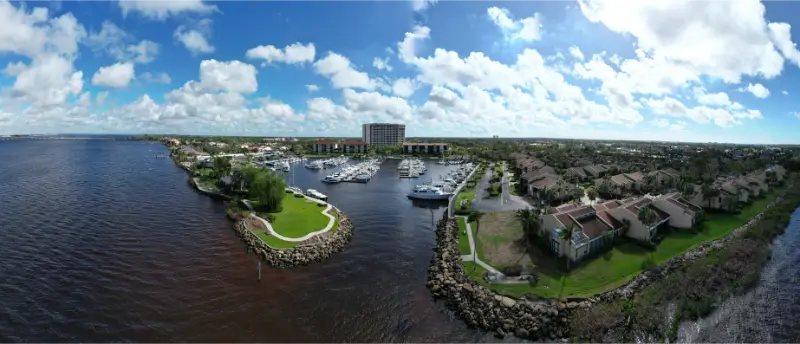
Southwest Florida looks especially appealing when you give it time to be quiet. Fort Myers has historic estates and a riverfront district, while Sanibel is known for coastal habitats, shelling and the J.N. “Ding” Darling National Wildlife Refuge. Nearby Captiva brings a different island atmosphere, and the beaches around the region invite unhurried afternoons. Four days allow these experiences to complement each other without requiring daily hotel changes or exhausting everyone with multiple drives across the causeway.
This is a nature-and-culture itinerary for visitors who may not wish to spend all day swimming. A car is strongly recommended for connecting the historic sites, islands and coastal stops. The region has experienced hurricane damage and recovery work in recent years; verify the operational status of individual beaches, businesses, boardwalks, parking areas and refuge facilities before leaving. A generic map pin or old travel article is not sufficient evidence that a visitor center has reopened or that a favorite restaurant is operating as before.
Four days with separate inland and island time
| Day | Area | Main theme | Slower alternative |
|---|---|---|---|
| 1 | Fort Myers | Edison and Ford estates, riverfront history | Garden tour and downtown lunch |
| 2 | Sanibel Island | Wildlife Drive, refuge habitats | Short auto tour with viewing stops |
| 3 | Sanibel and Captiva | Shelling, beaches and island villages | Coastal lunch and scenic overlooks |
| 4 | Fort Myers Beach or nearby coast | Mound House or another cultural stop | Rest morning and easy departure |
Try to schedule the wildlife refuge on a day other than Friday. The U.S. Fish and Wildlife Service lists Wildlife Drive as closed on Fridays, and some visitor facilities may have separate closure or reconstruction notices.
Day 1: The historic side of Fort Myers
Start with the Edison and Ford Winter Estates, where historic residences, gardens and museum interpretation provide context for Fort Myers beyond its beaches. This is a good morning attraction because much of the interest is in the relationship between industrial history, winter travel and the subtropical landscape. Check the official tour schedule and whether particular areas are included. Visitors with limited mobility should ask about step-free routes and which portions of historic structures are accessible; preserved buildings may have restrictions that differ from contemporary museum galleries.

After lunch, take a measured look at Fort Myers’ riverfront or downtown district. Look for local architecture, public spaces and a suitable place for a sit-down meal rather than treating downtown as a shopping marathon. The Caloosahatchee River is a major geographic feature, but not all waterfront areas connect seamlessly. Choose one sensible walking circuit or short vehicle transfer. If you’re traveling with children, make the day about inventors, gardens and local history, then leave the afternoon free for a rest or a pool at the hotel.
An evening around downtown Fort Myers is a practical first-night choice when staying on the mainland. Restaurants and events have their own hours, and severe weather can disrupt services; check before heading out. Families may appreciate a suite with a kitchen so the evening is not dominated by searching for dinner. This city day helps distinguish the broader region from a beach-only destination and makes tomorrow’s island ecosystems feel like a true change of scenery.
Day 2: J.N. “Ding” Darling Refuge on Sanibel
Cross to Sanibel and visit the J.N. “Ding” Darling National Wildlife Refuge, a nationally important protected mangrove and wetland habitat. The Wildlife Drive is a one-way nature route that can be experienced by car, bicycle or other permitted means, with designated stops for wildlife observation. Bird sightings vary with tide, season and time of day. Alligators may be present, so remain in designated areas and keep a safe distance. Never feed or attempt to attract animals for photographs.
The most consequential planning detail is the Friday closure of Wildlife Drive. The U.S. Fish and Wildlife Service also publishes current visitor-center information, including construction notices associated with hurricane recovery. In 2026 its pages have reported a temporary visitor-center closure with a projected reopening, while other sections list ordinary hours; because these notices may not update simultaneously, check the latest site-specific alert before assuming the center is operating. The drive itself has remained the more dependable centerpiece, except on its scheduled closure day or when other conditions intervene.
For a multigenerational group, a vehicle-based wildlife tour can be especially appealing. You can stop where access permits, watch wading birds and enjoy the landscape without completing a long hike. More active visitors may prefer walking a designated trail or joining a licensed nature outing, but should confirm its status and equipment needs. Carry binoculars, drinking water and insect protection. Avoid loud behavior around nesting or feeding birds. A calm, respectful nature afternoon is more rewarding than chasing wildlife sightings between multiple remote spots.
Day 3: Shelling and the island atmosphere of Sanibel and Captiva
Sanibel’s beaches are famous for shells, but the best way to experience them is with realistic expectations. Shell abundance changes with tide, weather and season, and no beach can promise a bucket of spectacular finds every morning. Visit a designated public access point with legal parking and appropriate facilities. Bring water and footwear for shell-strewn shoreline, and leave any live shellfish or occupied shells where they belong. Collect only where local rules allow and avoid disturbing protected wildlife or dunes.
Spend part of the afternoon driving toward Captiva, enjoying the contrast between the islands’ natural setting and smaller developed areas. Do not treat every scenic road shoulder as a parking space. Island parking and beach-access arrangements can be limited and have changed during storm recovery; verify the exact destination rather than relying on a general search map. A casual lunch in an operating restaurant is a better plan than assuming a specific old favorite has reopened. Let the afternoon be open enough for weather, tides and whatever the group genuinely enjoys.
Small children may love comparing shell shapes more than swimming, though they still need close supervision at the waterline. Teens can photograph shorebirds and learn about conservation. Adults who prefer a relaxed vacation may simply walk a short section of beach, have lunch and return to the hotel. For a wheelchair user, sand access is highly location-specific; contact the relevant county or beach operator about mats or available equipment. Enjoying Sanibel does not require walking its entire coastline.
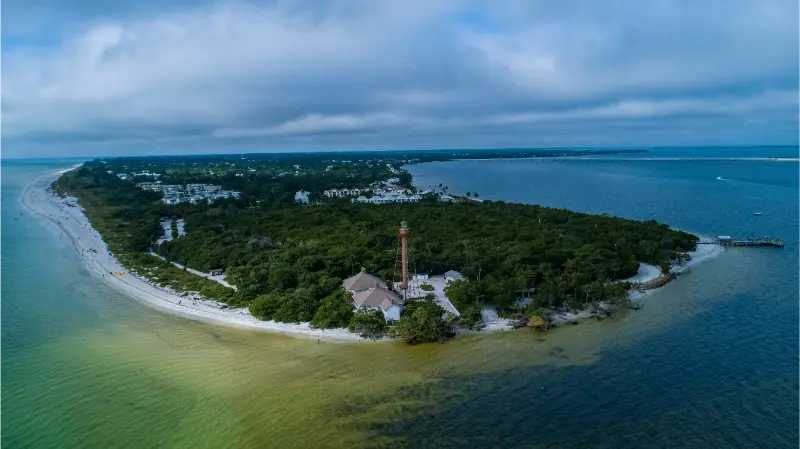
Day 4: Fort Myers Beach and a final local-history stop
Use your final day for Fort Myers Beach or another nearby shoreline that suits your route and current access information. If the Mound House’s historical and archaeological interpretation interests you, check tours and open days in advance; it can provide an illuminating look at the Calusa people and local coastal history. This option works especially well when the weather is too windy for swimming. Choose one cultural stop, lunch and perhaps a short beach walk, rather than booking a boat excursion too close to departure.
The Fort Myers Beach area has continued rebuilding and adapting after major storms, so verify parking, beach access, restrooms and businesses individually. An old image showing a facility does not prove that it is still available. Beach conditions, red-tide advisories where applicable and weather should influence whether you swim. During unfavorable conditions, a museum or riverfront café is a meaningful alternative, not a consolation prize. Travelers with young children often appreciate this flexibility most on the last day.
If you need to reach Southwest Florida International Airport, allow time for traffic, car return and the actual location of your accommodation. A hotel on Sanibel may require crossing the causeway before the mainland drive even begins. A final morning that stays close to the departure route reduces stress and leaves room for the small surprises that are part of real travel.
Where to stay for four days
A mainland Fort Myers base offers comparatively straightforward access to the estates, restaurants and airport, with day trips to Sanibel. Staying on Sanibel is better for early shelling and island atmosphere, but you may spend more and drive farther for mainland attractions. Fort Myers Beach can suit those who want an ocean-oriented holiday, provided individual properties and access routes are operating as advertised. Compare the actual drive, accommodation charges and parking, not simply a ‘Gulf Coast’ neighborhood label.
After hurricane damage, check recent property information carefully and contact the hotel if accessibility or services are essential. Ask whether the elevator is operating, whether the pool and beach access are open, and whether nearby construction affects your stay. Travelers with mobility aids need reliable dimensions and step-free routes, not merely a statement that the hotel is newly renovated. A family may save on dining with a kitchenette, while a couple may value staying closer to an island’s quiet evening scene.
Transport, the causeway and the importance of time buffers
A rental car is the easiest option for this exact four-day route. Sanibel and Captiva involve island-road travel and limited parking at selected public areas. Build the refuge visit and shelling day together geographically only if doing so does not create a rushed schedule. The Sanibel Causeway and island traffic can be slow at popular times. Save the exact legal beach parking area and any current access instructions before leaving the hotel. Do not assume that a rideshare will be instantly available at a quiet island access point.
If you are visiting without a car, focus on a walkable mainland or beachside base and book organized transfers or outings with dependable pickup arrangements. Confirm accessibility of vehicles and water-based experiences before paying. For overseas visitors, verify rental license and insurance rules and ask about toll-payment options; different companies use different billing approaches. Give every return drive generous time. The point of the islands is to escape the feeling of being in a hurry.
Money, reservations and sensible priorities
The Edison and Ford estates, refuge entrance, some guided tours and parking all have costs, but you do not need to purchase several paid experiences every day. Choose the cultural attraction on day one and the nature experience on day two as your main commitments. Enjoy beach access, scenic walks and relaxed meals the remaining days. Wildlife Drive has a separate fee schedule, and certain passes may be recognized; check the current federal refuge rules rather than assuming admission is identical to a state park.
Accommodation rates can vary sharply with winter visitor demand and holiday periods. Early booking may help, but cancellation flexibility matters in tropical-weather season. A family should compare food and gear expenses as well as room cost. Bring reusable water bottles, adequate sun protection and suitable shoes rather than purchasing everything at a beach kiosk. The most expensive surprise is often not admission but a room or vehicle plan that requires repeated long trips.
Inclusive nature travel across generations
For infants and toddlers, prioritize morning shade, short beach periods and predictable feeding or nap times. School-age children can learn how mangroves support birdlife, why shells belong to living animals and how tidal wetlands differ from hotel pools. Teenagers may enjoy photography and guided kayaking if they meet operator requirements. Older adults often appreciate the refuge’s vehicle-based wildlife viewing and short garden walks. None of these groups needs to spend the whole day in the sun to have an authentic Sanibel experience.
Ask individual venues about accessible restrooms, transport, seating and wheelchair-friendly viewing areas. The availability of an auto tour does not mean every stop along Wildlife Drive is barrier-free. A traveler with sensory sensitivity may prefer an early quiet nature outing to a crowded midday beach access. If some relatives want a longer trail while others prefer a shorter stop, arrange a meeting location and time. Good planning makes different abilities compatible rather than making one person’s limits define the whole holiday.
Wildlife, weather and marine advisories
Tropical heat, lightning and rain can change the trip, and hurricane season calls for especially flexible arrangements. Coastal water conditions may also be affected by red tide and other advisories; use current official public-health and beach updates, not assumptions from last month’s photos. At the refuge, avoid interacting with alligators and keep a safe distance from birds. On the beach, respect turtle nesting areas and never use bright lights where regulations restrict them.
If heavy rain or refuge closure disrupts day two, move the historic estates or another operating indoor attraction into that slot. The Friday closure of Wildlife Drive is foreseeable; the weather is not. A route with deliberately flexible island afternoons makes it easier to protect visitors and wildlife while still enjoying Southwest Florida’s distinctive coast.
Frequently asked questions
Is Ding Darling Wildlife Drive open on Fridays?
No, the refuge’s official visitor information lists Wildlife Drive as closed on Fridays. Check any holiday, construction or storm alerts before planning an alternative day.
Is the visitor center fully operational?
The refuge has published hurricane-recovery construction notices, including a temporary closure and projected reopening. Confirm current status directly rather than relying on an older schedule.
Is shelling guaranteed on Sanibel?
No. Tides, weather and natural movement of shells change conditions. Enjoy the shoreline regardless of the number you find, and leave living creatures undisturbed.
Can children and grandparents enjoy this trip together?
Yes. Short beach walks, garden visits and vehicle-based wildlife viewing are adaptable. Confirm accessible facilities and allow frequent cooling breaks.
Should we stay on Sanibel or the mainland?
Choose Sanibel for the island atmosphere and early beach access; choose Fort Myers for easier airport transfers and mainland attractions. Compare total costs and drive times.