
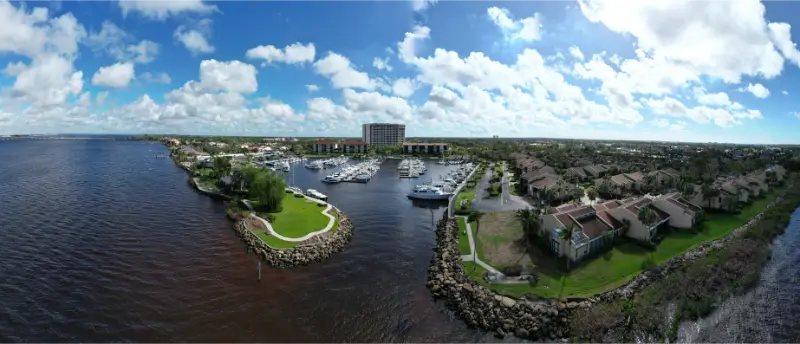
The Fort Myers area combines two very different vacations in a relatively small region: an urban riverfront shaped by southwest Florida's history and a barrier-island landscape of shells, birds and coastal habitats. The most rewarding three-day plan gives Fort Myers a day, Sanibel Island a day and leaves the last day for either Fort Myers Beach or additional nature. That balance is especially useful after storms and restoration projects, because beach access and parking may change more often than the places themselves. This itinerary favors clear decisions and flexible alternatives rather than promising that every beach amenity will be available.
Three-day itinerary at a glance
| Day | Recommended focus | Easy alternative |
|---|---|---|
| Day 1 | Fort Myers River District and historic estates | Riverside walk and one cultural attraction |
| Day 2 | Sanibel beaches and conservation habitat | Short shelling walk and refuge viewpoints |
| Day 3 | Fort Myers Beach or an easy nature day | Relaxed departure or indoor backup |
What makes these three days work
Start on the mainland in Fort Myers, travel to Sanibel on the second day and choose Fort Myers Beach or a quieter nature outing on the third. Grouping the islands prevents repeated bridge crossings and extra driving. Downtown Fort Myers sits beside the Caloosahatchee River, not a Gulf swimming beach. Sanibel is a Gulf barrier island known for shorebirds and shelling, while Fort Myers Beach is on Estero Island. Each is attractive, but they serve different purposes. Looking at those distinctions before booking prevents a common disappointment: choosing a riverfront hotel and expecting sand outside the door.
Road conditions, causeway traffic and parking capacity can vary with season and repair work. Consult current visitor information before reserving a specific beach day. A car will usually provide the most flexibility across these sites, although guided transfers may be practical for one chosen excursion. If traveling with children, include enough time to return to the hotel after the beach. For older travelers, book a property with reliable elevators, step-free paths and nearby dining. A shorter trip with two well-chosen daytime activities can feel much more restful than changing hotels every night.
Day one: see the Fort Myers River District
Begin in the River District, where historic streets and the Caloosahatchee waterfront provide a walkable focus. Choose a compact route near your parking location and spend time learning about the city's development as a river and railway center. Small businesses, galleries and restaurants can change frequently, so look up individual opening hours. Architecture fans may enjoy noticing the scale and texture of the older commercial buildings. The river itself is an active waterway; public viewing areas offer scenery, but you should not treat the urban shoreline as a safe place to swim.
After a relaxed walk, stop for lunch and decide whether to add a museum or cultural attraction. The Edison and Ford Winter Estates are a well-known Fort Myers destination with historic houses, gardens and museum components; check which tours and buildings are included with the ticket and how accessible the paths are. If your group enjoys invention and history, this can become the main afternoon activity rather than an extra stop. Visitors who are tired or sensitive to heat may prefer a short garden visit or an air-conditioned venue. Keeping day one entirely on the mainland reduces pressure on the more weather-dependent coastal days ahead.

Why the Edison and Ford Winter Estates deserve planning
The estates invite visitors to think about industrial history, winter migration and Florida's landscape rather than merely admire large homes. Exhibits and garden areas allow people to choose between indoor learning and time outdoors. Research tour times and the difference between self-guided and guided options before arriving. Historic properties sometimes contain thresholds or surfaces that are not ideal for every mobility aid; contact the attraction for current accessibility details. If you are traveling with school-age children, select a few science or engineering exhibits that connect to their interests instead of expecting them to remain engaged through every historical explanation.
The estates can also consume more time than a casual visitor anticipates. Pair them with the River District only if your group has adequate energy. A long museum morning followed by an early dinner is a legitimate full day. On rainy afternoons, consider indoor elements first and leave the gardens until conditions improve; in summer, do the reverse to avoid intense heat. Photography and tours may have separate rules. The site is most rewarding when approached as a specific window into local history, not as a mandatory photo stop on the way to the beach.
Day two morning: cross to Sanibel Island
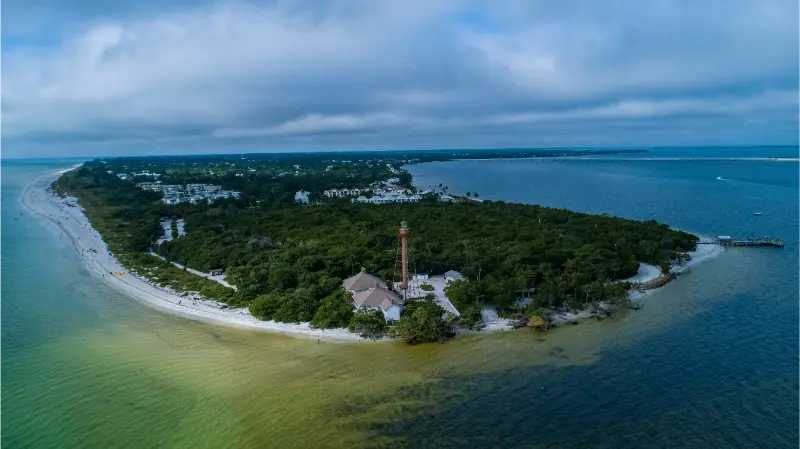
Leave early for Sanibel so that your first experience is the morning light and a calmer pace, not searching repeatedly for a full parking space. Sanibel's coastline differs from a typical resort strip: protected natural areas, low-rise development and shell-rich beaches help define the island. Before choosing an access, consult the area's official beach-condition page for open facilities, parking restrictions and restoration notices. An access advertised online months earlier may have changed, particularly after storm-related repair work. Do not make the entire day dependent on a single parking lot.
Beachcombing is a highlight even for people who never swim. Walk slowly, watch for birds feeding near the shoreline and enjoy the unusual variety of shells. Follow local shell-collection rules and never take living animals or shells occupied by organisms. Respect posted wildlife nesting areas and use authorized beach paths to protect dunes. Families can turn the morning into a simple natural-history activity, looking at shapes and patterns without collecting everything they see. Visitors with back or balance difficulties may appreciate a chair, a short access route and regular breaks rather than an extended bent-over shell hunt.
Day two afternoon: choose J.N. “Ding” Darling or more shore time
J.N. “Ding” Darling National Wildlife Refuge is an important opportunity to understand Sanibel's mangrove and estuary ecosystems. Check the refuge's official website for current access, Wildlife Drive information, closures and any visitor-center services. Wildlife viewing is unpredictable, and the best experience comes from patient observation rather than expecting a particular bird or mammal to appear. Some stops are reachable by vehicle or a short walk, making the refuge a potential alternative for travelers who cannot manage deep beach sand. However, accessibility varies by route and should be confirmed directly.
If the beach has already been the perfect morning, the afternoon can be as simple as a relaxed meal and rest. Parents may want to return before young children become overtired. A couple can spend longer photographing the island's natural light. Active travelers can choose an approved guided paddle, but should review tides, safety procedures and any wildlife restrictions with the provider. Avoid treating all waterways as safe swimming areas. Sanibel's distinctive value lies in the relationship between shore, marsh and conservation; you can appreciate that even without a strenuous hike or boat excursion.
Day three: Fort Myers Beach or a quieter coastal choice
Fort Myers Beach on Estero Island offers a more conventional beach-town setting, with dining and lodging near Gulf sand. It is a good third-day choice if you want a different atmosphere from Sanibel. Check the Town of Fort Myers Beach website for legal beach approaches, parking and accessibility mats. Restoration work may temporarily affect lots or amenities even when a beach itself is open. Do not assume that every previous restroom, access point or parking facility has been restored simply because visitors are again using the shoreline.
A quieter alternative is a mainland nature outing, a return to a favorite cultural site or an unhurried morning near your lodging. If the forecast brings rough water or thunderstorms, consider an indoor museum, a long lunch or shopping instead of moving from one exposed beach to another. For a family with very young children, a pool day may be ideal after Sanibel. People leaving on a flight should keep this last day closer to their departure route. A three-day getaway gains very little by risking a missed flight for one more hour of sand.
Decide where to stay: mainland, Sanibel or Estero Island
A downtown or mainland hotel offers more flexibility for the first day and potentially easier access to larger retail services. Sanibel accommodations can provide an island atmosphere and reduce daily travel to local beaches, but confirm the actual walking distance to the Gulf: some properties are across a road, along canals or next to protected shoreline rather than a swimming beach. Fort Myers Beach properties are better suited to visitors who want a lively beach vacation, though construction, parking and road conditions may affect the experience. Review recent property details and ask specific questions before making a nonrefundable booking.
The total cost matters more than the headline nightly rate. Taxes, cleaning fees, resort charges, parking and a kitchen's usefulness can all shift the comparison. An apartment with laundry may make sense for a family planning multiple beach days, while two adults may prefer a hotel with breakfast and less housekeeping. Accessibility needs should be confirmed in writing: ask about elevators, shower design, beach routes and temporary construction. Consider cancellation conditions carefully during hurricane season, when island travel plans may need to change on short notice.
Heat, beach safety and wildlife ethics
Southwest Florida is hot and humid for much of the year, and shade may be limited at open beaches. Plan sand time for the cooler part of the day, use broad sun protection and carry sufficient drinking water. Thunderstorms can form quickly, and lightning makes open beaches and waterside piers dangerous. Swim only where conditions permit and do not underestimate currents or changing weather. Children need close adult supervision near the water, even on shores that appear calm. Some people will enjoy the islands more through beach walks and scenic viewpoints than swimming.
The same care applies to wildlife. Never feed dolphins, manatees or shorebirds, and keep appropriate distance from nesting sites. Marine animals and living shells should remain in place. In mangrove waterways, use established operators and marked routes, and learn how to avoid damaging seagrass. Visitors sometimes expect every day to deliver an animal encounter; explaining that wildlife is unpredictable makes the trip more respectful and less disappointing. This coast can be enjoyed through its sounds, vegetation, light and birdlife even when no rare animal appears in photographs.
A sensible budget and weather backup
For many travelers, lodging and vehicle expenses will dominate the budget. Paid museum admission, state or refuge access, island parking and optional cruises are separate items. Check rates directly because parking systems, fees and entry rules can change after restoration work. A budget-focused version includes a compact downtown walk, one historical attraction and public beach visits with carefully selected parking. A more comfortable version might pay extra for a convenient island room, a guided nature tour or a balcony suitable for a quiet evening. Neither requires buying an excursion every day.
Keep one backup for each coastal day: an indoor cultural stop, a favorite cafe, a hotel rest afternoon or an attraction away from the surf. Before departure, check official beach status, the wildlife refuge's current visitor details and the weather forecast. If someone needs a mobility aid, inspect the exact access and current mat availability. For young children, bring spare clothes and shade rather than relying entirely on beachside vendors. The practical preparation supports the pleasure of discovering Fort Myers and Sanibel at their own rhythm.
Final itinerary checks and an easy pace
This three-day route works when you give each place a clear role: Fort Myers provides history and city life, Sanibel provides natural coastline and conservation, and the final day gives the group a choice between a busier beach scene and a quieter finish. Book the attractions that require reservations, but leave space between them. Do not schedule Sanibel and Fort Myers Beach as if they were neighboring attractions within the same parking lot. Their different locations and conditions deserve separate time.
If you only remember one planning rule, make it this: verify current island beach access rather than relying on a generic Florida beach list. Facilities can change after storms and ongoing repair projects. With that simple habit, three days can feel varied and complete without rushing. The coastline offers enough beauty for careful observation, while downtown Fort Myers and the historic estates provide substance for visitors who want more than a beach chair. Allow a slower family day whenever your group needs it.
Frequently asked questions
Is downtown Fort Myers on the Gulf beach?
No. It is on the Caloosahatchee River; Sanibel and Fort Myers Beach are separate coastal areas.
Are all Sanibel beach facilities fully restored?
Not necessarily. Check current official beach-status and parking updates before travel.
Can I visit without swimming?
Yes. Historic estates, shelling, public viewpoints and conservation learning create a full three-day trip.