Category: Fort Myers Sanibel Destination Guide

  • Cape Coral vs Fort Myers: Where Should Families Stay in Southwest Florida?

    Cape Coral vs Fort Myers: Where Should Families Stay in Southwest Florida?

    Cape Coral and Fort Myers sit on different sides of the Caloosahatchee River, close enough for day trips but different enough to shape an entire vacation. Cape Coral is known for its canal neighborhoods and spacious residential-style accommodation, including private homes with pools. Fort Myers has a more traditional downtown, cultural attractions and a range of hotels and neighborhoods. Neither city should be confused with Fort Myers Beach, which is a separate coastal destination on Estero Island. That distinction is central to choosing a rental: a property described as “waterfront Cape Coral” may overlook a canal rather than a swimming beach, while an address in central Fort Myers may have no direct beach access at all. This guide explains where each base works well and how to budget honestly for beaches, transport and activities.

    Quick comparison

    QuestionOption AOption B
    Main lodging choicePrivate homes with kitchens and poolsCity hotels and a range of neighborhoods
    Waterfront meaningCanal does not mean swimming beachRiverfront is not a Gulf ocean beach
    Family advantageSpace, laundry, meal flexibilityRestaurants and urban cultural choices
    TransportCar generally very usefulDowntown offers some walkable outings

    Start with the water geography

    Cape Coral’s canals create an appealing setting for people who like watching boats or enjoying a private pool, but canal frontage is not equivalent to a legal or safe place to swim. Waterfront properties have different types of access, and some canals connect to open water only through specific routes or systems. Fort Myers is on the other side of the river, with historic neighborhoods and routes toward nearby islands, beaches and other inland attractions. To reach Fort Myers Beach, Sanibel or other coastal areas from either city, you must account for road networks, bridges, parking and possible storm-related restrictions. A straight-line distance across water can be misleading. Always map the exact accommodation to the actual beach entrance you intend to use rather than selecting a home based solely on a coastal-sounding location description.

    Cape Coral's main appeal: space and a home routine

    Cape Coral suits travelers who enjoy a spacious accommodation, a kitchen and unhurried mornings. A house with several bedrooms may work well for parents, grandparents and children who need different sleep schedules. Having a private pool can make a rest day pleasant without needing to park at a beach or buy an activity ticket. But pool safety requires serious attention: check fencing, alarms, gate latches, supervision and whether the property provides necessary equipment. If the group plans to shop for groceries and prepare meals, examine the driving route from the house to stores and restaurants. Some canal neighborhoods are residential rather than vacation-service districts. A beautiful sunset photograph does not tell you whether the nearest breakfast option is walkable or whether your planned day will require three separate drives.

    Fort Myers' main appeal: variety and urban access

    Fort Myers offers a different type of base, with a historic downtown riverfront, places to dine and museums or cultural sites depending on current openings. A centrally located hotel can be practical for a traveler who wants an evening walk or a comfortable place to return after a day trip. The Edison and Ford Winter Estates are a well-known historic attraction that may interest families and visitors who enjoy gardens and invention history, subject to schedules and entry arrangements. Other areas of Fort Myers are spread out, so do not assume a hotel with the city name is automatically in the walkable downtown district. Visitors who plan to spend most evenings at restaurants rather than cooking may prefer Fort Myers over a secluded rental. Conversely, a family requiring four bedrooms may find a hotel suite much less convenient than a house.
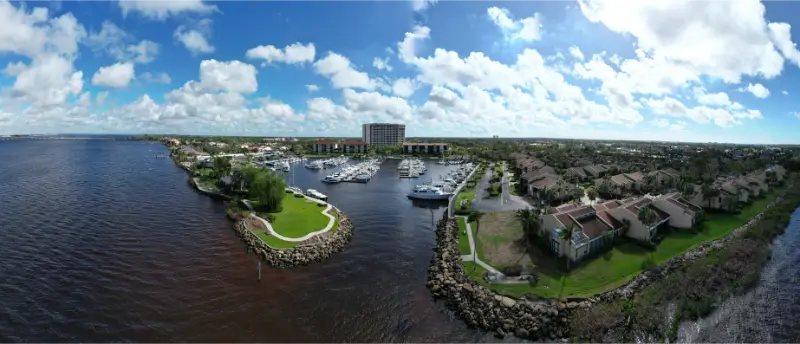
    Fort Myers Florida Wetlands and Roads Aerial

    Neither city is the same as a beach resort

    This is the most important mistake to avoid. Cape Coral has local waterfront recreation but is not the same as booking an ocean-facing Gulf Coast hotel. Downtown Fort Myers similarly sits inland along the river, not on a typical Gulf swimming beach. If daily beach access is your overriding goal, compare actual properties on Fort Myers Beach, Sanibel, Captiva or other coastal islands instead of assuming either inland city can substitute. Bridges and traffic can make a beach day a significant outing, particularly with a stroller or mobility device. The attraction of Cape Coral and Fort Myers is often the combination of room to spread out, local culture and planned coastal excursions. Travelers who want to step from the hotel directly onto white sand every morning should choose a different accommodation category.

    Travel time and bridge planning

    Crossing the Caloosahatchee is routine for residents but can add meaningful time to a vacation itinerary. The relevant bridge depends on the route, and morning or late-afternoon congestion can make a short-looking drive slower than expected. Some approaches toward islands have additional bridges, local access rules or toll-related arrangements. Rather than assuming an exact drive time, check a navigation estimate for the actual day and hour when you intend to travel. Build in extra margin for parking near beaches and for visitors who need a restroom break. If a child naps after lunch, crossing multiple bridges twice daily may be an unnecessarily complicated routine. A Cape Coral house can be ideal when most days are spent by its pool and only two days involve coast outings; it is less convenient if the group insists on a distant public beach every morning.

    Canal access does not guarantee boating freedom

    Rental listings sometimes display a dock, fishing equipment or boats nearby. Ask whether dock use is authorized, whether the canal has navigational restrictions and whether any vessel rental is operated by a licensed provider with appropriate safety equipment. A house with a dock is not a promise that you can use any craft at any time. Boaters should be aware of manatee protection zones, current navigation rules and weather. Guests unfamiliar with Florida waterways should not assume that calm-looking canals are risk-free. Parents must also assess open-water hazards around children, especially where a yard leads directly to a seawall without a protective barrier. For non-boaters, a canal view can still be enjoyable from a safe patio. Paying a premium for direct boating access makes little sense if the group only wants to watch the water.

    A suitable Cape Coral family itinerary

    On the first day, settle into the accommodation, inspect safety arrangements around the pool and canals, and shop for groceries. The second day can be devoted to a carefully chosen coastal outing, with a morning beach session if conditions are appropriate and an early return for rest. Day three might focus on a local park, a casual waterfront meal or a short scenic drive. On day four, consider a visit to Fort Myers for historic attractions and dinner, then return before children become overtired. A fifth day can remain free for the pool, laundry and an optional nature trip. This schedule assumes the house itself is part of the attraction. If the group dislikes cooking or spending time at the property, a residential Cape Coral base may be the wrong type of holiday even if its nightly rate is attractive.

    A suitable Fort Myers itinerary

    Begin with a low-pressure arrival afternoon around the hotel’s immediate neighborhood, rather than attempting a long drive to the Gulf after a flight. On day two, explore the historic riverfront and one museum or garden selected from current opening information. Use day three for a planned coast outing, with enough time for parking, bridge travel and a rest afterward. Day four could include nature observation in the wider Southwest Florida region, depending on trail access and heat, while day five remains flexible for shopping or a favorite return visit. This approach works particularly well if the hotel is close to restaurants, allowing evening meals without extensive additional driving. If the property is near a highway rather than downtown, reassess the entire schedule to account for transport and parking.

    Families with toddlers and school-age children

    The biggest advantages for families often come from predictable meals and sleep rather than grand attractions. A Cape Coral rental with a separate bedroom and washer can make routines easier, but a pool and canal introduce safety responsibilities that must be managed continuously. A Fort Myers hotel with a ground-floor restaurant or easy grocery access may suit a short trip where nobody wants to cook. For either base, determine whether the children’s preferred beach is close enough to visit without an exhausting car journey. Check the weather before committing to a midday coastal excursion, and bring more drinking water than you expect to need. Children can enjoy wildlife observation and riverfront views without entering a boat. Avoid paying for activities that assume every family member can tolerate a long excursion in strong sun.

    Couples, friends and older travelers

    Couples may prefer Fort Myers for evening dining and local cultural stops, or Cape Coral for privacy and a peaceful poolside environment. A group of friends can find a large rental house economical when bedrooms and grocery costs are shared fairly. Older travelers should consider the practicality of property access: a canal villa may have steps, a slippery outdoor deck or a pool with no suitable handrail. A downtown hotel may have elevators but require longer walks between attractions. Neither destination is automatically accessible merely because it is low-rise or flat. Request precise details about shower layout, accessible parking, seating and the distance to a restaurant. If one visitor cannot manage a long beach transfer, plan a comfortable alternative rather than forcing the whole group to drive together every time.

    Where to book in Cape Coral

    Look carefully at the address and neighborhood amenities. The city covers a large area, and one house can be much closer to everyday services or the bridges you will use than another. A waterfront rental may command a premium even when you do not need boating access. Check the number of true bedrooms, air-conditioning arrangements, internet quality, laundry machines and whether the advertised pool heating carries a separate charge. Read the full cleaning and service-fee breakdown, especially for a stay of only three or four nights. Clarify access instructions and local rental rules. The right Cape Coral property is not necessarily the largest; it is the one that is safe for your group and reduces repetitive trips for groceries, meals and excursions. A smaller house close to services can be more practical than an impressive but remote villa.

    Where to book in Fort Myers

    Choose between a downtown experience and a transport-oriented hotel near major roads. A downtown property may save evening driving and put restaurants close at hand, while another hotel may be easier for early departures toward the beaches or other regional attractions. Read recent reviews for parking availability, noise, breakfast hours and room condition. If the hotel advertises a shuttle, verify whether it serves a specific attraction or only a limited local area. A suite with kitchen facilities may help families, though the extra space should be compared with the cost of a rental house. A property’s distance to Southwest Florida International Airport can matter for late arrivals or early departures, but do not let airport convenience dominate a week in which most activities are in another direction.

    Consider post-storm and environmental conditions

    Southwest Florida has experienced major hurricanes and recovery work in recent years. Conditions at individual beaches, parks, waterfront properties and roads can change after repairs or new weather events. Before booking a coastal excursion, check official local notices and do not rely on old photos of a pier, beach access or attraction. During hurricane season, flexible cancellation policies and a clear emergency plan are important, particularly for rental houses managed remotely. Water quality advisories, strong currents and heat can also affect a beach day. If the weather closes the coast, a downtown museum, indoor restaurant or rest day by a safe pool may keep the vacation enjoyable. Treat a promised sunset cruise or boat trip as a weather-dependent activity and confirm operator policies in advance.

    Cost comparison: a sample method

    Start with a common travel period and calculate total accommodation cost for the full party. Add taxes, cleaning or mandatory fees, any pool heating, parking, grocery spending and transportation. For a Cape Coral house, include fuel and bridge journeys, plus the value of cooking and laundry. For a Fort Myers hotel, include breakfast costs, restaurant meals and any parking or resort charges. If the group is six people, dividing a large house’s full cost among guests may produce better value than several hotel rooms, but only if everyone is comfortable sharing a kitchen and handling household tasks. If the group is two adults staying three nights, the cleaning fee on a rental may make a convenient hotel the simpler choice. Do not compare a house’s nightly price with a hotel’s all-inclusive total.

    Who should choose which city?

    Choose Cape Coral if you want a spacious house, a private pool, flexible family routines and occasional planned outings to the Gulf or Fort Myers. Choose Fort Myers if you want urban amenities, cultural attractions, downtown dining and the convenience of a traditional hotel base. If a wide sandy beach must be immediately outside the room every day, neither city name by itself answers your requirement; select an actual Gulf beachfront property elsewhere in the region. For seniors, evaluate ease of access and medical or grocery convenience. For toddlers, examine pool and canal hazards before booking. The best decision comes from the real address and daily schedule, not a general claim that one city is cheaper, livelier or more family friendly.

    Frequently asked questions

    Is Cape Coral a Gulf swimming beach town?

    No. Its canals are not equivalent to beachfront resort access; plan separate beach excursions.

    Is Fort Myers the same as Fort Myers Beach?

    No. Fort Myers is a mainland city; Fort Myers Beach lies on Estero Island.

    Do all Cape Coral rentals allow dock or pool use?

    No. Check house rules, pool safety, any heating fees and permitted dock or vessel access.
  • Cape Coral and Fort Myers in Five Days: Riverfront, History and Gulf Coast Nature

    Cape Coral and Fort Myers in Five Days: Riverfront, History and Gulf Coast Nature

    Cape Coral and Fort Myers sit on opposite sides of the Caloosahatchee River, close enough to share a vacation but different enough that your choice of hotel changes how the week feels. Cape Coral is known for residential canals and spread-out neighborhoods. Fort Myers offers more obvious historic and cultural stops, while the beaches on the barrier islands are a separate excursion rather than something you can reach simply by stepping outside a downtown hotel. This five-day plan explains how to use the region without pretending it is one continuous walkable resort.

    It suits couples, families with school-age children and older travelers who want a mix of local history, river views, nature and time near the water. It is less useful for people who want a hotel directly on a wide oceanfront beach every day. A rental car makes the itinerary much easier, and the condition of individual beaches, boardwalks and businesses should be verified after severe weather events.

    Where to stay: Cape Coral or Fort Myers?

    Choose For Main compromise
    Downtown Fort Myers Restaurants, historic streets and riverfront evenings Drive to Gulf beaches
    Cape Coral House rentals, kitchen space and relaxed residential pace Most errands require a car
    Fort Myers beach corridor Beach-focused stays when properties and access are open Traffic, parking and possible rebuilding
    Near airport and major highways Easy late arrival or early departure Less neighborhood character

    Cape Coral accommodations often appeal to multigenerational groups looking for two or three bedrooms. Check the total rental cost, pool safety, cancellation terms and whether a waterfront dock is private and secured. A canal view is not a swimming invitation. In Fort Myers, choosing a downtown hotel lets you enjoy some meals without driving, but ask about parking charges, noise from nightlife and the walking distance to the waterfront.

    Do not book an ‘island beach hotel’ merely because the listing says Fort Myers. Fort Myers, Fort Myers Beach, Sanibel and Captiva are distinct areas with different roads and travel times. Confirm the exact address and current facilities on a map.

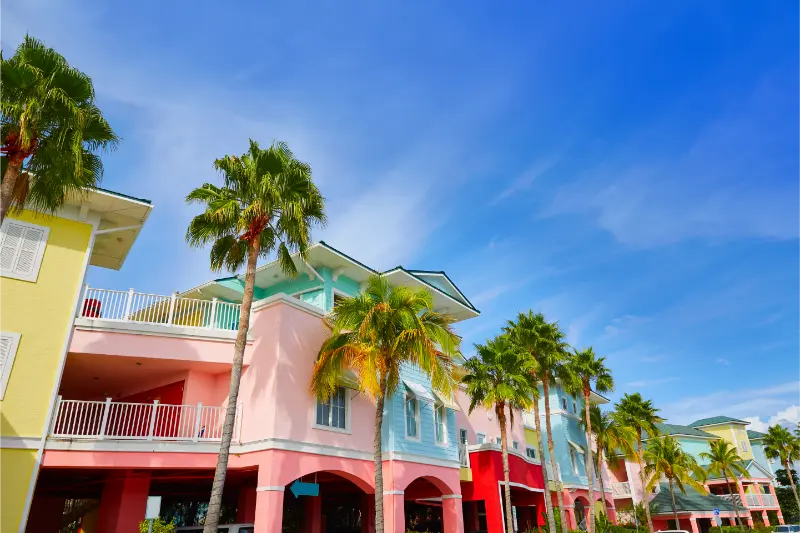
    Fort Myers Florida Colorful Buildings and Palms

    Day 1: discover the riverfront and downtown Fort Myers

    Begin in the historic downtown and choose a few blocks rather than trying to tour the whole city before lunch. The streets near the river reveal an older Florida of civic buildings, shops and waterfront views. A café stop and a short stroll can provide a pleasant introduction while allowing time to locate parking and get comfortable with the region.

    For families, turn the walk into a small scavenger hunt: identify the river, find a historic façade and notice how the downtown differs from a newer shopping district. For adults, an architecture-oriented afternoon makes sense. Visitors with mobility needs should check street surfaces and parking locations in advance; an attractive historical district does not automatically have an entirely level route.

    Keep the first evening local. The sunset is enjoyable from a public riverfront area when conditions permit, but restaurants may be busy on weekends or during events. Confirm operating hours rather than relying on an old directory. After a long flight, choose a low-stress dinner instead of attempting a remote waterfront drive.

    Day 2: Edison and Ford history with a garden break

    The Edison and Ford Winter Estates are the area’s signature history attraction, bringing together preserved buildings, collections and gardens associated with the inventors’ winter residences. A visit helps explain why Fort Myers developed its reputation as a winter retreat. The attraction is not simply a house where you move from room to room: grounds, exhibits and tour options deserve time, especially if your family enjoys science or historical stories.

    Check the Estates’ official visitor information for current ticket types, guided activities and accessibility details. Parts of a historic property can have constraints that differ from the modern visitor facilities. If a member of your group has limited stamina, prioritize one tour plus a short garden visit instead of trying to cover every display.

    Lunch afterward can be unhurried. Leave the afternoon for a simple park or hotel pool rather than driving to Sanibel and back. The appeal of this five-day trip is having room to absorb experiences. Children may enjoy relating inventions and historical tools to devices they use today; encourage questions without promising a particular hands-on exhibit or demonstration.

    Day 3: Cape Coral's canals and protected nature

    Cape Coral’s extensive canal layout can make it feel very different from Fort Myers despite the short distance between them. Drive through a few residential areas only when you have a legitimate destination; there is no need to turn private neighborhoods into a sightseeing tour. Choose a public waterfront park, a local restaurant or a designated nature area, and respect residents’ driveways and dock access.

    Four Mile Cove Ecological Preserve is a commonly recommended mangrove-oriented escape, but trail conditions, storm repairs and seasonal closures must be checked through the city before you go. A boardwalk that looks easy in photographs may include damaged or inaccessible sections after storms. If it is not open, use a verified public park or an interpretive nature center rather than improvising entry through a closed gate.

    A family with young children may prefer a short nature outing, an afternoon snack and a playground. Adults who enjoy photography can watch for wading birds from public paths. Wildlife is most likely to be interesting when people remain quiet, keep their distance and avoid feeding birds or fish. Ask a local outfit about an authorized guided experience only if you genuinely want to spend time on the water.

    Day 4: choose one barrier-island adventure

    A beach day is best approached as its own destination. Sanibel, Captiva and Fort Myers Beach should not be stacked into one hurried ‘three beaches by lunch’ circuit. Traffic, causeways, parking availability and weather can consume much of the day. First choose what matters: shelling, a broad beach with services, a pleasant coastal lunch or simply seeing the Gulf. Then verify the specific access point and its current conditions.

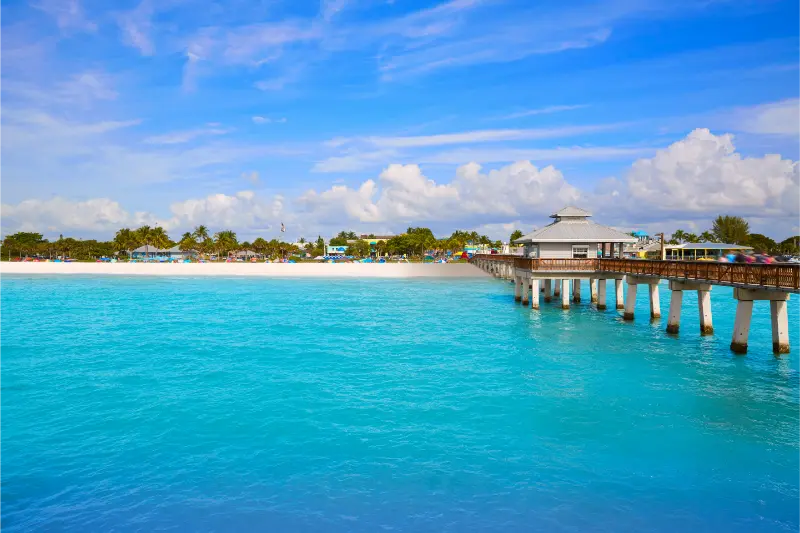
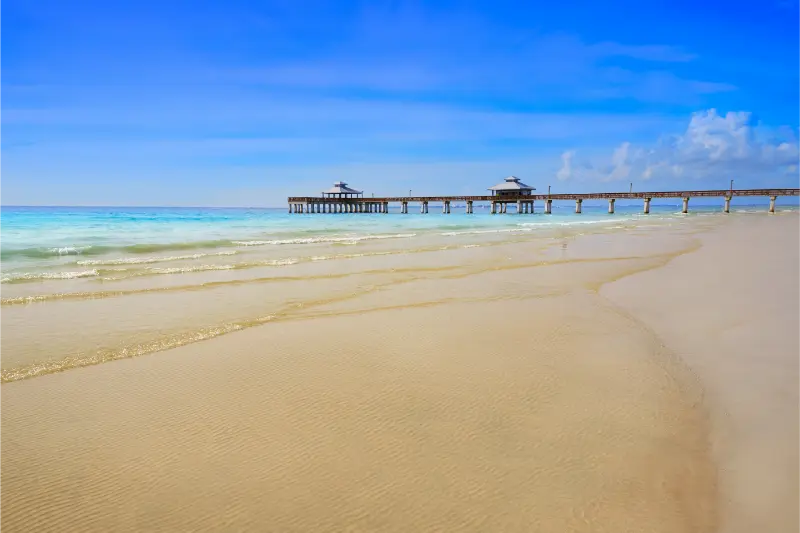
    Fort Myers Beach Pier Florida Wide Shoreline

    Sanibel is famous for shells, but collecting is not a reason to disturb live animals or enter sensitive habitat. Follow posted restrictions and leave living organisms where you found them. Swimming conditions depend on local flags, weather and water quality. The NOAA safe-swimming guidance is a helpful reminder to check conditions and choose a lifeguarded area when entering the water.

    If your family includes an infant or someone who struggles on soft sand, consider a shorter shoreline visit followed by an accessible indoor lunch. Ask the beach authority about mats, wheelchair arrangements and restrooms; these differ from one access point to another. The entire day should not depend on spending four hours under the sun. Cloud, wind and rain are sufficient reasons to change plans.

    Day 5: wetlands or a second city day before departure

    Six Mile Cypress Slough Preserve provides an opportunity to see southwest Florida’s freshwater landscape from a designated walking route. It is a very different experience from the seawater scenery of the Gulf. Before visiting, check county notices, the availability of parking and the condition of any boardwalk sections. Bring drinking water and plan a gentle pace. Even a short nature outing can feel long during a hot and humid afternoon.

    An alternative final day is to return to downtown Fort Myers for a museum, leisurely lunch or shops. People staying in Cape Coral may want to explore another neighborhood instead of crossing the river again. If your flight departs from Southwest Florida International Airport, set a departure buffer that includes bridge traffic, returning the rental car and checking luggage.

    Children may remember watching a bird along a quiet wetland trail more vividly than an expensive attraction. There is no obligation to purchase a ticket for every day of a Florida vacation. The best final day is often the one that leaves everyone fresh enough for the trip home.

    Choosing the right season

    Winter and early spring often provide pleasant conditions for long walks, but accommodation can be expensive and popular public spaces are busy. Summer is humid and storm-prone, so start outdoor days early and reserve an indoor afternoon option. Autumn may bring quieter periods but falls within Atlantic hurricane season; check forecasts, travel insurance and cancellation policies. The same beach access can feel very different after a storm or during major reconstruction.

    Red tide, bacterial advisories and other coastal conditions can affect specific beaches. Use county beach updates and Florida’s official environmental monitoring rather than a single statewide statement that ‘the Gulf is clear.’ Visitors with respiratory sensitivities may need to avoid a beach during an active bloom. No itinerary should guarantee clear water, shells or a wildlife sighting on a particular day.

    Getting around without needless driving

    A car is the practical default for this region. Before selecting accommodation, open a map and enter the places you will actually visit: downtown Fort Myers, a Cape Coral park, the Estates, a nature preserve and one island access point. Compare travel times at plausible hours, not at midnight with empty roads. A hotel that costs slightly more but reduces repeated bridge crossings may save both time and parking costs.

    For travelers without a car, stay in a compact area and plan only a small number of outings with taxis or suitable rideshare. Public transport can serve certain corridors but will not make island exploration effortless. People traveling with a wheelchair or larger stroller should arrange an appropriate vehicle rather than assuming one will arrive quickly on demand.

    A realistic five-day spending plan

    List your accommodation, parking, car rental, bridge or road tolls if applicable, one paid history attraction, groceries, meals and a beach day. Add a contingency for severe weather or changes in access. Do not calculate budget using an advertised nightly rate that omits cleaning fees, service fees or taxes. A Cape Coral home with a kitchen may save money on family meals but can also come with higher cleaning charges and more driving.

    A couple staying downtown might choose restaurants and modest attractions, while a six-person family could split a larger rental house and prepare breakfast. There is no universally cheaper base. Compare the full five-day plan in dollars and hours of travel. Paying for a private boat ride is optional; public parks and interpretive spaces can provide excellent experiences at a lower cost.

    Practical considerations for multiple generations

    For young children, protect nap time and verify child safety seats. For grandparents, choose hotels with elevators, suitable bathrooms and nearby restaurants. For everyone, use insect repellent appropriate to the person, carry water and seek shade. Check that a rented house has safe pool barriers and that sliding doors can be secured. Never leave children unsupervised near canals, pools, rivers or the Gulf.

    If storms threaten, stay away from shorelines and flooded streets. Ask your property what happens if a tropical weather system disrupts the booking. When attractions close, swap the order of days rather than driving to a closed park. The region rewards visitors who plan one main activity per day and leave time for relaxed discovery.

    Frequently asked questions

    Is Cape Coral on the beach?

    Cape Coral has extensive canals and waterfront settings but is not the same as staying directly on Sanibel or Fort Myers Beach. Reaching many Gulf beach access points requires driving.

    Can I visit Sanibel and Captiva in one day?

    You can, but a comfortable day usually focuses on one or two specific stops. Traffic and parking conditions should determine whether a second location is worthwhile.

    Is this trip possible without renting a car?

    A limited Fort Myers-centered vacation is possible with prearranged transfers, but most of the proposed nature and coastal trips are easier with a vehicle. Compare the true cost of rideshares before deciding.

  • Three Days in Fort Myers and Sanibel: River History, Shelling Beaches and Coastal Nature

    Three Days in Fort Myers and Sanibel: River History, Shelling Beaches and Coastal Nature

    The Fort Myers area combines two very different vacations in a relatively small region: an urban riverfront shaped by southwest Florida's history and a barrier-island landscape of shells, birds and coastal habitats. The most rewarding three-day plan gives Fort Myers a day, Sanibel Island a day and leaves the last day for either Fort Myers Beach or additional nature. That balance is especially useful after storms and restoration projects, because beach access and parking may change more often than the places themselves. This itinerary favors clear decisions and flexible alternatives rather than promising that every beach amenity will be available.

    Three-day itinerary at a glance

    DayRecommended focusEasy alternative
    Day 1Fort Myers River District and historic estatesRiverside walk and one cultural attraction
    Day 2Sanibel beaches and conservation habitatShort shelling walk and refuge viewpoints
    Day 3Fort Myers Beach or an easy nature dayRelaxed departure or indoor backup

    What makes these three days work

    Start on the mainland in Fort Myers, travel to Sanibel on the second day and choose Fort Myers Beach or a quieter nature outing on the third. Grouping the islands prevents repeated bridge crossings and extra driving. Downtown Fort Myers sits beside the Caloosahatchee River, not a Gulf swimming beach. Sanibel is a Gulf barrier island known for shorebirds and shelling, while Fort Myers Beach is on Estero Island. Each is attractive, but they serve different purposes. Looking at those distinctions before booking prevents a common disappointment: choosing a riverfront hotel and expecting sand outside the door.

    Road conditions, causeway traffic and parking capacity can vary with season and repair work. Consult current visitor information before reserving a specific beach day. A car will usually provide the most flexibility across these sites, although guided transfers may be practical for one chosen excursion. If traveling with children, include enough time to return to the hotel after the beach. For older travelers, book a property with reliable elevators, step-free paths and nearby dining. A shorter trip with two well-chosen daytime activities can feel much more restful than changing hotels every night.

    Day one: see the Fort Myers River District

    Begin in the River District, where historic streets and the Caloosahatchee waterfront provide a walkable focus. Choose a compact route near your parking location and spend time learning about the city's development as a river and railway center. Small businesses, galleries and restaurants can change frequently, so look up individual opening hours. Architecture fans may enjoy noticing the scale and texture of the older commercial buildings. The river itself is an active waterway; public viewing areas offer scenery, but you should not treat the urban shoreline as a safe place to swim.

    After a relaxed walk, stop for lunch and decide whether to add a museum or cultural attraction. The Edison and Ford Winter Estates are a well-known Fort Myers destination with historic houses, gardens and museum components; check which tours and buildings are included with the ticket and how accessible the paths are. If your group enjoys invention and history, this can become the main afternoon activity rather than an extra stop. Visitors who are tired or sensitive to heat may prefer a short garden visit or an air-conditioned venue. Keeping day one entirely on the mainland reduces pressure on the more weather-dependent coastal days ahead.

    Fort Myers Florida Colorful Buildings and Palms

    Why the Edison and Ford Winter Estates deserve planning

    The estates invite visitors to think about industrial history, winter migration and Florida's landscape rather than merely admire large homes. Exhibits and garden areas allow people to choose between indoor learning and time outdoors. Research tour times and the difference between self-guided and guided options before arriving. Historic properties sometimes contain thresholds or surfaces that are not ideal for every mobility aid; contact the attraction for current accessibility details. If you are traveling with school-age children, select a few science or engineering exhibits that connect to their interests instead of expecting them to remain engaged through every historical explanation.

    The estates can also consume more time than a casual visitor anticipates. Pair them with the River District only if your group has adequate energy. A long museum morning followed by an early dinner is a legitimate full day. On rainy afternoons, consider indoor elements first and leave the gardens until conditions improve; in summer, do the reverse to avoid intense heat. Photography and tours may have separate rules. The site is most rewarding when approached as a specific window into local history, not as a mandatory photo stop on the way to the beach.

    Day two morning: cross to Sanibel Island

    Leave early for Sanibel so that your first experience is the morning light and a calmer pace, not searching repeatedly for a full parking space. Sanibel's coastline differs from a typical resort strip: protected natural areas, low-rise development and shell-rich beaches help define the island. Before choosing an access, consult the area's official beach-condition page for open facilities, parking restrictions and restoration notices. An access advertised online months earlier may have changed, particularly after storm-related repair work. Do not make the entire day dependent on a single parking lot.

    Beachcombing is a highlight even for people who never swim. Walk slowly, watch for birds feeding near the shoreline and enjoy the unusual variety of shells. Follow local shell-collection rules and never take living animals or shells occupied by organisms. Respect posted wildlife nesting areas and use authorized beach paths to protect dunes. Families can turn the morning into a simple natural-history activity, looking at shapes and patterns without collecting everything they see. Visitors with back or balance difficulties may appreciate a chair, a short access route and regular breaks rather than an extended bent-over shell hunt.

    Day two afternoon: choose J.N. “Ding” Darling or more shore time

    J.N. “Ding” Darling National Wildlife Refuge is an important opportunity to understand Sanibel's mangrove and estuary ecosystems. Check the refuge's official website for current access, Wildlife Drive information, closures and any visitor-center services. Wildlife viewing is unpredictable, and the best experience comes from patient observation rather than expecting a particular bird or mammal to appear. Some stops are reachable by vehicle or a short walk, making the refuge a potential alternative for travelers who cannot manage deep beach sand. However, accessibility varies by route and should be confirmed directly.

    If the beach has already been the perfect morning, the afternoon can be as simple as a relaxed meal and rest. Parents may want to return before young children become overtired. A couple can spend longer photographing the island's natural light. Active travelers can choose an approved guided paddle, but should review tides, safety procedures and any wildlife restrictions with the provider. Avoid treating all waterways as safe swimming areas. Sanibel's distinctive value lies in the relationship between shore, marsh and conservation; you can appreciate that even without a strenuous hike or boat excursion.

    Day three: Fort Myers Beach or a quieter coastal choice

    Fort Myers Beach on Estero Island offers a more conventional beach-town setting, with dining and lodging near Gulf sand. It is a good third-day choice if you want a different atmosphere from Sanibel. Check the Town of Fort Myers Beach website for legal beach approaches, parking and accessibility mats. Restoration work may temporarily affect lots or amenities even when a beach itself is open. Do not assume that every previous restroom, access point or parking facility has been restored simply because visitors are again using the shoreline.

    A quieter alternative is a mainland nature outing, a return to a favorite cultural site or an unhurried morning near your lodging. If the forecast brings rough water or thunderstorms, consider an indoor museum, a long lunch or shopping instead of moving from one exposed beach to another. For a family with very young children, a pool day may be ideal after Sanibel. People leaving on a flight should keep this last day closer to their departure route. A three-day getaway gains very little by risking a missed flight for one more hour of sand.

    Decide where to stay: mainland, Sanibel or Estero Island

    A downtown or mainland hotel offers more flexibility for the first day and potentially easier access to larger retail services. Sanibel accommodations can provide an island atmosphere and reduce daily travel to local beaches, but confirm the actual walking distance to the Gulf: some properties are across a road, along canals or next to protected shoreline rather than a swimming beach. Fort Myers Beach properties are better suited to visitors who want a lively beach vacation, though construction, parking and road conditions may affect the experience. Review recent property details and ask specific questions before making a nonrefundable booking.

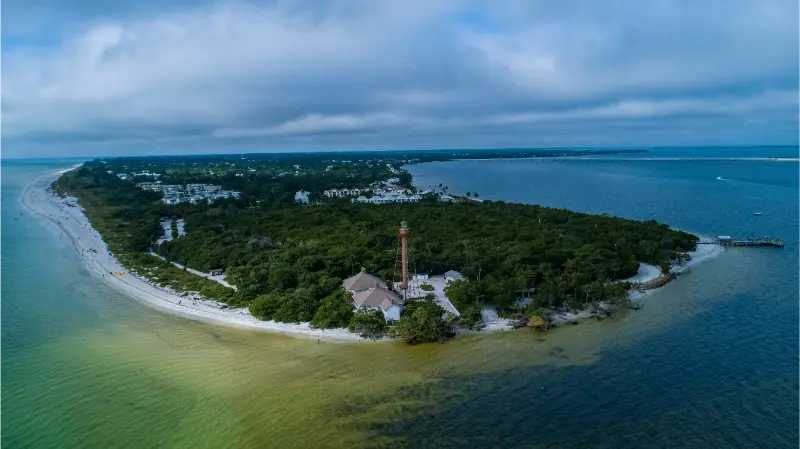
    Sanibel Island Florida Mangrove Coast Aerial

    The total cost matters more than the headline nightly rate. Taxes, cleaning fees, resort charges, parking and a kitchen's usefulness can all shift the comparison. An apartment with laundry may make sense for a family planning multiple beach days, while two adults may prefer a hotel with breakfast and less housekeeping. Accessibility needs should be confirmed in writing: ask about elevators, shower design, beach routes and temporary construction. Consider cancellation conditions carefully during hurricane season, when island travel plans may need to change on short notice.

    Heat, beach safety and wildlife ethics

    Southwest Florida is hot and humid for much of the year, and shade may be limited at open beaches. Plan sand time for the cooler part of the day, use broad sun protection and carry sufficient drinking water. Thunderstorms can form quickly, and lightning makes open beaches and waterside piers dangerous. Swim only where conditions permit and do not underestimate currents or changing weather. Children need close adult supervision near the water, even on shores that appear calm. Some people will enjoy the islands more through beach walks and scenic viewpoints than swimming.

    The same care applies to wildlife. Never feed dolphins, manatees or shorebirds, and keep appropriate distance from nesting sites. Marine animals and living shells should remain in place. In mangrove waterways, use established operators and marked routes, and learn how to avoid damaging seagrass. Visitors sometimes expect every day to deliver an animal encounter; explaining that wildlife is unpredictable makes the trip more respectful and less disappointing. This coast can be enjoyed through its sounds, vegetation, light and birdlife even when no rare animal appears in photographs.

    A sensible budget and weather backup

    For many travelers, lodging and vehicle expenses will dominate the budget. Paid museum admission, state or refuge access, island parking and optional cruises are separate items. Check rates directly because parking systems, fees and entry rules can change after restoration work. A budget-focused version includes a compact downtown walk, one historical attraction and public beach visits with carefully selected parking. A more comfortable version might pay extra for a convenient island room, a guided nature tour or a balcony suitable for a quiet evening. Neither requires buying an excursion every day.

    Keep one backup for each coastal day: an indoor cultural stop, a favorite cafe, a hotel rest afternoon or an attraction away from the surf. Before departure, check official beach status, the wildlife refuge's current visitor details and the weather forecast. If someone needs a mobility aid, inspect the exact access and current mat availability. For young children, bring spare clothes and shade rather than relying entirely on beachside vendors. The practical preparation supports the pleasure of discovering Fort Myers and Sanibel at their own rhythm.

    Final itinerary checks and an easy pace

    This three-day route works when you give each place a clear role: Fort Myers provides history and city life, Sanibel provides natural coastline and conservation, and the final day gives the group a choice between a busier beach scene and a quieter finish. Book the attractions that require reservations, but leave space between them. Do not schedule Sanibel and Fort Myers Beach as if they were neighboring attractions within the same parking lot. Their different locations and conditions deserve separate time.

    If you only remember one planning rule, make it this: verify current island beach access rather than relying on a generic Florida beach list. Facilities can change after storms and ongoing repair projects. With that simple habit, three days can feel varied and complete without rushing. The coastline offers enough beauty for careful observation, while downtown Fort Myers and the historic estates provide substance for visitors who want more than a beach chair. Allow a slower family day whenever your group needs it.

    Frequently asked questions

    Is downtown Fort Myers on the Gulf beach?

    No. It is on the Caloosahatchee River; Sanibel and Fort Myers Beach are separate coastal areas.

    Are all Sanibel beach facilities fully restored?

    Not necessarily. Check current official beach-status and parking updates before travel.

    Can I visit without swimming?

    Yes. Historic estates, shelling, public viewpoints and conservation learning create a full three-day trip.

    Official visitor information

  • Four Days in Fort Myers and Sanibel: History, Shelling and Wildlife

    Four Days in Fort Myers and Sanibel: History, Shelling and Wildlife

    Southwest Florida looks especially appealing when you give it time to be quiet. Fort Myers has historic estates and a riverfront district, while Sanibel is known for coastal habitats, shelling and the J.N. “Ding” Darling National Wildlife Refuge. Nearby Captiva brings a different island atmosphere, and the beaches around the region invite unhurried afternoons. Four days allow these experiences to complement each other without requiring daily hotel changes or exhausting everyone with multiple drives across the causeway.

    This is a nature-and-culture itinerary for visitors who may not wish to spend all day swimming. A car is strongly recommended for connecting the historic sites, islands and coastal stops. The region has experienced hurricane damage and recovery work in recent years; verify the operational status of individual beaches, businesses, boardwalks, parking areas and refuge facilities before leaving. A generic map pin or old travel article is not sufficient evidence that a visitor center has reopened or that a favorite restaurant is operating as before.

    Four days with separate inland and island time

    DayAreaMain themeSlower alternative
    1Fort MyersEdison and Ford estates, riverfront historyGarden tour and downtown lunch
    2Sanibel IslandWildlife Drive, refuge habitatsShort auto tour with viewing stops
    3Sanibel and CaptivaShelling, beaches and island villagesCoastal lunch and scenic overlooks
    4Fort Myers Beach or nearby coastMound House or another cultural stopRest morning and easy departure

    Try to schedule the wildlife refuge on a day other than Friday. The U.S. Fish and Wildlife Service lists Wildlife Drive as closed on Fridays, and some visitor facilities may have separate closure or reconstruction notices.

    Day 1: The historic side of Fort Myers

    Start with the Edison and Ford Winter Estates, where historic residences, gardens and museum interpretation provide context for Fort Myers beyond its beaches. This is a good morning attraction because much of the interest is in the relationship between industrial history, winter travel and the subtropical landscape. Check the official tour schedule and whether particular areas are included. Visitors with limited mobility should ask about step-free routes and which portions of historic structures are accessible; preserved buildings may have restrictions that differ from contemporary museum galleries.

    Fort Myers Florida Colorful Buildings and Palms

    After lunch, take a measured look at Fort Myers’ riverfront or downtown district. Look for local architecture, public spaces and a suitable place for a sit-down meal rather than treating downtown as a shopping marathon. The Caloosahatchee River is a major geographic feature, but not all waterfront areas connect seamlessly. Choose one sensible walking circuit or short vehicle transfer. If you’re traveling with children, make the day about inventors, gardens and local history, then leave the afternoon free for a rest or a pool at the hotel.

    An evening around downtown Fort Myers is a practical first-night choice when staying on the mainland. Restaurants and events have their own hours, and severe weather can disrupt services; check before heading out. Families may appreciate a suite with a kitchen so the evening is not dominated by searching for dinner. This city day helps distinguish the broader region from a beach-only destination and makes tomorrow’s island ecosystems feel like a true change of scenery.

    Day 2: J.N. “Ding” Darling Refuge on Sanibel

    Cross to Sanibel and visit the J.N. “Ding” Darling National Wildlife Refuge, a nationally important protected mangrove and wetland habitat. The Wildlife Drive is a one-way nature route that can be experienced by car, bicycle or other permitted means, with designated stops for wildlife observation. Bird sightings vary with tide, season and time of day. Alligators may be present, so remain in designated areas and keep a safe distance. Never feed or attempt to attract animals for photographs.

    The most consequential planning detail is the Friday closure of Wildlife Drive. The U.S. Fish and Wildlife Service also publishes current visitor-center information, including construction notices associated with hurricane recovery. In 2026 its pages have reported a temporary visitor-center closure with a projected reopening, while other sections list ordinary hours; because these notices may not update simultaneously, check the latest site-specific alert before assuming the center is operating. The drive itself has remained the more dependable centerpiece, except on its scheduled closure day or when other conditions intervene.

    For a multigenerational group, a vehicle-based wildlife tour can be especially appealing. You can stop where access permits, watch wading birds and enjoy the landscape without completing a long hike. More active visitors may prefer walking a designated trail or joining a licensed nature outing, but should confirm its status and equipment needs. Carry binoculars, drinking water and insect protection. Avoid loud behavior around nesting or feeding birds. A calm, respectful nature afternoon is more rewarding than chasing wildlife sightings between multiple remote spots.

    Day 3: Shelling and the island atmosphere of Sanibel and Captiva

    Sanibel’s beaches are famous for shells, but the best way to experience them is with realistic expectations. Shell abundance changes with tide, weather and season, and no beach can promise a bucket of spectacular finds every morning. Visit a designated public access point with legal parking and appropriate facilities. Bring water and footwear for shell-strewn shoreline, and leave any live shellfish or occupied shells where they belong. Collect only where local rules allow and avoid disturbing protected wildlife or dunes.

    Spend part of the afternoon driving toward Captiva, enjoying the contrast between the islands’ natural setting and smaller developed areas. Do not treat every scenic road shoulder as a parking space. Island parking and beach-access arrangements can be limited and have changed during storm recovery; verify the exact destination rather than relying on a general search map. A casual lunch in an operating restaurant is a better plan than assuming a specific old favorite has reopened. Let the afternoon be open enough for weather, tides and whatever the group genuinely enjoys.

    Small children may love comparing shell shapes more than swimming, though they still need close supervision at the waterline. Teens can photograph shorebirds and learn about conservation. Adults who prefer a relaxed vacation may simply walk a short section of beach, have lunch and return to the hotel. For a wheelchair user, sand access is highly location-specific; contact the relevant county or beach operator about mats or available equipment. Enjoying Sanibel does not require walking its entire coastline.

    Sanibel Island Florida Mangrove Coast Aerial

    Day 4: Fort Myers Beach and a final local-history stop

    Use your final day for Fort Myers Beach or another nearby shoreline that suits your route and current access information. If the Mound House’s historical and archaeological interpretation interests you, check tours and open days in advance; it can provide an illuminating look at the Calusa people and local coastal history. This option works especially well when the weather is too windy for swimming. Choose one cultural stop, lunch and perhaps a short beach walk, rather than booking a boat excursion too close to departure.

    The Fort Myers Beach area has continued rebuilding and adapting after major storms, so verify parking, beach access, restrooms and businesses individually. An old image showing a facility does not prove that it is still available. Beach conditions, red-tide advisories where applicable and weather should influence whether you swim. During unfavorable conditions, a museum or riverfront café is a meaningful alternative, not a consolation prize. Travelers with young children often appreciate this flexibility most on the last day.

    If you need to reach Southwest Florida International Airport, allow time for traffic, car return and the actual location of your accommodation. A hotel on Sanibel may require crossing the causeway before the mainland drive even begins. A final morning that stays close to the departure route reduces stress and leaves room for the small surprises that are part of real travel.

    Where to stay for four days

    A mainland Fort Myers base offers comparatively straightforward access to the estates, restaurants and airport, with day trips to Sanibel. Staying on Sanibel is better for early shelling and island atmosphere, but you may spend more and drive farther for mainland attractions. Fort Myers Beach can suit those who want an ocean-oriented holiday, provided individual properties and access routes are operating as advertised. Compare the actual drive, accommodation charges and parking, not simply a ‘Gulf Coast’ neighborhood label.

    After hurricane damage, check recent property information carefully and contact the hotel if accessibility or services are essential. Ask whether the elevator is operating, whether the pool and beach access are open, and whether nearby construction affects your stay. Travelers with mobility aids need reliable dimensions and step-free routes, not merely a statement that the hotel is newly renovated. A family may save on dining with a kitchenette, while a couple may value staying closer to an island’s quiet evening scene.

    Transport, the causeway and the importance of time buffers

    A rental car is the easiest option for this exact four-day route. Sanibel and Captiva involve island-road travel and limited parking at selected public areas. Build the refuge visit and shelling day together geographically only if doing so does not create a rushed schedule. The Sanibel Causeway and island traffic can be slow at popular times. Save the exact legal beach parking area and any current access instructions before leaving the hotel. Do not assume that a rideshare will be instantly available at a quiet island access point.

    If you are visiting without a car, focus on a walkable mainland or beachside base and book organized transfers or outings with dependable pickup arrangements. Confirm accessibility of vehicles and water-based experiences before paying. For overseas visitors, verify rental license and insurance rules and ask about toll-payment options; different companies use different billing approaches. Give every return drive generous time. The point of the islands is to escape the feeling of being in a hurry.

    Money, reservations and sensible priorities

    The Edison and Ford estates, refuge entrance, some guided tours and parking all have costs, but you do not need to purchase several paid experiences every day. Choose the cultural attraction on day one and the nature experience on day two as your main commitments. Enjoy beach access, scenic walks and relaxed meals the remaining days. Wildlife Drive has a separate fee schedule, and certain passes may be recognized; check the current federal refuge rules rather than assuming admission is identical to a state park.

    Accommodation rates can vary sharply with winter visitor demand and holiday periods. Early booking may help, but cancellation flexibility matters in tropical-weather season. A family should compare food and gear expenses as well as room cost. Bring reusable water bottles, adequate sun protection and suitable shoes rather than purchasing everything at a beach kiosk. The most expensive surprise is often not admission but a room or vehicle plan that requires repeated long trips.

    Inclusive nature travel across generations

    For infants and toddlers, prioritize morning shade, short beach periods and predictable feeding or nap times. School-age children can learn how mangroves support birdlife, why shells belong to living animals and how tidal wetlands differ from hotel pools. Teenagers may enjoy photography and guided kayaking if they meet operator requirements. Older adults often appreciate the refuge’s vehicle-based wildlife viewing and short garden walks. None of these groups needs to spend the whole day in the sun to have an authentic Sanibel experience.

    Ask individual venues about accessible restrooms, transport, seating and wheelchair-friendly viewing areas. The availability of an auto tour does not mean every stop along Wildlife Drive is barrier-free. A traveler with sensory sensitivity may prefer an early quiet nature outing to a crowded midday beach access. If some relatives want a longer trail while others prefer a shorter stop, arrange a meeting location and time. Good planning makes different abilities compatible rather than making one person’s limits define the whole holiday.

    Wildlife, weather and marine advisories

    Tropical heat, lightning and rain can change the trip, and hurricane season calls for especially flexible arrangements. Coastal water conditions may also be affected by red tide and other advisories; use current official public-health and beach updates, not assumptions from last month’s photos. At the refuge, avoid interacting with alligators and keep a safe distance from birds. On the beach, respect turtle nesting areas and never use bright lights where regulations restrict them.

    If heavy rain or refuge closure disrupts day two, move the historic estates or another operating indoor attraction into that slot. The Friday closure of Wildlife Drive is foreseeable; the weather is not. A route with deliberately flexible island afternoons makes it easier to protect visitors and wildlife while still enjoying Southwest Florida’s distinctive coast.

    Frequently asked questions

    Is Ding Darling Wildlife Drive open on Fridays?

    No, the refuge’s official visitor information lists Wildlife Drive as closed on Fridays. Check any holiday, construction or storm alerts before planning an alternative day.

    Is the visitor center fully operational?

    The refuge has published hurricane-recovery construction notices, including a temporary closure and projected reopening. Confirm current status directly rather than relying on an older schedule.

    Is shelling guaranteed on Sanibel?

    No. Tides, weather and natural movement of shells change conditions. Enjoy the shoreline regardless of the number you find, and leave living creatures undisturbed.

    Can children and grandparents enjoy this trip together?

    Yes. Short beach walks, garden visits and vehicle-based wildlife viewing are adaptable. Confirm accessible facilities and allow frequent cooling breaks.

    Should we stay on Sanibel or the mainland?

    Choose Sanibel for the island atmosphere and early beach access; choose Fort Myers for easier airport transfers and mainland attractions. Compare total costs and drive times.

    Official resources

  • Where to Stay in Fort Myers: River District, Fort Myers Beach or Cape Coral?

    Where to Stay in Fort Myers: River District, Fort Myers Beach or Cape Coral?

    Fort Myers is a useful gateway to southwest Florida, but choosing a place to sleep here is more complicated than finding a hotel with “Fort Myers” in its name. The historic River District sits beside the Caloosahatchee River, Fort Myers Beach occupies Estero Island on the Gulf, and Cape Coral spreads across a large canal-filled city on the other side of the river. They offer different vacations and are not interchangeable when you are tired, traveling with children or hoping to reach the sand every morning. This guide helps you compare the true travel pattern behind each base, including beach access, day trips, airport transfers and the costs that may not appear in the first hotel search.

    Which area fits your trip?

    BaseBest forWatch for
    Fort Myers River DistrictRestaurants, history and city eveningsNot an ocean beach
    Fort Myers BeachGulf sand and easy beach routinesVerify construction and beach access
    Cape CoralPrivate homes, pools and longer staysA car is usually essential
    Airport / I-75 hotelsEarly flights and regional drivingLonger beach journeys

    The River District: a city break rather than a beach stay

    Downtown Fort Myers, usually called the River District, is the natural choice if your evenings revolve around restaurants, galleries, live music or a stroll near the waterfront. Its advantage is concentration: a carefully chosen central hotel can put several places to eat within an easy outing, and the Edison and Ford Winter Estates are a straightforward nearby excursion rather than a major expedition. The area suits a two-night city stop, business travelers extending a visit, or couples who enjoy historical streets more than a resort schedule. It does not give you a Gulf beach outside your door. A river-facing balcony overlooks an inland waterway, not a white-sand shoreline, and driving to Estero Island involves bridges and coastal traffic. Check the exact hotel block, not just the downtown label; nearby roads, special events and parking rules can affect an evening walk. If beaches dominate the itinerary, the River District works better as an outing than as an everyday starting point.

    Fort Myers Beach: stay near the Gulf, but verify today's conditions

    Fort Myers Beach runs along Estero Island, with restaurants, beach access points and different lodging clusters along Estero Boulevard. The northern end near Times Square can appeal to visitors who want activity within reach, while other stretches feel more residential and encourage longer afternoons on the sand. Here, choosing the actual building matters enormously. The community has been rebuilding following Hurricane Ian, and the availability of accommodations, public facilities, restaurants and beach access may change. Confirm that the precise property and amenities have reopened, that nearby construction is disclosed and that your preferred beach access is usable during your dates. Do not infer from an old photograph that a surrounding block looks unchanged. Beaches can also have seasonal water-quality advisories, so check local official notices rather than assuming swimming is always suitable. For families with small children, ask about pool availability, elevators, shade, laundry and the walk between accommodation and beach—not only whether the listing says “ocean view.”

    Fort Myers Beach Pier Florida Wide Shoreline

    Cape Coral: space, canal views and a car-centered holiday

    Cape Coral can make sense for a family or group that wants a house, multiple bedrooms, a kitchen and room to spend a relaxed morning without leaving the property. Its canal setting is distinctive, and some rentals offer private docks or pools. But Cape Coral is extensive; a “Cape Coral” address can be far from a restaurant district, grocery store or bridge crossing. A canal behind the house is not a public Gulf swimming beach, and having a dock does not mean every visitor can safely use boats or watercraft. Check pool heating charges, child-safety barriers, parking restrictions and whether the rental operator permits the occupancy you need. Crossing into Fort Myers or traveling to Sanibel may require more road time than maps initially suggest, especially around bridge approaches. If you plan to explore widely, a central mainland location can work; if your dream is to walk straight onto a broad sandy beach, it is the wrong substitute. Compare the full daily routine, not square footage alone.

    Near the airport: useful for an early departure, less rewarding for a full week

    Southwest Florida International Airport, often called RSW, is southeast of Fort Myers rather than beside the Gulf beaches. Airport-area and Interstate 75 hotels can simplify a late arrival, a very early flight or a one-night stop between longer stays. Many provide predictable amenities such as lifts, breakfasts, larger parking areas and nearby chain restaurants; each feature still needs checking. For a beach vacation, though, the cheaper nightly rate can disappear once you add a rental car, petrol, parking and repeated drives. Look especially carefully at the time between the hotel and your chosen beach entrance, not a straight-line distance. A family arriving after dark might reasonably choose one airport night and then move to their coastal base the following morning. A traveler who will spend days visiting clients or attractions along the interstate may prefer the opposite arrangement. There is no universally cheapest area after transport is counted.

    What about Sanibel and Captiva as alternative home bases?

    Sanibel and Captiva are islands west of Fort Myers, reached via the Sanibel Causeway and connecting roads. They have a quieter, nature-focused reputation, shelling beaches and access to J.N. “Ding” Darling National Wildlife Refuge, but they are not simply beach neighborhoods of downtown Fort Myers. Island accommodation is often chosen by travelers who intend to remain on the islands for much of the stay. Those planning frequent trips to inland attractions may find the bridge and causeway journey repetitive. Check the current operating status of specific island businesses and public facilities, especially where rebuilding or habitat restoration affects visitor services. Distinguish the island fee or toll arrangements from hotel parking; both belong in your budget. If birdwatching, sunsets and unrushed beach hours are the priority, compare Sanibel lodging directly with Fort Myers Beach instead of assuming the nearest major city will deliver the same atmosphere.

    Getting to the beaches without spending the holiday in traffic

    Beach time is one of the main reasons people choose this region, so calculate the travel in practical stages: leaving the hotel, crossing bridges, finding parking, reaching a public access and returning after sunset. On peak dates, the short final approach can feel longer than the highway leg. Staying near Estero Boulevard helps if you want daily walks on the sand. For a few occasional beach outings from the mainland, leave early, carry drinking water and establish a backup beach or an indoor plan if parking or weather becomes difficult. Bowman's Beach on Sanibel, Lovers Key State Park and the various Fort Myers Beach public access areas are different destinations with different facilities and rules; do not rely on one vague pin marked “beach.” Check state-park capacity and any beach advisory before setting off. Pack for sudden storms as carefully as for sunshine, particularly when children need a predictable afternoon rest.

    Three different day-trip styles from Fort Myers

    For history, pair the Edison and Ford Winter Estates with time in the River District; putting them on the same day minimizes unnecessary zigzags. For a natural-coast day, reserve enough time for Lovers Key State Park and its walking or beach opportunities, checking current services and accessibility before departure. For island wildlife, focus on a Sanibel visit with a suitable refuge stop rather than trying to fit two distant coastal communities into one rushed afternoon. A traveler seeking boat excursions should check the departure marina, weather policy and return time before deciding where to stay, because a boat advertised as departing “Fort Myers” may actually leave from a neighboring community. Everyone benefits from treating travel days as full days rather than layering three attractions across waterways and bridges. Good itineraries here follow the geography of the river, islands and interstate, not a list of the most popular attractions sorted by star rating.

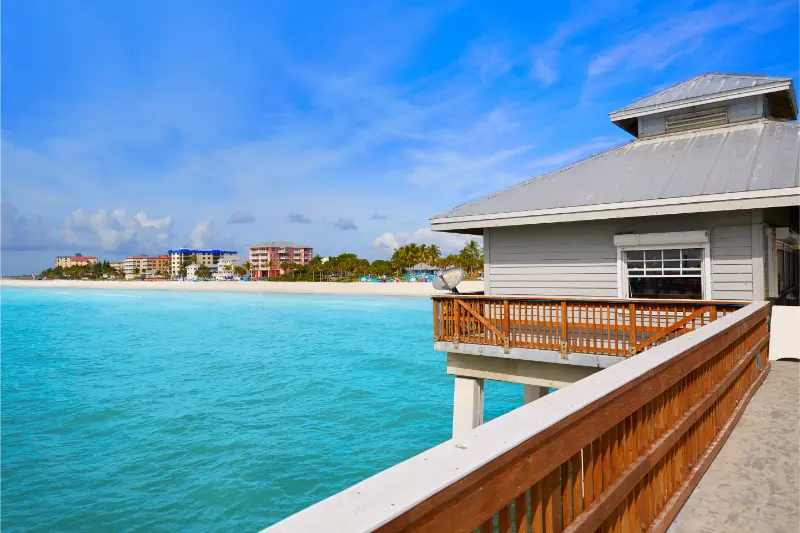
    Fort Myers Beach Florida Long Wooden Fishing Pier

    Families, seniors and travelers who need predictable rest breaks

    Families often find a kitchen, washing machine and sleeping area separate from the living room more useful than a grand lobby. River District hotels can offer easy evening meals, while beachfront accommodations reduce the need to load a car for every sandy hour. Large Cape Coral homes can give different generations private space, but check staircases, slippery pool surfaces and whether older relatives can reach shops without driving. For travelers with mobility limitations, ask accommodation providers specific questions about entrance thresholds, roll-in showers, door widths, lifts and the path to outdoor amenities. The phrase “accessible beach” does not guarantee a continuous step-free route to the water. Book activities that allow flexible attendance, plan shaded breaks and avoid scheduling a long drive straight after a physically demanding excursion. In southwest Florida, a comfortable holiday is often built around one main activity per day and enough time to enjoy where you are staying.

    When the season changes the best address

    Winter and early spring tend to attract visitors looking for milder weather and outdoor dining, bringing demand for coastal accommodation. Summer brings humid heat, dramatic afternoon storms and often more emphasis on pools and indoor breaks. From June through November, tropical weather can disrupt travel plans; location and flexibility both matter, but no address removes storm risk. Summer swimmers should consult local water-quality and red-tide notices when relevant. If your visit coincides with a large local event, compare cancellation terms and parking availability, because rates can move even when the broader region does not seem crowded. For an autumn getaway, consider whether a prepaid coastal rental offers enough flexibility for weather changes. A longer stay can be more comfortable with laundry, a reliable shaded outdoor area and nearby groceries than with an impractically ambitious list of daily excursions.

    How to compare the actual price of the different areas

    Put the total cost of accommodation beside a realistic transport estimate. A River District hotel may charge for parking; an Estero Island property may include additional lodging or amenity charges; a Cape Coral home can require cleaning fees, deposits and pool-heating costs. None of these is inherently bad, but they make headline prices poor comparisons. If you fly into RSW and stay on the beach, a rental car may be unnecessary for some days but useful for regional outings. If you stay in a suburban rental, assume everyday driving unless you have checked the exact walking routes. Compare cancellation rules, taxes, breakfast, beach equipment, laundry and whether the advertised beds are full adult beds or pull-out sofas. For groups, calculate the final price per person only after confirming permitted occupancy. If you need two cars, include the cost and space required to park both.

    A sensible four-night stay built around your chosen base

    For a beach-first trip, settle into Fort Myers Beach and give the first afternoon to an easy local walk rather than immediately driving to Sanibel. Dedicate one day to the island or refuge, another to Lovers Key or a boat outing, and leave one day mostly free for rest or weather changes. From a River District hotel, spend the first day downtown, then choose two purposeful regional excursions rather than crossing the same bridges every day. A Cape Coral stay works best when the house itself is part of the holiday: alternate pool or meal-at-home time with selected outings. The schedule should suit whoever travels slowest. With a toddler, that may mean mornings on the beach and lunch indoors. For an older adult, the defining feature may be comfortable seating and short walks. Regional variety is enjoyable when it does not become a daily transportation problem.

    Final checks before booking Fort Myers accommodation

    Start with the exact map pin and at least two destinations you will genuinely visit. Search the route at likely travel times, not only under ideal conditions, and verify parking at both ends. For waterfront listings, establish whether the view is of a river, canal, bay or Gulf beach. Ask directly about construction, current pool or beach access, noise and any facility still being restored. Confirm the check-in arrangements, hurricane-season cancellation terms, step-free access and parking charges in writing. Use recent property reviews to understand the actual building; older photographs cannot capture every change. For day trips, consult official state-park and refuge pages before departure. The right Fort Myers base is the one that makes your ordinary morning feel simple, whether that means stepping onto the sand, walking to breakfast downtown or sharing a slow meal by a rental-house pool.

    Frequently asked questions

    Is Fort Myers Beach the same as downtown Fort Myers?

    No. Downtown Fort Myers is an inland riverfront district, while Fort Myers Beach is on Estero Island beside the Gulf. Getting between them involves road travel and bridge approaches.

    Does a Cape Coral canal home have a swimming beach?

    Not necessarily. Canals are not public Gulf swimming beaches, and private docks come with separate safety considerations. Research public beach access before choosing a rental.

    Should I stay near RSW airport for a beach vacation?

    Airport hotels can be practical for one night or a driving-based itinerary. For repeated beach visits, compare the full cost of transport and parking with a coastal room.

    Official sources and visitor information

  • Sanibel Island Florida Travel Guide: Shelling, Wildlife, Beaches, Cycling and Where to Stay

    Sanibel Island Florida Travel Guide: Shelling, Wildlife, Beaches, Cycling and Where to Stay

    Sanibel Island is a strong choice when you want a low-rise Gulf island where shelling, wildlife, cycling and quiet beaches matter more than nightlife or large-scale attractions. It is not a destination that requires a packed checklist to feel worthwhile. The better approach is to identify the one or two experiences that matter most to your group, choose a convenient base, and leave enough open time to enjoy the local pace.

    For a first visit, I would plan around 3–5 nights. That gives you enough time to understand the area without turning the trip into a sequence of parking lots and short photo stops. Sanibel Island is especially well suited to nature lovers, shell collectors, couples, families, birders, cyclists and travelers who prefer a quieter island routine.

    This guide focuses on practical trip design: where to stay, what deserves priority, how much driving to expect, how to adapt the trip for children or older travelers, and how to connect Sanibel Island with the rest of Southwest Florida. Hours, admission policies, road conditions and event schedules can change, so always confirm time-sensitive details on official sites before the day of your visit.

    Quick planning summary

    • Recommended stay: 3–5 nights for a balanced first visit.
    • Best for: nature lovers, shell collectors, couples, families, birders, cyclists and travelers who prefer a quieter island routine.
    • Main strength: a low-rise Gulf island where shelling, wildlife, cycling and quiet beaches matter more than nightlife or large-scale attractions.
    • Transport: a car is usually the easiest way to combine the destination with surrounding attractions, even when the central district itself is walkable.
    • Best planning rule: organize each day by area instead of zig-zagging across the region.

    In this guide

    Why visit Sanibel Island?

    Sanibel Island works because it gives a Florida trip a different rhythm from the state’s biggest resort corridors. You can still build full sightseeing days, but you do not need to. The destination rewards slower mornings, one substantial activity, a relaxed lunch and enough time for the setting itself.

    That makes it particularly useful in a longer Florida itinerary. After several intense theme-park, city or driving days, a stop in Sanibel Island can reset the pace without feeling like a “nothing day.” The experience is still specific to Southwest Florida, but the pressure to maximize every hour is lower.

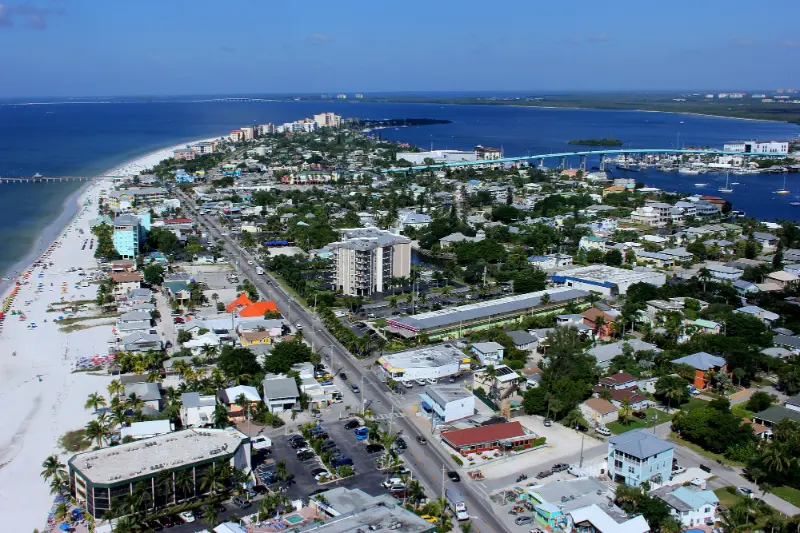
    Fort Myers Beach Florida Residential Island Aerial

    It is also a good place for travelers with different energy levels. A teenager can choose a more active experience, younger children can focus on parks or simple outdoor time, and grandparents can stay involved through scenic stops, short walks, museums, waterfront areas or meals that do not require a major physical commitment.

    My preferred way to approach the destination is to identify one anchor experience for each day, then add secondary stops only if the group still has time and energy. That simple rule prevents the most common Florida planning problem: trying to force too much into a hot, spread-out destination.

    Where to stay in Sanibel Island

    The best area is not automatically the most luxurious one. For most visitors, convenience matters more than a small difference in room quality. Look at parking fees, breakfast, pool hours, room size, elevator access, cancellation policy and the real door-to-door drive to your priority attractions.

    East End / Lighthouse side

    Best for: best for quick causeway access, lighthouse-area beaches and shorter drives to the mainland. Before booking, compare the exact route to the places you expect to visit most often. A hotel that looks close on a regional map can still create repeated driving, parking or bridge time.

    Mid-island

    Best for: practical for grocery runs, bike routes and a central position between east-end and west-end attractions. Before booking, compare the exact route to the places you expect to visit most often. A hotel that looks close on a regional map can still create repeated driving, parking or bridge time.

    West End / refuge side

    Best for: best for a quieter nature-focused stay and easier access to J.N. Ding Darling National Wildlife Refuge. Before booking, compare the exact route to the places you expect to visit most often. A hotel that looks close on a regional map can still create repeated driving, parking or bridge time.

    Family tipFor families, a refrigerator, laundry access and a pool can be more valuable than an elaborate lobby. Couples may prefer walkability and evening atmosphere. Senior travelers should check elevator availability, shower design, the distance from parking to the room and whether restaurants are reachable without crossing wide roads.

    If you are using a vacation rental, compare the full price after cleaning and service fees, read parking and occupancy rules carefully, and confirm whether beach equipment, bicycles or other advertised extras are actually included.

    Best things to do in Sanibel Island

    1. Sanibel beaches and shelling

    The island’s east-west orientation and Gulf setting make shelling part of the daily rhythm. Go with realistic expectations: conditions change with tides, weather and season. Give this stop enough time to enjoy it without immediately rushing to the next item. For mixed-age groups, it is usually better to shorten the list and leave room for breaks than to plan a full day of tightly timed stops.

    2. J.N. Ding Darling National Wildlife Refuge

    The refuge protects mangrove habitat and is central to Sanibel’s wildlife identity, with birding and scenic exploration that can be enjoyed without a strenuous hike. Give this stop enough time to enjoy it without immediately rushing to the next item. For mixed-age groups, it is usually better to shorten the list and leave room for breaks than to plan a full day of tightly timed stops.

    Flock of Flamingos at Florida Wildlife Park

    3. Bailey-Matthews National Shell Museum & Aquarium

    A useful indoor stop that gives scientific and cultural context to the shells visitors see on the beaches. Give this stop enough time to enjoy it without immediately rushing to the next item. For mixed-age groups, it is usually better to shorten the list and leave room for breaks than to plan a full day of tightly timed stops.

    4. Sanibel Island Lighthouse area

    The east-end lighthouse and beach create an easy first or last stop, especially for visitors crossing the causeway. Give this stop enough time to enjoy it without immediately rushing to the next item. For mixed-age groups, it is usually better to shorten the list and leave room for breaks than to plan a full day of tightly timed stops.

    5. Cycling on Sanibel

    A network of shared-use paths makes cycling one of the island’s signature ways to explore, though heat and road crossings still require attention. Give this stop enough time to enjoy it without immediately rushing to the next item. For mixed-age groups, it is usually better to shorten the list and leave room for breaks than to plan a full day of tightly timed stops.

    Nature and outdoor time

    Sanibel rewards slow observation. Rather than scheduling many attractions, leave time for tide changes, wildlife, beach walks and unplanned stops along the bike paths.

    Florida weather changes how an outdoor day feels. In warm months, the same trail or beach that is comfortable at 8:00 a.m. can feel completely different at 1:00 p.m. Use shade, water, sun protection and realistic walking distances, and check radar rather than assuming a forecast icon means an entire day will be lost.

    If wildlife is part of the experience, treat observation distance as part of the attraction rather than an inconvenience. Do not feed animals, block nesting areas or approach wildlife for a photograph. For beaches and waterways, follow posted flags, closures and local safety advice.

    Getting there and around

    A car remains useful, but once on the island, bikes can replace short trips for many visitors. Traffic can be slow at popular times, so grouping activities by area is more efficient than crossing the island repeatedly.

    When planning a Florida road trip, think in terms of actual travel time rather than map distance. Bridges, beach traffic, event crowds and parking searches can add significant time. Build at least one buffer period into each day, especially if you have a timed tour or reservation.

    For air travel, compare the total trip from the airport to your hotel rather than the flight price alone. A cheaper airport can lose its advantage once rental-car rates, tolls and a longer drive are included. If anyone in the group uses a mobility aid, confirm vehicle size before pickup.

    Best time to visit

    Winter and early spring bring comfortable weather and high demand. Summer and early fall are quieter and hotter, with greater storm awareness required.

    Florida’s peak travel periods can also include school holidays, major events and winter escapes from colder states. If your dates are fixed, book the hardest-to-replace item first: a special hotel, event ticket, campground or vacation rental. Flexible travelers can often find better value by avoiding Friday and Saturday arrivals.

    During hurricane season, keep reservations and insurance terms clear. A tropical system does not mean every Florida trip will be disrupted, but refundable or changeable bookings are valuable when uncertainty increases.

    Families, teenagers, seniors and accessibility

    With babies and toddlers

    Keep the first day simple. Choose one outdoor stop, return to the room for a nap or pool break, and avoid scheduling a long dinner after a full afternoon in the sun. Shade and access to restrooms matter more than adding another attraction.

    With school-age children

    Alternate “look and learn” attractions with something active. A museum followed by a park, a historic district followed by swimming, or a nature center followed by ice cream usually works better than three educational stops in a row.

    With teenagers

    Give teenagers a role in choosing one activity, restaurant or photo stop. Destinations feel more engaging when they have some control over the day rather than simply following an adult itinerary.

    For seniors and multigenerational groups

    Plan shorter walking loops, more seated breaks and easy meal access. Avoid treating every group member as if they have the same heat tolerance. One traveler can do a longer walk while another enjoys a shaded viewpoint, museum or cafe.

    Accessibility

    Accessible facilities can vary between beaches, historic buildings, parks and private attractions. Check current accessibility pages directly, especially for beach mats, wheelchairs, ramps, elevators, companion restrooms, sensory resources and accessible parking. Historic properties may have unavoidable stairs even when part of the visit is accessible.

    A practical 3-day Sanibel Island itinerary

    Day 1: orientation and local character

    Start with the most walkable central area and give yourself time to understand the street layout, parking and restaurant options. Choose one signature attraction for late morning or early afternoon, then keep the evening close to the hotel. The first day should establish the rhythm of the trip rather than exhaust the group.

    Day 2: the major experience

    Use the second day for the attraction or outdoor area you would be most disappointed to miss. Start early if parking or heat could become an issue. After lunch, choose a flexible secondary activity that can be shortened if weather or energy levels change.

    Day 3: nature, beach or regional extension

    Finish with a contrasting experience: if the first two days were history and dining, choose nature; if they were beach-focused, add culture or a nearby town. Keep the final afternoon light if you are driving onward, because Florida traffic often makes late-day transfers more tiring than expected.

    If you have a fourth day, use it for a larger regional day trip rather than adding more small local stops. That gives the trip a clearer structure and reduces repeated packing and hotel changes.

    Pink Flamingos at Florida Wildlife Pond

    Food and evenings

    Restaurants are spread rather than concentrated into one nightlife district. For a relaxed trip, plan groceries and a few reservation-worthy meals instead of expecting late-night options.

    For families, an early dinner often solves several problems at once: shorter waits, easier parking and a calmer bedtime. For couples, sunset or a post-dinner walk can be more memorable than adding another paid attraction.

    Do not build the entire trip around famous restaurants seen on social media. Keep one or two priority meals, then leave space for a cafe, bakery, seafood counter or casual local place you discover while walking.

    Budget and booking strategy

    Separate your budget into lodging, transport, food and paid attractions. Beach and park time may be inexpensive, but parking, rental-car costs and resort fees can change the total quickly. Always compare the final hotel price, not only the advertised nightly rate.

    For a value-focused trip, spend on location rather than on constant upgrades. A slightly more expensive room in the right area can save fuel, parking and time. Use free outdoor attractions to balance one or two paid experiences that genuinely matter to the group.

    Book time-sensitive attractions through official sellers whenever possible. If the schedule is uncertain, prioritize flexible tickets or refundable reservations. For outdoor plans, avoid paying for multiple weather-dependent activities on consecutive afternoons.

    Best day trips from Sanibel Island

    Captiva, Fort Myers Beach, downtown Fort Myers, Naples and other Southwest Florida nature areas can extend the trip.

    Keep a day trip to one main destination. A two-hour drive followed by four separate attractions and another long return is rarely a good use of vacation time. Choose one anchor experience and one meal stop, then treat anything else as optional.

    If you are moving hotels after the day trip, pack the car once in the morning and avoid returning to the old base. That turns a transfer day into a useful sightseeing day without adding another long drive.

    Mistakes to avoid

    • Booking by map distance only: bridges, parking and traffic matter as much as mileage.
    • Overloading the hottest hours: schedule outdoor priorities early and keep midday flexible.
    • Ignoring event calendars: festivals, races, holidays and school breaks can change prices and parking.
    • Assuming every beach, park or historic site has the same accessibility: verify individual facilities.
    • Planning every meal in advance: reserve only the truly important ones and leave room for discovery.
    • Forgetting weather flexibility: one indoor backup activity can rescue a stormy afternoon.

    Official resources

    Use official sources for current hours, closures, event schedules, access rules and safety information before you travel:

    Frequently asked questions

    How many days do you need in Sanibel Island?

    3–5 nights is a good first-trip target. A shorter stay works if you focus on one neighborhood or attraction, while a longer stay makes sense if you want several regional day trips.

    Do you need a car in Sanibel Island?

    For most visitors, yes. Some central areas can be explored on foot, but a car makes it much easier to connect parks, beaches, nature areas and neighboring towns.

    Is Sanibel Island good for families?

    Yes, especially when the itinerary is paced around the age of the youngest traveler. The strongest family days usually combine one structured attraction with simple outdoor time and a pool or rest break.

    Is Sanibel Island suitable for senior travelers?

    Yes. Choose lodging with easy parking and elevators, prioritize shaded or seated attractions, and keep midday heat exposure under control. Confirm accessibility directly for historic buildings and outdoor sites.

    What should first-time visitors avoid?

    Avoid trying to turn the destination into a checklist. The trip is better when you choose a convenient base, group activities geographically and leave enough time to enjoy the setting instead of driving constantly.

    Travel information can change. Always verify current hours, admission, road conditions, weather alerts, beach flags and accessibility details on official websites before departure.

  • Fort Myers, Sanibel and Captiva Travel Guide: Beaches, Shelling, Nature and Where to Stay

    Fort Myers, Sanibel and Captiva Travel Guide: Beaches, Shelling, Nature and Where to Stay

    The Fort Myers area is best understood as a collection of different Gulf experiences rather than one city. Downtown Fort Myers has historic homes and a riverfront identity; Fort Myers Beach is a classic barrier-island vacation zone; Sanibel is known for shells, wildlife and low-rise island character; Captiva becomes smaller and more intimate as the road continues north. A first trip works beautifully when you accept those differences instead of commuting constantly between them.

    Explore this guide

    This is also a destination where flexibility matters. Storm recovery, coastal construction, beach renourishment and seasonal wildlife conditions can change access from one year to the next. I would plan the structure of the trip—two island days, one nature day, one mainland day—then verify exact openings and parking closer to departure. That is much more reliable than building the vacation around a fixed list months in advance.

    Quick planning summary

    • Best for: Gulf beaches, shelling, wildlife, relaxed island days, couples, families and winter sun.
    • Ideal stay: 5–7 nights if you want to combine mainland Fort Myers, Sanibel/Captiva and another Gulf beach area.
    • Getting around: A car is the practical choice. Island traffic and limited road access make early starts important; plan one zone per day rather than crossing causeways repeatedly.
    • Best planning principle: Check current beach, bridge, park and business status shortly before the trip. Southwest Florida has continued to rebuild and change after major hurricanes, so old trip reports can be misleading.

    How to think about Fort Myers, Sanibel and Captiva before you book

    Official Fort Myers tourism information emphasizes beaches, shelling, wildlife and the connected island communities. The area rewards travelers who enjoy nature at a slower pace. Sanibel’s appeal is not a long list of headline attractions; it is the ability to combine a shelling walk, wildlife drive, bike ride and sunset without feeling that the day is underfilled. Fort Myers adds museums, dining and practical services, while Captiva is ideal when you want the trip to become even more island-focused.

    Fort Myers Florida Wetlands and Roads Aerial

    My practical rule is to choose the experiences that define the destination first, then place the hotel around them. A slightly cheaper room can become poor value if it forces long drives, repeated parking fees or early departures every day. The same applies in reverse: paying more for a central property can make sense when it lets you walk to dinner, return easily for a child’s nap or avoid moving the car during the busiest hours.

    Best things to do on a first trip

    Make Sanibel a full island day

    Sanibel deserves more than a quick drive across the causeway. Start early for beach or shelling time, then choose a nature experience such as J.N. “Ding” Darling National Wildlife Refuge, a bike ride or another open preserve. Beach access and parking can change, so verify current conditions. The island is at its best when you leave space between stops; an hour spent watching birds or walking the shore is not time lost between attractions.

    Continue to Captiva for a slower finish

    Captiva feels smaller and more secluded, with sunset, waterfront dining and resort time playing a larger role. Road space is limited and traffic can build, which is why I prefer to combine Captiva with an already-planned Sanibel day rather than drive back and forth on multiple days. If you stay on Captiva, accept that the location is the experience and avoid overloading the schedule with mainland appointments.

    Use Fort Myers for history and an easier logistics day

    The Edison and Ford estates area, riverfront neighborhoods and mainland restaurants offer a useful change from beach routines. This is also the day to handle shopping, laundry or practical errands on a longer trip. Families can use it as a weather backup, while senior travelers may appreciate a more predictable museum-and-dining day after several beach outings.

    Treat Fort Myers Beach as its own evolving destination

    Fort Myers Beach has a different energy from Sanibel and has been through extensive rebuilding. Before visiting, confirm which accesses, businesses and facilities are open rather than relying on an older map or travel video. A current beach day can still be excellent, but recovery-aware planning is respectful and practical. Choose one parking plan and keep the day simple.

    Add Lovers Key or another nature-focused Gulf stop

    State parks and preserves south of Fort Myers can add paddling, trails, wildlife and quieter beach time. Conditions and facilities may change after storms, so check the official park page shortly before arrival. This kind of day is especially useful for couples, birders and families who want more than resort sand. It also pairs well with a Bonita Springs meal or a slow return to the hotel.

    Where to stay

    There is no single best neighborhood for every traveler. I would choose based on what you want to do before 10 a.m. and after 6 p.m., because those are the hours when a convenient base improves the trip most. During the middle of the day you are usually willing to drive for a major attraction; early and late, convenience matters more.

    Sanibel Island

    Best for wildlife, shelling, cycling and a low-rise island atmosphere. Ideal when mornings and evenings on the island matter more than easy access to city attractions.

    Sanibel Island Florida Mangrove Coast Aerial

    Fort Myers Beach or nearby mainland coast

    A practical choice for a classic Gulf-beach stay and access to restaurants, but verify current construction and exact beach conditions before booking.

    Mainland Fort Myers

    Often better value with easier airport and highway access. Good for road trips and longer stays, though you will drive to the beaches and islands.

    Getting there and getting around

    Southwest Florida International Airport is the main gateway and makes the region straightforward for fly-and-drive trips. A rental car is highly useful because the major beach and island zones are separated by bridges and causeways. Do not underestimate traffic to Sanibel or Fort Myers Beach during peak season. If you can, start island days early, remain there through late afternoon and avoid scheduling a timed mainland dinner that forces you to watch the clock.

    For road trips, calculate door-to-door time rather than mileage alone. Florida bridges, beach roads, event traffic and afternoon storms can make a short distance feel much longer. I also avoid scheduling a nonrefundable tour immediately after a flight or a long interstate drive. A flexible first evening gives the trip room to absorb delays without sacrificing something expensive.

    Families, teenagers, seniors and accessibility

    Young children usually do best with gentle Gulf-water days, shaded breaks and simple nature stops. Teenagers may enjoy kayaking, paddleboarding, fishing or independent bike time where conditions are suitable. Senior travelers can make the trip very comfortable by choosing a hotel close to their preferred beach and avoiding repeated long walks across hot parking areas. Wheelchair and mobility-device users should confirm current accessible beach routes because storm recovery or construction can temporarily alter facilities.

    For mixed-age groups, it helps to define one shared experience each day and allow the rest of the schedule to split. One person can return to the hotel while others stay for sunset; grandparents can choose a museum while teenagers take a water activity. That is usually more enjoyable than forcing everyone through the same long day. Always verify current accessibility details directly when a specific lift, beach mat, accessible vessel, transfer method or mobility-device policy is essential.

    Best time to visit

    Winter and early spring are popular for mild weather and lower humidity, which also brings peak rates and traffic. Summer is hotter, wetter and usually quieter, with frequent storms. Fall overlaps hurricane season and requires flexible bookings. Wildlife patterns also change by season. If shelling, birding or manatee viewing is a major priority, research the specific seasonal conditions rather than assuming every month offers the same experience.

    Florida weather is local. A statewide forecast rarely tells you enough about ocean surf, lightning, wind or a passing storm cell at the exact beach you plan to use. I keep one indoor or lower-exposure option available and check conditions again on the morning of any boat, beach or wildlife day. That small habit prevents a weather change from turning into a lost vacation day.

    A practical first-time itinerary

    1. Day 1: Sanibel beach and shelling, wildlife refuge or cycling, then sunset on the island.
    2. Day 2: Fort Myers history and riverfront time, with a flexible indoor schedule if weather is unsettled.
    3. Day 3: Captiva or a second Sanibel day. Add Day 4 for Fort Myers Beach or Lovers Key and Day 5 for pure rest.

    Do not treat the itinerary as a contract. If the beach is perfect, stay longer. If a storm arrives, move the indoor day forward. If children are exhausted, a hotel-pool afternoon may create better memories than another admission ticket. The most successful Florida itineraries have a strong structure and weak rigidity.

    Budget and booking strategy

    Accommodation, parking and paid water or attraction experiences usually create the biggest differences in the budget. Compare the total nightly hotel cost, not only the room rate: resort fees, parking and breakfast can change the result. Then decide which one or two paid experiences are genuinely central to the trip. Beaches, neighborhood walks, sunsets and many parks can fill the remaining time without making the vacation feel second-rate.

    For popular seasons, reserve the hotel first with a flexible rate if possible, then add limited-capacity tours. I avoid paying early for every small activity because weather and energy change. Travel insurance becomes more valuable when the trip falls in hurricane season, depends on an expensive cruise or includes nonrefundable lodging. Read the policy rather than assuming every weather event is covered.

    Common mistakes to avoid

    • Using pre-hurricane travel information without checking current access and business status.
    • Driving on and off Sanibel several times in the same day.
    • Treating shelling and wildlife as guaranteed rather than seasonal natural experiences.
    • Booking a mainland hotel when the real priority is sunrise and sunset on the islands.
    • Overplanning beach days instead of leaving room for tides, storms and slow island meals.

    Useful Wonderful Florida guides to read next

    Continue planning with best beaches in Florida, Florida with kids, Florida for seniors, best time to visit Florida and 14-day Florida road trip.

    Official resources to check before you travel

    Opening hours, parking rules, beach access, launch schedules, park conditions, ferry or trolley service and reservation requirements can change. Check the official source again shortly before travel whenever a specific service is essential to your day.

    Final thoughts

    Fort Myers, Sanibel and Captiva is most rewarding when the schedule reflects the destination instead of fighting it. Choose the right base, group activities geographically, protect the hottest or stormiest part of the day and leave enough open time for the experience that turns out to be better than expected. That approach works for a couple, a family with young children, teenagers traveling with parents or a multigenerational group, and it is the style of planning that makes a Florida trip feel like a vacation rather than a logistics exercise.