

Oldsmar sits at the top of Tampa Bay where freshwater drainage, mangroves, tidal shoreline and suburban parks overlap. It is easy to drive through without realizing how much public waterfront space is available. Mobbly Bayou Wilderness Preserve, Mobbly Beach Park and the city’s shoreline parks make Oldsmar a useful stop for travelers who want a lower-key bay experience without committing to a full beach-resort day.
Quick planning summary
- Best for: Families, kayakers, casual walkers, birders, senior travelers who like short outdoor stops and Tampa Bay visitors looking for a quieter shoreline experience.
- Best trip length: A half-day can cover Mobbly Bayou and the waterfront. One full day lets you add a picnic, art walk or longer trail without rushing.
- Getting around: A car works best, though individual parks are easy to explore on foot once you arrive. Mobbly Bayou Wilderness Preserve and Mobbly Beach Park are separate facilities with different entrances and rules.
- Where to stay: Oldsmar has hotels along the Tampa Road corridor and easy access to Westchase, Safety Harbor and Clearwater. It can be a convenient base if your trip mixes Tampa and northern Pinellas County.
Is this the right Florida stop for you?
Oldsmar is a strong choice if you enjoy local character, nature, history and a slower pace. It is less suitable if your priority is a dense nightlife district or a schedule filled with large ticketed attractions. The best approach is to decide what makes this place distinctive and protect enough time to experience that one thing properly.
A practical first-visit rule: put the most weather-sensitive, capacity-limited or reservation-dependent activity in the morning. Keep the afternoon flexible for a shorter walk, meal, scenic drive or second outdoor stop. This makes the itinerary more resilient when heat, traffic, water levels or opening hours change.
Best things to do
Walk Mobbly Bayou Wilderness Preserve
The preserve combines trails, fishing, a kayak launch and environmental education facilities in a setting that helps visitors understand upper Tampa Bay wetlands.
Use Mobbly Beach Park as a shoreline complement
The beach support area is better thought of as an access-and-recreation point than a Gulf resort beach. Trails, shelters and a kayak launch make it useful for a short waterside stop.
Check parking and pet rules before arrival
Oldsmar’s city parks have specific parking requirements, and dogs are not permitted on Mobbly Beach or in the water. Confirm rules before building the day around a pet or an extended picnic.
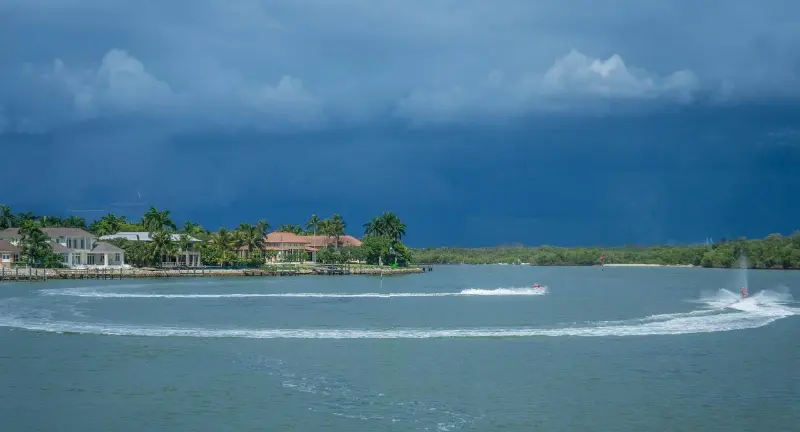
Look for public art and neighborhood parks
Oldsmar maintains an art walk and multiple small parks. These are useful when one person wants less trail time or weather makes a longer preserve visit unattractive.
Paddle only when wind and tide suit your experience
Upper Tampa Bay can look calm from shore but still become difficult in wind. New paddlers should choose protected conditions and wear properly fitted life jackets.
Use Oldsmar as a bridge between Tampa and Pinellas County
Its location makes it strategically valuable. A morning in Oldsmar can lead to Safety Harbor or Clearwater without sending you back through central Tampa.
Why Oldsmar feels different from Florida’s resort corridors
The wider Tampa Bay landscape matters because the road and water between named attractions are part of the experience. Pay attention to wetlands, drainage, preserved land, older roads and the amount of development around each park. Those details explain why a short drive can move you from a suburban corridor into habitat that still feels surprisingly wild. This is also why local preserves deserve more than a quick photo stop: they protect pieces of larger watersheds and wildlife corridors that would otherwise be fragmented by growth.
In Oldsmar, the interesting part is often the relationship between the protected site and the ordinary community around it. You may pass schools, farms, subdivisions, industrial land or busy commuter roads just before reaching a river, scrub tract or cypress wetland. That contrast is not a reason to dismiss the destination; it is part of the modern Florida story.
How to plan the area without overestimating one day
Start by asking what would make the day worthwhile even if you completed only one major activity. Put that experience first, then add a second stop only if it changes the character of the day rather than repeating it. A museum followed by a river walk, a spring swim followed by a shaded trail, or a bike ride followed by an easy meal usually works better than three demanding outdoor activities back to back.
For mixed-age groups, build a shared core and optional extensions. One person can take a longer loop while another rests at a picnic area; teenagers can handle navigation or photography; younger children can focus on a simple wildlife-spotting challenge. Multigenerational travel becomes easier when everyone experiences the same place without being forced to match the same pace.
Where to stay: choose the base before the hotel
Oldsmar has hotels along the Tampa Road corridor and easy access to Westchase, Safety Harbor and Clearwater. It can be a convenient base if your trip mixes Tampa and northern Pinellas County.
Compare accommodation by the next morning’s drive, not only by nightly price. A slightly cheaper room can become a false economy if it places you on the wrong side of commuter traffic or forces repeated highway crossings. Families often value a refrigerator and laundry, while senior travelers may gain more from step-free access, simple parking and a short walk to breakfast than from a long amenity list.
Getting there and getting around
A car works best, though individual parks are easy to explore on foot once you arrive. Mobbly Bayou Wilderness Preserve and Mobbly Beach Park are separate facilities with different entrances and rules.
Save essential addresses, trail maps and current notices before leaving a strong mobile signal. Even near Tampa, preserve entrances can be easy to miss and navigation apps sometimes choose service roads or secondary gates. Stay on public routes, park only where allowed and use the official property page when directions conflict with a crowd-sourced map pin.
Families, teenagers, seniors and accessibility
This area can work well for a broad age range when you match the activity to the traveler rather than to a stereotype about what everyone should do. Families should keep nature walks short enough that children remain curious. Teenagers often enjoy photography, cycling, wildlife spotting or route planning more than a passive scenic drive.
Senior travelers should confirm trail surface, restroom location, shade and seating before choosing a long outdoor activity. A destination may be generally accessible while one boardwalk, launch, historic building or natural trail still has steps, sand, roots or uneven ground. Ask the managing agency about current conditions when mobility is an important factor.
Developed Oldsmar parks generally offer easier short visits than remote preserves, but shoreline sand and natural trails can still be uneven. Choose the preserve, beach support area or paved city park according to the group’s mobility.
Best time to visit
October through April is best for walking and paddling. Summer is still usable for short mornings, but heat, lightning and mosquitoes make midday less comfortable.
Central-west Florida seasons are shaped by humidity, water levels, insects, thunderstorms and visitor demand as much as by temperature. Winter mornings can be excellent for hiking and birding, while warm-season afternoons are more likely to be interrupted by lightning. Tropical weather can also produce temporary closures long after the storm itself has passed.
Current conditions worth checking
Mobbly Bayou Wilderness Preserve is currently open dawn to dusk and lists trails, a fishing dock, kayak launch, environmental education center and dog park. Mobbly Beach Park also has a kayak launch and trails; the city currently charges a $5 daily parking fee there, and dogs are not permitted on the beach or in the water.
Conditions can change between the date this article is written and the day you arrive. Recheck the official property page shortly before departure, especially if one closure, water level or event schedule could determine whether the trip is worthwhile.
What to do when weather changes the plan
Treat weather as part of the itinerary rather than an inconvenience added at the end. If thunder builds, leave open water and exposed areas early. If heavy rain has saturated a preserve, switch to a developed park, museum or shorter paved route instead of forcing the planned mileage. The best backup is a different kind of experience, not the same activity in worse conditions.
Good to knowA useful rule for Tampa Bay and inland Hillsborough County is to separate “rain” from “lightning.” A light shower may simply change footwear; nearby lightning can make water, open fields and exposed trails unsafe. Follow ranger instructions and do not wait until a storm is directly overhead to leave a river or lake.
A realistic 3-day itinerary
Day 1
Arrive in the wider Oldsmar area, orient yourself and choose one low-pressure introductory stop. Confirm tomorrow’s hours, closure notices and exact entrance, buy water and allow the first evening to stay close to your accommodation instead of immediately crossing the metro area.
Day 2
Use the morning for the activity that most clearly defines Oldsmar. Take a genuine break for lunch, then choose one secondary experience that adds a different perspective. Keep enough margin that a longer wildlife sighting, slower museum visit, trail detour or traffic delay does not ruin the afternoon.
Day 3
Choose a short walk, public park or historical stop before continuing to the next destination. If weather disrupted Day 2, use this morning for the experience you missed rather than cramming it into the previous evening.
How to pace the trip so it still feels like a vacation
Protect unscheduled time. A conversation with a ranger, an unexpected bird sighting, a slow picnic or a longer museum section should not make you feel behind schedule. Avoid booking tightly timed activities back to back when trailheads, park entrances and suburban traffic are involved.
For a multigenerational trip, choose one shared experience per day and allow the rest to be optional. A successful Florida itinerary does not require every person to walk the same distance, stay in the sun for the same amount of time or care about the same historical detail. Shared context matters more than identical participation.
Food and local flavor
Oldsmar’s suburban location makes dining easy. Use a waterfront picnic if weather is pleasant, but have an indoor backup in summer when heat or storms can change plans quickly.
Locally owned restaurants can be part of the destination, but opening days and hours change more often than major attractions. Check the day you plan to go, especially on Sunday or Monday, and carry a simple snack so a closed kitchen does not force a long detour.
Budget: where the money actually goes
The main costs in this part of Florida are usually accommodation, fuel, food, campground fees and any specialized rental or guided activity. Many county preserves are free or inexpensive, which makes it easier to spend selectively on the experience that adds real value rather than paying for a full schedule of attractions.
Moving hotels every night rarely saves enough to justify the lost time. Two or three nights in a well-positioned base can reduce packing stress and repeated highway driving. Bring reusable water bottles, sun protection, insect repellent and a small first-aid kit so an outdoor day does not depend on finding supplies at the trailhead.
Common mistakes to avoid
- Confusing Mobbly Bayou Wilderness Preserve with Mobbly Beach Park.
- Expecting the beach support area to have the same pet rules as the preserve.
- Arriving without knowing the current parking fee.
- Treating Tampa Bay paddling as protected water regardless of wind.
- Skipping insect repellent around mangroves and wetlands.
How to combine this stop with the rest of Florida
From Odessa, Oldsmar is a logical move west from inland lakes toward the upper Tampa Bay estuary, where the landscape becomes more tidal and mangrove-influenced.
For a longer road trip, alternate environments rather than repeating the same kind of day. Pair a history stop with a wetland, a demanding ride with an easy paved walk, or a river morning with a relaxed town evening. Directional routes are almost always less tiring than zigzagging between distant bases.
Practical packing and safety notes
Bring sun protection year-round, insect repellent near wetlands, closed shoes for natural trails and a light rain layer in the warm season. Around rivers, ramps and boardwalks, surfaces can be slippery. Wear a properly fitted life jacket when paddling or boating, and never feed wildlife.
If thunder is approaching, leave open water before rain begins. For remote walks or paddles, tell someone your route and expected return time. Check prescribed burns, storm repairs, water levels and temporary closures when they are relevant to your chosen activity. Florida parks are dynamic landscapes, so a current official notice matters more than an old itinerary online.
Official resources to check before you go
- City of Oldsmar – Mobbly Bayou Wilderness Preserve
- City of Oldsmar – Mobbly Beach Park
- City of Oldsmar – Parks & Recreation
Hours, fees, trail access, seasonal programs, water conditions, construction and storm recovery can change. Check official or primary sources shortly before departure, especially when one park, museum, launch or preserve is the main reason for the trip.
Final thoughts
Oldsmar the most rewarding way to visit is to plan for what the place genuinely does well instead of forcing it to behave like a major resort. Choose one or two experiences that explain the local landscape, leave room for weather and changing conditions, and keep driving proportional to the size of the destination. That approach works for families, couples, solo travelers and senior visitors and usually produces a more memorable Florida trip than a schedule built only around famous attractions.