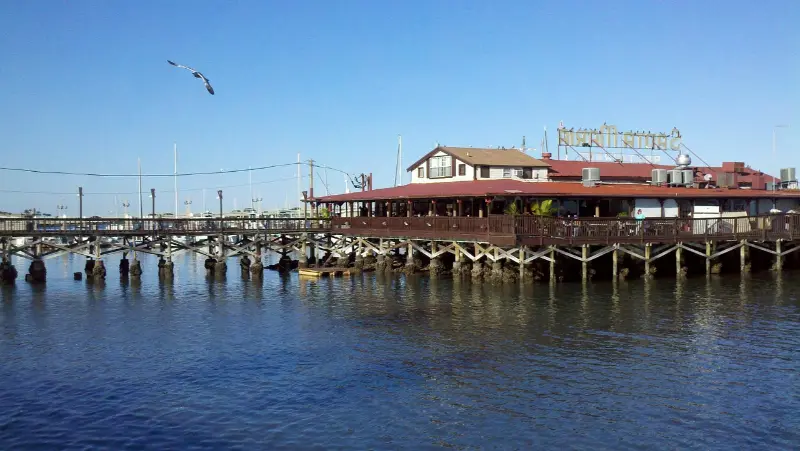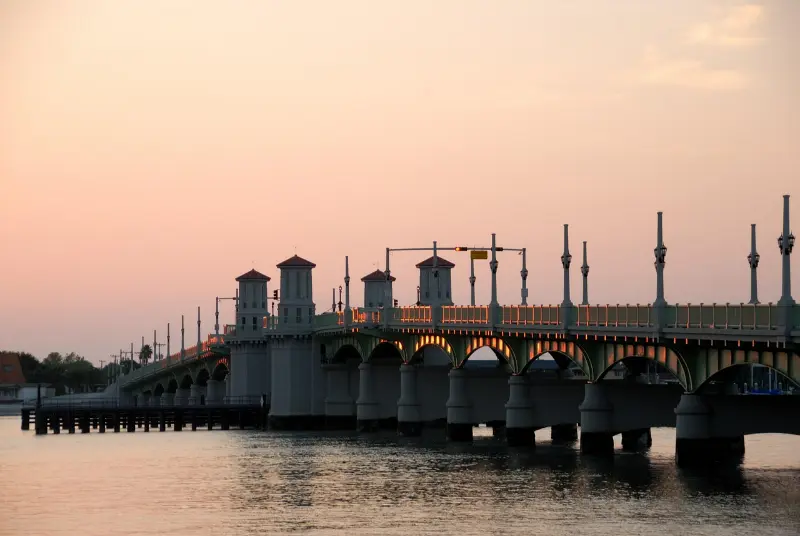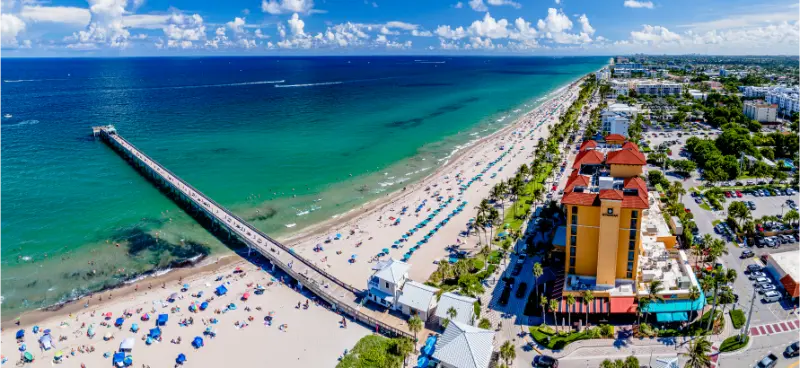
Deerfield Beach and Hillsboro Inlet sit on a stretch of South Florida’s Atlantic coast where a visitor can combine ocean views with maritime history, waterfront restaurants, and short outings that do not demand a full schedule of beach swimming. A three-day stay offers time to see Deerfield Beach’s fishing pier, explore nearby public shoreline areas, and learn about the Hillsboro Inlet Lighthouse. The lighthouse is particularly memorable, but it is not a drop-in attraction that everyone can climb whenever they choose. Tour arrangements and physical requirements matter, and the best holiday plan is enjoyable even if the lighthouse visit does not work out.
This itinerary is suitable for couples, families with school-age children, and older travelers who like a relaxed coastal setting. It is not a promise of universal accessibility or a guarantee of any particular wildlife sighting. The beach, pier, lighthouse tours, and shoreline walks all have different conditions. Check them separately, then choose the combination that matches your party’s stamina, interests, and transport options.
Start with the difference between beach town and inlet
Deerfield Beach is a coastal community with a public beach and fishing pier, while Hillsboro Inlet lies farther south near Pompano Beach. They make a sensible regional combination but are not the same walkable destination. Booking a hotel near the Deerfield Beach pier does not mean you can walk casually to the lighthouse. Road routes, water crossings, private property, and marine facilities shape how you reach the different sites.
Choose accommodation based on which activity will dominate your trip. If you want two mornings near the Deerfield Beach shoreline, stay close enough to reach public access without a long drive. If the lighthouse is the main event, check tour meeting instructions first; the departure point may be different from the landmark’s location. Travelers should not attempt to reach the lighthouse on private roads or through restricted marine facilities.
Day 1: Deerfield Beach International Fishing Pier
Begin at the city’s International Fishing Pier. The official city page provides current visitor information, fees, and operating arrangements. The structure is more than a fishing facility: it can offer broad views of the Atlantic, the coastline, and changing surf conditions. You do not have to fish to enjoy the perspective, though sightseers should observe pier rules and remain considerate of people using fishing lines and equipment.
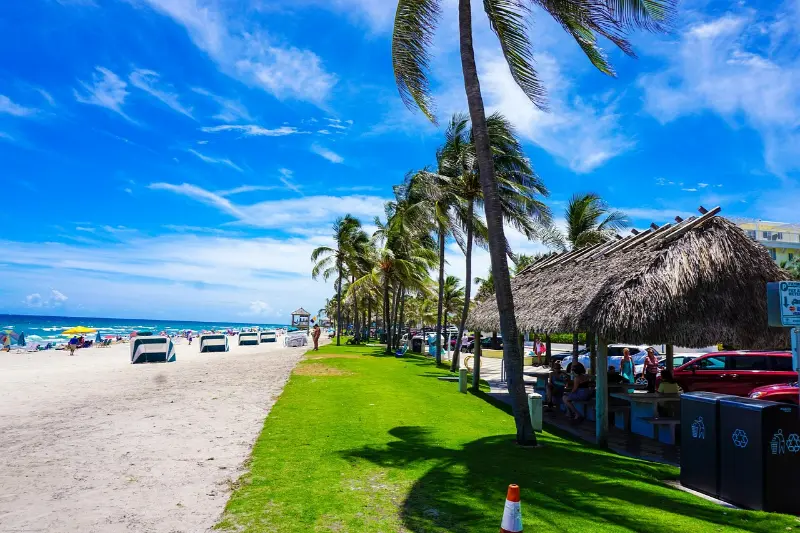
Walk slowly, check where fishing activity is concentrated, and avoid stepping over rods or tangled line. Keep children clear of hooks and railings. For older adults, a pier may be easier than loose sand, but that depends on the current surface, distance, weather, and available seating. Confirm any step-free access or mobility arrangements directly with the city when those details are important. Wind and sun can be strong over open water, even when the beach itself seems sheltered.
What to look for from the pier
The changing sea is the main attraction. Watch wave patterns, the direction of wind, seabirds moving above the water, and the daily work of anglers. Fish can be visible under favorable conditions, but there is no guarantee. Avoid leaning far across railings in search of wildlife. Binoculars can make a brief visit more engaging and are less intrusive than trying to photograph every animal at close range.
For children, turn the outing into a simple observation game: identify three different colors in the water, notice how birds land, and compare calm and rougher wave lines. A teenager may appreciate the opportunity to learn about local fishing or coastal ecology. Keep questions respectful, since people fishing are not automatically volunteer guides. A snack and short break afterward often work better than immediately starting another major activity.
A nearby beach afternoon that doesn't require swimming
Choose a legal public beach access with restrooms and suitable parking. Even visitors who do not swim can enjoy the view, read near the shore, observe beach life, or take a short walk along established paths. Soft sand can be exhausting for people using a cane or walker, so a paved approach or a seated waterfront area may be the better choice. If swimming is part of the plan, consult lifeguard flags and local advisories, and never assume a calm-looking sea has no rip currents.
South Florida afternoon showers may move through quickly or develop into thunderstorms. Do not remain on an exposed pier or beach when lightning threatens. Build indoor time into the itinerary rather than feeling obliged to complete every hour outdoors. If the surf is rough, there is still value in seeing the ocean from a safe promenade or dining spot. The point is comfort and curiosity, not proving that the trip includes an obligatory swim.
Day 2: understanding the Hillsboro Inlet Lighthouse
The Hillsboro Inlet Lighthouse is a striking coastal landmark, but its access is controlled. The Hillsboro Lighthouse Preservation Society publishes scheduled tour information, meeting and transport details, visitor requirements, and rules for climbing. Tour dates are limited, and visitors should not assume that a daily sightseeing boat will deposit them at the site. Membership or other published conditions can apply. Read the current arrangements before booking accommodation around a lighthouse visit.
The lighthouse’s tall form is visible from various coastal perspectives, but climbing the tower is a separate, physically demanding activity. The preservation society describes rules including closed-toe footwear, a minimum child height for climbing, and caution for visitors with physical or health limitations because of steep, winding stairs. Verify all rules for your particular date. Someone may enjoy maritime history and views of the structure without being a suitable candidate for the climb.
Plan the tour departure and return first
If attending an organized lighthouse tour, identify the exact departure point given by the preservation society, not just the lighthouse address shown in a map search. Leave extra time for parking, check-in, and the boat transfer. Conditions on the water can affect operations, and weather cancellations are possible. Confirm which items may be brought aboard, including bags, water, and child equipment; rules at the tower can differ from those on the transfer vessel.
A family with children should know the height and age requirements before arriving. Do not promise a child the climb and then discover they do not meet the standard. Older travelers should consider the stairs and physical effort without embarrassment. One person may climb while another enjoys a suitable permitted viewing option, if the operator allows it. If your group needs a fully accessible trip, obtain written information about vessel boarding and site access first rather than relying on assumptions.
If the lighthouse tour is unavailable
An excellent visit does not depend on climbing. You can explore permitted public coastal viewpoints around the wider Hillsboro Inlet area, watch boat activity from safe locations, and learn about the lighthouse’s role in navigation through preservation resources. Do not park illegally, enter private condominium grounds, or cross operational marine property to improve a photograph. A distant view through a zoom lens can be more appropriate than attempting to approach the structure.
Keep the day flexible. Combine a short permitted inlet view with a restaurant lunch or another public beachfront walk. If rain intervenes, select a confirmed open museum or cultural attraction in nearby Broward County. Avoid adding several long cross-town trips simply because the headline attraction has changed. A slower coastal afternoon is often the most suitable backup for mixed-age groups.
Day 3: compare public coastal spaces
Use the final day to revisit Deerfield Beach or choose another nearby public shoreline stop in the direction of your departure. Observe how the inlet environment differs from the open beachfront and fishing pier. Working waterways are shaped by boat channels, tides, currents, and restricted access. A beach or marina that looks inviting from the car may be privately managed, so follow signs and check public access before leaving the vehicle.
Travelers with children may enjoy a short morning of shell observation and drawing, provided collecting is permitted at the chosen location. Do not take living organisms or disturb posted nesting areas. Couples might choose a relaxed breakfast overlooking the water. Older adults may prefer a quiet morning with seating and a short drive afterward. The final day should remain light enough for packing, checkout, and airport connections.
Seafood, cafés, and choosing a good meal stop
Waterfront restaurants are part of the appeal, but not every establishment offers a water view, convenient parking, or a quiet table. Compare recent menus, opening hours, accessibility details, and reservation requirements. Families may prefer early meals rather than waits during peak evening periods. A visitor with food allergies should contact the restaurant about ingredients and cross-contact instead of assuming that grilled seafood is automatically suitable.
Restaurants with outdoor seating may be pleasant in cool weather but uncomfortable in afternoon heat. Request indoor seating when needed and carry water between stops. Dining can become the most relaxing activity of the day, especially after the wind and sun on the pier. It is also a good opportunity to ask staff about the neighborhood, while understanding that workers may be busy and are not responsible for giving a free guided tour.
How to build the trip around your physical comfort
The pier, beach, boat transfer, and lighthouse stairs involve very different movement demands. Make a personalized plan rather than declaring the destination uniformly easy or difficult. Ask whether an individual site offers ramps, accessible restrooms, shade, and places to sit. Travelers using mobility aids may want a pier visit and restaurant lunch with no tower climb. That remains a worthwhile maritime-history weekend.
People who do climb should use suitable closed-toe footwear as required and follow staff instructions. A high viewpoint can be exciting, but it should never justify ignoring fatigue, dizziness, or personal limits. Visitors who are sensitive to heights should not feel pressured to climb because tickets were purchased. The shoreline offers plenty of quieter experiences at ground level.
Three-day maritime weekend table
| Day | Primary outing | Backup if conditions change |
|---|---|---|
| 1 | Deerfield Beach Pier and public beach | Shortened pier visit and indoor meal |
| 2 | Booked Hillsboro Lighthouse tour, if available | Permitted inlet viewpoint and heritage research |
| 3 | Relaxed coast and departure | Café and short promenade |
Weather, best season, and budgeting
Cooler months often make outdoor sightseeing more comfortable, though strong wind can affect pier and boat visits. Summer brings hot humidity and frequent thunderstorms. The Atlantic can be rough at any time of year. Plan lighthouse transport around the operator’s schedule first; dates may matter more than season. Beach access and pier operating rules can also change after storms or maintenance. Check official alerts shortly before traveling.
Your main expenses are accommodation, food, local transport, pier admission if applicable, and the optional organized lighthouse tour. Do not quote a fixed weekend budget without checking the actual dates. A hotel near the beach may cost more but save a great deal of parking and travel time. Couples or families coming from another South Florida city could make a one-day visit, but three days provide more freedom if a tour date changes or the weather becomes unsettled.
Respecting coastal wildlife and working waterways
Coastal birds and marine life deserve distance. Do not feed birds from the pier, interfere with fishing lines, or enter nesting areas. Boats navigating the inlet may travel in strong currents, so a scenic viewpoint should never encourage someone to swim near navigation channels. Even experienced swimmers should follow designated access and local conditions. For children, make clear which areas are for watching and which, if any, are for permitted recreation.
The most memorable moments may be simple: fishing boats passing the inlet, the lighthouse visible in the distance, or light changing across the Atlantic near the pier. Seeing them comfortably is more important than fitting every stop into the same afternoon. A well-planned Deerfield Beach weekend can blend maritime heritage with the pleasures of a working, lived-in coastal community.
Frequently asked questions
Can I climb Hillsboro Lighthouse whenever I visit?
No. Organized tour dates, registration conditions, transfer arrangements, and climbing rules apply. Consult the preservation society’s official schedule before planning a visit.
Is Deerfield Beach Pier just for people who fish?
No. The pier also offers sightseeing access under published city rules and fees. Check current hours and keep clear of fishing equipment while exploring.
Is this trip appropriate for a person who cannot climb stairs?
Yes, if you focus on suitable public shore views, the pier where accessible, restaurants, and maritime history without the lighthouse climb. Confirm individual site and vessel accessibility rather than assuming every attraction is step-free.