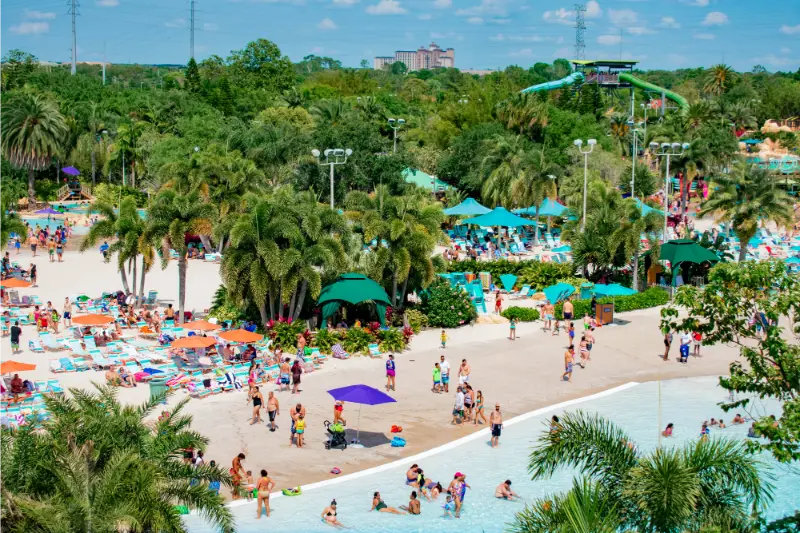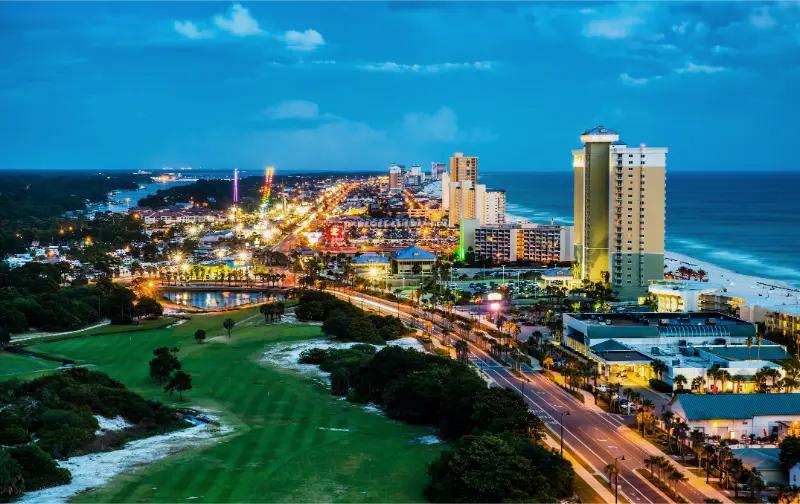
Shipwreck Island is Panama City Beach’s major traditional waterpark and a useful full-day option when a family wants more structure than an open beach day. The park covers about 15 landscaped acres and advertises more than 20 water attractions, from a lazy river and wave pool to high-speed slides and children’s areas.
The most important planning choice is whether everyone in the group will actually use enough of the park to justify a full-day ticket. Families with swimmers of different heights can still have an excellent day, but checking restrictions before buying avoids disappointment at the ride platform.
Quick planning summary
- Best for: families, water-slide fans and hot summer days
- Scale: 15 acres and 20+ water attractions
- Location: 12201 Hutchison Boulevard
- Season: strongly seasonal; currently closed after the 2026 season with 2027 passes on sale
- Current 2026 single-day baseline: in-park $59.99; selected-date online tickets as low as $44.99
- Parking: paid; online purchase is currently cheaper than in-park purchase
- Time needed: 4–7 hours for most families
Important 2026 information note
This article is scheduled for 2028. Waterpark calendars, ticket prices, parking rates, ride lineup and height restrictions can change significantly from season to season. The figures and rules below are the verified 2026 planning baseline, not guaranteed 2028 prices.
What the park includes
Shipwreck Island lists attractions for very different comfort levels. The Lazy River is the obvious recovery ride. Ocean Motion provides a wave-pool experience. Higher-thrill options include Pirates Plunge, Raging Rapids, Tree Top Drop, White Knuckle River and Zoom Flume. Younger children have areas such as Tadpole Hole and Splash Cove, while Skull Island and the Great Shipwreck add family-oriented play.
This variety is why the park works better as a dedicated day than a quick two-hour add-on. Moving a family between slides, food, rest breaks and children’s areas takes time even before queues are considered.
Height restrictions
Do not assume a child who swims well can use every attraction. The official attraction list currently shows several 48-inch minimums, while other attractions use 42-inch or 36-inch limits. Measure children before the trip if access to a particular slide is a major reason for buying tickets.
Height rules are safety requirements rather than suggestions. Build excitement around what each child can do rather than making the day depend on one borderline attraction.
Current ticket baseline
The park’s current 2026 ticket page lists an in-park single-day price of $59.99, with selected-date online tickets advertised as low as $44.99. A flexible any-day ticket is listed at $54.99 online. Senior, military and first-responder discounts are currently available under specific conditions and may require identification.
Prices are dynamic enough that advance purchase can matter. Compare the official ticket page on your actual date rather than copying a price from an old travel article. Check taxes, parking and optional cabanas before deciding what the day really costs.
Parking and cashless planning
The park currently promotes prepaid parking and describes itself as cashless. In 2026, standard online parking ranges from $10 on weekdays to $15 on weekends, with higher in-park rates and VIP options. Those figures can change by 2028, but the planning lesson remains useful: buy only after confirming the current calendar and parking policy.
Wave pool, lazy river and thrill slides
Groups do not need to move together all day. A good strategy is to identify one shared meeting area, then let stronger swimmers repeat thrill slides while other family members use the lazy river or quieter pools. Agree on a meeting time rather than relying on phones, which may be stored away or wet.
Young children
For preschool and early-elementary visitors, the value of a waterpark comes from age-appropriate play and frequent breaks rather than the number of slides completed. Alternate short water sessions with shade, drinks and snacks. Reapply sunscreen more frequently than you would during a normal sightseeing day.
Teenagers
Teenagers are often the group most likely to get strong value from a full day because they can repeat the faster attractions independently. Set rules about meeting points, hydration and storm procedures before separating. If lightning closes attractions temporarily, do not pressure staff or treat the closure as optional.
Food and outside items
The park currently says outside food, drinks and coolers are not permitted. Medical or special dietary exceptions may have their own rules, so contact the park in advance when this is important. Buying every drink individually can add up; compare any current refillable-cup program before arrival.
Cabanas and shade
Cabanas and shaded loungers can be valuable for groups with babies, grandparents or anyone who needs predictable rest. They are not automatically necessary for every family. Before paying, ask whether you need a guaranteed base for the whole day or can manage with normal seating and shorter visits.
When Shipwreck Island is worth the price
It makes the most sense for a group that wants several hours of active water play and has enough riders to use the attraction mix. It offers less value if only one person wants slides, if the weather is unstable, or if your family mainly wants relaxed Gulf swimming. In that case, a beach day plus one smaller paid attraction may be a better use of the budget.
Official information
Check the official Shipwreck Island website for the current season calendar, tickets, parking and attraction availability before travel.
Families, teenagers and senior travelers
Panama City Beach works well for multigenerational groups when the schedule is built around energy level rather than age labels. Families with younger children generally need shade, restroom access and shorter activity blocks. Teenagers often enjoy activities that give them some independence, whether that means fishing, interactive exhibits, water rides or a walk around Pier Park. Senior travelers may prefer the same attractions but benefit from a slower pace, more seated breaks and less time on exposed pavement or soft sand during the hottest hours.
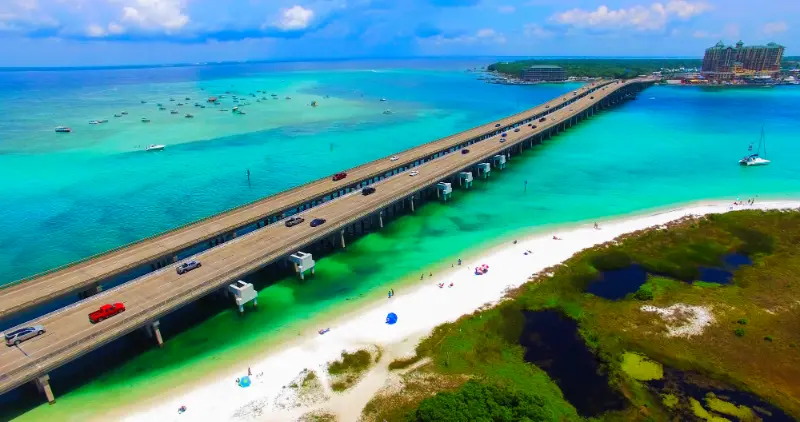
A practical family rule is to choose one anchor activity and one optional add-on. If everyone is still enjoying the day, add the second stop. If heat, crowds or weather have already used up the group’s energy, stop without treating the change as a failed itinerary.
Accessibility and comfort
Accessibility in a Gulf Coast destination is not only about ramps. Heat, glare, long walks from parking, wet surfaces, sand and sudden storms can affect how comfortable a visit feels. Travelers using wheelchairs, walkers or strollers should verify the exact route from parking to the attraction, not just whether the destination describes itself as accessible. When beach access is part of the plan, mobility mats and beach-wheelchair programs can make a major difference, but availability can change.
Weather and seasonal planning
Summer brings warm Gulf water, long daylight and the fullest attraction schedule, but also intense sun, high humidity and frequent afternoon thunderstorms. Spring and fall can be easier for walking and outdoor attractions. Winter is quieter and often pleasant for museums, piers and sightseeing, although water temperatures and wind may make a beach day feel very different from summer.
Lightning is the condition that should change plans immediately. Do not wait on an exposed pier, beach or waterpark deck because a storm still appears distant. Use radar and official attraction updates, and keep one indoor backup available for days when the Gulf weather refuses to cooperate.
Beach safety still matters
Even when the attraction itself is the reason for the visit, many travelers combine it with the beach. Check the current Panama City Beach flag system before entering the Gulf. Rip currents are not always obvious from shore, and a calm-looking surface is not proof that conditions are safe. Lifeguard coverage is seasonal and limited to specific areas, so never assume every public access is guarded.
Budget and value
Compare the complete day rather than only the headline ticket price. Parking, food, drinks, equipment, souvenir photos, lockers and optional upgrades can change the total quickly. A lower-cost day can pair a paid attraction with a beach walk, sunset or public park. Families often get better value by choosing one substantial paid activity instead of stacking several expensive stops simply because they are close together.
What to bring
- refillable water bottles
- sunscreen, sunglasses and a hat
- comfortable walking shoes
- a light rain layer during the warm season
- a portable phone charger
- any required identification for discounts
- a small dry bag or waterproof phone pouch when water is involved
Common planning mistakes
- using an old social-media post as the source for current prices or hours
- forgetting that Panama City Beach uses Central Time locally
- planning a long exposed activity at the hottest point of the afternoon
- assuming parking is free because beach access itself is public
- waiting until arrival to check height, health or participation restrictions
- filling every hour of the day and leaving no room for weather delays
A better daily rhythm
Planning tipFor most visitors, the easiest rhythm is an early outdoor activity, a shaded or indoor break around midday, and a flexible late-afternoon or evening plan. This reduces heat stress and gives the schedule room to absorb traffic or a thunderstorm. If sunset matters, choose the final stop geographically before lunch so you are not crossing the entire resort strip at the busiest time of day.
Driving and parking strategy
Front Beach Road can move slowly in peak periods. Enter the exact attraction or parking area in navigation before leaving, and allow more time than the mileage suggests. If your group includes someone with limited mobility, use a legal passenger drop-off when possible before the driver searches for a more distant space. Never improvise parking on dunes, grass or private property.
Continue your Bay County trip
Use the Panama City Beach travel guide as the broader planning hub. For shopping, dinner or an easy evening, the Pier Park guide is a useful companion once it is already published. Travelers arriving from the east can also compare the resort atmosphere with Mexico Beach.
Final planning advice
The best version of a Panama City Beach day is usually simpler than the longest possible checklist. Decide what experience matters most, verify the current official information shortly before travel and leave enough flexibility for weather, traffic and the possibility that your group simply wants to stay longer at one place.