Category: Hollywood Florida

  • Where to Stay in Hollywood and Dania Beach: Broadwalk, Downtown or a Quiet Airport Base?

    Where to Stay in Hollywood and Dania Beach: Broadwalk, Downtown or a Quiet Airport Base?

    A hotel marked “Hollywood, Florida” can put you on an oceanfront promenade, beside a suburban highway, near a downtown arts district, or close to Fort Lauderdale–Hollywood International Airport. Those settings have very different daily rhythms. Hollywood Beach is well suited to travelers who want to leave the room and walk straight toward the Atlantic; downtown offers restaurants and local nightlife; Dania Beach can be useful for airport arrivals and a quieter coastal day. This guide compares the places that matter when choosing a base, rather than treating every Hollywood address as a beach holiday.

    Which area should you choose?

    AreaBest forConsider before booking
    Hollywood Beach BroadwalkWalkable beach holidaysRestaurant noise and parking
    North Hollywood BeachQuieter coastal walksLonger walk to central dining
    Downtown HollywoodDining and local artsBeach transfer required
    Dania Beach / airportShort stays and onward travelMany hotels not by the ocean

    Hollywood Beach Broadwalk for a car-light beach vacation

    Hollywood's signature attraction is the Broadwalk, a long paved promenade beside the beach rather than a boardwalk made of wood. Staying near its central section allows visitors to combine a morning walk, ocean time, lunch and an early evening meal without repeatedly driving or looking for parking. This works especially well for couples, first-time coastal visitors and families whose children tire after a few hours outside. Some establishments front the promenade; others are set back on the west side of the barrier island, so the accommodation address and pedestrian route still deserve a careful look.

    The liveliest stretch is not necessarily the quietest place to sleep. Ground-floor rooms near restaurants, outdoor music or active walking areas can have more sound than an inland-facing room. Ask for a floor plan or room location if an early bedtime matters. A beach-side booking should also specify whether chairs, umbrellas, parking and resort services are included. The word “oceanfront” describes position; it does not guarantee a balcony with unobstructed water views.

    North Hollywood Beach for more space between busy stops

    North of the busiest restaurant corridor, the beach atmosphere can feel less concentrated. Hollywood North Beach Park adds nature trails and a more spacious outdoor setting, useful for a low-key morning when the family wants shade and a change from sand. Properties in this part of the barrier island appeal to travelers who prefer long beach walks and occasional meals out rather than a full schedule of nightlife. However, distances along the coastline add up faster than a booking map might suggest.

    Check whether a rental north of the Broadwalk is genuinely close to a pedestrian entrance or merely close to the coastline in straight-line distance. A pleasant location for cyclists might be inconvenient for grandparents who do not want a lengthy walk before reaching breakfast. Visitors with limited mobility should ask about elevators, accessible beach routes, the height of steps at the property and the location of restrooms. Even attractive boutique lodging may occupy older buildings with very different layouts.

    Downtown Hollywood and Young Circle for evenings out

    Downtown Hollywood is not Hollywood Beach. Its center around Hollywood Boulevard and ArtsPark at Young Circle has restaurants, galleries, community events and a different, neighborhood-oriented feel. It suits travelers who expect to explore South Florida by car, use their accommodation mainly in the evening or prefer being near a variety of places to eat. Staying downtown can also make a poor-weather day more flexible: you can choose a café, an exhibition or a relaxed meal instead of spending a full afternoon indoors at a resort.

    A trip to the ocean still requires a deliberate transfer. Do not book downtown after reading a description that says the property is “minutes from the beach” without examining the actual route. Check current municipal shuttle information, its service area and operating hours if you plan to rely on it; schedules and fares can change. For nights out, look at the distance from the restaurant district to your hotel entrance, the lighting along the route and whether parking is included.

    Seminole Hard Rock Guitar Hotel Hollywood Florida Aerial

    Dania Beach near the ocean versus Dania near the airport

    Dania Beach has two faces in travel listings. Its coastal side offers access toward the Atlantic and Dr. Von D. Mizell–Eula Johnson State Park, while many hotels west of the beach serve airport, cruise-port and short-stay guests. Both can work well, but for different trips. A roadside hotel may offer practical parking, an early breakfast and a simpler departure day; it is not an alternative to a room steps from the ocean if the beach is your daily focus.

    The state park has a natural beach setting, but admission arrangements, facilities and access restrictions should be checked before visiting. Some Dania lodging is separated from the beach by waterways or large roads; a location pin near blue water can be misleading. On a short stay after a late flight, convenience may outweigh the scenery. For five or six nights of swimming and walks, the extra transfers from an inland base might quickly become the main nuisance.

    Airport and cruise-port transfers without location surprises

    Fort Lauderdale–Hollywood International Airport is a major reason visitors choose this part of Broward County. A hotel described as “airport area” may be excellent for an overnight connection or a pre-cruise evening, yet poorly positioned for repeated outings to the Broadwalk. Before booking, ask whether any shuttle covers your exact terminal and schedule, whether the service is complimentary and whether a cruise-port transfer is included separately. Hotel shuttle routes should not be assumed to connect the airport, Port Everglades and the beach in one circuit.

    A late arrival with children calls for a different plan than a leisurely midday landing. Decide where dinner will come from, whether the accommodation offers staffed check-in after midnight, and what you will do if checked luggage arrives late. For the return journey, leave room for highway congestion and airport procedures. It is easier to enjoy a final beachfront breakfast when the checkout and baggage arrangements are confirmed beforehand.

    Hollywood or Dania without renting a car

    A car-light holiday is plausible if you pick one compact area and shape activities around it. On Hollywood Beach, walking and cycling can cover a large share of ordinary vacation needs. A central downtown hotel may work for restaurant-centered evenings and occasional arranged transfers. Airport-area hotels, by contrast, are often surrounded by roads designed primarily for cars; a short distance on a map does not always mean a safe or pleasant pedestrian journey.

    Airplane Wing Above Airport Runways

    Public transportation and local shuttle options should be assessed for the exact dates of travel rather than assumed from an old blog post. Open a live route planner using the hotel address and a realistic travel time, including the return after dinner. Anyone using a wheelchair or stroller should look closely at crossings, curb ramps and boarding information. If you expect several beach days and a museum outing, compare the total price of transfers with the actual cost of parking a rental car.

    Families with toddlers, schoolchildren and teenagers

    The central Broadwalk simplifies short beach sessions because a family can retreat for naps, dry clothes or snacks without packing the car each time. Choose a room with a refrigerator, shaded place to sit and enough space for wet towels; those details may matter more than a decorative pool. At the beach, supervise children near the ocean regardless of apparent calm, follow lifeguard flags and allow for intense sun reflected from the sand. A playground nearby is helpful, but not a substitute for sensible midday breaks.

    For teenagers, the freedom to walk for ice cream or a casual meal can make a seaside base attractive. Still, set realistic boundaries and meeting points on a busy promenade. Multigenerational groups may be better in a two-bedroom unit with an elevator than in two compact rooms down different corridors. Confirm whether a sofa bed is suitable for an adult and whether extra-person charges apply. Families arriving with a car should verify the number of permitted parking spaces before paying a deposit.

    Couples, solo travelers and visitors seeking quiet

    For couples who want sunrise walks and ocean views, the beach area is the obvious contender, but location within the neighborhood matters. A property beside an entertainment venue may be wonderful for an energetic weekend and less satisfying for travelers hoping to read quietly after sunset. Check photos of the street, not just the room, and read recent reviews for noise, elevator reliability and how easy it is to find dinner on foot. Solo travelers should consider late-evening routes as well as the attractions available during daylight.

    Visitors looking for a more local, less resort-focused stay may enjoy downtown Hollywood or a calmer Dania property. Neither choice is inherently better; the point is to align where you sleep with what you will actually do. If your holiday consists of three beach mornings, two dinners by the water and a visit to Fort Lauderdale, a central coastal base reduces friction. If you are mostly visiting relatives or driving throughout Broward County, paying an oceanfront premium may bring little benefit.

    Accessibility, heat and easy-rest travel planning

    Accessible accommodation needs to be assessed room by room. Ask for measured doorway widths if relevant, bathroom photographs, the type of shower, grab-bar placement, pool access and whether the accessible parking route has steps. A hotel's generic accessibility symbol does not resolve every practical question. For a coastal stay, also identify the nearest accessible public beach entrance and whether a beach wheelchair or mat is available; equipment provision can vary by beach and date.

    South Florida humidity makes even modest walks tiring during the warmest months. Plan outdoor time early, build in an air-conditioned lunch stop and carry water between attractions. A beautiful five-block route that feels easy in the evening can be draining at noon. A room near the elevator may help some travelers, while others prefer being away from machine noise. The right request depends on your needs, and confirming it directly with the property is more reliable than selecting an ambiguous checkbox.

    Budgeting for parking, fees and longer stays

    Compare the full cost of three actual properties, not only their nightly prices. Calculate taxes, destination or resort fees, cleaning fees on rentals, paid parking, beach equipment, breakfast and transport to the places you intend to visit. A slightly higher room rate near the Broadwalk can be competitive if it replaces daily parking and rideshare trips. Conversely, an airport-area hotel with breakfast and parking may be the sensible choice for visitors taking day trips by car. Pay close attention to the cancellation schedule when choosing a prepaid rate during storm season.

    For a longer stay, confirm laundry access, a useful kitchen setup, quiet hours and whether housekeeping happens automatically. Ask whether a vacation rental allows the intended group size and has a legitimate registration or contact process where applicable. Be cautious about offers that request payment outside a recognized booking channel without proper documentation. A usable workspace, strong air-conditioning and good grocery access can make a mid-priced apartment far more comfortable than a photogenic but cramped oceanfront room.

    A three-day stay that does not feel rushed

    On the first day, arrive, explore the immediate neighborhood and enjoy the Broadwalk or downtown depending on your base. Resist the urge to combine airport check-in, a museum visit and an ambitious evening across county lines. The second day can center on the ocean: a morning beach session, an air-conditioned break and an evening meal in walking distance. On the third, choose a single change of scenery, such as Dania's coastal park, downtown Hollywood's art district or a planned outing farther north toward Fort Lauderdale.

    This rhythm works for children who nap, older visitors who prefer fewer transitions and couples who want actual vacation time rather than repeated transfers. Adjust the beach session for weather and posted conditions; a windy day may suit a promenade walk better than swimming. If you have only one night, focus on the neighborhood adjacent to your hotel and an easy departure the following morning. The success of a short Florida stop is often determined by how little unnecessary driving it requires.

    What to verify before paying for a room

    Open the listing map and check the walking or driving route to the specific activity that defines your vacation. Verify whether the address is on the barrier island, downtown or near the airport; then examine parking, elevator access, bathroom layout and any compulsory charges. On the beach, verify the actual ocean approach and the position of your room. Inland, check the surrounding roads and evening dining options. A listing might be technically near Hollywood Beach but still require a car and substantial parking expense every day.

    Check recent guest comments for construction noise, beach-access disruptions and maintenance issues, and consult official city sources for changing parking or transportation rules. Keep a screenshot of the cancellation terms and ask the host directly about uncertainties before sending money. There is no single best Hollywood hotel for everyone. The best choice is the one whose location, facilities and total price match the way you plan to spend your days in South Florida.

    Frequently asked questions

    Is Hollywood Beach the same as downtown Hollywood?

    No. The oceanfront Broadwalk and the inland downtown arts district are different areas and usually require a transfer.

    Is a Dania Beach airport hotel suitable for a beach week?

    It can be practical for an overnight stop, but check the exact road route to the coast before planning daily beach visits.

    Can visitors stay without renting a car?

    A carefully selected Broadwalk property can support a mostly walking-based stay. Wider South Florida excursions need separate transport planning.
    Official visitor resources

  • Miami Beach vs Hollywood Beach: Which South Florida Beach Base Is Better?

    Miami Beach vs Hollywood Beach: Which South Florida Beach Base Is Better?

    Miami Beach and Hollywood Beach can both deliver oceanfront vacations in southeast Florida, but their pace, street layouts, and nearby attractions differ considerably. Miami Beach offers several beach districts tied to international dining, architecture, and extensive urban activity. Hollywood Beach, farther north in Broward County, is known for its Broadwalk, an oceanfront pedestrian environment where a simpler routine of walking, cycling, and eating near the water appeals to many visitors. The cheapest room or shortest distance from the airport is rarely the only factor worth weighing. Your ideal base depends on whether you want a major city on your doorstep or a beach-focused stay with occasional excursions.

    Quick decision table

    CompareOption AOption B / planning note
    Best atmosphereMiami Beach: urban arts and diverse diningHollywood: oceanfront Broadwalk routine
    NightlifeMore extensive districtsSmaller beachfront focus
    No-car potentialChoose near useful trolley or transit routeChoose lodging near the Broadwalk

    Why the name Miami Beach can mislead first-time visitors

    Miami Beach is a separate municipality from the City of Miami and contains several distinct areas. South Beach, Mid-Beach, and North Beach are not the same in crowd levels, lodging choices, or access to nightlife. A hotel marketed with the word Miami might be across the bay rather than close to the sand, while another could be on the barrier island but several miles from the attractions you plan to visit. Hollywood Beach also needs precise map checking: downtown Hollywood and the beach district are not identical destinations. Compare addresses using walking directions to the exact access point, not a vague claim that the property is ‘minutes from the ocean.’ For people with limited mobility, those last few blocks matter as much as the flight time.

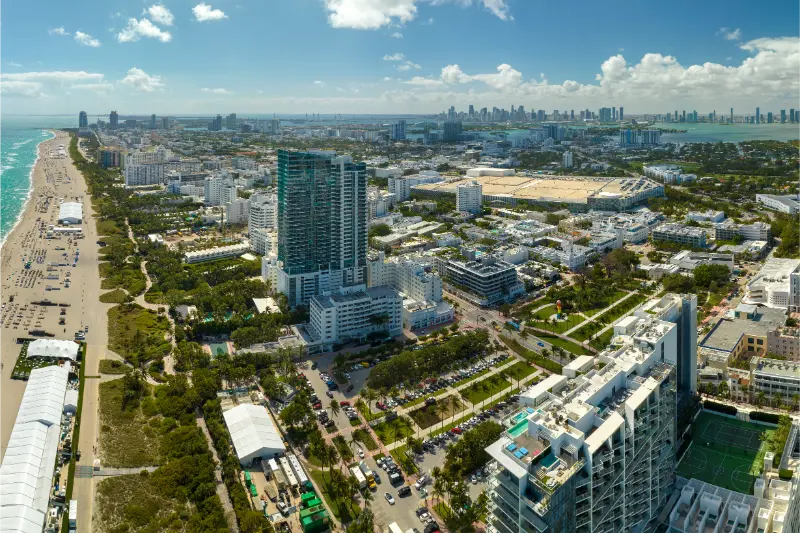
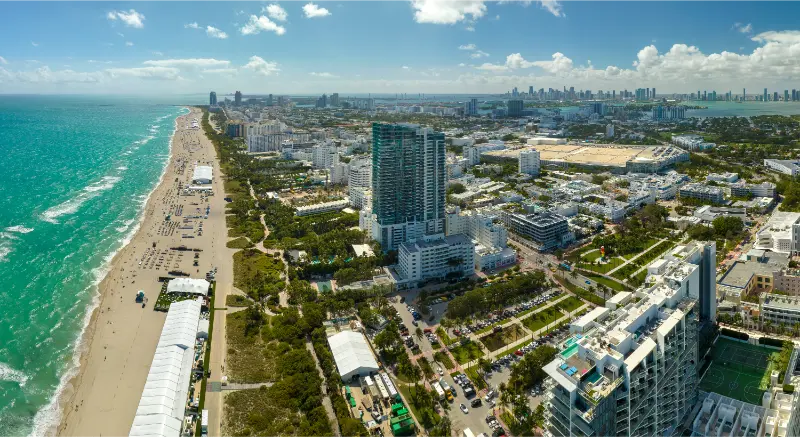
    Miami Beach South Beach Aerial and Skyline

    The character of a Miami Beach day

    In South Beach, a day can combine sand with architectural walks, galleries, restaurants, and lively evening streets. Visitors interested in Art Deco buildings and diverse food may enjoy spending part of the afternoon away from the ocean. Other districts can provide a quieter base while retaining some urban variety, depending on location and season. Miami Beach is especially attractive for people who want the beach without isolating themselves from a major metropolitan cultural environment. Yet congestion, parking costs, busy entertainment areas, and long walks between activities can make it tiring for visitors expecting a tranquil resort. A thoughtful base away from the busiest strip can balance convenience and rest more successfully than simply booking the best-known neighborhood.

    Hollywood's Broadwalk is the daily attraction

    The Hollywood Beach Broadwalk provides a recognizable oceanfront route for walking, cycling where permitted, and moving between places to eat. It gives a beach vacation a clear center without requiring a major attraction ticket each day. Visitors can enjoy an early seaside walk, return to the accommodation, and revisit the waterfront after sunset with limited transport if they stay close enough. The Broadwalk can still be crowded during popular hours, and different segments vary in noise and services. Families with young children should check local rules concerning bicycles and wheeled devices instead of assuming all parts of a pedestrian promenade are suitable for every activity. The main appeal is everyday convenience, not an endless list of sights.

    Which has the more convenient public beach?

    Both offer Atlantic Ocean beaches and must be evaluated according to the weather and specific access route. Miami Beach has long strands of sand, but the distance from hotel door to water can be substantial at certain locations. Hollywood Beach offers a relatively direct transition between the Broadwalk and sand in many areas, though facilities and accessibility vary. Neither can guarantee gentle water, and rip currents are a concern along the Atlantic. Choose areas with lifeguard coverage when possible and pay attention to flags, storm forecasts, and water-quality notices. For families with babies or for travelers using mobility aids, determine whether beach matting, accessible restrooms, and shaded rest areas exist at the access you actually plan to use.

    Getting around without a rental car

    Miami Beach provides trolley and other local transportation possibilities, while the wider Miami metropolitan area has buses and rail connections that may be relevant to particular activities. The City of Miami Beach also publishes information about a free on-demand service operating within specified areas; its zone and operating times must be checked for your trip. Hollywood Beach has its own local services and the Sun Shuttle, but these should be researched by exact zone, fares, and hours rather than treated as a universal island-wide free ride. The City of Hollywood’s visitor parking and mobility map is a useful planning reference, although individual fares and maps should be confirmed shortly before use. A car-free holiday succeeds when restaurants and the beach are within comfortable reach of the hotel.

    Parking and rental-car decisions

    A car can help with wider Miami-Dade or Broward excursions but can become an expensive object to store when you stay at a walkable oceanfront property. Compare garage charges, hotel valet fees, and the time required to retrieve the vehicle before reserving one for the entire stay. Hollywood has public parking facilities serving beach visitors, but spaces and payment conditions vary. Miami Beach parking regulations differ by area and can be stringent. If the family intends to visit the sand in the morning and stay within a compact restaurant district until bedtime, arriving by taxi or booked transfer may be simpler than renting a car. If you plan several suburban attractions, a car or an organized excursion may still be worth the total cost.

    How the food and nightlife choices differ

    Miami Beach offers international cuisine, popular dining districts, and more extensive nightlife options, but the best restaurants for your budget are not always the ones beside the busiest tourist streets. Hollywood Beach has a more compact oceanfront eating scene, with casual choices along the Broadwalk and additional options in the broader city. Families who prefer early dinners may appreciate being able to walk a short distance back to the room after eating. Couples looking for elaborate evenings or different cultural neighborhoods every night may favor Miami Beach, though that preference is highly personal. Always check restaurant prices and mandatory service charges before ordering; a view of the ocean does not tell you what the final bill will include.

    A three-day Miami Beach stay

    Use arrival day to identify your nearest beach access, a good grocery or pharmacy, and a place to eat without a long trip. Spend the first morning on the sand before conditions grow hotter and reserve the afternoon for an architectural walk or a selected museum. A second full day can include a short excursion into mainland Miami, but treat the journey across the bay as real travel time. If you are interested in art, food, or neighborhoods, choose one coherent area rather than trying to cover the entire city in a day. Leave evenings flexible and avoid planning every night around loud entertainment districts, particularly when traveling with children or people who need early rest.

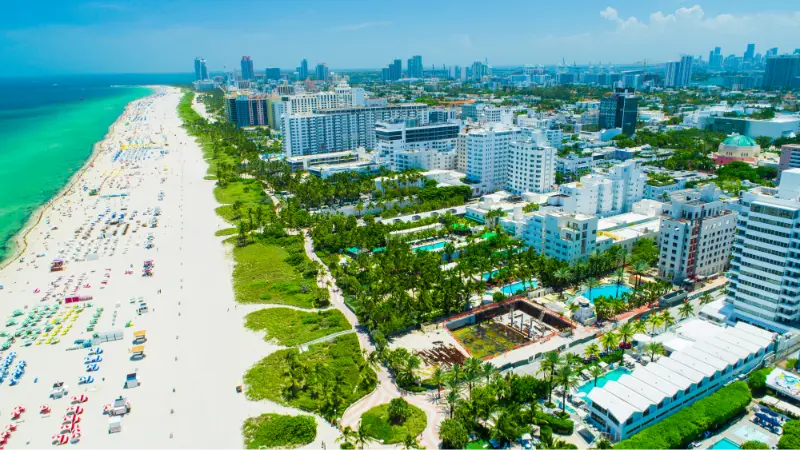
    Miami Beach South Beach Coastal Buildings Aerial

    A three-day Hollywood Beach stay

    Arrive and become familiar with the Broadwalk section near your hotel, paying attention to pedestrian routes and where bikes or other wheeled devices are permitted. On the first full day, make the beach your principal activity and use the promenade for easy food stops. On the second day, consider an excursion into downtown Hollywood or a nearby attraction if the group wants variety. Otherwise, enjoy a slower pattern of beach walks, meals, and rest without treating the lack of major sightseeing as a problem. The holiday can feel particularly refreshing for visitors who have already toured busy Florida cities and want a less complicated final stop before flying home.

    Families and teenagers: think beyond a beach ranking

    Young children need safe places to rest, easy restroom access, and transport that does not require repeated stressful transfers. Hollywood’s concentrated beachfront routine may appeal to families who simply want sand, snacks, and a pool. Miami Beach may work better for teens interested in architecture, varied food, and a wider urban setting, especially when adults can supervise plans realistically. Neither destination is suitable for unsupervised ocean swimming. Parents should inspect balcony safety, pool gates, elevator access, and nighttime noise before reserving an apartment. For mixed-age groups, a quiet hotel with an appealing local walking area can matter more than the number of restaurants in the wider city.

    Senior travelers and accessible planning

    Travelers who enjoy city walking and diverse cultural outings may love Miami Beach, while people who prefer a simpler beachfront daily pattern may find Hollywood easier. However, accessibility must be assessed at property and route level. Check step-free entry, elevator reliability, grab bars, wheelchair-friendly bathrooms, the distance to public transit stops, and access to an appropriate beach entrance. A walk described as ten minutes on a listing can be considerably longer for someone using a walker. If a member of the group is sensitive to noise, compare the hotel building and room position, not just the neighborhood reputation. Mobility needs should be confirmed with the operator in writing whenever a particular facility is essential.

    Which airport is more convenient?

    Fort Lauderdale–Hollywood International Airport is commonly considered for a Hollywood Beach stay, while Miami International Airport often suits southern Miami-area plans. But the airport with the shortest drive may not have the best flight or accessible transfer for your origin. Compare landing and departure times, international connection requirements, baggage rules, and the complete door-to-door transfer cost. Arriving late at night with children or a mobility aid makes prearranged ground transportation more important than saving a small amount on airfare. If you plan to split time between both cities, consider whether your arrival airport and departure airport can reduce backtracking. Do not assume every shuttle serves every neighborhood or hotel.

    Real trip cost: include transportation and fees

    Compare the same dates and similar accommodation standards, not the headline claim that Hollywood is always cheaper or Miami Beach always more expensive. Add resort fees, taxes, parking, meals, and paid transport to any off-beach activities. A Miami Beach room within walking distance of all your priorities may save daily transport costs, while a Hollywood property directly on the Broadwalk may reduce the need for taxi rides altogether. Self-catering facilities can help families, but cleaning fees and limited cancellation policies sometimes erode savings. An elegant room overlooking the ocean is not good value when its noise level or access requirements are unsuitable for someone in your group.

    Weather and what to do when the sea is rough

    Both cities experience a warm climate, frequent summer thunderstorms, and tropical-storm risk during the Atlantic hurricane season. Conditions at the beach can change rapidly, and the presence of sunshine does not eliminate rip currents or lightning risk. Build a rain plan that includes at least one indoor activity reachable without expensive transport. Check official weather warnings and local beach conditions before swimming. If a storm threatens the region, follow local emergency guidance and read your booking’s cancellation policy rather than relying on informal social media predictions. Families traveling in summer may prefer outdoor time early in the day and a shaded or indoor break during the hottest hours.

    A sensible choice for four or five nights

    Choose Miami Beach when experiencing a major urban destination with beach time attached is the core purpose of the trip. Choose Hollywood Beach when you want to stay close to the ocean, walk the same pleasant waterfront route each day, and minimize decisions about transport and activities. A five-night trip does not require moving between both hotels, although visiting the other city for a day can be reasonable when the journey suits the group. Before paying a deposit, examine a map of the precise hotel, transit links, beach access, and dining options. The best trip is the one in which your daily routine works without needing a car or paid ride every time someone wants food, rest, or shade.

    Frequently asked questions

    Is Hollywood Beach the same as downtown Hollywood?

    No. The beach district and downtown are different parts of the city, so check your accommodation’s actual location.

    Can I visit Miami Beach without a rental car?

    Yes, with suitable hotel placement and local transit, but verify the routes, operating times, and cost of any wider excursions.

    Does Hollywood Beach have an oceanfront walking route?

    Yes. The Broadwalk is one of its principal attractions, although local use rules and access conditions should be checked.

  • Florida With a Toddler and a Teenager: Six Days Around Fort Lauderdale

    Florida With a Toddler and a Teenager: Six Days Around Fort Lauderdale

    Planning a Florida vacation for a toddler and a teenager is less straightforward than booking a theme park and hoping everyone enjoys it. A three-year-old may need a midday nap, safe places to run and short outings. A fifteen-year-old might want photography, independent choices and something more challenging than another playground. South Florida can accommodate both, but the solution is not to force both children through the same attraction list at the same speed. It is to create a trip with shared experiences, brief separate choices and enough downtime to prevent every afternoon from ending badly.

    This six-day plan uses Fort Lauderdale, Hollywood Beach and the inland Davie area as a manageable Broward County base. It is useful for parents, grandparents and other caregivers traveling together. Every day’s main activity has a shorter version and an alternative when the weather or the toddler’s needs change. The activities are real places, not invented personal experiences, and the itinerary can be adapted for an adult who walks slowly or a teen who dislikes water.

    Balancing a toddler and a teen

    Day Shared experience Different-age option
    One Easy arrival and dinner Teen chooses food stop; toddler rests
    Two Hollywood Broadwalk Short stroller loop or longer photo walk
    Three Hands-on science Split museum galleries with responsible adults
    Four Flamingo Gardens Quiet animal viewing or photography
    Five Hugh Taylor Birch nature Short shaded walk or longer supervised path
    Six Repeat a favorite Each child chooses a small final activity

    Start by choosing the right family accommodation

    Select one base for all six nights. Fort Lauderdale can be convenient for city attractions and the waterfront, while Hollywood Beach provides direct access to a long oceanfront promenade in some locations. Davie and other inland areas may be useful for the garden day but are less attractive if the family wants to walk to the beach regularly. Compare driving times at the actual hours you will travel, not only distances in a booking app. A small child becomes tired in traffic long before the rest of the family does.

    Prioritize two sleeping zones if the budget allows. A toddler who goes to bed early and a teenager who wants to read or talk in the evening have very different routines. A separate bedroom or quiet sitting area can be more valuable than a luxury pool. Check whether a crib can be reserved, whether bedroom doors lock unexpectedly and whether any pool or balcony is securely protected. Ask about laundry, refrigerator access and a nearby supermarket. For six nights, ordinary practical features can determine how relaxed everyone feels.

    Day one: arrive, recover and explore a small area

    Arrival day should have no expensive timed attraction. Check into the hotel, locate the grocery store and take a gentle walk where your youngest traveler can move safely. If arriving by plane, check the toddler’s seat and transport needs before departure rather than assuming a rideshare provider will supply an appropriate child restraint. The teenager can help choose a casual restaurant or photograph the evening light; that small choice makes the trip feel shared rather than completely designed for a preschooler.

    If you have time, explore the closest public waterfront or neighborhood path for less than an hour. Avoid a long drive to Miami or an ambitious sunset cruise on the first night. Young children often need familiarity, and adults may be tired from travel logistics. Establish where everyone will sleep and which items must be packed for the morning. A calm arrival can save the next day from frustration, particularly when several family members have different sleep schedules.

    Day two: Hollywood Broadwalk for two different ages

    Hollywood Beach’s Broadwalk is a paved oceanfront promenade with restaurants, places to pause and access to the sand. It suits a mixed-age group because visitors can enjoy the setting without all joining the same activity. The official City of Hollywood Broadwalk information describes the route and public amenities. Choose a short stretch near confirmed parking and restrooms rather than expecting a toddler to cover the entire promenade.

    The teenager might enjoy taking photos or walking farther with one adult while another supervises the toddler close to a shaded rest point. Establish a clear reunion location, and do not leave young children unattended at the beach. Swimming should depend on current flags and safe conditions, not a promise made days before the trip. Families who prefer to remain dry can still enjoy breakfast near the ocean and watch the activity along the shore. Return to the accommodation before everyone is exhausted.

    Day three: hands-on science in Fort Lauderdale

    A science museum is useful when two children have different learning styles. The Museum of Discovery and Science in downtown Fort Lauderdale has interactive exhibits that can be more flexible than a performance with one start time. Check current admission, exhibits and age recommendations before arrival, since temporary programs change. Ask the teen to choose one exhibit that they genuinely want to explore, and give the toddler shorter hands-on sessions where appropriate. One parent or grandparent may need to move between different galleries rather than expecting all four visitors to stay together.

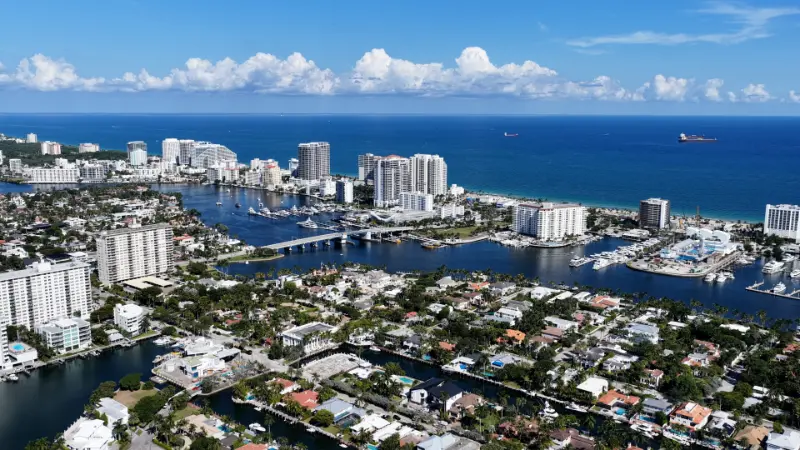
    Fort Lauderdale Downtown Waterway and Highways Aerial

    Plan a midpoint snack and an exit option. Museum fatigue is real, particularly when a toddler has been awake early. If the teen wants more time, one adult can remain while the other leaves with the younger child; agree on a safe pickup plan in advance. In hot or stormy weather, an indoor museum can be the day’s principal attraction. Finish with a low-key dinner instead of adding a distant evening event that depends on the youngest member’s unpredictable energy.

    Day four: gardens and rescued wildlife in Davie

    Flamingo Gardens combines botanical landscapes with a wildlife sanctuary, offering opportunities to talk about native plants and animal care. The official Flamingo Gardens visit page lists admission details and operating hours. Verify the current tram operation and exhibit schedule before setting out rather than promising an animal presentation that might not occur. A teenager interested in photography can find plenty to study, while a younger child may be happiest observing one animal quietly rather than rushing between displays.

    The sanctuary is not a petting zoo. Explain that the animals are not there to be touched or fed by visitors. Keep the toddler from climbing barriers or dropping food into enclosures, and use the marked paths. A stroller can help, but check surface conditions if your group has mobility limitations. Reserve shaded breaks and drinking water, especially in warm months. After the visit, return to the hotel rather than scheduling another distant park. A day that works for both ages often has a single clear highlight.

    Day five: Fort Lauderdale’s Hugh Taylor Birch State Park

    Hugh Taylor Birch State Park provides an urban nature experience very different from the ocean promenade. It protects green space between developed Fort Lauderdale and coastal waterways. The official state-park information provides current access conditions and notes that some restrooms, pavilions and the floating dock have been affected by closures. Check those details before choosing an activity that depends on a particular facility. A short shaded outing can be plenty for a small child, while a teen may enjoy observing wildlife or exploring a longer designated route with an adult.

    Do not assume that all paths are suitable for strollers, and never bring the toddler close to open water without direct supervision. The group can split by energy level for part of the morning and meet for a picnic in an open, permitted area. Carry food and water because convenience services can change. If storms approach, leave the park and use a museum or a quiet hotel afternoon as the backup. The purpose is to appreciate a pocket of nature, not to force a full-day hike inside a city.

    Fort Lauderdale Skyline and Waterfront Aerial

    Day six: let each child choose a small final experience

    The final day is ideal for a simple choice. Ask the teenager to select between a photography walk, a museum return or a favorite food stop. Give the toddler a predictable playground or short beach outing with a caregiver. Keep the choices geographically close so the family is not spending the day driving between them. You might all meet for lunch and enjoy one brief shared waterfront moment in the afternoon. If your flight is that day, replace extra sightseeing with unhurried packing and a comfortable transfer.

    One mistake on mixed-age trips is to describe a teenager’s preference as a reward for tolerating the toddler’s activities. Both children are legitimate travelers. A little separate time can help the older child feel respected and the younger child stay comfortable. Adults should plan who carries snacks, who supervises beach access and who handles tickets; these decisions are easier before a tired child starts crying. A successful conclusion may involve very little activity and still feel satisfying.

    A daily rhythm that prevents tired afternoons

    Build the day around one main morning outing, lunch, rest and an optional short evening activity. For a toddler, naps may be essential; for the teen, downtime in a separate space can be just as valuable. If the family is staying in a rental with a kitchen, an early meal can reduce the pressure to find a restaurant when everyone is hungry. Pack a change of clothes, sunscreen, water and a few familiar snacks, but do not carry so much equipment that every stop becomes difficult.

    Alternate the focus of the days. A beach promenade and garden visit provide movement and nature, while an indoor science museum adds hands-on learning. Do not schedule multiple animal attractions simply because the children liked one. Consider the teen’s interests—photography, art, marine science, food or sports—and choose the relevant details within the same itinerary. For a toddler, novelty comes from manageable experiences such as watching birds, riding in a stroller and exploring a safe public space.

    Swimming, storms and family safety

    Broward County’s Atlantic beaches have changing waves, currents and weather. Follow flags and lifeguard instructions, maintain direct toddler supervision and avoid swimming during unsafe conditions. For a mixed-age group, assign supervising adults rather than assuming a teenager will watch a younger sibling while everyone relaxes. A teen may be a capable helper but should not carry the full responsibility for another child’s safety. The family should have a meeting point and know what to do if separated in a crowded area.

    Thunderstorms are common in warm months and can make exposed beaches or open gardens dangerous. Move inside when lightning is nearby, and do not wait under a beach umbrella. In the car, use age- and size-appropriate child restraints according to the applicable requirements. If the toddler becomes overheated, return to an air-conditioned environment and seek medical help for concerning symptoms. There is no attraction important enough to justify ignoring a child’s health or an official safety warning.

    How to budget fairly for two ages

    The budget includes accommodation that allows proper rest, car hire or other transport, parking, meals, admission for different age categories and a small reserve for weather-related changes. Check museum and garden ticket prices for the actual ages of your children; one child may qualify for free admission while the other pays a youth or adult rate. A hotel pool can be an excellent low-cost afternoon option, but it still requires supervision. Compare full accommodation prices, not just advertised nightly amounts.

    Allow the teenager a small discretionary amount for a chosen activity or snack rather than spending every extra dollar on toddler equipment. Budget for one paid family highlight and several low-cost outings, such as a waterfront promenade and park time. A convenient hotel may cost more but save enough driving, parking and stress to be worth it. Conversely, a rental with laundry and a kitchen can make a longer stay easier. Choose based on the group’s actual routines.

    Keep the vacation flexible enough for everyone

    The joy of this kind of trip lies in noticing that the two children may enjoy the same place for different reasons. At a garden, the teen might photograph birds while the toddler notices bright leaves. On the Broadwalk, the older child may enjoy an independent stroll with an adult while the younger one watches bicycles from a stroller. Both experiences count. Do not make every day a forced group photograph or a contest to visit the most attractions.

    If grandparents join, include their comfort and mobility needs in the plan from the beginning. They may enjoy an art museum more than a long beach walk, or they may prefer to spend a quiet afternoon with the younger child while the parents accompany the teenager to a chosen attraction. Offer options rather than assumptions. South Florida has enough variety for different generations, provided the itinerary values rest and treats each person’s energy as real.

    Frequently asked questions

    Is Fort Lauderdale a good base for a toddler and a teenager?

    It can be. The area combines beaches, museums, parks and nearby gardens. Choose one lodging base, plan short morning activities and keep afternoons flexible.

    Can we see Hollywood Beach without spending the whole day swimming?

    Yes. The paved Broadwalk, ocean views and restaurants make a shorter, mostly dry outing possible. Always follow beach safety instructions if anyone enters the water.

    What if the teenager and toddler want completely different activities?

    Plan one shared outing, then allow a brief split with a responsible adult supervising each child. Agree on the meeting place and treat both children’s preferences seriously.

  • Hollywood Florida Travel Guide: Beach Broadwalk, Downtown, Nature, Families and Where to Stay

    Hollywood Florida Travel Guide: Beach Broadwalk, Downtown, Nature, Families and Where to Stay

    Hollywood Florida is a South Florida beach city with a retro seaside promenade, an active downtown and easiergoing atmosphere between Miami and Fort Lauderdale. The easiest way to enjoy it is to decide what role it should play in the wider Florida trip. It can be a self-contained two- or three-night stop, a quieter base near a larger destination, or a practical part of a longer road trip. What usually goes wrong is trying to make one hotel location serve beaches, museums, nature, nightlife and distant day trips equally well.

    I would plan Hollywood Florida around two priorities: where you want to spend the early morning and where you want to be after dinner. Those two choices determine whether you should stay by the beach, near the main downtown district or in a more spacious property farther out. The destination is particularly good for families, couples, beach walkers, cyclists, pre- or post-cruise travelers and visitors who want South Florida energy without making Miami Beach their base.

    Quick planning summary

    • Hollywood Beach Broadwalk — The Broadwalk is the signature experience: a long oceanfront promenade made for walking, cycling and stopping for casual food.
    • Hollywood Beach and North Beach Park — The central beach is convenient for amenities, while the northern end feels greener and more spacious.
    • Anne Kolb Nature Center — Anne Kolb adds mangroves, boardwalks, wildlife and paddling to a trip that might otherwise be only beach and restaurants.
    • Downtown Hollywood and ArtsPark — Downtown brings murals, local restaurants and ArtsPark at Young Circle.
    • Best stay strategy: choose the district that matches your first and last activity of the day, not the cheapest room on a map.
    • Best pacing: one major activity plus one flexible neighborhood, beach or park stop per day.
    • For families and seniors: protect a midday rest during hot weather and verify parking, shade and accessible routes before arrival.

    In this guide

    Why visit Hollywood Florida?

    Hollywood Florida works because it offers a clear identity without forcing every traveler into the same itinerary. A beach-first visitor can spend long mornings outdoors, while someone interested in culture can build the day around museums, local districts and dining. Families can alternate active mornings with easier afternoons, and couples can keep evenings walkable instead of driving from one isolated attraction to another.

    The destination also fits a broader Florida strategy. Rather than changing hotels every night, use it as a base and make selective day trips. This is usually more enjoyable than collecting cities. The reward comes from learning the rhythm of one place: which mornings are quiet, where parking becomes difficult, when the waterfront is comfortable and how much downtime your group actually needs.

    Waterfront Resort Buildings in Florida

    Where to stay in Hollywood Florida

    Hollywood Beach is the obvious choice if you want to step onto the sand and Broadwalk each morning. Downtown Hollywood is better for restaurants, murals and a more local evening feel. Airport-area hotels can work for a one-night transit stay, but they do not replace the beach experience.

    Before booking, compare the full stay cost rather than the nightly rate. Parking, resort or destination fees, breakfast, beach equipment, kitchen access and the need for rideshare can change the value dramatically. A slightly more expensive hotel in the right district can be cheaper than a low room rate that requires two paid car trips every day.

    Families should also check room layout, not just occupancy. A sofa bed that technically sleeps two children may be fine for one night but uncomfortable for a week. For senior travelers, elevator reliability, walk-in showers, short routes to the lobby and shade around the property can matter more than a rooftop pool.

    Best things to do in Hollywood Florida

    Hollywood Beach Broadwalk

    The Broadwalk is the signature experience: a long oceanfront promenade made for walking, cycling and stopping for casual food. It works well for mixed-age groups because everyone can move at a different pace and regroup without needing a formal attraction schedule.

    Hollywood Beach and North Beach Park

    The central beach is convenient for amenities, while the northern end feels greener and more spacious. Water conditions and lifeguard coverage vary, so choose the exact beach access by the needs of the group rather than by hotel marketing photos.

    Anne Kolb Nature Center

    Anne Kolb adds mangroves, boardwalks, wildlife and paddling to a trip that might otherwise be only beach and restaurants. It is a strong half-day for families and nature lovers and a useful reminder that Broward County has meaningful natural habitat beside dense development.

    Downtown Hollywood and ArtsPark

    Downtown brings murals, local restaurants and ArtsPark at Young Circle. It is a good evening alternative to the oceanfront and can make a beach-heavy trip feel more varied. Check event calendars if live music or public programming matters to you.

    Seminole Hard Rock and inland entertainment

    The Hard Rock complex is inland and offers a completely different kind of evening. It can be fun for adults, shows and dining, but it is not “on the beach,” so build travel time into the plan rather than treating it as a stroll from the Broadwalk.

    Beaches, parks and outdoor time

    Hollywood is strongest when you combine ocean time with the Broadwalk and mangrove nature. Rent bikes only if everyone is comfortable sharing busy recreational space, and use cooler hours for longer rides. For toddlers and seniors, the ability to return to a nearby beachfront hotel can be more valuable than chasing multiple beaches in one day.

    Florida outdoor days are easiest when you schedule by temperature rather than by a rigid list. Put the longest walk, beach session, bike ride or wildlife activity early. Use lunch, a museum or the hotel for the hottest part of the day, then return outside later. In summer, thunderstorms can be brief but intense; in winter, a windy cold front can make an exposed beach far less comfortable than the air temperature suggests.

    Whenever swimming is part of the plan, check local flags, lifeguard coverage and current conditions. Never assume a calm-looking ocean or Gulf is risk-free, and do not build a family beach day around a tiny access point if you know you need toilets, shade and an accessible path.

    Getting there and around

    Fort Lauderdale-Hollywood International Airport is close, and rideshare can work well for a short beach stay. A rental car becomes more useful if you plan to combine Hollywood with Miami, Everglades outings or multiple Broward attractions. Parking near the beach can be a real part of the budget, so compare hotel parking with a car-free plan.

    For a rental car, include parking and tolls in the budget before pickup. For a car-free or partly car-free stay, check whether the hotel is truly within comfortable walking distance of restaurants and the activities you care about. Florida heat turns a pleasant-looking one-mile map walk into a very different experience at midday.

    Airport choice should be based on total transfer time and flight convenience, not only distance. A nonstop flight to a slightly farther airport can be easier than a connection that saves twenty minutes on the ground. If your trip combines several Florida regions, consider collecting or returning the rental car only for the road-trip segment.

    Best time to visit

    For most travelers, the cooler and drier part of the year offers the easiest outdoor conditions, but it also brings stronger seasonal demand in many Florida destinations. Spring can balance warm weather with fewer winter visitors, while summer offers long daylight and family travel availability at the cost of heat, humidity and frequent thunderstorms. Fall can be quieter, but tropical weather planning matters.

    Do not choose a month only from average temperature. Think about the activities that define your trip. Beach swimming, wildlife viewing, outdoor festivals, theme parks and restaurant-focused weekends all have different ideal conditions. Check event calendars and local school-holiday patterns before paying a non-refundable rate.

    Families, teens, seniors and accessibility

    Family tipFor families with babies or toddlers, reduce the number of transitions. One beach, one lunch area and one easy afternoon stop is enough for a good day. Teenagers usually enjoy having one activity with independence or adrenaline—surfing, cycling, shopping, paddling or an evening district—rather than being moved through adult sightseeing all day.

    Senior travelers often benefit from the same strategy: shorter walks, earlier starts, reliable seating and a hotel near dinner. If mobility is limited, verify accessible parking, ramps, beach mats, wheelchairs or boarding assistance directly with the responsible attraction or local authority. “Accessible” can mean very different things depending on whether the challenge is a museum floor, soft sand or a small boat.

    Multigenerational groups do not need to remain together every hour. Plan one shared anchor each day, then allow a split. Grandparents can return to the hotel while teenagers stay at the beach; one adult can take children to a playground while another visits a museum. Regrouping for dinner is often more successful than forcing everyone to follow the most demanding itinerary.

    A practical 3-day Hollywood Florida itinerary

    Day 1: understand the center

    Check in, explore the primary downtown or visitor district and keep the first evening easy. Choose a walkable dinner and one short attraction or waterfront stop. Arrival days are the wrong time to schedule a prepaid activity that becomes stressful if the flight, rental car or traffic is late.

    Day 2: the signature experience

    Use the morning for the destination’s main outdoor or cultural priority, then take a real break at lunch. In the afternoon, choose one secondary attraction from the list above rather than trying to complete all of them. Finish in the district you most want to experience after dark.

    Day 3: nature or a selective day trip

    Use the final full day for nature, a neighboring community or a second beach. If the weather is poor, swap in a museum, shopping district or indoor family attraction. Keep the last evening simple so packing and departure do not turn a good trip into a rushed finish.

    Food and evening planning

    The Broadwalk is best for casual beach meals, while downtown broadens the choice. For a special dinner, reserve ahead on weekends. A practical strategy is breakfast near the hotel, flexible lunch by the beach and a planned dinner downtown or inland.

    Florida dining times can become competitive in winter and on event weekends. Reserve only the meals that really matter; too many fixed reservations can make a beach or wildlife day feel rushed. For breakfast, a hotel room with a refrigerator or small kitchen can save both money and time, especially for families.

    Budget and booking strategy

    The biggest costs are usually lodging, transport and the activities that require a ticket or boat. Build the budget in that order. Free beaches and parks do not always mean a free day once parking, rentals and food are included. Conversely, a paid attraction with included parking and several hours of entertainment can be good value for a family.

    I would compare at least three lodging scenarios: the convenient central hotel, a beach or resort property, and a larger room or rental farther out. Add parking and local transport to each. For a short stay, location often wins. For a week with children, kitchen and laundry access can justify a little more driving.

    Keep cancellation terms visible in your planning notes. Florida weather can change, and boat tours, outdoor attractions and beach days are more enjoyable when one weather delay does not threaten the value of the whole trip.

    Day trips and how to combine the region

    Fort Lauderdale is the easiest city pairing, while Miami works as a day trip or next stop. Dania Beach is close and often quieter. If a cruise is part of the vacation, Hollywood can be a relaxed pre-cruise base, but always leave generous transfer time for Port Everglades or PortMiami.

    A useful rule is to avoid more than one substantial drive on consecutive days. If you take a long day trip, make the following morning local. Florida roads can be easy when traffic is light and exhausting when weather, crashes or weekend beach traffic intervene. A slower plan usually produces more usable vacation time.

    Common mistakes to avoid

    • Booking the cheapest hotel without checking the real driving pattern of the trip.
    • Scheduling beach, museum, wildlife and nightlife priorities into the same day.
    • Ignoring parking costs or assuming every beach access has the same facilities.
    • Planning long outdoor activities at midday in the hottest months.
    • Using drive-time estimates that do not include event, bridge, theme-park or beach traffic.
    • Forgetting that a good multigenerational itinerary needs rest, shade and easy meal options.
    • Treating a weather-sensitive activity as guaranteed instead of keeping a flexible backup.

    Official resources

    Hours, parking systems, admission prices, beach rules, event schedules and construction can change. When a particular attraction or service is essential to your trip, confirm it on the official source shortly before travel.

    Frequently asked questions

    How many days do you need in Hollywood Florida?

    Two full days is enough for a focused first visit, while three nights gives you room for a beach or nature day, the main cultural district and one nearby excursion without rushing. Longer stays make sense if the accommodation itself—such as a beach resort or vacation home—is part of the vacation.

    Do you need a car in Hollywood Florida?

    That depends on the neighborhood. A central stay can reduce driving for meals and evening walks, but a car is usually helpful once you add beaches, nature preserves, family attractions or day trips. Check the actual address before deciding.

    Is Hollywood Florida good for families?

    Yes, especially when you build the day around short activity blocks and a midday rest. The strongest family trips mix one destination-specific attraction with beach, park or pool time rather than trying to entertain children continuously.

    Is Hollywood Florida suitable for senior travelers?

    Usually yes. Choose lodging close to dinner, check walking surfaces and parking, and use the cooler morning for outdoor sightseeing. Call ahead when wheelchair, scooter or accessible beach equipment is essential.

    What is the biggest planning mistake?

    Trying to use Hollywood Florida as both a relaxed vacation base and a launch point for a long drive every day. Pick a few regional excursions and protect enough local time to enjoy the destination you actually booked.

    Final advice

    Hollywood Florida is most rewarding when you let its strongest experiences set the pace. Choose the right neighborhood, protect the morning for what matters most, leave room for Florida weather and build the trip around the people traveling with you. A thoughtful two- or three-day stay will usually feel richer than a longer checklist with too much driving.