Category: Levy County Florida

  • Manatee Springs State Park Guide: Swimming, Boardwalk, Fees, Camping and Cedar Key Day-Trip Tips

    Manatee Springs State Park Guide: Swimming, Boardwalk, Fees, Camping and Cedar Key Day-Trip Tips

    Manatee Springs State Park is one of the easiest ways to add clear spring water and the Suwannee River to a Cedar Key or Chiefland trip. The first-magnitude spring flows toward the river through a cypress-lined run, and an approximately 800-foot boardwalk gives land visitors a strong view without requiring a swim or paddle. Swimming, paddling, diving, camping and wildlife viewing make the park useful for many different traveler types.

    Explore this guide

    Allow 3 to 5 hours for a day visit, or stay overnight if you want camping and an early-morning spring experience. The park currently opens 8 a.m. to sunset and charges $6 per vehicle for two to eight people. Construction and facility closures are active in the October 2026 update, so check the park page before a 2028 visit.

    Quick planning summary

    • Hours: 8 a.m.–sunset, 365 days a year
    • Current admission: $6 per vehicle for 2–8 people; $4 single occupant; $2 pedestrians/bicyclists
    • Main experiences: spring swimming, boardwalk, paddling, diving, camping and Suwannee River scenery
    • Current construction: ranger station, Hickory Camp Loop and waterfront picnic area listed under construction in October 2026
    • Current facility closure: waterfront restroom and dump station listed closed
    • How much time: 3–5 hours for a day trip

    Important current-status note

    October 2026 information snapshot: this article is scheduled for 2028, so hours, fees, storm recovery, trail conditions, ferry or boat access, museum schedules and wildlife closures should be checked again shortly before travel. Cedar Key and the lower Suwannee coast are low-lying, tide-driven places where weather and restoration work can change practical access faster than in a large city destination.

    The spring and boardwalk

    The boardwalk is the reason even non-swimmers should consider the park. It follows the spring run through cypress habitat toward the Suwannee River and gives you a different perspective from simply standing at the swimming area. It is also a useful backup when water conditions, temperature or mobility make swimming less appealing.

    Swimming and water conditions

    Spring water is cool year-round. In summer that can feel refreshing; in winter the air after you exit can be colder than expected. Bring a towel and warm layer. Water access can close temporarily because of high river levels, storms or other conditions, so verify the same day if swimming is the main reason for the drive.
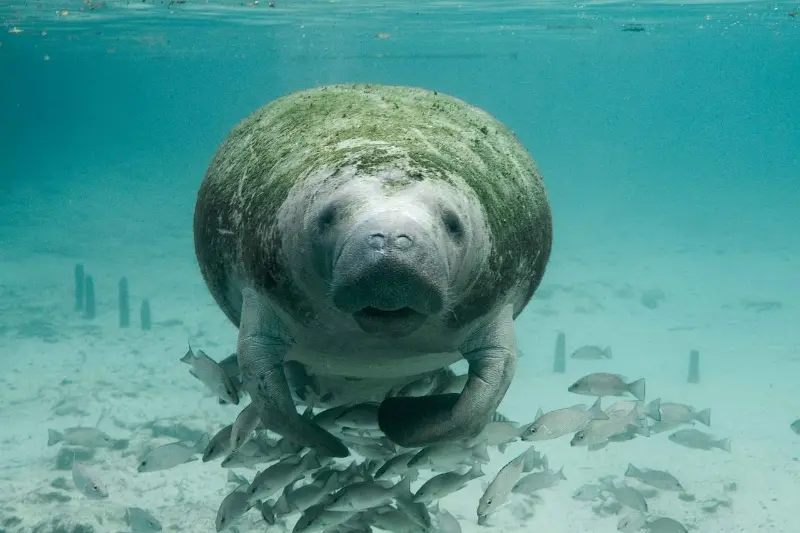
    Manatee Swimming toward Camera Underwater

    Diving

    The park permits spring, open-water and cave diving under specific rules. Florida State Parks currently requires divers to register with the office, be registered by 3 p.m. and exit the water at least one hour before sunset. This is a specialized activity, not something to improvise on a family day trip.

    Camping

    The park offers tent and RV camping, making it useful for travelers linking Cedar Key, the Suwannee River and other springs. If camping, check construction impacts carefully because loop or facility work can affect the experience even when reservations remain available.

    Official information

    Check Florida State Parks for current construction alerts, water access, fees and camping availability.

    Planning the visit for different ages

    This part of Florida can work very well for mixed-age groups, but the best activity is not always the most adventurous one. Babies and toddlers usually need shade, predictable restrooms and short outdoor blocks; school-age children often enjoy wildlife spotting and simple museum stories; teenagers tend to appreciate paddling, photography and less structured time; older travelers often prefer scenic drives, boardwalks, museums and short trails. Build the day around the least flexible traveler and let everyone else add optional activities around that core plan.

    Weather, tides and the best season

    Late fall through spring usually brings the most comfortable temperatures for walking, birding and exploring historic sites. Summer is hot, humid and storm-prone, with mosquitoes and no-see-ums often more noticeable near marshes. Tropical weather can affect Cedar Key and the Nature Coast from summer into fall. On any coastal day, check radar, tide, wind and local alerts before committing to a long paddle or remote trail, and carry more drinking water than you think you will need.

    Tides matter here in a way they do not on many inland Florida trips. A shoreline, creek or launch that looks easy at high water can become muddy, shallow or difficult at low tide. If your day includes paddling, fishing or island access, look at a local tide table and ask the outfitter or refuge staff how the tide changes the route. For land-only sightseeing, tides are less critical but still shape wildlife viewing and the look of the marsh.

    Accessibility and low-effort alternatives

    Accessibility varies sharply from paved museum grounds to natural-surface refuge roads and sandy trails. Before traveling with a wheelchair, walker or stroller, check the official accessibility notes for the specific site rather than assuming a short trail will be smooth. A useful low-effort backup in this region is to combine a museum, a scenic waterfront drive and a meal instead of forcing a trail when heat, mobility or weather makes it a poor choice.

    What to bring

    • Refillable water bottles and a small cooler for remote sites
    • Sun protection, hat and sunglasses even in winter
    • Insect repellent for marsh and forest stops
    • Closed shoes for shell, sand and uneven trail surfaces
    • A lightweight rain layer in warm months
    • Binoculars for birds and dolphins
    • A paper or downloaded map when cell coverage may be weak
    • Dry bag or waterproof pouch if the day includes boats or kayaks

    How to combine it with nearby places

    Manatee Springs is a good inland add-on after Cedar Key. If you are traveling north or east afterward, compare it with Fanning Springs State Park rather than visiting both quickly just to say you saw two springs.
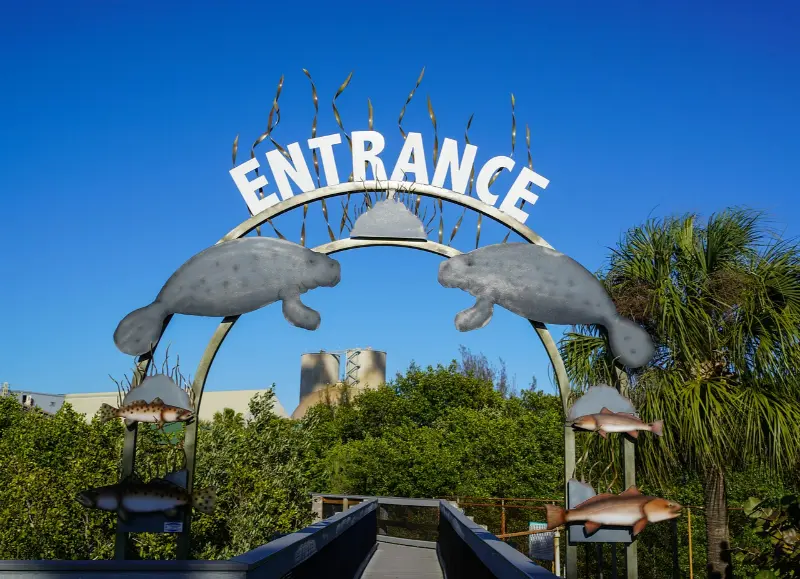
    Florida Manatee Rescue Entrance

    Common planning mistakes

    • trying to schedule too many remote sites in one day
    • assuming every natural area has food, shade and full-service restrooms
    • ignoring tide, heat or storm conditions because the route looks short
    • arriving late at a site with limited museum days or early closing
    • treating wildlife sightings as guaranteed
    • forgetting that storm recovery can change access for months or years

    Final planning advice

    The best trips on this stretch of the Nature Coast are intentionally unhurried. Choose one anchor activity, add one nearby secondary stop, and leave room for weather, wildlife, a longer lunch or an unexpectedly good sunset. That rhythm is more realistic than building the day like an Orlando attraction schedule, and it fits the character of Cedar Key and the lower Suwannee coast much better.

    Decision guide: is this stop right for your trip?

    Choose this stop when it matches the purpose of the day rather than because it appears on a “must-see” list. Cedar Key and Levy County reward selective planning. History-focused travelers should prioritize museums and archaeological sites; wildlife travelers should spend more time in refuges; families often do best with one educational stop plus outdoor time; active travelers can build the day around paddling or longer trails. If the attraction duplicates something your group has already done elsewhere in Florida, use the time for a slower meal, sunset or a different habitat instead.

    Budget also includes time, fuel and comfort. A free refuge can cost more in planning effort than a small paid museum because you need water, navigation and a longer drive. Conversely, a low admission fee does not make a museum worthwhile if you arrive fifteen minutes before closing. Compare the total experience—not just ticket price—when deciding what deserves a place in a short itinerary.

    A practical pre-trip checklist

    • Confirm the official opening status on the morning of the visit.
    • Check radar, heat index, wind and tide when the day includes exposed coast or water.
    • Download directions before leaving the town center.
    • Carry water and snacks when heading into refuge or state-reserve areas.
    • Tell someone your route if paddling or hiking away from developed areas.
    • Keep one flexible alternative that does not depend on the same weather condition.

    This simple checklist is especially useful for multigenerational trips. It turns the day from a sequence of optimistic assumptions into a plan that can absorb closures, heat, fatigue or weather without feeling ruined.

    Practical comfort and pacing

    A useful way to judge the pace is to count transitions rather than attractions. Every time the group moves from car to trail, trail to museum, museum to lunch or dry clothes to swim gear, the day loses time and energy. Families with small children and older travelers feel those transitions most. Two well-chosen stops with a real lunch break usually produce a better day than four stops connected by hurried parking and short walks.

    Plan shade and restroom breaks before they become urgent. In small Nature Coast communities, a remote trailhead may have basic facilities while the next reliable restroom is several miles away. Keep drinking water in the vehicle, do not leave electronics or food exposed to heat, and change into dry clothing before a long drive after swimming. These details sound minor, but they are what separate a relaxed day from one that feels harder than the destination deserves.

    How this stop fits a longer Florida road trip

    On a longer itinerary, Cedar Key and Levy County work best as a deliberate change of pace between larger Florida destinations. Do not treat the area as a quick detour squeezed between two long drives. If you are coming from Gainesville or Ocala, arrive early enough to enjoy the coast before sunset. If you are continuing toward Crystal River, leave the following morning rather than driving south after a full outdoor day. That gives the Nature Coast enough time to feel distinct instead of becoming scenery through the windshield.

    For travelers covering Florida over one or two weeks, alternate active and easy days. A paddling or hiking day here can follow a museum-heavy city day, while a quiet Cedar Key museum-and-waterfront day can serve as recovery after springs, long drives or theme parks. The destination is most valuable when you use its slower rhythm intentionally.

  • Lower Suwannee National Wildlife Refuge Guide: Nature Drive, Trails, Wildlife and Cedar Key Tips

    Lower Suwannee National Wildlife Refuge Guide: Nature Drive, Trails, Wildlife and Cedar Key Tips

    Lower Suwannee National Wildlife Refuge is the large, wild landscape behind many of the smaller Nature Coast experiences around Cedar Key. The refuge protects roughly 53,000 acres around the lower Suwannee River and estuary, with wildlife drives, lime-rock roads, trails, fishing access, paddling and birding. It is not a single attraction with a gate and one visitor route; it is a network that rewards advance planning.

    Explore this guide

    For a first visit from Cedar Key, allow half a day and focus on the Levy County side or Shell Mound rather than trying to “do the refuge.” The refuge is open from sunrise to sunset, and no camping or overnight parking is allowed inside refuge boundaries.

    Quick planning summary

    • Hours: outdoor areas open sunrise to sunset
    • Best first-timer route: Levy County Nature Drive plus one formal trail, or Shell Mound as a separate focused visit
    • Roads: many are maintained lime rock; drive slowly and expect dust, potholes or seasonal conditions
    • Activities: wildlife viewing, hiking, biking, fishing, photography, paddling and scenic driving
    • How much time: 3–5 hours for a focused visit; a full day for serious birding or multiple trail areas
    • Facilities: limited compared with state parks; bring water, food and a downloaded map

    Important current-status note

    October 2026 information snapshot: this article is scheduled for 2028, so hours, fees, storm recovery, trail conditions, ferry or boat access, museum schedules and wildlife closures should be checked again shortly before travel. Cedar Key and the lower Suwannee coast are low-lying, tide-driven places where weather and restoration work can change practical access faster than in a large city destination.

    Understanding the refuge layout

    The U.S. Fish & Wildlife Service divides visitor access into three broad areas: Shell Mound about nine miles north of Cedar Key, the Levy County side with a nine-mile Nature Drive and formal trails, and the Dixie County side north of the Suwannee River. For a Cedar Key visitor, the Levy County side and Shell Mound are the most efficient starting points.

    Nature Drive

    The Nature Drive is useful for travelers who want wildlife and habitat without a long hike. It also works for senior travelers, photographers carrying heavy equipment and families in hot weather because you can alternate short walks with time in the vehicle. The trade-off is that wildlife is never guaranteed, and road conditions can change after heavy rain.

    Orlando Drive In Sign at Sunset

    Trails and biking

    The refuge has formal trails plus many grass roads open to walking and biking. FWS notes that there are extensive road and trail networks across the refuge. A bicycle can be a great way to explore in cooler months, but sandy or rough surfaces make this very different from a paved rail trail. Bring repair basics and do not assume drinking water is available.

    Wildlife viewing

    The refuge protects an estuarine system used by manatees, Gulf sturgeon, shorebirds, wading birds and waterfowl. The best strategy is to watch habitat rather than chase a species checklist. Slow down at ponds, marsh edges and openings, use binoculars, and stay long enough for the landscape to become active.

    Hunting seasons and shared use

    The refuge hosts managed hunts. That does not mean general recreation stops, but it does mean visitors should check current hunt dates and regulations before hiking remote roads. Wearing visible clothing and choosing more popular visitor routes can make a mixed-use day more comfortable.

    Official information

    Use the U.S. Fish & Wildlife Service Lower Suwannee visitor page and current refuge map before entering remote areas.

    Planning the visit for different ages

    This part of Florida can work very well for mixed-age groups, but the best activity is not always the most adventurous one. Babies and toddlers usually need shade, predictable restrooms and short outdoor blocks; school-age children often enjoy wildlife spotting and simple museum stories; teenagers tend to appreciate paddling, photography and less structured time; older travelers often prefer scenic drives, boardwalks, museums and short trails. Build the day around the least flexible traveler and let everyone else add optional activities around that core plan.

    Weather, tides and the best season

    Late fall through spring usually brings the most comfortable temperatures for walking, birding and exploring historic sites. Summer is hot, humid and storm-prone, with mosquitoes and no-see-ums often more noticeable near marshes. Tropical weather can affect Cedar Key and the Nature Coast from summer into fall. On any coastal day, check radar, tide, wind and local alerts before committing to a long paddle or remote trail, and carry more drinking water than you think you will need.

    Tides matter here in a way they do not on many inland Florida trips. A shoreline, creek or launch that looks easy at high water can become muddy, shallow or difficult at low tide. If your day includes paddling, fishing or island access, look at a local tide table and ask the outfitter or refuge staff how the tide changes the route. For land-only sightseeing, tides are less critical but still shape wildlife viewing and the look of the marsh.

    Accessibility and low-effort alternatives

    Accessibility varies sharply from paved museum grounds to natural-surface refuge roads and sandy trails. Before traveling with a wheelchair, walker or stroller, check the official accessibility notes for the specific site rather than assuming a short trail will be smooth. A useful low-effort backup in this region is to combine a museum, a scenic waterfront drive and a meal instead of forcing a trail when heat, mobility or weather makes it a poor choice.

    Orlando Retro Diner Drive In at Night

    What to bring

    • Refillable water bottles and a small cooler for remote sites
    • Sun protection, hat and sunglasses even in winter
    • Insect repellent for marsh and forest stops
    • Closed shoes for shell, sand and uneven trail surfaces
    • A lightweight rain layer in warm months
    • Binoculars for birds and dolphins
    • A paper or downloaded map when cell coverage may be weak
    • Dry bag or waterproof pouch if the day includes boats or kayaks

    How to combine it with nearby places

    Pair a half-day refuge visit with Cedar Key rather than adding another distant spring on the same day. If the goal is archaeology and coastal views, choose Shell Mound as the focused refuge stop.

    Common planning mistakes

    • trying to schedule too many remote sites in one day
    • assuming every natural area has food, shade and full-service restrooms
    • ignoring tide, heat or storm conditions because the route looks short
    • arriving late at a site with limited museum days or early closing
    • treating wildlife sightings as guaranteed
    • forgetting that storm recovery can change access for months or years

    Final planning advice

    The best trips on this stretch of the Nature Coast are intentionally unhurried. Choose one anchor activity, add one nearby secondary stop, and leave room for weather, wildlife, a longer lunch or an unexpectedly good sunset. That rhythm is more realistic than building the day like an Orlando attraction schedule, and it fits the character of Cedar Key and the lower Suwannee coast much better.

    Decision guide: is this stop right for your trip?

    Choose this stop when it matches the purpose of the day rather than because it appears on a “must-see” list. Cedar Key and Levy County reward selective planning. History-focused travelers should prioritize museums and archaeological sites; wildlife travelers should spend more time in refuges; families often do best with one educational stop plus outdoor time; active travelers can build the day around paddling or longer trails. If the attraction duplicates something your group has already done elsewhere in Florida, use the time for a slower meal, sunset or a different habitat instead.

    Budget also includes time, fuel and comfort. A free refuge can cost more in planning effort than a small paid museum because you need water, navigation and a longer drive. Conversely, a low admission fee does not make a museum worthwhile if you arrive fifteen minutes before closing. Compare the total experience—not just ticket price—when deciding what deserves a place in a short itinerary.

    A practical pre-trip checklist

    • Confirm the official opening status on the morning of the visit.
    • Check radar, heat index, wind and tide when the day includes exposed coast or water.
    • Download directions before leaving the town center.
    • Carry water and snacks when heading into refuge or state-reserve areas.
    • Tell someone your route if paddling or hiking away from developed areas.
    • Keep one flexible alternative that does not depend on the same weather condition.

    This simple checklist is especially useful for multigenerational trips. It turns the day from a sequence of optimistic assumptions into a plan that can absorb closures, heat, fatigue or weather without feeling ruined.

    Practical comfort and pacing

    A useful way to judge the pace is to count transitions rather than attractions. Every time the group moves from car to trail, trail to museum, museum to lunch or dry clothes to swim gear, the day loses time and energy. Families with small children and older travelers feel those transitions most. Two well-chosen stops with a real lunch break usually produce a better day than four stops connected by hurried parking and short walks.

    Plan shade and restroom breaks before they become urgent. In small Nature Coast communities, a remote trailhead may have basic facilities while the next reliable restroom is several miles away. Keep drinking water in the vehicle, do not leave electronics or food exposed to heat, and change into dry clothing before a long drive after swimming. These details sound minor, but they are what separate a relaxed day from one that feels harder than the destination deserves.

    How this stop fits a longer Florida road trip

    On a longer itinerary, Cedar Key and Levy County work best as a deliberate change of pace between larger Florida destinations. Do not treat the area as a quick detour squeezed between two long drives. If you are coming from Gainesville or Ocala, arrive early enough to enjoy the coast before sunset. If you are continuing toward Crystal River, leave the following morning rather than driving south after a full outdoor day. That gives the Nature Coast enough time to feel distinct instead of becoming scenery through the windshield.

    For travelers covering Florida over one or two weeks, alternate active and easy days. A paddling or hiking day here can follow a museum-heavy city day, while a quiet Cedar Key museum-and-waterfront day can serve as recovery after springs, long drives or theme parks. The destination is most valuable when you use its slower rhythm intentionally.
  • Shell Mound Cedar Key Guide: Archaeological Trail, Dennis Creek, Wildlife and Visitor Tips

    Shell Mound Cedar Key Guide: Archaeological Trail, Dennis Creek, Wildlife and Visitor Tips

    Shell Mound is one of the most distinctive short trips from Cedar Key because it combines archaeology, salt-marsh scenery and refuge wildlife in one compact area. Located in the Shell Mound unit of Lower Suwannee National Wildlife Refuge, the archaeological feature was built over thousands of years from discarded shells and other cultural material. Today the mound is protected and explored only on foot.

    Explore this guide

    Plan 2 to 3 hours for the Shell Mound Trail, nearby Dennis Creek Trail or observation/fishing areas. The refuge is open sunrise to sunset, and the experience is free, but it is remote enough that water, insect repellent and a downloaded map should be treated as essentials.

    Quick planning summary

    • Location: Shell Mound unit, roughly 9 miles north of Cedar Key
    • Hours: refuge outdoor areas sunrise to sunset
    • Shell Mound Trail: approximately 0.3-mile loop in FWS visitor material
    • Dennis Creek Trail: approximately 1 mile nearby
    • Archaeological significance: about 6,000 years of accumulation and use
    • Best for: archaeology, birding, photography, short walks and travelers who want a meaningful low-cost half-day

    Important current-status note

    October 2026 information snapshot: this article is scheduled for 2028, so hours, fees, storm recovery, trail conditions, ferry or boat access, museum schedules and wildlife closures should be checked again shortly before travel. Cedar Key and the lower Suwannee coast are low-lying, tide-driven places where weather and restoration work can change practical access faster than in a large city destination.

    What makes the mound important

    FWS describes the mound as an ancient feature begun by Archaic cultures and continued by Woodland-period peoples. It was created over a very long period from oysters, clams and other materials. Before federal refuge protection, parts of the mound were used as a source of road material. Today it is protected from all but foot traffic.

    Walking the Shell Mound Trail

    The loop is short enough for many families and older travelers, but the interpretive value is higher if you slow down. The landscape is not dramatic in the theme-park sense; the significance comes from understanding that the elevated ground under your feet is cultural history built across millennia.

    Dennis Creek and coastal views

    If weather and energy are good, add the nearby Dennis Creek Trail for a longer walk through coastal habitat. FWS visitor material also notes an observation/fishing pier in the Shell Mound area. This is a good place to stop moving and watch tides, birds and marsh rather than treating the visit as a mileage goal.

    Respecting an archaeological site

    Do not collect shells, artifacts or other material. A shell fragment that looks ordinary may be part of the protected site. Keep children on the route, avoid digging or moving objects, and use photographs instead of souvenirs. The same rule applies throughout refuge lands where collecting plants, animals, shells and artifacts is prohibited.

    Official information

    Use the Lower Suwannee National Wildlife Refuge visitor page and current refuge map for directions and closures.

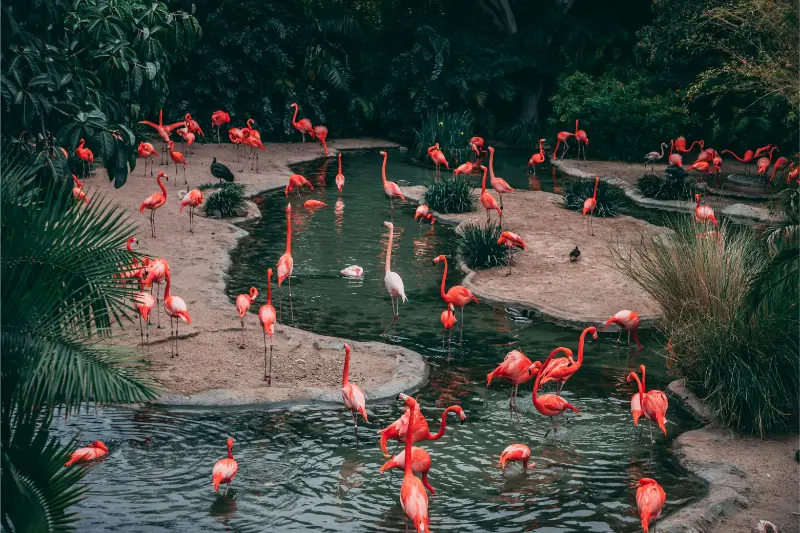
    Flock of Flamingos at Florida Wildlife Park

    Planning the visit for different ages

    This part of Florida can work very well for mixed-age groups, but the best activity is not always the most adventurous one. Babies and toddlers usually need shade, predictable restrooms and short outdoor blocks; school-age children often enjoy wildlife spotting and simple museum stories; teenagers tend to appreciate paddling, photography and less structured time; older travelers often prefer scenic drives, boardwalks, museums and short trails. Build the day around the least flexible traveler and let everyone else add optional activities around that core plan.

    Weather, tides and the best season

    Late fall through spring usually brings the most comfortable temperatures for walking, birding and exploring historic sites. Summer is hot, humid and storm-prone, with mosquitoes and no-see-ums often more noticeable near marshes. Tropical weather can affect Cedar Key and the Nature Coast from summer into fall. On any coastal day, check radar, tide, wind and local alerts before committing to a long paddle or remote trail, and carry more drinking water than you think you will need.

    Tides matter here in a way they do not on many inland Florida trips. A shoreline, creek or launch that looks easy at high water can become muddy, shallow or difficult at low tide. If your day includes paddling, fishing or island access, look at a local tide table and ask the outfitter or refuge staff how the tide changes the route. For land-only sightseeing, tides are less critical but still shape wildlife viewing and the look of the marsh.

    Accessibility and low-effort alternatives

    Accessibility varies sharply from paved museum grounds to natural-surface refuge roads and sandy trails. Before traveling with a wheelchair, walker or stroller, check the official accessibility notes for the specific site rather than assuming a short trail will be smooth. A useful low-effort backup in this region is to combine a museum, a scenic waterfront drive and a meal instead of forcing a trail when heat, mobility or weather makes it a poor choice.

    What to bring

    • Refillable water bottles and a small cooler for remote sites
    • Sun protection, hat and sunglasses even in winter
    • Insect repellent for marsh and forest stops
    • Closed shoes for shell, sand and uneven trail surfaces
    • A lightweight rain layer in warm months
    • Binoculars for birds and dolphins
    • A paper or downloaded map when cell coverage may be weak
    • Dry bag or waterproof pouch if the day includes boats or kayaks

    How to combine it with nearby places

    Shell Mound is best paired with a focused Lower Suwannee refuge drive or a return to Cedar Key for lunch. Avoid stacking it with a long spring visit on the same afternoon if your group tires easily in heat.

    Common planning mistakes

    • trying to schedule too many remote sites in one day
    • assuming every natural area has food, shade and full-service restrooms
    • ignoring tide, heat or storm conditions because the route looks short
    • arriving late at a site with limited museum days or early closing
    • treating wildlife sightings as guaranteed
    • forgetting that storm recovery can change access for months or years

    Final planning advice

    The best trips on this stretch of the Nature Coast are intentionally unhurried. Choose one anchor activity, add one nearby secondary stop, and leave room for weather, wildlife, a longer lunch or an unexpectedly good sunset. That rhythm is more realistic than building the day like an Orlando attraction schedule, and it fits the character of Cedar Key and the lower Suwannee coast much better.

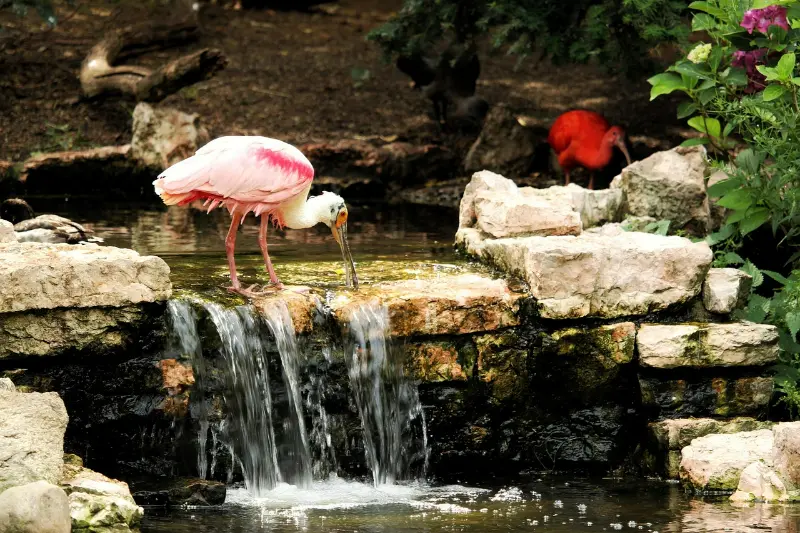
    Pink Flamingos at Florida Wildlife Pond

    Decision guide: is this stop right for your trip?

    Choose this stop when it matches the purpose of the day rather than because it appears on a “must-see” list. Cedar Key and Levy County reward selective planning. History-focused travelers should prioritize museums and archaeological sites; wildlife travelers should spend more time in refuges; families often do best with one educational stop plus outdoor time; active travelers can build the day around paddling or longer trails. If the attraction duplicates something your group has already done elsewhere in Florida, use the time for a slower meal, sunset or a different habitat instead.

    Budget also includes time, fuel and comfort. A free refuge can cost more in planning effort than a small paid museum because you need water, navigation and a longer drive. Conversely, a low admission fee does not make a museum worthwhile if you arrive fifteen minutes before closing. Compare the total experience—not just ticket price—when deciding what deserves a place in a short itinerary.

    A practical pre-trip checklist

    • Confirm the official opening status on the morning of the visit.
    • Check radar, heat index, wind and tide when the day includes exposed coast or water.
    • Download directions before leaving the town center.
    • Carry water and snacks when heading into refuge or state-reserve areas.
    • Tell someone your route if paddling or hiking away from developed areas.
    • Keep one flexible alternative that does not depend on the same weather condition.

    This simple checklist is especially useful for multigenerational trips. It turns the day from a sequence of optimistic assumptions into a plan that can absorb closures, heat, fatigue or weather without feeling ruined.

    Practical comfort and pacing

    A useful way to judge the pace is to count transitions rather than attractions. Every time the group moves from car to trail, trail to museum, museum to lunch or dry clothes to swim gear, the day loses time and energy. Families with small children and older travelers feel those transitions most. Two well-chosen stops with a real lunch break usually produce a better day than four stops connected by hurried parking and short walks.

    Plan shade and restroom breaks before they become urgent. In small Nature Coast communities, a remote trailhead may have basic facilities while the next reliable restroom is several miles away. Keep drinking water in the vehicle, do not leave electronics or food exposed to heat, and change into dry clothing before a long drive after swimming. These details sound minor, but they are what separate a relaxed day from one that feels harder than the destination deserves.

    How this stop fits a longer Florida road trip

    On a longer itinerary, Cedar Key and Levy County work best as a deliberate change of pace between larger Florida destinations. Do not treat the area as a quick detour squeezed between two long drives. If you are coming from Gainesville or Ocala, arrive early enough to enjoy the coast before sunset. If you are continuing toward Crystal River, leave the following morning rather than driving south after a full outdoor day. That gives the Nature Coast enough time to feel distinct instead of becoming scenery through the windshield.

    For travelers covering Florida over one or two weeks, alternate active and easy days. A paddling or hiking day here can follow a museum-heavy city day, while a quiet Cedar Key museum-and-waterfront day can serve as recovery after springs, long drives or theme parks. The destination is most valuable when you use its slower rhythm intentionally.
  • One Day in Cedar Key: Best First-Time Itinerary for History, Seafood, Nature and Sunset

    One Day in Cedar Key: Best First-Time Itinerary for History, Seafood, Nature and Sunset

    One day in Cedar Key can be excellent if you resist the urge to turn a small island city into a checklist. The most satisfying first visit combines one history stop, one long waterfront block, a relaxed meal and either nature or sunset. Trying to squeeze in two museums, Shell Mound, a kayak trip, Lower Suwannee refuge roads and a late dinner creates far more driving than the town’s relaxed character deserves.

    Explore this guide

    This itinerary assumes you have a car, arrive in the morning and are not booking a long offshore excursion. If paddling or fishing is the main purpose of the trip, make that the anchor and remove one or two land stops.

    Quick planning summary

    • 9:00–10:30 a.m.: Cedar Key Museum State Park if open, otherwise a downtown walk
    • 10:45 a.m.–12:15 p.m.: Historical Society Museum or marina/Dock Street
    • 12:30–2:00 p.m.: seafood lunch and slow waterfront break
    • 2:15–4:30 p.m.: choose Shell Mound, Cedar Key Scrub or a short boat/kayak activity
    • Late afternoon: return to town, browse shops, rest and position for sunset
    • Best for: first-time visitors who want a realistic overview without an overnight stay

    Important current-status note

    October 2026 information snapshot: this article is scheduled for 2028, so hours, fees, storm recovery, trail conditions, ferry or boat access, museum schedules and wildlife closures should be checked again shortly before travel. Cedar Key and the lower Suwannee coast are low-lying, tide-driven places where weather and restoration work can change practical access faster than in a large city destination.

    9:00–10:30 a.m. — start with context

    If it is Friday through Sunday and the current schedule remains similar, begin at Cedar Key Museum State Park. The museum gives you enough context to recognize the railroad, fishing and natural-history themes you will see later. If the museum is closed, start in the historic core and move this history block to the Historical Society Museum if its schedule works.

    10:45 a.m.–12:15 p.m. — downtown and local history

    Walk Second Street, marina areas and Dock Street at a slow pace. If the Cedar Key Historical Society Museum is open and your group enjoys history, spend about an hour inside. If you are traveling with toddlers or museum-resistant teenagers, skip it and give them more waterfront time.

    12:30–2:00 p.m. — make lunch part of the trip

    A Cedar Key day should include enough time for a local meal. Seafood and clams are part of the destination, not merely fuel between attractions. If your group has dietary needs, look at menus in advance because a small island town may offer fewer same-block alternatives than a city district.

    Florida Indoor Seafood Restaurant with Guests

    2:15–4:30 p.m. — choose one nature experience

    Option A: Shell Mound

    Choose Shell Mound for archaeology, short walking and coastal refuge scenery. This is the best all-around choice when you have a car and want a memorable landscape without a long hike.

    Option B: Cedar Key Scrub

    Choose Cedar Key Scrub State Reserve for hiking, biking and rare scrub habitat. It is better in cooler weather and for groups comfortable on sandy natural trails.

    Option C: short water experience

    Choose a local boat or kayak outing if conditions are calm and you have booked an appropriate trip. Do not improvise an island crossing late in the afternoon if you do not know the tide or wind.

    5:00 p.m. onward — return for sunset

    Return to Cedar Key with enough time to park, use the restroom, get a drink and choose a sunset viewpoint. A good sunset does not need an elaborate plan; the value comes from not being in the car when the light changes.

    One day with young children

    Use only one museum, eat earlier and choose either a short nature walk or waterfront play rather than a long remote refuge drive. Children generally remember boats, pelicans, ice cream and the sunset more clearly than a perfectly complete itinerary.

    One day for senior travelers

    Start with a museum, spend longer at lunch and replace a sandy trail with a scenic drive or refuge stop that requires less walking. Bring a folding cane or trekking pole if uneven surfaces are a concern, and verify accessible restrooms before leaving town.

    Bad-weather backup

    If thunderstorms or strong wind remove the nature block, spend more time in the museums, cafés and shops, then drive only if radar improves. Do not substitute a risky paddle simply because you traveled a long distance to Cedar Key.

    What to skip on a one-day trip

    • trying to visit both Manatee Springs and Fanning Springs
    • a long refuge drive plus a separate island kayak trip
    • two full museums if your group is not genuinely interested in history
    • driving off-island for lunch and back again
    • a late-afternoon remote trail that risks missing sunset or returning after dark

    Official planning sources

    Before departure, check the City of Cedar Key, Cedar Key Chamber, relevant Florida State Parks pages and U.S. Fish & Wildlife Service refuge notices.

    Planning the visit for different ages

    This part of Florida can work very well for mixed-age groups, but the best activity is not always the most adventurous one. Babies and toddlers usually need shade, predictable restrooms and short outdoor blocks; school-age children often enjoy wildlife spotting and simple museum stories; teenagers tend to appreciate paddling, photography and less structured time; older travelers often prefer scenic drives, boardwalks, museums and short trails. Build the day around the least flexible traveler and let everyone else add optional activities around that core plan.

    Weather, tides and the best season

    Late fall through spring usually brings the most comfortable temperatures for walking, birding and exploring historic sites. Summer is hot, humid and storm-prone, with mosquitoes and no-see-ums often more noticeable near marshes. Tropical weather can affect Cedar Key and the Nature Coast from summer into fall. On any coastal day, check radar, tide, wind and local alerts before committing to a long paddle or remote trail, and carry more drinking water than you think you will need.

    Tides matter here in a way they do not on many inland Florida trips. A shoreline, creek or launch that looks easy at high water can become muddy, shallow or difficult at low tide. If your day includes paddling, fishing or island access, look at a local tide table and ask the outfitter or refuge staff how the tide changes the route. For land-only sightseeing, tides are less critical but still shape wildlife viewing and the look of the marsh.

    Accessibility and low-effort alternatives

    Accessibility varies sharply from paved museum grounds to natural-surface refuge roads and sandy trails. Before traveling with a wheelchair, walker or stroller, check the official accessibility notes for the specific site rather than assuming a short trail will be smooth. A useful low-effort backup in this region is to combine a museum, a scenic waterfront drive and a meal instead of forcing a trail when heat, mobility or weather makes it a poor choice.

    What to bring

    • Refillable water bottles and a small cooler for remote sites
    • Sun protection, hat and sunglasses even in winter
    • Insect repellent for marsh and forest stops
    • Closed shoes for shell, sand and uneven trail surfaces
    • A lightweight rain layer in warm months
    • Binoculars for birds and dolphins
    • A paper or downloaded map when cell coverage may be weak
    • Dry bag or waterproof pouch if the day includes boats or kayaks

    How to combine it with nearby places

    If one day feels too compressed, turn this into a two-night stay using the full Cedar Key travel guide. If continuing south, Crystal River is the logical next major Nature Coast cluster; if continuing inland, Ocala works well as the next base.

    Florida River Estuary Nature Reserve Aerial

    Common planning mistakes

    • trying to schedule too many remote sites in one day
    • assuming every natural area has food, shade and full-service restrooms
    • ignoring tide, heat or storm conditions because the route looks short
    • arriving late at a site with limited museum days or early closing
    • treating wildlife sightings as guaranteed
    • forgetting that storm recovery can change access for months or years

    Final planning advice

    The best trips on this stretch of the Nature Coast are intentionally unhurried. Choose one anchor activity, add one nearby secondary stop, and leave room for weather, wildlife, a longer lunch or an unexpectedly good sunset. That rhythm is more realistic than building the day like an Orlando attraction schedule, and it fits the character of Cedar Key and the lower Suwannee coast much better.

    Decision guide: is this stop right for your trip?

    Choose this stop when it matches the purpose of the day rather than because it appears on a “must-see” list. Cedar Key and Levy County reward selective planning. History-focused travelers should prioritize museums and archaeological sites; wildlife travelers should spend more time in refuges; families often do best with one educational stop plus outdoor time; active travelers can build the day around paddling or longer trails. If the attraction duplicates something your group has already done elsewhere in Florida, use the time for a slower meal, sunset or a different habitat instead.

    Budget also includes time, fuel and comfort. A free refuge can cost more in planning effort than a small paid museum because you need water, navigation and a longer drive. Conversely, a low admission fee does not make a museum worthwhile if you arrive fifteen minutes before closing. Compare the total experience—not just ticket price—when deciding what deserves a place in a short itinerary.

    A practical pre-trip checklist

    • Confirm the official opening status on the morning of the visit.
    • Check radar, heat index, wind and tide when the day includes exposed coast or water.
    • Download directions before leaving the town center.
    • Carry water and snacks when heading into refuge or state-reserve areas.
    • Tell someone your route if paddling or hiking away from developed areas.
    • Keep one flexible alternative that does not depend on the same weather condition.

    This simple checklist is especially useful for multigenerational trips. It turns the day from a sequence of optimistic assumptions into a plan that can absorb closures, heat, fatigue or weather without feeling ruined.

  • Cedar Key Florida Travel Guide: Best Things to Do, Wildlife, Museums, Food and Planning Tips

    Cedar Key Florida Travel Guide: Best Things to Do, Wildlife, Museums, Food and Planning Tips

    Cedar Key is one of the best places in Florida for travelers who want the Gulf Coast without high-rise resorts, large theme attractions or a rigid sightseeing schedule. The small island city sits at the end of State Road 24, surrounded by salt marsh, shallow Gulf water and protected wildlife habitat. Its appeal comes from the combination of seafood, clamming heritage, museums, birding, kayaking, sunsets and a compact downtown that still feels like a working coastal community.

    Explore this guide

    For a first visit, two nights is ideal. One full day can cover the essentials, but a weekend lets you separate downtown and history from refuge scenery or a water activity. Cedar Key also works as a slower contrast to Crystal River or Ocala on a longer North Central Florida road trip.

    Quick planning summary

    • Best stay: 2 nights for a first visit; 3 nights for paddling, fishing or a very slow pace
    • Main experiences: historic downtown, Dock Street, museums, seafood, wildlife, kayaking, sunsets and nearby refuges
    • Car: useful for museums, Shell Mound, Lower Suwannee NWR and state parks; less important once parked downtown
    • Best season: late fall through spring for walking and birding; summer for warm-water activities if you can handle heat and storms
    • Best for: couples, multigenerational families, birders, photographers, paddlers, history travelers and road-trippers who prefer small towns
    • Not ideal for: travelers expecting a broad resort beach, nightlife district or major shopping destination

    Important current-status note

    October 2026 information snapshot: this article is scheduled for 2028, so hours, fees, storm recovery, trail conditions, ferry or boat access, museum schedules and wildlife closures should be checked again shortly before travel. Cedar Key and the lower Suwannee coast are low-lying, tide-driven places where weather and restoration work can change practical access faster than in a large city destination.

    Why Cedar Key feels different from most Florida beach towns

    Cedar Key sits on Way Key about four miles offshore and is reached by a single road across marshes and channels. The city says its full-time population is about 800, and aquaculture and tourism remain central to the local economy. That scale changes the visit. You are not moving between large attractions; you are moving between a waterfront meal, a museum, a marsh overlook, a short trail and perhaps a boat or kayak outing.

    The town is also exposed to Gulf storms. Hurricane recovery has been part of recent life here, and some businesses, public facilities or historic structures may reopen in stages. Travelers should approach this as a real community rather than a preserved tourist set: spend locally, respect closures and accept that the landscape is dynamic.

    The best things to do in Cedar Key

    • Walk the historic core: Second Street, the marina area and Dock Street are easy to combine on foot.
    • Learn the island story: visit both Cedar Key Museum State Park and the Cedar Key Historical Society Museum if their schedules fit.
    • Explore the refuges: the Lower Suwannee and Cedar Keys National Wildlife Refuges add birding, driving routes, trails and island scenery.
    • Kayak or take a boat tour: this is one of the best ways to understand how the town relates to the surrounding keys and shallow estuary.
    • Visit Shell Mound: the archaeological site and coastal refuge landscape are among the most distinctive stops north of town.
    • Watch sunset: keep the last hour flexible rather than booking a long dinner before sunset on a clear day.

    How many days do you need?

    A day trip works if you live nearby or are passing through, but it compresses the town into lunch and a quick waterfront walk. Two nights allow one land-focused day and one nature-focused half day. Three nights make sense for paddlers, anglers, festival visitors or travelers who simply want a slower pace.

    Florida Festival Food Trucks and Visitors

    One-night visit

    Arrive before lunch, explore downtown, visit one museum, enjoy sunset and dinner, then spend the next morning at Shell Mound or on the water before leaving.

    Two-night visit

    Use Day 1 for downtown, Dock Street and history. Use Day 2 for a refuge, kayak trip, boat tour or state park. Keep the final morning open for breakfast, birding or another short museum stop.

    Cedar Key with children and teenagers

    Cedar Key can be excellent for children who enjoy animals, boats, shells, history or being outdoors, but it is not a destination built around large kid attractions. Young children usually do best with short museum visits, waterfront time and a simple wildlife walk. Teenagers may enjoy kayaking, fishing, photography and exploring the compact downtown independently for short periods. A trip works better when adults do not overschedule every hour.

    Food and the clamming connection

    Cedar Key is known nationally for farm-raised clams, and seafood is part of the destination rather than an afterthought. Build at least one meal around local shellfish if your group eats seafood. At the same time, do not assume every traveler wants a long restaurant lunch; remote refuge days are easier with snacks and water in the car.

    Where to stay

    Stay in Cedar Key itself if the goal is walking to dinner, sunset and the waterfront. Lodging ranges from small inns and cottages to vacation rentals and modest hotels. The island is compact, so the distinction between neighborhoods matters less than whether you want a waterfront view, kitchen, elevator, ground-floor access or easy parking. For a 2028 trip, compare hurricane-recovery status and recent reviews rather than relying on older photos.

    Getting around

    The historic core is walkable, but the broader trip is not car-free. Cedar Key Museum State Park, refuge trailheads and nearby Levy County destinations require driving. Golf carts and bicycles may be useful locally, but do not treat them as substitutes for a car on state highways or long rural approaches.

    A good first-timer weekend plan

    1. Arrival afternoon: downtown walk, marina, Dock Street and sunset.
    2. First full morning: Cedar Key Museum State Park plus the Historical Society Museum if open.
    3. First full afternoon: boat or kayak outing, or a relaxed lunch and wildlife viewing.
    4. Second morning: drive to Shell Mound and Lower Suwannee National Wildlife Refuge.
    5. Departure: add Manatee Springs or Fanning Springs if continuing inland toward Chiefland.

    Official planning sources

    Check the City of Cedar Key, Cedar Key Chamber of Commerce and the relevant state park or U.S. Fish & Wildlife Service pages before travel.

    Flock of Flamingos at Florida Wildlife Park

    Planning the visit for different ages

    This part of Florida can work very well for mixed-age groups, but the best activity is not always the most adventurous one. Babies and toddlers usually need shade, predictable restrooms and short outdoor blocks; school-age children often enjoy wildlife spotting and simple museum stories; teenagers tend to appreciate paddling, photography and less structured time; older travelers often prefer scenic drives, boardwalks, museums and short trails. Build the day around the least flexible traveler and let everyone else add optional activities around that core plan.

    Weather, tides and the best season

    Late fall through spring usually brings the most comfortable temperatures for walking, birding and exploring historic sites. Summer is hot, humid and storm-prone, with mosquitoes and no-see-ums often more noticeable near marshes. Tropical weather can affect Cedar Key and the Nature Coast from summer into fall. On any coastal day, check radar, tide, wind and local alerts before committing to a long paddle or remote trail, and carry more drinking water than you think you will need.

    Tides matter here in a way they do not on many inland Florida trips. A shoreline, creek or launch that looks easy at high water can become muddy, shallow or difficult at low tide. If your day includes paddling, fishing or island access, look at a local tide table and ask the outfitter or refuge staff how the tide changes the route. For land-only sightseeing, tides are less critical but still shape wildlife viewing and the look of the marsh.

    Accessibility and low-effort alternatives

    Accessibility varies sharply from paved museum grounds to natural-surface refuge roads and sandy trails. Before traveling with a wheelchair, walker or stroller, check the official accessibility notes for the specific site rather than assuming a short trail will be smooth. A useful low-effort backup in this region is to combine a museum, a scenic waterfront drive and a meal instead of forcing a trail when heat, mobility or weather makes it a poor choice.

    What to bring

    • Refillable water bottles and a small cooler for remote sites
    • Sun protection, hat and sunglasses even in winter
    • Insect repellent for marsh and forest stops
    • Closed shoes for shell, sand and uneven trail surfaces
    • A lightweight rain layer in warm months
    • Binoculars for birds and dolphins
    • A paper or downloaded map when cell coverage may be weak
    • Dry bag or waterproof pouch if the day includes boats or kayaks

    How to combine it with nearby places

    Cedar Key pairs especially well with Crystal River and Homosassa to the south or Ocala inland. If you are driving between the Nature Coast and Gainesville, it can also serve as a two-night coastal break rather than a rushed detour.

    Common planning mistakes

    • trying to schedule too many remote sites in one day
    • assuming every natural area has food, shade and full-service restrooms
    • ignoring tide, heat or storm conditions because the route looks short
    • arriving late at a site with limited museum days or early closing
    • treating wildlife sightings as guaranteed
    • forgetting that storm recovery can change access for months or years

    Final planning advice

    The best trips on this stretch of the Nature Coast are intentionally unhurried. Choose one anchor activity, add one nearby secondary stop, and leave room for weather, wildlife, a longer lunch or an unexpectedly good sunset. That rhythm is more realistic than building the day like an Orlando attraction schedule, and it fits the character of Cedar Key and the lower Suwannee coast much better.