Category: Nassau County Florida

  • Amelia Island Lighthouse Guide: Tour Schedule, Fees, Saturday Viewing and Fernandina Beach Tips

    Amelia Island Lighthouse Guide: Tour Schedule, Fees, Saturday Viewing and Fernandina Beach Tips

    The Amelia Island Lighthouse is a good example of why travelers should research small historic sites before arriving. Unlike many Florida lighthouses, it is not a daily walk-up attraction with an open climbing schedule. The City of Fernandina Beach manages access through limited tours and separate public grounds-viewing hours.

    Explore this guide

    Current city information lists public tours on the first and third Wednesdays of each month, with a bus leaving the Atlantic Recreation Center at 10 a.m. and advance registration required. The tour does not permit visitors to climb the lighthouse stairs. On Saturdays, the grounds are open for public viewing from 11 a.m. to 2 p.m., but that does not equal interior access.

    Those limitations are not a reason to skip the site; they simply change expectations. The lighthouse works best as a planned historical stop paired with nearby Egans Creek, Main Beach or Fort Clinch rather than as the centerpiece of an entire day.

    Quick planning summary

    • Best for: lighthouse fans, history lovers, photographers, couples, senior travelers and visitors building a relaxed Fernandina Beach morning
    • How much time: about 1–1.5 hours for a scheduled tour; a shorter stop for Saturday grounds viewing
    • Current practical snapshot: the city currently offers public tours on the 1st and 3rd Wednesdays of the month, bus departure at 10 a.m. from the Atlantic Recreation Center, pre-registration required, $10 adults and $5 children 12 and under; tours do not include climbing the lighthouse stairs; grounds viewing is available Saturdays 11 a.m.–2 p.m.
    • Best season: year-round, with cooler months most comfortable for outdoor viewing; tour dates depend on city schedules and holidays
    • Good pairings: Egans Creek Greenway, Main Beach, Fort Clinch and historic downtown Fernandina Beach

    What the experience is really like

    This is a small, access-controlled heritage site. The appeal comes from the lighthouse’s age, setting and role in maritime history, not from a dramatic tower climb. Travelers who understand that in advance tend to enjoy the visit much more than those arriving solely for panoramic stairs-and-view photography.

    What to prioritize

    Reserve the correct tour date

    Public tours are limited and require pre-registration. Build the lighthouse around your travel dates rather than assuming you can add it spontaneously.

    Know that the public tour is not a climb

    The city specifically notes that tour patrons do not climb the lighthouse stairs. If climbing is your priority, choose a different Florida lighthouse such as St. Augustine or Ponce Inlet.
    Red Amphibious Tour Boat on Florida Waterway

    Use Saturday grounds hours for a simpler visit

    If a tour does not fit your schedule, Saturday public viewing of the grounds can still provide a short historical/photo stop. Interior access is different from grounds access.

    Pair it with nearby nature

    The Atlantic Recreation Center/Egans Creek area and Main Beach are close enough that a lighthouse visit can become part of a balanced morning rather than a stand-alone drive.

    Parking, arrival and logistics

    Tour logistics begin at the Atlantic Recreation Center, where the bus departs promptly at the published time. For Saturday grounds viewing, follow current city directions to the lighthouse property and respect residential streets and parking restrictions.

    How to fit it into an Amelia Island trip

    Amelia Island is compact compared with Jacksonville, but its attractions fall into distinct zones. The north end around Fernandina Beach and Fort Clinch works naturally together; central beaches are convenient for accommodations and family days; American Beach, Peters Point and the southern end are better grouped into a separate coast-and-history block. Planning by zone prevents unnecessary back-and-forth on A1A and makes it easier to respond to weather.

    For this stop, the most natural combinations are Egans Creek Greenway, Main Beach, Fort Clinch and historic downtown Fernandina Beach. If you are continuing south, the Big Talbot Island and Boneyard Beach guide and Little Talbot Island guide help build a scenic coastal day between Amelia Island and Jacksonville.

    Travelers extending the route farther south can use the Ponte Vedra Beach travel guide to decide whether to keep following the coast or move inland toward St. Augustine. Avoid trying to see Amelia Island, Jacksonville and St. Augustine as one rushed day; each area rewards at least one focused block of time.

    Families with babies and young children

    Older children interested in maritime history may enjoy the tour, but young children expecting a tower climb can be disappointed. Explain the no-climb format before arrival and pair the stop with beach or playground time.

    With babies and preschoolers, simple logistics matter more than the number of sights. Restrooms, shade, parking distance and the ability to leave quickly can turn a beautiful place into an easy or difficult outing. Keep one low-effort backup—hotel pool, playground, short downtown walk or early meal—for the hours when heat or fatigue changes the plan.

    Teenagers and older children

    Teenagers interested in photography or engineering may enjoy the site if they understand the access restrictions. Let them compare the lighthouse with others they have visited and consider why preservation rules differ.

    Teenagers usually respond better when the day includes some choice. Let them select a beach, photo stop, food break, bike route or historical story to follow. Amelia Island is relaxed enough that one independent decision can make the itinerary feel less like a sequence of adult-selected attractions.

    Senior travelers and multigenerational groups

    The no-climb format can actually make this a more accessible lighthouse experience for some senior travelers. Still, confirm bus boarding, walking surfaces and any mobility needs when registering.

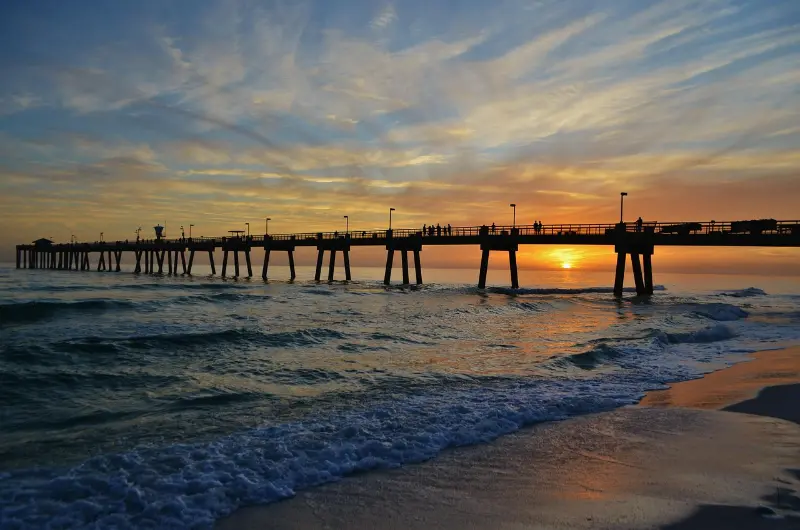
    Florida Lighthouse Silhouette at Sunset

    For multigenerational travel, build around the least mobile person and add optional extensions for more active travelers. A short museum, waterfront seat or shaded picnic area can serve as a regroup point while others take a longer trail or beach walk.

    Accessibility and comfort

    Because access is via scheduled bus tour and a historic property, travelers with mobility needs should contact the city during registration to confirm current accommodations and walking requirements.

    Accessibility on a barrier island is activity-specific. A park may have accessible parking and restrooms while the beach itself remains soft sand; a historic district may be mostly level but contain older thresholds. Confirm the exact route and facility you need rather than relying on a general accessibility label.

    Weather, surf and seasonal planning

    Northeast Florida has four noticeably different travel seasons. Winter and early spring are excellent for walking and history, but Atlantic wind can make the beach much cooler than downtown. Late spring and summer bring warm water, humidity and frequent afternoon thunderstorms. Fall can be beautiful, but hurricane-season systems can alter surf, park operations and access even when the storm center is far away.

    For any beach day, check rip-current information, flags and lifeguard status where available. Thunder is a reason to leave open sand immediately; do not wait for rain to begin. At natural areas, insect activity and heat can be as important as temperature, so morning starts are consistently the safest all-purpose strategy.

    Budget and time planning

    Amelia Island can be expensive if every meal, tour and beach day is built around resorts, but many of its best experiences are free or inexpensive. Public beaches, downtown walking, Egans Creek and historic neighborhoods can balance paid museums, Fort Clinch or special tours. Track parking, equipment rentals and food as part of the daily budget rather than looking only at admission prices.

    Time is the more valuable resource. Allow 15–20 minutes of buffer between zones, more on busy weekends or during festivals. A half-day that ends early because the group is tired is still successful; forcing another attraction often reduces the quality of the evening.

    Food, water and break strategy

    Keep water in the car and plan meals before everyone is hungry. Downtown Fernandina is the easiest place to turn food into part of the sightseeing day, while southern beaches may require more deliberate planning. In summer, an air-conditioned lunch can function as a weather break and make an afternoon beach or history stop possible.

    If children, seniors or anyone with medication schedules is traveling, carry a small snack even on short outings. Beach traffic, full parking lots or a delayed tour can turn a simple thirty-minute gap into a much longer wait.

    Is it worth it?

    Choose Amelia Island Lighthouse for a quiet historic stop and rare access experience. Choose St. Augustine Lighthouse or Ponce Inlet if climbing and panoramic views are the main goal. Fort Clinch is better for a longer historical outing on Amelia Island itself.

    The right question is not whether a place belongs on every Amelia Island itinerary, but whether it adds something your current plan is missing. After several beach hours, history or nature can create contrast. After a fort or museum morning, a simple shoreline or waterfront walk may be the better choice. Build variety rather than maximizing the number of stops.

    A realistic visit plan

    Before 10 a.m. tour

    Arrive early at the Atlantic Recreation Center, check in and be ready for the prompt bus departure.

    Tour period

    Focus on the lighthouse history, setting and preservation rather than expecting a climb.

    Afterward

    Walk Egans Creek, visit Main Beach or continue to Fort Clinch; all three create a stronger half-day than the lighthouse alone.

    Common mistakes to avoid

    • arriving without a reservation for the scheduled tour.
    • expecting to climb the lighthouse stairs.
    • confusing Saturday grounds viewing with full interior access.
    • showing up late for the bus departure.
    • planning the lighthouse as an all-day attraction instead of a short historical stop.

    Photography, wildlife and local etiquette

    Photograph from public areas and avoid dunes, nesting zones, private property and sensitive habitat. Do not move driftwood, shells containing living organisms or wildlife for a better picture. On residential historic streets, be especially careful not to block driveways or treat homes as unrestricted photo sets.

    Sea turtles, shorebirds, alligators, snakes and marine wildlife are all possible in the region. Distance is part of respectful wildlife viewing. Fill beach holes before leaving, remove gear and trash, and follow lighting or seasonal nesting rules when they apply.

    Official information to check before you go

    Use City of Fernandina Beach – Amelia Island Lighthouse for current hours, prices, parking, closures, access rules and same-day notices. The practical details in this guide reflect information available in October 2026; any trip in 2028 or later should be checked again before departure.

    Extra planning notes for a smoother visit

    Download or screenshot addresses before leaving the hotel. Beach accesses with similar names can be several minutes apart, and navigation apps do not always distinguish a park entrance from the nearest stretch of shoreline.

    Keep one pair of shoes in the car that can handle sand, roots or wet grass. Amelia Island itineraries often move from a restaurant or museum to a nature trail without returning to the hotel.

    If a morning is going well, do not automatically add another major stop. Extra unstructured time is one of the reasons Amelia Island feels different from busier Florida destinations.

    Check special-event calendars if you travel on a weekend. Festivals, races and downtown events can improve the trip but also change parking, traffic and restaurant waits.

    Before the final activity of the day, decide where dinner or the drive back will happen. Small logistical decisions become more difficult when everyone is tired, sandy or overheated.

    Final thoughts

    The Amelia Island Lighthouse is worth visiting when you treat it as a limited-access historic site rather than a traditional climb. Reserve ahead if you want the city tour, use Saturday viewing if that fits better, and combine the stop with nearby nature or beach time for a satisfying half-day.

    Decision guide: when this stop fits best

    Choose Amelia Island Lighthouse Guide when it matches the purpose of the day. Lighthouse fans, history lovers, photographers, couples, senior travelers and visitors building a relaxed fernandina beach morning generally receive the strongest value, while travelers whose priorities are different may prefer another Amelia Island stop. A good itinerary alternates effort levels: after a hot beach block, choose a shaded or indoor attraction; after a museum, use a short nature walk; after a long historical visit, leave room for food and unstructured time.

    Also compare total effort rather than admission cost alone. A free beach with difficult parking, no shade and a long gear carry can demand more from a family than a paid park with predictable facilities. Conversely, a simple free waterfront walk may be exactly what the group needs after an expensive attraction. The best choice is the one that fits the people traveling that day.

    If weather looks uncertain, avoid scheduling two outdoor activities that both require perfect conditions. Pair an exposed beach or trail with downtown Fernandina, a museum or an easy meal so the day can survive a thunderstorm, cold front or strong wind without feeling lost.
  • Peters Point Beachfront Park Guide: Parking, Lifeguards, Beach Driving, Horses and Amelia Island Tips

    Peters Point Beachfront Park Guide: Parking, Lifeguards, Beach Driving, Horses and Amelia Island Tips

    Peters Point Beachfront Park is one of Amelia Island’s most practical county beach accesses because it combines a broad public-use role with parking, showers, picnic facilities and seasonal lifeguard coverage. It is the kind of place families appreciate after trying a beautiful but lightly serviced beach where every bathroom or shade break requires another drive.

    Explore this guide

    The park is also important for understanding Amelia Island’s unusual beach-use rules. Nassau County regulates motorized beach access, horse access and parking in the unincorporated beach areas, and those rules have changed in recent years. Visitors should use current county information rather than assuming an old blog post about beach driving still applies.

    Peters Point can be either a simple swim-and-picnic stop or part of a more active day. The area connects with the island’s trail network, and designated horse-trailer access creates a distinctive local scene at certain times.

    Quick planning summary

    • Best for: families, beachgoers carrying gear, picnickers, swimmers during staffed periods, cyclists and travelers wanting county facilities
    • How much time: 2–5 hours for a beach session; longer if you combine picnic time, cycling or a slow family day
    • Current practical snapshot: Nassau County lists fishing, indoor/outdoor showers and picnic tables; seasonal lifeguards are published for Peters Point, while beach-driving and horse-trailer access follow specific county rules that changed in 2025
    • Best season: late spring through summer for lifeguard-season swimming; fall through spring for comfortable walking, picnics and cycling
    • Good pairings: American Beach, the Amelia Island Trail, the southern end of the island and an evening in downtown Fernandina Beach

    What the experience is really like

    This is a serviceable, flexible beach park rather than a secluded nature preserve. Its strength is infrastructure: you can rinse off, picnic, fish, meet a group and manage children more easily than at a minimal access point. The tradeoff is that peak times can feel busier.

    What to prioritize

    Use the facilities to make the day easier

    Showers and picnic areas are valuable when you have children, seniors or a full car of beach gear. Plan a real break rather than staying in the sun continuously.

    Check lifeguard coverage by date

    Nassau County publishes seasonal schedules, with staffed beaches including Peters Point during the main warm-weather season. Coverage should never replace active supervision.

    Do not improvise beach driving

    County rules specify who may use motorized beach access, what vehicles qualify and seasonal hours. Verify eligibility before arriving at the access point.

    Understand horse access before you go

    Horse-trailer parking is regulated and limited. If you are simply visiting the beach, stay clear of designated loading areas and give horses generous space.

    Florida Beachfront Hotels from Above

    Parking, arrival and logistics

    Peters Point has a large public beach parking area, but peak summer weekends can still be busy. Horse trailers use designated areas under county rules. Arrive early if you need the shortest walk from car to beach or if your group has bulky equipment.

    How to fit it into an Amelia Island trip

    Amelia Island is compact compared with Jacksonville, but its attractions fall into distinct zones. The north end around Fernandina Beach and Fort Clinch works naturally together; central beaches are convenient for accommodations and family days; American Beach, Peters Point and the southern end are better grouped into a separate coast-and-history block. Planning by zone prevents unnecessary back-and-forth on A1A and makes it easier to respond to weather.

    For this stop, the most natural combinations are American Beach, the Amelia Island Trail, the southern end of the island and an evening in downtown Fernandina Beach. If you are continuing south, the Big Talbot Island and Boneyard Beach guide and Little Talbot Island guide help build a scenic coastal day between Amelia Island and Jacksonville.

    Travelers extending the route farther south can use the Ponte Vedra Beach travel guide to decide whether to keep following the coast or move inland toward St. Augustine. Avoid trying to see Amelia Island, Jacksonville and St. Augustine as one rushed day; each area rewards at least one focused block of time.

    Families with babies and young children

    Families benefit from facilities and seasonal lifeguards. Use the park as a base for a shorter high-quality swim block rather than keeping children in the sun all day, and follow flag/rip-current guidance.

    With babies and preschoolers, simple logistics matter more than the number of sights. Restrooms, shade, parking distance and the ability to leave quickly can turn a beautiful place into an easy or difficult outing. Keep one low-effort backup—hotel pool, playground, short downtown walk or early meal—for the hours when heat or fatigue changes the plan.

    Teenagers and older children

    Teenagers may enjoy the social atmosphere, swimming, fishing and cycling connections. Set clear boundaries around vehicle-access zones and horse-loading areas.

    Teenagers usually respond better when the day includes some choice. Let them select a beach, photo stop, food break, bike route or historical story to follow. Amelia Island is relaxed enough that one independent decision can make the itinerary feel less like a sequence of adult-selected attractions.

    Senior travelers and multigenerational groups

    Parking, showers and picnic areas make the park easier than a remote beach, but sand and heat remain limiting factors. Choose a cooler morning, use shade and keep the walk from car to setup as short as possible.

    For multigenerational travel, build around the least mobile person and add optional extensions for more active travelers. A short museum, waterfront seat or shaded picnic area can serve as a regroup point while others take a longer trail or beach walk.

    Accessibility and comfort

    Nassau County has worked on accessible beach features at Peters Point, but mats and services can change seasonally or with maintenance. Confirm current accessibility if beach entry is a critical part of the trip.

    Accessibility on a barrier island is activity-specific. A park may have accessible parking and restrooms while the beach itself remains soft sand; a historic district may be mostly level but contain older thresholds. Confirm the exact route and facility you need rather than relying on a general accessibility label.

    Weather, surf and seasonal planning

    Northeast Florida has four noticeably different travel seasons. Winter and early spring are excellent for walking and history, but Atlantic wind can make the beach much cooler than downtown. Late spring and summer bring warm water, humidity and frequent afternoon thunderstorms. Fall can be beautiful, but hurricane-season systems can alter surf, park operations and access even when the storm center is far away.

    For any beach day, check rip-current information, flags and lifeguard status where available. Thunder is a reason to leave open sand immediately; do not wait for rain to begin. At natural areas, insect activity and heat can be as important as temperature, so morning starts are consistently the safest all-purpose strategy.

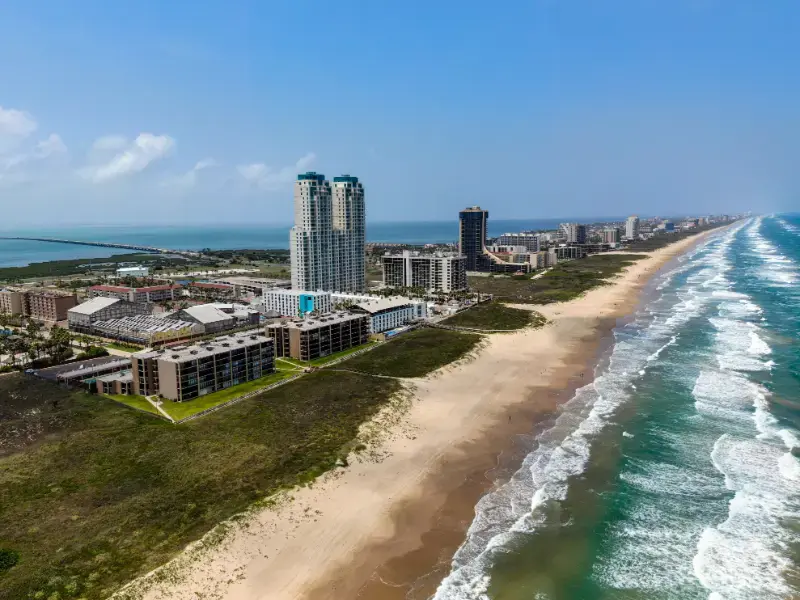
    Florida Beachfront Buildings and Palm Trees

    Budget and time planning

    Amelia Island can be expensive if every meal, tour and beach day is built around resorts, but many of its best experiences are free or inexpensive. Public beaches, downtown walking, Egans Creek and historic neighborhoods can balance paid museums, Fort Clinch or special tours. Track parking, equipment rentals and food as part of the daily budget rather than looking only at admission prices.

    Time is the more valuable resource. Allow 15–20 minutes of buffer between zones, more on busy weekends or during festivals. A half-day that ends early because the group is tired is still successful; forcing another attraction often reduces the quality of the evening.

    Food, water and break strategy

    Keep water in the car and plan meals before everyone is hungry. Downtown Fernandina is the easiest place to turn food into part of the sightseeing day, while southern beaches may require more deliberate planning. In summer, an air-conditioned lunch can function as a weather break and make an afternoon beach or history stop possible.

    If children, seniors or anyone with medication schedules is traveling, carry a small snack even on short outings. Beach traffic, full parking lots or a delayed tour can turn a simple thirty-minute gap into a much longer wait.

    Is it worth it?

    Peters Point is one of the best balanced family beaches on Amelia Island. Main Beach is closer to downtown/Fort Clinch; American Beach adds historical significance; Amelia Island State Park feels more natural but has capacity limits and fewer conventional services.

    The right question is not whether a place belongs on every Amelia Island itinerary, but whether it adds something your current plan is missing. After several beach hours, history or nature can create contrast. After a fort or museum morning, a simple shoreline or waterfront walk may be the better choice. Build variety rather than maximizing the number of stops.

    A realistic visit plan

    Morning

    Arrive early, choose a setup near the access that fits your group and check flags/lifeguard status.

    Midday

    Use showers, pavilion or picnic facilities for a real break from sun exposure.

    Afternoon

    Either return briefly to the beach or move to American Beach, a trail segment or downtown depending on weather and energy.

    Common mistakes to avoid

    • using old beach-driving rules.
    • assuming lifeguards are present outside the published season.
    • blocking horse-trailer areas.
    • leaving property on the beach overnight despite county rules.
    • staying through thunder or dangerous surf because the parking lot is full.

    Photography, wildlife and local etiquette

    Photograph from public areas and avoid dunes, nesting zones, private property and sensitive habitat. Do not move driftwood, shells containing living organisms or wildlife for a better picture. On residential historic streets, be especially careful not to block driveways or treat homes as unrestricted photo sets.

    Sea turtles, shorebirds, alligators, snakes and marine wildlife are all possible in the region. Distance is part of respectful wildlife viewing. Fill beach holes before leaving, remove gear and trash, and follow lighting or seasonal nesting rules when they apply.

    Official information to check before you go

    Use Nassau County – Beachfront Parks and Beach Uses for current hours, prices, parking, closures, access rules and same-day notices. The practical details in this guide reflect information available in October 2026; any trip in 2028 or later should be checked again before departure.

    Extra planning notes for a smoother visit

    Download or screenshot addresses before leaving the hotel. Beach accesses with similar names can be several minutes apart, and navigation apps do not always distinguish a park entrance from the nearest stretch of shoreline.

    Keep one pair of shoes in the car that can handle sand, roots or wet grass. Amelia Island itineraries often move from a restaurant or museum to a nature trail without returning to the hotel.

    If a morning is going well, do not automatically add another major stop. Extra unstructured time is one of the reasons Amelia Island feels different from busier Florida destinations.

    Check special-event calendars if you travel on a weekend. Festivals, races and downtown events can improve the trip but also change parking, traffic and restaurant waits.

    Before the final activity of the day, decide where dinner or the drive back will happen. Small logistical decisions become more difficult when everyone is tired, sandy or overheated.

    Final thoughts

    Peters Point is one of Amelia Island’s most useful “easy beach day” choices. The facilities remove much of the friction from a family outing, but the county’s vehicle, horse and seasonal safety rules are important enough that checking current information should be part of the plan.

    Decision guide: when this stop fits best

    Choose Peters Point Beachfront Park Guide when it matches the purpose of the day. Families, beachgoers carrying gear, picnickers, swimmers during staffed periods, cyclists and travelers wanting county facilities generally receive the strongest value, while travelers whose priorities are different may prefer another Amelia Island stop. A good itinerary alternates effort levels: after a hot beach block, choose a shaded or indoor attraction; after a museum, use a short nature walk; after a long historical visit, leave room for food and unstructured time.

    Also compare total effort rather than admission cost alone. A free beach with difficult parking, no shade and a long gear carry can demand more from a family than a paid park with predictable facilities. Conversely, a simple free waterfront walk may be exactly what the group needs after an expensive attraction. The best choice is the one that fits the people traveling that day.

    If weather looks uncertain, avoid scheduling two outdoor activities that both require perfect conditions. Pair an exposed beach or trail with downtown Fernandina, a museum or an easy meal so the day can survive a thunderstorm, cold front or strong wind without feeling lost.
  • American Beach & A.L. Lewis Museum Guide: Black History, Beach Access, Hours and Amelia Island Tips

    American Beach & A.L. Lewis Museum Guide: Black History, Beach Access, Hours and Amelia Island Tips

    American Beach is one of the most important places to visit on Amelia Island if you want to understand the island rather than simply vacation on it. Founded in 1935 during segregation, it became a place where African Americans could enjoy recreation, property ownership and oceanfront leisure with dignity. The story is inseparable from A. L. Lewis, the Afro-American Life Insurance Company and later preservation work by MaVynee Oshun Betsch, known as “The Beach Lady.”

    Explore this guide

    The A.L. Lewis Museum is the best starting point because it gives the beach and neighborhood historical context. The museum’s current public hours are limited to Friday through Sunday, so this is an attraction that requires more schedule awareness than an outdoor beach stop. If your trip falls outside those days, you can still learn about the area, but you should not assume the museum will be open.

    American Beach deserves a respectful pace. It is a living community and a historic landscape, not a themed attraction. Visit the museum, learn the story, walk or drive the area carefully and then enjoy the coast without treating private homes or historic sites as props.

    Quick planning summary

    • Best for: history-focused travelers, families with school-age children, cultural travelers, road trippers and visitors wanting to understand Amelia Island beyond resorts and beaches
    • How much time: 2–3 hours for the museum, historic area and beach context; longer if you plan a separate beach session
    • Current practical snapshot: the A.L. Lewis Museum currently lists hours Friday–Saturday 10 a.m.–2 p.m. and Sunday 1–5 p.m.; American Beach remains an important historic Black community founded in 1935
    • Best season: year-round; cooler months are best for combining history walks with the beach, while summer visits benefit from an indoor museum block around midday
    • Good pairings: Peters Point, the southern beaches, historic downtown Fernandina Beach and a broader Amelia Island history day

    What the experience is really like

    The experience combines social history with a real beach community. Unlike a conventional museum where the story ends at the exit, the neighborhood outside is part of the historical landscape. That makes the visit stronger for families and students who want to see how segregation, entrepreneurship, leisure and preservation shaped a physical place.

    What to prioritize

    Begin with the museum when it is open

    The exhibits provide names, dates and personal stories that make the surrounding area meaningful. Without that context, visitors can easily reduce American Beach to another stretch of sand.

    Florida Sports Bar with American Flag and Fans

    Understand why recreation mattered

    The phrase “recreation and relaxation without humiliation” captures why the beach was significant. This was not simply a vacation business; it was a response to exclusion from many public and private beaches during segregation.

    Learn about MaVynee Betsch

    Her preservation activism connects the community’s founding to modern efforts to protect its history and environment. Her story often resonates with teenagers and visitors interested in grassroots conservation.

    Respect the neighborhood

    Stay on public streets and accesses, do not photograph private residents intrusively and avoid blocking homes while searching for historic points. The goal is to understand a community, not consume it.

    Parking, arrival and logistics

    Parking and beach access in the American Beach area follow Nassau County rules and can differ from City of Fernandina Beach accesses. Use official county information for current parking, vehicle access and seasonal restrictions rather than relying on older travel blogs.

    How to fit it into an Amelia Island trip

    Amelia Island is compact compared with Jacksonville, but its attractions fall into distinct zones. The north end around Fernandina Beach and Fort Clinch works naturally together; central beaches are convenient for accommodations and family days; American Beach, Peters Point and the southern end are better grouped into a separate coast-and-history block. Planning by zone prevents unnecessary back-and-forth on A1A and makes it easier to respond to weather.

    For this stop, the most natural combinations are Peters Point, the southern beaches, historic downtown Fernandina Beach and a broader Amelia Island history day. If you are continuing south, the Big Talbot Island and Boneyard Beach guide and Little Talbot Island guide help build a scenic coastal day between Amelia Island and Jacksonville.

    Travelers extending the route farther south can use the Ponte Vedra Beach travel guide to decide whether to keep following the coast or move inland toward St. Augustine. Avoid trying to see Amelia Island, Jacksonville and St. Augustine as one rushed day; each area rewards at least one focused block of time.

    Families with babies and young children

    School-age children can connect with the story when adults explain why ordinary activities such as swimming and vacationing were shaped by segregation. Keep the history age-appropriate and use beach time afterward as a natural transition.

    With babies and preschoolers, simple logistics matter more than the number of sights. Restrooms, shade, parking distance and the ability to leave quickly can turn a beautiful place into an easy or difficult outing. Keep one low-effort backup—hotel pool, playground, short downtown walk or early meal—for the hours when heat or fatigue changes the plan.

    Teenagers and older children

    Teenagers may respond strongly to the themes of civil rights, entrepreneurship, environmental preservation and who gets access to public leisure. Encourage questions instead of turning the visit into a lecture.

    Teenagers usually respond better when the day includes some choice. Let them select a beach, photo stop, food break, bike route or historical story to follow. Amelia Island is relaxed enough that one independent decision can make the itinerary feel less like a sequence of adult-selected attractions.

    Senior travelers and multigenerational groups

    Senior travelers may have personal or family memories that make the social history especially meaningful. Plan seating and indoor time at the museum, then keep outdoor walking modest in heat.

    For multigenerational travel, build around the least mobile person and add optional extensions for more active travelers. A short museum, waterfront seat or shaded picnic area can serve as a regroup point while others take a longer trail or beach walk.

    Accessibility and comfort

    Contact the museum directly if you need specific accessibility details. Public beach access and sand create separate mobility questions from the museum building itself, so plan the two parts independently.

    Accessibility on a barrier island is activity-specific. A park may have accessible parking and restrooms while the beach itself remains soft sand; a historic district may be mostly level but contain older thresholds. Confirm the exact route and facility you need rather than relying on a general accessibility label.

    Weather, surf and seasonal planning

    Northeast Florida has four noticeably different travel seasons. Winter and early spring are excellent for walking and history, but Atlantic wind can make the beach much cooler than downtown. Late spring and summer bring warm water, humidity and frequent afternoon thunderstorms. Fall can be beautiful, but hurricane-season systems can alter surf, park operations and access even when the storm center is far away.

    For any beach day, check rip-current information, flags and lifeguard status where available. Thunder is a reason to leave open sand immediately; do not wait for rain to begin. At natural areas, insect activity and heat can be as important as temperature, so morning starts are consistently the safest all-purpose strategy.

    Budget and time planning

    Amelia Island can be expensive if every meal, tour and beach day is built around resorts, but many of its best experiences are free or inexpensive. Public beaches, downtown walking, Egans Creek and historic neighborhoods can balance paid museums, Fort Clinch or special tours. Track parking, equipment rentals and food as part of the daily budget rather than looking only at admission prices.

    Time is the more valuable resource. Allow 15–20 minutes of buffer between zones, more on busy weekends or during festivals. A half-day that ends early because the group is tired is still successful; forcing another attraction often reduces the quality of the evening.

    Food, water and break strategy

    Keep water in the car and plan meals before everyone is hungry. Downtown Fernandina is the easiest place to turn food into part of the sightseeing day, while southern beaches may require more deliberate planning. In summer, an air-conditioned lunch can function as a weather break and make an afternoon beach or history stop possible.

    If children, seniors or anyone with medication schedules is traveling, carry a small snack even on short outings. Beach traffic, full parking lots or a delayed tour can turn a simple thirty-minute gap into a much longer wait.

    Is it worth it?

    American Beach is the island’s most important stop for Black history and cultural context. The Amelia Island Museum of History gives a broader island timeline, while Fort Clinch focuses on military history. Visiting more than one creates a much fuller picture of Amelia Island.

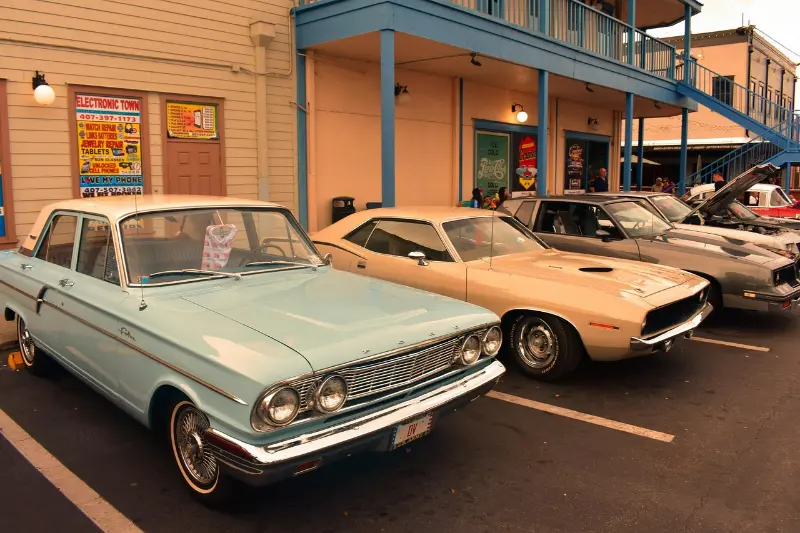
    Classic American Vintage Cars on a Florida Street

    The right question is not whether a place belongs on every Amelia Island itinerary, but whether it adds something your current plan is missing. After several beach hours, history or nature can create contrast. After a fort or museum morning, a simple shoreline or waterfront walk may be the better choice. Build variety rather than maximizing the number of stops.

    A realistic visit plan

    Museum opening

    Start at the A.L. Lewis Museum during its limited public hours and spend enough time with the exhibits to understand the people behind the place.

    Historic area

    Walk or drive the public streets slowly, noticing the relationship between the neighborhood and the beach without intruding on private property.

    Beach and reflection

    Finish with a beach visit or nearby Peters Point, using the coast as part of the story rather than treating it as unrelated recreation.

    Common mistakes to avoid

    • assuming the museum is open every day.
    • visiting the beach without learning why American Beach exists.
    • photographing private homes or residents intrusively.
    • using outdated beach-driving rules.
    • rushing the visit between unrelated resort activities.

    Photography, wildlife and local etiquette

    Photograph from public areas and avoid dunes, nesting zones, private property and sensitive habitat. Do not move driftwood, shells containing living organisms or wildlife for a better picture. On residential historic streets, be especially careful not to block driveways or treat homes as unrestricted photo sets.

    Sea turtles, shorebirds, alligators, snakes and marine wildlife are all possible in the region. Distance is part of respectful wildlife viewing. Fill beach holes before leaving, remove gear and trash, and follow lighting or seasonal nesting rules when they apply.

    Official information to check before you go

    Use A.L. Lewis Museum for current hours, prices, parking, closures, access rules and same-day notices. The practical details in this guide reflect information available in October 2026; any trip in 2028 or later should be checked again before departure.

    Extra planning notes for a smoother visit

    Download or screenshot addresses before leaving the hotel. Beach accesses with similar names can be several minutes apart, and navigation apps do not always distinguish a park entrance from the nearest stretch of shoreline.

    Keep one pair of shoes in the car that can handle sand, roots or wet grass. Amelia Island itineraries often move from a restaurant or museum to a nature trail without returning to the hotel.

    If a morning is going well, do not automatically add another major stop. Extra unstructured time is one of the reasons Amelia Island feels different from busier Florida destinations.

    Check special-event calendars if you travel on a weekend. Festivals, races and downtown events can improve the trip but also change parking, traffic and restaurant waits.

    Before the final activity of the day, decide where dinner or the drive back will happen. Small logistical decisions become more difficult when everyone is tired, sandy or overheated.

    Final thoughts

    American Beach adds essential context to an Amelia Island trip. The beach is beautiful, but the reason to visit is larger: it tells a story of Black entrepreneurship, freedom, leisure, segregation and preservation that changes how you see the entire island.

    Decision guide: when this stop fits best

    Choose American Beach & A.L. Lewis Museum Guide when it matches the purpose of the day. History-focused travelers, families with school-age children, cultural travelers, road trippers and visitors wanting to understand amelia island beyond resorts and beaches generally receive the strongest value, while travelers whose priorities are different may prefer another Amelia Island stop. A good itinerary alternates effort levels: after a hot beach block, choose a shaded or indoor attraction; after a museum, use a short nature walk; after a long historical visit, leave room for food and unstructured time.

    Also compare total effort rather than admission cost alone. A free beach with difficult parking, no shade and a long gear carry can demand more from a family than a paid park with predictable facilities. Conversely, a simple free waterfront walk may be exactly what the group needs after an expensive attraction. The best choice is the one that fits the people traveling that day.

    If weather looks uncertain, avoid scheduling two outdoor activities that both require perfect conditions. Pair an exposed beach or trail with downtown Fernandina, a museum or an easy meal so the day can survive a thunderstorm, cold front or strong wind without feeling lost.
  • Amelia Island State Park Guide: Beach, Fishing, Horseback Riding, Birding and Capacity Tips

    Amelia Island State Park Guide: Beach, Fishing, Horseback Riding, Birding and Capacity Tips

    Amelia Island State Park can be a highlight of a Northeast Florida trip when you approach it for what it actually does best. This state park protects the less-developed southern tip of Amelia Island, where the landscape opens toward Nassau Sound and the Talbot Islands. It is a useful contrast to resort areas farther north because the emphasis is wildlife, shorelines and simple outdoor time rather than restaurants or built attractions.

    Explore this guide

    This guide focuses on decisions that matter on the ground: how long to allow, what to prioritize, which current operating details could affect the day, how the experience works for families and senior travelers, and what nearby stops make sense without turning the itinerary into a checklist.

    Quick planning summary

    • Best for: beach walkers, birders, anglers, cyclists, photographers, shell collectors and equestrians bringing their own horses.
    • How much time: 2 to 4 hours for a beach-and-nature visit; longer if you fish, cycle the Timucuan Trail or plan an equestrian outing.
    • Best strategy: check the official operating page the day before, arrive early for outdoor sites and leave one flexible hour in the schedule.
    • Research date: current operating details were reviewed on 6 October 2026 for a 2027 publication schedule.

    Why this place is worth adding to your Florida trip

    This state park protects the less-developed southern tip of Amelia Island, where the landscape opens toward Nassau Sound and the Talbot Islands. It is a useful contrast to resort areas farther north because the emphasis is wildlife, shorelines and simple outdoor time rather than restaurants or built attractions.

    The strongest reason to add a stop is not that it appears on a list of attractions. It is that it contributes something different to the trip. Northeast Florida is especially good at combining beaches, marshes, long human history and cultural institutions within a relatively compact region. Choose the experience that adds the layer your itinerary is currently missing.

    Best things to do and how to experience them

    Treat the beach as wildlife habitat, not only recreation space

    The southern tip is important for shorebirds, sea turtles and seasonal migrants. That means parts of the beach may look empty by design. Respect ropes, signs and temporary closures, especially from spring through early fall. A pair of binoculars often adds more to the visit than another beach toy.

    Use Nassau Sound for a different kind of coastal view

    The park’s setting at Nassau Sound creates a more dynamic landscape than a straight Atlantic beachfront. Anglers and photographers can watch tidal movement around the George Crady Bridge, while walkers can see the relationship between ocean, inlet, marsh and neighboring islands.

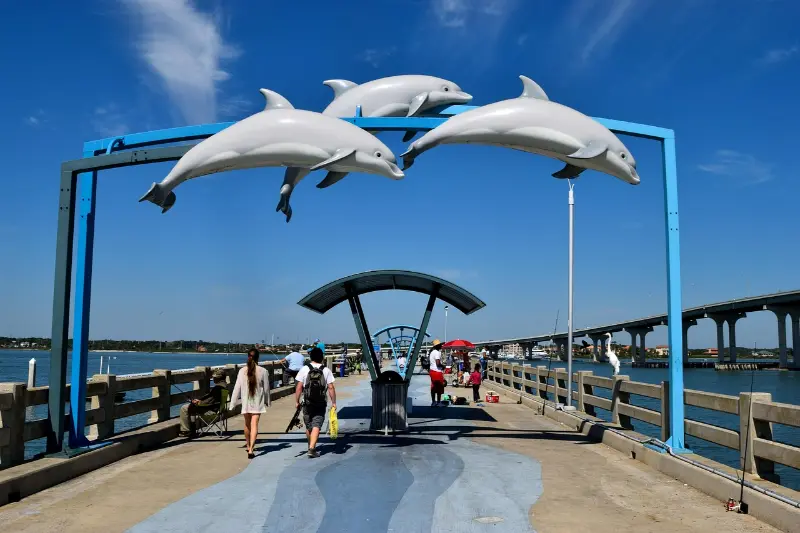
    Dolphin Sculptures at Florida Fishing Pier

    Plan horseback riding as a specific activity

    Riding your own horse along the shoreline can be memorable, but it is not a casual walk-up experience. Contact the ranger station, carry required documentation, follow manure-management rules and understand that wildlife or capacity restrictions can affect access. If you do not travel with a horse, do not assume a concession ride will always be available.

    Current information to know before you go

    As reviewed on 6 October 2026, Amelia Island State Park is open from 8 a.m. to sunset every day and charges $2 per person through an honor-box system. Beach parking is limited to 300 people at one time, with a stated maximum of 600 visitors per day; the park can close temporarily when capacity is reached. The park is one of the few Florida beaches where visitors may bring their own horses, but riders must contact the ranger station in advance and daily capacity rules can apply. The southern end is a critical wildlife area with seasonal nesting protections.

    Operating details can change between the research date and your trip. Recheck the official page shortly before departure, especially when capacity limits, tide-dependent access, renovation work, ranger staffing, seasonal wildlife closures or special events could affect the experience.

    Best time of year and best time of day

    Northeast Florida has a longer cool season than South Florida, so late fall, winter and spring can be excellent for walking, historic sites and long outdoor days. Summer is still very usable, but heat, humidity and afternoon thunderstorms change how you should schedule the day. Start outdoor activities early, move indoors or into deep shade around the hottest hours, and keep a flexible late-afternoon option.

    For coastal parks, tide, wind and surf can matter as much as temperature. For museums and historic sites, opening days matter more than weather because several National Park Service locations in this region are closed Monday and Tuesday. Before committing to a route, check the official page again the evening before your visit.

    How to plan for families with children

    The easiest family days alternate structured learning with physical freedom. A fort, museum or visitor center may hold attention for an hour, but children usually enjoy the destination more when the next part of the day includes a trail, picnic, beach walk or wildlife stop. Avoid building a schedule that requires children to listen quietly at three historic sites in a row.

    Carry more water than you think you need, especially from May through September. In coastal areas, bring sun protection even on breezy days because the wind can hide how strong the sun feels.

    Families with young children should focus on beachcombing, bird spotting and a short walk rather than trying to cover the full shoreline. There are no lifeguards, so adults should treat the water as an active ocean environment and keep swimming expectations conservative, especially when tides and currents look strong.

    Senior travelers and multigenerational groups

    A multigenerational itinerary works best when everyone can participate in the defining experience without being forced into the most strenuous version of it. Historic sites often have accessible visitor centers even when old stairways or uneven ground limit part of the property. Nature parks usually have one easier loop, overlook or picnic zone that can serve as a comfortable base.

    Plan restrooms and shade stops before they become urgent. Northeast Florida distances can look short on a map, but bridge traffic and long park roads add time. One major morning stop plus one optional afternoon stop is often more enjoyable than three fixed reservations.

    The experience can be gentle if you stay near the main parking and shoreline access. Soft sand is the main mobility challenge. Travelers who prefer firm surfaces can combine a short beach look with the paved Timucuan Trail and views around the fishing bridge.

    Accessibility and mobility planning

    Accessibility varies sharply among these attractions because the region combines modern museums, historic buildings, forest trails and natural beaches. Official accessibility notes are useful, but they do not always capture soft sand, roots, slopes or the fatigue caused by heat. Travelers using wheelchairs, walkers or canes should call ahead when a particular trail, tower, historic floor or shoreline is the main reason for visiting.

    If part of an attraction is inaccessible, look for an alternative that still communicates the main story: an exhibit, audio tour, river overlook, accessible loop or ground-level interpretation. A successful visit does not require completing every stairway or trail.

    What to bring

    For outdoor sites, carry water, sun protection, insect repellent, closed-toe shoes or secure sandals, and a small towel. A lightweight rain shell is useful in the warm season. Binoculars add real value along the Talbot Islands and Huguenot, while a portable phone battery can help at sites where audio tours or maps are online.

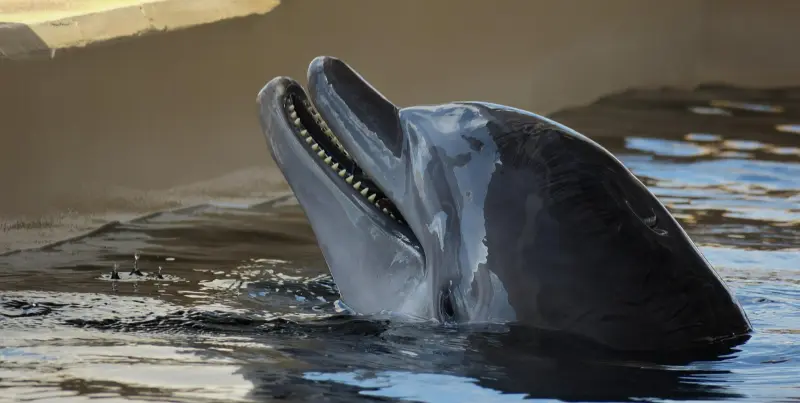
    Dolphin Resting at Water Surface Close Up

    For museums and historic sites, a light layer is useful because indoor air conditioning can feel cold after outdoor heat. Keep valuables out of view in parked cars and do not leave beach equipment scattered around trailheads.

    Weather, storms and hurricane-season reality

    Atlantic hurricane season officially runs from June through November, but ordinary thunderstorms are a more frequent day-to-day planning issue. Lightning is the main reason to leave beaches, piers and exposed trails quickly. Do not wait for heavy rain before acting if thunder is nearby.

    Storms can also change shorelines, roads, docks and trail conditions for months. A guide researched in 2026 cannot guarantee every facility will be identical in 2027, so always recheck official alerts before driving to a remote access point.

    Budget and value

    Many Northeast Florida nature and history sites remain inexpensive compared with major theme-park attractions. State parks often charge by vehicle, National Park Service sites in the Timucuan Preserve are fee-free, and local nature centers use modest admissions. That makes it easy to combine one paid attraction with a free riverfront, neighborhood or beach walk.

    The biggest hidden costs are often parking, food, rentals and extra driving. Pack water and a picnic when appropriate, group nearby stops geographically and do not pay for an activity simply because it is available. The best value comes from choosing the one experience that makes each place distinctive.

    Photography without slowing everyone else down

    Early morning and late afternoon usually create softer light and more comfortable temperatures. At beaches, protect your camera or phone from blowing sand and salt spray. At historic sites, avoid blocking doorways, ramps or interpretive panels while composing photos.

    If you are traveling with non-photographers, set a simple rule: take the detailed photo session at one or two locations, then keep the rest of the day moving. This prevents every scenic stop from becoming a 30-minute delay.

    Responsible travel in fragile coastal habitat

    Northeast Florida’s dunes, marshes and nesting beaches are living habitat, not empty scenery. Stay off protected dunes, respect seasonal closures, keep distance from birds and never feed wildlife. On beaches with driving access, wildlife restrictions should override convenience.

    Historic places deserve the same care. Do not climb on ruins or artifacts, remove shells or objects from protected sites, or treat places associated with slavery and conflict as backdrops without context. Responsible travel is part of getting more from the visit, not an extra rule added afterward.

    Where to stay and how to group the region

    Fernandina Beach is the easiest base for Fort Clinch and Amelia Island, while Jacksonville provides the widest range of lodging and is more practical for the Cummer Museum, Tree Hill, Fort Caroline and the southern Timucuan sites. Travelers focused on the Talbot Islands can also choose beach-area lodging but should compare drive times carefully because bridges and park roads shape the day.

    For a three- or four-day trip, changing hotels is usually unnecessary. Pick one base, group attractions by geography and avoid crossing the metro area multiple times in the same day.

    How to combine it with other Wonderful Florida guides

    Useful already-published Wonderful Florida guides that add a different type of experience include Fort Clinch State Park, Cape St. George Lighthouse. Treat these as separate half-day or next-day ideas rather than trying to force every nearby attraction into the same schedule.

    A realistic three-day mini-itinerary

    Day 1

    Arrive early, walk the beach at lower tide if possible and spend time watching Nassau Sound before the hottest part of the day.

    Visitor Watching Fish through Aquarium Glass

    Day 2

    Use the second day for Fort Clinch and historic Fernandina Beach, adding indoor or shaded time around midday.

    Day 3

    Use day three to continue south toward the Talbot Islands for a more rugged barrier-island experience.

    Who may want to skip or shorten the visit

    This is not a full-service beach resort. Visitors who want food service, chair rentals and a highly managed swimming beach may prefer a more developed Amelia Island access. Capacity closures also make late arrivals risky on popular days.

    A good Florida itinerary is selective. If this stop duplicates something you have already done several times, shorten it or save it for a future trip. The objective is to build contrast—history after beach time, a quiet trail after a city museum, or a wildlife morning after a restaurant-heavy evening.

    Official resource to check before you go

    A practical decision framework for this stop

    Before you goBefore you leave your hotel, decide what would make this visit successful for your group. For some travelers that means seeing one major historic feature; for others it means walking a quiet shoreline, giving children space to move, photographing wildlife or spending two calm hours in air conditioning. Naming that goal in advance makes it easier to skip secondary features when heat, crowds or fatigue change the day.

    Use a simple three-question test: What is the one feature we would regret missing? What condition could prevent us from enjoying it—tide, heat, capacity, stairs, weather or opening hours? What nearby alternative can replace it without turning the day into a long drive? This approach is especially effective in Northeast Florida because many attractions are close enough to substitute for one another but different enough to provide a fresh experience.

    Finally, leave the last 30 to 60 minutes unscheduled. That margin absorbs a late lunch, slower walking pace, unexpected ranger program or traffic delay. It also gives you permission to stay longer when a place turns out to be better than expected.

    How to make the visit feel more personal

    The difference between an average visit and a memorable one is often one small choice made on site. Ask a ranger, volunteer or staff member what they would prioritize if they had only an hour. At a nature park, ask which trail or viewpoint best matches current conditions. At a museum, ask which gallery or object tells the most local story. At a historic site, ask which surviving feature visitors most often overlook. Those questions usually produce better decisions than following a generic top-ten list.

    Keep notes on the details that are specific to this place: a bird call you heard, a material used in a historic wall, the direction of the tide, a painting that changed how you saw the river, or the way a child reacted to an exhibit. These details are what make travel experiences different from one another and help you remember the trip months later.

    If the site is quieter than expected, use that as an advantage rather than searching immediately for the next attraction. Sit for ten minutes, look at the landscape and notice how the place works. Florida rewards travelers who occasionally stop moving.

    Final thoughts

    Amelia Island State Park is most rewarding when you know its defining experience before you arrive and leave enough time for that part of the day. Confirm current hours or access rules, respect wildlife and historic resources, and avoid overloading the schedule.

    Wonderful Florida should help you decide what is genuinely worth your time. Use this guide to build a visit that fits your age group, mobility, interests and weather rather than trying to copy a fixed checklist.

  • Fort Clinch State Park Guide: Historic Fort, Beaches, Trails, Camping and Amelia Island Planning

    Fort Clinch State Park Guide: Historic Fort, Beaches, Trails, Camping and Amelia Island Planning

    Fort Clinch State Park can be a highlight of a Northeast Florida trip when you approach it for what it actually does best. Fort Clinch is one of Northeast Florida’s strongest all-round attractions because the experience changes completely within a few minutes. You can walk through a nineteenth-century brick fort, watch the St. Marys River and Cumberland Sound, cycle beneath maritime forest and then end the visit on a broad Atlantic beach. That variety makes it useful for multigenerational trips in which not everyone wants the same activity.

    Explore this guide

    This guide focuses on decisions that matter on the ground: how long to allow, what to prioritize, which current operating details could affect the day, how the experience works for families and senior travelers, and what nearby stops make sense without turning the itinerary into a checklist.

    Quick planning summary

    • Best for: history fans, families, Civil War enthusiasts, cyclists, campers, birders and travelers who want one place that combines a major historic site with coastal nature.
    • How much time: 3 to 5 hours for the fort plus a beach or trail stop; allow most of a day if you add biking, fishing or a relaxed picnic.
    • Best strategy: check the official operating page the day before, arrive early for outdoor sites and leave one flexible hour in the schedule.
    • Research date: current operating details were reviewed on 6 October 2026 for a 2027 publication schedule.

    Why this place is worth adding to your Florida trip

    Fort Clinch is one of Northeast Florida’s strongest all-round attractions because the experience changes completely within a few minutes. You can walk through a nineteenth-century brick fort, watch the St. Marys River and Cumberland Sound, cycle beneath maritime forest and then end the visit on a broad Atlantic beach. That variety makes it useful for multigenerational trips in which not everyone wants the same activity.

    The strongest reason to add a stop is not that it appears on a list of attractions. It is that it contributes something different to the trip. Northeast Florida is especially good at combining beaches, marshes, long human history and cultural institutions within a relatively compact region. Choose the experience that adds the layer your itinerary is currently missing.

    Best things to do and how to experience them

    Explore the fort before the heat builds

    Start with the fort if history is one of your priorities. Walking through rooms, galleries, ramparts and the parade ground makes the site far easier to understand than looking at the exterior alone. The cannons facing the St. Marys River also explain why the location mattered strategically even though Fort Clinch never became the site of a major battle. Living-history interpretation can add another layer, but schedules can vary, so treat any demonstration as a bonus rather than the only reason to visit.

    Add a beach stop instead of leaving immediately

    The park’s Atlantic shoreline changes the mood of the day. After the structured fort visit, a beach walk gives children and adults space to reset. Wind, surf and seasonal wildlife conditions can make the coast feel very different from Fernandina Beach’s developed shoreline. This is especially valuable for visitors who want natural scenery without driving to a second park.

    Use the park roads and trails for a slower visit

    Cycling is one of the best ways to appreciate the maritime forest, while hikers can choose shorter walks rather than committing to a long route. If you are traveling with mixed abilities, split the group briefly: stronger walkers can add a trail while others enjoy the visitor center, picnic area or a shorter shoreline walk.

    Current information to know before you go

    As reviewed on 6 October 2026, Fort Clinch State Park is open from 8 a.m. to sunset daily. The fort is open 9 a.m. to 5 p.m. and the visitor center 9 a.m. to 4:30 p.m. Park admission is $6 per vehicle for two to eight people, while admission to the fort itself is currently $2.50 per person. Florida State Parks also notes that the ranger station has been temporarily closed for renovations since 27 August 2026, so visitors should follow current on-site directions and check the official alert before arrival.

    Operating details can change between the research date and your trip. Recheck the official page shortly before departure, especially when capacity limits, tide-dependent access, renovation work, ranger staffing, seasonal wildlife closures or special events could affect the experience.

    Best time of year and best time of day

    Northeast Florida has a longer cool season than South Florida, so late fall, winter and spring can be excellent for walking, historic sites and long outdoor days. Summer is still very usable, but heat, humidity and afternoon thunderstorms change how you should schedule the day. Start outdoor activities early, move indoors or into deep shade around the hottest hours, and keep a flexible late-afternoon option.

    Coral Castle Historic Stone Entrance Florida

    For coastal parks, tide, wind and surf can matter as much as temperature. For museums and historic sites, opening days matter more than weather because several National Park Service locations in this region are closed Monday and Tuesday. Before committing to a route, check the official page again the evening before your visit.

    How to plan for families with children

    The easiest family days alternate structured learning with physical freedom. A fort, museum or visitor center may hold attention for an hour, but children usually enjoy the destination more when the next part of the day includes a trail, picnic, beach walk or wildlife stop. Avoid building a schedule that requires children to listen quietly at three historic sites in a row.

    Carry more water than you think you need, especially from May through September. In coastal areas, bring sun protection even on breezy days because the wind can hide how strong the sun feels.

    For children, the fort works best when you turn it into a story rather than a lecture. Ask them to find where soldiers slept, where food was prepared, where cannons were positioned and how people moved through the walls. After about an hour indoors and around the fort, switch to the beach or playground so the day does not become too museum-heavy.

    Senior travelers and multigenerational groups

    A multigenerational itinerary works best when everyone can participate in the defining experience without being forced into the most strenuous version of it. Historic sites often have accessible visitor centers even when old stairways or uneven ground limit part of the property. Nature parks usually have one easier loop, overlook or picnic zone that can serve as a comfortable base.

    Plan restrooms and shade stops before they become urgent. Northeast Florida distances can look short on a map, but bridge traffic and long park roads add time. One major morning stop plus one optional afternoon stop is often more enjoyable than three fixed reservations.

    Senior travelers can enjoy a substantial visit without tackling every trail. The fort has historic surfaces and some steps, so a slower pace and supportive shoes are useful. The visitor center, parking areas and picnic zones make it possible to build in rests, and the park’s scenic drives mean the experience is not dependent on long-distance walking.

    Accessibility and mobility planning

    Accessibility varies sharply among these attractions because the region combines modern museums, historic buildings, forest trails and natural beaches. Official accessibility notes are useful, but they do not always capture soft sand, roots, slopes or the fatigue caused by heat. Travelers using wheelchairs, walkers or canes should call ahead when a particular trail, tower, historic floor or shoreline is the main reason for visiting.

    If part of an attraction is inaccessible, look for an alternative that still communicates the main story: an exhibit, audio tour, river overlook, accessible loop or ground-level interpretation. A successful visit does not require completing every stairway or trail.

    What to bring

    For outdoor sites, carry water, sun protection, insect repellent, closed-toe shoes or secure sandals, and a small towel. A lightweight rain shell is useful in the warm season. Binoculars add real value along the Talbot Islands and Huguenot, while a portable phone battery can help at sites where audio tours or maps are online.

    For museums and historic sites, a light layer is useful because indoor air conditioning can feel cold after outdoor heat. Keep valuables out of view in parked cars and do not leave beach equipment scattered around trailheads.

    Weather, storms and hurricane-season reality

    Atlantic hurricane season officially runs from June through November, but ordinary thunderstorms are a more frequent day-to-day planning issue. Lightning is the main reason to leave beaches, piers and exposed trails quickly. Do not wait for heavy rain before acting if thunder is nearby.

    Storms can also change shorelines, roads, docks and trail conditions for months. A guide researched in 2026 cannot guarantee every facility will be identical in 2027, so always recheck official alerts before driving to a remote access point.

    Budget and value

    Many Northeast Florida nature and history sites remain inexpensive compared with major theme-park attractions. State parks often charge by vehicle, National Park Service sites in the Timucuan Preserve are fee-free, and local nature centers use modest admissions. That makes it easy to combine one paid attraction with a free riverfront, neighborhood or beach walk.

    The biggest hidden costs are often parking, food, rentals and extra driving. Pack water and a picnic when appropriate, group nearby stops geographically and do not pay for an activity simply because it is available. The best value comes from choosing the one experience that makes each place distinctive.

    Photography without slowing everyone else down

    Early morning and late afternoon usually create softer light and more comfortable temperatures. At beaches, protect your camera or phone from blowing sand and salt spray. At historic sites, avoid blocking doorways, ramps or interpretive panels while composing photos.

    If you are traveling with non-photographers, set a simple rule: take the detailed photo session at one or two locations, then keep the rest of the day moving. This prevents every scenic stop from becoming a 30-minute delay.

    Responsible travel in fragile coastal habitat

    Northeast Florida’s dunes, marshes and nesting beaches are living habitat, not empty scenery. Stay off protected dunes, respect seasonal closures, keep distance from birds and never feed wildlife. On beaches with driving access, wildlife restrictions should override convenience.

    Historic places deserve the same care. Do not climb on ruins or artifacts, remove shells or objects from protected sites, or treat places associated with slavery and conflict as backdrops without context. Responsible travel is part of getting more from the visit, not an extra rule added afterward.

    Where to stay and how to group the region

    Fernandina Beach is the easiest base for Fort Clinch and Amelia Island, while Jacksonville provides the widest range of lodging and is more practical for the Cummer Museum, Tree Hill, Fort Caroline and the southern Timucuan sites. Travelers focused on the Talbot Islands can also choose beach-area lodging but should compare drive times carefully because bridges and park roads shape the day.

    For a three- or four-day trip, changing hotels is usually unnecessary. Pick one base, group attractions by geography and avoid crossing the metro area multiple times in the same day.

    How to combine it with other Wonderful Florida guides

    Useful already-published Wonderful Florida guides that add a different type of experience include Cape St. George Lighthouse, Blackwater River State Park. Treat these as separate half-day or next-day ideas rather than trying to force every nearby attraction into the same schedule.

    A realistic three-day mini-itinerary

    Day 1

    Arrive early, tour the fort first, then have a picnic and spend the afternoon on a short forest or beach walk.

    Day 2

    Use day two for Fernandina Beach and the southern end of Amelia Island, keeping the schedule flexible enough for weather.

    Day 3

    Make day three a Talbot Islands nature day so the trip shifts from military history to barrier-island landscapes.

    Who may want to skip or shorten the visit

    If your only goal is a quick beach day, the park can feel more complicated than a simple municipal beach because you are paying for a multi-use state park and may encounter lines on busy weekends. Conversely, travelers with no interest in military history should still plan around the forest and shoreline rather than forcing a long fort visit.

    A good Florida itinerary is selective. If this stop duplicates something you have already done several times, shorten it or save it for a future trip. The objective is to build contrast—history after beach time, a quiet trail after a city museum, or a wildlife morning after a restaurant-heavy evening.

    Official resource to check before you go

    A practical decision framework for this stop

    Before you leave your hotel, decide what would make this visit successful for your group. For some travelers that means seeing one major historic feature; for others it means walking a quiet shoreline, giving children space to move, photographing wildlife or spending two calm hours in air conditioning. Naming that goal in advance makes it easier to skip secondary features when heat, crowds or fatigue change the day.

    Use a simple three-question test: What is the one feature we would regret missing? What condition could prevent us from enjoying it—tide, heat, capacity, stairs, weather or opening hours? What nearby alternative can replace it without turning the day into a long drive? This approach is especially effective in Northeast Florida because many attractions are close enough to substitute for one another but different enough to provide a fresh experience.

    Finally, leave the last 30 to 60 minutes unscheduled. That margin absorbs a late lunch, slower walking pace, unexpected ranger program or traffic delay. It also gives you permission to stay longer when a place turns out to be better than expected.

    Final thoughts

    Fort Clinch State Park is most rewarding when you know its defining experience before you arrive and leave enough time for that part of the day. Confirm current hours or access rules, respect wildlife and historic resources, and avoid overloading the schedule.

    Wonderful Florida should help you decide what is genuinely worth your time. Use this guide to build a visit that fits your age group, mobility, interests and weather rather than trying to copy a fixed checklist.

  • Seven Days in Jacksonville and Amelia Island: A Relaxed Northeast Florida Road Trip

    Seven Days in Jacksonville and Amelia Island: A Relaxed Northeast Florida Road Trip

    Northeast Florida offers an Atlantic vacation with a very different rhythm from Miami or Orlando. You can spend a morning exploring Jacksonville’s vast river-and-marsh landscape, enjoy a historic neighborhood with independent cafés, learn about coastal history in a national preserve and finish with the beaches and old streets of Amelia Island. A seven-day trip using two bases—Jacksonville for three nights and Fernandina Beach for three nights—keeps driving manageable while giving each destination enough time to feel like a place rather than a highway exit.

    This itinerary is a good fit for curious couples, families with school-age children, older travelers who prefer short walks and visitors returning to Florida after the major theme parks. It is not a beach-only holiday. The appeal comes from variety: historic stories, coastal nature, urban food neighborhoods and slow mornings on Amelia Island. Because opening hours, park routes and tides vary, every day includes a flexible alternative rather than a complicated fixed schedule.

    Why Jacksonville and Amelia Island work well together

    Jacksonville covers a very large area. Its riverfront, older neighborhoods, Atlantic beaches and preserved marshland are spread apart, making a rental car useful for this itinerary. Amelia Island lies northeast, close enough to combine with Jacksonville but distinct enough to deserve its own base. By staying three nights in each place, you avoid repeatedly crossing the same distance while still keeping the move manageable.

    Choose a Jacksonville hotel by your daily priorities. Downtown may be convenient for certain cultural venues, Riverside or nearby districts for cafés and neighborhood walks, and a beach-area property for Atlantic mornings. Each carries different parking, dining and driving trade-offs. On Amelia Island, staying near Fernandina Beach’s historic district suits travelers who want evening restaurants on foot. A beach-oriented property elsewhere on the island may be better for daily sand time but less convenient for downtown dinners.

    Nights Base Main benefit
    1–3 Jacksonville City culture, river setting and Timucuan Preserve
    4–6 Amelia Island / Fernandina Beach Historic downtown, Fort Clinch and beach mornings

    If your flight arrives late, spend the first night close to your airport rather than starting a long evening drive. The schedule below assumes a reasonably timed arrival in Jacksonville and a car for most excursions. Those without a car can still enjoy selected districts, but should not treat the two-base itinerary as effortless by public transit.

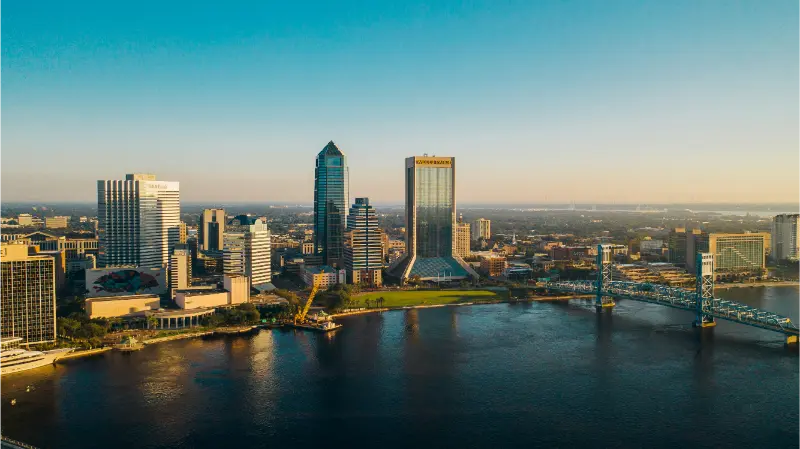
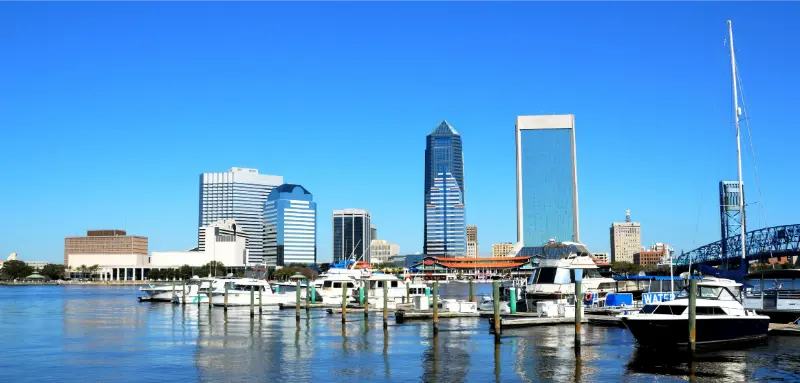
    Jacksonville Marina and Waterfront Towers

    Day 1: arrive and get to know one Jacksonville neighborhood

    After checking in, pick one neighborhood to explore rather than attempting a citywide tour. Riverside and nearby older streets offer a local feel in parts of the city, while downtown has riverfront landmarks and cultural sites. Choose a walk based on your hotel’s location and what is genuinely open on arrival day. Have dinner somewhere within a comfortable distance and let the rest of the evening stay free. Jacksonville’s size means that “ten minutes away” on a map may not describe rush-hour reality.

    Families can turn the evening into a short waterfront observation game: watch passing boats, find a bridge and notice how different a wide river looks from the ocean. Visitors who prefer less walking can select an accessible restaurant near parking instead. The first day is also the time to check tomorrow’s weather, park opening notices and whether any museum or tour needs advance tickets. A simple start creates space for the more distinctive experiences later.

    Day 2: the Timucuan Preserve and the coast’s deeper history

    The Timucuan Ecological and Historic Preserve protects significant coastal wetlands as well as places that tell complex human histories. One of its major historic sites is Kingsley Plantation on Fort George Island, where interpretation addresses the lives of people who were enslaved there, plantation agriculture and the region’s larger history. It is important to visit with attention and respect, rather than treating the structures as a picturesque photo set.

    Check the National Park Service site for current visitor access, programs and conditions. Routes can involve older surfaces and different accessibility characteristics. Consider choosing one major historical destination and a short nearby nature viewpoint rather than racing between every site in the preserve. Salt marshes, oak hammocks and tidal waterways offer plenty to observe even from short established paths. Carry insect repellent where needed and remember that wetlands can be hot and buggy at almost any time of year.

    If your group includes children, explain the history in an age-appropriate but truthful way. Ask what daily life might have been like for different people living at the site, and use official interpretation instead of telling romanticized stories about plantation life. Families with older relatives may find a shorter guided or self-directed visit more manageable than a long nature trail. A leisurely lunch back in Jacksonville can finish the day.

    Day 3: arts, riverfront and a beach option

    Spend this day in the Jacksonville area you found most interesting. Art lovers might explore the Cummer Museum of Art & Gardens, subject to operating hours, admission and garden conditions. Families who want open space can choose a park and a simple riverside picnic. If the weather is sunny and your group wants sand, head toward a public Atlantic beach access with restrooms and check beach safety information. Do not combine several disconnected city districts unless everyone is comfortable with the driving.

    Jacksonville’s beaches are appealing, but they should not be confused with Amelia Island, where you will stay later. If you plan to spend much of days four and five on Amelia Island’s shore, using today for city culture may give the vacation more variety. On a rainy day, an indoor museum makes a sensible alternative. In any season, check local water-quality advisories and lifeguard presence before swimming.

    An early dinner gives your group a chance to pack without staying up late. Tomorrow’s hotel transfer is short enough to leave room for sightseeing, but packing calmly tonight makes the next morning much more pleasant.

    Day 4: transfer to Fernandina Beach and discover its historic center

    Drive toward Amelia Island and begin with Fernandina Beach’s historic downtown. The streets, architecture, shops and cafés invite unhurried exploration. Park once in an appropriate place and take short blocks on foot instead of continually moving the car. Look for the historic district’s mix of maritime history and older commercial buildings, then stop for lunch. Not every historic shop has step-free access, so travelers with mobility needs should confirm specific businesses before entering.

    Spend part of the afternoon checking in and getting oriented to your new accommodation. If you are close to the beach, take a short walk on dry sand or a public access boardwalk. If the day is windy, use the time for a local museum or a sheltered café instead. Sunset is appealing from appropriate west-facing harbor areas, but the beach side of Amelia Island faces the Atlantic and is generally better known for sunrise views.

    This is a good evening for one local seafood meal if that appeals, though visitors with food allergies should confirm ingredients and cross-contact practices. Choose a restaurant by current menu and accessibility, not simply by online photos. Allow time for a quiet stroll back to your hotel or a short drive if your base is away from downtown.

    Day 5: Fort Clinch and an Amelia Island beach afternoon

    Fort Clinch State Park is one of the most rewarding historic experiences in the region. The preserved fort helps visitors understand coastal defenses, while the surrounding park provides beach and forest scenery. Consult the Florida State Parks website for current fees, fort access, tours and any temporary closures. Portions of a historic fort may involve steps or uneven ground, so ask about accessible routes before making plans with someone who needs step-free access.

    A comfortable sequence is to visit the fort in the morning, then have lunch before choosing a beach access on the island. Do not assume the same park entrance ticket covers every desired activity without checking. If the weather is pleasant, spend an hour on the beach taking photos, walking and watching birds. If swimming is planned, use local beach warnings and lifeguarded areas where available. Atlantic currents and waves deserve attention even on sunny days.

    For nature-minded travelers, watching the coastal landscape may be more satisfying than covering a long trail. Fort Clinch’s setting rewards a slow visit, especially for grandparents or school-age children interested in how the fort was constructed. You can still leave plenty of time for a relaxed dinner in Fernandina Beach.

    Day 6: choose history, beach or a simple departure

    Keep this last full day on Amelia Island flexible. A walk through a downtown block you missed, a museum subject to current opening times, or a final beach visit may be enough. If you have time and interest, consider exploring the island’s less busy natural areas or learning about American Beach’s African American history. The American Beach Museum and surrounding history deserve advance research so that your visit is respectful and accurate.

    Do not rush a distant excursion to St. Augustine or Orlando into this island day just because it looks possible on a map. Florida roads can have delays, and the journey to an airport may take longer than expected. A short two-base itinerary is meant to let you enjoy Northeast Florida, not to serve as a contest of how many destinations you can fit into seven days.

    Day 7: unhurried checkout and the airport drive

    Enjoy breakfast, check out with ample time and leave the island without squeezing in a major new attraction. If your flight departs from Jacksonville, factor in the drive, possible traffic near bridges, fuel or rental-car return and airport security. A brief stop for a final coffee or view of the waterfront is enough if your schedule allows it. Avoid booking a paid tour with a fixed finish time on a departure day.

    Families should check for lost beach gear, drying swimsuits and chargers before returning the keys. International visitors may need extra time for flight connections or bag-drop requirements. If your departure is very early, a final night closer to the airport can be a useful modification to the two-base plan, but compare the convenience against one more hotel move.

    A realistic budget for this particular route

    Plan costs in five categories: six nights of accommodation, a rental car and fuel, parking, meals and chosen ticketed attractions. Beach time and some public parks may cost little beyond parking, while museums and guided tours vary. A central Jacksonville hotel could reduce certain urban transfers but cost more for parking. On Amelia Island, a beach-view room can be expensive at peak periods; a place farther inland may offer better value if you are comfortable driving to public beach access.

    A family with children can reduce food costs by shopping for breakfast basics and packing some lunches. Couples may prefer one enjoyable restaurant meal each day and simpler snacks for the rest. Compare total lodging prices after mandatory charges rather than focusing on the first rate displayed. If you are visiting during a festival or holiday weekend, expect greater pressure on hotel availability and downtown parking.

    Rental car arrangements deserve attention for international visitors. Review insurance terms, toll charges and additional-driver rules; request suitable child seats in advance when needed. The route does not require constant high-mileage driving, so paying for convenient lodging can be worthwhile. A hotel five miles from the main attraction is not automatically a bargain if every meal and beach outing demands extra traffic and parking.

    Accessibility, weather and coastal safety

    Historic Jacksonville and Fernandina Beach locations can involve uneven surfaces, steps and variable curb ramps. Someone using a wheelchair or walker should identify the exact streets, parking locations and building entrances beforehand. Beaches may offer access mats or beach wheelchairs under local programs, but availability changes. Call the responsible beach authority or accommodation rather than assuming all beach approaches are accessible.

    Summer heat and thunderstorms can make long midday walks difficult; schedule outdoor segments early and use museums or a rest break later. The Atlantic hurricane season extends from June through November, so flexible lodging terms and attention to official storm guidance are important during those months. Follow the National Hurricane Center and local emergency management if a tropical system threatens the coast. Do not visit closed piers or beaches after storms to get photographs.

    Wildlife habitat deserves the same care: avoid entering dunes, respect nesting birds, and keep all dogs only in areas where they are permitted. Tides can alter narrow beach passages, and salt-marsh trails may be muddy. The region is most rewarding when you accept its natural rhythms rather than trying to force every stop into a rigid order.

    Frequently asked questions

    Can I visit Jacksonville and Amelia Island in one week?

    Yes. Three nights in Jacksonville and three in the Amelia Island area provide a relaxed introduction. A rental car is useful because attractions and neighborhoods are spread out.

    Is this itinerary suitable for travelers over 70?

    It can be, especially with shorter museum visits and a comfortable hotel base. Check the accessibility of historic forts and downtown buildings and plan regular rest breaks.

    Can this be combined with St. Augustine?

    Yes, with extra days. If you have only seven days, adding St. Augustine may mean losing the slower pace that makes Jacksonville and Amelia Island enjoyable. Consider extending the trip to eight or nine nights.

  • Where to Stay on Amelia Island: Best Areas for Families, Couples, Beaches, History and Resorts

    Where to Stay on Amelia Island: Best Areas for Families, Couples, Beaches, History and Resorts

    Where you stay on Amelia Island changes the trip more than many first-time visitors expect. A downtown Fernandina Beach room creates walkable evenings and easy access to restaurants and history. A central beach hotel makes sunrise and quick ocean breaks effortless. A south-island resort or rental creates a quieter, more self-contained vacation but increases the drive to downtown and Fort Clinch.

    Explore this guide

    There is no single best area. The right base depends on whether your priority is beach time, history, families, romance, golf, a resort experience, budget or a multigenerational rental with kitchen space. The island is small enough to explore by car, but long enough that choosing the wrong zone can create unnecessary daily backtracking.

    This guide focuses on areas and accommodation styles rather than ranking individual hotels. Properties, ownership, renovation status and rates change; the location logic remains useful much longer.

    Quick planning summary

    • Best for first-time sightseeing: historic Fernandina Beach or the north-central island
    • Best for easy beach access: central oceanfront/Sadler Road and Fletcher Avenue area
    • Best for luxury resort trips: south island
    • Best for families needing space: vacation rentals or suites near central/south beaches
    • Best for couples who value atmosphere: downtown B&Bs or oceanfront resorts
    • Best for campers: Fort Clinch, subject to availability and current reservation rules

    Historic downtown Fernandina Beach: best for walkable evenings

    Stay near historic Fernandina Beach if restaurants, architecture, the waterfront and evening atmosphere matter more than stepping directly onto the sand. This is the strongest base for couples, history-focused trips and visitors who dislike driving to dinner after a full day outside.

    Florida White Stucco Historic House and Palm Trees

    The trade-off is beach immediacy. You can reach Main Beach and the north end quickly by car, but a downtown stay is not the same as waking up on the Atlantic. If children want to swim every morning before breakfast, a central beach base may create less friction.

    North and Main Beach area: best compromise for first visits

    The area around Main Beach is a strong compromise because Fort Clinch, the beach and downtown are all close. Families can reach facilities quickly, while couples still have easy access to Fernandina Beach evenings. It is also useful for travelers who want an early sunrise without giving up the historic district.

    Central beach and Sadler Road: best for practical beach vacations

    Central Amelia Island around Sadler Road has a concentration of hotels, restaurants, shops and beach access. It is less romantic than a Victorian B&B and less self-contained than a resort, but it can be the easiest zone for a simple family beach trip where food, supplies and ocean access all need to be close.

    American Beach and central-south island: quieter, more residential feel

    The area around American Beach places you closer to important Black history, Peters Point and the island’s southern half. Vacation rentals can make sense for families or longer stays, but visitors should remember that residential areas are communities, not resort compounds. Parking and public access still need to use designated locations.

    South-island resorts: best for a self-contained vacation

    The south end is strongest for travelers who want golf, pools, spa, resort dining, beach and organized activities in one property or resort zone. That reduces day-to-day planning, but downtown Fernandina Beach and Fort Clinch become deliberate drives rather than casual evening walks.

    A resort stay can be excellent for grandparents and families who want predictable amenities, yet it is not automatically the best choice for people who plan to spend most of every day sightseeing. Pay for the resort experience only if you intend to use it.

    Vacation rentals: best for space and longer stays

    A condo, cottage or house can be the most practical choice for families who need multiple bedrooms, laundry and a kitchen. The important comparison is not just nightly rate; include cleaning fees, parking, minimum stays, beach distance and whether everyone will still need a car for meals and activities.

    Bed-and-breakfasts: best for historic atmosphere

    Fernandina Beach has historic inns and B&Bs that turn the accommodation into part of the trip. They work especially well for couples and adults who enjoy porches, architecture and personal service. Families should confirm age policies, room configurations and stair access before assuming that a historic property fits young children or mobility needs.

    Florida Historic Wooden House and American Flag

    Camping at Fort Clinch

    Camping at Fort Clinch State Park creates a completely different Amelia Island experience. It is valuable for travelers who want nature and early park access, but reservations can be competitive and camping logistics are not comparable to staying at a beach hotel. Treat it as its own trip style, not simply the cheapest lodging option.

    Choosing an area without overpaying

    Pay for the location you will actually use. A premium oceanfront room is poor value if your itinerary starts early every day and returns after dark. A cheaper inland room is poor value if your children want multiple daily beach trips and every outing requires loading the car.

    How many nights to book

    Two nights works for a compact first visit, three or four nights creates a balanced beach-and-history trip, and a week makes sense for travelers who want repeated beach days, resort downtime or day trips toward Jacksonville and St. Augustine. Longer stays benefit more from kitchens and laundry than short romantic weekends do.

    Families with babies and young children

    Where to Stay on Amelia Island can work very well with babies and younger children when the day is built around simple logistics rather than a long checklist. The practical questions are shade, restroom access, the distance from the car to the activity, and whether the group can leave quickly if heat, hunger or fatigue changes the plan. In a lodging decision across downtown, beach and resort zones, a shorter visit with a predictable break often produces a better family day than trying to stay until everyone is tired.

    Pack one small bag that can move easily between car, beach, boardwalk or park. Water, a snack, sun protection, a light layer, wipes and a change of clothes solve more problems than extra entertainment. If a child still naps, use the nap window either for the drive between zones or for a quiet accommodation break instead of expecting a stroller nap on exposed sand.

    Teenagers and older children

    Teenagers usually respond better when Where to Stay on Amelia Island is connected to a choice: photography, fishing, wildlife, a food stop, a bike ride, beach time or a specific historical story. Give them a reason to participate instead of presenting the visit as another mandatory stop. The strongest fit is usually for families, couples, seniors, longer-stay visitors and first-time travelers.

    A useful strategy is to let older children choose one stop or one activity each day. On Amelia Island that might mean a sunrise beach walk, searching for shark teeth, choosing the lunch area, photographing the harbor or adding a short nature trail. That small amount of control can make a multigenerational itinerary feel much less rigid.

    Senior travelers and multigenerational groups

    Senior travelers should plan around surface, shade and heat rather than distance alone. Historic properties may have stairs and older layouts, while modern hotels and resorts often offer more predictable accessible rooms and elevators. In warm months, mornings are normally more comfortable, while winter cold fronts can make oceanfront areas feel substantially cooler and windier than the temperature shown for inland Nassau County.

    For a multigenerational group, create a common meeting point before people split into faster and slower activities. A shaded bench, pavilion, visitor center, restroom area or clearly identified beach access makes it easier for one person to rest while others continue a longer walk.

    Accessibility and comfort

    Accessibility is highly location-specific. Historic properties may have stairs and older layouts, while modern hotels and resorts often offer more predictable accessible rooms and elevators. Travelers who need a step-free route, beach mat, accessible restroom or short path should confirm the exact facility before leaving the hotel. A general statement that a park or beach is accessible does not guarantee that every viewpoint, dune crossing or shoreline section is.

    Heat management is part of accessibility in Florida. Schedule the most exposed portion first, carry more water than you expect to need and avoid building a day in which every stop requires standing in full sun. Air-conditioned lunches, museums and accommodation breaks can be used deliberately as recovery periods.

    Weather, seasons and the Atlantic coast

    Lodging location matters most when weather makes repeated returns to the room useful; central beach areas can simplify storm and heat breaks. Summer brings high humidity and frequent afternoon thunderstorms, while fall requires attention to tropical-weather forecasts. Winter and early spring can be excellent for walking, but strong northeast winds may make beach conditions feel cool even on a bright day.

    Lightning is a more important planning issue than rain. If thunder is audible, leave open beach, pier and exposed waterfront areas and move to a substantial building or vehicle. Do not wait for heavy rain. After storms, also expect temporary changes in surf, erosion, beach access and trail conditions.

    Budget and value

    Lodging is usually the largest Amelia Island expense, so compare total stay cost, parking, resort fees and the value of amenities you will actually use. Compare the full cost of the day rather than admission alone: parking, equipment rental, food, tolls, fuel and the time needed to move between stops can matter as much as the ticket price. Amelia Island is particularly good for mixing one paid attraction with free beaches, downtown walking or nature areas.

    Family tipFor families, the cheapest day is not always the easiest day. A free access with a long gear carry and no nearby restroom can be less practical than a modestly priced park with predictable facilities. Choose according to the people traveling, not simply the number on the admission board.

    Food, water and break strategy

    Carry water even for short outings. The combination of sun, salt air and walking can dehydrate people faster than expected, especially children and older travelers. If the stop has limited food service, decide in advance whether you will picnic, eat before arrival or continue to Fernandina Beach afterward.

    Avoid waiting until everyone is hungry to choose the next meal. On busy weekends, a twenty-minute drive and parking search can turn into a much longer gap. A small snack keeps the schedule flexible and makes it easier to leave a beach or park at the right moment rather than too late.

    Safety and local conditions

    Choose accommodations with a realistic evacuation/weather plan during hurricane season and never rely on direct beach access during dangerous surf or storms. On beaches, follow posted flags and lifeguard guidance where provided. In natural areas, give all wildlife space and never feed animals. Around fishing areas, watch for hooks, lines and slippery surfaces; around dunes, stay on designated crossings to protect vegetation and reduce erosion.

    Beach conditions can change within hours. Strong wind, rip currents, jellyfish, nesting closures or high tide may alter what is comfortable or permitted. Treat same-day signage as more important than any travel article, including this one.

    Photography and wildlife etiquette

    Oceanfront views are appealing, but a downtown sunset, historic porch or marsh view can be equally memorable without requiring every photograph to be taken from the beach. Use a longer focal length rather than approaching birds or wildlife for a closer image. Avoid stepping into dunes, marsh grass or closed nesting zones for a better angle. Sunrise and the final hour before sunset generally provide softer light and lower heat, but access hours still apply.

    If you photograph people on a working fishing bridge, residential street or small local park, remember that these are community spaces rather than staged attractions. Keep pathways clear, avoid blocking ramps and give anglers, cyclists and families enough room to use the area normally.

    How to combine this stop with the rest of Amelia Island

    Where to Stay on Amelia Island fits most naturally with the attractions closest to your chosen zone, with one day north and one day south. The goal is to reduce backtracking. Group north-end attractions with Fernandina Beach and Fort Clinch, central beach stops with Sadler Road and Main Beach, and southern-island activities with American Beach, Peters Point or Amelia Island State Park.

    A strong Amelia Island day usually has one anchor and one or two lighter additions. If the anchor is outdoors and weather-sensitive, pair it with downtown Fernandina Beach or a museum so the day can survive a shower, high wind or heat without feeling wasted.

    Common mistakes to avoid

    • assuming every Amelia Island beach access has the same parking, restroom and accessibility features.
    • using an old article for beach-driving, parking or construction information without checking current rules.
    • planning the most exposed outdoor stop for the middle of a summer afternoon.
    • adding too many attractions and leaving no time for the beach, food or an unexpected weather change.
    • treating wildlife, dunes or marsh edges as unrestricted photo areas.

    Extra planning notes for a smoother visit

    Save the exact street address or access number before leaving your accommodation. Navigation apps sometimes route visitors to the nearest stretch of shoreline rather than the correct parking entrance.

    Keep sandals and closed shoes in the vehicle. A beach-and-nature itinerary can move from soft sand to roots, shells, boardwalks or wet grass within the same half-day.

    Check the event calendar before a weekend visit. Festivals, races, markets and special events can be a reason to visit, but they can also change downtown traffic and parking patterns.

    If your plan includes sunset, decide where dinner will happen before the final activity. That small decision prevents a tired group from having to search for food at the busiest part of the evening.

    For longer stays, leave one half-day unscheduled. Amelia Island rewards flexibility: good surf, wildlife, perfect beach weather or a downtown event may be worth more than an attraction chosen weeks earlier.

    Official information to check before you book

    The official Amelia Island lodging directory lists resorts, hotels, rentals, B&Bs and camping options. Compare it with the property’s own current booking terms before paying, especially for parking, cancellation, resort fees, accessibility and renovation status.

    Final thoughts

    Choose your Amelia Island base by the moments you want to make effortless. Downtown makes evenings easy, central beach areas make quick ocean time easy, and south-island resorts make self-contained relaxation easy. Once that priority is clear, the accommodation search becomes much simpler.

  • Fernandina Beach Florida Travel Guide: Historic Downtown, Fort Clinch, Beaches and Where to Stay

    Fernandina Beach Florida Travel Guide: Historic Downtown, Fort Clinch, Beaches and Where to Stay

    Fernandina Beach is a strong choice when you want a historic Victorian seaport city on Amelia Island where a walkable downtown, Atlantic beaches and state-park nature can fit into one compact trip. It is not a destination that requires a packed checklist to feel worthwhile. The better approach is to identify the one or two experiences that matter most to your group, choose a convenient base, and leave enough open time to enjoy the local pace.

    For a first visit, I would plan around 3–4 nights. That gives you enough time to understand the area without turning the trip into a sequence of parking lots and short photo stops. Fernandina Beach is especially well suited to couples, families, history lovers, beach travelers, senior visitors and road trippers exploring Northeast Florida.

    This guide focuses on practical trip design: where to stay, what deserves priority, how much driving to expect, how to adapt the trip for children or older travelers, and how to connect Fernandina Beach with the rest of Northeast Florida. Hours, admission policies, road conditions and event schedules can change, so always confirm time-sensitive details on official sites before the day of your visit.

    Quick planning summary

    • Recommended stay: 3–4 nights for a balanced first visit.
    • Best for: couples, families, history lovers, beach travelers, senior visitors and road trippers exploring Northeast Florida.
    • Main strength: a historic Victorian seaport city on Amelia Island where a walkable downtown, Atlantic beaches and state-park nature can fit into one compact trip.
    • Transport: a car is usually the easiest way to combine the destination with surrounding attractions, even when the central district itself is walkable.
    • Best planning rule: organize each day by area instead of zig-zagging across the region.

    In this guide

    Why visit Fernandina Beach?

    Fernandina Beach works because it gives a Florida trip a different rhythm from the state’s biggest resort corridors. You can still build full sightseeing days, but you do not need to. The destination rewards slower mornings, one substantial activity, a relaxed lunch and enough time for the setting itself.

    That makes it particularly useful in a longer Florida itinerary. After several intense theme-park, city or driving days, a stop in Fernandina Beach can reset the pace without feeling like a “nothing day.” The experience is still specific to Northeast Florida, but the pressure to maximize every hour is lower.

    It is also a good place for travelers with different energy levels. A teenager can choose a more active experience, younger children can focus on parks or simple outdoor time, and grandparents can stay involved through scenic stops, short walks, museums, waterfront areas or meals that do not require a major physical commitment.

    My preferred way to approach the destination is to identify one anchor experience for each day, then add secondary stops only if the group still has time and energy. That simple rule prevents the most common Florida planning problem: trying to force too much into a hot, spread-out destination.

    Where to stay in Fernandina Beach

    The best area is not automatically the most luxurious one. For most visitors, convenience matters more than a small difference in room quality. Look at parking fees, breakfast, pool hours, room size, elevator access, cancellation policy and the real door-to-door drive to your priority attractions.

    Historic Downtown / Centre Street

    Best for: best for walking to restaurants, shops, waterfront views and historic atmosphere. Before booking, compare the exact route to the places you expect to visit most often. A hotel that looks close on a regional map can still create repeated driving, parking or bridge time.

    Florida Historic Pink Beachfront Hotel

    Main Beach area

    Best for: good for travelers who want easy Atlantic access while staying close to downtown. Before booking, compare the exact route to the places you expect to visit most often. A hotel that looks close on a regional map can still create repeated driving, parking or bridge time.

    South Amelia Island

    Best for: best for resort-style stays, golf and a quieter beach setting, though it is farther from Centre Street. Before booking, compare the exact route to the places you expect to visit most often. A hotel that looks close on a regional map can still create repeated driving, parking or bridge time.

    Family tipFor families, a refrigerator, laundry access and a pool can be more valuable than an elaborate lobby. Couples may prefer walkability and evening atmosphere. Senior travelers should check elevator availability, shower design, the distance from parking to the room and whether restaurants are reachable without crossing wide roads.

    If you are using a vacation rental, compare the full price after cleaning and service fees, read parking and occupancy rules carefully, and confirm whether beach equipment, bicycles or other advertised extras are actually included.

    Best things to do in Fernandina Beach

    1. Historic Downtown Fernandina Beach

    Victorian architecture, Centre Street, independent shops and the waterfront make downtown the strongest first stop for understanding the city. Give this stop enough time to enjoy it without immediately rushing to the next item. For mixed-age groups, it is usually better to shorten the list and leave room for breaks than to plan a full day of tightly timed stops.

    2. Fort Clinch State Park

    The preserved fort, beaches, trails and maritime setting combine history and outdoor time in one of Northeast Florida’s most distinctive parks. Give this stop enough time to enjoy it without immediately rushing to the next item. For mixed-age groups, it is usually better to shorten the list and leave room for breaks than to plan a full day of tightly timed stops.

    3. Main Beach and Atlantic shoreline

    Fernandina’s beach access gives the trip an easy coastal rhythm without forcing visitors to choose between history and sand. Give this stop enough time to enjoy it without immediately rushing to the next item. For mixed-age groups, it is usually better to shorten the list and leave room for breaks than to plan a full day of tightly timed stops.

    4. Amelia Island Museum of History

    A compact way to understand the island’s layered Indigenous, colonial, maritime and railroad history. Give this stop enough time to enjoy it without immediately rushing to the next item. For mixed-age groups, it is usually better to shorten the list and leave room for breaks than to plan a full day of tightly timed stops.

    5. Egans Creek Greenway and local nature

    Wetlands, trails and wildlife viewing provide a quiet counterpoint to the downtown and beach areas. Give this stop enough time to enjoy it without immediately rushing to the next item. For mixed-age groups, it is usually better to shorten the list and leave room for breaks than to plan a full day of tightly timed stops.

    Nature and outdoor time

    Fernandina Beach is one of the easiest places in Northeast Florida to mix a historic downtown morning with a beach or nature afternoon. Fort Clinch and the island’s greenways give active travelers plenty to do beyond the sand.

    Florida Historic Wooden House and American Flag

    Florida weather changes how an outdoor day feels. In warm months, the same trail or beach that is comfortable at 8:00 a.m. can feel completely different at 1:00 p.m. Use shade, water, sun protection and realistic walking distances, and check radar rather than assuming a forecast icon means an entire day will be lost.

    If wildlife is part of the experience, treat observation distance as part of the attraction rather than an inconvenience. Do not feed animals, block nesting areas or approach wildlife for a photograph. For beaches and waterways, follow posted flags, closures and local safety advice.

    Getting there and around

    A car is useful for reaching Fort Clinch and the south end of Amelia Island, but downtown is best explored on foot once parked. Jacksonville International Airport is the most practical major airport for many visitors.

    When planning a Florida road trip, think in terms of actual travel time rather than map distance. Bridges, beach traffic, event crowds and parking searches can add significant time. Build at least one buffer period into each day, especially if you have a timed tour or reservation.

    For air travel, compare the total trip from the airport to your hotel rather than the flight price alone. A cheaper airport can lose its advantage once rental-car rates, tolls and a longer drive are included. If anyone in the group uses a mobility aid, confirm vehicle size before pickup.

    Best time to visit

    Spring and fall are excellent for walking and beach time. Winter is mild by northern standards, while summer brings heat, humidity and storm planning.

    Florida’s peak travel periods can also include school holidays, major events and winter escapes from colder states. If your dates are fixed, book the hardest-to-replace item first: a special hotel, event ticket, campground or vacation rental. Flexible travelers can often find better value by avoiding Friday and Saturday arrivals.

    During hurricane season, keep reservations and insurance terms clear. A tropical system does not mean every Florida trip will be disrupted, but refundable or changeable bookings are valuable when uncertainty increases.

    Families, teenagers, seniors and accessibility

    With babies and toddlers

    Keep the first day simple. Choose one outdoor stop, return to the room for a nap or pool break, and avoid scheduling a long dinner after a full afternoon in the sun. Shade and access to restrooms matter more than adding another attraction.

    With school-age children

    Alternate “look and learn” attractions with something active. A museum followed by a park, a historic district followed by swimming, or a nature center followed by ice cream usually works better than three educational stops in a row.

    With teenagers

    Give teenagers a role in choosing one activity, restaurant or photo stop. Destinations feel more engaging when they have some control over the day rather than simply following an adult itinerary.

    For seniors and multigenerational groups

    Plan shorter walking loops, more seated breaks and easy meal access. Avoid treating every group member as if they have the same heat tolerance. One traveler can do a longer walk while another enjoys a shaded viewpoint, museum or cafe.

    Accessibility

    Accessible facilities can vary between beaches, historic buildings, parks and private attractions. Check current accessibility pages directly, especially for beach mats, wheelchairs, ramps, elevators, companion restrooms, sensory resources and accessible parking. Historic properties may have unavoidable stairs even when part of the visit is accessible.

    A practical 3-day Fernandina Beach itinerary

    Day 1: orientation and local character

    Start with the most walkable central area and give yourself time to understand the street layout, parking and restaurant options. Choose one signature attraction for late morning or early afternoon, then keep the evening close to the hotel. The first day should establish the rhythm of the trip rather than exhaust the group.

    Day 2: the major experience

    Use the second day for the attraction or outdoor area you would be most disappointed to miss. Start early if parking or heat could become an issue. After lunch, choose a flexible secondary activity that can be shortened if weather or energy levels change.

    Day 3: nature, beach or regional extension

    Finish with a contrasting experience: if the first two days were history and dining, choose nature; if they were beach-focused, add culture or a nearby town. Keep the final afternoon light if you are driving onward, because Florida traffic often makes late-day transfers more tiring than expected.

    If you have a fourth day, use it for a larger regional day trip rather than adding more small local stops. That gives the trip a clearer structure and reduces repeated packing and hotel changes.

    Food and evenings

    Centre Street and nearby downtown blocks offer the easiest concentration of restaurants and evening atmosphere. Seafood is an obvious theme, but the historic district also works well for coffee, bakeries and casual lunches.

    Florida White Stucco Historic House and Palm Trees

    For families, an early dinner often solves several problems at once: shorter waits, easier parking and a calmer bedtime. For couples, sunset or a post-dinner walk can be more memorable than adding another paid attraction.

    Do not build the entire trip around famous restaurants seen on social media. Keep one or two priority meals, then leave space for a cafe, bakery, seafood counter or casual local place you discover while walking.

    Budget and booking strategy

    Separate your budget into lodging, transport, food and paid attractions. Beach and park time may be inexpensive, but parking, rental-car costs and resort fees can change the total quickly. Always compare the final hotel price, not only the advertised nightly rate.

    For a value-focused trip, spend on location rather than on constant upgrades. A slightly more expensive room in the right area can save fuel, parking and time. Use free outdoor attractions to balance one or two paid experiences that genuinely matter to the group.

    Book time-sensitive attractions through official sellers whenever possible. If the schedule is uncertain, prioritize flexible tickets or refundable reservations. For outdoor plans, avoid paying for multiple weather-dependent activities on consecutive afternoons.

    Best day trips from Fernandina Beach

    Jacksonville, St. Augustine, Cumberland Island access points in Georgia and the rest of Amelia Island can all extend a Fernandina stay.

    Keep a day trip to one main destination. A two-hour drive followed by four separate attractions and another long return is rarely a good use of vacation time. Choose one anchor experience and one meal stop, then treat anything else as optional.

    If you are moving hotels after the day trip, pack the car once in the morning and avoid returning to the old base. That turns a transfer day into a useful sightseeing day without adding another long drive.

    Mistakes to avoid

    • Booking by map distance only: bridges, parking and traffic matter as much as mileage.
    • Overloading the hottest hours: schedule outdoor priorities early and keep midday flexible.
    • Ignoring event calendars: festivals, races, holidays and school breaks can change prices and parking.
    • Assuming every beach, park or historic site has the same accessibility: verify individual facilities.
    • Planning every meal in advance: reserve only the truly important ones and leave room for discovery.
    • Forgetting weather flexibility: one indoor backup activity can rescue a stormy afternoon.

    Official resources

    Use official sources for current hours, closures, event schedules, access rules and safety information before you travel:

    Frequently asked questions

    How many days do you need in Fernandina Beach?

    3–4 nights is a good first-trip target. A shorter stay works if you focus on one neighborhood or attraction, while a longer stay makes sense if you want several regional day trips.

    Do you need a car in Fernandina Beach?

    For most visitors, yes. Some central areas can be explored on foot, but a car makes it much easier to connect parks, beaches, nature areas and neighboring towns.

    Is Fernandina Beach good for families?

    Yes, especially when the itinerary is paced around the age of the youngest traveler. The strongest family days usually combine one structured attraction with simple outdoor time and a pool or rest break.

    Is Fernandina Beach suitable for senior travelers?

    Yes. Choose lodging with easy parking and elevators, prioritize shaded or seated attractions, and keep midday heat exposure under control. Confirm accessibility directly for historic buildings and outdoor sites.

    What should first-time visitors avoid?

    Avoid trying to turn the destination into a checklist. The trip is better when you choose a convenient base, group activities geographically and leave enough time to enjoy the setting instead of driving constantly.

    Travel information can change. Always verify current hours, admission, road conditions, weather alerts, beach flags and accessibility details on official websites before departure.

  • Amelia Island Florida Travel Guide: Best Things to Do, Beaches, History, Families and Planning Tips

    Amelia Island Florida Travel Guide: Best Things to Do, Beaches, History, Families and Planning Tips

    Amelia Island is one of the best places in Northeast Florida for travelers who want a trip that feels coastal without being limited to a resort strip. The island combines a walkable Victorian-era downtown, Atlantic beaches, a Civil War-era fort, maritime history, protected marshes, family parks and quieter residential stretches. That range makes it unusually adaptable: a couple can build a relaxed long weekend around food and sunsets, while a family can alternate beaches, parks and short educational stops without turning every day into a long drive.

    Explore this guide

    The most important planning idea is to stop thinking of Amelia Island as one single beach. The north end around Fernandina Beach, the central public accesses, American Beach, Peters Point and the southern state-park areas all have different parking patterns, facilities and rules. Visitors who choose the exact beach that fits the day generally have a better trip than those who simply drive to the first access they see.

    Amelia Island also works best at a slower pace than Jacksonville or Orlando. Distances are manageable, but the value comes from combining one substantial activity with beach or downtown time rather than trying to collect ten attractions. Leave room for weather, tides, a long lunch or an unexpected wildlife sighting.

    Quick planning summary

    • Best for: couples, families, multigenerational trips, beach lovers, history fans and travelers who want a quieter coastal base than Jacksonville
    • How much time: 2–4 days for a balanced first visit; one day can cover highlights but will feel selective rather than complete
    • Current practical snapshot: Amelia Island remains a mix of city beaches, county beaches and state-park land, so beach access, parking and vehicle rules depend on the exact location; Fernandina Beach is ending its 2026 paid-parking program on November 18, 2026
    • Best season: October–May for the easiest walking weather; summer works well for beach-focused trips if mornings are prioritized and afternoon storms are treated as normal
    • Good pairings: Jacksonville, Big Talbot Island, Little Talbot Island and a longer Northeast Florida road trip toward St. Augustine

    What the experience is really like

    The island feels more like a collection of distinct coastal experiences than a single resort destination. Historic Fernandina Beach gives you restaurants and architecture; Fort Clinch adds a major historic/nature anchor; beaches range from developed family access to quiet dune-backed shore; and marshy interiors create good birding and cycling opportunities. A strong itinerary moves between those environments instead of repeating the same type of day.

    What to prioritize

    Use Fernandina Beach as the cultural anchor

    Spend at least one unhurried block in the historic downtown rather than treating it only as a dinner stop. Centre Street, the waterfront and surrounding historic streets explain much of the island’s identity and give non-beach travelers something substantial to do.

    Florida Historic Wooden House and American Flag

    Make Fort Clinch one of the first major stops

    Fort Clinch is one of the island’s strongest all-ages attractions because history, trails, river views and beach are in the same park. Arriving earlier in the day makes the fort easier to enjoy before heat and crowds build.

    Choose beaches by purpose

    Main Beach is convenient for families and nearby services; Peters Point has county facilities and seasonal lifeguards; American Beach adds important Black history; the southern state park feels wilder and has limited capacity. The “best” beach changes with your priorities.

    Leave one flexible half-day

    Wind, surf, thunderstorms, high heat and special events can alter plans. A flexible block can become beach time, downtown shopping, a museum visit or a nature walk depending on conditions.

    Parking, arrival and logistics

    Parking is location-specific. Downtown Fernandina Beach has city lots and on-street spaces; the city announced that its current paid-parking program will end November 18, 2026. Beach parking varies by access, and county/state-park areas follow their own rules. Save the exact access point before driving rather than searching only for “Amelia Island beach.”

    How to fit it into an Amelia Island trip

    Amelia Island is compact compared with Jacksonville, but its attractions fall into distinct zones. The north end around Fernandina Beach and Fort Clinch works naturally together; central beaches are convenient for accommodations and family days; American Beach, Peters Point and the southern end are better grouped into a separate coast-and-history block. Planning by zone prevents unnecessary back-and-forth on A1A and makes it easier to respond to weather.

    For this stop, the most natural combinations are Jacksonville, Big Talbot Island, Little Talbot Island and a longer Northeast Florida road trip toward St. Augustine. If you are continuing south, the Big Talbot Island and Boneyard Beach guide and Little Talbot Island guide help build a scenic coastal day between Amelia Island and Jacksonville.

    Travelers extending the route farther south can use the Ponte Vedra Beach travel guide to decide whether to keep following the coast or move inland toward St. Augustine. Avoid trying to see Amelia Island, Jacksonville and St. Augustine as one rushed day; each area rewards at least one focused block of time.

    Families with babies and young children

    Families do best when each day has one clear anchor—Fort Clinch, beach, downtown or nature—plus an easy second activity. Main Beach and parks with restrooms reduce friction for younger children, while short museum visits work well as heat or rain backups.

    With babies and preschoolers, simple logistics matter more than the number of sights. Restrooms, shade, parking distance and the ability to leave quickly can turn a beautiful place into an easy or difficult outing. Keep one low-effort backup—hotel pool, playground, short downtown walk or early meal—for the hours when heat or fatigue changes the plan.

    Teenagers and older children

    Teenagers often enjoy the island more when they can choose between beach time, cycling, photography, fishing, history or downtown food stops. Build some independence into the plan rather than filling every hour with adult sightseeing.

    Teenagers usually respond better when the day includes some choice. Let them select a beach, photo stop, food break, bike route or historical story to follow. Amelia Island is relaxed enough that one independent decision can make the itinerary feel less like a sequence of adult-selected attractions.

    Senior travelers and multigenerational groups

    Senior travelers can have an excellent trip because many highlights can be enjoyed at a moderate pace. Prioritize paved or short routes, avoid midday summer heat, and use downtown or museum stops between more exposed outdoor activities.

    For multigenerational travel, build around the least mobile person and add optional extensions for more active travelers. A short museum, waterfront seat or shaded picnic area can serve as a regroup point while others take a longer trail or beach walk.

    Accessibility and comfort

    Accessibility varies sharply between historic buildings, sand, boardwalks and park trails. Several public beach areas have accessible features, but travelers who need beach mats, beach wheelchairs or step-free routes should confirm the exact access point and current availability before departure.

    Accessibility on a barrier island is activity-specific. A park may have accessible parking and restrooms while the beach itself remains soft sand; a historic district may be mostly level but contain older thresholds. Confirm the exact route and facility you need rather than relying on a general accessibility label.

    Weather, surf and seasonal planning

    Northeast Florida has four noticeably different travel seasons. Winter and early spring are excellent for walking and history, but Atlantic wind can make the beach much cooler than downtown. Late spring and summer bring warm water, humidity and frequent afternoon thunderstorms. Fall can be beautiful, but hurricane-season systems can alter surf, park operations and access even when the storm center is far away.

    For any beach day, check rip-current information, flags and lifeguard status where available. Thunder is a reason to leave open sand immediately; do not wait for rain to begin. At natural areas, insect activity and heat can be as important as temperature, so morning starts are consistently the safest all-purpose strategy.

    Budget and time planning

    Amelia Island can be expensive if every meal, tour and beach day is built around resorts, but many of its best experiences are free or inexpensive. Public beaches, downtown walking, Egans Creek and historic neighborhoods can balance paid museums, Fort Clinch or special tours. Track parking, equipment rentals and food as part of the daily budget rather than looking only at admission prices.

    Time is the more valuable resource. Allow 15–20 minutes of buffer between zones, more on busy weekends or during festivals. A half-day that ends early because the group is tired is still successful; forcing another attraction often reduces the quality of the evening.

    Food, water and break strategy

    Keep water in the car and plan meals before everyone is hungry. Downtown Fernandina is the easiest place to turn food into part of the sightseeing day, while southern beaches may require more deliberate planning. In summer, an air-conditioned lunch can function as a weather break and make an afternoon beach or history stop possible.

    If children, seniors or anyone with medication schedules is traveling, carry a small snack even on short outings. Beach traffic, full parking lots or a delayed tour can turn a simple thirty-minute gap into a much longer wait.

    Is it worth it?

    Choose Amelia Island when you want a quieter, more historic and small-town coastal base. Jacksonville offers more museums, sports and urban dining; St. Augustine has denser historic sightseeing; Amelia is strongest when beach, nature and a relaxed downtown are all priorities.

    Florida Coastal Highway and Sea Aerial View

    The right question is not whether a place belongs on every Amelia Island itinerary, but whether it adds something your current plan is missing. After several beach hours, history or nature can create contrast. After a fort or museum morning, a simple shoreline or waterfront walk may be the better choice. Build variety rather than maximizing the number of stops.

    A realistic visit plan

    Day 1

    Start with Fort Clinch, then spend the late afternoon and evening in historic Fernandina Beach for waterfront walking and dinner.

    Day 2

    Choose a beach that matches your group—Main Beach for convenience, Peters Point for county facilities, or American Beach for history plus coast—then add a short nature walk or museum.

    Day 3

    Use the morning for Egans Creek, cycling or the southern end of the island, then keep the final afternoon flexible for a repeat beach, shopping or a lighthouse/museum visit.

    Common mistakes to avoid

    • treating every beach access as if parking and rules are identical.
    • planning too many attractions instead of allowing time for beach and downtown.
    • assuming summer afternoons will stay dry.
    • using outdated parking or beach-driving information.
    • skipping American Beach and the island’s Black history.

    Photography, wildlife and local etiquette

    Photograph from public areas and avoid dunes, nesting zones, private property and sensitive habitat. Do not move driftwood, shells containing living organisms or wildlife for a better picture. On residential historic streets, be especially careful not to block driveways or treat homes as unrestricted photo sets.

    Sea turtles, shorebirds, alligators, snakes and marine wildlife are all possible in the region. Distance is part of respectful wildlife viewing. Fill beach holes before leaving, remove gear and trash, and follow lighting or seasonal nesting rules when they apply.

    Official information to check before you go

    Use Amelia Island official tourism site for current hours, prices, parking, closures, access rules and same-day notices. The practical details in this guide reflect information available in October 2026; any trip in 2028 or later should be checked again before departure.

    Extra planning notes for a smoother visit

    Download or screenshot addresses before leaving the hotel. Beach accesses with similar names can be several minutes apart, and navigation apps do not always distinguish a park entrance from the nearest stretch of shoreline.

    Keep one pair of shoes in the car that can handle sand, roots or wet grass. Amelia Island itineraries often move from a restaurant or museum to a nature trail without returning to the hotel.

    If a morning is going well, do not automatically add another major stop. Extra unstructured time is one of the reasons Amelia Island feels different from busier Florida destinations.

    Check special-event calendars if you travel on a weekend. Festivals, races and downtown events can improve the trip but also change parking, traffic and restaurant waits.

    Before the final activity of the day, decide where dinner or the drive back will happen. Small logistical decisions become more difficult when everyone is tired, sandy or overheated.

    Final thoughts

    Amelia Island is at its best when the trip feels balanced rather than busy. One historic stop, one beach block, one nature experience and one slow evening in Fernandina Beach can create a stronger day than a checklist of attractions. Give the island enough time to feel different from nearby Jacksonville and St. Augustine, and it becomes one of Northeast Florida’s most rewarding coastal bases.

    Decision guide: when this stop fits best

    Choose Amelia Island Florida Travel Guide when it matches the purpose of the day. Couples, families, multigenerational trips, beach lovers, history fans and travelers who want a quieter coastal base than jacksonville generally receive the strongest value, while travelers whose priorities are different may prefer another Amelia Island stop. A good itinerary alternates effort levels: after a hot beach block, choose a shaded or indoor attraction; after a museum, use a short nature walk; after a long historical visit, leave room for food and unstructured time.

    Also compare total effort rather than admission cost alone. A free beach with difficult parking, no shade and a long gear carry can demand more from a family than a paid park with predictable facilities. Conversely, a simple free waterfront walk may be exactly what the group needs after an expensive attraction. The best choice is the one that fits the people traveling that day.

    If weather looks uncertain, avoid scheduling two outdoor activities that both require perfect conditions. Pair an exposed beach or trail with downtown Fernandina, a museum or an easy meal so the day can survive a thunderstorm, cold front or strong wind without feeling lost.