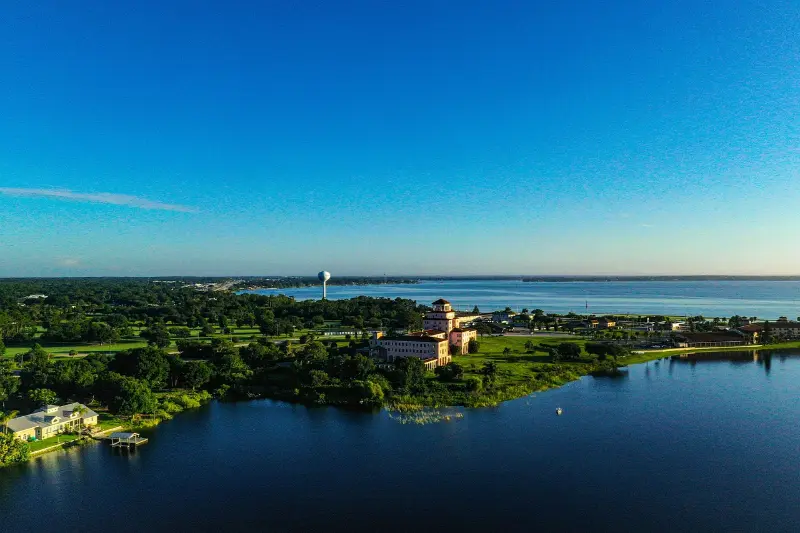
Cedar Key and Chiefland offer an appealing three-day introduction to Florida's Nature Coast, a region where tidal marshes, springs and small communities matter more than enormous beachfront resorts. Cedar Key sits beside the Gulf with a history linked to fishing, trade and island life; Chiefland is inland and provides easier access to supermarkets and nearby spring landscapes. These places complement each other without being interchangeable. The trip works for travelers who enjoy nature, local history and an unrushed meal. It is less suitable for someone expecting a continuous strip of broad swimming beaches or frequent city-style public transport.
Three-day summary
| Day | Main plan | Easier alternative |
|---|---|---|
| 1 | Cedar Key waterfront and local history | Museum and relaxed coastal meal |
| 2 | Manatee Springs and Chiefland | Short boardwalk and park facilities |
| 3 | Suwannee River or more Cedar Key | Close-to-town viewpoint |
Choose the coast or the inland base
Cedar Key has an intimate island-town atmosphere, small inns and holiday rentals, while Chiefland offers practical services along the road network. Staying in Cedar Key is appealing if you want evening walks near the waterfront and do not mind checking restaurant hours carefully. A Chiefland base may be more convenient for day trips to state parks and for anyone who values a familiar hotel layout and accessible parking. Compare exact travel routes and whether the lodging includes steps, an elevator or a ground-floor room. Older island buildings can be charming but not necessarily easy for a stroller or mobility device.
A car is strongly recommended for this itinerary. The route to Cedar Key passes through low coastal country, and severe weather or flooding can affect roads. Check local advisories rather than assuming access always works as on a normal sunny day. Rental descriptions such as “Gulf view” also deserve scrutiny: a view over tidal flats or a working harbor is not the same as immediate access to a sandy swimming beach. Book for the experience you actually want. A comfortable chair with a marsh view may be ideal for a quiet vacation, but it is not a substitute for a beach resort.
Day one morning: explore Cedar Key's compact town
Spend the first morning walking a manageable part of Cedar Key and getting a sense of its relationship with the Gulf. Small shops, galleries and local restaurants may be scattered over short blocks, so choose a pleasant loop rather than a complete circuit. The town has a strong coastal identity shaped by fishing, shipping and changing environmental conditions. A museum or local heritage display, if open, can deepen the visit. Check operating days and special closures before planning around a single attraction, particularly outside busier tourist periods.
A slower arrival helps you notice the details: boats working near the waterfront, birds over shallow water and the different appearance of the shore as the tide changes. Respect commercial areas and do not enter working docks or private property just to take photographs. Children may enjoy watching vessels from a safe public viewpoint, while a couple might appreciate an unhurried coffee. For visitors who cannot walk far, pick a convenient parking area and remain close to a restaurant with accessible facilities. Day one is about discovering a particular coastal town, not completing a strenuous hike.
Day one afternoon: bay views instead of assumed swimming
The shore around Cedar Key is influenced by shallow Gulf waters and extensive tidal habitat. This is not the same swimming environment as the wide, clear Gulf beaches farther west or south. Water may be muddy or shallow, and marine conditions change with wind and tides. Use official public access locations and follow safety signs. Do not wade into unfamiliar marsh or tidal flats simply because a map shows “beach.” If you are interested in kayaking or a guided boat trip, select a reputable operator and check weather, tides, life jackets and cancellation terms.
A shore-based afternoon can still be enjoyable. Look for public coastal viewpoints, birdwatching opportunities and a meal in town. A tide change may reveal or cover different parts of the landscape, making repeated views interesting. Families who do not want a boat outing can focus on a small museum, an early dinner and rest. Those with limited mobility should ask whether the specific boardwalk or waterfront path is step-free and where parking is available. Avoid promising a sunset boat trip before checking whether it operates on the day you are visiting.
Day two morning: Manatee Springs State Park
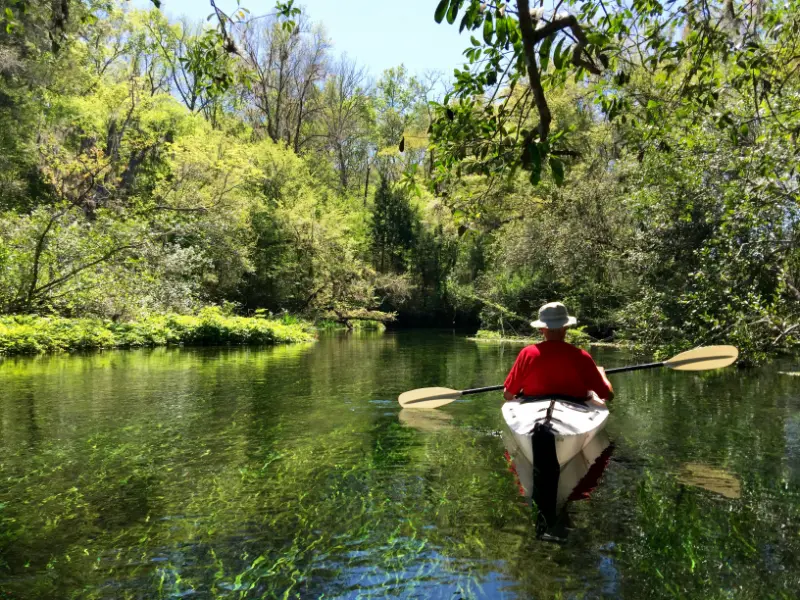
Travel inland for Manatee Springs State Park near Chiefland. The park protects spring and river habitats and includes a boardwalk through a cypress setting. Check the official park website shortly before the visit: in October 2026, the park reports construction affecting the ranger station, Hickory Camp Loop and waterfront picnic area, and a separate closure of the waterfront restroom and dump station. That makes it important not to build the plan around a particular facility without confirmation. Arrive with water and a clear idea of which amenities are available for your group.
The boardwalk can be an appealing way to appreciate the natural setting without renting a boat. Manatees sometimes use warm springs in cooler periods, but they are wild and sightings are not guaranteed. Do not enter restricted areas or try to attract animals. Swimming and paddling rules can vary with park conditions and seasonal protection measures; follow staff instructions. Families may enjoy a nature walk and a picnic, while travelers who prefer comfort can concentrate on the most convenient viewpoint. Do not assume every portion of the park is accessible simply because one route is paved.
Day two afternoon: Chiefland services and a quieter afternoon
Following the springs, return to Chiefland for lunch and practical errands. This is the right moment to replenish sunscreen, water, medications or groceries for the final day. It may not sound like a major attraction, but a well-timed supply stop makes a rural coastal trip more comfortable, especially with small children. If everyone has energy, explore a nearby public green space or local heritage site after verifying that it is open. Avoid adding a second distant spring merely because it seems close in a straight line on the map.
Chiefland's role in this holiday is partly logistical, and that can be an advantage. Travelers with a baby might need laundry or a quiet room for naps, while seniors may want a relaxed meal and time indoors in the hottest hours. A couple could use the afternoon to explore a local café or head back toward Cedar Key for evening light. The important distinction is that a day at a spring is an outdoor activity in its own right. Packing the remaining afternoon with more driving often reduces the enjoyment of the natural setting.
Day three: Suwannee River views or a second Cedar Key morning
Choose the last day according to interests and the direction of your next journey. A visit toward the Suwannee River region can offer additional nature viewpoints and a sense of the inland waterways that shape North Florida. Select a specific publicly accessible location with confirmed facilities; do not treat a random riverbank on a map as a safe or legal stopping place. Water levels, currents and wildlife can make swimming hazardous outside managed areas. A guided nature outing may be worthwhile, but it should be booked only after confirming weather and accessibility.

The alternative is an extra morning in Cedar Key, perhaps for art shops, a museum you missed or simply another Gulf view at a different tide. This makes particular sense if you are leaving in the afternoon or if someone finds longer drives tiring. A family with children may prefer a predictable lunch and an easy departure. For travelers who enjoy photography or birding, a carefully chosen waterfront stop may provide a new experience without traveling farther. Three days offer enough variety without turning the Nature Coast into a competition to visit the most springs.
Understand wildlife, insects and coastal weather
This region contains wetlands and important wildlife habitats, including areas where alligators may live. Follow park guidance around freshwater, keep pets and children away from shorelines where swimming is not designated, and never feed wild animals. Insect activity can be intense, particularly near marshes and during warmer months. Pack suitable repellent, long sleeves where comfortable and shoes that can handle damp ground. Birdwatching is often rewarding from boardwalks or overlooks; leaving the trail to pursue a photograph risks damaging sensitive habitats.
Heat and lightning can disrupt summer afternoons, while tropical weather may affect both coast and inland roads during hurricane season. Check forecasts and local emergency notices rather than relying only on national weather icons. Flooding on a low coastal route can change your travel plan substantially. If a park or bridge is closed, do not drive around barricades or assume a side road is safe. Visitors without swimming plans can still enjoy the region's environmental story, and choosing land-based activities may make the trip more comfortable for a mixed-age group.
Budget and what to bring
The main costs are accommodation, vehicle travel, food, park admissions and any guided water outing. A shore walk can be inexpensive, but rural distances may mean more fuel and longer driving than a visitor expects. Compare the complete accommodation cost, including cleaning fees, and decide whether a kitchen is useful. Small-town restaurants can have limited opening hours, so a few basic groceries are valuable. Carry water, sun protection, a portable charger and any medications you cannot easily replace. Download maps for areas where phone service may be less reliable.
For very young children, plan short outdoor blocks and verify restroom locations before leaving the hotel. School-age visitors may enjoy learning about springs, tides and wildlife; teenagers might prefer kayaking if they meet safety requirements. Older travelers can enjoy boardwalks and waterfront restaurants with minimal strenuous activity, provided the actual access is checked. Those with mobility needs should inquire about the full route from parking to viewpoint. A good Nature Coast holiday is not judged by how many miles you paddle or how far you walk, but by the quality of time spent in the landscape.
Final planning checks and a realistic route
Before travel, confirm current status at Manatee Springs State Park, including construction and restroom access, and check official Cedar Key travel advisories. Verify any boat excursion with the operator and note that wildlife is never guaranteed. Decide which day will involve the longest drive and arrange a simple meal nearby. If severe weather threatens, keep the itinerary flexible and follow local safety instructions. Visiting state parks does not require adopting an adventurous approach when members of the group would rather remain on boardwalks.
In three days, Cedar Key and Chiefland can reveal an often-overlooked part of Florida: a working Gulf town, a natural spring and the inland waterways that connect the state's coastal ecology. The best approach is modest in scale and attentive to conditions. Spend time learning how the tide changes the shore, how springs feed rivers and how local communities live with a natural environment that is both generous and vulnerable. Those observations can make this quiet trip memorable long after the drive home.
Frequently asked questions
Does Cedar Key have resort-style swimming beaches?
Its shoreline is largely tidal and marshy; it is not the same beach environment as larger Gulf resorts.
Are all facilities open at Manatee Springs?
No. As of October 2026 construction and restroom closures are posted. Check the latest park alerts.
Do I need a car for this itinerary?
A car is recommended for the journey between the island town, inland services and nature stops.