Category: Ponte Vedra Beach Florida

  • Ponte Vedra Beach Travel Guide: Beaches, TPC Sawgrass, Parking, Families and Where to Stay

    Ponte Vedra Beach Travel Guide: Beaches, TPC Sawgrass, Parking, Families and Where to Stay

    Ponte Vedra Beach is often described as the polished northern neighbor of St. Augustine, but that shorthand misses what makes it useful in a Florida itinerary. The area combines wide Atlantic beaches, world-famous golf, upscale resorts, quiet residential stretches and easy access to both natural preserves and the historic attractions of St. Augustine.

    Explore this guide

    It is not a compact downtown destination where every sight is reached on foot. A good trip depends on choosing the right base, understanding where public beach access is practical and deciding whether golf, beach time, nature or relaxation is the priority. Travelers who plan those choices in advance usually enjoy Ponte Vedra more than visitors who simply drive the coastline hoping to find a convenient parking lot.

    Family tipFor families, couples and multigenerational groups, Ponte Vedra works especially well as a calmer beach base with day trips to St. Augustine. Golf travelers can reverse that logic and make TPC Sawgrass the anchor, then use the coast and historic city as secondary experiences.

    Quick planning summary

    • Best for: beach vacations, golfers, couples, families, resort stays, senior travelers and visitors who want a quieter base north of St. Augustine
    • How much time: one relaxed day for a beach-and-golf-area sampler; two to four nights if using Ponte Vedra as a coastal base
    • Current public-access context: St. Johns County lists public access and parking at locations including Mickler’s Landing and other beachfront parks; spaces can fill quickly on warm weekends and holidays
    • Best season: spring and fall for the easiest mix of beach weather and lower heat; winter for golf and walking; summer for warm ocean days with afternoon storm planning
    • Good pairings: St. Augustine historic district, GTM Research Reserve, Nocatee Preserve and Jacksonville beaches

    What Ponte Vedra Beach is really like

    Ponte Vedra is spread along A1A and inland residential/golf communities rather than built around one central tourist strip. That makes it feel calmer than many Florida beach towns, but it also means a rental car or personal vehicle is useful unless you plan to remain at a resort for most of the stay.
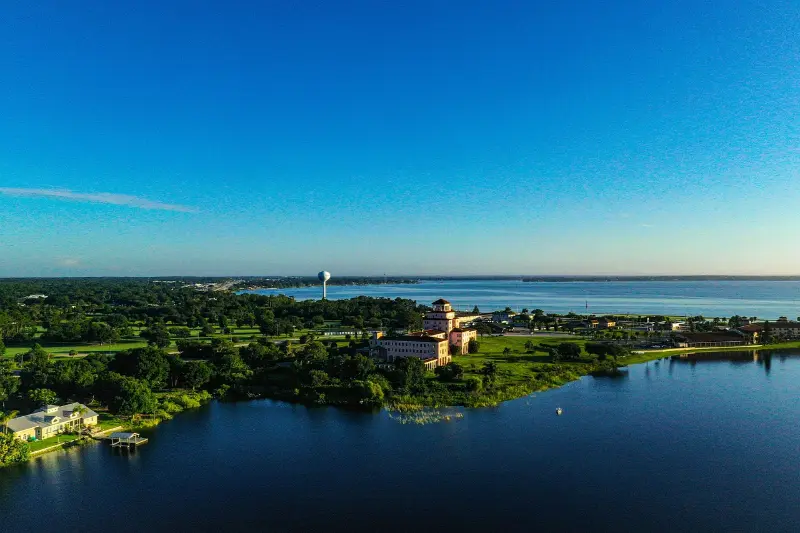
    Florida Resort and Ocean View from Above

    The coastline is the constant: broad Atlantic views, dunes and long walks. Public access is more limited than in St. Augustine Beach, so knowing the specific access point matters. Mickler’s Landing is one of the most practical public beach choices and has restrooms, showers and designated parking.

    Best things to do in Ponte Vedra Beach

    Spend a beach morning at Mickler’s Landing

    Mickler’s Landing is the easiest starting point for visitors who want a straightforward public beach day. Arrive early on weekends, especially in summer, because parking can fill long before midday. The beach is better suited to walking, swimming when conditions are favorable, shelling and relaxed family time than to a tightly scheduled sightseeing plan.

    The sand and surf change with tide and weather. Families should check beach flags and use staffed lifeguard areas when available seasonally rather than assuming calm-looking water is risk-free.

    Visit TPC Sawgrass even if you do not play golf

    TPC Sawgrass is the area’s signature landmark. The clubhouse is currently open to the public daily, with complimentary storyteller tours offered on a schedule. That makes it possible to appreciate the venue, PGA TOUR history and views toward the famous Stadium Course without booking an expensive round.

    Golfers who want to play should treat it as a major budget item and reserve carefully around tournament and maintenance closures.

    Add nature at GTM or Nocatee

    The northern St. Johns County coast is more than resorts and golf. GTM Research Reserve is the strongest choice for coastal ecology, trails and a visitor-center experience, while Nocatee Preserve offers a quieter inland trail system for walking, biking and birding.

    These natural areas are especially valuable when a family wants an active morning before the heat builds or when a beach day becomes too windy for comfortable swimming.

    Use Ponte Vedra as a base for St. Augustine

    Historic St. Augustine is close enough for a half-day or full-day trip, but it feels completely different. Park once near the historic core, then walk between Castillo de San Marcos, St. George Street and other downtown attractions.

    Returning to a quieter beach hotel after a crowded sightseeing day can be an excellent rhythm for travelers who enjoy history but do not want to sleep in the busiest part of the destination.

    Beach access and parking

    St. Johns County maintains a detailed beach-access directory with parking counts, dune crossings, ADA notes, restrooms and seasonal lifeguard information. In the Ponte Vedra area, Mickler’s Landing is the best-known public facility, while additional access points farther south and around Guana offer different parking and boardwalk arrangements.

    Do not assume every oceanfront road has public parking. Many stretches are residential or resort-oriented. On peak weekends, arriving before the main beach rush can save substantial time. The county also operates seasonal holiday shuttles to Mickler’s from Cornerstone Park on selected high-demand weekends.

    TPC Sawgrass: what non-golfers should know

    The TPC Sawgrass clubhouse is currently open to the public, with dining, a golf shop and complimentary storyteller tours. Even travelers who do not follow professional golf may enjoy the architecture and the scale of a venue designed around THE PLAYERS Championship.

    Tournament week is a completely different experience from an ordinary visit. Access, parking, clubhouse use and pricing can change sharply around THE PLAYERS, so check the official schedule before building a Ponte Vedra trip around the course.

    Where to stay in Ponte Vedra

    Choose an oceanfront resort when the beach, spa, pools and on-property dining are the main purpose of the trip. Choose a hotel closer to A1A or the TPC area when golf and driving access matter more than waking up on the sand. Families planning multiple St. Augustine day trips may prefer a location with easy road access rather than the most isolated beachfront setting.

    Ponte Vedra generally leans upscale, so compare the total cost rather than only the nightly rate. Resort fees, parking, breakfast and beach equipment can change the real budget more than a small difference in room price.

    Families with babies and young children

    Ponte Vedra can be excellent with small children when the hotel has easy beach access, a pool and convenient food. For public beach days, arrive early enough to secure parking and carry more shade and water than you think you will need.

    With babies and young children, plan around shade, bathrooms, snack breaks and opportunities to move rather than trying to maximize the number of attractions. In northeast Florida, heat and humidity can change a child’s energy level faster than distance on a map suggests. A shorter paid attraction followed by a playground, beach or easy walk often works better than stacking two information-heavy visits back to back.

    Teenagers and older children

    Teenagers often enjoy a mix of beach time, golf culture, biking or nature trails more than a resort-only schedule. Let them choose between a TPC visit, a longer beach session or an active nature stop.
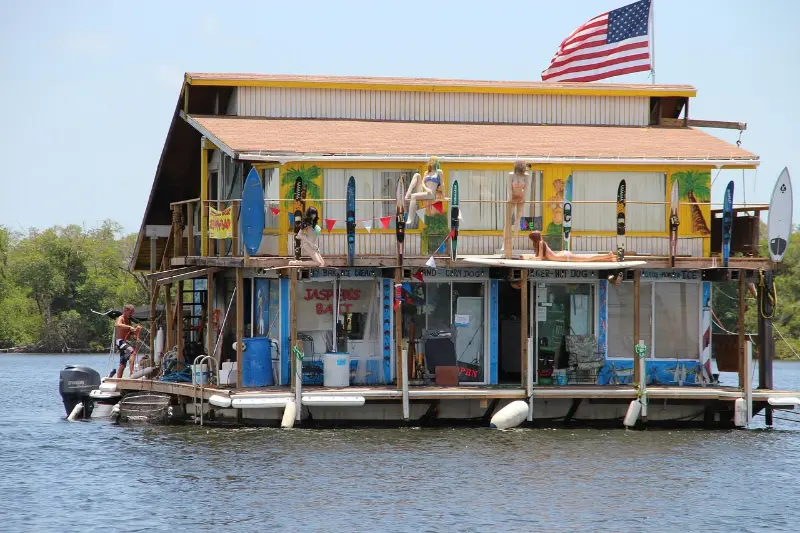
    American Flag outside Florida Wooden Beach House

    Teenagers usually engage more when they have a specific task or choice: follow one historical story, find a favorite viewpoint, photograph a landmark, choose the lunch stop or compare two activities. Giving them some ownership of the schedule can make a history-heavy destination feel much less like a school assignment.

    Senior travelers and multigenerational groups

    Senior travelers can enjoy Ponte Vedra at a relaxed pace, especially when staying near the beach or golf facilities. The main challenge is not distance between attractions but sun, soft sand and parking logistics at public beach access points.

    For multigenerational travel, remove unnecessary walking before removing the destination itself. Park strategically, use benches, choose cooler hours and let the least mobile traveler set the base pace. More active family members can add a stair climb, long trail or beach walk while everyone else meets at a clear landmark, lobby, pavilion or café.

    Accessibility and comfort

    Public beach facilities vary significantly. Mickler’s includes accessibility features, but a Mobi-Mat or boardwalk may still end before firm sand. Confirm the exact access route needed for the day.

    Accessibility can change by surface and activity even when a facility has accessible parking and restrooms. Historic floors, dune crossovers, sand, roots, gravel and outdoor heat all matter. If a traveler uses a wheelchair, walker or cane, confirm the exact route needed for the part of the experience you care about most rather than relying only on a general accessibility label.

    Food and dining strategy

    Ponte Vedra has everything from resort dining to casual coastal restaurants, but the most convenient option depends heavily on where you stay. If you are visiting only for the day, combine meals geographically with the beach or TPC rather than crossing the area repeatedly.

    During tournament weeks and major event periods, popular restaurants can become much busier. Reservations are worth considering for an important dinner, while breakfast and lunch are easier if you keep one flexible option.

    How Ponte Vedra compares with St. Augustine Beach

    Choose Ponte Vedra when you want a quieter, more upscale coastal feel, golf and resort amenities. Choose St. Augustine Beach when walkable beach-town services and easier access to the historic city are more important. Vilano Beach sits between those styles, with quick access to downtown and a less urban beach atmosphere.

    Weather and seasonal planning

    Northeast Florida is visitable year-round, but the experience changes sharply with the season. Late spring through early fall brings heat, humidity and frequent afternoon thunderstorms. Winter often has comfortable walking weather, yet cold fronts can make beaches and exposed waterfronts surprisingly cool and windy. Spring and fall usually provide the easiest compromise between temperature and daylight.

    Lightning is the main reason to keep a flexible plan. At beaches, golf courses, parks and open historic sites, thunder is a cue to move indoors rather than shelter under a tree or pavilion. During hurricane season, check operating status before driving because coastal parks, bridges, beach ramps and attractions can close or alter hours even when the storm center is far away.

    A realistic one-day Ponte Vedra plan

    Morning: beach or nature

    Start early at Mickler’s Landing for a beach walk, or choose a trail at GTM/Nocatee if surf conditions are poor. Keep the morning flexible because beach parking and weather are the variables most likely to change the day.

    Midday: TPC Sawgrass

    Move inland for the clubhouse, golf shop and a complimentary storyteller tour if operating. Have lunch nearby rather than driving back to the beach immediately.

    Late afternoon: coast and sunset-style light

    Return to the shoreline for a walk when the heat eases, or continue south toward Vilano and St. Augustine for dinner. The Atlantic coast faces east, so sunrise is the classic ocean-view moment; late-day light is softer for dunes and portraits even without a direct sunset over the water.

    Common mistakes to avoid

    • Assuming every oceanfront road has public parking.
    • Arriving at Mickler’s at midday on a peak summer weekend and expecting an easy space.
    • Treating TPC Sawgrass like a normal public park during tournament or maintenance periods.
    • Underestimating the distance between beach, golf and St. Augustine stops.
    • Booking an upscale resort without comparing parking, resort fees and meal costs.

    Official resources to check before you go

    Use Florida’s Historic Coast for destination planning, St. Johns County Beach Services for current public beach access, and TPC Sawgrass for clubhouse, golf and tournament information.

    Extra planning notes for a smoother visit

    Keep a 15–30 minute buffer between major stops around Ponte Vedra Beach. Short map distances can still involve bridge traffic, event congestion, full parking lots, security lines or slow pedestrian streets. A little slack in the day prevents one delay from forcing you to skip the attraction you cared about most.

    Save the official address, parking instructions and any reservation confirmation before leaving your hotel. Mobile coverage is generally good, but a group trying to navigate, find a garage and retrieve tickets at the same time can lose more time than expected.

    Use official same-day notices for outdoor access. Beach driving, dune walkovers, trails and event parking can change because of tide, storms, maintenance or special events. A map app showing a place as open does not guarantee every activity or entrance is operating normally.

    Comfortable shoes are more important here than they may seem. A single day can include brick streets, wooden boardwalks, grass, sand, gravel and historic floors. Choose footwear for the most demanding surface in the itinerary, not only for the restaurant or photo stop at the end.

    Build one flexible element into every half day. A beach walk, café, park or scenic drive can expand when everything is running smoothly and shrink when parking, weather or fatigue slows the group down. That flexibility is especially valuable with children and senior travelers.

    Think about the return trip before you begin the final activity of the day. After a beach session, concert, long museum visit or golf round, the group is less patient with restaurant queues and parking searches. Keep water in the car and know where your next practical stop will be.

    Final thoughts

    Ponte Vedra Beach works best when you choose a clear purpose for the trip: beach relaxation, golf, a resort escape or a quieter base for northeast Florida. Once that decision is made, the area becomes easy to organize and a strong complement to the historic intensity of St. Augustine.
  • Best Beaches in St. Augustine and Ponte Vedra: Parking, Swimming, Beach Driving and Family Guide

    Best Beaches in St. Augustine and Ponte Vedra: Parking, Swimming, Beach Driving and Family Guide

    Choosing the best beach around St. Augustine is less about finding one universally superior stretch of sand and more about matching the beach to the day you want. Families may prioritize restrooms and lifeguards, nature travelers may prefer protected coastline, drivers may want legal vehicle access, and couples may care more about quiet space than nearby restaurants.

    Explore this guide

    St. Johns County and Florida’s Historic Coast offer roughly 42 miles of Atlantic shoreline from Ponte Vedra south toward the Matanzas area. Public access, parking, dune crossings and vehicle rules vary significantly, so the easiest beach for one traveler can be the most frustrating for another.

    This guide compares the beaches that are most useful for visitors rather than ranking them by scenery alone. The goal is to help you decide where to park, what facilities to expect and which beach fits children, seniors, surfers, walkers or a relaxed half day.

    Quick answer: which beach should you choose?

    • Best all-round beach-town experience: St. Augustine Beach
    • Best state-park beach: Anastasia State Park
    • Best quiet family beach: Crescent Beach
    • Best for easy access north of downtown: Vilano Beach
    • Best Ponte Vedra public beach: Mickler’s Landing
    • Best for nature: GTM/Guana access areas
    • Best for combining beach and national monument: the Matanzas/Crescent Beach area

    St. Augustine Beach: best for convenience and a classic beach-town day

    St. Augustine Beach is the easiest recommendation for first-time visitors who want restaurants, nearby services, multiple access points and a lively but family-friendly atmosphere. It is also convenient when staying on Anastasia Island.

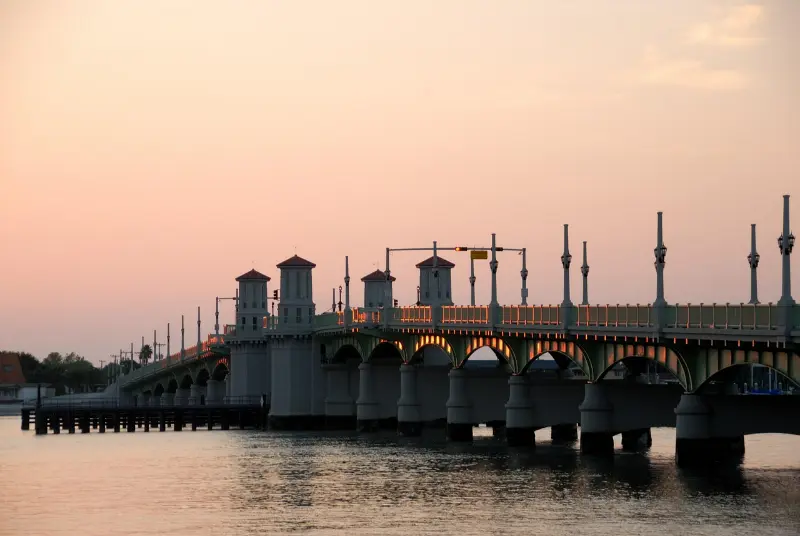
    Bridge of Lions Saint Augustine at Sunset

    Parking can still be competitive on summer weekends, and the county pier area has experienced construction/closure changes, so check current status rather than assuming every facility around the pier is open.

    Anastasia State Park: best for dunes, nature and a controlled park setting

    Anastasia State Park combines more than 1,600 acres of beach, marsh and maritime habitat with a state-park entry system. Current admission is $8 per vehicle, with lower rates for single occupants, pedestrians and bicyclists.

    Choose Anastasia when you want natural scenery, birding, beach time and park amenities in one place. It is less convenient for restaurant-hopping than St. Augustine Beach but much stronger for a nature-focused half day.

    Crescent Beach: best for a quieter family day

    Crescent Beach has a calmer residential feel and practical public facilities. The county lists 104 parking spaces at the main access, accessible restrooms, outdoor showers and both pedestrian and authorized vehicle access.

    This is a strong choice for families and travelers who want a broad beach without needing a commercial strip immediately behind them.

    Vilano Beach: best for quick access from historic St. Augustine

    Vilano Beach is just north of the historic core and can be a convenient beach add-on after downtown sightseeing. The county lists public parking, restrooms, showers and a Mobi-Mat at the northern access, though some dune crossings still involve stairs or soft sand.

    Vilano is also one of the designated vehicle-access points, currently restricted to 4WD for driving onto the beach when conditions permit.

    Mickler’s Landing: best public beach in Ponte Vedra

    Mickler’s Landing is the most useful public-beach recommendation for Ponte Vedra visitors. The county lists more than 200 parking spaces, showers, changing rooms, accessible restrooms and a Mobi-Mat designed to ease access.

    Its main weakness is popularity. Parking can fill on summer weekends and holidays, which is why the county sometimes operates a free seasonal shuttle from Cornerstone Park on major holiday weekends.

    GTM and Guana beaches: best for nature

    GTM Research Reserve and Guana-area access points give the northern coast a more protected, less developed feel. They are better for nature lovers, long walks and combining beach time with trails or environmental interpretation.

    Some parking areas sit across A1A from the beach, so crossing safely at designated points matters. Facilities and stair counts vary by access.

    Beach driving: what visitors need to know

    St. Johns County currently allows vehicles on about 12 miles of designated beach. During the peak toll season, currently March through September, vehicles need a beach pass. Access depends on tides, sand and weather, and several ramps require or strongly favor 4WD.

    Driving on the beach is not a guaranteed parking solution. Ramps can close temporarily, vehicle capacity can fill and sea-turtle nesting season brings gate-hour restrictions. Check same-day county updates before relying on vehicle access.

    Best beaches for families with young children

    Prioritize lifeguard presence, restrooms, short walks from the car and the ability to leave quickly when children are tired. St. Augustine Beach, Crescent Beach, Mickler’s Landing and Anastasia State Park are the most practical starting points.

    No beach is automatically “safe” because it has gentle-looking waves. Rip currents and shore break can occur throughout the coast. Use staffed lifeguard zones when available and read the beach flags.

    Best beaches for senior travelers and accessibility

    Accessibility varies more than most visitors expect. A boardwalk can be wheelchair-friendly yet end at soft sand; a Mobi-Mat can reduce but not eliminate the challenge of reaching firm beach. Mickler’s, Vilano and Crescent all publish specific accessibility details, while the county also provides beach-wheelchair information.

    For travelers who mainly want ocean views rather than swimming, an accessible viewing platform may be more comfortable than attempting a long sand crossing.

    Best beach for surfers and active travelers

    Surf conditions change daily, and experienced local surfers use multiple breaks depending on swell, wind and tide. St. Augustine Beach and the inlet areas are commonly associated with surfing, but beginners should use reputable lessons rather than choosing a break based only on online photos.

    Dogs on the beach

    Florida’s Historic Coast notes that dogs are permitted on most area beaches when leashed, but rules can differ by park and protected area. State parks, wildlife refuges and specific conservation zones may have stricter policies. Check the exact beach before bringing a dog.

    Weather and seasonal planning

    Northeast Florida is visitable year-round, but the experience changes sharply with the season. Late spring through early fall brings heat, humidity and frequent afternoon thunderstorms. Winter often has comfortable walking weather, yet cold fronts can make beaches and exposed waterfronts surprisingly cool and windy. Spring and fall usually provide the easiest compromise between temperature and daylight.

    Lightning is the main reason to keep a flexible plan. At beaches, golf courses, parks and open historic sites, thunder is a cue to move indoors rather than shelter under a tree or pavilion. During hurricane season, check operating status before driving because coastal parks, bridges, beach ramps and attractions can close or alter hours even when the storm center is far away.

    A simple beach-selection strategy

    If parking convenience matters most

    Choose a large formal facility and arrive early: St. Augustine Beach, Crescent, Anastasia State Park or Mickler’s.

    If scenery and nature matter most

    Choose Anastasia State Park or GTM/Guana. Bring water and accept that food and commercial services are less immediate.

    If you are combining with historic St. Augustine

    Vilano or Anastasia Island usually minimize driving. A beach stop after downtown can be excellent, but leave enough time to change clothes and avoid carrying sand into a formal dinner or museum.

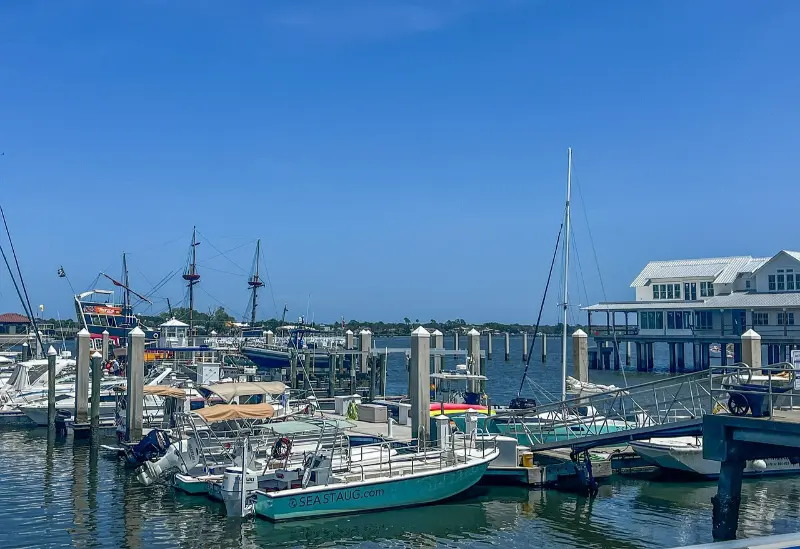
    Sailing Boats in Saint Augustine Florida Marina

    Common mistakes to avoid

    • Choosing a beach only by distance without checking parking and facilities.
    • Assuming beach driving is always open.
    • Leaving valuables visible in a vehicle.
    • Ignoring beach flags, lightning and rip-current risk.
    • Expecting every accessible boardwalk to continue across soft sand to the water.

    Official resources to check before you go

    Use St. Johns County Beach Access for parking, ramps and accessibility, and Florida’s Historic Coast beaches guide for broader trip planning.

    Extra planning notes for a smoother visit

    Keep a 15–30 minute buffer between major stops around St. Augustine and Ponte Vedra beaches. Short map distances can still involve bridge traffic, event congestion, full parking lots, security lines or slow pedestrian streets. A little slack in the day prevents one delay from forcing you to skip the attraction you cared about most.

    Save the official address, parking instructions and any reservation confirmation before leaving your hotel. Mobile coverage is generally good, but a group trying to navigate, find a garage and retrieve tickets at the same time can lose more time than expected.

    Use official same-day notices for outdoor access. Beach driving, dune walkovers, trails and event parking can change because of tide, storms, maintenance or special events. A map app showing a place as open does not guarantee every activity or entrance is operating normally.

    Comfortable shoes are more important here than they may seem. A single day can include brick streets, wooden boardwalks, grass, sand, gravel and historic floors. Choose footwear for the most demanding surface in the itinerary, not only for the restaurant or photo stop at the end.

    Build one flexible element into every half day. A beach walk, café, park or scenic drive can expand when everything is running smoothly and shrink when parking, weather or fatigue slows the group down. That flexibility is especially valuable with children and senior travelers.

    Think about the return trip before you begin the final activity of the day. After a beach session, concert, long museum visit or golf round, the group is less patient with restaurant queues and parking searches. Keep water in the car and know where your next practical stop will be.

    Final thoughts

    The best beach is the one whose parking, facilities and atmosphere match your group. First-time families usually do best with a formal beachfront park; nature travelers should choose Anastasia or GTM; golf and resort visitors in Ponte Vedra will find Mickler’s the most practical public option.

    How to decide whether this belongs in your itinerary

    A useful test is to ask what this stop adds that your other plans do not. If the day already contains two history museums, choose nature, beach or active recreation instead of a third similar attraction. If everyone has been outdoors in the heat, an indoor or seated experience may be the better use of time. Variety usually creates better travel memories than simply maximizing the number of famous names.

    For this destination, the practical goal is not to follow a rigid checklist but to leave enough margin for real conditions on the day. That may mean shortening a walk, moving a meal earlier, changing parking areas or dropping a low-priority stop. A trip feels more complete when the experiences you keep are enjoyed at a reasonable pace.

    Transportation reality

    Northeast Florida distances can look small on a map, but bridges, beach traffic, event congestion and parking searches affect real travel time. Group nearby stops and avoid crossing the same bridge repeatedly. When an attraction has a timed tour or concert gate time, build the schedule backward from that fixed commitment and keep flexible activities around it.

    For this destination, the practical goal is not to follow a rigid checklist but to leave enough margin for real conditions on the day. That may mean shortening a walk, moving a meal earlier, changing parking areas or dropping a low-priority stop. A trip feels more complete when the experiences you keep are enjoyed at a reasonable pace.

    Planning for meals and energy

    Meals are part of the itinerary rather than empty space between attractions. Eating slightly before peak lunch or dinner can reduce waits and protect the rest of the schedule. Families should carry simple snacks, while all travelers benefit from water in the car. After a hot beach or trail session, a long sit-down meal may be more restorative than forcing one more attraction before dinner.

    For this destination, the practical goal is not to follow a rigid checklist but to leave enough margin for real conditions on the day. That may mean shortening a walk, moving a meal earlier, changing parking areas or dropping a low-priority stop. A trip feels more complete when the experiences you keep are enjoyed at a reasonable pace.

    Photography without slowing the whole group

    Choose two or three moments for deliberate photography instead of stopping every few minutes. Early and late light is usually softer on beaches and historic architecture, while overcast conditions can be excellent for gardens and portraits. At wildlife sites, use distance and a longer lens rather than approaching animals. At active churches, concerts and private tours, follow the specific photography rules.

    For this destination, the practical goal is not to follow a rigid checklist but to leave enough margin for real conditions on the day. That may mean shortening a walk, moving a meal earlier, changing parking areas or dropping a low-priority stop. A trip feels more complete when the experiences you keep are enjoyed at a reasonable pace.

    What to do when plans change

    Have one backup in the same geographic area. If a beach closes to driving, use a pedestrian access rather than crossing the county for another ramp. If a thunderstorm delays an outdoor attraction, switch to a nearby museum or meal and return later. The strongest itineraries are modular: one change should not force a complete redesign of the day.

    For this destination, the practical goal is not to follow a rigid checklist but to leave enough margin for real conditions on the day. That may mean shortening a walk, moving a meal earlier, changing parking areas or dropping a low-priority stop. A trip feels more complete when the experiences you keep are enjoyed at a reasonable pace.

  • Where to Stay in St. Augustine and Ponte Vedra: Best Areas for Families, Couples, Beaches and History

    Where to Stay in St. Augustine and Ponte Vedra: Best Areas for Families, Couples, Beaches and History

    Where you stay can change a St. Augustine trip more than the difference between two similarly rated hotels. A room in the historic district makes evening walking effortless but can add parking cost and noise. A beach hotel gives you sunrise and sand but requires driving to downtown. Ponte Vedra offers resorts and golf, while I-95-area hotels can save money at the cost of atmosphere.

    Explore this guide

    There is no single best area. The right base depends on the part of the trip you want to make easiest: historic sightseeing, beach time, golf, family logistics, nightlife or road-trip access.

    For short stays, choose one base and accept a little driving rather than changing hotels. St. Johns County is large enough that moving luggage usually costs more time than it saves.

    Quick answer: best area by traveler type

    • Best for first-time sightseeing: Historic District / bayfront
    • Best for beach families: St. Augustine Beach or Anastasia Island
    • Best for a quieter coast close to downtown: Vilano Beach
    • Best for golf and upscale resort stays: Ponte Vedra Beach
    • Best for road trips and lower prices: I-95 / US 1 outer areas
    • Best for couples without much driving: historic district boutique inns or bayfront hotels

    Historic District and bayfront: best for first-time visitors

    Stay here when your priority is walking to Castillo de San Marcos, St. George Street, Flagler-era architecture, restaurants and evening atmosphere. You can often leave the car parked for most of the day.

    The trade-offs are price, parking and potential noise. Historic inns can have stairs, small rooms and limited parking; larger downtown hotels may charge substantial parking fees. Read the parking policy as carefully as the room rate.

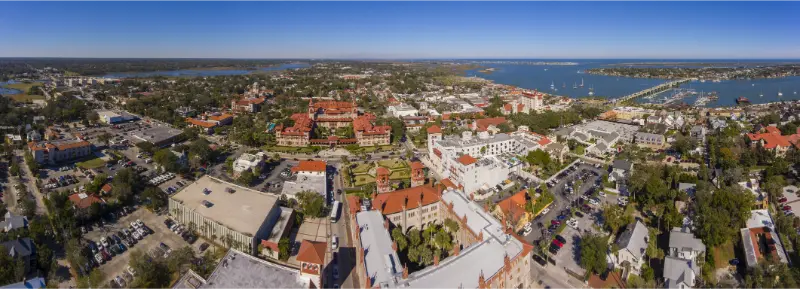
    Saint Augustine Florida Historic District Aerial

    Anastasia Island: best balance of attractions and coast

    Anastasia Island is ideal when you want quick access to the lighthouse, Alligator Farm, Anastasia State Park and The Amp while remaining a short drive from the historic core.

    This is one of the strongest areas for families because beach, wildlife and outdoor activities are easier to reach without giving up downtown entirely.

    St. Augustine Beach: best for a traditional beach vacation

    Choose St. Augustine Beach when mornings on the sand, pools, casual restaurants and a beach-town feel matter more than walking to historic attractions.

    You will drive or use rideshare for downtown sightseeing, especially at night. The reward is that beach time can happen spontaneously rather than requiring a separate day trip.

    Vilano Beach: best for quiet coast plus quick downtown access

    Vilano Beach sits just north of the historic district across the water. It offers a quieter coastal feel and convenient access to A1A, with easier northbound trips toward GTM and Ponte Vedra.

    Vilano works particularly well for repeat visitors and couples who want to avoid the busiest downtown atmosphere while still reaching it quickly.

    Ponte Vedra Beach: best for resorts and golf

    Ponte Vedra Beach is the premium choice for TPC Sawgrass, upscale resorts, spas and a quieter northern-coast vacation. It is farther from the historic core, so daily St. Augustine sightseeing requires more driving.

    Choose Ponte Vedra when the resort or golf experience is itself the purpose of the trip, not when you plan to spend every morning and evening downtown.

    I-95 and outer St. Augustine: best for road trips and budget

    Hotels near the interstate often provide easier parking, larger modern rooms and lower rates than the historic core. They are practical for one-night stops, travelers continuing north or south, and families visiting attractions by car.

    The disadvantage is atmosphere. You will drive for almost everything and lose the ability to step outside after dinner into the historic streets or onto the beach.

    Best area for families with young children

    St. Augustine Beach and Anastasia Island are usually easiest because children can alternate attractions with beach, pool or outdoor time. Look for included parking, breakfast, laundry access and enough room to handle naps or early bedtimes.

    A beautiful historic inn may be less practical with a stroller if the room is upstairs, parking is remote or there is no space to decompress after a busy day.

    Best area for teenagers

    Beach areas are often easiest because teens can have some independence around the sand, pool and nearby casual food. Anastasia Island also keeps the lighthouse, Alligator Farm and Amphitheatre close.

    Best area for senior travelers

    The historic district reduces driving but can involve brick streets, stairs and valet parking. Modern hotels on Anastasia Island or St. Augustine Beach may offer easier elevators, larger accessible rooms and simpler vehicle access. Choose the property by mobility needs rather than by neighborhood name alone.

    Best area for couples

    Historic-district inns are strongest for atmosphere, dining and evening walks. Vilano works for a quieter coastal escape. Ponte Vedra suits couples who want spa, golf and resort amenities more than sightseeing density.

    Parking and hidden costs

    Always compare total stay cost. Downtown valet parking, resort fees, destination charges and breakfast can erase an apparent rate advantage. Conversely, a slightly more expensive walkable hotel can save garage fees, rideshares and time.

    If bringing a rental car, confirm whether parking is guaranteed, valet-only or first-come. During major festivals and holiday periods, this detail becomes even more important.

    How many nights should you stay?

    One night is enough for a road-trip sampler but forces difficult choices. Two nights supports one full historic day plus an island/beach day. Three or four nights allows Ponte Vedra, GTM, Fort Matanzas or a slower beach schedule without sacrificing St. Augustine evenings.

    When changing hotels makes sense

    A split stay can work when the trip has two genuinely different purposes—for example, two nights walking the historic district followed by three nights at a Ponte Vedra resort. It rarely makes sense simply to save 15–20 minutes of driving for one attraction.

    Weather and seasonal planning

    Northeast Florida is visitable year-round, but the experience changes sharply with the season. Late spring through early fall brings heat, humidity and frequent afternoon thunderstorms. Winter often has comfortable walking weather, yet cold fronts can make beaches and exposed waterfronts surprisingly cool and windy. Spring and fall usually provide the easiest compromise between temperature and daylight.

    Lightning is the main reason to keep a flexible plan. At beaches, golf courses, parks and open historic sites, thunder is a cue to move indoors rather than shelter under a tree or pavilion. During hurricane season, check operating status before driving because coastal parks, bridges, beach ramps and attractions can close or alter hours even when the storm center is far away.

    Booking strategy

    For major event periods, holiday weekends and the winter festival season, book the neighborhood you truly want before chasing the lowest rate. For ordinary weekdays, compare refundable rates across two or three areas and revisit prices as the trip approaches.

    Read the most recent guest comments specifically for parking, noise, elevators, air conditioning and room layout. Those practical details often matter more than whether the lobby photographs well.

    Common mistakes to avoid

    • Choosing a hotel by star rating without considering location.
    • Ignoring parking or resort fees.
    • Booking a historic inn with stairs when mobility is limited.
    • Staying far west of town to save money while planning every day downtown.
    • Changing hotels unnecessarily on a short trip.

    Official lodging resource

    Use Florida’s Historic Coast lodging directory to compare current hotels, inns, resorts, campgrounds and vacation rentals across St. Augustine and Ponte Vedra.

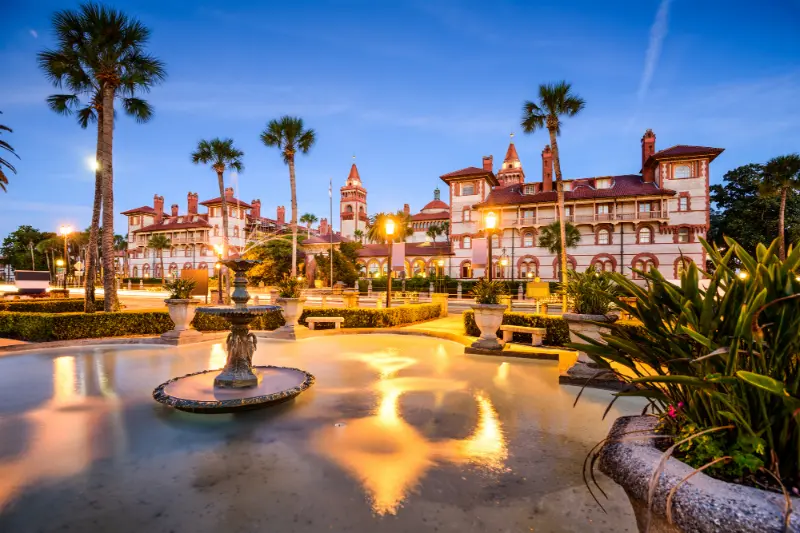
    Saint Augustine Florida Historic Street at Dusk

    Extra planning notes for a smoother visit

    Keep a 15–30 minute buffer between major stops around St. Augustine and Ponte Vedra. Short map distances can still involve bridge traffic, event congestion, full parking lots, security lines or slow pedestrian streets. A little slack in the day prevents one delay from forcing you to skip the attraction you cared about most.

    Save the official address, parking instructions and any reservation confirmation before leaving your hotel. Mobile coverage is generally good, but a group trying to navigate, find a garage and retrieve tickets at the same time can lose more time than expected.

    Use official same-day notices for outdoor access. Beach driving, dune walkovers, trails and event parking can change because of tide, storms, maintenance or special events. A map app showing a place as open does not guarantee every activity or entrance is operating normally.

    Comfortable shoes are more important here than they may seem. A single day can include brick streets, wooden boardwalks, grass, sand, gravel and historic floors. Choose footwear for the most demanding surface in the itinerary, not only for the restaurant or photo stop at the end.

    Build one flexible element into every half day. A beach walk, café, park or scenic drive can expand when everything is running smoothly and shrink when parking, weather or fatigue slows the group down. That flexibility is especially valuable with children and senior travelers.

    Think about the return trip before you begin the final activity of the day. After a beach session, concert, long museum visit or golf round, the group is less patient with restaurant queues and parking searches. Keep water in the car and know where your next practical stop will be.

    Final thoughts

    The best place to stay is the area that removes the hardest part of your trip. Put history outside your door if you plan to walk all day, put the beach outside your door if children need daily sand time, and choose Ponte Vedra when golf or resort relaxation is the main event. Location should solve a problem, not simply look good on a map.

    How to decide whether this belongs in your itinerary

    A useful test is to ask what this stop adds that your other plans do not. If the day already contains two history museums, choose nature, beach or active recreation instead of a third similar attraction. If everyone has been outdoors in the heat, an indoor or seated experience may be the better use of time. Variety usually creates better travel memories than simply maximizing the number of famous names.

    For this destination, the practical goal is not to follow a rigid checklist but to leave enough margin for real conditions on the day. That may mean shortening a walk, moving a meal earlier, changing parking areas or dropping a low-priority stop. A trip feels more complete when the experiences you keep are enjoyed at a reasonable pace.

    Transportation reality

    Northeast Florida distances can look small on a map, but bridges, beach traffic, event congestion and parking searches affect real travel time. Group nearby stops and avoid crossing the same bridge repeatedly. When an attraction has a timed tour or concert gate time, build the schedule backward from that fixed commitment and keep flexible activities around it.

    For this destination, the practical goal is not to follow a rigid checklist but to leave enough margin for real conditions on the day. That may mean shortening a walk, moving a meal earlier, changing parking areas or dropping a low-priority stop. A trip feels more complete when the experiences you keep are enjoyed at a reasonable pace.

    Planning for meals and energy

    Meals are part of the itinerary rather than empty space between attractions. Eating slightly before peak lunch or dinner can reduce waits and protect the rest of the schedule. Families should carry simple snacks, while all travelers benefit from water in the car. After a hot beach or trail session, a long sit-down meal may be more restorative than forcing one more attraction before dinner.

    For this destination, the practical goal is not to follow a rigid checklist but to leave enough margin for real conditions on the day. That may mean shortening a walk, moving a meal earlier, changing parking areas or dropping a low-priority stop. A trip feels more complete when the experiences you keep are enjoyed at a reasonable pace.

    Photography without slowing the whole group

    Choose two or three moments for deliberate photography instead of stopping every few minutes. Early and late light is usually softer on beaches and historic architecture, while overcast conditions can be excellent for gardens and portraits. At wildlife sites, use distance and a longer lens rather than approaching animals. At active churches, concerts and private tours, follow the specific photography rules.

    For this destination, the practical goal is not to follow a rigid checklist but to leave enough margin for real conditions on the day. That may mean shortening a walk, moving a meal earlier, changing parking areas or dropping a low-priority stop. A trip feels more complete when the experiences you keep are enjoyed at a reasonable pace.

    What to do when plans change

    Have one backup in the same geographic area. If a beach closes to driving, use a pedestrian access rather than crossing the county for another ramp. If a thunderstorm delays an outdoor attraction, switch to a nearby museum or meal and return later. The strongest itineraries are modular: one change should not force a complete redesign of the day.

    For this destination, the practical goal is not to follow a rigid checklist but to leave enough margin for real conditions on the day. That may mean shortening a walk, moving a meal earlier, changing parking areas or dropping a low-priority stop. A trip feels more complete when the experiences you keep are enjoyed at a reasonable pace.