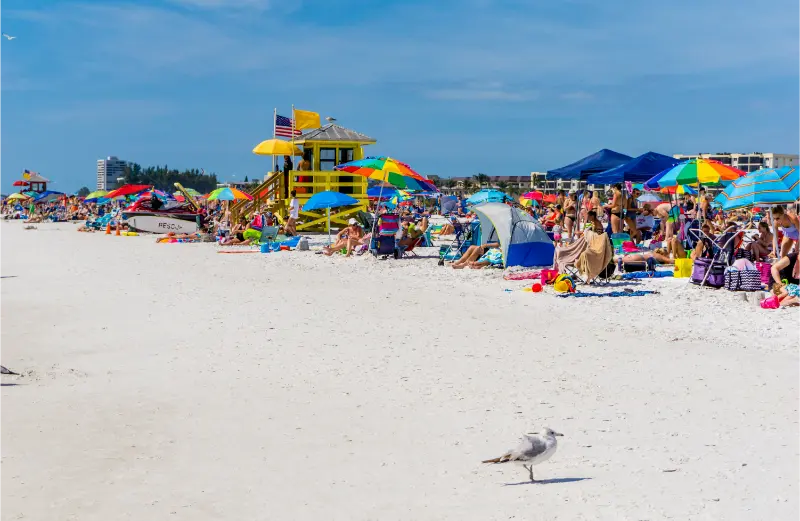
Category: Sarasota Florida

  • Florida With a Baby Ages 0–2: A Gentle Five-Day Sarasota Vacation

    Florida With a Baby Ages 0–2: A Gentle Five-Day Sarasota Vacation

    Taking a baby to Florida does not have to mean spending the vacation in your hotel room. The secret is choosing a base where you can enjoy small, satisfying outings between feeds and naps. Sarasota, on Florida’s Gulf Coast, makes an appealing starting point: it offers bayfront views, public parks, beaches and gardens, with indoor cultural choices if the weather changes. None of those advantages removes the need for careful planning, especially with a baby who is not yet walking.

    This five-day plan is designed for parents and caregivers traveling with a child from birth to about two years old. It deliberately avoids long drives, complicated attraction schedules and ambitious beach sessions. The proposed stops are options, not daily obligations; many families will enjoy only one main activity each day. The goal is to make the holiday relaxing for adults while protecting the baby’s comfort and safety.

    Choose your Sarasota base before choosing activities

    There is an important distinction between sleeping in downtown Sarasota, on Siesta Key, or farther south near Osprey. Downtown can make restaurants, errands and cultural activities easier; an island location can simplify returning to the beach between naps, but may have seasonal congestion and less convenient grocery shopping. A quieter inland vacation rental can offer more space and a kitchen, yet could require driving for nearly every outing. Choose based on the daily pattern you expect, not only the prettiest listing photograph.
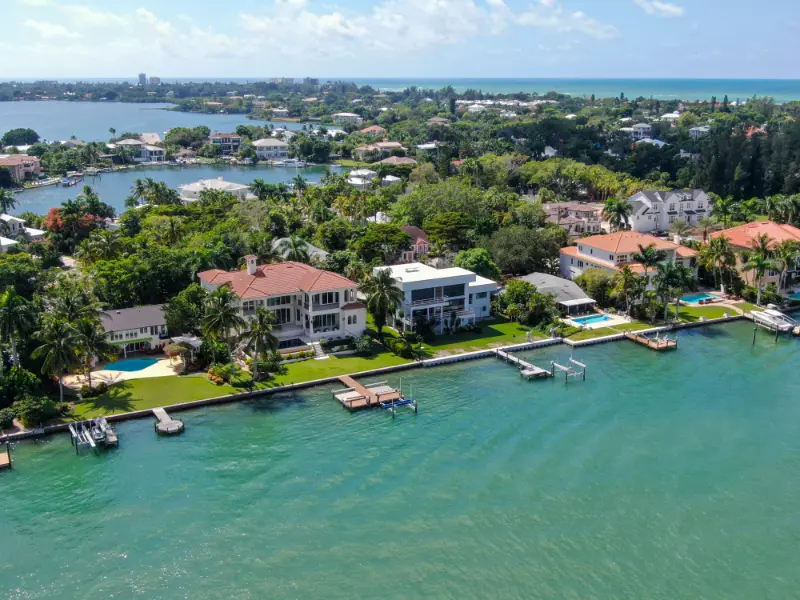
    Sarasota Florida Canalfront Houses Aerial

    With a baby, the most valuable amenities can be ordinary: a separate sleeping space, efficient air conditioning, a shaded outdoor area, laundry access, blackout curtains and a refrigerator. Ask whether a crib is a genuine full-size crib or another sleep product, and confirm what bedding is provided. You should follow current safe-sleep recommendations from your child’s clinician or a trusted pediatric authority rather than improvising with sofas, adult beds or loose bedding.

    If a caregiver has limited mobility, request the exact lift, ramp and bathroom details. A ground-floor rental does not automatically mean a step-free entrance. Hotel resort charges and parking fees matter when you are mostly enjoying the property, so compare the full stay price. A beautiful beachfront balcony is less useful than being able to settle a sleeping baby without constant noise.

    Day one: settle in and enjoy the bayfront, briefly

    Keep arrival day almost empty. Collect the rental car or transfer, secure the child restraint correctly, and drive directly to your accommodation. If the baby is hungry, stop in a suitable safe place rather than trying to complete a scenic detour. After checking in, locate a nearby grocery store and pharmacy, then let everyone rest. Bring familiar feeding supplies and enough essentials for the first night in case a store has limited hours.

    If the family feels up to it, choose a short, stroller-friendly area near Sarasota Bay. The downtown bayfront offers an opportunity to see the water without committing to swimming or carrying equipment onto the sand. Find a shaded seat, enjoy an early meal and return before tiredness turns the outing into work. If the weather is hot, an air-conditioned lobby or hotel room is a perfectly respectable first attraction.

    Do not plan a late sunset excursion with a very young baby just because travel photographs make it look effortless. Florida’s evenings can bring mosquitoes, high humidity or thunderstorms. A brief outing at the right moment will be more memorable than a long one that ends with a distressed child.

    Day two: Siesta Key as a morning beach visit

    A beach morning is often easier than a beach afternoon, particularly in warm weather. Choose a public beach access with available facilities, verify current parking rules and check local beach advisories before leaving. Siesta Key is well known, which also means that parking and busy periods can be challenging. If you are staying away from the island, arrive early enough to avoid circling for a space, or select a quieter beach with a shorter journey from your hotel.

    With a baby, think of the beach as a place to look at the sea, feel a little breeze and take family photographs—not a place where everyone must stay for four hours. Create shade with a suitable shelter that is safely anchored and allowed at that beach; monitor temperature and airflow. Keep infants, particularly very young ones, out of direct intense sun and follow age-appropriate sun-protection advice. Sand, salt water and waves introduce practical issues even when the surface appears calm.

    Never leave a child near the water unattended. Do not assume shallow water is automatically safe, and follow warning flags and lifeguard advice. If the beach is crowded or hot, a twenty-minute shoreline visit followed by lunch indoors is still a success. Once back, rinse sand from equipment and allow time for an uninterrupted nap.

    Day three: Marie Selby Botanical Gardens with a stroller

    The Downtown Sarasota campus of Marie Selby Botanical Gardens is a pleasant change from busy sand. Gardens provide interesting colors, textures and shaded spaces for adults, while a baby can ride in a stroller or carrier. According to the garden’s official visitor guidance, visitors may bring their own strollers; strollers are not supplied for guests. Benches and restrooms are available, but you should still check current paths, exhibits and policies before the visit.

    Make this a morning outing and aim to see just part of the collection. Pause under shade, take time to look at interesting plants and choose a calm spot to feed your child. Botanical gardens are living sites: flowers change through the year, some paths may be wet, and special events can alter the visitor experience. Do not promise yourself one specific bloom, photo location or climate-controlled exhibition without checking.

    A baby may be entertained by rustling leaves and contrasting shapes for a few minutes, while adults can enjoy the setting more fully by taking turns pushing the stroller. If you have an older sibling, give them a simple nature challenge—find a large leaf, a bright flower and a different tree shape—without touching protected plants or disturbing wildlife.

    Day four: choose a calm museum or Historic Spanish Point

    This is the flexible day. If the weather is comfortable and everyone slept well, the Historic Spanish Point campus in Osprey offers a mix of outdoor landscape, archaeology and local history. The official visitor guide says strollers are welcome and notes that the campus covers substantial ground, with sunny and shaded areas. That means it is a better outing when you are comfortable with walking and can stop frequently; it is not automatically the easiest choice for every caregiver.

    If rain or heat make outdoor walking unattractive, consider a modest museum visit instead. The Ringling is a Sarasota cultural landmark, but check current gallery, event and stroller policies at The Ringling’s official site before setting out. A baby who is comfortable in a carrier may find an art museum quieter than a loud interactive attraction, although some galleries are not ideal for an active toddler who wants to touch everything.

    Do not attempt both stops in one afternoon. Pick one based on weather, caregiver energy and the baby’s mood. A family travel plan is successful when it leaves room to change course without feeling that you have lost the day.

    Day five: a gentle breakfast and one favorite place again

    The final morning is for returning to the place that worked best. Perhaps that is a bayfront bench, a quiet garden section, a familiar café near the hotel, or a shaded park with enough room for an older sibling to move around. Repeating a good outing can be more enjoyable than driving to a new attraction simply to make the itinerary sound more impressive.

    Pack the night before departure and leave enough time to check the room for feeding supplies, toys, chargers and medications. If your flight is later, ask about luggage storage and baby-changing facilities; do not count on a late checkout unless confirmed. Remember that travel days can be hot and tiring even when the distance on a map looks short.

    For a five-night trip rather than four, add an extra rest day in the middle. If the family needs longer naps, reduce outings further. Sarasota’s appeal here is its variety within a manageable area, not the need to visit everything.

    Baby gear worth bringing and what can be rented

    A reliable child restraint is essential whenever the child rides in a car. Rental-car agencies may offer child seats, but availability, models and installation arrangements vary. Confirm ahead of time and check that the seat is suitable for the child’s age, size and circumstances. A stroller with sun protection, a carrier the caregiver can use comfortably, a changing kit and washable layers are usually more useful than an elaborate list of specialized beach toys.

    For accommodations, confirm safe sleeping arrangements rather than merely asking “Do you have a crib?” Ask the dimensions or model if necessary, whether it is assembled on arrival, and whether there are stairs between parking and the room. If you plan to rent a stroller, crib or other equipment from a third party, verify delivery windows and cancellation terms. Avoid depending on a late delivery for the first night.

    Pack enough food or formula for predictable feeding while accounting for applicable storage recommendations and airport security rules. A small insulated bag may help on short outings, but it does not replace food-safety guidance. Keep a separate dry set of clothes in the car and a second bag for wet or sandy items. Parents rarely regret taking fewer activities and more practical supplies.

    Weather, sun, insects and the right daily rhythm

    Florida’s Gulf Coast can have intense heat, humidity, sudden storms and seasonal mosquito activity. Choose mornings for outdoor outings when conditions permit, but check the actual forecast rather than relying on a fixed formula. For infants, overheating is a concern; avoid covering strollers with blankets that restrict airflow. Keep the baby appropriately hydrated according to age and medical guidance, and take frequent breaks in air-conditioned spaces.

    Check National Weather Service forecasts and beach flags or local marine conditions on the day of a shore visit. Never wait on an open beach when thunder is audible. If the forecast is poor, take a rest day, choose a suitable indoor cultural outing or enjoy an easy meal near the accommodation. A flexible itinerary works even when the weather does not cooperate.

    The baby’s needs also change with age. A newborn has different feeding, shade and immunity concerns from a curious 20-month-old who wants to run toward water. Modify every activity according to the child in front of you; neither a recommended age on a brochure nor an appealing photograph should override the family’s judgment and pediatric advice.

    Sample daily schedule and expenses to check

    Time Gentle daily rhythm Why it helps
    7:30–9:00 a.m. Breakfast, feeding, prepare gear Avoids rushing into heat
    9:00–11:00 a.m. One beach, garden or bayfront outing A manageable main activity
    Late morning Return or have a calm lunch Reduces overstimulation
    Early afternoon Nap and indoor break Rest for the entire group
    Late afternoon Optional short local outing Easy to skip if needed
    Evening Familiar dinner and bedtime Makes the next day easier

    When comparing costs, include the accommodation’s full nightly rate, parking, any resort fee, a suitable rental car or transfer, groceries, one or two paid attractions and equipment rental if necessary. Families with babies may spend less on tickets but more on a comfortable room and flexible transport. That is not wasted money: convenience can be the main feature of a good first vacation with a young child.

    Frequently asked questions

    Is Sarasota a good Florida destination with a baby under one?

    It can be, especially if you choose one base near the outings you want and prioritize shade, safe sleep, comfortable transport and short activities. Discuss any special health concerns with your pediatric clinician before flying.

    Do we need to visit the beach every day?

    No. Short bayfront walks, gardens, a calm museum and time at a suitable hotel can create a rewarding trip. Beach conditions, heat and the baby’s mood should decide whether sand is on the schedule.

    Is a rental car necessary for a Sarasota baby vacation?

    A car is useful if you plan to move between the city, Siesta Key and Osprey, but it is possible to arrange a quieter stay with fewer outings and other transportation. Always verify an appropriate child restraint for each car journey.


  • Florida Botanical Gardens Road Trip: Seven Days From Lake Wales to Miami

    Florida Botanical Gardens Road Trip: Seven Days From Lake Wales to Miami

    Florida’s gardens reveal a side of the state that theme parks and beaches cannot show. Tropical collections, flowering plants, conservation projects, historic estates and quiet shaded paths can form an entire vacation, especially for travelers who enjoy photography, horticulture or slower days outdoors. This seven-day route begins at Bok Tower Gardens in Lake Wales, continues to Sarasota, reaches Naples and ends at Fairchild Tropical Botanic Garden in the Miami area. It works best by car and is easier as a one-way trip than as a loop. Gardens are living places: flower displays change with seasons, outdoor conditions affect comfort and special exhibitions may alter ticket prices. A beautiful garden vacation begins with accepting that the experience will not look identical on every visit.

    Who will most enjoy this route

    Garden enthusiasts will appreciate the contrast between subtropical native landscapes, carefully designed display gardens and international plant collections. Couples can turn each stop into a slow morning followed by a relaxing meal; families with children can look for interactive garden areas and trails where kids can explore without long queues. Older adults may find the frequent seating and opportunities to take breaks appealing, although accessibility varies between gardens and even between paths on the same property. Photographers should consider light and weather rather than chasing every location at midday. People with severe pollen sensitivities should investigate bloom conditions and speak with a clinician about their individual needs.

    The itinerary assumes seven calendar days and six nights, with arrival in Central Florida and departure from the Miami area. Overnight distribution is flexible: one night around Lake Wales, two around Sarasota, one near Naples and two around Miami will minimize some driving. A traveler who wants fewer hotel changes could stay longer in Sarasota and treat nearby places as day trips. Do not assume all sites permit pets, tripods, drones or commercial photo sessions. Read visitor guidance before bringing special equipment; plant collections require protection from accidental trampling and equipment placed off paths.

    Miami Road Intersection with Palm Trees

    Day 1: arrive near Lake Wales and protect the afternoon

    Travel toward Lake Wales and settle into accommodation close enough to allow an early garden visit next morning. Bok Tower Gardens is south of the Orlando metropolitan area, but it should not be treated as a casual extra stop after an overnight international flight. The surrounding Lake Wales Ridge has a landscape and ecology distinct from coastal Florida. Use the arrival afternoon for an easy meal, a nearby walk and familiarizing yourself with the next day’s route. If you have a rental car, understand toll options, the fuel policy and how parking works before you drive into a rural area after dark.

    Research the official Bok Tower visitor information, including current admissions, accessibility, garden etiquette and events. Weather may influence the timing of a planned music or outdoor experience. Look at distances between the entrance, gardens and other features rather than expecting a compact city park. For families, prepare a scavenger-hunt idea involving leaves, flower shapes or birds without collecting plant material. For anyone who uses a mobility device, identify which garden routes and facilities work with the equipment that will actually be used.

    Day 2: Bok Tower Gardens and the Lake Wales Ridge

    Spend the morning at Bok Tower Gardens. The tower and its surrounding designed landscape create a setting where the soundscape, plants and paths all matter. Rather than walking directly to the best-known photo spot, notice the vegetation and how the garden frames long views. Visitors interested in horticulture can study planting combinations; children may enjoy comparing different textures and spotting wildlife from designated paths. Check any posted restrictions on entering lawn or conservation areas. Protect a substantial morning for the site rather than moving on after a single photograph.

    After lunch, travel toward Sarasota with a rest stop. Do not add a second major garden attraction on the same day: driving, hotel check-in and meals take longer than map estimates suggest. If you want a small additional outing, consider a manageable waterfront stroll near your Sarasota accommodation. Sarasota’s hotel geography matters: downtown may be convenient for the botanical garden, whereas barrier-island lodging can involve bridge traffic and beach-related premiums. Decide whether garden access or an ocean view is the core priority and book accordingly.

    Day 3: Marie Selby Botanical Gardens' downtown campus

    The Downtown Sarasota campus of Marie Selby Botanical Gardens focuses on a remarkable collection of tropical plants, particularly plants that grow on other plants without taking nourishment from them, known as epiphytes. The conservatory is worth time for orchids, bromeliads and the feeling of entering a very different environment from coastal Sarasota. The official Selby Gardens visitor page identifies the downtown campus and its separate Historic Spanish Point site, along with current practical details. Do not book one campus believing admission automatically includes every program at the other.

    Miami Downtown Bridge over River and High Rises

    The Ann Goldstein Children’s Rainforest Garden can make this day engaging for families, while serious plant enthusiasts may prefer extra time in display areas and interpretation. Keep camera bags compact and respect paths and plant protection barriers. Rain can change the atmosphere of a garden, but lightning and severe storms should send visitors indoors according to venue guidance. After the visit, choose a nearby lunch and a quiet afternoon. A day devoted to one garden is not an underused vacation day; it gives visitors time to notice details that disappear during a rushed tour.

    Day 4: Historic Spanish Point and a second kind of landscape

    Travel to Osprey for Selby Gardens’ Historic Spanish Point campus. Its interest is not identical to the downtown site’s collection. The campus combines native Florida environments, waterfront setting and interpretation of people who lived on this land across different periods. It is especially suited to visitors who enjoy learning how landscapes and human history interact. The grounds can require more outdoor walking and exposure than a conservatory. Check specific trail conditions and accessible routes, particularly following rain. A tranquil location can still have uneven paths and insects.

    Leave the remainder of the day flexible, possibly with a Sarasota museum or an early dinner before a subsequent transfer. If you want to visit a beach, choose one close enough to avoid a lengthy detour and check public access. The presence of tropical gardens does not mean every nearby waterfront is appropriate for swimming. Families with small children may enjoy collecting observations about plants and birds in a notebook; never remove shells, plants or historic material from protected settings. Stay a further night around Sarasota if the transfer to Naples would be tiring; the itinerary can be adapted by shifting the next day’s start.

    Day 5: Naples Botanical Garden with enough time to linger

    Travel south to Naples and visit Naples Botanical Garden, a destination in its own right rather than a minor stop on the way to Miami. The cultivated gardens explore plant life from different tropical and subtropical regions, with carefully designed visitor paths. Review the official Naples Botanical Garden information for opening times, wheelchair and scooter availability, ticket rules and current exhibitions. The garden publishes accessibility information covering its buildings and cultivated routes, but special areas may still have individual conditions. Visitors requiring a mobility device should confirm availability rather than arriving on the assumption that a limited rental fleet will be free.

    Choose a visit in the morning if temperatures are high. Families can compare different garden environments and make a game of noticing how leaves adapt to wet or dry conditions. Photographers should allow time for changing light instead of blocking narrow paths with equipment. Do not try to cover every trail if the party includes people who tire easily. Afterward, spend the rest of the day around a Naples hotel or local dining area. A sunset walk can be pleasant, but Gulf beach conditions, seasonal water quality and storms require the same attention as any other coastal outing.

    Day 6: drive across South Florida and select one Miami-area experience

    The trip from Naples toward Miami crosses a region with unique wetland ecosystems. It is tempting to schedule an Everglades excursion as a quick stop, but access roads, protected habitats, weather and the scale of the region make that unrealistic without planning. If a national-park visit is important, research the exact entrance and give it dedicated time on another day. This garden route instead prioritizes an unhurried transfer and an afternoon that can be adjusted around traffic. Never stop on a highway shoulder for wildlife photographs or approach animals along waterways.

    In Miami, stay somewhere that makes the final garden day straightforward. Fairchild Tropical Botanic Garden lies in Coral Gables, not in the center of Miami Beach, so a beach hotel may add a significant journey. Compare accommodation near Coral Gables with downtown or another location based on your departure airport and remaining interests. A neighborhood dinner or a short shaded walk is sufficient after driving. Prepare for the following morning by reviewing admission, accessible facilities and any exhibition closures. Parking and hotel costs can vary sharply by location.

    South Beach Miami Oceanfront Road and Palm Trees

    Day 7: Fairchild Tropical Botanic Garden and departure planning

    Finish the route at Fairchild Tropical Botanic Garden, where living collections and conservation work offer a fitting finale. The official Fairchild visit page introduces its tropical plant collections, butterfly experiences and visitor details. Focus on a few collections that connect with earlier stops: orchids seen in Sarasota, broad tropical foliage, native habitats and horticultural displays. The contrasts show that Florida’s garden institutions do not offer interchangeable experiences. Ask staff about seasonal highlights rather than assuming any particular tree or flower is at peak bloom year-round.

    If your flight departs on the same day, plan the garden visit around the airport journey rather than the reverse. Car returns and international security requirements may demand more time than a late morning outing allows. Families might prefer a brief garden visit followed by lunch near the airport; others should stay an extra night to enjoy Fairchild properly. Travelers with limited mobility should allow time for rest and accessible routes. A final calm morning can be more memorable than a frantic attempt to see every acre before departure.

    Weather, seasons and what will actually be in bloom

    A botanical-garden trip can succeed in every season, but its character changes. Cooler months often feel more comfortable for outdoor walking; summer brings lush growth, humidity and regular thunderstorms. Flowering periods vary by species, rainfall and temperature, so a generic claim that “spring is peak bloom” across all collections would be misleading. Consult each garden’s current calendar and ask what is flowering or featured in the month of travel. Special events can increase attendance and change admission procedures. During severe weather alerts, follow each venue’s instructions and do not remain outdoors for photographs.

    Mosquito protection is useful near wooded and wet areas, while shade and hydration matter even in winter. Carry drinking water and footwear appropriate for paths that may be damp. Garden cafés, restrooms, wheelchairs and shuttle arrangements should be checked before arrival when these are essential. For guests with sensory needs, choose quieter arrival periods and allow time to step away from crowded conservatory areas. The route is designed for lingering, so there is no reason to force a long visit when heat or fatigue makes it unpleasant.

    What the journey costs and where to stay

    The main expenses are accommodation, car rental, fuel, possible tolls, paid admissions and meals. Check whether children qualify for reduced tickets and whether any membership reciprocal benefits are available, but do not assume a membership at one garden admits you automatically to all others. Special exhibitions or events may require separate tickets. Families should calculate costs using each child’s actual age, not a generic “family” price. Avoid publishing a fixed full-trip total because hotel rates and tickets can change considerably across dates and booking channels.

    One-night stays are sometimes unavoidable on a one-way route, but packing can become tiring. A pair of nights in Sarasota and one around Naples can balance sightseeing and driving. If the group prefers less movement, remove the Naples stop or add an extra day rather than forcing every garden into one week. A refundable booking is especially useful in hurricane season. Choose rooms with convenient parking and step-free access when needed; the cheapest rate is not necessarily the best value if the garden day begins with a stressful commute.

    Garden route at a glance

    DayBase or regionMain garden focusPace
    1Lake WalesArrival and preparationEasy
    2Lake Wales to SarasotaBok Tower GardensHalf-day plus transfer
    3SarasotaSelby Downtown campusGarden morning
    4OspreyHistoric Spanish PointGarden and history
    5NaplesNaples Botanical GardenGarden and rest
    6Naples to MiamiScenic transferFlexible driving day
    7Coral GablesFairchild Tropical Botanic GardenVisit or departure

    Frequently asked questions

    Can I complete this garden route without a car?

    It would be difficult in its present form because Lake Wales, Osprey and Naples require separate ground transfers. A shorter city-based garden vacation may work better without driving.

    Are all four gardens suitable for children?

    Families can enjoy them, but play features, walking demands and rules differ. Look for the children’s areas and activities at each institution rather than assuming the entire property is a playground.

    Can wheelchair users enjoy the gardens?

    Many cultivated areas provide accessible facilities or paths, but conditions vary. Check each garden’s current accessibility guidance and equipment availability for your specific needs.

    Will I see orchids blooming at every stop?

    No particular bloom is guaranteed. Conservatories and living collections can offer interest year-round, but plant displays change with season and maintenance.

    Should I visit a beach on the same day as a large garden?

    Only if travel distances and everyone’s energy make it practical. A slower afternoon often adds more value than rushing to a beach with difficult parking.

    Official planning resources

    Consult Bok Tower Gardens, Marie Selby Botanical Gardens, Naples Botanical Garden and Fairchild Tropical Botanic Garden. Visitor conditions were reviewed in October 2026 and may change.

  • Florida Gulf-to-Atlantic Road Trip: Six Days from Sarasota to Vero Beach

    Florida Gulf-to-Atlantic Road Trip: Six Days from Sarasota to Vero Beach

    A Gulf-to-Atlantic Florida road trip is a different way to understand the state. Between the white-sand beaches and resort cities lie citrus ridges, freshwater lakes, historic downtowns, ranch country and wetlands that visitors often cross without stopping. Driving from Sarasota toward Vero Beach through the interior takes you through a Florida shaped by agriculture, small communities, and inland landscapes—not merely by theme parks and coastal hotels.

    This six-day itinerary travels east at a deliberately modest pace, using Sarasota, Lake Wales, Sebring and Vero Beach as anchors. It is best for travelers who enjoy cultural stops, scenic roads, gardens and manageable outdoor activity. It is not a rapid cross-state shortcut: the journey is meant to include stops, and the driving should always be adjusted for weather, traffic and personal comfort.

    Six days from the Gulf to the Atlantic

    Day Main area Main idea Suggested overnight
    1 Sarasota Gulf-side arrival and cultural afternoon Sarasota
    2 Sarasota to Lake Wales Inland scenery and Bok Tower Gardens Lake Wales or nearby
    3 Lake Wales Town history and lakeside landscape Lake Wales
    4 Sebring and Avon Park Highlands County lakes and downtowns Sebring
    5 Sebring to Vero Beach Eastward drive and lagoon arrival Vero Beach
    6 Vero Beach Garden, art or Atlantic shore Vero Beach or departure

    Why travel across rather than along the coast?

    Many first-time Florida itineraries remain on Interstate 75, Interstate 95, or the tourist districts around Orlando. A cross-peninsula journey shows how the terrain changes inland: coastal bays give way to higher sandy ridges, citrus heritage, interconnected lakes and working landscapes before the terrain descends toward the Indian River Lagoon and Atlantic Ocean. You do not have to be a committed nature enthusiast to appreciate the contrast.

    The Florida Scenic Highways program provides background on designated routes, including the Ridge region. Use that information for context, but choose each actual road based on current navigation, traffic advisories, and your vehicle’s needs. Scenic roads are public roads serving residents and businesses. Never stop in a traffic lane to photograph farmland or enter private orchards without permission.

    Six days allow real stops and two-night stays. If you have only two days, travel straight across and select one major garden or heritage stop. Trying to reproduce a six-day itinerary over a weekend defeats the purpose.

    Day one: begin beside Sarasota Bay

    Sarasota offers a comfortable first base when arriving from the Gulf Coast side of Florida. Choose a cultural afternoon rather than attempting beaches, museums and a distant drive at once. The Ringling complex is an option for visitors interested in art and the history of the Ringling family, while Sarasota’s downtown waterfront is an easier alternative for travelers who prefer short walks and a meal overlooking the bay. Check each institution’s admission arrangements and opening hours before choosing.

    Sarasota Bay Marina and Downtown Buildings at Sunset

    If you arrive after a long flight, focus on a short orientation. Buy snacks and water for the inland drive, collect necessary medication, and confirm that your rental vehicle suits your luggage and any mobility equipment. Sarasota traffic and causeway journeys can take longer at busy times. Do not plan a trip to a distant barrier island solely because you want a sunset on the first evening.

    For families, a hotel with breakfast and an accessible parking area can simplify the morning departure. For couples, a more central location may make the first night enjoyable on foot. Pick the accommodation that matches your intended activities rather than the broad location label.

    Day two: enter the Lake Wales Ridge

    Leave Sarasota after breakfast and drive toward Lake Wales via a route suited to current traffic and the day’s stops. Expect inland agricultural and suburban landscapes, not a continuous wilderness road. Bring snacks and allow for a rest break. The best destination is Bok Tower Gardens, known for its landscaped grounds and landmark singing tower in the Lake Wales area. Visit the official Bok Tower Gardens website to check admission, seasonal hours, musical programs and mobility-access information.

    Set aside enough time to enjoy the gardens at your own pace. Families with small children can focus on a manageable loop and resting areas rather than the entire property. Older adults may prefer shady paths and seating; confirm current routes if using a wheelchair or scooter because natural grades and garden surfaces can affect access.

    After the visit, check into a Lake Wales-area hotel and have dinner without another long drive. This day introduces the higher sandy ridge landscape that differs from Florida’s low coastal areas. There is no need to cram a second major attraction into the evening.

    Day three: a slower Lake Wales day

    Stay near Lake Wales for a second night. Explore its downtown, local heritage and the lakeside setting. The area’s identity includes citrus culture and a long history of inland development. Look for open local museums or historic points of interest, but do not assume small museums operate every weekday. Check their individual websites or contact them before traveling.

    A second visit to a garden or a relaxed outdoor stop can be more satisfying than a lengthy detour. Families might select a playground or short nature walk; photographers may enjoy early or late light across the lakes. Be careful around freshwater edges: alligators can inhabit suitable Florida waterways, and water should never be treated as safe for swimming simply because it looks calm.

    This is also a good day to refresh supplies, check the car’s fuel and tires, and look at the weather for the next stage. Longer road trips become much more pleasant when everyday logistics are handled during a quiet afternoon rather than when everyone is tired.

    Day four: the Highlands County lake district

    Drive south toward Sebring, with an optional stop around Avon Park if its downtown or local history interests you. The region is known for lakes and its inland Florida character. Sebring’s circular downtown is distinctive and works well for a short orientation, coffee and local exploration. Do not assume the city is organized like a resort: restaurants and shops may have varied hours, and a car remains useful for reaching nature sites.

    The Highlands Hammock State Park area can provide a natural contrast if park access and conditions are suitable. Check the Florida State Parks listing for current hours, trail conditions, fees and accessibility information. Some forest trails include boardwalks or uneven terrain, so choose according to your group’s ability. If the weather is oppressive, substitute a short drive and an indoor visit rather than pressing on with a long hike.

    Spend the night in Sebring to avoid a tiring two-hour onward drive after sightseeing. A one-night stay can work, but allow sufficient time to appreciate the small-town atmosphere and meal options.

    Day five: continue east to the Atlantic

    The route toward Vero Beach crosses working landscapes that can feel far removed from oceanfront Florida. The exact road should be selected with live navigation rather than following a rigid scenic label. In rural stretches, fuel and dining options may be farther apart than in Orlando or coastal cities. Refuel before running low, keep water in the car and avoid driving when tired. Observe lower speed limits through towns and watch for agricultural vehicles.

    Arrive at Vero Beach with enough daylight to orient yourself. Decide whether your accommodation is closer to the ocean, downtown, or the Indian River Lagoon. These parts of the region are not all interchangeable for walking. A beachside hotel can be delightful, but if you are primarily interested in gardens or museums, an inland base might offer more convenience.

    An evening near the lagoon can be a gentle introduction to the Atlantic side without swimming. Choose a public viewing area and observe wildlife at a respectful distance. Do not enter mangrove habitat or obstruct access to private docks.

    Day six: Vero Beach’s art, gardens and coast

    Spend the last full morning on one major activity. McKee Botanical Garden offers distinctive tropical plant collections and designed garden spaces; check its official visitor information for hours, admission and access conditions. Travelers who prefer art can look into the Vero Beach Museum of Art and its current exhibitions. Choose based on the interests and stamina of your party.

    An Atlantic beach visit can fit later in the day, but it is not a guaranteed safe swimming opportunity. Watch local surf conditions and warning flags, use staffed beaches when appropriate, and respect any water-quality advisories. The Atlantic shoreline behaves differently from Sarasota Bay or an inland lake. Even experienced swimmers should not treat it as a casual extension of the museum day without checking conditions.

    Sarasota Florida Bayfront Sunset Skyline

    If you are departing by air the same day, consider travel time to the actual airport and do not book a morning attraction that leaves no check-in margin.

    What kind of traveler will enjoy this route?

    The itinerary is particularly appealing to repeat Florida visitors who already know Orlando and the major beach resorts, couples looking for smaller cultural attractions, families with school-age children curious about landscapes, and older travelers who value two-night bases. It is less suitable if your main goal is daily nightlife or beachfront swimming, because several of the six days are inland.

    Travelers with limited mobility should confirm every accommodation and attraction individually. A beautiful ridge garden can include sloping paths, while a historic downtown may have irregular pavement and limited crossings. Use shorter visits and direct parking where appropriate. For young children, break the trip into regular stops and include one physical activity each day rather than expecting them to enjoy continuous driving and museum visits.

    A solo traveler can take the journey comfortably by staying in established hotels and avoiding isolated overnight parking. Share a simple itinerary with someone trusted, especially if exploring rural nature areas without reliable mobile reception.

    Food and cultural context along the way

    The inland portion reveals connections with citrus production, cattle, lakeside settlements and local food businesses. Stop at operating farm stands when permitted, but check seasons: fruit varieties and availability change throughout the year. Do not assume that every roadside orange sign represents a working visitor center. Respect private property and never photograph workers closely without consent.

    Seek out cafés and locally owned restaurants when they are open, while remaining realistic about service hours in smaller towns. If traveling with food allergies, call ahead and carry safe snacks rather than relying on the next stop to have suitable options. The pleasure of this route lies partly in noticing regional differences without turning people who live there into a tourist spectacle.

    Climate and seasonal choices

    Autumn through spring generally provides more comfortable conditions for inland sightseeing than the hottest summer afternoons, but temperatures and rain still vary. Winter cold fronts can be more noticeable around lakes and inland towns than visitors expecting constant tropical heat might anticipate. Summer introduces high humidity and thunderstorm risk. Schedule gardens and short walks earlier, keeping museums and driving for the hottest hours.

    Hurricane season can affect both coasts and the interior. Check weather advisories and road conditions rather than assuming an inland hotel is immune to heavy rain or power outages. The official Florida 511 traffic service can help with major road advisories. If flooding or severe weather makes a segment unsafe, change the route or remain an extra night in a secure location.

    Cost and logistics for a one-way trip

    A six-day road trip has a different cost profile from a six-night single-hotel vacation. Include rental-car one-way drop fees if collecting and returning at different airports, fuel, tolls, hotel parking, attraction tickets, and the time required to check in at multiple places. Car rental can be cheaper when returned to the same location, so compare a loop itinerary if airfares allow.

    Do not drive directly from the final Vero Beach attraction to a distant airport without a clear margin. On a map, the entire state may appear compact compared with the United States as a whole, but long highway transfers are tiring after a week of sightseeing. A final overnight near your departure airport might be the most practical choice.

    A sample plan can be adapted to four nights by cutting the second Lake Wales day and one night in Sarasota. With eight days, add one more night near Sebring or Vero Beach rather than inventing distant detours.

    Frequently asked questions

    Can I drive from the Gulf Coast to the Atlantic in one day?

    Yes, depending on the route and traffic. This six-day plan is designed for sightseeing and overnight stops, not the shortest possible cross-state transfer.

    Do I need a rental car for Lake Wales and Sebring?

    For this itinerary, a car is the practical choice because inland attractions and hotel bases are spread apart and public transport does not connect every stop conveniently.

    Is the route suitable for families and older travelers?

    Yes, when days are kept short and individual attraction access is checked. It is better to choose one main activity daily than to drive and sightsee without breaks.

  • Venice Florida Travel Guide: Beaches, Shark Teeth, Downtown, Cycling and Where to Stay

    Venice Florida Travel Guide: Beaches, Shark Teeth, Downtown, Cycling and Where to Stay

    Venice Florida is a relaxed Sarasota County Gulf Coast city with a walkable historic downtown, fossil-hunting beaches, cycling and a noticeably calmer pace than larger resort centers. The easiest way to enjoy it is to decide what role it should play in the wider Florida trip. It can be a self-contained two- or three-night stop, a quieter base near a larger destination, or a practical part of a longer road trip. What usually goes wrong is trying to make one hotel location serve beaches, museums, nature, nightlife and distant day trips equally well.

    I would plan Venice Florida around two priorities: where you want to spend the early morning and where you want to be after dinner. Those two choices determine whether you should stay by the beach, near the main downtown district or in a more spacious property farther out. The destination is particularly good for couples, senior travelers, families who prefer low-key beach days, cyclists, shell and fossil hunters, and road trippers linking Sarasota with Southwest Florida.

    Quick planning summary

    • Historic Downtown Venice — Downtown Venice is compact, attractive and easy to enjoy without an agenda.
    • Venice Beach — Venice Beach is the simple classic beach choice close to downtown.
    • Caspersen Beach and shark-tooth hunting — Caspersen is famous for fossilized shark teeth and feels more natural than many urban beaches.
    • The Legacy Trail and cycling — The Legacy Trail is one of the best reasons to add active time to a Venice stay.
    • Best stay strategy: choose the district that matches your first and last activity of the day, not the cheapest room on a map.
    • Best pacing: one major activity plus one flexible neighborhood, beach or park stop per day.
    • For families and seniors: protect a midday rest during hot weather and verify parking, shade and accessible routes before arrival.

    In this guide

    Why visit Venice Florida?

    Venice Florida works because it offers a clear identity without forcing every traveler into the same itinerary. A beach-first visitor can spend long mornings outdoors, while someone interested in culture can build the day around museums, local districts and dining. Families can alternate active mornings with easier afternoons, and couples can keep evenings walkable instead of driving from one isolated attraction to another.

    The destination also fits a broader Florida strategy. Rather than changing hotels every night, use it as a base and make selective day trips. This is usually more enjoyable than collecting cities. The reward comes from learning the rhythm of one place: which mornings are quiet, where parking becomes difficult, when the waterfront is comfortable and how much downtime your group actually needs.

    Where to stay in Venice Florida

    Historic downtown is the best base for restaurants, architecture and evening walks. Beach-adjacent lodging is better if you want sunrise or sunset access without driving. South Venice and newer areas can offer more space and value, but a car is usually required for sightseeing.

    Before booking, compare the full stay cost rather than the nightly rate. Parking, resort or destination fees, breakfast, beach equipment, kitchen access and the need for rideshare can change the value dramatically. A slightly more expensive hotel in the right district can be cheaper than a low room rate that requires two paid car trips every day.

    Florida Resort with Circular Building Aerial View

    Families should also check room layout, not just occupancy. A sofa bed that technically sleeps two children may be fine for one night but uncomfortable for a week. For senior travelers, elevator reliability, walk-in showers, short routes to the lobby and shade around the property can matter more than a rooftop pool.

    Best things to do in Venice Florida

    Historic Downtown Venice

    Downtown Venice is compact, attractive and easy to enjoy without an agenda. Shops, cafés, landscaped streets and historic architecture make it a natural morning or evening walk. It is also a good base for travelers who value short distances over a resort-style property.

    Venice Beach

    Venice Beach is the simple classic beach choice close to downtown. Arrive early in busy winter periods and check current parking and facility information. The Gulf is often gentler than the Atlantic, but conditions still change and water safety remains important.

    Caspersen Beach and shark-tooth hunting

    Caspersen is famous for fossilized shark teeth and feels more natural than many urban beaches. Bring a small sifter if you enjoy searching, but do not let the hunt replace awareness of surf, heat and children near the water.

    The Legacy Trail and cycling

    The Legacy Trail is one of the best reasons to add active time to a Venice stay. Cycling can connect communities and provide a different view of Sarasota County. Start early in warm months, carry water and choose a distance that leaves energy for the return ride.

    Parks, jetties and nearby nature

    Venice offers easy access to waterfront parks and coastal nature, while Myakka River State Park is a strong inland day trip. Fishing-pier and jetty conditions can change after storms, so verify access before building a day around a specific structure.

    Beaches, parks and outdoor time

    Venice is ideal for mixing short beach sessions with cycling and nature. The city is less about a single “must-see” attraction and more about a comfortable rhythm: beach in the morning, downtown lunch, rest, then a sunset walk. That pace works particularly well for seniors and families with younger children.

    Florida outdoor days are easiest when you schedule by temperature rather than by a rigid list. Put the longest walk, beach session, bike ride or wildlife activity early. Use lunch, a museum or the hotel for the hottest part of the day, then return outside later. In summer, thunderstorms can be brief but intense; in winter, a windy cold front can make an exposed beach far less comfortable than the air temperature suggests.

    Whenever swimming is part of the plan, check local flags, lifeguard coverage and current conditions. Never assume a calm-looking ocean or Gulf is risk-free, and do not build a family beach day around a tiny access point if you know you need toilets, shade and an accessible path.

    Getting there and around

    A car is useful for Caspersen Beach, Myakka River and wider Sarasota County, but downtown itself is walkable. Cyclists can use the trail network for recreation, though it should not be treated as a complete replacement for a vehicle if your accommodation is far from the center.

    For a rental car, include parking and tolls in the budget before pickup. For a car-free or partly car-free stay, check whether the hotel is truly within comfortable walking distance of restaurants and the activities you care about. Florida heat turns a pleasant-looking one-mile map walk into a very different experience at midday.

    Airport choice should be based on total transfer time and flight convenience, not only distance. A nonstop flight to a slightly farther airport can be easier than a connection that saves twenty minutes on the ground. If your trip combines several Florida regions, consider collecting or returning the rental car only for the road-trip segment.

    Best time to visit

    For most travelers, the cooler and drier part of the year offers the easiest outdoor conditions, but it also brings stronger seasonal demand in many Florida destinations. Spring can balance warm weather with fewer winter visitors, while summer offers long daylight and family travel availability at the cost of heat, humidity and frequent thunderstorms. Fall can be quieter, but tropical weather planning matters.

    Do not choose a month only from average temperature. Think about the activities that define your trip. Beach swimming, wildlife viewing, outdoor festivals, theme parks and restaurant-focused weekends all have different ideal conditions. Check event calendars and local school-holiday patterns before paying a non-refundable rate.

    Families, teens, seniors and accessibility

    Family tipFor families with babies or toddlers, reduce the number of transitions. One beach, one lunch area and one easy afternoon stop is enough for a good day. Teenagers usually enjoy having one activity with independence or adrenaline—surfing, cycling, shopping, paddling or an evening district—rather than being moved through adult sightseeing all day.

    Senior travelers often benefit from the same strategy: shorter walks, earlier starts, reliable seating and a hotel near dinner. If mobility is limited, verify accessible parking, ramps, beach mats, wheelchairs or boarding assistance directly with the responsible attraction or local authority. “Accessible” can mean very different things depending on whether the challenge is a museum floor, soft sand or a small boat.

    Multigenerational groups do not need to remain together every hour. Plan one shared anchor each day, then allow a split. Grandparents can return to the hotel while teenagers stay at the beach; one adult can take children to a playground while another visits a museum. Regrouping for dinner is often more successful than forcing everyone to follow the most demanding itinerary.

    A practical 3-day Venice Florida itinerary

    Day 1: understand the center

    Check in, explore the primary downtown or visitor district and keep the first evening easy. Choose a walkable dinner and one short attraction or waterfront stop. Arrival days are the wrong time to schedule a prepaid activity that becomes stressful if the flight, rental car or traffic is late.

    Downtown Florida Waterfront and Bridge

    Day 2: the signature experience

    Use the morning for the destination’s main outdoor or cultural priority, then take a real break at lunch. In the afternoon, choose one secondary attraction from the list above rather than trying to complete all of them. Finish in the district you most want to experience after dark.

    Day 3: nature or a selective day trip

    Use the final full day for nature, a neighboring community or a second beach. If the weather is poor, swap in a museum, shopping district or indoor family attraction. Keep the last evening simple so packing and departure do not turn a good trip into a rushed finish.

    Food and evening planning

    Downtown is the easiest place to find a range of dining without driving between every stop. Seafood and casual Gulf Coast restaurants are popular, but make room for breakfast cafés and simple lunches. In winter, reserve the dinner you care about most because seasonal demand can be high.

    Florida dining times can become competitive in winter and on event weekends. Reserve only the meals that really matter; too many fixed reservations can make a beach or wildlife day feel rushed. For breakfast, a hotel room with a refrigerator or small kitchen can save both money and time, especially for families.

    Budget and booking strategy

    The biggest costs are usually lodging, transport and the activities that require a ticket or boat. Build the budget in that order. Free beaches and parks do not always mean a free day once parking, rentals and food are included. Conversely, a paid attraction with included parking and several hours of entertainment can be good value for a family.

    I would compare at least three lodging scenarios: the convenient central hotel, a beach or resort property, and a larger room or rental farther out. Add parking and local transport to each. For a short stay, location often wins. For a week with children, kitchen and laundry access can justify a little more driving.

    Keep cancellation terms visible in your planning notes. Florida weather can change, and boat tours, outdoor attractions and beach days are more enjoyable when one weather delay does not threaten the value of the whole trip.

    Day trips and how to combine the region

    Sarasota and Siesta Key are obvious northbound additions, while Englewood and Boca Grande fit a quieter Gulf Coast theme farther south. Myakka River State Park adds wetlands and wildlife inland. Avoid turning each day into a long loop; Venice is most enjoyable when at least one day remains local.

    A useful rule is to avoid more than one substantial drive on consecutive days. If you take a long day trip, make the following morning local. Florida roads can be easy when traffic is light and exhausting when weather, crashes or weekend beach traffic intervene. A slower plan usually produces more usable vacation time.

    Florida Urban Highway at Night with Light Trails

    Common mistakes to avoid

    • Booking the cheapest hotel without checking the real driving pattern of the trip.
    • Scheduling beach, museum, wildlife and nightlife priorities into the same day.
    • Ignoring parking costs or assuming every beach access has the same facilities.
    • Planning long outdoor activities at midday in the hottest months.
    • Using drive-time estimates that do not include event, bridge, theme-park or beach traffic.
    • Forgetting that a good multigenerational itinerary needs rest, shade and easy meal options.
    • Treating a weather-sensitive activity as guaranteed instead of keeping a flexible backup.

    Official resources

    Hours, parking systems, admission prices, beach rules, event schedules and construction can change. When a particular attraction or service is essential to your trip, confirm it on the official source shortly before travel.

    Frequently asked questions

    How many days do you need in Venice Florida?

    Two full days is enough for a focused first visit, while three nights gives you room for a beach or nature day, the main cultural district and one nearby excursion without rushing. Longer stays make sense if the accommodation itself—such as a beach resort or vacation home—is part of the vacation.

    Do you need a car in Venice Florida?

    That depends on the neighborhood. A central stay can reduce driving for meals and evening walks, but a car is usually helpful once you add beaches, nature preserves, family attractions or day trips. Check the actual address before deciding.

    Is Venice Florida good for families?

    Yes, especially when you build the day around short activity blocks and a midday rest. The strongest family trips mix one destination-specific attraction with beach, park or pool time rather than trying to entertain children continuously.

    Is Venice Florida suitable for senior travelers?

    Usually yes. Choose lodging close to dinner, check walking surfaces and parking, and use the cooler morning for outdoor sightseeing. Call ahead when wheelchair, scooter or accessible beach equipment is essential.

    What is the biggest planning mistake?

    Trying to use Venice Florida as both a relaxed vacation base and a launch point for a long drive every day. Pick a few regional excursions and protect enough local time to enjoy the destination you actually booked.

    Final advice

    Venice Florida is most rewarding when you let its strongest experiences set the pace. Choose the right neighborhood, protect the morning for what matters most, leave room for Florida weather and build the trip around the people traveling with you. A thoughtful two- or three-day stay will usually feel richer than a longer checklist with too much driving.

  • Where to Stay in Sarasota: Downtown, Siesta Key, Lido Key or Longboat Key?

    Where to Stay in Sarasota: Downtown, Siesta Key, Lido Key or Longboat Key?

    Sarasota offers two vacations within the same destination: an arts-and-dining city beside the bay, and a collection of Gulf Coast islands where days revolve around sand, water and sunset. That variety is a gift for travelers, but it complicates the hotel search. Downtown Sarasota is not the same as Siesta Key, and a resort on Longboat Key may require a very different transport plan from an apartment near St. Armands Circle. Visitors sometimes choose a cheaper mainland hotel and then discover that reaching the beach involves repeated bridge traffic and parking searches. Others stay directly on the shore and spend more time than expected driving into the city for museums and evening performances. This guide compares the main areas, so you can select a place where ordinary vacation days feel easy rather than rushed.

    At a glance: compare the areas

    Where to stayBest forCheck before booking
    Downtown SarasotaArts and restaurantsBridge to Gulf beaches
    Siesta KeyBeach and casual villageTraffic and busy sand
    Lido Key / St. ArmandsBeach plus shoppingSome exposed walks
    Longboat KeyResort and quiet staysLonger errand journeys

    Downtown Sarasota: the strongest base for culture and restaurants

    Downtown Sarasota is an appealing choice when theater, restaurants, museums and bayfront walks are high priorities. It places you closer to cultural activities than most island resorts and provides opportunities to enjoy an evening without organizing a car transfer each time. The Bay, a growing waterfront public-space destination, and the surrounding arts scene reward a city-focused stay. Yet “downtown” can describe hotels on streets with very different pedestrian conditions, and some cultural venues are not all within a compact walking loop. Map the specific theater, gallery or restaurant you plan to visit before choosing a property. Families may appreciate a hotel with breakfast and a pool, while couples might prefer a smaller property near dining streets. If beach mornings are the main reason for traveling, recognize that downtown is on the mainland. Reaching Siesta or Lido involves a separate journey, and bridge congestion can change with the season.

    Sarasota Florida Downtown Sunset Skyline Aerial

    Siesta Key: soft sand and a vacation centered on the beach

    Siesta Key attracts travelers dreaming of long beach days and a relaxed, casual atmosphere. Siesta Beach is particularly famous for its bright quartz sand, but the key has several distinct sections and access points. Staying near Siesta Village can simplify meals and evening strolls; a property farther south may offer a different setting and require more driving for restaurants or beach facilities. Confirm whether a vacation rental really has legal, convenient beach access and whether the route crosses a busy road. “Steps from the beach” is sometimes a marketing phrase rather than a measured pedestrian trip. Families benefit from a short return to the room for food and rest, while older visitors may prefer accommodation with shade, elevators and uncomplicated routes to the water. Parking at popular beaches can fill during busy periods, which makes walking distance to the access point especially valuable.

    Lido Key and St. Armands: beach time with nearby shopping and dining

    Lido Key provides an attractive middle ground for guests who want a Gulf beach and easy access to restaurants and shops around St. Armands Circle. The circle itself is a dining and shopping district, not a beachfront promenade, so check the walking route from the exact hotel before assuming both experiences happen at the same doorstep. A stay here can suit couples looking for a gentle daily rhythm: beach in the morning, rest during the hottest hours and dinner out in the evening. Families may enjoy the same simplicity if the property offers suitable rooms and easy access to supplies. Some routes are exposed to sun, and crossing larger roads can be demanding for strollers or mobility aids. If you plan to visit Siesta Key repeatedly, remember that it is a different island and not a short beach walk away. Choose Lido primarily because you like Lido and its surroundings.

    Longboat Key: room to slow down, with more planning for excursions

    Longboat Key generally appeals to travelers seeking an extended coastal stay or an accommodation-focused resort holiday. Some parts feel less concentrated than Siesta Village or St. Armands, and that can be a strength when the goal is rest. The island stretches for miles, however, so restaurants and services may not be near your particular property. A bicycle ride that looks simple on a map should be evaluated for road conditions, heat and the abilities of everyone traveling. Ask about beach access, on-site food, parking and the distance to groceries. A self-catering rental can work well for a longer trip, while a full-service resort may be easier for a short stay. The name Longboat Key does not guarantee a quiet room: individual hotels can host events or maintenance. If you expect daily evenings in downtown Sarasota, account for bridge travel rather than viewing the island as an extension of the city center.

    Venice, Nokomis and farther south: alternatives for a different pace

    Travelers with several days can look beyond the central Sarasota islands to Venice, Nokomis and other communities farther south. Venice has a distinct town-center atmosphere and beaches known for opportunities to search for shark teeth; Nokomis offers a different coastal rhythm. These areas may be appealing if you prefer smaller-town days or want to combine local shopping with the shore. They are not substitutes for a Sarasota downtown hotel when you have frequent theater reservations or a tight museum itinerary. Think in terms of where you will spend most evenings and how many times you would cross the region. Nature-minded visitors may value nearby parks and less hurried excursions. Families should check which beaches have the restrooms, shade and accessibility features they need. For a week-long vacation, a comfortable base slightly away from the busiest destination can be rewarding, as long as you accept the extra journeys to major sights.

    Beaches, bridges and parking: the logistics that matter

    Sarasota’s barrier islands are linked to the mainland by bridges, and traffic patterns can change sharply on busy beach days. This is why hotel distance in straight miles can be misleading. When evaluating a mainland rental, check the expected drive and the parking arrangements for the beach you plan to use. Public beach access, guest-only property access and private amenities should not be confused. Some accommodations are close to the water but lack practical foot access to sand. If a companion has mobility limitations, check accessible pathways, parking and beach mobility equipment with the beach authority or specific provider. Florida beaches are also natural environments: surf, currents, heat, lightning and coastal wildlife require attention. Do not enter the water during dangerous conditions or assume an apparently calm patch of sea is safe. Your accommodation should help you enjoy the beach safely, not pressure you to visit in poor weather.

    A Sarasota holiday without a rental car: choose a compact base

    Visitors who want to avoid driving should choose accommodation with several daily needs within easy reach. Downtown can be practical for a city-focused trip, while an appropriately located Siesta or Lido property can support a vacation largely spent by the beach. Trying to combine the city, multiple islands and distant nature attractions entirely through occasional rideshare is less predictable. Check current local transport routes and schedules rather than assuming an advertised trolley or shuttle serves every neighborhood. If you arrive by air, work backward from your exact airport to the property and confirm the transfer method. For families, add luggage and child-seat requirements to the calculation. For seniors, an easy walk to breakfast may be more significant than the number of attractions a hotel claims are “nearby.” Select a base that lets you enjoy ordinary mornings comfortably, and arrange only a few deliberate excursions beyond it.

    Parents and grandparents: planning a shared beach vacation

    A multigenerational group often benefits from accommodation where people can follow different rhythms. A beachfront suite or rental with a shaded sitting area allows one person to rest while others spend a little longer outdoors. But check stairs, bathrooms and bedroom arrangements before booking, especially if anyone uses a walking aid. A large house may have enough beds on paper while providing only one convenient ground-floor bedroom. In a hotel, ask about elevators, connecting rooms and whether pool access is step-free. For children, determine whether the closest beach has restrooms and a manageable route back to the room. Plan one shared activity a day and allow companions to opt out of demanding outings. Siesta Key or Longboat can work very well for this kind of trip, but the quality of the specific property matters more than the island’s reputation.

    Couples and independent travelers: what each area offers after sunset

    Downtown Sarasota makes sense for visitors who enjoy cultural events, restaurant reservations and a choice of indoor evening activities. Lido Key and St. Armands may suit couples who want a beach day followed by dinner nearby. Siesta Village offers a more casual holiday atmosphere, while Longboat often supports quieter time at the accommodation. None of these choices is automatically superior, and “romantic” is not a measurable hotel amenity. Ask what your evenings should look like. Would you rather walk to a play, take a short stroll from a beach hotel to dinner, or spend time on a balcony? Solo travelers should also consider the route home after dark and whether the hotel has a reliable desk for arrivals. A pleasant location is one where you can enjoy the hours after sunset without planning an elaborate return journey.

    Sarasota Florida Bayfront Sunset Skyline

    Three nights versus seven: when a split stay makes sense

    For a three-night Sarasota trip, choose one primary base. A downtown hotel can support one cultural day and one planned island beach day. A Siesta or Lido stay might emphasize relaxed beach mornings and one afternoon exploring Sarasota’s museums or waterfront. Moving hotels after a single night rarely helps; packing, checking out and finding parking consume time. For a seven-night holiday, you can consider four nights near the shore followed by two or three downtown if cultural outings are central to the trip. Yet many families will be happier remaining in one property with laundry, food storage and space to relax. Schedule outdoor activities around comfortable weather and preserve indoor backups during the rainy season. A good week does not need a different beach every day. Repeating the same beautiful place with less stress is often the better use of vacation time.

    Comparing the actual costs of an island stay

    Beachfront accommodation can carry higher rates, but a cheaper inland room may require fuel, beach parking, extra meals out and time spent in traffic. Compare the entire stay on the same dates and for the same number of guests. Look for parking fees, destination or resort charges, cleaning fees, deposits and cancellation restrictions. Ask whether beach chairs and umbrellas are included or rented separately. A kitchen may help a family manage breakfast, but only if it has the equipment you need. Some properties with lovely exterior photographs have limited indoor space for a rainy day. If you book for hurricane season, review flexible options and follow official alerts rather than expecting every storm to pass harmlessly. Prioritize amenities you will actually use; paying for activities that remain unused is not good value.

    The final decision: match the address to your preferred everyday moment

    Imagine the first full morning of your trip. If you want a relaxed breakfast before a theater, gallery or bayfront walk, Downtown Sarasota is a logical candidate. If you want to step toward the sand before the heat builds, start with Siesta Key or Lido Key listings. If your plan involves long hours at a resort with only occasional outings, explore Longboat Key. If you prefer a smaller town and are content to travel for major attractions, investigate Venice or Nokomis. Then check each chosen property’s location, practical access, price and recent reviews. A beautiful hotel that adds an hour of travel to every day is not a bargain. Sarasota is best enjoyed when the accommodation lets you spend time on the coast or in the city—rather than in traffic between them.

    Frequently asked questions

    Is Siesta Key within walking distance of Downtown Sarasota?

    No. Siesta Key is a barrier island with bridge access from the mainland. Plan an actual road journey rather than relying on a citywide distance estimate.

    Which base makes sense for museums and restaurants?

    Downtown Sarasota is the most natural starting point for a culture-led visit. A beach-side hotel is better when returning to the sand several times each day.

    Where is a quieter resort-style area?

    Some Longboat Key properties suit slow resort days, but check the exact building, resort amenities and distance to restaurants before assuming every address is quiet.

    Official resources for checking local details

  • Siesta Key Florida Travel Guide: Siesta Beach, Crescent Beach, Turtle Beach and Where to Stay

    Siesta Key Florida Travel Guide: Siesta Beach, Crescent Beach, Turtle Beach and Where to Stay

    Siesta Key is a strong choice when you want a barrier-island beach destination known for bright quartz sand, a relaxed village atmosphere and several beaches with distinct personalities. It is not a destination that requires a packed checklist to feel worthwhile. The better approach is to identify the one or two experiences that matter most to your group, choose a convenient base, and leave enough open time to enjoy the local pace.

    For a first visit, I would plan around 3–5 nights. That gives you enough time to understand the area without turning the trip into a sequence of parking lots and short photo stops. Siesta Key is especially well suited to families, couples, beach lovers, multigenerational groups and travelers who want a Gulf beach base close to Sarasota culture.

    This guide focuses on practical trip design: where to stay, what deserves priority, how much driving to expect, how to adapt the trip for children or older travelers, and how to connect Siesta Key with the rest of Sarasota Gulf Coast. Hours, admission policies, road conditions and event schedules can change, so always confirm time-sensitive details on official sites before the day of your visit.

    Quick planning summary

    • Recommended stay: 3–5 nights for a balanced first visit.
    • Best for: families, couples, beach lovers, multigenerational groups and travelers who want a Gulf beach base close to Sarasota culture.
    • Main strength: a barrier-island beach destination known for bright quartz sand, a relaxed village atmosphere and several beaches with distinct personalities.
    • Transport: a car is usually the easiest way to combine the destination with surrounding attractions, even when the central district itself is walkable.
    • Best planning rule: organize each day by area instead of zig-zagging across the region.

    In this guide

    Why visit Siesta Key?

    Siesta Key works because it gives a Florida trip a different rhythm from the state’s biggest resort corridors. You can still build full sightseeing days, but you do not need to. The destination rewards slower mornings, one substantial activity, a relaxed lunch and enough time for the setting itself.

    That makes it particularly useful in a longer Florida itinerary. After several intense theme-park, city or driving days, a stop in Siesta Key can reset the pace without feeling like a “nothing day.” The experience is still specific to Sarasota Gulf Coast, but the pressure to maximize every hour is lower.

    Siesta Key Florida Turquoise Water Aerial

    It is also a good place for travelers with different energy levels. A teenager can choose a more active experience, younger children can focus on parks or simple outdoor time, and grandparents can stay involved through scenic stops, short walks, museums, waterfront areas or meals that do not require a major physical commitment.

    My preferred way to approach the destination is to identify one anchor experience for each day, then add secondary stops only if the group still has time and energy. That simple rule prevents the most common Florida planning problem: trying to force too much into a hot, spread-out destination.

    Where to stay in Siesta Key

    The best area is not automatically the most luxurious one. For most visitors, convenience matters more than a small difference in room quality. Look at parking fees, breakfast, pool hours, room size, elevator access, cancellation policy and the real door-to-door drive to your priority attractions.

    Siesta Key Village / north end

    Best for: best for walkability to restaurants, nightlife and quick access to Siesta Beach. Before booking, compare the exact route to the places you expect to visit most often. A hotel that looks close on a regional map can still create repeated driving, parking or bridge time.

    Mid-key / Crescent Beach

    Best for: good for a quieter condo-style stay and access to Point of Rocks. Before booking, compare the exact route to the places you expect to visit most often. A hotel that looks close on a regional map can still create repeated driving, parking or bridge time.

    South Siesta / Turtle Beach

    Best for: best for travelers who prefer a more relaxed setting, boating access and less emphasis on village nightlife. Before booking, compare the exact route to the places you expect to visit most often. A hotel that looks close on a regional map can still create repeated driving, parking or bridge time.

    Family tipFor families, a refrigerator, laundry access and a pool can be more valuable than an elaborate lobby. Couples may prefer walkability and evening atmosphere. Senior travelers should check elevator availability, shower design, the distance from parking to the room and whether restaurants are reachable without crossing wide roads.

    If you are using a vacation rental, compare the full price after cleaning and service fees, read parking and occupancy rules carefully, and confirm whether beach equipment, bicycles or other advertised extras are actually included.

    Best things to do in Siesta Key

    1. Siesta Beach

    The island’s most famous beach combines broad white quartz sand with extensive public facilities, making it especially practical for first-time visitors and families. Give this stop enough time to enjoy it without immediately rushing to the next item. For mixed-age groups, it is usually better to shorten the list and leave room for breaks than to plan a full day of tightly timed stops.

    Siesta Beach Florida Welcome Sign

    2. Crescent Beach and Point of Rocks

    Crescent Beach is generally quieter than the main public beach, while Point of Rocks adds one of the island’s best-known snorkeling and marine-life areas when conditions are suitable. Give this stop enough time to enjoy it without immediately rushing to the next item. For mixed-age groups, it is usually better to shorten the list and leave room for breaks than to plan a full day of tightly timed stops.

    3. Turtle Beach

    The southern beach has a different feel, darker shellier sand and useful facilities for travelers who want a change from Siesta Beach. Give this stop enough time to enjoy it without immediately rushing to the next item. For mixed-age groups, it is usually better to shorten the list and leave room for breaks than to plan a full day of tightly timed stops.

    4. Siesta Key Village

    Restaurants, shops and casual nightlife make the village the island’s main evening hub. Give this stop enough time to enjoy it without immediately rushing to the next item. For mixed-age groups, it is usually better to shorten the list and leave room for breaks than to plan a full day of tightly timed stops.

    5. Sarasota cultural day

    The Ringling, downtown Sarasota, St. Armands Circle and botanical attractions can turn a beach trip into a more varied vacation. Give this stop enough time to enjoy it without immediately rushing to the next item. For mixed-age groups, it is usually better to shorten the list and leave room for breaks than to plan a full day of tightly timed stops.

    Nature and outdoor time

    The island is built around beach time, but paddling, fishing, cycling and sunset walks add variety. Always treat surf, lightning and heat conditions as day-by-day decisions.

    Florida weather changes how an outdoor day feels. In warm months, the same trail or beach that is comfortable at 8:00 a.m. can feel completely different at 1:00 p.m. Use shade, water, sun protection and realistic walking distances, and check radar rather than assuming a forecast icon means an entire day will be lost.

    If wildlife is part of the experience, treat observation distance as part of the attraction rather than an inconvenience. Do not feed animals, block nesting areas or approach wildlife for a photograph. For beaches and waterways, follow posted flags, closures and local safety advice.

    Getting there and around

    Parking at the most popular beach access points can fill during peak periods. Staying close to the beach, using the island trolley where practical and avoiding repeated car movements can make the trip much easier.

    When planning a Florida road trip, think in terms of actual travel time rather than map distance. Bridges, beach traffic, event crowds and parking searches can add significant time. Build at least one buffer period into each day, especially if you have a timed tour or reservation.

    For air travel, compare the total trip from the airport to your hotel rather than the flight price alone. A cheaper airport can lose its advantage once rental-car rates, tolls and a longer drive are included. If anyone in the group uses a mobility aid, confirm vehicle size before pickup.

    Best time to visit

    Late fall through spring offers the most comfortable walking weather but also stronger demand. Summer is hot and humid, with warmer water and a greater need for shade and storm flexibility.

    Florida’s peak travel periods can also include school holidays, major events and winter escapes from colder states. If your dates are fixed, book the hardest-to-replace item first: a special hotel, event ticket, campground or vacation rental. Flexible travelers can often find better value by avoiding Friday and Saturday arrivals.

    During hurricane season, keep reservations and insurance terms clear. A tropical system does not mean every Florida trip will be disrupted, but refundable or changeable bookings are valuable when uncertainty increases.

    Families, teenagers, seniors and accessibility

    With babies and toddlers

    Keep the first day simple. Choose one outdoor stop, return to the room for a nap or pool break, and avoid scheduling a long dinner after a full afternoon in the sun. Shade and access to restrooms matter more than adding another attraction.

    With school-age children

    Alternate “look and learn” attractions with something active. A museum followed by a park, a historic district followed by swimming, or a nature center followed by ice cream usually works better than three educational stops in a row.

    With teenagers

    Give teenagers a role in choosing one activity, restaurant or photo stop. Destinations feel more engaging when they have some control over the day rather than simply following an adult itinerary.

    For seniors and multigenerational groups

    Plan shorter walking loops, more seated breaks and easy meal access. Avoid treating every group member as if they have the same heat tolerance. One traveler can do a longer walk while another enjoys a shaded viewpoint, museum or cafe.

    Accessibility

    Accessible facilities can vary between beaches, historic buildings, parks and private attractions. Check current accessibility pages directly, especially for beach mats, wheelchairs, ramps, elevators, companion restrooms, sensory resources and accessible parking. Historic properties may have unavoidable stairs even when part of the visit is accessible.

    A practical 3-day Siesta Key itinerary

    Day 1: orientation and local character

    Start with the most walkable central area and give yourself time to understand the street layout, parking and restaurant options. Choose one signature attraction for late morning or early afternoon, then keep the evening close to the hotel. The first day should establish the rhythm of the trip rather than exhaust the group.

    Day 2: the major experience

    Use the second day for the attraction or outdoor area you would be most disappointed to miss. Start early if parking or heat could become an issue. After lunch, choose a flexible secondary activity that can be shortened if weather or energy levels change.

    Day 3: nature, beach or regional extension

    Finish with a contrasting experience: if the first two days were history and dining, choose nature; if they were beach-focused, add culture or a nearby town. Keep the final afternoon light if you are driving onward, because Florida traffic often makes late-day transfers more tiring than expected.

    If you have a fourth day, use it for a larger regional day trip rather than adding more small local stops. That gives the trip a clearer structure and reduces repeated packing and hotel changes.

    Food and evenings

    Siesta Key Village is easiest for a lively evening, while the south end is quieter. Sarasota expands the dining choice considerably when you want a break from the island.

    For families, an early dinner often solves several problems at once: shorter waits, easier parking and a calmer bedtime. For couples, sunset or a post-dinner walk can be more memorable than adding another paid attraction.

    Do not build the entire trip around famous restaurants seen on social media. Keep one or two priority meals, then leave space for a cafe, bakery, seafood counter or casual local place you discover while walking.

    Budget and booking strategy

    Separate your budget into lodging, transport, food and paid attractions. Beach and park time may be inexpensive, but parking, rental-car costs and resort fees can change the total quickly. Always compare the final hotel price, not only the advertised nightly rate.

    For a value-focused trip, spend on location rather than on constant upgrades. A slightly more expensive room in the right area can save fuel, parking and time. Use free outdoor attractions to balance one or two paid experiences that genuinely matter to the group.

    Book time-sensitive attractions through official sellers whenever possible. If the schedule is uncertain, prioritize flexible tickets or refundable reservations. For outdoor plans, avoid paying for multiple weather-dependent activities on consecutive afternoons.

    Best day trips from Siesta Key

    Sarasota, St. Armands Circle, Venice, Myakka River State Park and Anna Maria Island can all be added to a longer stay.

    Keep a day trip to one main destination. A two-hour drive followed by four separate attractions and another long return is rarely a good use of vacation time. Choose one anchor experience and one meal stop, then treat anything else as optional.

    If you are moving hotels after the day trip, pack the car once in the morning and avoid returning to the old base. That turns a transfer day into a useful sightseeing day without adding another long drive.

    Mistakes to avoid

    • Booking by map distance only: bridges, parking and traffic matter as much as mileage.
    • Overloading the hottest hours: schedule outdoor priorities early and keep midday flexible.
    • Ignoring event calendars: festivals, races, holidays and school breaks can change prices and parking.
    • Assuming every beach, park or historic site has the same accessibility: verify individual facilities.
    • Planning every meal in advance: reserve only the truly important ones and leave room for discovery.
    • Forgetting weather flexibility: one indoor backup activity can rescue a stormy afternoon.
    • Sarasota and Siesta Key Travel Guide
    • Central West Florida Travel Guide
    • Florida Gulf Coast Road Trip
    • Best Florida Beaches for Families
    • Florida Beach Vacation Guide

    Official resources

    Use official sources for current hours, closures, event schedules, access rules and safety information before you travel:

    Frequently asked questions

    How many days do you need in Siesta Key?

    3–5 nights is a good first-trip target. A shorter stay works if you focus on one neighborhood or attraction, while a longer stay makes sense if you want several regional day trips.

    Do you need a car in Siesta Key?

    For most visitors, yes. Some central areas can be explored on foot, but a car makes it much easier to connect parks, beaches, nature areas and neighboring towns.

    Is Siesta Key good for families?

    Yes, especially when the itinerary is paced around the age of the youngest traveler. The strongest family days usually combine one structured attraction with simple outdoor time and a pool or rest break.

    Is Siesta Key suitable for senior travelers?

    Yes. Choose lodging with easy parking and elevators, prioritize shaded or seated attractions, and keep midday heat exposure under control. Confirm accessibility directly for historic buildings and outdoor sites.

    What should first-time visitors avoid?

    Avoid trying to turn the destination into a checklist. The trip is better when you choose a convenient base, group activities geographically and leave enough time to enjoy the setting instead of driving constantly.

    Travel information can change. Always verify current hours, admission, road conditions, weather alerts, beach flags and accessibility details on official websites before departure.

  • Sarasota and Siesta Key Travel Guide: Beaches, The Ringling, St. Armands and Where to Stay

    Sarasota and Siesta Key Travel Guide: Beaches, The Ringling, St. Armands and Where to Stay

    Sarasota is one of Florida’s best destinations for travelers who want a beach holiday without giving up museums, gardens, theater and a real downtown. Siesta Key provides the famous quartz-sand beach experience, while Lido Key, Longboat Key, downtown Sarasota and nearby nature areas each offer a different rhythm. The result is a Gulf Coast trip that can satisfy beach-focused families, couples looking for restaurants and culture, and senior travelers who prefer shorter, varied days.

    Explore this guide

    The main planning challenge is traffic between the mainland and barrier islands. A hotel that looks geographically close may become less convenient during peak beach hours. Decide whether you want to wake up on the island or walk to downtown restaurants, then build the rest of the trip around that choice. Trying to move between Siesta Key, St. Armands and downtown several times in one day usually adds stress without improving the experience.

    Quick planning summary

    • Best for: Beach lovers, couples, families, arts travelers, seniors and multigenerational vacations.
    • Ideal stay: Three to five nights; a week if you want several beach and nature days.
    • Do not miss: Siesta Beach, The Ringling, downtown Sarasota or St. Armands, and one nature outing.
    • Getting around: A car is useful, with trolley or local transit options on selected island routes.
    • Key planning rule: Choose either island mornings or downtown evenings as the priority for your hotel location.

    How to plan this trip without overloading the itinerary

    The most useful way to plan Sarasota Florida is to decide what the trip is really about before booking every hour. Choose two or three experiences that would make the visit feel successful even if weather, traffic or fatigue changes the rest of the schedule. Then place those anchors on different days and leave breathing room around them. Florida trips often look easy on a map, but parking, bridge traffic, security lines, heat, thunderstorms and long walks can turn a neat spreadsheet into a tiring holiday.

    For mixed-age groups, plan by energy rather than by attraction count. Put the most important outdoor or high-demand experience in the cooler morning, use lunch as a real rest period, and keep at least one afternoon flexible. A toddler, a teenager and a grandparent do not need to enjoy the same activity at the same intensity. The strongest itineraries make it normal to split up for a few hours and meet again for a meal, sunset or evening activity.

    The experiences worth building the trip around

    Siesta Key

    Siesta Key is famous for its pale quartz sand and broad public beach. Siesta Beach has extensive facilities and a lively family atmosphere, while other parts of the island can feel quieter. Parking fills on busy days, so arriving early or using current trolley options can make a significant difference. The island also has restaurants and a social village area that can support a full day without repeated mainland transfers.

    The Ringling

    The Ringling is far more than a rainy-day museum. Its art museum, circus history, grounds and Ca’ d’Zan estate environment make it one of Sarasota’s defining cultural attractions. Allow several hours rather than treating it as a quick indoor stop. Families with children interested in circus history can find it surprisingly engaging, while adults may want extra time for the art and architecture.

    Ringling Circus Museum Sarasota Florida Historic Building

    St. Armands Circle and Lido Key

    St. Armands Circle combines shopping and dining with easy access to Lido Key. It works well for a late afternoon after the beach, but parking and traffic can be busy. Lido offers another beach personality from Siesta and gives visitors a reason to experience more than one barrier island.

    Downtown Sarasota

    Downtown has restaurants, performing arts and a walkable core that becomes most useful in the evening. Travelers who stay here can enjoy dinner without another long drive after a beach day. It is also a practical base for people who want culture and day trips as much as sand.

    Marie Selby Botanical Gardens and green spaces

    Sarasota’s gardens and waterfront parks add a slower, shaded counterpoint to the beach. They work particularly well for senior travelers, couples and families who want a shorter outdoor activity. In hot weather, arrive early and combine gardens with an indoor lunch or museum rather than scheduling several exposed outdoor stops back-to-back.

    Myakka River State Park and regional nature

    Myakka River State Park introduces wetlands, wildlife and a very different Florida landscape within reach of the coast. It is a strong day trip for visitors who want to see more than developed beach communities. Wildlife sightings are never guaranteed, and heat can be intense, so bring water and avoid turning a nature day into a race through multiple distant stops.

    Where to stay: choose the base before the hotel

    Stay on Siesta Key if the beach is the reason for the trip and you want to minimize morning driving. Downtown Sarasota suits travelers who prioritize restaurants, theater and an urban base. Lido Key is attractive for beach access plus St. Armands, while Longboat Key can feel quieter and more resort-oriented.

    Families should compare kitchen facilities, laundry, pool and parking. Couples may value walkability to dinner. Senior travelers should check elevators and the actual path from hotel to sand. A property described as ‘near the beach’ may still require crossing busy roads or navigating a longer walk with chairs and umbrellas.

    Before paying, check the full price rather than the headline room rate. Resort fees, parking, destination fees and breakfast can change the comparison between two hotels. Families should also look for a refrigerator, laundry access and a pool that is genuinely useful rather than decorative. Travelers with mobility limitations should verify elevator access, step-free routes, bathroom layout and the real distance from the room to parking, transit or the beach.

    Getting there and getting around

    A car is the easiest way to reach The Ringling, Myakka and multiple beach communities, but it can become a liability when beach parking is full. Current trolley and local transit options can reduce island driving, especially around Siesta Key. If you are flying, Sarasota-Bradenton International Airport is convenient to the region, while Tampa can be useful when flight schedules or prices are better.

    Plan one geographic zone per half-day. For example, do not start at Siesta Beach, cross to The Ringling for lunch and then return to the island before driving to St. Armands. The destinations look close on a map but bridge traffic and parking create friction.

    Getting aroundIf you are driving, save the hotel, airport, parking garage and first major attraction in your phone before departure. Florida weather can create sudden detours or poor visibility, and a simple offline plan reduces stress. Do not build a schedule that depends on crossing a large metro area or barrier-island bridge at exactly the time you expect; add a buffer whenever a tour, meal or ticket has a fixed start.

    Families, teenagers, seniors and accessibility

    Siesta Beach is easy to understand for families because amenities are concentrated, while The Ringling and gardens add variety when children need time away from the sun. Teenagers may prefer kayaking, paddleboarding and shopping or dining around the villages. Sarasota is also comfortable for seniors because many attractions can be enjoyed at a measured pace. Accessibility varies at beach access points; confirm mobility mats, beach wheelchairs, accessible parking and restrooms with the relevant local authority.

    Sarasota Florida Canalfront Houses Aerial

    For multigenerational travel, one of the best strategies is to separate the group for one high-energy block rather than forcing everyone through the same day. People who want rides, paddling or long beach time can do that while others choose a museum, garden, café or hotel break. Reunite for the activity with the broadest appeal. When accessibility is essential, confirm details directly with the attraction, hotel, park or transport provider shortly before travel because equipment, procedures and construction can change.

    Best time to visit

    Winter and spring are popular for comfortable temperatures and cultural events. Summer is hot, humid and storm-prone but offers warm Gulf water and family travel convenience. Spring-break periods and holiday weekends can make beach parking and accommodation much busier. If you want a quiet beach trip, the specific week matters more than the month name.

    Florida’s Atlantic hurricane season runs from June through November, but that does not mean a trip during those months is automatically a bad idea. The practical response is flexible booking: understand cancellation rules, monitor official forecasts close to departure and avoid making expensive nonrefundable plans that leave no room to adapt. Ordinary afternoon thunderstorms are far more common than a direct tropical-system impact and can often be handled with a long lunch or indoor backup.

    A realistic first-time itinerary

    Day 1

    Siesta Key arrival, beach time and a simple island dinner.

    Day 2

    The Ringling in the morning and afternoon, then downtown Sarasota for dinner.

    Day 3

    Lido Key beach, St. Armands Circle and a Gulf sunset.

    Day 4

    Marie Selby Botanical Gardens or another cultural stop, with a relaxed afternoon.

    Day 5

    Myakka River State Park or another nature excursion, leaving the evening unscheduled.

    This itinerary is intentionally not packed from breakfast to bedtime. If a beach, museum, park or neighborhood is working for your group, stay longer. A successful Florida trip is not measured by the number of pins cleared from a map. The open space is what allows you to react to weather, tired children, a restaurant recommendation, a wildlife sighting or simply the desire to spend another hour by the water.

    Food, breaks and evening strategy

    Do not let restaurant logistics control the entire vacation. For breakfast, convenience often matters more than novelty, especially before a park, tour or beach morning. At lunch, prioritize shade, air-conditioning and enough time to recover. Save the meal you are genuinely excited about for an evening when the group is not arriving exhausted from a distant attraction. Reservations are useful for one or two special meals, but keeping other evenings flexible prevents a delayed boat trip, storm or traffic jam from becoming a crisis.

    Families can save money and time with simple groceries for breakfast, fruit, water and snacks. Couples may prefer a slower dinner and one less daytime stop. Senior travelers often benefit from eating slightly earlier, before the busiest restaurant period, while teenagers may appreciate one evening with a more casual walkable district rather than another formal plan. Wherever you eat, avoid leaving food or trash around wildlife and follow local beach and park rules.

    Budget: where the money actually goes

    Beachfront and island properties command a premium, especially in high season. Staying downtown or inland can save money but adds bridge crossings. Parking, resort fees and beach gear are small costs that accumulate. Free beach time can balance tickets for The Ringling, gardens and tours. Families can reduce spending substantially with a room that allows breakfast and simple lunches.

    When comparing two versions of the trip, calculate the whole day rather than one price. A cheaper hotel far away may add parking, fuel and rideshare costs. A discounted ticket can be poor value if it forces an itinerary that is too intense. Conversely, one strategically located hotel, one well-chosen tour and several free beaches or neighborhoods can produce a better trip than buying a long list of attractions. Keep a small weather buffer in the budget so changing one activity does not feel like losing money twice.

    Practical packing and comfort

    Bring sun protection every season: broad-spectrum sunscreen, a hat, sunglasses and refillable water bottles. Add a compact rain layer in the warmer months and a light sweater in winter, when air-conditioned interiors or cold fronts can surprise visitors. Comfortable shoes matter even on beach trips because boardwalks, museums, parking lots and downtown walks add up. If you are spending time on the water, keep a dry bag or waterproof phone pouch and a change of clothes in the car.

    For young children, pack more snacks and spare clothing than you expect to need. For older adults, keep medication, water and a simple rest plan accessible rather than buried in luggage. If the day depends on a phone for tickets, maps and rideshare, carry a small power bank. Download confirmation emails and key addresses before leaving reliable Wi-Fi.

    Common mistakes to avoid

    • Driving to Siesta Beach late on a peak day and expecting close parking.
    • Crossing the bridges repeatedly instead of grouping island activities.
    • Treating Sarasota only as a beach destination and skipping its culture.
    • Choosing an island hotel without checking restaurant and grocery access.
    • Planning exposed outdoor attractions during the hottest summer hours.

    Another common mistake is treating travel time as empty space. The journey between a hotel and an attraction may include parking, security, a shuttle, a long walk and a queue before the experience even begins. Build the day from door to door, not from map pin to map pin. This single change usually creates a calmer itinerary and makes it easier to travel with children, older adults or anyone who needs regular breaks.

    Useful Wonderful Florida guides to read next

    Continue planning with Best Beaches in Florida, Florida for Seniors, Florida with Kids.

    Official resources to check before you go

    Opening hours, admission systems, road access, parking, seasonal services and accessibility procedures can change. Use official sources for the final check shortly before travel, especially when a particular attraction, beach access, tour, transport service or event is essential to your itinerary.

    Final thoughts

    Sarasota and Siesta Key work because the beach is only one part of the destination. Give the sand its own unhurried mornings, then use museums, gardens, downtown and nature to keep the trip varied. Pick one side of the bridge as your main base and stop wasting vacation time commuting between places that deserve to be enjoyed slowly.