
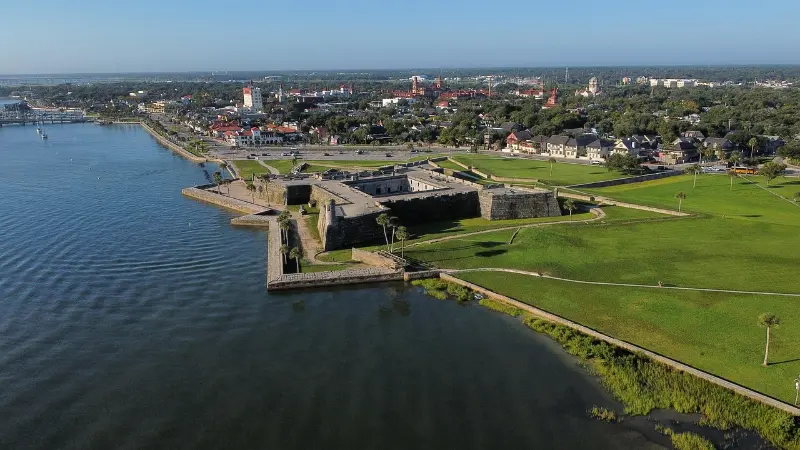
A trip through Florida’s native plant gardens can turn an ordinary vacation into a fascinating introduction to the state’s different landscapes. Most visitors recognize palms, hibiscus, or showy landscaping near hotels, but many ornamental plants are not actually native to the local ecosystem. Florida’s true native flora includes species associated with coastal dunes, pine flatwoods, freshwater wetlands, scrub, and hardwood hammocks. Learning to recognize a few of those habitats helps travelers understand why a garden in North Florida looks different from one near Miami. It is also an accessible form of nature tourism: visitors who do not want to hike through remote forests can explore planted demonstration spaces, educational gardens, and carefully managed public landscapes.
The most useful resources are the Florida Native Plant Society and the University of Florida’s IFAS Extension network. The Native Plant Society maintains a list and map of demonstration gardens selected for visible, labeled native plant displays. UF/IFAS provides a statewide directory of demonstration gardens, many free to visit, with regional listings and local contact details. These resources are better planning tools than a generic search for “botanical garden,” because a spectacular tropical garden may feature plants from many continents rather than Florida natives. The goal is not to see the most flowers; it is to appreciate which plants belong to which habitats.
Why native plants matter to a Florida visitor
Native plants are part of food webs, soil systems, water cycles, and wildlife habitat. Different flowers and shrubs support different pollinators, while grasses and trees create shelter for birds and other animals. Native plant gardens help explain why some landscapes are restored rather than manicured. A field of wiry vegetation or a grove of scrub oaks may appear less dramatic than a brightly planted resort entrance, yet it can be far more revealing about Florida ecology. Visitors should also recognize that “native to Florida” does not mean a plant belongs in every Florida garden; soil, water, salinity, and regional climate vary greatly across the state.
The gardens provide an excellent education for families. Young children can look at leaf shapes and compare flower colors, while older students investigate pollinators, seed dispersal, and how plant roots stabilize soil. Adults may be interested in landscape design or gardening approaches that reduce irrigation and chemicals. Older visitors can enjoy botanical interpretation without embarking on a strenuous backcountry hike. The key is to select sites that have manageable paths, seating, restrooms, and access appropriate to the group instead of choosing purely on photographs.
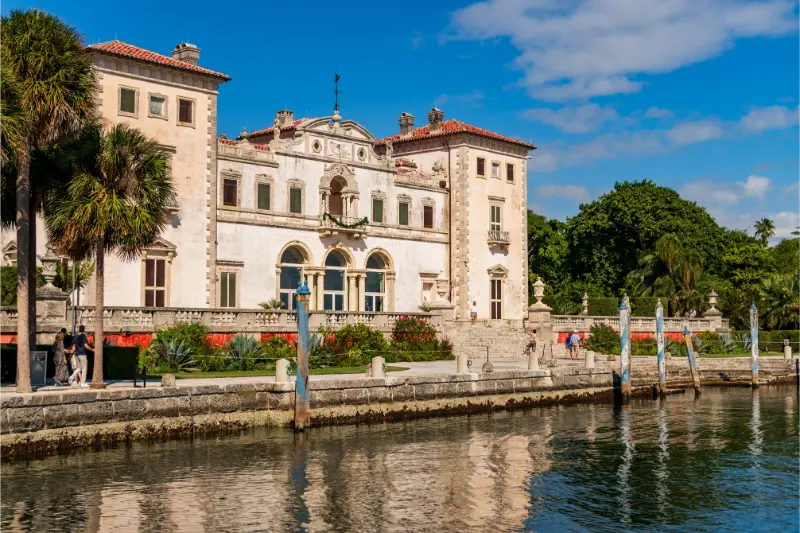
Begin with a UF/IFAS demonstration garden
UF/IFAS Extension’s directory includes demonstration gardens in many Florida counties, grouped by geographic region. This network can be especially convenient because there may be a suitable educational garden close to an accommodation already booked for another purpose. Some are located at extension offices or public spaces rather than major ticketed attractions. UF/IFAS describes these gardens as teaching opportunities and notes that many can be visited free of charge. However, “free” does not mean that every building or demonstration space is always open, staffed, or equipped for a formal tour.
Choose one garden near your existing base, contact the local extension office if necessary, and ask about visiting hours, self-guided access, signage, restrooms, and whether any workshop is scheduled. If the garden is small, plan a thirty- to sixty-minute visit rather than expecting an all-day exhibition. A visitor interested in photography might spend longer studying plant detail, but should stay on established paths and avoid stepping into planting beds. The most rewarding garden may be a modest place with excellent plant labels and knowledgeable volunteers rather than the largest institution on the map.
Use the Native Plant Society’s map to find a second stop
The Florida Native Plant Society’s demonstration-garden map focuses on places where native plants are present in meaningful numbers and identified for learning. Because the map covers a broad range of sites, use it to locate a nearby garden instead of assuming every listing is a staffed destination with ticket sales, parking lots, and a shop. A community-created display might be embedded in a public park or another institution. Check public-access rules and the land manager’s information before arrival. A garden can be educational without allowing visitors to walk through it after hours.
The society’s local chapters also offer a way to learn about regional plants through talks and organized outings. A chapter event is not automatically a public tourist excursion; registration, membership rules, and timing may apply. If your vacation happens to coincide with a public walk, check whether it suits your mobility needs and level of interest. Guided interpretation can add tremendous value, but it is better to join one well-matched event than to rush through multiple sites with little time to observe the plants.
A flexible three-day native plant itinerary
Day one can focus on a local IFAS demonstration garden and a nearby park with native habitat. Start with labeled beds, study several plant adaptations, and compare them with what you see in a more natural setting. For example, notice how plants in sunny, well-drained conditions differ from those near a pond. Do not collect leaves, flowers, or seeds unless the land manager expressly allows it; taking living material from public gardens or protected areas can harm the resource and violate rules. A notebook or photographs provide a more responsible record.
Day two can use the Native Plant Society’s map to select another regional display. Aim for a different habitat or educational emphasis rather than simply another collection of flowering shrubs. If you have spent the first day exploring a landscaped demonstration garden, consider a properly managed trail with interpretive signs or a park containing native habitat on the second day. Choose a path suitable for the least mobile member of the group. A short paved nature loop with clear interpretive information may teach more than an unmarked trail that leaves everybody guessing.
Day three should be optional. You might attend a confirmed chapter workshop, visit an additional demonstration garden on the route home, or spend time processing what you learned. Families with children can create a simple photo album organized by leaf, flower, seed, and habitat. A gardener can make notes about drought tolerance or soil preferences while avoiding the mistake of buying plants for a completely different climate. If the weather turns stormy, indoor reading or a local natural-history exhibit can replace the outdoor stop without spoiling the trip.
Understanding Florida’s habitats without collecting specimens
Coastal dune communities feature plants adapted to wind, salt, shifting sands, and periods of drought. Inland scrub landscapes can have sandy soil, low vegetation, and species that depend on particular disturbance regimes. Pine flatwoods often include grasses and understory plants associated with seasonal water and fire. Wetlands support another set of specialists capable of living with periodic inundation. Hardwood hammocks offer shade and a layered canopy. A single garden may interpret several habitats, but it will not recreate every ecological process of a wild landscape.
Avoid treating native plants as souvenirs. Picking wildflowers, digging up plants, removing seeds from protected areas, or buying unverified wild-collected specimens can damage ecosystems and may be illegal. If you want to purchase plants for a home garden, use legitimate nurseries and learn local import or quarantine rules. Travelers flying internationally should not assume they can carry live plants, seeds, or soil across borders. Agricultural restrictions exist for good reasons, including the risk of transporting pests and diseases. Photographs and field notes are usually safer and more meaningful souvenirs.
Native versus invasive: avoiding simplistic assumptions
Not every non-native plant is invasive, and not every native plant is appropriate for every landscape. Invasive species are organisms that spread and cause ecological or economic harm under particular conditions. Botanical signage may explain why a region is removing one species and restoring another. Read the interpretation before drawing conclusions from appearance: an unfamiliar shrub could be a highly valuable native species, while a familiar ornamental might require careful management. Wildlife gardens are not successful simply because they contain bright blossoms throughout the year.
Different insects also have different relationships with host plants. The presence of butterflies does not automatically mean an area is ecologically healthy, and a garden should not be judged only by whether visitors see a colorful pollinator on a particular afternoon. Heat, rain, season, and time of day influence wildlife activity. Do not release purchased insects or animals as part of a trip. A responsible visit is based on observation and learning, not manipulating an ecosystem to produce photographs.
Planning for children, seniors, and visitors with disabilities
For preschool children, choose one small garden with short loops, frequent breaks, and clear rules about not touching unfamiliar plants. Some plants have thorns, irritants, or toxic parts; children should never taste berries or flowers. School-age children can use a five-plant checklist, looking for differences in leaf edges, flower shapes, growth habits, and pollinators. Teenagers may enjoy macro photography or discussing the relationship between landscaping choices and climate resilience. Avoid assigning more plant-identification homework than they want; curiosity is more important than completing a list.
For visitors over eighty or anyone with limited mobility, call the garden about accessible routes, seating, shade, and restroom access. A demonstration garden at an extension office may have a different layout from a large botanical institution. Unpaved paths can become muddy after rain, and a flat-looking route might contain loose gravel. If someone cannot comfortably walk far, a small accessible educational bed near parking may be ideal. The goal is meaningful participation, not making every member of the family follow the same route or remain outdoors for the same duration.
Timing, heat, insects, and weather
Plant interest changes with the seasons. A native garden may be colorful in one month and more focused on foliage, seed heads, or texture in another. That variation is not a flaw. Consult the local chapter or extension office to understand what is worth looking for during your trip rather than assuming a famous bloom will occur on command. In warm months, visit earlier in the morning when possible, take water, and use insect protection appropriate for the site. Thunderstorms are a reason to leave outdoor gardens, especially when lightning threatens.
Shade can be limited in habitats that naturally favor sun-loving plants. A place designed to represent a dry scrub may not have the kind of cool tree cover that visitors expect from a city park. People with heat sensitivity should shorten the itinerary, and families should plan a comfortable lunch or indoor break. Stay on designated paths, protect fragile planting areas from trampling, and clean footwear where requested to reduce the chance of carrying seeds or pathogens between habitats.
Costs and choosing the right educational experience
Many UF/IFAS demonstration gardens can be visited without an admission charge, but parking, special programs, workshops, or privately managed sites may have fees. Confirm the conditions for each location independently. A garden listing does not guarantee on-site staff, a café, wheelchair equipment, or a gift shop. If you are visiting three sites on one trip, focus on different learning experiences rather than paying repeatedly to see similar plant collections. The best value often comes from talking with a knowledgeable local volunteer or reading a clear interpretive sign closely.
The biggest mistake is selecting an attraction because it calls itself “tropical” and assuming the plants displayed are Florida natives. Another is trying to identify species from a single photograph without accounting for the local region. A third is treating a demonstration garden as a source of free cuttings or specimens. Go with questions, leave the living landscape intact, and let the trip change how you notice vegetation on the rest of your Florida vacation.
Simple planning table
| Step | Recommended action | What to verify |
|---|---|---|
| Choose a base | Look for an IFAS garden near an existing hotel | Public access and local contact information |
| Add a second site | Use the FNPS demonstration-garden map | Whether the exact site welcomes visitors |
| Learn about habitats | Compare one garden with a managed native landscape | Open trails, surfaces and posted rules |
| Travel responsibly | Photograph plants instead of collecting them | Land-manager rules and agricultural restrictions |
Frequently asked questions
Are Florida native plant gardens free?
Many UF/IFAS demonstration gardens are free, but rules and fees vary by location and program.
Can you visit a Native Plant Society demonstration garden at any time?
Not necessarily. Some displays are in facilities with restricted opening times; confirm with the land manager.
Are all plants in tropical Florida gardens native?
No. Many collections include species from around the world. Look for clearly labeled native plant displays.
Can visitors collect seeds or cuttings?
Never assume permission. Leave plants in place unless an authorized program explicitly allows collection.
Is this suitable for a family with a wheelchair user?
It can be, especially at a small garden with accessible surfaces, but details must be confirmed for each site.