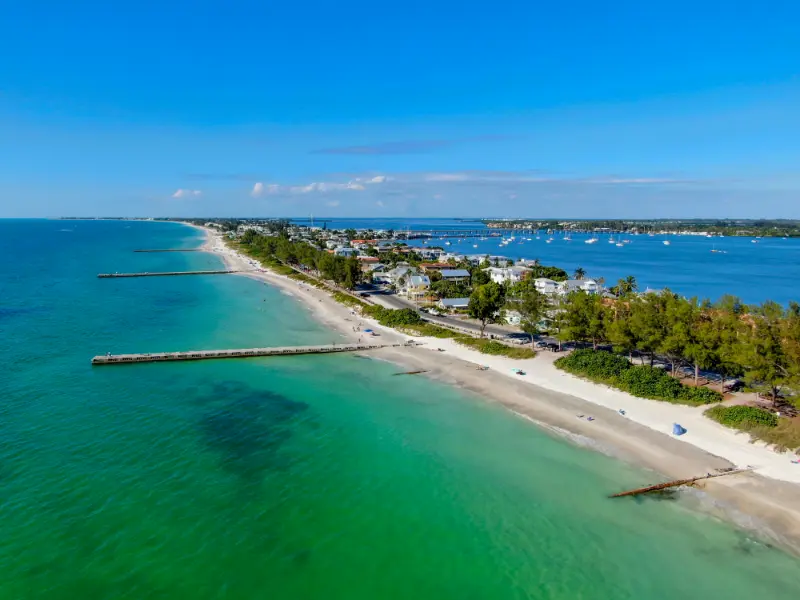
Category: Siesta Key Florida

  • One Week in Sarasota and Bradenton: Beaches, Gardens, Art and Island Days

    One Week in Sarasota and Bradenton: Beaches, Gardens, Art and Island Days

    Sarasota and Bradenton make a useful base for a Florida Gulf Coast week because visitors can alternate soft-sand beaches with gardens, museums, smaller waterfront towns and leisurely meals. They are not a single compact destination, however. Siesta Key, Lido Key, downtown Sarasota, Bradenton and Anna Maria Island require different trips, particularly when traffic gathers near bridges and popular beach parking. This one-week itinerary keeps the days geographically sensible and offers alternatives for families, couples and travelers who want frequent breaks. It favors exploring a different aspect of the region each day rather than moving from one beach to another just to collect photographs of sand.

    Seven-day overview

    DayWhere to focus
    1Downtown Sarasota arrival
    2Siesta Key beach morning
    3Ringling museum or Selby gardens
    4Lido Key and St Armands Circle
    5Bradenton and Manatee River
    6Anna Maria Island
    7Flexible final day and airport

    Day one: settle into Sarasota and find your local rhythm

    Begin by learning the area around your lodging. Downtown Sarasota offers restaurants, cultural venues and a bayfront setting, whereas the barrier islands put sand closer but may involve more traffic and limited parking. If you arrive after a flight, take a short walk along a public waterfront area and have an early dinner. Do not schedule a full beach excursion before you have checked into the accommodation and arranged parking. Your first evening is the moment to confirm which activities require reservations and whether any venue has an unusual closing day.

    Families should identify a nearby grocery store, pharmacy and easy meal option; a long first-night search for necessities can drain energy that is better saved for the morning. A traveler using a walker or wheelchair should ask about the exact hotel entrance, parking-to-room distance and accessible bathroom configuration. Even a property in a flat coastal town can have difficult transitions between parking and sand. If staying in downtown Sarasota without a car, keep the first day local and plan later beach transfers carefully. Choosing convenience over an impressive but remote listing often makes the entire week feel easier.
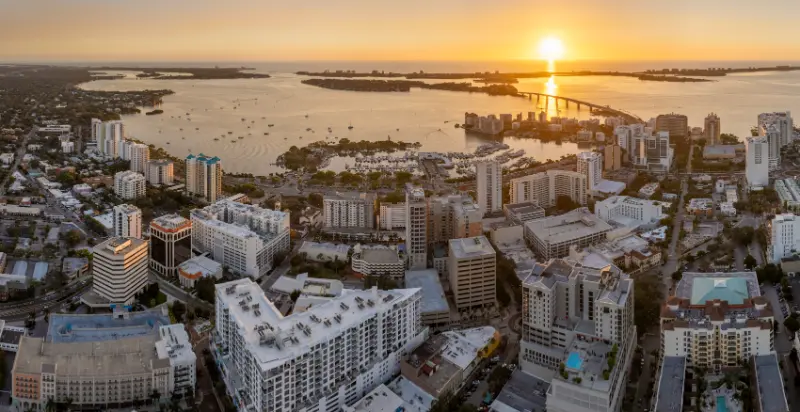
    Sarasota Bay Marina and High Rises at Sunset

    Day two: a well-planned Siesta Key beach morning

    Siesta Key is famous for its pale sandy beaches, but planning a comfortable day involves more than arriving and looking for the brightest patch of white. Public beach parking fills at busy times, and access routes can be demanding when carrying chairs, umbrellas and children's equipment. Choose one entrance, check the services available there and arrive early enough to avoid the hottest hours. Lifeguard coverage and beach conditions should be verified, particularly when waves or red tide advisories affect the region.

    The sand itself can be pleasant for walking, but a visitor with limited stamina may not want to cross a broad beach repeatedly. Agree on a base near an accessible entry point where possible, then keep the outing to a manageable duration. Children can play in the shallows only when local conditions permit and under close supervision. After lunch, return to the accommodation or spend time browsing Siesta Key Village rather than searching for another beach parking place. A satisfying Siesta Key day is often two or three hours of relaxed sea time, followed by a long rest and a memorable Gulf sunset from an approved public area.

    Day three: Sarasota's museum and garden side

    Choose one major cultural attraction on day three. The Ringling offers art, history and an extensive property that can absorb a large part of the day; Marie Selby Botanical Gardens emphasizes plants, waterfront scenery and changing exhibitions. Doing both thoroughly in one day can be exhausting, especially with younger children. Check official admission, opening days, temporary exhibitions and accessible pathways. Select whichever best matches the group, then leave the other as an optional return visit if the week's weather changes.

    Allow time for a meal and shade. Garden visits can be hot and humid even when the coastal breeze feels comfortable at a beach hotel, while museums may have air conditioning that makes an extended stop appealing during a summer storm. If different generations want different things, agree on a shared point of interest and then let people experience the remainder at their own pace. A stroller-friendly attraction can still involve more walking than expected; ask whether wheelchairs or other visitor services are available. Finish the day near your lodging, not with an unnecessary drive to Anna Maria Island simply because it appears on the same regional map.

    Day four: Lido Key and St. Armands Circle

    Spend day four around Lido Key and St. Armands Circle, which are close enough to combine sensibly when traffic and parking cooperate. A morning on an authorized Lido beach access can be followed by lunch or an afternoon browse in the shopping district. Decide which activity is most important; moving the vehicle multiple times to avoid a short walk may be more frustrating than choosing one convenient parking point. Check for temporary beach restrictions, storms and parking enforcement before your visit.

    This is a good day for couples or older travelers who enjoy a slower pace. Families may prefer a shorter beach session and an early return rather than prolonged shopping in the afternoon heat. If the beach is windy or swimming is unsafe, the shops and cafés provide a different use of the outing without forcing the water activity. Do not leave valuables visible in a parked car, and plan a sheltered alternative when lightning threatens. The goal is to appreciate one barrier island's mixture of coast and town life, not to compare Lido, Siesta and every nearby beach in a single afternoon.

    Day five: Bradenton and the Manatee River waterfront

    Travel north to Bradenton to explore a city that has its own identity beyond being a gateway to island beaches. The Riverwalk and nearby cultural or historic areas offer a change from surf and resort streets. Choose a walk that fits the day's weather and the abilities of everyone in the group; sections of waterfront can be sunny and exposed. Check for public events, temporary construction and current museum hours. An indoor museum can be a useful substitute if heavy rain arrives while you are planning the day.
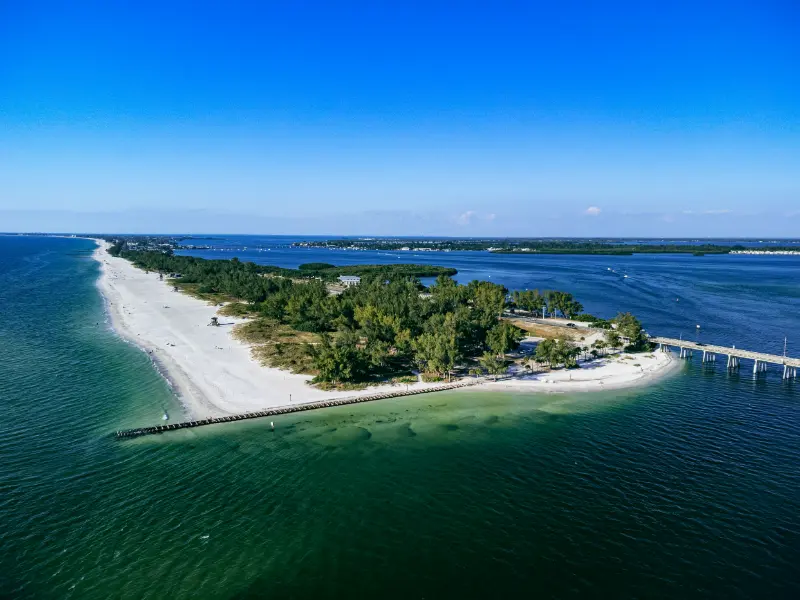
    Coquina Beach Bradenton Florida Aerial

    For children, a playground or a short interactive stop may be preferable to a long downtown walk. Older travelers may enjoy sitting beside the river and watching ordinary local activity. The Manatee River is a different environment from the Gulf beaches, and it should not be treated as a substitute swimming location. If using public transportation or rideshare, check the return route before relying on a late meal. A family staying on Siesta Key should remember that this day involves a meaningful drive rather than a walk across a bridge. Leave time for an easy dinner near your accommodation.

    Day six: Anna Maria Island without rushing between its towns

    Set aside the sixth day for Anna Maria Island, where beach towns, local shops and Gulf views can fill a day without a long list of paid attractions. Anna Maria, Holmes Beach and Bradenton Beach are separate communities with different public accesses and parking arrangements. Pick one beach to enjoy and perhaps one town-center area for a meal. Driving between several crowded beach access points in search of the 'best' sand usually produces less pleasure than simply settling in early.

    A free island trolley can be useful where operating, but check the current route, service frequency and accessibility rather than planning around an old timetable. Beachgoers need to pay attention to local red tide information and safe swimming conditions. Respect marked nesting areas and leave no food or litter for shorebirds. Families carrying large beach gear might benefit from staying close to a chosen access rather than counting on several trolley changes. Travelers with limited mobility should confirm the exact crossing from transit or parking to a firm beach surface. Enjoy an unhurried sunset only when there is a safe place to remain and a realistic plan to get home afterward.

    Day seven: revisit a favorite or finish near your airport

    A week gives visitors permission to repeat what they enjoyed most. If the weather prevented a garden visit, this is a useful chance to do it. If everyone loved the bayfront, return for a shorter stroll and breakfast. Do not force a final trip to a remote island if departure involves a long drive to Tampa, Orlando or another airport. Sarasota Bradenton International Airport may be close to some lodging, but other airports can add considerable transfer time depending on traffic. Confirm the actual terminal and rental-car return location.

    Check out with enough time to retrieve stored luggage, dry beach gear and reach the airport without a frantic rush. Families with young children may prefer a playground close to the hotel rather than a last swim that leaves wet towels in the car. Seniors or travelers managing mobility equipment should build an extra loading buffer. Seven days on this stretch of Gulf Coast are best remembered for contrast: art and gardens, city and island, river and beach. The final morning should preserve that relaxed feeling.

    Where to stay and how to keep transfers manageable

    Downtown Sarasota works well for restaurants, cultural attractions and trips in several directions. Siesta Key suits visitors who want repeated beach days but can involve higher parking and transport effort when they head inland. Lido Key places St. Armands closer, while Bradenton or the mainland may suit travelers prioritizing Anna Maria Island and riverfront experiences. Compare exact addresses, beach access, bridge routes, parking fees, pool availability and the total accommodation price. A property marketed as 'near Sarasota beaches' may be farther from the sand than its photographs suggest.

    A car is usually the most flexible way to cover the full itinerary. Visitors without one can enjoy a concentrated Sarasota stay by limiting the number of island transfers and checking local buses or rideshares. Budget for accommodation taxes and fees, paid attractions, parking, food and at least one adverse-weather alternative. A rental with a useful kitchen can help a family stay within budget, although it may not be worthwhile if shopping and cooking consume too much of the week. Keep two or three days largely free of admission charges. A weeklong vacation need not become more expensive each morning to remain interesting.

    Seasons, accessible routes and responsible beach visits

    The Gulf Coast has seasonal variations in crowd levels, lodging demand and outdoor comfort. Cooler months can favor long walks, while summer brings heat, thunderstorms, strong sun and the wider hurricane season. Coastal water conditions may also be affected by red tide or other advisories; check appropriate Florida environmental and local health sources close to your visit, not a months-old travel article. Avoid swimming during official warnings and leave the beach when lightning is nearby.

    Accessibility requires asking about the particular entrance or venue, not merely whether Sarasota is generally 'accessible.' Museum galleries, botanical paths, trolleys, beach crossings and old sidewalks create different challenges. Confirm seating, restrooms and wheelchair or stroller arrangements. Keep children hydrated and protect them from prolonged sun exposure. Stay out of protected dunes, leave turtle nests undisturbed and use designated public accesses. A thoughtful week here offers varied experiences while leaving the coast intact for the next visitors. It is the balance between sea, culture and open time that makes Sarasota and Bradenton rewarding for travelers of many ages.

    Frequently asked questions

    Can you stay in Sarasota and visit Anna Maria Island for a day?

    Yes, with a suitable driving or transfer plan and awareness that island traffic and beach parking can slow the trip.

    Which base is better for repeated beach days?

    Siesta Key is convenient for its beaches, while downtown Sarasota favors restaurants and museums; compare exact addresses and total costs.

    Does the region suit people who do not swim?

    Yes. Gardens, art museums, island towns, riverfront parks and dining provide a full itinerary without water activities.
    Official information and useful resources

    Explore the area on an interactive map

  • Siesta Key Florida Travel Guide: Siesta Beach, Crescent Beach, Turtle Beach and Where to Stay

    Siesta Key Florida Travel Guide: Siesta Beach, Crescent Beach, Turtle Beach and Where to Stay

    Siesta Key is a strong choice when you want a barrier-island beach destination known for bright quartz sand, a relaxed village atmosphere and several beaches with distinct personalities. It is not a destination that requires a packed checklist to feel worthwhile. The better approach is to identify the one or two experiences that matter most to your group, choose a convenient base, and leave enough open time to enjoy the local pace.

    For a first visit, I would plan around 3–5 nights. That gives you enough time to understand the area without turning the trip into a sequence of parking lots and short photo stops. Siesta Key is especially well suited to families, couples, beach lovers, multigenerational groups and travelers who want a Gulf beach base close to Sarasota culture.

    This guide focuses on practical trip design: where to stay, what deserves priority, how much driving to expect, how to adapt the trip for children or older travelers, and how to connect Siesta Key with the rest of Sarasota Gulf Coast. Hours, admission policies, road conditions and event schedules can change, so always confirm time-sensitive details on official sites before the day of your visit.

    Quick planning summary

    • Recommended stay: 3–5 nights for a balanced first visit.
    • Best for: families, couples, beach lovers, multigenerational groups and travelers who want a Gulf beach base close to Sarasota culture.
    • Main strength: a barrier-island beach destination known for bright quartz sand, a relaxed village atmosphere and several beaches with distinct personalities.
    • Transport: a car is usually the easiest way to combine the destination with surrounding attractions, even when the central district itself is walkable.
    • Best planning rule: organize each day by area instead of zig-zagging across the region.

    In this guide

    Why visit Siesta Key?

    Siesta Key works because it gives a Florida trip a different rhythm from the state’s biggest resort corridors. You can still build full sightseeing days, but you do not need to. The destination rewards slower mornings, one substantial activity, a relaxed lunch and enough time for the setting itself.

    That makes it particularly useful in a longer Florida itinerary. After several intense theme-park, city or driving days, a stop in Siesta Key can reset the pace without feeling like a “nothing day.” The experience is still specific to Sarasota Gulf Coast, but the pressure to maximize every hour is lower.

    Siesta Key Florida Turquoise Water Aerial

    It is also a good place for travelers with different energy levels. A teenager can choose a more active experience, younger children can focus on parks or simple outdoor time, and grandparents can stay involved through scenic stops, short walks, museums, waterfront areas or meals that do not require a major physical commitment.

    My preferred way to approach the destination is to identify one anchor experience for each day, then add secondary stops only if the group still has time and energy. That simple rule prevents the most common Florida planning problem: trying to force too much into a hot, spread-out destination.

    Where to stay in Siesta Key

    The best area is not automatically the most luxurious one. For most visitors, convenience matters more than a small difference in room quality. Look at parking fees, breakfast, pool hours, room size, elevator access, cancellation policy and the real door-to-door drive to your priority attractions.

    Siesta Key Village / north end

    Best for: best for walkability to restaurants, nightlife and quick access to Siesta Beach. Before booking, compare the exact route to the places you expect to visit most often. A hotel that looks close on a regional map can still create repeated driving, parking or bridge time.

    Mid-key / Crescent Beach

    Best for: good for a quieter condo-style stay and access to Point of Rocks. Before booking, compare the exact route to the places you expect to visit most often. A hotel that looks close on a regional map can still create repeated driving, parking or bridge time.

    South Siesta / Turtle Beach

    Best for: best for travelers who prefer a more relaxed setting, boating access and less emphasis on village nightlife. Before booking, compare the exact route to the places you expect to visit most often. A hotel that looks close on a regional map can still create repeated driving, parking or bridge time.

    Family tipFor families, a refrigerator, laundry access and a pool can be more valuable than an elaborate lobby. Couples may prefer walkability and evening atmosphere. Senior travelers should check elevator availability, shower design, the distance from parking to the room and whether restaurants are reachable without crossing wide roads.

    If you are using a vacation rental, compare the full price after cleaning and service fees, read parking and occupancy rules carefully, and confirm whether beach equipment, bicycles or other advertised extras are actually included.

    Best things to do in Siesta Key

    1. Siesta Beach

    The island’s most famous beach combines broad white quartz sand with extensive public facilities, making it especially practical for first-time visitors and families. Give this stop enough time to enjoy it without immediately rushing to the next item. For mixed-age groups, it is usually better to shorten the list and leave room for breaks than to plan a full day of tightly timed stops.

    Siesta Beach Florida Welcome Sign

    2. Crescent Beach and Point of Rocks

    Crescent Beach is generally quieter than the main public beach, while Point of Rocks adds one of the island’s best-known snorkeling and marine-life areas when conditions are suitable. Give this stop enough time to enjoy it without immediately rushing to the next item. For mixed-age groups, it is usually better to shorten the list and leave room for breaks than to plan a full day of tightly timed stops.

    3. Turtle Beach

    The southern beach has a different feel, darker shellier sand and useful facilities for travelers who want a change from Siesta Beach. Give this stop enough time to enjoy it without immediately rushing to the next item. For mixed-age groups, it is usually better to shorten the list and leave room for breaks than to plan a full day of tightly timed stops.

    4. Siesta Key Village

    Restaurants, shops and casual nightlife make the village the island’s main evening hub. Give this stop enough time to enjoy it without immediately rushing to the next item. For mixed-age groups, it is usually better to shorten the list and leave room for breaks than to plan a full day of tightly timed stops.

    5. Sarasota cultural day

    The Ringling, downtown Sarasota, St. Armands Circle and botanical attractions can turn a beach trip into a more varied vacation. Give this stop enough time to enjoy it without immediately rushing to the next item. For mixed-age groups, it is usually better to shorten the list and leave room for breaks than to plan a full day of tightly timed stops.

    Nature and outdoor time

    The island is built around beach time, but paddling, fishing, cycling and sunset walks add variety. Always treat surf, lightning and heat conditions as day-by-day decisions.

    Florida weather changes how an outdoor day feels. In warm months, the same trail or beach that is comfortable at 8:00 a.m. can feel completely different at 1:00 p.m. Use shade, water, sun protection and realistic walking distances, and check radar rather than assuming a forecast icon means an entire day will be lost.

    If wildlife is part of the experience, treat observation distance as part of the attraction rather than an inconvenience. Do not feed animals, block nesting areas or approach wildlife for a photograph. For beaches and waterways, follow posted flags, closures and local safety advice.

    Getting there and around

    Parking at the most popular beach access points can fill during peak periods. Staying close to the beach, using the island trolley where practical and avoiding repeated car movements can make the trip much easier.

    When planning a Florida road trip, think in terms of actual travel time rather than map distance. Bridges, beach traffic, event crowds and parking searches can add significant time. Build at least one buffer period into each day, especially if you have a timed tour or reservation.

    For air travel, compare the total trip from the airport to your hotel rather than the flight price alone. A cheaper airport can lose its advantage once rental-car rates, tolls and a longer drive are included. If anyone in the group uses a mobility aid, confirm vehicle size before pickup.

    Best time to visit

    Late fall through spring offers the most comfortable walking weather but also stronger demand. Summer is hot and humid, with warmer water and a greater need for shade and storm flexibility.

    Florida’s peak travel periods can also include school holidays, major events and winter escapes from colder states. If your dates are fixed, book the hardest-to-replace item first: a special hotel, event ticket, campground or vacation rental. Flexible travelers can often find better value by avoiding Friday and Saturday arrivals.

    During hurricane season, keep reservations and insurance terms clear. A tropical system does not mean every Florida trip will be disrupted, but refundable or changeable bookings are valuable when uncertainty increases.

    Families, teenagers, seniors and accessibility

    With babies and toddlers

    Keep the first day simple. Choose one outdoor stop, return to the room for a nap or pool break, and avoid scheduling a long dinner after a full afternoon in the sun. Shade and access to restrooms matter more than adding another attraction.

    With school-age children

    Alternate “look and learn” attractions with something active. A museum followed by a park, a historic district followed by swimming, or a nature center followed by ice cream usually works better than three educational stops in a row.

    With teenagers

    Give teenagers a role in choosing one activity, restaurant or photo stop. Destinations feel more engaging when they have some control over the day rather than simply following an adult itinerary.

    For seniors and multigenerational groups

    Plan shorter walking loops, more seated breaks and easy meal access. Avoid treating every group member as if they have the same heat tolerance. One traveler can do a longer walk while another enjoys a shaded viewpoint, museum or cafe.

    Accessibility

    Accessible facilities can vary between beaches, historic buildings, parks and private attractions. Check current accessibility pages directly, especially for beach mats, wheelchairs, ramps, elevators, companion restrooms, sensory resources and accessible parking. Historic properties may have unavoidable stairs even when part of the visit is accessible.

    A practical 3-day Siesta Key itinerary

    Day 1: orientation and local character

    Start with the most walkable central area and give yourself time to understand the street layout, parking and restaurant options. Choose one signature attraction for late morning or early afternoon, then keep the evening close to the hotel. The first day should establish the rhythm of the trip rather than exhaust the group.

    Day 2: the major experience

    Use the second day for the attraction or outdoor area you would be most disappointed to miss. Start early if parking or heat could become an issue. After lunch, choose a flexible secondary activity that can be shortened if weather or energy levels change.

    Day 3: nature, beach or regional extension

    Finish with a contrasting experience: if the first two days were history and dining, choose nature; if they were beach-focused, add culture or a nearby town. Keep the final afternoon light if you are driving onward, because Florida traffic often makes late-day transfers more tiring than expected.

    If you have a fourth day, use it for a larger regional day trip rather than adding more small local stops. That gives the trip a clearer structure and reduces repeated packing and hotel changes.

    Food and evenings

    Siesta Key Village is easiest for a lively evening, while the south end is quieter. Sarasota expands the dining choice considerably when you want a break from the island.

    For families, an early dinner often solves several problems at once: shorter waits, easier parking and a calmer bedtime. For couples, sunset or a post-dinner walk can be more memorable than adding another paid attraction.

    Do not build the entire trip around famous restaurants seen on social media. Keep one or two priority meals, then leave space for a cafe, bakery, seafood counter or casual local place you discover while walking.

    Budget and booking strategy

    Separate your budget into lodging, transport, food and paid attractions. Beach and park time may be inexpensive, but parking, rental-car costs and resort fees can change the total quickly. Always compare the final hotel price, not only the advertised nightly rate.

    For a value-focused trip, spend on location rather than on constant upgrades. A slightly more expensive room in the right area can save fuel, parking and time. Use free outdoor attractions to balance one or two paid experiences that genuinely matter to the group.

    Book time-sensitive attractions through official sellers whenever possible. If the schedule is uncertain, prioritize flexible tickets or refundable reservations. For outdoor plans, avoid paying for multiple weather-dependent activities on consecutive afternoons.

    Best day trips from Siesta Key

    Sarasota, St. Armands Circle, Venice, Myakka River State Park and Anna Maria Island can all be added to a longer stay.

    Keep a day trip to one main destination. A two-hour drive followed by four separate attractions and another long return is rarely a good use of vacation time. Choose one anchor experience and one meal stop, then treat anything else as optional.

    If you are moving hotels after the day trip, pack the car once in the morning and avoid returning to the old base. That turns a transfer day into a useful sightseeing day without adding another long drive.

    Mistakes to avoid

    • Booking by map distance only: bridges, parking and traffic matter as much as mileage.
    • Overloading the hottest hours: schedule outdoor priorities early and keep midday flexible.
    • Ignoring event calendars: festivals, races, holidays and school breaks can change prices and parking.
    • Assuming every beach, park or historic site has the same accessibility: verify individual facilities.
    • Planning every meal in advance: reserve only the truly important ones and leave room for discovery.
    • Forgetting weather flexibility: one indoor backup activity can rescue a stormy afternoon.
    • Sarasota and Siesta Key Travel Guide
    • Central West Florida Travel Guide
    • Florida Gulf Coast Road Trip
    • Best Florida Beaches for Families
    • Florida Beach Vacation Guide

    Official resources

    Use official sources for current hours, closures, event schedules, access rules and safety information before you travel:

    Frequently asked questions

    How many days do you need in Siesta Key?

    3–5 nights is a good first-trip target. A shorter stay works if you focus on one neighborhood or attraction, while a longer stay makes sense if you want several regional day trips.

    Do you need a car in Siesta Key?

    For most visitors, yes. Some central areas can be explored on foot, but a car makes it much easier to connect parks, beaches, nature areas and neighboring towns.

    Is Siesta Key good for families?

    Yes, especially when the itinerary is paced around the age of the youngest traveler. The strongest family days usually combine one structured attraction with simple outdoor time and a pool or rest break.

    Is Siesta Key suitable for senior travelers?

    Yes. Choose lodging with easy parking and elevators, prioritize shaded or seated attractions, and keep midday heat exposure under control. Confirm accessibility directly for historic buildings and outdoor sites.

    What should first-time visitors avoid?

    Avoid trying to turn the destination into a checklist. The trip is better when you choose a convenient base, group activities geographically and leave enough time to enjoy the setting instead of driving constantly.

    Travel information can change. Always verify current hours, admission, road conditions, weather alerts, beach flags and accessibility details on official websites before departure.