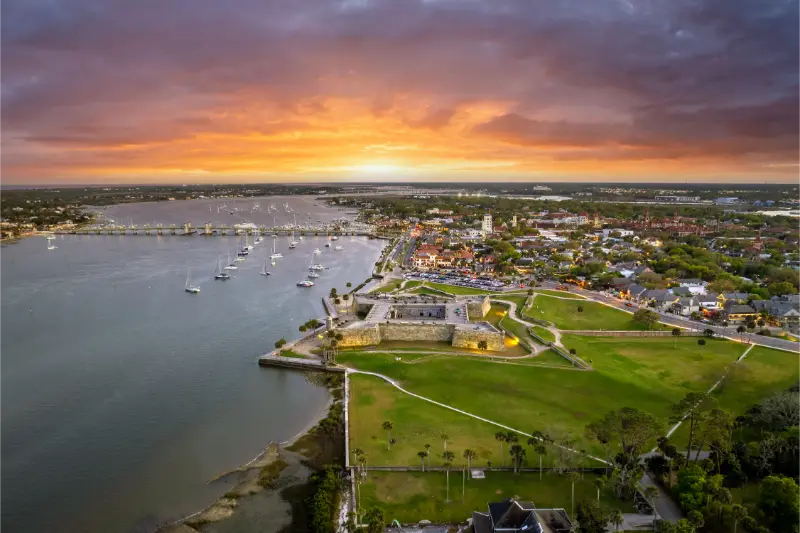
St. Augustine rewards visitors who stop treating it as a quick photo opportunity between Orlando and Jacksonville. Its historic district is compact enough to explore on foot, but the wider area includes coastal defenses, maritime history, beaches, tidal wetlands and neighborhoods that deserve unhurried time. This three-day plan balances those experiences without asking a family to walk for eight hours or making an older traveler choose between sightseeing and a comfortable dinner. The trick is to separate the historic core from Anastasia Island and to select only one or two paid attractions each day.
This itinerary assumes three days and two or three nights, with a car useful for the beach day but not essential for walking around the old town. Start early at the fort, take a long midday pause when the weather is hot, and leave an evening free for the bayfront after day-trip crowds have thinned. You can use St. Augustine as a destination of its own or as a Northeast Florida stop on a larger road trip. Do not mistake the relaxed appearance of old streets for universally step-free conditions; original paving, narrow doorways and historic buildings require attention when planning accessibility.
At a glance: three days without rushing
| Day | Main area | Main experience | Lower-energy option |
|---|---|---|---|
| 1 | Historic district and bayfront | Castillo de San Marcos, old streets, waterfront | Short fort visit and bayfront benches |
| 2 | Anastasia Island | Beach, maritime history, dunes and Salt Run | Scenic beach overlook and picnic |
| 3 | Historic neighborhoods | Museum, architecture and a quieter side street | One indoor attraction and a café |
A family that wants to add the Alligator Farm or lighthouse can exchange it for one stop, but should resist cramming both into the same afternoon. Weather, museum schedules and parking matter more than covering every square on a sightseeing map.
Day 1: Castillo de San Marcos before the heat
Start at Castillo de San Marcos National Monument, the star-shaped coquina fort beside Matanzas Bay. The structure explains why the city’s strategic location mattered for centuries; it is more revealing to study the defensive layout and views from the grounds than merely take a quick photo outside. Allow time for interpretive exhibits and ranger information, and verify the fort’s official hours and any demonstration schedule rather than assuming cannon activities run daily. Families can turn the visit into a short investigation of how the fort was built and why coquina differs from ordinary stone.
The National Park Service notes that the lower level and restrooms are wheelchair accessible, while the upper gun deck is reached only by stairs. That makes a mixed-ability visit possible if everyone agrees on a regrouping point, but it is not an entirely barrier-free attraction. Cannon noise and smoke may also bother some children or travelers with sensory sensitivities. Download the park’s interpretive material before arriving because cell reception can be unreliable in the walls. Most importantly, choose an early time rather than the hottest midday period.
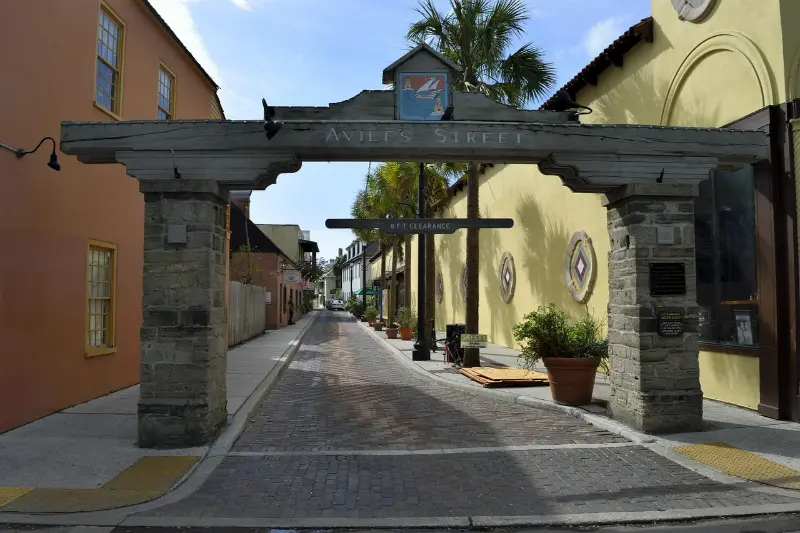
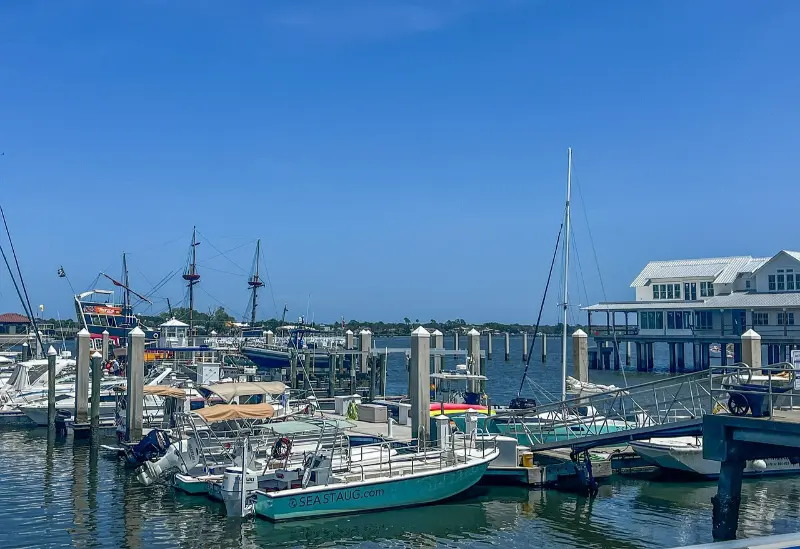
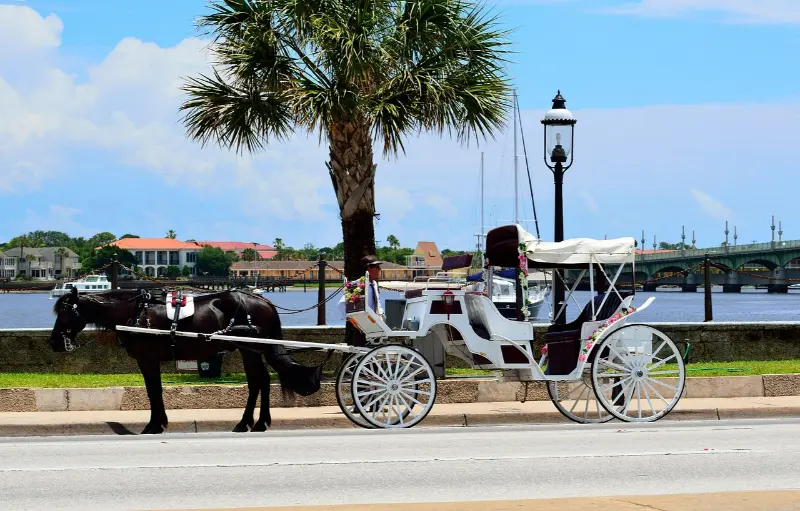
Afterward, walk south along the bayfront and toward the Plaza de la Constitución, using shady stops whenever possible. St. George Street is pedestrian-oriented and atmospheric, although it can be busy; the quieter lanes immediately off it often make better places to notice balconies, courtyards and different periods of architecture. For lunch, stay near the historic district rather than returning to the car. An afternoon in a small museum or a genuine hotel rest makes a later sunset walk much more enjoyable than a nonstop sightseeing sprint.
Day 2: Anastasia Island, dunes and shoreline
Cross the Bridge of Lions to Anastasia Island and begin with Anastasia State Park. Its protected beach, dunes, maritime hammock and salt-marsh habitat contrast sharply with the busy shops downtown. Florida State Parks lists an entrance fee and daily park hours; check current conditions and capacity before heading over, especially on holiday weekends. Pack drinking water, proper sun protection and shoes for hot sand. This is not a setting in which to promise children calm swimming every day: surf, tides, wind and local advisories determine whether getting into the Atlantic is sensible.
For a gentler morning, focus on the park’s trails, picnic area or wildlife observation around Salt Run instead of committing to a long beach outing. Bring binoculars if you enjoy birds, but keep distance from nesting or feeding wildlife and respect all dune protection signs. Travelers using mobility devices should confirm the specific beach access option and any beach-wheelchair availability directly with staff; a description such as ‘accessible park’ does not mean every stretch of sand is independently usable. If it rains, swap the park with an indoor museum and return when storms clear.
In the afternoon, choose between the St. Augustine Lighthouse & Maritime Museum and the St. Augustine Alligator Farm Zoological Park. The lighthouse’s tower climb is demanding and unsuitable for some visitors, although grounds and exhibits provide alternatives. The wildlife park may appeal more to younger children or visitors who prefer interpretation about animals; check current shows and ethical wildlife rules. Doing one thoroughly allows dinner near the beach or a return to the historic center without exhausting everyone.
Day 3: A museum and the quieter historic city
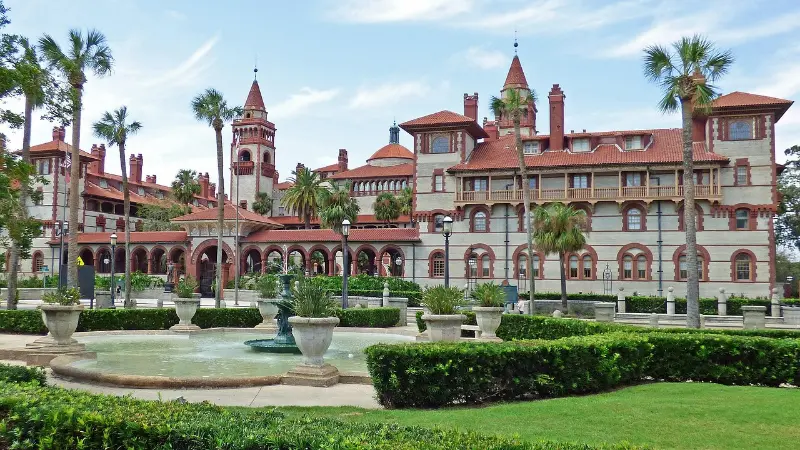
Begin with one indoor museum selected for genuine interest: the Lightner Museum for decorative arts and the historic former hotel setting, or another venue focused on the city’s layered Spanish, British and American stories. Review the museum’s opening days and temporary exhibitions before deciding. A ninety-minute thoughtful visit usually feels richer than three quick ticket scans. Follow it with a slow walk in a less-crowded stretch of the historic district, taking note of churches, former residences and the different building materials rather than using the commercial pedestrian street as the whole definition of St. Augustine.

If everyone still has energy, consider the scenic drive toward Vilano Beach or a quiet waterfront stop north of the old town. Do not add Fort Matanzas National Monument casually to the end of the itinerary: its historic fort is reached by a ranger-operated ferry when service is available, and transport or tour arrangements require checking with the National Park Service. It is a worthy separate outing for enthusiasts, but the journey and visitor process need their own time. Finish early enough to collect bags and leave without turning the last afternoon into a deadline race.
Where to stay: old town, Anastasia Island or the highway
Staying within walking distance of the historic district is a strong choice for couples, visitors without a car and anyone who wants to see the waterfront after dinner. You may pay more for the privilege, and historic inns sometimes have stairs, compact bathrooms or limited onsite parking. Ask precise questions about room location, elevator access, step-free entrances and parking costs before reserving, especially if you are traveling with a stroller or mobility equipment. The best room for the photographs is not necessarily the best room for your party.
Anastasia Island works better for travelers who want beach time or a larger family property. Expect to drive or arrange transport into the old town; a listing with ‘St. Augustine’ in its address may be far from the places you intend to visit. Hotels along major roads can reduce nightly cost but increase time in the car and parking charges downtown. Compare the total stay cost, including parking and breakfast, not simply the price displayed before taxes and required fees.
Driving, parking and getting around the old streets
Historic downtown streets can become congested, and garage availability changes dramatically during festivals and weekends. Choose one lawful parking facility for the first day and explore on foot rather than moving the car between places a few blocks apart. The city-operated Historic Downtown Parking Facility is a useful starting point to investigate, but confirm current fees and event arrangements. Do not assume a tourist trolley ticket is necessary: it can be helpful for people who cannot comfortably walk long distances, but specific stops, operating times and step-free options need checking with the operator.

For day two, a car is convenient because the state park, museum choices and lodging are not necessarily near one another. Rideshare can work for a point-to-point transfer but is less reliable as a last-minute exit from a remote beach. If you are flying into Jacksonville or Orlando, leave a realistic buffer after arrival and before departure. Bridges and beach approaches can move slowly during popular travel periods. Build a route that minimizes backtracking; repeated bridge crossings can consume more time than an extra attraction.
What this trip costs and where to save
The castle, museums and state park represent different fee structures. Check their official websites for age categories, annual passes or included experiences; do not rely on a two-year-old price chart. The biggest controllable expense is often accommodation and downtown parking. A centrally located room that eliminates two rides or daily parking may be sensible even when its headline price is higher. A family can choose one paid attraction per day and spend the rest of the afternoon at the waterfront or beach.
For food, plan a sit-down lunch or early dinner away from the busiest tourist rush rather than buying expensive snacks each time someone gets tired. Carry refillable water and sunscreen. If you need to keep spending predictable, decide in advance which attraction is the priority, reserve a realistic meal budget, and treat souvenir shopping as optional. Tickets and restaurant opening times change; the value of this itinerary is in choosing a coherent route, not assuming a fixed dollar total will apply next year.
Comfort and accessibility for ages zero to 100-plus
With infants or preschoolers, plan a stroller-friendly path but anticipate uneven historic surfaces and busy pedestrian crossings. A shaded lunch and a nap can take the place of an afternoon museum. Children ages six through twelve usually benefit from one mission per day—spot a fort feature, identify coastal birds or compare two architectural styles—rather than a nonstop lecture. Teens may enjoy photography and the stories behind military defenses. Grandparents and older adults can follow the same three-day sequence with shorter walks and convenient places to sit.
Anyone sensitive to heat should visit the most exposed sites first. Check the exact museum restroom access and any ramps at the time of travel; aging buildings and changing maintenance work can create barriers that generic accessibility tags overlook. If a member of the party cannot climb a tower or walk on sand, plan a genuinely appealing parallel option instead of asking them to wait for an hour in a parking lot. Sightseeing works best when everybody’s day includes something worth anticipating.
Seasonal and weather decisions
St. Augustine’s Atlantic setting can feel cooler in winter and much hotter under summer sun than the forecast number suggests. Rain and thunderstorms can interrupt beach plans, particularly during warmer months. The city’s festival calendar may bring charming events but also higher hotel prices and difficult parking. Reserve ahead for major holidays and winter celebrations, then confirm whether temporary street closures affect your lodging access. In hurricane season, follow official warnings and allow flexibility instead of relying on a nonrefundable sequence of outdoor bookings.
The most resilient schedule has one museum, one outdoor park and one historical centerpiece that can trade places. Keep a light jacket for breezy waterfront evenings outside summer and keep water accessible whenever you walk. Sunrise at the shore can be beautiful, but nobody needs to sacrifice sleep after a long flight to get the ‘perfect’ picture. An itinerary that adjusts to the people and the conditions is more useful than a timetable optimized only for attraction opening times.
Frequently asked questions
Is three days too long for St. Augustine?
Three days suits visitors who want history and the beach rather than just St. George Street. A fast day trip can cover the fort and waterfront, but it leaves little room for museums, Anastasia Island or rest.
Can I visit without a rental car?
You can enjoy a historic-center-focused stay on foot with taxis or rideshares, but accessing the beach and more distant sites will require arranging transportation carefully. Choose accommodation within the old town if car-free travel is important.
Which day should we visit the fort?
Choose the earliest suitable day with a comfortable forecast, especially in summer. Confirm NPS hours and any demonstration program in advance; a visit remains interesting without scheduled reenactments.
Is the lighthouse suitable for older travelers?
The tower climb is a substantial stair activity, so it is not suitable for everyone. Ask about exhibitions and grounds that can be enjoyed without climbing and use an alternative museum if needed.
Can we add Jacksonville or Daytona Beach?
Both can fit into a larger Northeast Florida trip, but neither is an easy extra to squeeze between the fort and a museum. Add an overnight stay or replace a day rather than adding a long round trip.