Fort Pierce and Port St. Lucie sit close together on the Treasure Coast, yet they answer different holiday needs. Fort Pierce has a compact waterfront downtown and access to Atlantic beaches across the water, while much of Port St. Lucie is suburban and convenient for golf, family visits, baseball and regional drives. Hutchinson Island adds beachfront stays, but its name covers a long coastal strip rather than one resort. Choosing a hotel purely by distance on a booking website can lead to a surprise: a room that looks close to the beach may actually be across an inlet or inland. Here is how to choose a base that matches your daily plans, travel party and budget.
Which base fits your trip?
| Where to stay | Best for | Watch for |
|---|---|---|
| Fort Pierce downtown | Waterfront dining, history and local flavor | The Atlantic beach is across the bridge |
| Hutchinson Island | Beach routines and oceanfront stays | Verify exact location and access |
| Port St. Lucie | Golf, sports, parking and family visits | Often inland from beaches |
| Interstate hotels | Regional routes and short stays | Driving needed for coastal days |
Historic downtown Fort Pierce: a working waterfront rather than a beach resort
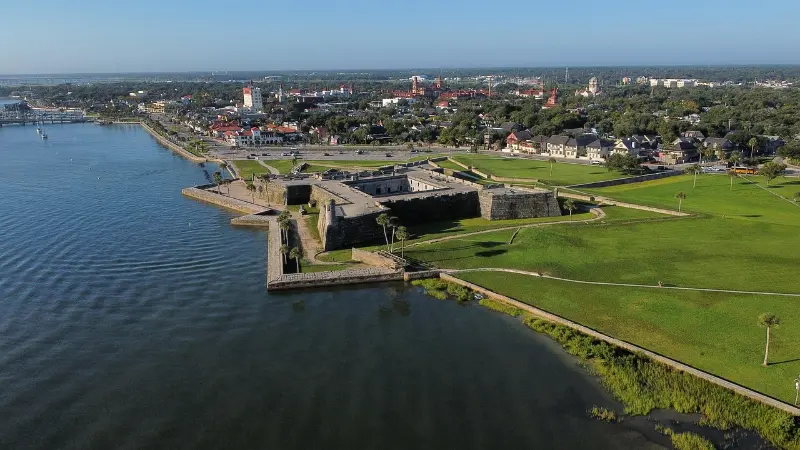
Downtown Fort Pierce has the most immediately recognizable town-center atmosphere in this part of St. Lucie County. Its waterfront, market activity, restaurants and historic buildings make it appealing for a relaxed city-and-coast stay. A centrally located hotel may let you walk to dinner and look out over boats, but this is not the same thing as stepping directly onto the Atlantic surf. Barrier-island beaches are reached by bridge, and evening transport deserves thought if you do not have a car. Fort Pierce's character may appeal to couples, solo travelers and visitors who enjoy a genuine town rather than a single enclosed resort. Request room details if you're sensitive to noise near restaurants or weekend activities. Verify the location of parking and whether a late check-in is straightforward. A downtown base often works best when the coast is one component of a varied itinerary that includes local history and riverfront time.
Hutchinson Island: prioritize the beach, then check the exact stretch
Hutchinson Island stretches along the Treasure Coast, and property locations can differ considerably even within the same broad search result. Some accommodation sits close to public Atlantic beaches; other listings require a drive to the entrance or have more complicated parking and private-access arrangements. In St. Lucie County, check whether your hotel or rental is near Fort Pierce Inlet State Park, a municipal beach access or another site suitable for the group. Oceanfront does not tell you whether the water is safe to swim in on a given day. Atlantic surf, inlets and changing currents require caution. Families should ask about guarded sections, bathroom availability and the actual distance from the room to the sand. An island apartment with a kitchen may be worthwhile for a seven-night beach vacation, while a mainland hotel may be more practical for visitors who plan numerous regional outings. Map the exact address before comparing prices.
Port St. Lucie: practical for space, parking and local activities
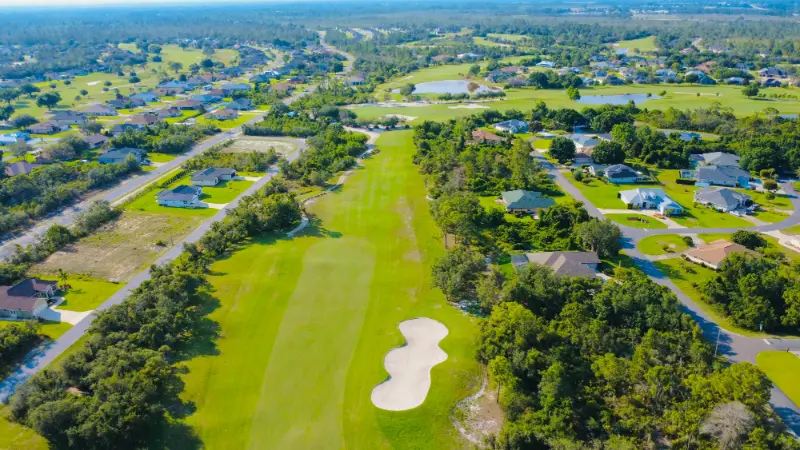
Port St. Lucie is a substantial inland city, not a traditional walkable beach town. Many accommodations suit visitors attending a sports event, visiting family or using the city as a base for day trips. The PGA Village area can appeal to golf travelers, while other hotel clusters near major roads may offer easy parking and standard room facilities. Families coming for spring-training baseball should verify the venue and game schedule before settling on accommodation. Do not assume that the phrase Port St. Lucie means a hotel is close to an ocean beach or lively waterfront; many useful properties are surrounded by ordinary shopping plazas and residential streets. For a road trip, that convenience can be a strength. For a romantic beach weekend, it may mean too much time in the car. Compare driving to your intended activity rather than choosing by the city name alone, and check breakfast hours if you need an early departure.
Picking the right beach access for swimming, walking or fishing
A beautiful stretch of sand is not automatically suited to every activity. Families with younger children often need a guarded area with facilities and a simple return route to their accommodation. Couples may prefer quiet morning walks, while anglers may be drawn to designated fishing locations near an inlet. Fort Pierce Inlet State Park provides a different coastal experience from a busy municipal beach; entry arrangements, protected habitats and rules should be checked before visiting. If anyone uses a beach wheelchair or has difficulty climbing over dunes, research a specific accessible access point and verify whether equipment is available on the intended date. Never plan swimming near an inlet merely because the water looks calm from the shore. Consult flags, local notices and weather information. Where no lifeguard is present, make a conservative decision about entering the water, especially with children.
Attractions beyond sand: marine science, history and baseball
A St. Lucie vacation can combine coastal scenery with an unexpectedly varied program. The Manatee Observation and Education Center in the Fort Pierce area is one possible educational stop when current public access and programming permit. Nearby museums and historic locations can add context to the waterfront, while Port St. Lucie's sports venues can anchor a different kind of trip. For children, mixing a short indoor experience with beach time may work better than planning a full day of exposed sun. For adults who enjoy boating, a responsible, licensed excursion can reveal the estuary landscape, but consider seasickness, shade and physical boarding requirements. Check the operator's route and departure point carefully; a tour advertised for the Treasure Coast may leave a meaningful drive from your hotel. Reserve only the experiences that genuinely fit your interests, and leave a flexible period for weather changes or simple relaxation.
Families and multigenerational groups: avoid the wrong kind of space
A two-bedroom rental is not automatically comfortable for three generations. Ask about bedroom privacy, bathroom layout, bed heights, steps and whether everyone can reach shared spaces safely. A Hutchinson Island condo may offer spectacular light and a washing machine, but parking, elevators, beach paths and balcony safety are just as important. A Port St. Lucie suite may be less photogenic yet offer predictable beds, groceries nearby and a pool that suits younger swimmers. Fort Pierce downtown can appeal to grandparents who enjoy waterfront dining, provided sidewalks and room access are workable. For babies, separate nap space and the ability to refrigerate food can take priority over a long list of attractions. Teenagers might enjoy beach time and occasional activities but may find an isolated rental frustrating without transport. The right location lets different ages share some experiences and rest independently without every change of plan requiring a major drive.
Mobility, quiet and comfortable pacing
Travelers who use wheelchairs, walkers or canes should request concrete property information rather than relying on an accessibility symbol. Ask for a step-free entry route, shower configuration, elevator location and the distance to dining or transport. A beachfront property may have an accessible guestroom but an unmanageable sandy approach. Inland properties can have easier parking but require a car for nearly everything. If a person needs midday rest, a hotel near the day's main activity may make a decisive difference. Consider shade and seating at waterfront stops, especially in summer. Some beaches have boardwalks but not necessarily continuous access onto the sand. Verify individual sites and current conditions before travel. A gentle Treasure Coast holiday might include an early scenic outing, a long lunch and an easy evening near the hotel; its success need not depend on covering a dozen attractions.
Driving, bridges and the illusion of a short straight-line distance
The St. Lucie shoreline involves waterways, bridge crossings and roads that do not always follow the shortest line between two map pins. If the hotel is inland, note both the journey to the bridge and the journey onward to the chosen parking lot. For a seven-day beach vacation, even a modest repeated drive can add considerable time. A car is generally useful for mixing Fort Pierce, Port St. Lucie and coastal parks. Without a car, pick a compact location with accessible restaurants and arrange transfers in advance rather than assuming a ride can always be booked late in the evening. If driving from a Florida airport, plan for traffic and stops after a long flight. Families need appropriate child restraints, and any vehicle carrying mobility aids may require extra space. An early start can be helpful for beach parking, while late-afternoon bridge congestion is worth factoring into return plans.
Weather, ocean hazards and seasonal considerations
This Atlantic-facing region has warm periods ideal for long days outdoors, but heat and thunderstorms can make the midday hours tiring. Plan shaded breaks and indoor alternatives from the start. Rip currents may develop even on sunny days, and conditions near an inlet warrant particular care. The summer and fall tropical season also calls for flexible cancellation terms and attention to official forecasts. Cooler months can be attractive for strolling, fishing and outdoor dining, though water conditions are not guaranteed to suit every swimmer. During sea turtle nesting season, respect lighting restrictions, marked nests and any closures. Birdwatchers and wildlife enthusiasts should give animals space and follow park guidance. Rather than booking one intense schedule, choose a base that still feels pleasant on a day when the beach is windy or boating is canceled. That is especially important for travelers with young children or older family members.
Comparing all-in costs, not just the advertised nightly rate
An island rental can look expensive compared with a hotel near an interstate exit, but it may save daily transport time if you expect to visit the same beach repeatedly. Conversely, a low-cost mainland room with breakfast may be the smarter choice for baseball games, golf or a multi-stop drive. Add rental cleaning fees, parking, taxes, possible resort charges, grocery costs and transportation. Ask what the property means by beachfront, waterfront or beach access; the words carry different practical implications. Check whether beach equipment is included, and whether an advertised pool is shared, heated or subject to closures. A longer stay may favor a kitchen and laundry, while a two-night trip may be easier in a conventional hotel. Keep cancellation flexibility in the equation if the trip overlaps periods with heightened tropical-weather risk or event-related demand.
A simple three-day plan from either base
For a Fort Pierce-centered trip, use the first afternoon for the downtown waterfront and dinner, then give the second morning to a properly planned island beach visit. Keep the hottest part of the day free and choose an indoor educational or cultural stop if the weather turns. On the third day, consider an inlet-side nature outing, a short guided activity or a relaxed breakfast before departure. If you stay in Port St. Lucie for a baseball game or golf, place that fixed event first and fit the beach around it rather than squeezing two long outings into one day. A family with small children could replace an entire afternoon of sightseeing with pool time. Older travelers might prefer one shoreline walk and a comfortable lunch. The goal is not to collect stops but to make the geography work for you, with fewer unnecessary returns along the same roads.
Final booking checklist for the Treasure Coast
Before paying, identify whether the property is in central Fort Pierce, on Hutchinson Island or inland in Port St. Lucie. Locate the actual beach entrance, bridge and intended attractions. Confirm bedding, bathroom arrangements, parking, cancellation terms, extra fees and late check-in. If a property markets itself as oceanfront, ask for the precise room or unit position and beach route. If sports or fishing determines your trip, confirm dates and departures at the source rather than relying on a third-party summary. For guests requiring accessible facilities, request photographs or written specifications of the assigned room and relevant common areas. Save the directions and contact details offline. These checks make it easier to enjoy whichever version of St. Lucie you choose: an unhurried waterfront town, an Atlantic beach retreat or a practical base for exploring more of the region.
Frequently asked questions
Is downtown Fort Pierce on the Atlantic beach?
No. Downtown faces the inland waterfront, and ocean beaches are reached across the water on the barrier island.
Is Port St. Lucie a walkable beach town?
Much of it is suburban and inland. A car is practical for most beach and sightseeing itineraries.
Is every Hutchinson Island rental directly on sand?
No. Verify the exact property address and the route to an authorized beach entrance.