Category: St. Pete Beach Florida

  • Five Days in Tampa Bay Without a Car: Streetcars, Buses, Museums and Beach Time

    Five Days in Tampa Bay Without a Car: Streetcars, Buses, Museums and Beach Time

    You can enjoy parts of Tampa Bay without renting a car, but a realistic car-free itinerary looks different from a road trip. Tampa, downtown St. Petersburg and St. Pete Beach have useful transit services; remote springs, scattered nature preserves and many attractions beyond the urban corridors are much harder to reach. This five-day plan uses two bases—central Tampa and downtown St. Petersburg or St. Pete Beach—and treats public transport as a way to explore specific neighborhoods rather than a promise of seamless access to the entire region. It works best for travelers who can manage some walking, though accessible transit and arranged transfers can broaden the options. If you have large luggage, small children or mobility equipment, inspect the transfer chain before booking.

    The central rule: book your hotel beside the transit you will actually use

    Choose a Tampa hotel near downtown, Water Street, Channelside or the TECO Line Streetcar corridor if you want museums, restaurants and historic Ybor City. A generic “Tampa-area” hotel by a highway interchange may require a car for every meal. For the St. Petersburg segment, a downtown property near SunRunner stops makes it easier to visit both the city and St. Pete Beach. If your priority is the Gulf shoreline, select a hotel near a SunRunner beach stop instead. Confirm the walking distance in minutes and the presence of continuous sidewalks, crosswalks and ramps; a half-mile in Florida heat with suitcases is not always a trivial transfer. You will spend more time at attractions and less time solving basic logistics.

    Day 1: arrive in Tampa and use the downtown streetcar

    Tampa International Airport has bus services operated by HART, including airport connections via routes identified on the agency’s current information pages. The airport pickup is near the Rental Car Center, reached by SkyConnect, not necessarily immediately outside your airline’s baggage door. If that transfer is awkward after a long flight, a prepaid taxi or rideshare may be worthwhile without undermining the car-free concept. Once checked in, explore a short section of downtown Tampa and the Channel District. The TECO Line Streetcar links downtown, Channelside and Ybor City; the city describes a roughly 2.7-mile system and has published free-fare service, but check the latest fare policy before boarding. Use the first evening to learn stop locations and make an uncomplicated dinner plan.

    Day 2: Tampa Riverwalk, museums and Ybor City

    Spend the morning around the Tampa Riverwalk, choosing a section near a museum or waterfront attraction rather than expecting to walk its entire length. The Florida Aquarium may suit families, while a history or art museum can be the main stop for visitors who enjoy quieter cultural experiences. Verify current admission, timed tickets, opening days and bag rules directly with each venue. Later, use the streetcar for Ybor City, where the historic urban fabric and cigar-making heritage differ from the modern waterfront. Take time to understand the neighborhood rather than rushing between dining venues. At night, some blocks can be busy with nightlife; families or visitors who dislike noise may prefer an earlier dinner. Return using a confirmed streetcar or taxi option rather than expecting service past its scheduled hours.

    Day 3: move from Tampa to St. Petersburg thoughtfully

    Tampa and St. Petersburg are on opposite sides of the bay; this is the itinerary’s least effortless transfer. Check current intercounty transit options and whether a bus actually connects your exact hotel locations at a useful time. Do not assume a sightseeing ferry runs year-round or on your chosen date: cross-bay ferry availability can change. The practical alternative for luggage-heavy travelers is a direct car service between hotels. After arriving, settle into downtown St. Petersburg and choose one nearby attraction, perhaps the waterfront or a selected museum. Avoid buying museum tickets with a narrow check-in window immediately after an uncertain bus transfer. A short afternoon walk, hotel break and local dinner are a proper travel day, especially for a family or an older visitor.

    Tampa Bay Marina and Waterfront Aerial

    Day 4: St. Petersburg's art and waterfront on foot

    Downtown St. Petersburg has museums, parks and dining clustered closely enough for a rewarding no-car day if your hotel is well positioned. The Dalí Museum and the Museum of Fine Arts have different collections and visitor requirements; select one rather than making every gallery obligatory. Waterfront spaces provide scenery and places to rest, though not every pier activity is free or always operating. Check whether any streets are closed for major events. Families with toddlers may need a stroller, and people with mobility limitations should verify curb cuts and museum entries before setting out. The afternoon can be spent around Central Avenue, watching the neighborhood change from business blocks to restaurants and galleries. Plan a simple return route before dark.

    Day 5: ride the SunRunner to St. Pete Beach

    The PSTA SunRunner is the key transit tool on the St. Petersburg side. Its published route connects downtown St. Petersburg, Central Avenue districts and St. Pete Beach, with accessible stops and cashless contactless payment. The authority’s current service description notes frequent daytime departures and slower late-evening intervals, but use the live schedule for your actual date. Beach parking worries disappear when you arrive by bus, yet the beach itself still requires planning for sun, restrooms, shade and a safe return. Choose one public access near a SunRunner stop and avoid carrying more equipment than you can manage. If surf conditions are unsafe or thunderstorms form, return to the city for indoor time. Travel back with plenty of margin, particularly before an evening flight.

    HART and PSTA are different systems

    HART serves Hillsborough County, including Tampa, while PSTA operates in Pinellas County, including St. Petersburg and its beaches. A map can make them look like a single continuous network, but tickets, schedules, service frequencies and connections need independent checking. The TECO Line Streetcar is a relatively easy local ride, and the SunRunner is an efficient corridor service; neither replaces every bus needed for a remote attraction. Download the relevant agency’s current route map, confirm payment methods and use stop names rather than simply searching for an attraction. For visitors who do not speak English fluently, screenshots of stop locations and a translation app can reduce confusion. When service is infrequent, plan around the return bus first.

    Which Tampa Bay attractions are not easy without a car?

    Fort De Soto Park, many Gulf barrier-island nature preserves, remote springs and certain suburban museums are less convenient by direct transit. You may be able to arrange a rideshare or a tour for a specific outing, but a five-day car-free holiday should not depend on several unreliable return pickups in isolated areas. Clearwater Beach is also a separate trip from central St. Petersburg and can require different connections than SunRunner. If a destination is essential, price a prearranged round trip and assess whether the travel time outweighs the attraction itself. It is more rewarding to explore the Riverwalk, Ybor City, St. Pete museums and one Gulf beach thoroughly than to spend every afternoon changing buses.

    Tampa Bay Florida Cruise Ship at Port

    Airport arrivals, transfers and luggage strategies

    Fly into Tampa International Airport if the itinerary starts in Tampa, or consider ending near the airport with ample transfer time. Buses can be economical but less suitable when carrying large suitcases, a stroller and a folded wheelchair together. Some services may have limited luggage space, and boarding rules vary. For a traveler using a wheelchair, confirm that the planned accessible station and transit vehicle can accommodate the equipment, and request airport assistance directly with the airline if needed. Do not leave baggage in a museum cloakroom without checking whether one exists. Ask the hotel to hold bags only after confirming its policies. On departure day, allow a generous buffer for an intercounty transfer or use a directly booked ride.

    Money: when a rental car is actually cheaper

    A car-free visit eliminates rental charges, parking fees and toll uncertainties, but it adds bus fares, airport transfers and possibly taxi rides. For one or two adults staying near transit, the economics can be attractive. For a family of five staying far from central districts, repeated rideshare trips could outweigh a rental car‘s cost. Calculate the route by each day, using actual hotel locations and published fares rather than a general claim that buses are cheap. Museum admissions, meals and beach equipment still cost money regardless of transport. The SunRunner and streetcar have their own fare systems and policies, so do not assume one ticket works across both counties. Set aside a taxi contingency fund for illness, thunderstorms or a missed last departure.

    Accessibility and traveling with children

    Accessible transit infrastructure helps, but the complete journey matters: hotel entrance, path to stop, vehicle boarding, stop-to-attraction walk and accessible restroom. An older traveler with limited endurance might prefer one museum and a scenic lunch over two bus transfers in summer heat. Families with toddlers should check stroller rules, space and child seating requirements for any private transfer. Children need supervision near busy streets and transit platforms. Sensory-sensitive visitors may find peak-hour buses overwhelming and might prefer off-peak travel. Teenagers can help navigate, but they should understand the system before traveling independently. A good car-free schedule includes periods to sit down and a backup way home if the final leg becomes too difficult.

    Weather and service interruptions

    Florida thunderstorms can make outdoor walking unsafe in minutes. If thunder is audible, seek a substantial building rather than shelter under a transit-stop roof in an exposed place. Major festivals, roadworks, sports events and flood-related disruptions can reroute buses or streetcars. Both HART and PSTA publish service alerts, and Pinellas County has recently dealt with storm recovery at coastal facilities. Check each agency’s alerts each morning, particularly before a connection with a flight. If a storm warning or evacuation order is issued, follow local emergency-management directions; a tourist itinerary cannot override them. Indoor museums provide routine rain alternatives, but no attraction is worth crossing a flooded street to reach.

    Five-day car-free schedule

    DayBaseMain experiencesTransport reality
    1Central TampaArrival, Channelside, simple dinnerAirport bus or arranged ride; streetcar
    2Central TampaRiverwalk, museum, Ybor CityWalk and TECO Streetcar
    3St. PetersburgTransfer, waterfront, restConfirm intercounty service or direct ride
    4St. PetersburgMuseum and Central AvenueWalk, short transit or accessible taxi
    5St. Pete Beach / departureGulf beach and returnPSTA SunRunner and airport transfer

    Frequently asked questions

    Can I visit Tampa and St. Petersburg without a rental car?

    Yes, provided you stay near useful transit and avoid planning remote attractions. The intercity transfer needs special attention because the two cities have separate networks.

    Does the SunRunner go to Clearwater Beach?

    No. Its principal corridor links downtown St. Petersburg and St. Pete Beach. Clearwater requires separate transport planning.

    Is the Tampa streetcar free?

    The City of Tampa has published a free-fare policy for the TECO Line, but fare policies may change. Verify the current official information before your travel date.

    Is this itinerary suitable for someone using a wheelchair?

    Parts can be, but only after checking the entire path from hotel to transit stop, vehicle, attraction and restroom. Arrange specialized transfers if a regular connection cannot meet your needs.

    Should we use public transit to reach Fort De Soto?

    Not as the default for this itinerary. The park is much less directly served than the downtown and beach corridors. Arrange an appropriate round-trip transfer if it is a priority.

    Official transit tools

    A car-free Tampa Bay trip succeeds by choosing connected places and by knowing when a direct paid transfer is more sensible than a complicated sequence of buses. It should feel like a vacation rather than a public-transport endurance test.


  • St. Petersburg Without a Car: Four Days of Art, Waterfront and Beach

    St. Petersburg Without a Car: Four Days of Art, Waterfront and Beach

    St. Petersburg is one of the Florida cities where a short vacation can work without collecting a rental car at the airport. Its downtown waterfront, museums, restaurants and public spaces sit within a relatively compact area, and a bus connection reaches St. Pete Beach. That does not make every hotel or beach easy to access without a vehicle. Florida’s heat, intersections, luggage and service schedules still shape the trip. With the right base and a modest plan, however, four days here can be more relaxing than a beach road trip.

    This itinerary is built for travelers who prefer walking, local transit and occasional rideshare, including couples, solo visitors and older travelers who want a manageable city break. It combines downtown cultural time with one beach day. If anyone uses mobility equipment or cannot walk a few blocks in warm weather, verify the exact route between lodging, bus stops and attractions before booking. A car-free vacation succeeds through thoughtful geography, not wishful thinking.

    How to get around without a car

    Journey Likely choice What to verify
    Airport to downtown Prearranged transfer or planned public transit Luggage, connections and total price
    Downtown waterfront On foot or local service Heat, actual distance and crossings
    Downtown to St. Pete Beach PSTA SunRunner Current fare, stops and return frequency
    Remote state park Special transport or skip Not all parks are on the main bus route

    Choose a hotel in the right part of downtown

    Look for accommodation within comfortable walking distance of the downtown waterfront, Central Avenue or the attraction you most want to visit. St. Petersburg neighborhoods change quickly from pedestrian-friendly to residential or car-oriented. A hotel described as “in St. Pete” might be many miles from the waterfront and require a rideshare every day. Compare street addresses, not neighborhood names. Use a map to test the route to a grocery store, breakfast option, transit stop and evening restaurant.

    If you arrive through Tampa International Airport, investigate the actual current transfer options and prices before choosing between public transport, taxi and rideshare. A cheaper fare can become inconvenient with several changes, hot weather or heavy luggage. For a four-night stay, paying for a direct airport transfer may be more economical than renting a car and paying daily parking. Travelers using wheelchairs should book an appropriate accessible vehicle or confirmed transfer instead of assuming one can be summoned immediately on arrival.

    Day one: get to know the downtown waterfront

    After checking in, take a short walk toward the downtown shoreline. The waterfront parks and views across Tampa Bay help orient visitors without requiring an admission ticket. Choose one section to explore and identify a pleasant place to rest. The downtown Pier district can be a destination in its own right, but there is no reason to race from one end to another. A family with children may prefer open space and a snack, while a couple may sit by the bay and watch the boats.

    Use this first afternoon to learn the layout of sidewalks, crossings and nearby bus stops. Take a photograph of your hotel’s address and any important return route in case your phone loses signal. Have dinner within easy reach rather than booking a faraway table. If the weather is very warm, wait until the evening for a longer stroll. A successful first day should feel like settling into a neighborhood, not like completing a city tour while tired from travel.

    Day two: art and culture without crossing the region

    St. Petersburg has an unusually strong concentration of cultural attractions for a Florida coastal city. Choose a major art museum or gallery for the morning, then walk to lunch and a second low-pressure stop nearby. The Dalí Museum is a prominent option for travelers interested in Surrealism; its official visitor page explains tickets and accessibility, while other downtown collections and changing exhibitions broaden the choice. Museum hours, tickets and temporary exhibitions differ, so check current details directly. One museum visited thoughtfully often provides a more enjoyable day than three rushed entries.

    Consider who is traveling with you. Teenagers may enjoy the unusual visual language of modern art, while a younger child might prefer a shorter museum visit and time outside afterward. Some older visitors value seating, elevators and audio interpretation; ask about these features before purchasing timed tickets. Give the group permission to split for a few hours if interests differ. Downtown’s relative compactness can make it easier to reunite at a café, provided meeting arrangements are clear.

    Day three: reach St. Pete Beach on the SunRunner

    The SunRunner connects downtown St. Petersburg with St. Pete Beach along a defined route. This is a useful alternative to driving, searching for parking and paying for a rental car solely to reach the sand. The operator’s Pinellas Suncoast Transit Authority SunRunner route information lists the current stops and schedule links. Use the current timetable and fare rules on the day of travel; do not assume a route is free because it once had a promotional period or that evening service is identical to daytime frequency.

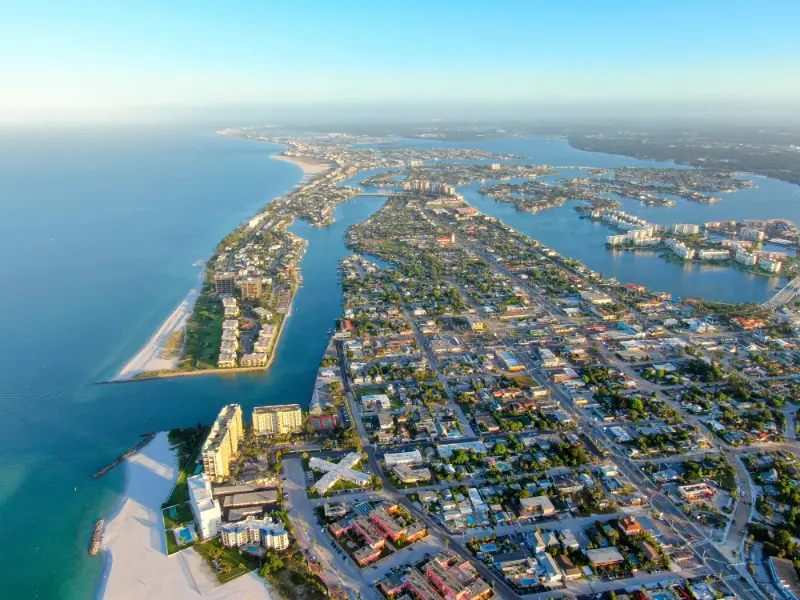
    Saint Pete Beach Florida Oceanfront Aerial

    Choose a stop that provides practical public beach access for your group. A bus stop near the general beach district may still involve a walk across several streets and soft sand. Bring only what you can carry comfortably on the bus, including water, sun protection and a compact towel. Large coolers and bulky beach furniture make transit more difficult and may conflict with onboard rules. For someone who cannot walk far, look for the nearest suitable accessible access point and verify the bus stop’s boarding arrangement with PSTA in advance.

    Make the beach day fit your actual interests

    A car-free beach outing does not have to last eight hours. A morning walk and lunch by the water may be enough, especially for someone who is sensitive to sun or heat. If swimming is the main purpose, check lifeguard arrangements, flags and local advisories before entering the water. For non-swimmers, the value may be the changing sky, shorebirds and sound of the Gulf. Bring a lightweight alternative plan in case wind, storms or crowded conditions change what is comfortable.

    When returning, check the correct direction of the SunRunner and the location of the stop. In unfamiliar cities it is easy to stand on the opposite side of the street or board a bus going away from downtown. Allow time rather than attempting to catch the very last convenient service. For dinner, staying near the hotel can be an advantage after a day outdoors. If the trip includes a child who needs an early bedtime, a short beach visit with a predictable return journey is often better than a complicated sunset plan.

    Day four: local neighborhoods or an easy second museum

    Spend the last day according to the weather and your energy. You might explore a different portion of downtown’s arts corridor, browse a market that is actually operating on your visit day, or return to a favorite waterfront bench. Do not build the day around a festival unless its date is confirmed. A museum not visited earlier can be an excellent rain option. Travelers who love architecture and city life may enjoy looking at historic streets and independent businesses rather than seeking another major ticketed attraction.

    If you are checking out and flying home, keep the day short. Store luggage with the hotel only if that service is available and safe for your belongings. Do not plan a distant excursion that requires two separate bus journeys just before an airport transfer. An early lunch and one waterfront stop can give the trip a satisfying ending. Leaving a city with a clear impression of its neighborhoods can be more meaningful than ticking off a distant beach that took most of a day to reach.

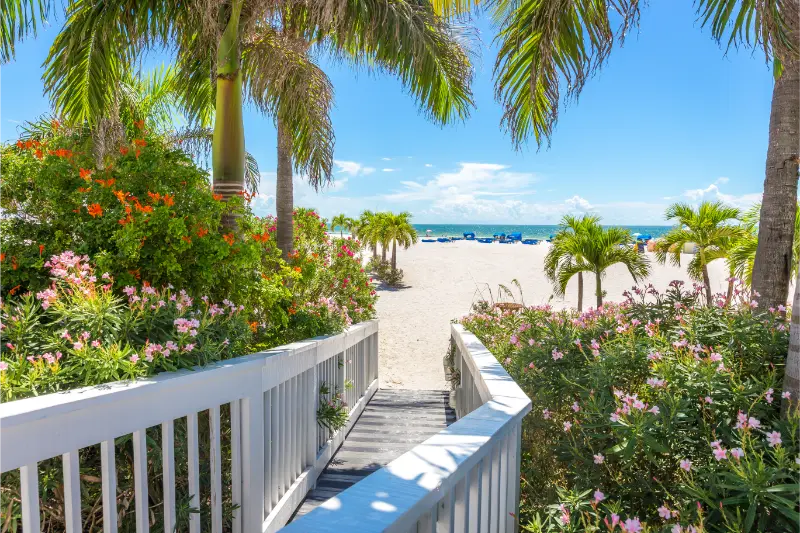
    Saint Pete Beach Florida Tropical Boardwalk

    Understand the limits of a car-free trip

    Public transit makes some destinations practical but will not take you directly to every state park, barrier island or secluded beach. A visit to Fort De Soto, for example, requires special transport planning rather than assuming it is on the SunRunner route. Similarly, museums in outer neighborhoods may require a transfer or rideshare. Check whether a trip is worth the time, cost and walking distance before adding it. If three members of a family need to use separate paid rideshares repeatedly, a short rental might sometimes be cheaper.

    Transit schedules can change after storms, major events or road work. Keep a small reserve for an unexpected taxi. Use official trip planners rather than relying on an old online map. At night, wait in well-lit public areas and keep track of the last return service. Someone using mobility equipment should confirm vehicle and stop accessibility with the operator. Going car-free does not mean refusing every taxi; it means avoiding the obligation and expense of keeping a car for the entire stay.

    Four-day budget without a rental car

    Compare four nights of downtown lodging, airport transfers, transit fares, meals, museum entry and optional rideshare trips against an equivalent vacation with a rental car and parking. A centrally located room may carry a higher nightly price, but that premium can be offset by removing daily car costs. Conversely, a distant inexpensive hotel can erase the savings through frequent rideshare fares. Run the numbers for the exact number of travelers; a family of five and a solo visitor will get different results.

    Reserve advance tickets for attractions you know you want to see, but keep at least one day flexible. Some museums offer discounts for students, seniors or local residents; do not assume visitors qualify for every category. Food spending can be managed through a hotel breakfast, a supermarket lunch and one restaurant meal a day. The point is not to create the lowest possible budget at any cost, but to spend money where it improves convenience and makes the trip enjoyable.

    Comfortable travel for older visitors and mixed-age families

    Downtown St. Petersburg can support a pleasant short visit for older adults, but heat and walking distance require careful attention. Map the actual number of blocks from the hotel to museums and transit stops, and ask about seating along the route. Paved waterfront paths are not necessarily shaded. Travelers over 80 may prefer one destination in the morning and a long lunch rather than several hours outdoors. A mobility scooter or wheelchair user needs details on crossings, ramps and the exact entry point of each attraction.

    With children, pack enough snacks, hats and water for transport delays. Teenagers may enjoy helping navigate the transit app, while smaller children need a clear expectation about where the next toilet and rest stop will be. Agree on a fallback if beach weather disappoints. You can still have a satisfying four-day Florida break based on art, waterfront space and food without keeping a car key in your pocket.

    Weather, public space and good local habits

    Florida’s Gulf Coast weather is not uniform. Winter may bring beautiful walking days and occasional cool fronts; summer can be hot with sudden storms. Leave exposed waterfront areas when thunder is nearby. Respect private property boundaries and use designated public beach access. Keep away from nesting birds and dunes. City waterfronts are shared environments, so be aware of bicycles and other path users rather than stopping suddenly across the walkway.

    A car-free visit also benefits from carrying less. A small daypack, refillable water bottle and charged phone make walking and boarding easier. Check venue hours before leaving the hotel and give yourself time for a relaxed meal. In a city with attractive public spaces, there is no need to convert each hour into an admission fee. The combination of one major attraction and ordinary waterfront time is often enough.

    Frequently asked questions

    Can I visit St. Petersburg and St. Pete Beach without renting a car?

    Yes, if you choose suitable downtown accommodation and plan around the PSTA SunRunner for the beach. Other locations may still require rideshare or special arrangements.

    Is the SunRunner always free?

    Do not assume so. Check the current fares, payment methods and schedules on the operator’s official website before travel.

    Is downtown St. Petersburg walkable for an older traveler?

    Some central areas are relatively convenient, but heat, block lengths and access vary. Select lodging near your main interests and check specific mobility requirements.

  • Four Days in St. Petersburg and Gulfport: Art, Beaches and Fort De Soto

    Four Days in St. Petersburg and Gulfport: Art, Beaches and Fort De Soto

    St. Petersburg makes a strong Florida base for travelers who want art, restaurants and a lively waterfront without giving up access to Gulf beaches. Gulfport, a smaller city on Boca Ciega Bay, adds a different neighborhood character, while Fort De Soto Park offers a natural coastline and historic features south of downtown. Four days let you explore these areas with less driving than a Tampa–Clearwater–Sarasota whirlwind. This guide assumes you’ll choose a main hotel in St. Petersburg or nearby and adapt outings to transport, heat and mobility needs. It also includes a significant 2026 caution: Fort De Soto has ongoing storm-recovery construction, including roads, trails and boat-ramp work, so check the county’s notices before promising a particular facility.

    Why choose downtown St. Petersburg as a base?

    Downtown St. Petersburg works well when museums, restaurants and waterfront paths are the main focus. A hotel near Central Avenue or the waterfront may allow much of the first day to be walked. Beach lovers can stay on St. Pete Beach instead, but repeated trips into downtown require planning and possibly transport fares or a rental car. For families, consider the value of a pool, laundry and a kitchenette as much as a water view. A traveler with limited mobility should confirm the exact entrance and bathroom configuration with the hotel. If your group is noise-sensitive, ask about nightlife and special events near Central Avenue. The best base is the one that minimizes daily friction, not automatically the most famous address.

    Day 1: the St. Petersburg waterfront and a major museum

    Begin with a slow walk along the downtown waterfront, using parks and shaded resting points when available. The St. Pete Pier is a public waterfront destination, but the restaurants, special events and some activities operate independently and have their own rules. Decide whether to visit the Dalí Museum, the Museum of Fine Arts or another cultural institution, rather than attempt every museum in a single afternoon. Art museums reward time to look and read; two rushed admissions can become more expensive and less memorable than one thoughtful visit. Check exhibition days, accessibility arrangements and any timed entry requirements directly. If traveling with children, offer a short visual scavenger hunt and then take a break outdoors. Finish the day with a local dinner, not a cross-bay drive just because another city has a restaurant mentioned on social media.

    Saint Petersburg Florida Waterfront District Aerial

    Day 2: Gulfport, a bayfront city with its own pace

    Gulfport is not simply an extension of downtown St. Petersburg. It has a compact waterfront district, local shops and a creative identity that makes it worthwhile for a half or full day. Walk around Beach Boulevard and the waterfront, noticing that this is a bay setting rather than the broad surf beaches farther west. Some visitors will be happiest with lunch and a few galleries; others may check for markets, concerts or seasonal community events. Schedules change, so verify events with the city before making them the focus of your trip. Parking may be easier than at a major Gulf beach but is not unlimited. Respect residential streets, keep dogs under control and don’t treat local community spaces as private resort amenities.

    How to pair Gulfport with nature, not more driving

    A Gulfport day can include a nearby park or a deliberately quiet afternoon at your accommodation. Boca Ciega Bay and the surrounding waterways are wildlife habitats, but close views of dolphins and manatees cannot be guaranteed. If considering kayaking, choose an operator who describes the route, launch and weather requirements clearly. Inexpensive alternatives include an accessible bayfront overlook or a short walk with binoculars. The contrast between Gulfport’s creative streets and the exposed Gulf beaches helps make the region understandable. Avoid trying to fit Treasure Island, Pass-a-Grille, Madeira Beach and all of Pinellas County into the same afternoon; that turns a relaxed day into a parking tour.

    Day 3: Fort De Soto's history and wild coastline

    Fort De Soto Park, on a group of islands south of St. Petersburg, is known for beaches, natural habitats, picnic areas and a historic fort. It offers more than a generic beach afternoon: interpretive features explain coastal defenses, while birdlife and shoreline vegetation make a nature outing worthwhile. However, county updates in October 2026 detail extensive post-hurricane repairs and ongoing work affecting roads, trails, boat docks and other facilities. The north beach restroom project and dune walkover repairs have their own schedules. Do not rely on a photograph of a boardwalk or pier to assume it is open now. Choose the currently accessible sections, bring water and plan a shorter stay if construction affects the easiest routes. The county park page and its repair project page should be checked shortly before departure.

    What a good Fort De Soto beach day looks like

    Visit the open beach area that matches the group’s needs rather than the one a random ranking calls best. An older relative may value a short route from parking to a restroom; a teen may prefer a permitted cycling path or photography walk. North Beach and other designated areas have different facilities, which can be interrupted by construction or storms. Observe lifeguard and warning information, protect nesting birds and avoid trampling dunes. If you have a dog, use only the designated dog beach and relevant park rules. If you rent kayaks, don’t mistake a calm-looking bay for risk-free boating; currents, boat traffic and weather still matter. The best beach day ends before the group becomes exhausted by heat or by a long walk back to parking.

    Day 4: St. Pete Beach or a second cultural day

    Use your final full day as the adaptable one. Beach lovers can reach St. Pete Beach and spend time around a suitable public access, while museum enthusiasts may prefer another downtown exhibition or the city’s neighborhoods. You might explore a garden in the morning when the weather is cooler or reserve an indoor attraction for an afternoon thunderstorm. The point is to select what the group missed, not to pack an obligatory list into the last hours. If arriving or leaving through Tampa International Airport, allow for the bridges and traffic. Families flying home after an active vacation may prefer a short waterfront breakfast and early checkout rather than a final swim that complicates showering, packing and airport transfers.

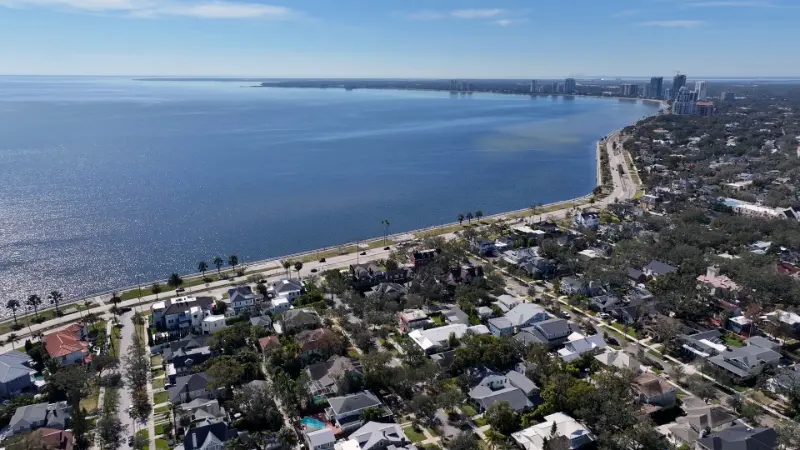
    Florida Cul de Sac and Suburban Houses Aerial

    Using the SunRunner without confusing it with a metro system

    The Pinellas Suncoast Transit Authority’s SunRunner rapid bus connects downtown St. Petersburg, Central Avenue districts and St. Pete Beach. Official 2026 information describes accessible stops and regular service, with schedules and fares that should be checked on the travel date. It is genuinely useful for reducing beach parking hassles, particularly if you’re staying close to one of its stops. But the service does not deliver you directly to every Gulfport attraction or Fort De Soto. Those excursions require other transit connections, a car or carefully arranged rides. Plan the return journey before taking the outbound bus, and allow extra time for traffic or an event. SunRunner is a tool for part of the itinerary, not a magical replacement for regional transport.

    Getting to Gulfport and Fort De Soto

    A rental car is convenient for reaching Fort De Soto and for flexible Gulfport visits. If you want to avoid renting, research current PSTA routes, walking segments and the cost of rideshare for each specific leg before booking a hotel. A modest room saving is not worthwhile if you must repeatedly pay for long taxi rides. The park has an admission or parking system separate from transit costs, and special roadworks can affect access. Visitors using mobility equipment should ask rideshare providers or accessible transportation operators about vehicle availability in advance. Don’t count on finding a quick pickup at a remote beach location late in the day. Always confirm a designated return pickup point before heading out.

    Art, food and a sensible daily rhythm

    Downtown dining can range from simple cafés to special-occasion restaurants; Gulfport has a more neighborhood-oriented feel. Booking an expensive dinner every night is not necessary, especially if your group is more interested in museums and beaches. Spread restaurant reservations across the trip and give space for spontaneous meals. The most expensive items may be hotel charges, museum admission and parking rather than public parks. Check each venue’s rules about bags, outside food and reentry. An afternoon museum ticket after a morning in the sun is often a better use of money than trying to squeeze in another boat trip. Ask restaurants about allergies and verify menus directly if dietary requirements are strict.

    Different ages, abilities and travel styles

    St. Petersburg’s combination of urban and coastal activities makes it possible for travelers with very different interests to share a base. Children who find galleries tiring might enjoy a short interactive visit, a pier outing and pool time. Teenagers can help choose a museum or trail, while older adults may prefer shaded waterfront walks and indoor culture during midday heat. Do not assume older travelers want only sedentary activities or that children cannot enjoy art. If someone uses a wheelchair, check museum lifts, sidewalk interruptions, park access mats and restroom availability individually. The barrier between a parking area and the water may be the decisive detail in choosing a beach. Provide a low-energy option every day so nobody feels pressured to keep pace.

    Weather and emergency alternatives

    The Gulf Coast often has warm, humid summers and afternoon thunderstorms. During hurricane season, consult county emergency alerts and national forecasts rather than assume a hotel near the water is always safe. If thunder is audible, leave open beaches, boats, piers and exposed trails for substantial shelter. A museum is a good rain alternative if roads and conditions permit travel, but never drive through floodwater to reach it. Storm damage from previous seasons can linger in infrastructure long after normal tourism resumes, as Fort De Soto’s ongoing projects show. Recheck public attraction status near your arrival date, especially facilities mentioned in older guidebooks. A canceled beach trip may be a chance for a second cultural outing, not a failed vacation.

    Four-day itinerary table

    DayAreaMain planIf weather or access changes
    1Downtown St. PetersburgWaterfront and one major museumAdditional indoor art stop
    2GulfportCreative district and bayfrontCafé, local shops, short drive
    3Fort De SotoHistory, approved beach and wildlifeSt. Pete museum or city park
    4St. Pete Beach or downtownFlexible beach or cultureShorter city visit before departure

    Frequently asked questions

    Can I do this trip without a car?

    The St. Pete and St. Pete Beach portions are feasible with SunRunner and walking, but Gulfport and especially Fort De Soto need separate transport planning.

    Is Fort De Soto fully open after the storms?

    Do not assume so. Pinellas County’s October 2026 repair updates list ongoing construction and facility-specific work. Check the current park and projects pages before visiting.

    Is Gulfport a Gulf of Mexico beach town?

    It sits on Boca Ciega Bay and has a waterfront community character. Broad open-Gulf beaches are reached farther west on the barrier islands.

    Which day is best for children?

    Many families enjoy a shorter museum day paired with the downtown waterfront, plus a beach day with rest breaks. Specific preferences matter more than age categories.

    How long should we spend in St. Petersburg?

    Four days offer a good combination of art, neighborhoods and nearby beaches without constant hotel changes. An art-focused traveler could spend the entire time downtown.

    With one convenient base, a flexible beach day and realistic awareness of park repairs, St. Petersburg and Gulfport become an easy, satisfying four-day Florida stay rather than a hurried collection of photo stops.

  • St. Pete Beach Florida Travel Guide: Pass-a-Grille, Gulf Beaches, Families and Where to Stay

    St. Pete Beach Florida Travel Guide: Pass-a-Grille, Gulf Beaches, Families and Where to Stay

    St. Pete Beach is a strong choice when you want a classic Gulf beach city with wide sand, resort choices and easy access to both historic Pass-a-Grille and downtown St. Petersburg. It is not a destination that requires a packed checklist to feel worthwhile. The better approach is to identify the one or two experiences that matter most to your group, choose a convenient base, and leave enough open time to enjoy the local pace.

    For a first visit, I would plan around 3–5 nights. That gives you enough time to understand the area without turning the trip into a sequence of parking lots and short photo stops. St. Pete Beach is especially well suited to families, couples, beach-first vacations, multigenerational groups and visitors pairing Gulf sunsets with St. Petersburg culture.

    This guide focuses on practical trip design: where to stay, what deserves priority, how much driving to expect, how to adapt the trip for children or older travelers, and how to connect St. Pete Beach with the rest of Tampa Bay Gulf Coast. Hours, admission policies, road conditions and event schedules can change, so always confirm time-sensitive details on official sites before the day of your visit.

    Quick planning summary

    • Recommended stay: 3–5 nights for a balanced first visit.
    • Best for: families, couples, beach-first vacations, multigenerational groups and visitors pairing Gulf sunsets with St. Petersburg culture.
    • Main strength: a classic Gulf beach city with wide sand, resort choices and easy access to both historic Pass-a-Grille and downtown St. Petersburg.
    • Transport: a car is usually the easiest way to combine the destination with surrounding attractions, even when the central district itself is walkable.
    • Best planning rule: organize each day by area instead of zig-zagging across the region.

    In this guide

    Why visit St. Pete Beach?

    St. Pete Beach works because it gives a Florida trip a different rhythm from the state’s biggest resort corridors. You can still build full sightseeing days, but you do not need to. The destination rewards slower mornings, one substantial activity, a relaxed lunch and enough time for the setting itself.

    Saint Pete Beach Florida Waterfront Resort Neighborhood

    That makes it particularly useful in a longer Florida itinerary. After several intense theme-park, city or driving days, a stop in St. Pete Beach can reset the pace without feeling like a “nothing day.” The experience is still specific to Tampa Bay Gulf Coast, but the pressure to maximize every hour is lower.

    It is also a good place for travelers with different energy levels. A teenager can choose a more active experience, younger children can focus on parks or simple outdoor time, and grandparents can stay involved through scenic stops, short walks, museums, waterfront areas or meals that do not require a major physical commitment.

    My preferred way to approach the destination is to identify one anchor experience for each day, then add secondary stops only if the group still has time and energy. That simple rule prevents the most common Florida planning problem: trying to force too much into a hot, spread-out destination.

    Where to stay in St. Pete Beach

    The best area is not automatically the most luxurious one. For most visitors, convenience matters more than a small difference in room quality. Look at parking fees, breakfast, pool hours, room size, elevator access, cancellation policy and the real door-to-door drive to your priority attractions.

    Pass-a-Grille

    Best for: best for old-Florida atmosphere, a smaller-scale beach village feel and walkable sunsets. Before booking, compare the exact route to the places you expect to visit most often. A hotel that looks close on a regional map can still create repeated driving, parking or bridge time.

    Central St. Pete Beach

    Best for: best for resort choice, restaurants and a convenient all-round beach base. Before booking, compare the exact route to the places you expect to visit most often. A hotel that looks close on a regional map can still create repeated driving, parking or bridge time.

    North St. Pete Beach / Upham Beach

    Best for: useful for travelers who want beach access with quick drives toward Treasure Island and St. Petersburg. Before booking, compare the exact route to the places you expect to visit most often. A hotel that looks close on a regional map can still create repeated driving, parking or bridge time.

    Family tipFor families, a refrigerator, laundry access and a pool can be more valuable than an elaborate lobby. Couples may prefer walkability and evening atmosphere. Senior travelers should check elevator availability, shower design, the distance from parking to the room and whether restaurants are reachable without crossing wide roads.

    If you are using a vacation rental, compare the full price after cleaning and service fees, read parking and occupancy rules carefully, and confirm whether beach equipment, bicycles or other advertised extras are actually included.

    Best things to do in St. Pete Beach

    1. St. Pete Beach shoreline

    The beach is the main attraction: broad sand, warm Gulf water and sunsets make this a destination where doing less can be the right plan. Give this stop enough time to enjoy it without immediately rushing to the next item. For mixed-age groups, it is usually better to shorten the list and leave room for breaks than to plan a full day of tightly timed stops.

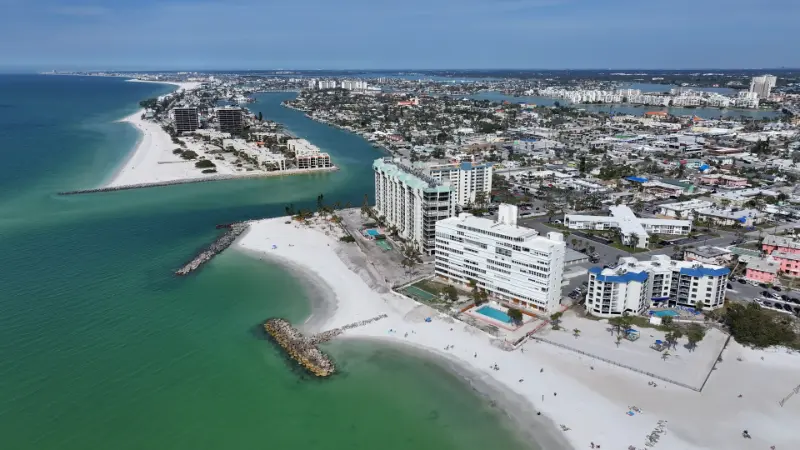
    Saint Pete Beach Florida Hotels and Shoreline Aerial

    2. Pass-a-Grille

    At the southern end of the city, Pass-a-Grille adds historic cottages, a compact street grid, small businesses and a more old-fashioned beach-town feel. Give this stop enough time to enjoy it without immediately rushing to the next item. For mixed-age groups, it is usually better to shorten the list and leave room for breaks than to plan a full day of tightly timed stops.

    3. Upham Beach

    A popular public beach option in the northern part of the city and a useful alternative when you are not staying at a beachfront resort. Give this stop enough time to enjoy it without immediately rushing to the next item. For mixed-age groups, it is usually better to shorten the list and leave room for breaks than to plan a full day of tightly timed stops.

    4. Water activities

    Dolphin cruises, paddle sports and boat trips are widely available in the region, but conditions and operators vary, so compare departure points before booking. Give this stop enough time to enjoy it without immediately rushing to the next item. For mixed-age groups, it is usually better to shorten the list and leave room for breaks than to plan a full day of tightly timed stops.

    5. Downtown St. Petersburg day

    Museums, the waterfront and dining in St. Petersburg create an easy non-beach contrast without changing hotels. Give this stop enough time to enjoy it without immediately rushing to the next item. For mixed-age groups, it is usually better to shorten the list and leave room for breaks than to plan a full day of tightly timed stops.

    Nature and outdoor time

    Beach time should be planned around sun exposure, tides, weather and the needs of your group. Families benefit from shade and shorter sessions; active travelers can add paddling, cycling and boat trips.

    Florida weather changes how an outdoor day feels. In warm months, the same trail or beach that is comfortable at 8:00 a.m. can feel completely different at 1:00 p.m. Use shade, water, sun protection and realistic walking distances, and check radar rather than assuming a forecast icon means an entire day will be lost.

    If wildlife is part of the experience, treat observation distance as part of the attraction rather than an inconvenience. Do not feed animals, block nesting areas or approach wildlife for a photograph. For beaches and waterways, follow posted flags, closures and local safety advice.

    Getting there and around

    A car gives the most flexibility, but parking can be the least relaxing part of peak-season beach days. If you stay near the beach, walk for meals when possible and use regional transit or rideshare selectively.

    When planning a Florida road trip, think in terms of actual travel time rather than map distance. Bridges, beach traffic, event crowds and parking searches can add significant time. Build at least one buffer period into each day, especially if you have a timed tour or reservation.

    For air travel, compare the total trip from the airport to your hotel rather than the flight price alone. A cheaper airport can lose its advantage once rental-car rates, tolls and a longer drive are included. If anyone in the group uses a mobility aid, confirm vehicle size before pickup.

    Best time to visit

    Winter and spring bring mild weather and strong demand. Summer is hot, humid and storm-prone but works well for travelers who start early and take a long afternoon break.

    Florida’s peak travel periods can also include school holidays, major events and winter escapes from colder states. If your dates are fixed, book the hardest-to-replace item first: a special hotel, event ticket, campground or vacation rental. Flexible travelers can often find better value by avoiding Friday and Saturday arrivals.

    During hurricane season, keep reservations and insurance terms clear. A tropical system does not mean every Florida trip will be disrupted, but refundable or changeable bookings are valuable when uncertainty increases.

    Families, teenagers, seniors and accessibility

    With babies and toddlers

    Keep the first day simple. Choose one outdoor stop, return to the room for a nap or pool break, and avoid scheduling a long dinner after a full afternoon in the sun. Shade and access to restrooms matter more than adding another attraction.

    With school-age children

    Alternate “look and learn” attractions with something active. A museum followed by a park, a historic district followed by swimming, or a nature center followed by ice cream usually works better than three educational stops in a row.

    With teenagers

    Give teenagers a role in choosing one activity, restaurant or photo stop. Destinations feel more engaging when they have some control over the day rather than simply following an adult itinerary.

    For seniors and multigenerational groups

    Plan shorter walking loops, more seated breaks and easy meal access. Avoid treating every group member as if they have the same heat tolerance. One traveler can do a longer walk while another enjoys a shaded viewpoint, museum or cafe.

    Accessibility

    Accessible facilities can vary between beaches, historic buildings, parks and private attractions. Check current accessibility pages directly, especially for beach mats, wheelchairs, ramps, elevators, companion restrooms, sensory resources and accessible parking. Historic properties may have unavoidable stairs even when part of the visit is accessible.

    A practical 3-day St. Pete Beach itinerary

    Day 1: orientation and local character

    Start with the most walkable central area and give yourself time to understand the street layout, parking and restaurant options. Choose one signature attraction for late morning or early afternoon, then keep the evening close to the hotel. The first day should establish the rhythm of the trip rather than exhaust the group.

    Day 2: the major experience

    Use the second day for the attraction or outdoor area you would be most disappointed to miss. Start early if parking or heat could become an issue. After lunch, choose a flexible secondary activity that can be shortened if weather or energy levels change.

    Day 3: nature, beach or regional extension

    Finish with a contrasting experience: if the first two days were history and dining, choose nature; if they were beach-focused, add culture or a nearby town. Keep the final afternoon light if you are driving onward, because Florida traffic often makes late-day transfers more tiring than expected.

    If you have a fourth day, use it for a larger regional day trip rather than adding more small local stops. That gives the trip a clearer structure and reduces repeated packing and hotel changes.

    Food and evenings

    Beachfront and Gulf Boulevard restaurants are convenient, while Pass-a-Grille offers a smaller village feel. For sunset dining, reserve ahead during busy periods rather than assuming a walk-in table.

    For families, an early dinner often solves several problems at once: shorter waits, easier parking and a calmer bedtime. For couples, sunset or a post-dinner walk can be more memorable than adding another paid attraction.

    Do not build the entire trip around famous restaurants seen on social media. Keep one or two priority meals, then leave space for a cafe, bakery, seafood counter or casual local place you discover while walking.

    Budget and booking strategy

    Separate your budget into lodging, transport, food and paid attractions. Beach and park time may be inexpensive, but parking, rental-car costs and resort fees can change the total quickly. Always compare the final hotel price, not only the advertised nightly rate.

    For a value-focused trip, spend on location rather than on constant upgrades. A slightly more expensive room in the right area can save fuel, parking and time. Use free outdoor attractions to balance one or two paid experiences that genuinely matter to the group.

    Book time-sensitive attractions through official sellers whenever possible. If the schedule is uncertain, prioritize flexible tickets or refundable reservations. For outdoor plans, avoid paying for multiple weather-dependent activities on consecutive afternoons.

    Best day trips from St. Pete Beach

    Downtown St. Petersburg, Fort De Soto, Gulfport, Dunedin and Clearwater Beach all fit naturally into a longer stay.

    Keep a day trip to one main destination. A two-hour drive followed by four separate attractions and another long return is rarely a good use of vacation time. Choose one anchor experience and one meal stop, then treat anything else as optional.

    If you are moving hotels after the day trip, pack the car once in the morning and avoid returning to the old base. That turns a transfer day into a useful sightseeing day without adding another long drive.

    Mistakes to avoid

    • Booking by map distance only: bridges, parking and traffic matter as much as mileage.
    • Overloading the hottest hours: schedule outdoor priorities early and keep midday flexible.
    • Ignoring event calendars: festivals, races, holidays and school breaks can change prices and parking.
    • Assuming every beach, park or historic site has the same accessibility: verify individual facilities.
    • Planning every meal in advance: reserve only the truly important ones and leave room for discovery.
    • Forgetting weather flexibility: one indoor backup activity can rescue a stormy afternoon.

    Official resources

    Use official sources for current hours, closures, event schedules, access rules and safety information before you travel:

    Frequently asked questions

    How many days do you need in St. Pete Beach?

    3–5 nights is a good first-trip target. A shorter stay works if you focus on one neighborhood or attraction, while a longer stay makes sense if you want several regional day trips.

    Do you need a car in St. Pete Beach?

    For most visitors, yes. Some central areas can be explored on foot, but a car makes it much easier to connect parks, beaches, nature areas and neighboring towns.

    Is St. Pete Beach good for families?

    Yes, especially when the itinerary is paced around the age of the youngest traveler. The strongest family days usually combine one structured attraction with simple outdoor time and a pool or rest break.

    Is St. Pete Beach suitable for senior travelers?

    Yes. Choose lodging with easy parking and elevators, prioritize shaded or seated attractions, and keep midday heat exposure under control. Confirm accessibility directly for historic buildings and outdoor sites.

    What should first-time visitors avoid?

    Avoid trying to turn the destination into a checklist. The trip is better when you choose a convenient base, group activities geographically and leave enough time to enjoy the setting instead of driving constantly.

    Travel information can change. Always verify current hours, admission, road conditions, weather alerts, beach flags and accessibility details on official websites before departure.