Category: Stuart Florida

  • Where to Stay in Stuart and Jensen Beach: Downtown, Hutchinson Island or the Lagoon?

    Where to Stay in Stuart and Jensen Beach: Downtown, Hutchinson Island or the Lagoon?

    Stuart and Jensen Beach sit where rivers, the Indian River Lagoon and the Atlantic help shape everyday life. You can spend the morning on an ocean beach, have lunch in a small downtown district and watch boats on another waterway before evening. That variety is appealing, but it also makes hotel searches confusing. A listing described as waterfront may face a river rather than the ocean; a rental advertised as Jensen Beach may be on the mainland rather than Hutchinson Island. The best base depends on your appetite for driving, your beach routine and whether you prefer restaurants, natural settings or a quiet place to return to after an excursion. This guide separates the options so the booking decision becomes much easier.

    Which base fits your trip?

    Where to stayBest forWatch for
    Downtown StuartWalkable dining and riverfront eveningsNot directly on the Atlantic
    Jensen Beach mainlandRestaurants and everyday conveniencesDrive to barrier-island sand
    Hutchinson IslandOceanfront mornings and beach staysKnow the exact public access point
    Lagoon / riverfront lodgingBoat views and paddling baseNot a typical swimming beach

    Downtown Stuart: restaurants, galleries and a walkable evening

    Downtown Stuart offers an appealing alternative to isolated coastal accommodation. Around its historic core, you can enjoy restaurants, small shops and the riverfront without organizing another excursion after dinner. A central room is valuable for couples who enjoy walking in the evening and for solo travelers who prefer some activity outside the hotel. The trade-off is simple: this is a riverfront town setting, not an Atlantic beachfront district. Swimming beaches lie elsewhere, and trips to them require transportation. Look at the precise hotel entrance and parking situation, especially during events. A room close to nightlife may feel less restful than one a few blocks away. If your plans emphasize the Elliott Museum, waterfront dining, cultural stops and a couple of beach days, central Stuart can be an efficient choice. If you want to hear the ocean every morning, it is better to start your search on the barrier island.
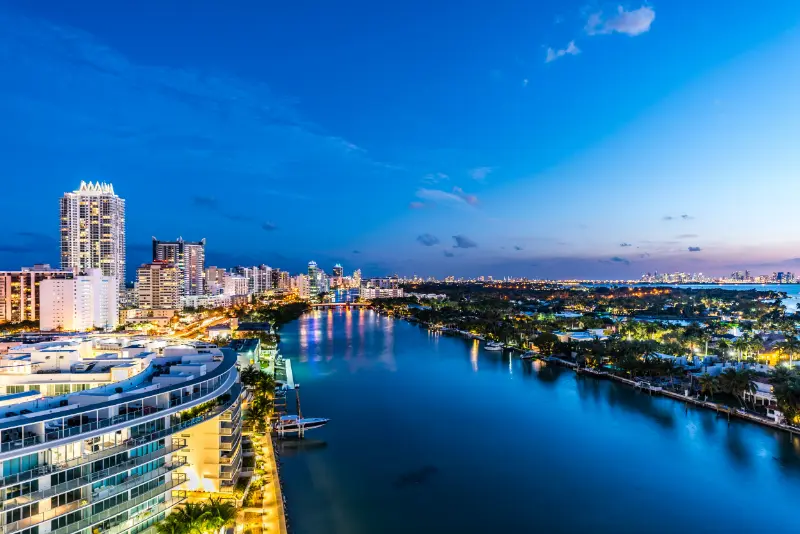
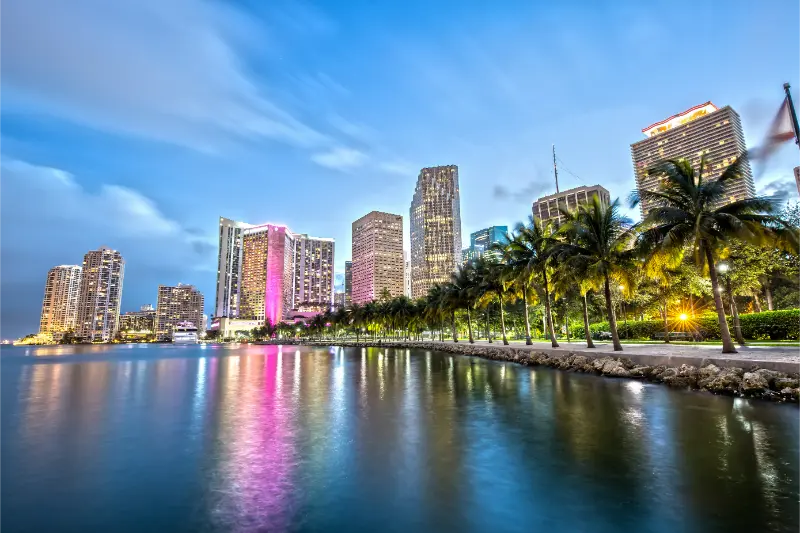
    Florida Downtown Waterfront Skyline at Dusk

    Jensen Beach on the mainland: local life without resort prices

    Mainland Jensen Beach has a recognizable town-center area and access to the wider Martin County region. It can be attractive for travelers who like independent restaurants and small-town outings but do not need direct beach access every day. Some hotel addresses place you near main roads rather than a pedestrian village, so checking the map is essential. A mainland rental may provide a kitchen and space for a family at a better overall cost than a resort-style island property. Yet trips to Atlantic beaches typically involve crossing toward Hutchinson Island. Estimate those journeys at the actual hours you will travel, and include beach parking. For a stay that includes visits to friends or several regional attractions, this location can work well. For visitors traveling without a car, select a compact area with food and services nearby rather than assuming the Jensen Beach name guarantees walkability.

    Hutchinson Island: choose the coast with your exact beach access in mind

    Hutchinson Island extends through more than one local area, so an accommodation search result can conceal meaningful distances. First identify whether the property is in Martin County and which access or park lies nearby. Some rooms have direct Atlantic views; others overlook a road, lagoon or interior courtyard. Ask about the authorized route to the sand, the number of steps and whether the beach has restrooms or lifeguards. Families with small children may appreciate a short return path for meals and naps. Couples might prefer a quieter beachfront apartment with a kitchen. The ocean is not a controlled swimming pool: surf, currents and weather can change quickly, so a beachfront reservation never guarantees a safe swimming day. If anyone has mobility limitations, do not settle for the claim that a beach is 'steps away' without learning what those steps physically involve. A comfortable island stay makes time by the water effortless, but often demands a deliberate plan for groceries and other errands.

    The Indian River Lagoon and St. Lucie River: beautiful, but different from the ocean

    Water appears almost everywhere on local maps, but it serves different purposes. The St. Lucie River and Indian River Lagoon provide scenic waterside views, boating environments and wildlife habitat. An accommodation facing these waters may be wonderful for watching boats or enjoying a sheltered balcony. It should not be sold to yourself as equivalent to an Atlantic swimming beach. Some shorelines have mangroves, docks, seawalls or no public access at all. For paddling, use recognized operators and suitable launch sites, assess weather and current, and wear the required safety equipment. Families should treat private docks as areas needing close adult supervision. If you are enthusiastic about wildlife photography or fishing, a lagoon-oriented base may suit you better than oceanfront luxury. Clarify dock privileges, boat parking and any limitations before booking; water views and water access are very different promises.

    Choose your attractions before you choose the hotel

    The Elliott Museum and nearby coastal sights are reasons to spend time beyond the beach. The Florida Oceanographic Coastal Center offers a marine-science focus that can be particularly engaging for families when current programs and admissions allow. In Stuart, the downtown Riverwalk makes an appealing low-pressure outing, while Jensen Beach provides restaurants and local atmosphere. Bathtub Reef Beach is a familiar name but may be affected by changing sand, access and swimming conditions, so consult official updates before treating it as a fixed itinerary stop. A hotel positioned to minimize driving to two or three priorities can be more useful than a fashionable address far from all of them. When organizing a week, divide attractions into mainland and island days. That simple grouping avoids crossing bridges over and over and leaves more time for unplanned stops or a slower meal together.

    The best setup for families with young children

    Small children shape a beach holiday through nap schedules, feeding needs and how much equipment adults must carry. A Hutchinson Island property with a safe, nearby beach route may make short coastal sessions easy. On the other hand, a mainland suite with kitchen facilities, laundry and a shaded pool can keep everyday life predictable. Ask for the exact sleeping arrangement: a pullout sofa in a noisy living room is not the same as a second bedroom. Check pool barriers, balcony locks and whether the unit has steep stairs. For older children, a combination of marine-science learning, calm waterfront walking and an appropriately supervised beach day can be more interesting than nonstop sand time. Bring sun protection and plenty of water, and never treat tidal pools or lagoon shallows as automatically safe. One activity in the morning and one optional outing later will often produce a more relaxed family stay than an ambitious hourly schedule.

    A comfortable trip for seniors and visitors who need rest breaks

    The area can suit a gentle vacation, but comfort depends on the specifics of a property and its surroundings. A downtown Stuart room with a convenient elevator and restaurants nearby may work better for some older travelers than a beach rental with several flights of stairs. Others may prefer an ocean-view balcony and minimal travel once settled. Request photographs of bathroom grab bars, shower entrances and routes to dining areas if accessibility matters. Confirm whether the guest parking space is close to the room, and whether a waterfront boardwalk has seating and shade. Beach wheelchairs or accessible paths should be checked at the individual public access point, not assumed. Plan outdoor walks early during warm months, then enjoy a quieter midday period. There is no need to swim to appreciate this coast: a sunrise view, museum visit, shaded lunch and gentle boat-watching can fill a rewarding day without exhausting the group.

    Driving, bridges, arrival and transport without a car

    A car is useful for combining mainland Stuart, Jensen Beach and the various island entrances. When comparing properties, inspect the bridge route and the position of the actual parking lot, not a straight-line distance across water. Visitors flying into a larger airport should consider arrival fatigue and any late-night check-in rules. If you do not intend to drive, choose an area with reachable restaurants and plan airport transfers and beach transport rather than relying on spontaneous rides in less busy neighborhoods. Ask tour operators where trips depart; 'Stuart area' can refer to different marinas or launch points. Drivers should check whether a rental has room for their vehicle and whether beach parking restrictions change by location or season. A more expensive room within walking distance of the activities you genuinely want may save both transport expenses and energy.

    Weather, wildlife and responsible beach use

    Florida's Atlantic coast offers generous opportunities for outdoor recreation, but weather deserves respect. Summer heat, lightning and thunderstorms may interrupt beach days. Rip currents are a serious risk during rough conditions, and inlet areas can have strong water movement. Follow lifeguard flags and warnings at each beach. During sea turtle nesting season, keep lights and furniture from disturbing the shore, stay away from marked nests and follow local rules. The lagoon supports birds and other wildlife, so avoid approaching or feeding animals and never disturb sensitive shore vegetation. Tropical-season travel benefits from flexible accommodation terms and an awareness of official emergency notices. A convenient rainy-day museum or restaurant near your lodging can make a week feel easier when outdoor activities are canceled. Nature is one of the area's main pleasures; respecting it makes the visit safer and more rewarding.

    Compare costs across downtown, mainland and beach rentals

    A Stuart hotel may offer a standard room with easy access to restaurants, while an island condo may provide a kitchen but impose a cleaning fee and minimum number of nights. Jensen Beach mainland rentals can give families extra bedrooms and parking for a longer stay. Compare identical dates and the full payable total, including taxes, parking, any resort charges, beach equipment and laundry arrangements. When a listing says 'waterfront,' investigate whether you will need to drive to a swimmable beach; fuel and time matter over a week. Review cancellation terms, especially in hurricane season. If you are booking a holiday with several generations, do not assume a large house saves money after vehicles, groceries and potentially difficult stairs are considered. Sometimes two accessible hotel rooms near the same restaurant are a more comfortable arrangement. The best-value stay is the one that matches how you will actually spend your days.

    A three-day itinerary with less backtracking

    A Stuart-based short stay can begin with a gentle exploration of downtown and the Riverwalk, leaving the first evening free for dinner. On day two, cross to the island for a planned beach morning, then combine the coast with an appropriate museum or marine-science attraction rather than returning inland several times. Save day three for Jensen Beach, a favorite café, a scenic waterfront viewpoint or an easy nature stop before departure. If you stay on Hutchinson Island, reverse the emphasis and protect time to enjoy the beach close to your room. Families might choose one main activity daily; couples can add a longer lunch and a sunset view. For a person with mobility needs, replacing a busy attraction with a comfortable shaded waterfront stop can make the itinerary better, not smaller. The region's charm often reveals itself during unhurried moments between the headline sights.

    Questions worth answering before making a reservation

    Confirm the exact community, shoreline and room address. If you want the ocean, ask whether the property is genuinely on the Atlantic side of Hutchinson Island and how guests access the beach. If you want restaurants on foot, check the route from the room to downtown Stuart or Jensen Beach rather than relying on the neighborhood name. Clarify parking, elevators, stairs, kitchen equipment, resort and cleaning fees, and cancellation conditions. Ask about building work or storm-related disruptions when relevant. Travelers booking fishing or boat trips should verify the marina and boarding arrangements. Families should request bed dimensions and child-safety details; anyone with mobility limitations should obtain specific room information in writing. With those answers, it becomes possible to choose confidently among three different vacation styles: downtown energy, mainland convenience or peaceful time beside the Atlantic.

    Frequently asked questions

    Are Jensen Beach and Hutchinson Island the same place?

    Not exactly. Jensen Beach includes mainland areas, while Hutchinson Island contains stretches of Atlantic-facing coastline.

    Can I swim from any waterfront condo?

    No. River and lagoon access does not imply a designated swimming beach; review the location and posted rules.

    Which base is best without a car?

    A carefully chosen central Stuart property can make meals and walks easier, but beach trips still need planned transport.

    Official visitor resources

  • Stuart Florida Travel Guide: Downtown Riverwalk, Beaches, Wildlife, Museums and Where to Stay

    Stuart Florida Travel Guide: Downtown Riverwalk, Beaches, Wildlife, Museums and Where to Stay

    Stuart is a compact Treasure Coast destination where a real historic downtown sits close to beaches, the St. Lucie River and the Indian River Lagoon. It is especially good for travelers who want a walkable dinner district but still expect fishing, wildlife, paddling and beach time to be the core of the trip. Three nights is enough for a focused visit; four or five makes room for the wider Martin County coast.

    For a first visit, I would plan Stuart Florida around two questions: what do you want to do before lunch, and where do you want to be after dinner? Those choices determine whether a central hotel, a beach-side base or a more practical inland property will save the most time. The destination is easier when you protect mornings for the priority experience, use the hottest part of the day for lunch or an indoor stop, and leave enough flexibility for Florida weather.

    Quick planning summary

    • Historic Downtown and Riverwalk — Locally owned shops, restaurants and the boardwalk make this the easiest place to slow down after a beach day.
    • Florida Oceanographic Coastal Center — A family-friendly marine education center with hands-on experiences and local ecosystem interpretation.
    • Elliott Museum — An indoor cultural stop with transportation, local history and changing exhibits that is easy to pair with Hutchinson Island.
    • House of Refuge — A small historic site in a dramatic coastal setting at Gilbert’s Bar.
    • Best pacing: one major activity plus one flexible neighborhood, park or beach stop each day.
    • Who it suits: couples, families, senior travelers and multigenerational groups who prefer a balanced Florida itinerary.
    • Transport: a car is usually helpful even when one district is walkable.

    In this guide

    Why visit Stuart Florida?

    Stuart is a compact Treasure Coast destination where a real historic downtown sits close to beaches, the St. Lucie River and the Indian River Lagoon. It is especially good for travelers who want a walkable dinner district but still expect fishing, wildlife, paddling and beach time to be the core of the trip. Three nights is enough for a focused visit; four or five makes room for the wider Martin County coast.

    The strongest reason to stay rather than rush through is the ability to experience different parts of the day. Morning light, lunchtime heat and the evening waterfront or downtown atmosphere can completely change a place. An overnight also lets you choose the best weather window for a beach, boat, trail or wildlife activity instead of forcing it into one fixed hour.

    I would not use Stuart Florida as a base for a long drive every day. It works better when at least half the trip is genuinely local. Pick two or three regional excursions, keep the rest close to the hotel, and allow enough unstructured time for a park, café, sunset or local event you did not know about before arrival.

    Where to stay

    Historic Downtown Stuart

    Best for Riverwalk, restaurants, galleries and evening atmosphere. It is my first choice for a short stay if beach-front lodging is not essential.

    Florida Bridge and Downtown Towers

    Hutchinson Island

    Choose the island for early beach walks, ocean views and quick access to Florida Oceanographic, Elliott Museum and House of Refuge.

    Palm City or inland Stuart

    Useful for larger rooms, parking and road-trip access when the hotel is a base rather than the main experience.

    Before booking, compare the total trip cost. A centrally located room can cost more per night but save parking, fuel and rideshare. A larger room farther out can be better for a family if it includes a kitchen, laundry and free parking. Senior travelers should check walking distance, elevator access and bathroom layout; families should look beyond the advertised occupancy and consider whether everyone can actually sleep comfortably for several nights.

    Best things to do

    Historic Downtown and Riverwalk

    Locally owned shops, restaurants and the boardwalk make this the easiest place to slow down after a beach day.

    Florida Oceanographic Coastal Center

    A family-friendly marine education center with hands-on experiences and local ecosystem interpretation.

    Elliott Museum

    An indoor cultural stop with transportation, local history and changing exhibits that is easy to pair with Hutchinson Island.

    House of Refuge

    A small historic site in a dramatic coastal setting at Gilbert’s Bar. The combination of history and shoreline is more memorable than the museum size suggests.

    Stuart Beach and Bathtub Beach area

    These beaches serve different moods; always check current conditions and access because tides and restoration work can affect the experience.

    St. Lucie Inlet and on-water activities

    Fishing, sailing, paddling and boat tours are central to Stuart’s identity. Choose operators based on the experience you want, not just the shortest trip.

    Nature, beaches and outdoor time

    Martin County has an unusually strong mix of ocean beach, inlet, river and lagoon habitat. For wildlife, quieter mornings are usually better than a busy midday. Sea turtle nesting season also brings extra responsibility around beach lighting and marked nests.

    Outdoor planning in Florida works best by temperature rather than by a rigid clock. Put the longest walk, bike ride, paddle or beach session early, then use lunch and an indoor attraction for the hottest hours. Later afternoon can be excellent again, but summer storms may arrive quickly. If swimming is part of the day, check flags, lifeguard coverage and local conditions instead of assuming calm-looking water is safe.

    Wildlife encounters should stay observational. Do not feed birds, dolphins, manatees, alligators or other animals, and never block an animal’s movement for a photograph. When nesting areas, rookeries or protected habitats have seasonal restrictions, treat those rules as part of the experience rather than an inconvenience.

    Getting there and around

    A car remains useful even if you stay downtown because the coast and museums are across bridges. Palm Beach International is convenient for many visitors. Build extra time around bridge openings, weekend beach traffic and summer thunderstorms.

    For rental cars, add parking and tolls to the budget before pickup. If you plan a partly car-free stay, verify the exact hotel address and not just the neighborhood name. A one-mile walk on a map can feel very different in midday humidity, across a wide arterial road or with a stroller. Airport choice should be based on nonstop flights and total transfer time, not only straight-line distance.

    Best time to visit

    For most travelers, late fall through spring gives the easiest combination of comfortable outdoor weather and lower humidity, although winter can also bring higher accommodation prices and busier weekends. Summer is workable if you start outside early, take a real midday break and expect afternoon thunderstorms. Shoulder-season travel can offer better value, but tropical systems and heat should stay in the planning conversation.

    Event weekends can change both prices and traffic, especially in smaller towns where one festival fills much of the hotel inventory. If a specific event is the reason for the trip, book early. If it is not, checking the calendar before choosing dates can help you avoid paying festival-weekend rates for an ordinary getaway.

    Families, teenagers, seniors and accessibility

    Family tipFor families with babies or toddlers, reduce transitions: one major attraction plus pool, park or beach time is enough for a good day. Teenagers usually respond better when the plan includes something active or independent such as paddling, cycling, shopping or a waterfront district. Senior travelers benefit from the same pacing—shorter outdoor blocks, dependable seating and a hotel close to dinner. If accessibility is essential, confirm ramps, beach mats, accessible restrooms, boat boarding and parking directly with the operator or local authority before arrival.

    Multigenerational trips do not need to keep everyone together every hour. One shared morning anchor, followed by optional afternoon choices, often works better than forcing the youngest child and oldest adult through the same pace. Regrouping for dinner can turn a difficult schedule into an easy one.

    A practical 3-day itinerary

    Day 1: learn the center

    Arrive, check in and explore the main downtown or waterfront district. Choose one short attraction and an easy dinner within a few minutes of the hotel. Avoid expensive prepaid activities on arrival day because flight delays, rental-car lines and traffic can turn them into stress.

    Day 2: signature outdoor experience

    Use the morning for the destination’s strongest beach, preserve, boat, trail or cultural activity. Take a real lunch break, then choose one secondary attraction from the list above. Finish with a sunset or neighborhood dinner rather than adding another long drive.

    Day 3: culture, nature or a selective day trip

    Choose the experience you skipped on day two or make one regional excursion. If the weather is poor, switch to a museum, shopping district or indoor family attraction. Keep the final evening simple so departure does not become a rushed ending to the trip.

    Food and evening planning

    Downtown Stuart is the strongest dining cluster and makes it easy to park once and walk. Waterfront seafood is part of the experience, but the city also has cafés and more contemporary restaurants that keep a multi-night stay varied.

    Florida City Waterfront Bridge after Dark

    For families, breakfast in the room and one planned restaurant meal can make the day easier. For couples, a walkable dinner district is often worth paying slightly more for the hotel. In winter and during special events, reserve only the meals that really matter; too many fixed bookings can make outdoor days feel rushed.

    Budget and booking strategy

    The largest costs are usually lodging, transport and paid experiences. Compare the full stay, not only the room rate: parking, resort or destination fees, breakfast, beach equipment and rideshare can change the real price. Free parks and beaches still create parking and food costs, while one well-chosen paid attraction can deliver several hours of useful family time. Keep at least one flexible day so poor weather does not force you to waste a prepaid outdoor booking.

    A useful budget test is to compare three lodging scenarios: the central hotel, the resort or beach property, and a larger room or rental farther out. Add parking, breakfast, local transport and the amount of driving each requires. The cheapest nightly rate is not always the cheapest trip.

    Best day trips and regional combinations

    Jensen Beach, Hobe Sound, Jupiter and Fort Pierce all work. The best day trips are short enough that you can still return to Stuart for dinner rather than spending the whole day in the car.

    Avoid stacking substantial drives on consecutive days. If you take a long day trip, make the following morning local. Florida roads can be easy when traffic is light and exhausting when crashes, storms, bridge delays or weekend beach traffic intervene.

    Common mistakes to avoid

    • Booking the cheapest hotel without checking the actual daily driving pattern.
    • Trying to combine a full beach day, a major attraction and a long-distance day trip in one schedule.
    • Ignoring afternoon heat or thunderstorms when planning outdoor time.
    • Assuming every beach access or park has the same parking, lifeguards and restroom facilities.
    • Building every evening around a fixed reservation when boat tours, traffic or weather can run late.
    • For multigenerational groups, keeping everyone together all day instead of planning one shared anchor and optional split time.

    Official resources

    Hours, admission prices, beach access, parking systems, ferry schedules, construction and storm-recovery conditions can change. If a specific attraction or service is essential to your trip, confirm it with the official source shortly before travel.

    Frequently asked questions

    How many days do you need in Stuart Florida?

    Two full days is enough for a focused introduction, while three or four nights gives you room for the signature outdoor experience, the main cultural district and one nearby excursion without rushing. Stay longer if the hotel, beach or boating itself is a major part of the vacation.

    Do you need a car?

    For most visitors, yes. One central district may be walkable, but beaches, preserves, airports and day trips are easier with a car. A partly car-free trip can work when you deliberately choose a central hotel and limit regional excursions.

    Is Stuart Florida good for families?

    Yes, especially when you keep days simple. One destination-specific attraction plus beach, park or pool time is usually more successful than filling every hour. Check age, height and boarding requirements before paying for water activities.

    Is it suitable for senior travelers?

    Usually yes. Choose lodging close to dinner, schedule outdoor sightseeing in the cooler morning and verify accessibility details when they are essential. Boat steps, soft sand and long boardwalks can matter more than an attraction’s general “accessible” label.

    What is the biggest planning mistake?

    Trying to use the destination as a launch point for a long drive every day. Protect enough local time to enjoy the place you actually booked, and treat day trips as optional additions rather than the whole vacation.

    Final advice

    Stuart Florida is most rewarding when you let its strongest experiences set the pace. Choose the right base, protect the morning for what matters most, leave room for Florida weather and build the itinerary around the people traveling with you. A thoughtful three-night stay usually feels richer than a longer checklist with too much driving.