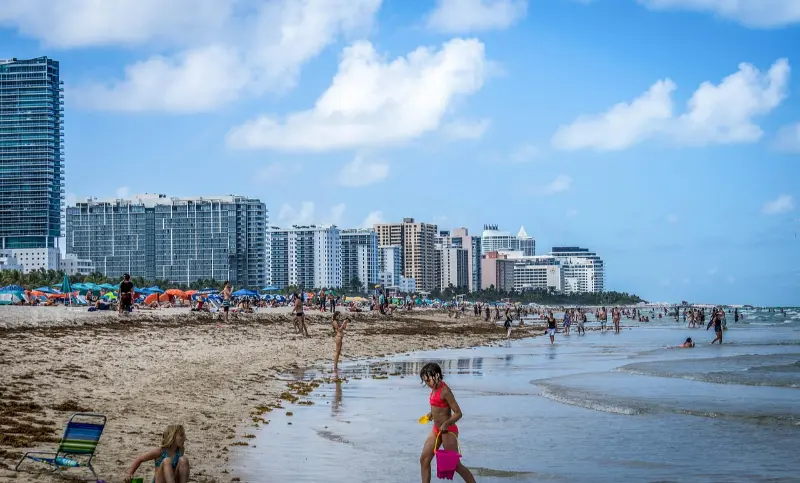
Category: Vero Beach Florida

  • Where to Stay in Vero Beach and Sebastian: Oceanfront, Downtown or the Indian River Lagoon?

    Where to Stay in Vero Beach and Sebastian: Oceanfront, Downtown or the Indian River Lagoon?

    Vero Beach and Sebastian share a stretch of Florida's Treasure Coast, but staying in one does not feel quite like staying in the other. Vero offers a polished oceanfront district, a separate mainland downtown and cultural attractions; Sebastian has a working-waterfront character, quieter neighborhood stays and convenient approaches to the Indian River Lagoon. Neither place is simply a smaller version of Miami. The right hotel or rental depends on whether you want mornings beside the Atlantic, days exploring wildlife and museums, or an easy road-trip base. This guide compares the real trade-offs, including bridges, driving, beach access, family needs and the details worth checking before paying a deposit.

    Which base fits your trip?

    Where to stayBest forWatch for
    Vero Beach oceanfrontBeach-first couples and familiesCheck dune crossover and surf
    Downtown Vero BeachGalleries, restaurants and mainland convenienceDrive to Atlantic beach
    Sebastian waterfrontLagoon views, boating and relaxed eveningsNot a Gulf or Atlantic beach
    Inland / I-95 corridorRegional road trips and quick arrivalsLess coastal atmosphere

    Oceanfront Vero Beach: the easiest choice for a beach-first vacation

    Vero's barrier island is the place to begin when you picture an early walk on Atlantic sand, a swim followed by a shower in your room and dinner without a long return drive. Look closely at the area around Ocean Drive and the main beach district: a hotel marketed as Vero Beach may instead be miles inland near the interstate. Oceanfront rooms may command a premium, but the convenience can justify it for a short stay, particularly with toddlers or relatives who need frequent breaks. Ask whether your room faces the ocean or a parking lot, whether the beach path has steps and whether chairs, umbrellas and parking incur separate charges. A beachfront address also does not guarantee calm water. The Atlantic can have shorebreak, rip currents and rough surf. Choose guarded areas when available, follow posted flags and arrange other activities for days when the ocean is uninviting. For a peaceful holiday, assess noise from pool areas and outdoor dining as carefully as views.

    Mainland downtown Vero Beach: restaurants, galleries and everyday convenience

    Historic downtown Vero Beach sits inland from the main oceanfront area. It can make a satisfying base for visitors who enjoy local cafés, shops, arts events and a less resort-focused rhythm. Restaurants along the town's central streets, nearby grocery choices and straightforward access to inland roads can be valuable on a weeklong visit. Yet a downtown lodging address should never be read as a promise of walking to the surf. Beach outings involve crossing toward the barrier island; the time depends on the actual property, bridge traffic and destination. This location works particularly well for travelers who want to split their days between the coast, the Vero Beach Museum of Art, McKee Botanical Garden and short drives farther north or south. Compare parking and room accessibility with waterfront alternatives. A comfortable mainland hotel with breakfast, a refrigerator and reliable parking can outperform an expensive resort if most of your plans happen away from the sand.
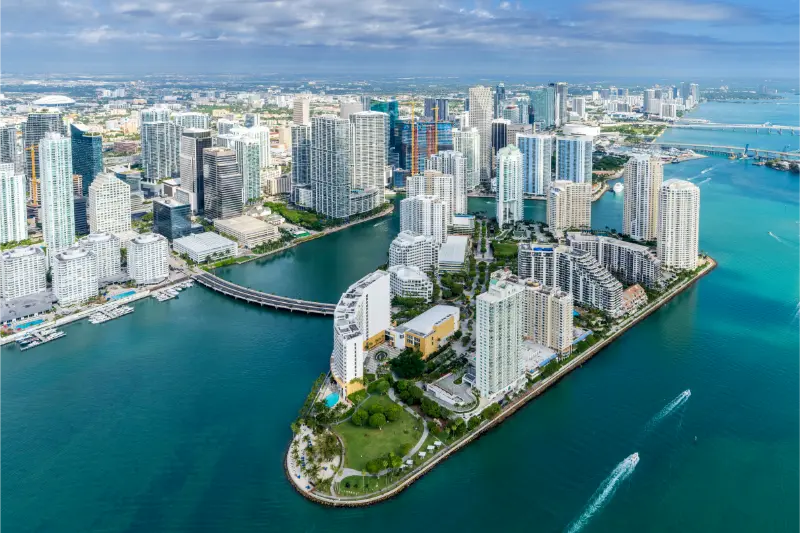
    Miami River and Downtown High Rises

    Sebastian: a small-town base for lagoon views and nature

    Sebastian appeals to people whose ideal day begins with a waterside breakfast, a look at the boats and time outdoors rather than a busy resort scene. The Indian River Lagoon shapes local life, with fishing, birdwatching and boating opportunities close to town. A lagoon-facing room may be delightful, especially for sunset colors, but it is not the same thing as an Atlantic beach property. To reach oceanfront sand, plan a separate trip to appropriate public access points, such as Sebastian Inlet State Park or other beaches along the barrier island. Accommodation here tends to reward travelers who are happy to drive and explore rather than insist on a walkable beachfront holiday. Check whether a rental has genuine water access, whether a dock is private and whether swimming from it is appropriate. Choose Sebastian for its relaxed setting and outdoor possibilities, not because its map label sits close to the coast.

    The difference between a river view and a swimmable ocean beach

    One of the easiest booking mistakes on the Treasure Coast is to compare photographs of water without identifying the shoreline. The Indian River Lagoon is an estuarine system with channels, islands, wildlife and boating activity. The Atlantic beaches on the barrier island are open-ocean shorelines with waves and their own safety issues. A balcony overlooking the lagoon can be wonderful for watching birds and boats, while still requiring a car to reach an ocean swimming area. Conversely, an oceanfront condo can feel isolated from ordinary errands or inland nature spots. Open a map for every shortlisted property and trace the route to the exact beach entrance you expect to use. Look for parking, restrooms, boardwalks, accessible beach options and posted closures. For families, the easiest beach may be the one with a manageable walk and facilities, not simply the prettiest photograph in an accommodation listing.

    Choosing a base for McKee Botanical Garden, museums and riverside outings

    The coast is only part of the attraction here. McKee Botanical Garden makes an appealing change of pace for visitors who like planted landscapes and shaded paths, while the Vero Beach Museum of Art adds an indoor cultural option. The Environmental Learning Center explores the lagoon environment through educational programming and nature experiences. In Sebastian, an afternoon near the waterfront can pair with a planned visit to Sebastian Inlet State Park when access and weather allow. These places are not collected along one pedestrian street; a car or planned transport is usually the practical way to link them. Parents can choose one major stop per half day rather than piling multiple venues into a hot afternoon. Travelers with limited mobility should verify each attraction's current route conditions and available accommodations, not assume that outdoor scenery automatically means level, barrier-free paths. A mainland room may reduce total driving if culture and nature take priority over daily beach time.
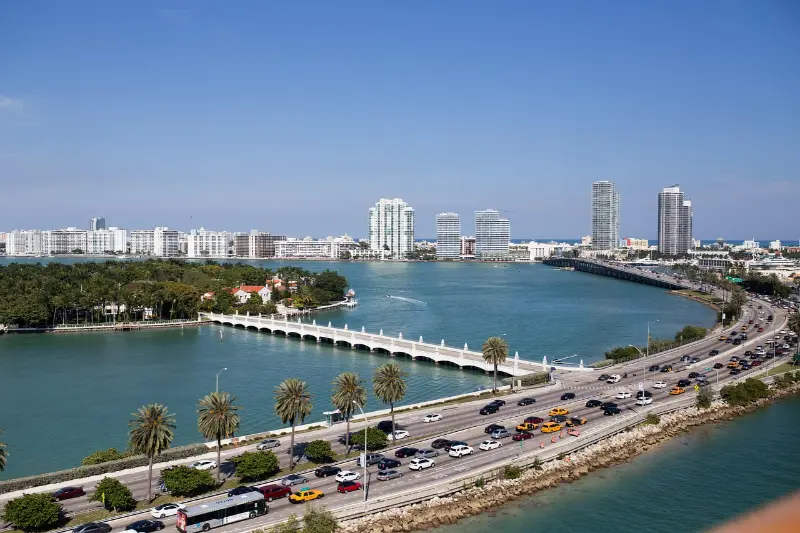
    Miami River Bridges and Skyline

    Family vacations: choose the room layout before the view

    A family with a baby may prize a separate sleeping space, refrigerator and elevator more than a sweeping ocean panorama. A toddler's beach morning often lasts less time than adults expect; an oceanfront base makes returning for naps simple, provided the access path is short and safe. In Sebastian, a vacation home with cooking facilities and laundry can be an excellent fit for older children who enjoy excursions, but check pool fencing, balcony doors and stairs. Teenagers may welcome paddling, boat outings or beach time, yet many activities require reservations, appropriate supervision and weather flexibility. Never assume a rental advertised as family-friendly includes child equipment. Request the exact bed configuration and ask whether quiet bedrooms are separated from living areas. For multigenerational groups, agree in advance how much driving everyone finds comfortable. A hotel with a restaurant on site can ease evenings when some people want to turn in early and others want another hour outside.

    A gentler stay for older travelers and visitors who walk less

    There is no single correct neighborhood for a senior traveler: some value ocean views while others prefer easy parking near restaurants. The important details are physical rather than promotional. Ask whether entry is step-free from the actual parking space, what kind of shower is in the assigned room and how far breakfast or the beach is from the elevator. A property may advertise accessibility but still have a steep approach to its sandy beach. Many visitors enjoy shoreline scenery without entering the ocean; shaded benches, waterfront restaurants and scenic drives can make that a rich vacation. In Sebastian, a lagoon-view restaurant or short waterfront walk may suit a quieter pace. In Vero, an accessible museum or garden visit can offer a pleasant afternoon away from wind and surf. Confirm mobility equipment policies and exact room arrangements directly, and keep one flexible day in the itinerary rather than booking activities every morning and afternoon.

    Getting here and the practical realities of driving

    Vero Beach and Sebastian are linked by coastal and inland roads, but the destination name alone tells you little about trip duration. Interstate-oriented hotels may serve road travelers well while sitting a considerable drive from beaches. If you fly into a major Florida airport, calculate the full journey to the hotel, including the last miles off the highway and any bridge approach, rather than relying on a rough city-to-city estimate. For most travelers wanting both towns, natural areas and several beaches, a car is the easiest option. Without one, book a property with groceries and restaurants close by and make transfer arrangements before landing. Rideshare availability and pricing can be less predictable outside large urban centers, particularly after an evening event. Check parking for overnight guests and any limits on trailers or oversized vehicles. Slow travel works best here when you settle into a coherent area instead of crossing the whole region repeatedly.

    Timing your visit: summer storms, winter breezes and wildlife seasons

    Beach conditions change throughout the year. In summer, warm weather can be accompanied by afternoon thunderstorms, heat and mosquitoes around wetlands; plan nature walks early and save indoor activities for hotter hours. Winter can bring inviting sunshine for walking, but Atlantic swimming may feel cool and windy. Sea turtles nest on parts of Florida's Atlantic shoreline during the warmer months, bringing important rules about lights, dunes and nighttime disturbance. Observe wildlife only from a respectful distance and never interfere with nesting sites. Hurricane season runs from June through November, which makes flexible lodging policies and attention to official alerts important. Rather than choosing a month on temperature alone, decide whether your priorities are swimming, birdwatching, cultural events or simply unwinding. Beach access and park services may change after storms, so verify conditions close to travel rather than trusting old property photographs or dated reviews.

    Cost comparison: when an inland hotel actually saves money

    A budget-friendly rate is useful only after you add parking, breakfast, transport and the number of daily beach trips. An inland hotel with a substantial room and complimentary parking may be economical for a sightseeing vacation. It can become less appealing if two adults drive back and forth to the shore every day, pay for beach parking and buy every meal out. Oceanfront rooms may avoid some transport costs while adding resort or equipment fees. Sebastian vacation rentals can offer kitchens and laundry, but cleaning charges and minimum stays may alter the total. Compare a consistent number of nights and check cancellation terms, taxes, deposits and any seasonal restrictions. Families should also consider time: one effortless return for a child's nap may be worth more than a modest nightly saving. Keep a small allowance for weather-related changes, especially when paying in advance for boat activities.

    Four days without turning the trip into a driving marathon

    For a classic Vero Beach break, spend the arrival afternoon getting familiar with the hotel and nearest beach path. On day two, enjoy a morning at the ocean, retreat from the strongest midday sun and add a leisurely restaurant or museum visit. Day three can focus on McKee Botanical Garden or an environmental learning experience, with a short sunset walk if energy permits. Use day four for Sebastian and a carefully timed stop at the inlet before heading home. If you stay in Sebastian, reverse the emphasis: devote more time to the lagoon waterfront and make the Atlantic an intentional excursion rather than a daily obligation. Families may prefer just one activity each day, while enthusiastic birdwatchers might schedule a quiet dawn outing. Do not attempt to cover every park, museum and restaurant in four days. A smaller plan leaves room for the slow coastal feeling that makes this part of Florida appealing.

    The questions to settle before clicking book

    Start with the actual property address, not the broad destination label. Is it on the ocean, on the lagoon or inland near an interstate exit? Can you reach a usable public beach entrance without a long walk or additional drive? Are the beds, kitchen facilities, air conditioning and parking right for your party? Ask whether any renovation, beach-access closure or construction affects the stay, and confirm that photos show the current property. For travelers using mobility aids, obtain written details of the room and route to shared facilities. If wildlife or boating is the highlight, check operator schedules and safety information directly. Save maps and arrival instructions offline before departure. With those practical questions answered, Vero Beach and Sebastian offer different but equally rewarding coastal vacations: one can be gently resort-oriented, the other shaped by lagoons, boats and a relaxed small-town pace.

    Frequently asked questions

    Can I walk to the ocean from downtown Vero Beach?

    Usually not. The main downtown area is inland; check the bridge route and exact public Atlantic beach access.

    Does a Sebastian lagoon-view rental have a swimming beach?

    A lagoon view is not an Atlantic beach. Verify the specific shoreline and public coastal access before reserving.

    What location works best for a family with young children?

    An oceanfront property with a safe nearby beach approach can simplify naps and meals. A spacious mainland suite may suit families planning more day trips.
    Official visitor resources

  • Vero Beach Florida Travel Guide: Beaches, Art, Gardens, Lagoon Nature and Where to Stay

    Vero Beach Florida Travel Guide: Beaches, Art, Gardens, Lagoon Nature and Where to Stay

    Vero Beach works best for travelers who want a polished coastal town without the scale of South Florida’s major resort cities. The barrier-island side has beaches, Ocean Drive, art and theater; the mainland adds downtown restaurants and practical services; the Indian River Lagoon brings wildlife and paddling. It is a particularly good fit for couples, families who prefer a slower beach trip and senior travelers who value short driving distances.

    For a first visit, I would plan Vero Beach Florida around two questions: what do you want to do before lunch, and where do you want to be after dinner? Those choices determine whether a central hotel, a beach-side base or a more practical inland property will save the most time. The destination is easier when you protect mornings for the priority experience, use the hottest part of the day for lunch or an indoor stop, and leave enough flexibility for Florida weather.

    Quick planning summary

    • Vero Beach oceanfront parks — Humiston, Jaycee, South Beach and other county access points differ in lifeguards, parking and facilities.
    • McKee Botanical Garden — A lush subtropical garden that provides shade, water features and a slower-paced outing away from the beach.
    • Vero Beach Museum of Art — A strong cultural anchor near Riverside Park that works well on hot or rainy afternoons.
    • Riverside Theatre and the arts district — Theater and events give Vero a year-round cultural side that rewards at least one evening off the beach.
    • Best pacing: one major activity plus one flexible neighborhood, park or beach stop each day.
    • Who it suits: couples, families, senior travelers and multigenerational groups who prefer a balanced Florida itinerary.
    • Transport: a car is usually helpful even when one district is walkable.

    In this guide

    Why visit Vero Beach Florida?

    Vero Beach works best for travelers who want a polished coastal town without the scale of South Florida’s major resort cities. The barrier-island side has beaches, Ocean Drive, art and theater; the mainland adds downtown restaurants and practical services; the Indian River Lagoon brings wildlife and paddling. It is a particularly good fit for couples, families who prefer a slower beach trip and senior travelers who value short driving distances.

    The strongest reason to stay rather than rush through is the ability to experience different parts of the day. Morning light, lunchtime heat and the evening waterfront or downtown atmosphere can completely change a place. An overnight also lets you choose the best weather window for a beach, boat, trail or wildlife activity instead of forcing it into one fixed hour.

    I would not use Vero Beach Florida as a base for a long drive every day. It works better when at least half the trip is genuinely local. Pick two or three regional excursions, keep the rest close to the hotel, and allow enough unstructured time for a park, café, sunset or local event you did not know about before arrival.

    Where to stay

    Oceanside and Ocean Drive

    The classic Vero choice for beach access, walkable dining and an easy sunrise. It is usually the most expensive area but can reduce daily driving.

    Mainland downtown Vero Beach

    A good compromise for restaurants, galleries and access to both I-95 and the barrier island.

    Near I-95

    Best for road-trip value and late arrivals, but less atmospheric if you want the beach to be part of every morning and evening.

    Before booking, compare the total trip cost. A centrally located room can cost more per night but save parking, fuel and rideshare. A larger room farther out can be better for a family if it includes a kitchen, laundry and free parking. Senior travelers should check walking distance, elevator access and bathroom layout; families should look beyond the advertised occupancy and consider whether everyone can actually sleep comfortably for several nights.

    Best things to do

    Vero Beach oceanfront parks

    Humiston, Jaycee, South Beach and other county access points differ in lifeguards, parking and facilities. Match the beach to your group instead of simply choosing the closest pin.

    McKee Botanical Garden

    A lush subtropical garden that provides shade, water features and a slower-paced outing away from the beach.

    Vero Beach Museum of Art

    A strong cultural anchor near Riverside Park that works well on hot or rainy afternoons.

    Riverside Theatre and the arts district

    Theater and events give Vero a year-round cultural side that rewards at least one evening off the beach.

    Environmental Learning Center

    An excellent way to understand the Indian River Lagoon through trails, aquariums and nature programs.

    Round Island and lagoon parks

    These areas are useful for paddling, manatee watching possibilities and quieter nature time.

    Nature, beaches and outdoor time

    Vero’s coast is important sea-turtle nesting habitat, while the lagoon is a nationally significant estuary. Respect marked nests, keep beaches dark at night during nesting season and never approach wildlife for a closer photo. Nature is a reason to slow down here, not another checklist.

    Florida River Estuary Nature Reserve Aerial

    Outdoor planning in Florida works best by temperature rather than by a rigid clock. Put the longest walk, bike ride, paddle or beach session early, then use lunch and an indoor attraction for the hottest hours. Later afternoon can be excellent again, but summer storms may arrive quickly. If swimming is part of the day, check flags, lifeguard coverage and local conditions instead of assuming calm-looking water is safe.

    Wildlife encounters should stay observational. Do not feed birds, dolphins, manatees, alligators or other animals, and never block an animal’s movement for a photograph. When nesting areas, rookeries or protected habitats have seasonal restrictions, treat those rules as part of the experience rather than an inconvenience.

    Getting there and around

    A car is useful because the barrier island, mainland and I-95 corridor are separated. Melbourne Orlando International Airport can be convenient for some routes; Orlando and Palm Beach are alternatives for wider Florida itineraries.

    For rental cars, add parking and tolls to the budget before pickup. If you plan a partly car-free stay, verify the exact hotel address and not just the neighborhood name. A one-mile walk on a map can feel very different in midday humidity, across a wide arterial road or with a stroller. Airport choice should be based on nonstop flights and total transfer time, not only straight-line distance.

    Best time to visit

    For most travelers, late fall through spring gives the easiest combination of comfortable outdoor weather and lower humidity, although winter can also bring higher accommodation prices and busier weekends. Summer is workable if you start outside early, take a real midday break and expect afternoon thunderstorms. Shoulder-season travel can offer better value, but tropical systems and heat should stay in the planning conversation.

    Event weekends can change both prices and traffic, especially in smaller towns where one festival fills much of the hotel inventory. If a specific event is the reason for the trip, book early. If it is not, checking the calendar before choosing dates can help you avoid paying festival-weekend rates for an ordinary getaway.

    Families, teenagers, seniors and accessibility

    Family tipFor families with babies or toddlers, reduce transitions: one major attraction plus pool, park or beach time is enough for a good day. Teenagers usually respond better when the plan includes something active or independent such as paddling, cycling, shopping or a waterfront district. Senior travelers benefit from the same pacing—shorter outdoor blocks, dependable seating and a hotel close to dinner. If accessibility is essential, confirm ramps, beach mats, accessible restrooms, boat boarding and parking directly with the operator or local authority before arrival.

    Florida House with Garden and Palm Trees

    Multigenerational trips do not need to keep everyone together every hour. One shared morning anchor, followed by optional afternoon choices, often works better than forcing the youngest child and oldest adult through the same pace. Regrouping for dinner can turn a difficult schedule into an easy one.

    A practical 3-day itinerary

    Day 1: learn the center

    Arrive, check in and explore the main downtown or waterfront district. Choose one short attraction and an easy dinner within a few minutes of the hotel. Avoid expensive prepaid activities on arrival day because flight delays, rental-car lines and traffic can turn them into stress.

    Day 2: signature outdoor experience

    Use the morning for the destination’s strongest beach, preserve, boat, trail or cultural activity. Take a real lunch break, then choose one secondary attraction from the list above. Finish with a sunset or neighborhood dinner rather than adding another long drive.

    Day 3: culture, nature or a selective day trip

    Choose the experience you skipped on day two or make one regional excursion. If the weather is poor, switch to a museum, shopping district or indoor family attraction. Keep the final evening simple so departure does not become a rushed ending to the trip.

    Food and evening planning

    Ocean Drive offers convenient vacation dining, while the mainland adds local restaurants and better value. A split stay is unnecessary; just plan one or two mainland evenings if you are based at the beach.

    For families, breakfast in the room and one planned restaurant meal can make the day easier. For couples, a walkable dinner district is often worth paying slightly more for the hotel. In winter and during special events, reserve only the meals that really matter; too many fixed bookings can make outdoor days feel rushed.

    Budget and booking strategy

    The largest costs are usually lodging, transport and paid experiences. Compare the full stay, not only the room rate: parking, resort or destination fees, breakfast, beach equipment and rideshare can change the real price. Free parks and beaches still create parking and food costs, while one well-chosen paid attraction can deliver several hours of useful family time. Keep at least one flexible day so poor weather does not force you to waste a prepaid outdoor booking.

    A useful budget test is to compare three lodging scenarios: the central hotel, the resort or beach property, and a larger room or rental farther out. Add parking, breakfast, local transport and the amount of driving each requires. The cheapest nightly rate is not always the cheapest trip.

    Best day trips and regional combinations

    Sebastian Inlet, Fort Pierce and the northern Space Coast are easy options. Keep the drive short if you have already paid for an oceanside room—Vero is most enjoyable when you actually use the beach and lagoon rather than leaving every day.

    Avoid stacking substantial drives on consecutive days. If you take a long day trip, make the following morning local. Florida roads can be easy when traffic is light and exhausting when crashes, storms, bridge delays or weekend beach traffic intervene.

    Common mistakes to avoid

    • Booking the cheapest hotel without checking the actual daily driving pattern.
    • Trying to combine a full beach day, a major attraction and a long-distance day trip in one schedule.
    • Ignoring afternoon heat or thunderstorms when planning outdoor time.
    • Assuming every beach access or park has the same parking, lifeguards and restroom facilities.
    • Building every evening around a fixed reservation when boat tours, traffic or weather can run late.
    • For multigenerational groups, keeping everyone together all day instead of planning one shared anchor and optional split time.

    Official resources

    Hours, admission prices, beach access, parking systems, ferry schedules, construction and storm-recovery conditions can change. If a specific attraction or service is essential to your trip, confirm it with the official source shortly before travel.

    Frequently asked questions

    How many days do you need in Vero Beach Florida?

    Two full days is enough for a focused introduction, while three or four nights gives you room for the signature outdoor experience, the main cultural district and one nearby excursion without rushing. Stay longer if the hotel, beach or boating itself is a major part of the vacation.

    Do you need a car?

    For most visitors, yes. One central district may be walkable, but beaches, preserves, airports and day trips are easier with a car. A partly car-free trip can work when you deliberately choose a central hotel and limit regional excursions.

    Is Vero Beach Florida good for families?

    Yes, especially when you keep days simple. One destination-specific attraction plus beach, park or pool time is usually more successful than filling every hour. Check age, height and boarding requirements before paying for water activities.

    Is it suitable for senior travelers?

    Usually yes. Choose lodging close to dinner, schedule outdoor sightseeing in the cooler morning and verify accessibility details when they are essential. Boat steps, soft sand and long boardwalks can matter more than an attraction’s general “accessible” label.

    What is the biggest planning mistake?

    Trying to use the destination as a launch point for a long drive every day. Protect enough local time to enjoy the place you actually booked, and treat day trips as optional additions rather than the whole vacation.

    Final advice

    Vero Beach Florida is most rewarding when you let its strongest experiences set the pace. Choose the right base, protect the morning for what matters most, leave room for Florida weather and build the itinerary around the people traveling with you. A thoughtful three-night stay usually feels richer than a longer checklist with too much driving.

  • Florida Gulf-to-Atlantic Road Trip: Six Days from Sarasota to Vero Beach

    Florida Gulf-to-Atlantic Road Trip: Six Days from Sarasota to Vero Beach

    A Gulf-to-Atlantic Florida road trip is a different way to understand the state. Between the white-sand beaches and resort cities lie citrus ridges, freshwater lakes, historic downtowns, ranch country and wetlands that visitors often cross without stopping. Driving from Sarasota toward Vero Beach through the interior takes you through a Florida shaped by agriculture, small communities, and inland landscapes—not merely by theme parks and coastal hotels.

    This six-day itinerary travels east at a deliberately modest pace, using Sarasota, Lake Wales, Sebring and Vero Beach as anchors. It is best for travelers who enjoy cultural stops, scenic roads, gardens and manageable outdoor activity. It is not a rapid cross-state shortcut: the journey is meant to include stops, and the driving should always be adjusted for weather, traffic and personal comfort.

    Six days from the Gulf to the Atlantic

    Day Main area Main idea Suggested overnight
    1 Sarasota Gulf-side arrival and cultural afternoon Sarasota
    2 Sarasota to Lake Wales Inland scenery and Bok Tower Gardens Lake Wales or nearby
    3 Lake Wales Town history and lakeside landscape Lake Wales
    4 Sebring and Avon Park Highlands County lakes and downtowns Sebring
    5 Sebring to Vero Beach Eastward drive and lagoon arrival Vero Beach
    6 Vero Beach Garden, art or Atlantic shore Vero Beach or departure

    Why travel across rather than along the coast?

    Many first-time Florida itineraries remain on Interstate 75, Interstate 95, or the tourist districts around Orlando. A cross-peninsula journey shows how the terrain changes inland: coastal bays give way to higher sandy ridges, citrus heritage, interconnected lakes and working landscapes before the terrain descends toward the Indian River Lagoon and Atlantic Ocean. You do not have to be a committed nature enthusiast to appreciate the contrast.

    The Florida Scenic Highways program provides background on designated routes, including the Ridge region. Use that information for context, but choose each actual road based on current navigation, traffic advisories, and your vehicle’s needs. Scenic roads are public roads serving residents and businesses. Never stop in a traffic lane to photograph farmland or enter private orchards without permission.

    Six days allow real stops and two-night stays. If you have only two days, travel straight across and select one major garden or heritage stop. Trying to reproduce a six-day itinerary over a weekend defeats the purpose.

    Day one: begin beside Sarasota Bay

    Sarasota offers a comfortable first base when arriving from the Gulf Coast side of Florida. Choose a cultural afternoon rather than attempting beaches, museums and a distant drive at once. The Ringling complex is an option for visitors interested in art and the history of the Ringling family, while Sarasota’s downtown waterfront is an easier alternative for travelers who prefer short walks and a meal overlooking the bay. Check each institution’s admission arrangements and opening hours before choosing.

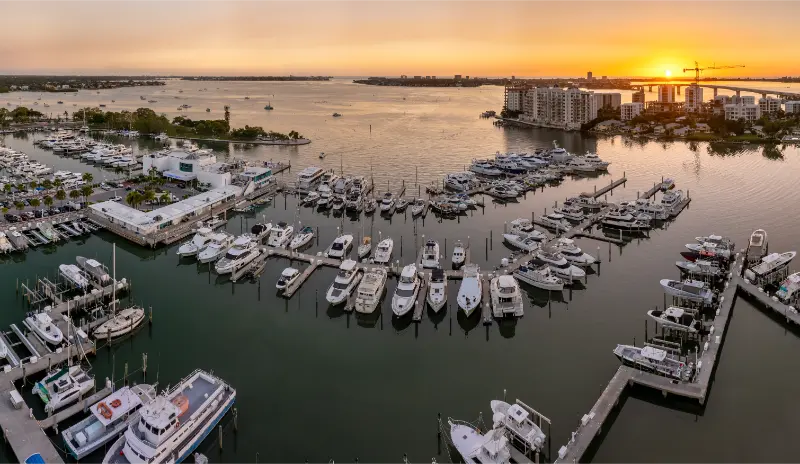
    Sarasota Bay Marina and Downtown Buildings at Sunset

    If you arrive after a long flight, focus on a short orientation. Buy snacks and water for the inland drive, collect necessary medication, and confirm that your rental vehicle suits your luggage and any mobility equipment. Sarasota traffic and causeway journeys can take longer at busy times. Do not plan a trip to a distant barrier island solely because you want a sunset on the first evening.

    For families, a hotel with breakfast and an accessible parking area can simplify the morning departure. For couples, a more central location may make the first night enjoyable on foot. Pick the accommodation that matches your intended activities rather than the broad location label.

    Day two: enter the Lake Wales Ridge

    Leave Sarasota after breakfast and drive toward Lake Wales via a route suited to current traffic and the day’s stops. Expect inland agricultural and suburban landscapes, not a continuous wilderness road. Bring snacks and allow for a rest break. The best destination is Bok Tower Gardens, known for its landscaped grounds and landmark singing tower in the Lake Wales area. Visit the official Bok Tower Gardens website to check admission, seasonal hours, musical programs and mobility-access information.

    Set aside enough time to enjoy the gardens at your own pace. Families with small children can focus on a manageable loop and resting areas rather than the entire property. Older adults may prefer shady paths and seating; confirm current routes if using a wheelchair or scooter because natural grades and garden surfaces can affect access.

    After the visit, check into a Lake Wales-area hotel and have dinner without another long drive. This day introduces the higher sandy ridge landscape that differs from Florida’s low coastal areas. There is no need to cram a second major attraction into the evening.

    Day three: a slower Lake Wales day

    Stay near Lake Wales for a second night. Explore its downtown, local heritage and the lakeside setting. The area’s identity includes citrus culture and a long history of inland development. Look for open local museums or historic points of interest, but do not assume small museums operate every weekday. Check their individual websites or contact them before traveling.

    A second visit to a garden or a relaxed outdoor stop can be more satisfying than a lengthy detour. Families might select a playground or short nature walk; photographers may enjoy early or late light across the lakes. Be careful around freshwater edges: alligators can inhabit suitable Florida waterways, and water should never be treated as safe for swimming simply because it looks calm.

    This is also a good day to refresh supplies, check the car’s fuel and tires, and look at the weather for the next stage. Longer road trips become much more pleasant when everyday logistics are handled during a quiet afternoon rather than when everyone is tired.

    Day four: the Highlands County lake district

    Drive south toward Sebring, with an optional stop around Avon Park if its downtown or local history interests you. The region is known for lakes and its inland Florida character. Sebring’s circular downtown is distinctive and works well for a short orientation, coffee and local exploration. Do not assume the city is organized like a resort: restaurants and shops may have varied hours, and a car remains useful for reaching nature sites.

    The Highlands Hammock State Park area can provide a natural contrast if park access and conditions are suitable. Check the Florida State Parks listing for current hours, trail conditions, fees and accessibility information. Some forest trails include boardwalks or uneven terrain, so choose according to your group’s ability. If the weather is oppressive, substitute a short drive and an indoor visit rather than pressing on with a long hike.

    Spend the night in Sebring to avoid a tiring two-hour onward drive after sightseeing. A one-night stay can work, but allow sufficient time to appreciate the small-town atmosphere and meal options.

    Day five: continue east to the Atlantic

    The route toward Vero Beach crosses working landscapes that can feel far removed from oceanfront Florida. The exact road should be selected with live navigation rather than following a rigid scenic label. In rural stretches, fuel and dining options may be farther apart than in Orlando or coastal cities. Refuel before running low, keep water in the car and avoid driving when tired. Observe lower speed limits through towns and watch for agricultural vehicles.

    Arrive at Vero Beach with enough daylight to orient yourself. Decide whether your accommodation is closer to the ocean, downtown, or the Indian River Lagoon. These parts of the region are not all interchangeable for walking. A beachside hotel can be delightful, but if you are primarily interested in gardens or museums, an inland base might offer more convenience.

    An evening near the lagoon can be a gentle introduction to the Atlantic side without swimming. Choose a public viewing area and observe wildlife at a respectful distance. Do not enter mangrove habitat or obstruct access to private docks.

    Day six: Vero Beach’s art, gardens and coast

    Spend the last full morning on one major activity. McKee Botanical Garden offers distinctive tropical plant collections and designed garden spaces; check its official visitor information for hours, admission and access conditions. Travelers who prefer art can look into the Vero Beach Museum of Art and its current exhibitions. Choose based on the interests and stamina of your party.

    An Atlantic beach visit can fit later in the day, but it is not a guaranteed safe swimming opportunity. Watch local surf conditions and warning flags, use staffed beaches when appropriate, and respect any water-quality advisories. The Atlantic shoreline behaves differently from Sarasota Bay or an inland lake. Even experienced swimmers should not treat it as a casual extension of the museum day without checking conditions.

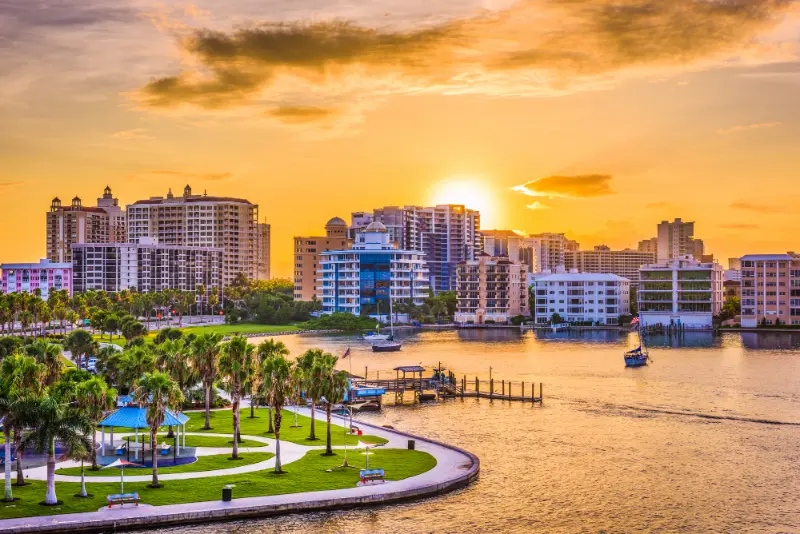
    Sarasota Florida Bayfront Sunset Skyline

    If you are departing by air the same day, consider travel time to the actual airport and do not book a morning attraction that leaves no check-in margin.

    What kind of traveler will enjoy this route?

    The itinerary is particularly appealing to repeat Florida visitors who already know Orlando and the major beach resorts, couples looking for smaller cultural attractions, families with school-age children curious about landscapes, and older travelers who value two-night bases. It is less suitable if your main goal is daily nightlife or beachfront swimming, because several of the six days are inland.

    Travelers with limited mobility should confirm every accommodation and attraction individually. A beautiful ridge garden can include sloping paths, while a historic downtown may have irregular pavement and limited crossings. Use shorter visits and direct parking where appropriate. For young children, break the trip into regular stops and include one physical activity each day rather than expecting them to enjoy continuous driving and museum visits.

    A solo traveler can take the journey comfortably by staying in established hotels and avoiding isolated overnight parking. Share a simple itinerary with someone trusted, especially if exploring rural nature areas without reliable mobile reception.

    Food and cultural context along the way

    The inland portion reveals connections with citrus production, cattle, lakeside settlements and local food businesses. Stop at operating farm stands when permitted, but check seasons: fruit varieties and availability change throughout the year. Do not assume that every roadside orange sign represents a working visitor center. Respect private property and never photograph workers closely without consent.

    Seek out cafés and locally owned restaurants when they are open, while remaining realistic about service hours in smaller towns. If traveling with food allergies, call ahead and carry safe snacks rather than relying on the next stop to have suitable options. The pleasure of this route lies partly in noticing regional differences without turning people who live there into a tourist spectacle.

    Climate and seasonal choices

    Autumn through spring generally provides more comfortable conditions for inland sightseeing than the hottest summer afternoons, but temperatures and rain still vary. Winter cold fronts can be more noticeable around lakes and inland towns than visitors expecting constant tropical heat might anticipate. Summer introduces high humidity and thunderstorm risk. Schedule gardens and short walks earlier, keeping museums and driving for the hottest hours.

    Hurricane season can affect both coasts and the interior. Check weather advisories and road conditions rather than assuming an inland hotel is immune to heavy rain or power outages. The official Florida 511 traffic service can help with major road advisories. If flooding or severe weather makes a segment unsafe, change the route or remain an extra night in a secure location.

    Cost and logistics for a one-way trip

    A six-day road trip has a different cost profile from a six-night single-hotel vacation. Include rental-car one-way drop fees if collecting and returning at different airports, fuel, tolls, hotel parking, attraction tickets, and the time required to check in at multiple places. Car rental can be cheaper when returned to the same location, so compare a loop itinerary if airfares allow.

    Do not drive directly from the final Vero Beach attraction to a distant airport without a clear margin. On a map, the entire state may appear compact compared with the United States as a whole, but long highway transfers are tiring after a week of sightseeing. A final overnight near your departure airport might be the most practical choice.

    A sample plan can be adapted to four nights by cutting the second Lake Wales day and one night in Sarasota. With eight days, add one more night near Sebring or Vero Beach rather than inventing distant detours.

    Frequently asked questions

    Can I drive from the Gulf Coast to the Atlantic in one day?

    Yes, depending on the route and traffic. This six-day plan is designed for sightseeing and overnight stops, not the shortest possible cross-state transfer.

    Do I need a rental car for Lake Wales and Sebring?

    For this itinerary, a car is the practical choice because inland attractions and hotel bases are spread apart and public transport does not connect every stop conveniently.

    Is the route suitable for families and older travelers?

    Yes, when days are kept short and individual attraction access is checked. It is better to choose one main activity daily than to drive and sightsee without breaks.