Category: Wakulla County Florida

  • St. Marks National Wildlife Refuge Guide: Fees, Lighthouse Road, Birding and Tallahassee Tips

    St. Marks National Wildlife Refuge Guide: Fees, Lighthouse Road, Birding and Tallahassee Tips

    St. Marks National Wildlife Refuge is the best choice near Tallahassee for travelers who want a full Big Bend landscape: freshwater impoundments, pine forest, salt marsh, coastal wildlife and the historic St. Marks Lighthouse corridor. It is especially strong for birders and photographers, but the refuge also works for families who are comfortable with a scenic drive and short walks rather than a conventional attraction.

    Explore this guide

    The refuge is open year-round during daylight hours, with the Lighthouse Road gate currently opening at 6:00 a.m. The current entrance fee is $5 per vehicle or $1 per pedestrian/bicycle. The visitor center is currently open weekdays 8:00 a.m.–4:00 p.m. and weekends 10:00 a.m.–5:00 p.m., except federal holidays.

    Quick planning summary

    • Outdoor access: daylight hours; Lighthouse Road gate currently opens at 6:00 a.m.
    • Current fee: $5 vehicle, $1 pedestrian/bicycle
    • Visitor center: Mon–Fri 8:00–4:00; weekends 10:00–5:00
    • Time needed: 3–5 hours for scenic drive, ponds, trails and coast
    • Best for: birding, wildlife, photography, scenic drives and quiet nature days
    • Important rule: no swimming; drones prohibited

    Important current-status note

    October 2026 information snapshot: this article is scheduled for 2028. Hours, fees, construction zones, exhibit access, boat-tour schedules, trail conditions and wildlife closures can change before publication. Use the practical details below as a verified planning baseline, then check the linked official source shortly before the trip.

    The Lighthouse Road experience

    For first-time visitors, the simplest plan is to drive Lighthouse Road slowly and stop at ponds, short trails and coastal viewpoints. Wildlife activity changes by season and water level. Late fall through early spring is often the most comfortable time, and migration can make birding especially rewarding.

    Wildlife expectations

    Expect uncertainty. An alligator may be visible near one pond one day and absent the next. Winter waterfowl and migratory birds vary with weather. Bring binoculars and spend longer at fewer stops instead of rushing every pull-off.

    Lighthouse access

    The lighthouse is an iconic destination, but interior access is not guaranteed. Current refuge information says lighthouse openings are subject to schedule changes. Treat the exterior setting and coastal landscape as the core experience, then consider a lighthouse opening a bonus if it aligns with your date.

    Food, restrooms and remoteness

    There is no food service inside the refuge. Bring water, snacks and a packed lunch if staying several hours. Restrooms are available at the visitor center and Tower Pond Trail, but the refuge notes that some restroom facilities do not fully meet current accessibility standards.

    Official information

    Check U.S. Fish & Wildlife Service for current closures, visitor-center hours, fees and refuge rules.

    Planning the visit for different ages

    For mixed-age groups, the best strategy is to combine one high-interest stop with one low-effort stop. Babies and toddlers usually need shade, reliable restrooms and room to reset. School-age children often respond well to animals, reconstructed history and interactive outdoor spaces. Teenagers may prefer zip lines, scenic drives, photography and less structured time. Older travelers often appreciate museums, gardens and boat tours where the experience does not depend on long walks. Accessibility varies widely, especially at archaeological and refuge sites, so check the official accessibility information when mobility is a major factor.

    Best season, heat and rain

    Late October through April is usually the easiest season for long walks, gardens and wildlife drives. Spring can be especially pleasant, although pollen is noticeable and popular gardens attract more visitors. Summer is hot, humid and storm-prone. Outdoor plans are usually better in the morning, with museums or lunch reserved for the hottest part of the day. The Big Bend coast can also be affected by tropical systems, prescribed burns, flooding and temporary wildlife closures. Check radar and official alerts before driving to a remote site.

    Accessibility and low-effort alternatives

    Tallahassee has several good choices for travelers who want meaningful sightseeing without long walks. The Historic Capitol, Goodwood grounds, short museum visits and a river boat at Wakulla Springs can all work well when heat, mobility or stamina limits a longer outdoor day. At nature preserves and archaeological parks, surface conditions may include roots, grass, sand or uneven ground. Never assume that a short trail is automatically stroller- or wheelchair-friendly.
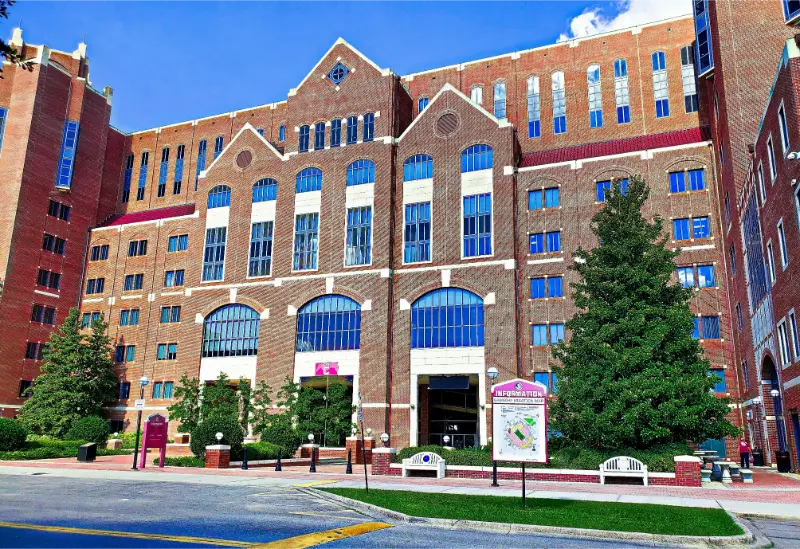
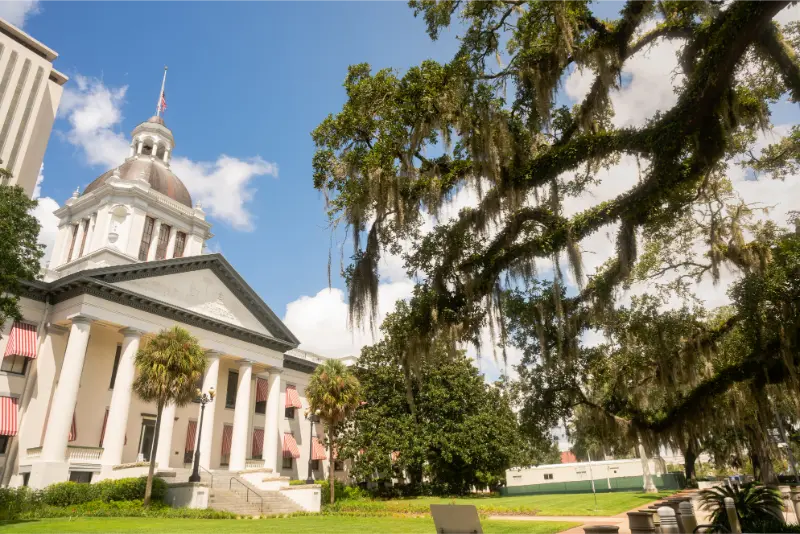
    Tallahassee Florida Historic Brick Government Building

    What to bring

    • Refillable water bottle
    • Sun protection and sunglasses
    • Light rain layer from late spring through early fall
    • Insect repellent for refuges, wetlands and evening walks
    • Comfortable shoes for brick, grass, roots and museum floors
    • Binoculars for wildlife sites
    • Downloaded map for remote Big Bend locations
    • A light layer for heavily air-conditioned museums and boat rides

    How to combine it with nearby places

    St. Marks is best treated as a dedicated nature half-day from Tallahassee. For a gentler wildlife day, choose Wakulla Springs instead of trying to do both quickly.

    Common planning mistakes

    • trying to combine downtown Tallahassee and the Gulf coast in a tightly timed half-day
    • assuming every museum is open seven days a week
    • arriving at a state park or refuge without checking current alerts
    • scheduling only outdoor stops during a summer afternoon
    • treating wildlife sightings as guaranteed
    • forgetting that government-area construction can change entrances and parking

    How this stop fits a longer Florida road trip

    Tallahassee works well as a two-night break between North Central Florida and the western Panhandle. Travelers coming from Cedar Key or Ocala should avoid treating the drive as dead time: the landscape changes noticeably as you move into pine forest, rolling terrain and the Big Bend. If you are continuing west, use Tallahassee for history and food, then dedicate a separate half-day to Wakulla Springs or St. Marks rather than squeezing them into departure morning.

    Final planning advice

    Build the day around one anchor experience and leave at least one hour unassigned. Tallahassee rewards curiosity more than speed: an unexpected legislative exhibit, wildlife sighting, garden in bloom or slower lunch often becomes more memorable than the attraction you originally thought would be the highlight.

    A more realistic way to plan the day

    Tallahassee and the surrounding Big Bend are easier to enjoy when you plan by geography rather than by attraction count. Downtown history, north-side gardens, west-side museums and the coastal wildlife corridor south of the city are not all next door to one another. Traffic is usually manageable compared with South Florida, but parking, state-government schedules, heat and afternoon storms can still turn an overpacked day into a rushed one.
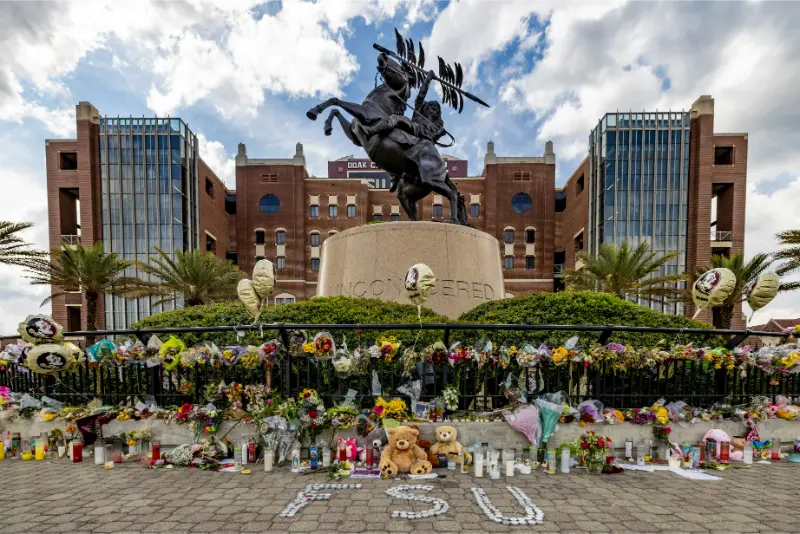
    Tallahassee Florida Capitol Square and Monument

    Count transitions as part of the itinerary. Parking, security checks, walking back to the car, changing clothes after water activities and waiting for a tour all consume time. A day with two strong stops and an unhurried meal is usually more satisfying than four attractions connected by constant driving. This is especially true in summer, when heat and thunderstorms make the middle of the day less predictable.

    Budget and value

    Tallahassee can be a relatively affordable Florida destination because several major sites are free or low-cost. Spend where it improves the experience: a guided boat at Wakulla Springs, a timed historic-house tour or a family attraction may be worth more than adding several minor paid stops. Free parks and museums are most valuable when they match your interests, not simply because they cost nothing.

    Photography and wildlife etiquette

    Use a longer lens or binoculars instead of approaching wildlife. At historic and archaeological sites, stay on public routes and do not move objects for photographs. Tripods, commercial shoots and drones may be restricted, especially on government property, in museums and on federal wildlife refuges. When in doubt, ask before setting up equipment.

    Food, water and restroom planning

    Downtown Tallahassee has many food options, but remote parks and refuges do not. Carry water in the car and never assume that a visitor center, cafe or vending area will be open simply because the outdoor site is accessible. Families with young children should identify the last reliable restroom before driving toward a refuge or spring.

    If the weather changes

    Keep one indoor backup in mind. The Historic Capitol, a house museum or another city attraction can replace a stormy outdoor block. After lightning passes, do not immediately resume swimming or exposed-trail activities unless staff or official alerts indicate conditions are safe. A flexible itinerary is a strength, not a failure to plan.

    Parking, arrival time and daily rhythm

    For city attractions, arriving close to opening usually solves more problems than hunting for a perfect parking space later. Government offices, university schedules and weekday commuters can make downtown feel busier between late morning and mid-afternoon. At parks and refuges, early arrival improves wildlife activity and lowers heat exposure. If your group includes a stroller, wheelchair, large cooler or several children, choose parking convenience over saving a few dollars or walking several extra blocks.

    Leave 15 to 30 minutes between major stops even when mapping apps show a short drive. That margin covers walking back to the car, finding the next entrance, restroom breaks and unexpected construction. It also keeps one delayed stop from pushing every meal and reservation later.

    Planning for multigenerational groups

    A multigenerational Tallahassee day works best when everyone shares the first anchor activity and the group has permission to split briefly afterward. Grandparents may prefer a shaded museum or garden bench while teenagers walk a longer trail or explore photography. Parents with toddlers may need an earlier lunch. Rejoining for one meal or one easy final stop keeps the trip social without requiring every traveler to move at the same speed.

    What is worth booking in advance

    Book anything that has a fixed departure, limited tour size or special access. River boats, historic-house tours, adventure courses and special programs are more vulnerable to selling out than open-air parks. Free museums and city parks usually need less advance planning, but event weekends can still change parking and opening patterns. Recheck reservations a day or two before travel if storms or construction are possible.

    When to skip this stop

    Skipping an attraction can be the right decision when the weather, construction status or interests of your group make the experience poor value. A garden outside bloom season, a wildlife refuge during intense midday heat or a history site with a tired toddler may be better saved for another trip. Wonderful Florida itineraries should help travelers choose, not create pressure to complete a checklist.
  • Wakulla Springs State Park Guide: Boat Tours, Wildlife, Fees, Swimming and Tallahassee Tips

    Wakulla Springs State Park Guide: Boat Tours, Wildlife, Fees, Swimming and Tallahassee Tips

    Edward Ball Wakulla Springs State Park is one of the best half-day trips from Tallahassee because it combines a historic lodge, one of the world’s largest and deepest freshwater springs, wildlife viewing and a ranger-led river boat experience. For travelers who want to see alligators, birds, cypress swamp and possibly manatees without paddling themselves, it is one of the strongest options in North Florida.

    Explore this guide

    The park currently opens 8:00 a.m. to sunset and charges $6 per vehicle for two to eight occupants. River boat tours currently cost $8 ages 13+, $5 ages 3–12 and are free under age 3. Tickets are reservation-only or by phone, and tours operate weather permitting.

    Quick planning summary

    • Park hours: 8:00 a.m.–sunset
    • Current admission: $6 per vehicle for 2–8 people
    • Boat tour: $8 age 13+, $5 ages 3–12, under 3 free
    • Reservations: boat tickets currently require reservation or phone booking
    • Time needed: 3–5 hours for park, boat and lodge
    • Main experiences: river boat, wildlife, swimming, historic lodge and spring scenery

    Important current-status note

    October 2026 information snapshot: this article is scheduled for 2028. Hours, fees, construction zones, exhibit access, boat-tour schedules, trail conditions and wildlife closures can change before publication. Use the practical details below as a verified planning baseline, then check the linked official source shortly before the trip.

    Why the boat tour is the highlight

    The river boat removes many of the practical barriers that come with wildlife viewing. You do not need paddling experience, the boat has a roof, and the guide interprets both natural and cultural history. Wildlife is never guaranteed, but the spring and river corridor support alligators, turtles, wading birds and seasonal manatee sightings.

    Tour timing and weather

    Tours run year-round when conditions allow, but they are not conducted during thunderstorms and may be affected by cold weather or water conditions. Current schedules vary with demand, and the last tour is later during daylight saving time than standard time. Reserve before driving from Tallahassee if the boat is the main purpose of the visit.

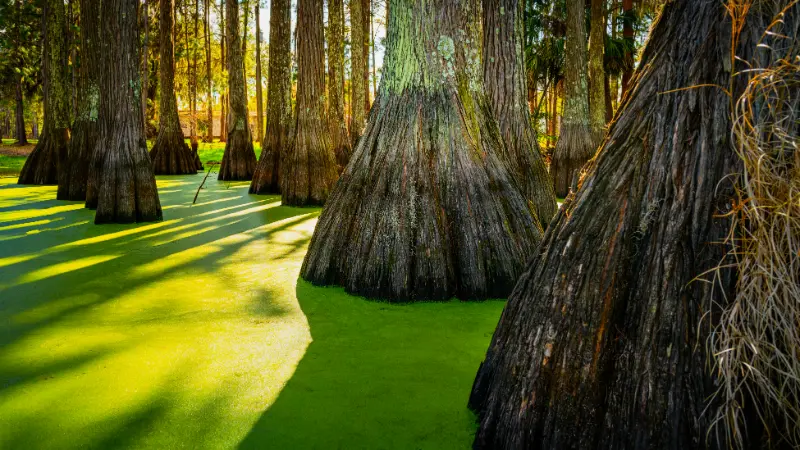
    Florida Cypress Swamp near Tallahassee

    Swimming and the diving platform

    The spring stays around 70°F, which feels refreshing in summer and cool in shoulder seasons. Swimming availability can change with conditions. Children who chill easily should bring warm dry clothes even on hot days.

    The historic lodge

    Do not skip the Lodge at Wakulla Springs even if you are not staying overnight. The 1930s architecture, lobby, painted ceiling and old-Florida atmosphere add a cultural layer that makes the park more than a nature stop.

    Accessibility

    The park notes wheelchair-accessible boats available on request and a manual wheelchair at the waterfront visitor center. Travelers who need a specific accommodation should call before arrival rather than assume a particular boat will be operating.

    Official information

    Check Florida State Parks and the boat tour page before travel.

    Planning the visit for different ages

    For mixed-age groups, the best strategy is to combine one high-interest stop with one low-effort stop. Babies and toddlers usually need shade, reliable restrooms and room to reset. School-age children often respond well to animals, reconstructed history and interactive outdoor spaces. Teenagers may prefer zip lines, scenic drives, photography and less structured time. Older travelers often appreciate museums, gardens and boat tours where the experience does not depend on long walks. Accessibility varies widely, especially at archaeological and refuge sites, so check the official accessibility information when mobility is a major factor.

    Best season, heat and rain

    Late October through April is usually the easiest season for long walks, gardens and wildlife drives. Spring can be especially pleasant, although pollen is noticeable and popular gardens attract more visitors. Summer is hot, humid and storm-prone. Outdoor plans are usually better in the morning, with museums or lunch reserved for the hottest part of the day. The Big Bend coast can also be affected by tropical systems, prescribed burns, flooding and temporary wildlife closures. Check radar and official alerts before driving to a remote site.

    Accessibility and low-effort alternatives

    Tallahassee has several good choices for travelers who want meaningful sightseeing without long walks. The Historic Capitol, Goodwood grounds, short museum visits and a river boat at Wakulla Springs can all work well when heat, mobility or stamina limits a longer outdoor day. At nature preserves and archaeological parks, surface conditions may include roots, grass, sand or uneven ground. Never assume that a short trail is automatically stroller- or wheelchair-friendly.

    What to bring

    • Refillable water bottle
    • Sun protection and sunglasses
    • Light rain layer from late spring through early fall
    • Insect repellent for refuges, wetlands and evening walks
    • Comfortable shoes for brick, grass, roots and museum floors
    • Binoculars for wildlife sites
    • Downloaded map for remote Big Bend locations
    • A light layer for heavily air-conditioned museums and boat rides

    How to combine it with nearby places

    Wakulla Springs works well as the main experience of a day from Tallahassee. If you also want St. Marks NWR, save it for another half-day unless your group is comfortable with a long nature-focused schedule.

    Common planning mistakes

    • trying to combine downtown Tallahassee and the Gulf coast in a tightly timed half-day
    • assuming every museum is open seven days a week
    • arriving at a state park or refuge without checking current alerts
    • scheduling only outdoor stops during a summer afternoon
    • treating wildlife sightings as guaranteed
    • forgetting that government-area construction can change entrances and parking

    How this stop fits a longer Florida road trip

    Tallahassee works well as a two-night break between North Central Florida and the western Panhandle. Travelers coming from Cedar Key or Ocala should avoid treating the drive as dead time: the landscape changes noticeably as you move into pine forest, rolling terrain and the Big Bend. If you are continuing west, use Tallahassee for history and food, then dedicate a separate half-day to Wakulla Springs or St. Marks rather than squeezing them into departure morning.

    Final planning advice

    Build the day around one anchor experience and leave at least one hour unassigned. Tallahassee rewards curiosity more than speed: an unexpected legislative exhibit, wildlife sighting, garden in bloom or slower lunch often becomes more memorable than the attraction you originally thought would be the highlight.

    A more realistic way to plan the day

    Tallahassee and the surrounding Big Bend are easier to enjoy when you plan by geography rather than by attraction count. Downtown history, north-side gardens, west-side museums and the coastal wildlife corridor south of the city are not all next door to one another. Traffic is usually manageable compared with South Florida, but parking, state-government schedules, heat and afternoon storms can still turn an overpacked day into a rushed one.

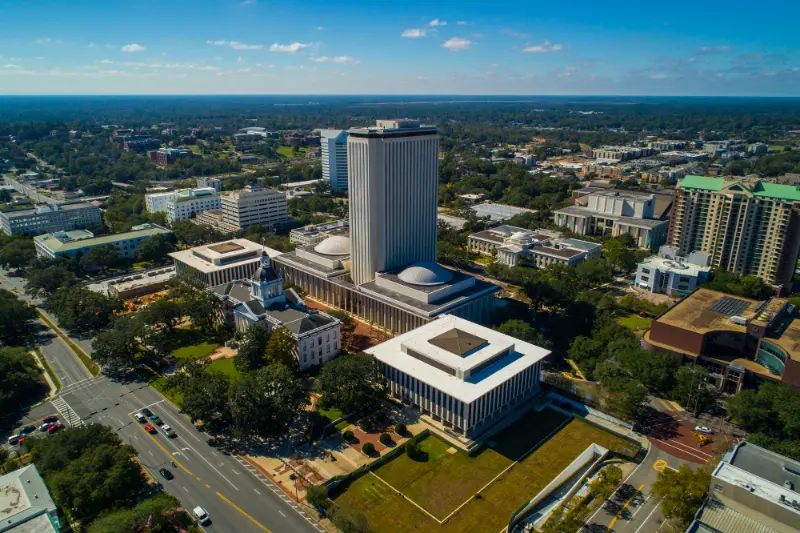
    Florida State Capitol Tallahassee Government Building

    Count transitions as part of the itinerary. Parking, security checks, walking back to the car, changing clothes after water activities and waiting for a tour all consume time. A day with two strong stops and an unhurried meal is usually more satisfying than four attractions connected by constant driving. This is especially true in summer, when heat and thunderstorms make the middle of the day less predictable.

    Budget and value

    Tallahassee can be a relatively affordable Florida destination because several major sites are free or low-cost. Spend where it improves the experience: a guided boat at Wakulla Springs, a timed historic-house tour or a family attraction may be worth more than adding several minor paid stops. Free parks and museums are most valuable when they match your interests, not simply because they cost nothing.

    Photography and wildlife etiquette

    Use a longer lens or binoculars instead of approaching wildlife. At historic and archaeological sites, stay on public routes and do not move objects for photographs. Tripods, commercial shoots and drones may be restricted, especially on government property, in museums and on federal wildlife refuges. When in doubt, ask before setting up equipment.

    Food, water and restroom planning

    Downtown Tallahassee has many food options, but remote parks and refuges do not. Carry water in the car and never assume that a visitor center, cafe or vending area will be open simply because the outdoor site is accessible. Families with young children should identify the last reliable restroom before driving toward a refuge or spring.

    If the weather changes

    Keep one indoor backup in mind. The Historic Capitol, a house museum or another city attraction can replace a stormy outdoor block. After lightning passes, do not immediately resume swimming or exposed-trail activities unless staff or official alerts indicate conditions are safe. A flexible itinerary is a strength, not a failure to plan.

    Parking, arrival time and daily rhythm

    For city attractions, arriving close to opening usually solves more problems than hunting for a perfect parking space later. Government offices, university schedules and weekday commuters can make downtown feel busier between late morning and mid-afternoon. At parks and refuges, early arrival improves wildlife activity and lowers heat exposure. If your group includes a stroller, wheelchair, large cooler or several children, choose parking convenience over saving a few dollars or walking several extra blocks.

    Leave 15 to 30 minutes between major stops even when mapping apps show a short drive. That margin covers walking back to the car, finding the next entrance, restroom breaks and unexpected construction. It also keeps one delayed stop from pushing every meal and reservation later.

    Planning for multigenerational groups

    A multigenerational Tallahassee day works best when everyone shares the first anchor activity and the group has permission to split briefly afterward. Grandparents may prefer a shaded museum or garden bench while teenagers walk a longer trail or explore photography. Parents with toddlers may need an earlier lunch. Rejoining for one meal or one easy final stop keeps the trip social without requiring every traveler to move at the same speed.

    What is worth booking in advance

    Book anything that has a fixed departure, limited tour size or special access. River boats, historic-house tours, adventure courses and special programs are more vulnerable to selling out than open-air parks. Free museums and city parks usually need less advance planning, but event weekends can still change parking and opening patterns. Recheck reservations a day or two before travel if storms or construction are possible.

    When to skip this stop

    Skipping an attraction can be the right decision when the weather, construction status or interests of your group make the experience poor value. A garden outside bloom season, a wildlife refuge during intense midday heat or a history site with a tired toddler may be better saved for another trip. Wonderful Florida itineraries should help travelers choose, not create pressure to complete a checklist.
  • Tallahassee, Wakulla Springs and Monticello: Five Days of North Florida History

    Tallahassee, Wakulla Springs and Monticello: Five Days of North Florida History

    Tallahassee and its surroundings reveal a Florida that beach-focused itineraries often miss. The state capital has museums, government buildings, historic neighborhoods, and a landscape of rolling roads and oak trees. Just south, Wakulla Springs opens a window onto the region’s freshwater wildlife; east, Monticello offers a quieter small-town perspective. With four nights in one base, it is possible to explore all three without racing across the Panhandle.

    This five-day plan suits history-minded adults, families with school-age children, and older visitors who like seated tours and short walks. It deliberately avoids a common error: treating the Museum of Florida History as currently open. The main museum remains closed for construction, according to Florida’s Department of State, so the itinerary relies on cultural sites that can be checked and visited independently.

    The route in five days

    Day Main focus Indoor fallback
    Arrival Downtown orientation Quiet dinner and hotel check-in
    1 Historic Capitol and government district Historic Capitol exhibits
    2 Wakulla Springs and boat tour Lodge dining and a shorter park visit
    3 The Grove and local history A museum or library program
    4 Monticello small-town excursion Relaxed local café and shorter visit
    Departure Breakfast and travel No extra reservation

    Choose a Tallahassee base that matches your plans

    Downtown is practical for the Capitol district and evening meals, while some accommodation farther from the core can offer straightforward parking and easier car access. Compare the true cost of a room, daily parking, breakfasts, and short journeys. If you plan to explore Wakulla Springs and Monticello, a car is generally useful. If you are not driving, look at local guided tour availability and realistic transfers rather than assuming public transportation reaches rural attractions conveniently.

    Consider the group’s walking needs. Some historic districts have sloping streets, old steps, and uneven sidewalks. A hotel described as central may still be more demanding for someone with a walker than a property with a direct entrance and available drop-off. Ask about elevators, room layouts, and a place to rest near the dining area. A comfortable base can make five days of modest sightseeing feel surprisingly varied.

    Day one: the Florida Historic Capitol Museum

    Start at the Florida Historic Capitol Museum, whose restored building introduces the state’s political history and the evolution of the Capitol complex. Review its official visitor information for opening hours and current access routes. In autumn 2026, the museum notes construction affecting its Monroe Street entrance and directs visitors to Capitol Courtyard entrances. This is exactly the kind of detail that matters when navigating with luggage, a stroller, or a mobility aid.

    Take the museum at a comfortable pace, focusing on a few exhibitions that interest you rather than every panel. School-age children can compare photographs of the building with the modern Capitol nearby and ask why a state preserves its old government rooms. Adults may be interested in the workings of legislation and the symbols used in the architecture. Leave time for a simple lunch and avoid scheduling another long museum on the same afternoon.

    Florida State Capitol Tallahassee Government Building

    Understand the Museum of Florida History closure

    Florida’s official Museum of Florida History, located at the R. A. Gray Building, is temporarily closed during construction. Some webpages still show older descriptions, opening hours, or collections as though routine entry were available. Do not book an entire afternoon around a visit without confirming reopening directly. Its collections and educational mission remain important, but they are not the same thing as an open exhibition hall.

    The Knott House Museum is also described by the state as closed for renovations. Travelers interested in the area’s history can instead consider the Historic Capitol, The Grove Museum, or other currently operating sites. If a museum changes its status near your travel date, update the itinerary rather than treating an outdated recommendation as a promise. Museum closures can become an opportunity to spend more time understanding a site that is actually open.

    Day two: Wakulla Springs and a wildlife cruise

    Edward Ball Wakulla Springs State Park makes an excellent day trip from Tallahassee. The main attraction for many visitors is the ranger-led river boat tour, which travels among cypress trees and provides chances to see birds, turtles, alligators, and sometimes manatees. The park’s official tour information explains that wildlife is unpredictable and that tours are subject to weather. Do not promise children a specific animal sighting.

    Boat tour tickets are offered by reservation, and conditions can alter departures. Confirm times and boarding arrangements before leaving town. If a traveler uses a wheelchair, ask about the accessible boat and its availability on the intended departure rather than assuming every boat can accommodate a device. Leave additional time to enjoy the historic lodge setting or a meal. A river cruise can be a comfortable way to see natural Florida without taking on a long trail.

    How to make the springs enjoyable for all ages

    Children often focus on spotting birds and alligators, while adults may appreciate the cypress landscape and the guide’s interpretation. Bring binoculars only if you already have them; the trip does not require specialized equipment. Keep hands inside the vessel as directed, follow all safety guidance, and do not feed wildlife. A light jacket can be useful on cool or windy days even if Tallahassee feels warm when you leave.

    The park’s springs and trails may invite further exploration, but the boat excursion can be enough for one outing. Visitors with limited stamina should prioritize a seated cruise and accessible facilities. Families with toddlers should ask how long the tour lasts, where restrooms are located, and whether children can remain comfortable for the full trip. If storms cancel boats, the historic lodge and a shorter park visit may still provide a pleasant day, depending on conditions.

    Day three: The Grove and the city’s layered history

    The Grove Museum tells stories connected to the Call-Collins House, local families, and the wider history of Florida, including enslavement and civil rights. Florida’s Department of State lists The Grove Museum among its heritage sites and currently indicates free admission on operating days. Check the museum’s own schedule for tours, events, and any temporary limitations. A guided visit can be more revealing than a quick stroll through attractive grounds.

    Florida State Capitol Tallahassee Aerial View

    Approach historic-house museums with curiosity about whose lives are represented. Questions about labor, land ownership, domestic work, and political change are as important as architectural details. Older children can connect historical stories to what they know from school, while adults may enjoy the wider context. Afterward, choose a light afternoon in town rather than driving immediately to another heritage location. A slow lunch leaves time for conversation.

    Optional nearby culture: mission history and public art

    Mission San Luis offers another perspective on early Florida through its interpretation of a seventeenth-century Apalachee-Spanish settlement. Verify current admission, programming, and operating days with the official site before visiting. A mission interpretation involves complex colonial history, so discuss Indigenous lives and agency as well as Spanish institutions. Avoid presenting early Florida as a single uncomplicated cultural story.

    If weather or limited mobility makes an outdoor interpretation challenging, choose an accessible indoor exhibit or shorten the visit. Tallahassee also offers galleries, university-related cultural programming, and public art, but exhibition availability changes. Pick one additional experience only when it fits your interests and the group’s energy. The itinerary works without trying to include every regional museum in a single afternoon.

    Day four: a quiet excursion to Monticello

    Monticello is a small North Florida town east of Tallahassee, with a historic downtown and a different pace from the capital. The day works well for travelers who enjoy storefront architecture, cafés, antique shops, and the pleasure of walking just a few blocks. Check business days before heading out. Small independent shops may close early or on particular weekdays, and an event can change parking or traffic arrangements.

    Plan a short central loop and a relaxed meal. If you are interested in nearby rural roads and landscapes, make that a deliberate scenic drive rather than improvising down poorly maintained routes. Respect private property and active farmland. A child can compare the buildings with those in St. Augustine or Fernandina Beach, while an older traveler may appreciate a quiet atmosphere and places to sit. Rain or heat can make the excursion shorter without diminishing its value.

    What to know about North Florida weather

    Tallahassee does not have exactly the same climate as Miami or the Keys. Winter mornings can be distinctly cool, and occasional cold spells make a lightweight coat useful. Summers bring humidity, high temperatures, and thunderstorms. Natural areas may have mosquitoes or other insects, particularly near water. Bring water, hats, suitable footwear, and insect protection according to conditions.

    For a family, avoid leaving an attraction just as a storm starts and rushing into a long drive. Build a forecast check into breakfast. If lightning is approaching, postpone outdoor and water-based activities. Heavy rain can affect rural driving visibility. The spring boat tour is weather dependent, so reserve Wakulla for an early point in the trip if you want another chance to try after a cancellation.

    Money and timing: what changes the budget

    Expense Expectation Useful precaution
    Historic Capitol Verify current admission and event access Check entrance construction notices
    Wakulla boat tour Separate ticket from state-park entry Reserve before driving
    The Grove Free entry listed by the state Confirm operating date and tour rules
    Mission San Luis Separate attraction schedule Check seasonal hours
    Lodging and parking Vary by event and neighborhood Compare full totals

    A five-day stay need not be expensive, especially with several cultural stops that do not require high admission fees. The greater cost may be accommodation during legislative sessions, university events, or popular weekends. Keep meals flexible and avoid prepaying every attraction. Use one base, pack for mixed indoor and outdoor activities, and include a small contingency fund for schedule changes.

    A flexible version for children, seniors, and solo visitors

    Families with primary-school children may want Wakulla Springs first, then a museum day, so the most exciting wildlife outing does not wait too long. Children interested in history can enjoy the Capitol and Mission San Luis with short, focused explanations. For grandparents or visitors with limited mobility, prioritize the accessible boat at Wakulla, a museum with convenient drop-off, and a car-based scenic excursion to Monticello with only a small amount of walking.

    Solo travelers can spend more time in exhibitions and perhaps join guided interpretation where available, but should keep a realistic return plan for rural trips. Visitors who prefer art over politics may substitute a gallery or university cultural venue for part of day one. The best feature of this region is variety within a fairly compact area, not a requirement to see every attraction.

    Common planning mistakes

    The most consequential mistake is following an old article that says the Museum of Florida History is open for ordinary visits. Another is arriving at Wakulla Springs expecting an immediate boat seat without checking reservations. Also avoid scheduling Monticello for a day when many businesses are closed, booking a hotel far from the sights without considering parking, or treating rural drives like short cross-town errands.

    Five well-paced days can offer a meaningful introduction to North Florida history and landscape. When you return home, the strongest memories may be a conversation with a museum guide, an alligator seen safely from a boat, or the contrast between a modern state capital and the quiet streets of Monticello. None requires a crowded schedule.

    Frequently asked questions

    Is the Museum of Florida History open in 2026?

    The Florida Department of State lists its main museum as temporarily closed for construction. Check the official site before planning a visit and use other active museums in the meantime.

    Do Wakulla Springs boat tours need reservations?

    Yes, the park directs visitors to arrange tour tickets in advance. Weather and available departures can affect service, so confirm the details for your intended day.

    Can I explore Tallahassee, Wakulla Springs, and Monticello without switching hotels?

    Yes. Tallahassee is a practical single base for this itinerary, particularly when you have a car or arrange separate transfers for the surrounding areas.

  • Five Quiet Days Around Wakulla Springs and St. Marks: Wildlife, Rivers and Small-Town Florida

    Five Quiet Days Around Wakulla Springs and St. Marks: Wildlife, Rivers and Small-Town Florida

    A few miles south of Tallahassee, North Florida changes character. Traffic thins, pine woods give way to marshes and rivers, and the Gulf Coast appears not as a line of large beaches but as creeks, tidal flats and working-waterfront communities. A five-day visit around Wakulla Springs, St. Marks and nearby towns is an appealing alternative for people who want wildlife and local history without a tightly scheduled resort vacation. It can work for couples, curious school-age children and older travelers who prefer scenic stops to long hikes.

    This itinerary is built around Tallahassee or the Crawfordville area as a convenient lodging base. Having a car is important: public transportation does not connect the refuge, parks and small settlements in a way that supports this schedule. Days are deliberately shorter than they look on a map because wildlife viewing is best when there is time to stop quietly. Swimming, boat trips and longer nature walks are optional. The biggest planning rule is to respect protected habitats and confirm access after storms, prescribed burns or seasonal changes.

    How to choose a base in this part of Florida

    Tallahassee offers the widest choice of hotels, restaurants and medical services and can make airport arrival easier. Crawfordville is closer to some southern stops but has fewer lodging and evening dining choices. A family with a baby or a traveler who needs an elevator may find a familiar hotel format in Tallahassee simpler than a picturesque remote cottage. Compare the actual daily drives, not the impression that all destinations south of the capital must be close together.

    If the goal is a peaceful weekend, spend at least three nights rather than commuting from a distant Gulf beach. A single base reduces packing and gives everyone a predictable rest routine. Ask about parking, accessible rooms, quietness and check-in times. For early wildlife outings, verify whether breakfast will be available or pack food the previous evening. Local cafés can open later than dawn, when birding is often at its best.

    Day one: arrive and discover Tallahassee at a gentle pace

    Treat the first day as an introduction rather than heading directly to a remote refuge after a flight. Walk a comfortable portion of a Tallahassee park or choose a local museum, depending on weather. The city has layers of state government, university and regional history that make it more than a place to sleep before an outdoor trip. One museum and an unhurried meal are sufficient for an arrival afternoon. If you intend to spend most of the week outdoors, this is also the time to buy water, snacks and insect repellent.

    Use the evening to check National Weather Service information and the park and refuge websites. Rural facilities can have shorter hours or temporary access changes; saving the official contact details is practical when cellular data is unreliable. A simple plan for each day—one principal site, one meal stop and one optional extra—works particularly well for multiple generations. Wildlife does not operate on a timetable, and your plan should not pretend otherwise.

    Day two: Wakulla Springs State Park

    Edward Ball Wakulla Springs State Park is famous for its spring basin, river scenery and historic lodge. Many visitors choose a guided riverboat excursion when operating conditions allow, but availability and the route can change with weather or park management decisions. Do not promise a boat ride to children until the operator has confirmed it. Ask about boarding, steps, seating, shade and restrooms if anyone has limited mobility. The river trip is a chance to observe natural habitats, not a guarantee of manatees, alligators or any specific animal.

    Stay for lunch or a leisurely visit to developed areas rather than immediately driving to another park. Swimming, when allowed, needs separate consideration: posted conditions and the group’s swimming ability are decisive. Travelers who avoid the water can still enjoy the springs setting. The historic lodge provides a sense of old Florida, but services and dining arrangements should be checked ahead, particularly for larger groups. An afternoon rest back at the hotel is a sensible part of this day.

    Day three: St. Marks National Wildlife Refuge

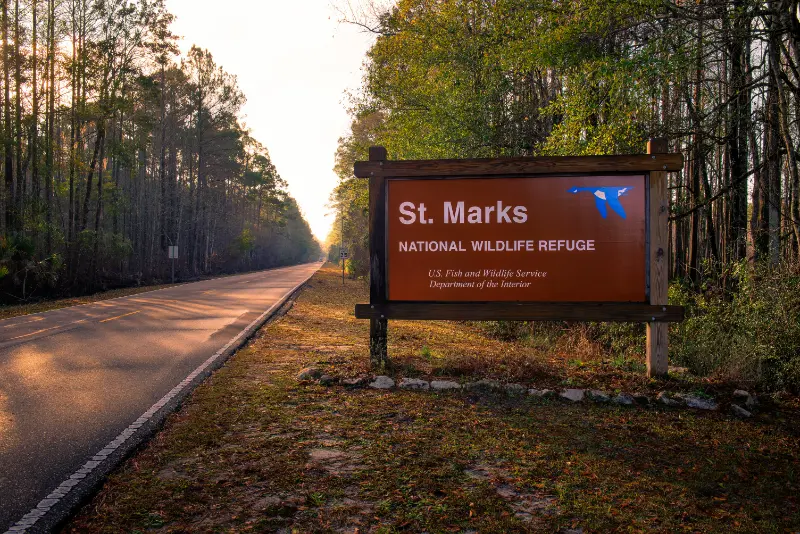
    St. Marks National Wildlife Refuge protects a remarkable coastal landscape where freshwater marsh, saltwater and upland habitats meet. The refuge’s official visitor information provides access details and cautions that certain roads or levees may close during prescribed burns or for wildlife protection. Check the current notice before driving toward the lighthouse road. The lighthouse itself should be treated first as a historic visual landmark: interior access depends on particular openings and is not available at all times.

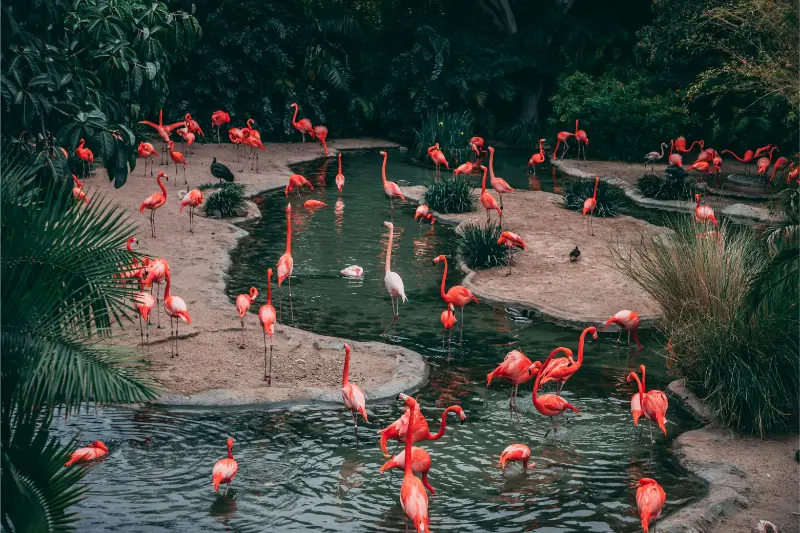
    Flock of Flamingos at Florida Wildlife Park

    Drive slowly where allowed, stop in designated areas and watch birds from a respectful distance. Binoculars are more useful here than a plan to walk long distances. Early mornings and cooler months often make viewing more comfortable, but wildlife encounters are never guaranteed. Bring drinking water and insect protection. The refuge prohibits swimming and has rules governing pets, collecting natural material and access to certain pools. Follow them closely; an empty-looking marsh is still habitat.

    Day four: the town of St. Marks and a coastal perspective

    Spend part of this day in St. Marks itself, a small community near the confluence of rivers and Gulf-influenced waters. It is a good place to observe a working waterfront and learn how tides, fishing and storms shape settlement along the northern Gulf. Rather than expecting a continuous sandy tourist beach, enjoy water views, a modest meal and perhaps a short historic or nature stop if operating hours align. Public access can change after coastal storms, so follow local information and avoid closed structures.

    This is a day for conversation and short outings. Children can compare a tidal waterfront with the inland spring from day two. Older visitors may enjoy a seated view and lunch more than a trail. A wildlife photograph should never require stepping into marsh vegetation, approaching animals or crossing a barrier. If the sun is intense, choose a shaded lunchtime break rather than pushing through to one more stop. The quiet atmosphere is the attraction.

    Day five: choose history or a final nature stop

    On your departure day, choose either a short Tallahassee cultural visit or a nearby green space that fits the return route. Do not plan an early refuge drive if you have a flight in the afternoon and a car to return. Travelers heading east or west by road can stop at a public park along the route, but check whether that adds a significant detour. A flexible last day also gives you the chance to revisit Wakulla Springs if your original boat or park plan was affected by weather.

    Take time to sort photographs and notes. Birdwatchers may wish to record species only when the identification is reliable, using a trusted guide rather than guessing. Families can ask children to describe the difference between a spring, a river and a tidal marsh. The best memory of this region is often the landscape as a whole, not the name of a single attraction. Leave with a realistic sense of how much of northern Florida remains to explore.

    Wildlife that is rewarding without guarantees

    Wading birds, raptors, turtles and other animals use different habitats and are influenced by seasons, tides, temperature and water levels. A birding guide helps identify broad groups, but do not claim a rare sighting based on color alone. Alligators can inhabit freshwater areas; maintain distance, supervise children and never feed wildlife. No animal should be approached for a selfie, and drones are prohibited in the refuge. Photographs made with a zoom lens are both safer and kinder to the animals.

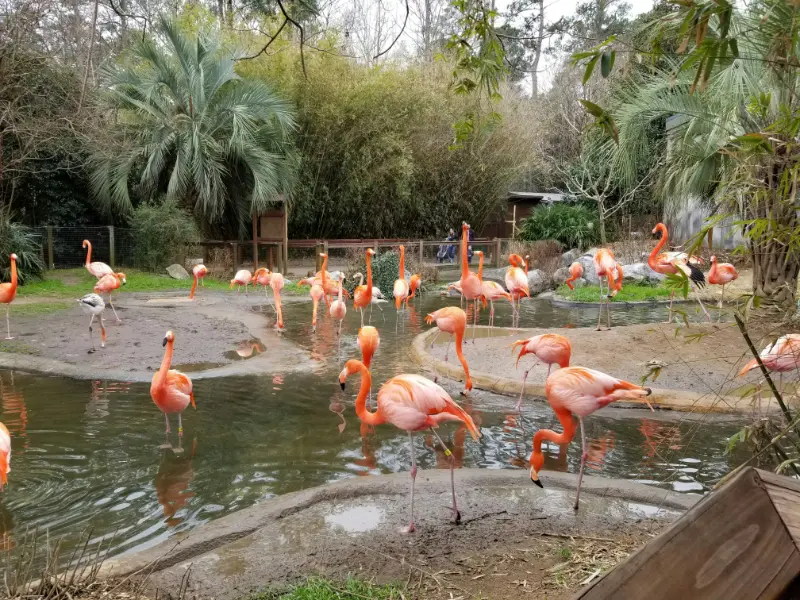
    Pink Flamingos Standing in Florida Wildlife Park

    Wildlife viewing from a vehicle can be an excellent choice for visitors who have difficulty walking. Yet not every pull-off has a flat surface or restroom. Plan bathroom stops in developed areas before starting long drives and avoid getting out in unsafe traffic positions. The quietest moments often occur when the group sits still for ten minutes rather than moving constantly. This is a good lesson for younger visitors: watching carefully matters more than checking off a species list.

    Families, seniors and travelers with accessibility needs

    Families with toddlers should plan around short outdoor windows and nap times. A riverboat can be enjoyable for some children but difficult for those who cannot sit comfortably or handle engine noise; assess the actual activity and age rules before purchasing. Teenagers who enjoy ecology may appreciate the changes from spring to estuary. For senior travelers, combine sightseeing drives, bench stops and one major activity per day. A good itinerary has permission to finish early.

    At refuges and parks, ask about the exact accessible route and facilities, not only a general statement that a site welcomes visitors. The historic character of lodges or vessels may create steps or narrow passages. A wheelchair user may need a specific boat configuration or might choose an alternate overlook. Confirm whether the visitor center, restroom and parking space will actually be open on your visit date. One phone call can prevent an unnecessarily frustrating day.

    Food, supplies and lodging costs

    Main expenses include a rental car, lodging, meals, park and refuge entrance fees and optional boat tickets. There is no reason to quote a fixed total without dates and a party size. This region can be economical when you limit paid attractions and enjoy public scenery, but remote accommodations or last-minute weekend rooms may cost more than expected. Keep extra fuel and meal stops in the plan: restaurants are less densely distributed than around the major resort cities.

    Pack practical items—binoculars, refillable water, sun protection, insect repellent, light rainwear and comfortable shoes. Carry a basic paper map or downloaded offline directions. Mosquitoes and biting insects can be significant in warm weather; check current local guidance and use repellent according to the label. Protect food from heat, and keep medications in a temperature-appropriate container if required. Some remote spots may have few services, so do not count on buying everything at the last minute.

    Best time and weather contingencies

    Fall through early spring can offer cooler outdoor conditions, while summer is often hot, humid and storm-prone. However, no season guarantees a comfortable day or active wildlife. Tropical weather can affect the northern Gulf, and local river levels can influence access to parks. Always check severe-weather notices and any evacuation instruction before traveling. If thunderstorms approach, return to a substantial building or enclosed vehicle; an exposed boardwalk or isolated tree is not safe lightning shelter.

    Keep a rainy-day alternative in Tallahassee, where museums and indoor spaces provide choices, and treat coastal outdoor plans as flexible. A refuge road closure should be respected without searching for an unofficial route around it. A slow vacation is easiest to enjoy when changing the plan feels normal. If storms spoil the main attraction, a local lunch and museum can still make the day worthwhile.

    Five-day itinerary at a glance

    Day Location Main idea Easier backup
    1 Tallahassee Arrival and cultural orientation Hotel rest and meal
    2 Wakulla Springs Park and optional guided riverboat Historic lodge or developed areas
    3 St. Marks refuge Marsh birding and lighthouse views Visitor center if open
    4 St. Marks town Working waterfront and slow lunch Indoor café and short drive
    5 Tallahassee / return Flexible history or nature stop Direct departure

    Frequently asked questions

    Can I visit St. Marks National Wildlife Refuge without long walks?

    Yes. Some visitors focus on designated scenic drives and overlooks. Verify current road and facility access, and do not assume every stop has an accessible restroom.

    Will I definitely see manatees or alligators at Wakulla Springs?

    No wildlife sighting can be guaranteed. Guides and rangers can explain habitat and recent conditions, but animals appear on their own terms.

    Is this a beach vacation?

    Not in the usual resort sense. Expect springs, rivers, marshes, historical places and a scenic northern Gulf waterfront rather than a week of ocean swimming.

    Official references

  • Three Days in Tallahassee: Florida’s Capital, Historic Sites and Wakulla Springs

    Three Days in Tallahassee: Florida’s Capital, Historic Sites and Wakulla Springs

    Tallahassee is unlike the Florida of beach advertisements. Its hills, canopy roads, government buildings, university culture and surrounding freshwater landscapes give it a strong local identity. For travelers crossing North Florida, it can be a fuel-and-lunch stop; for curious visitors, three days reveal why it deserves its own place on an itinerary. You can explore the state capital, learn about the region’s layered history, spend time in a park and make a nature-focused outing to Wakulla Springs when conditions allow. This plan favors a measured pace that works for families and older companions as well as solo travelers.

    Make downtown Tallahassee your primary base and use a car for the nature day. Many central sights are relatively close, but hilly streets and Florida heat can make walks less comfortable than a map suggests. State museums, historic sites and park services can change hours or close during construction or storms. In October 2026, Wakulla Springs State Park has posted weather-related operating notices affecting overnight lodging, with status changing as conditions develop. Check the current official alert immediately before setting out; the itinerary provides a city alternative if the park or boat tours cannot operate.

    A balanced three-day route

    DayAreaMain experienceBackup plan
    1Capitol districtHistoric Capitol, state history and downtownOne indoor museum and lunch
    2Tallahassee parks and heritageCascades Park, Mission San Luis or Tallahassee MuseumArts and cafés close to hotel
    3Wakulla CountyWakulla Springs and river interpretationSt. Marks or extra Tallahassee cultural day

    Do not schedule the boat tour for the same afternoon as a fixed departure flight. Changes in weather or park operations deserve a flexible day, not a missed flight.

    Day 1: Understand the capital before sightseeing elsewhere

    Start around Florida’s Capitol complex. The Historic Capitol Museum offers context for state government and historic public life; compare its schedule with any access arrangements for the newer Capitol if you want views or public areas. Security procedures and opening times may vary, so check official visitor instructions before bringing a large bag or building the day around a specific entrance. A visit is most rewarding if you explore an exhibition or historical period that genuinely interests you, rather than treating the building as a quick photo stop.

    The Museum of Florida History can deepen the story, but check its current visitor status and gallery availability rather than relying on a listing from an earlier year. A capital city attracts government visitors and school groups, and crowds may change throughout the week. An indoor museum is useful in heat or rain, while a shorter outdoor circuit around monuments and public spaces can suit people with more limited walking stamina. Families can make the outing interactive by looking at how old and new public buildings differ in architecture and purpose.

    After lunch, choose an easy downtown café and perhaps a nearby local gallery. Do not attempt to add Wakulla Springs this afternoon merely because it looks close on the map. That experience is much better with an early start and freedom from evening commitments. A slow dinner gives you time to evaluate tomorrow’s forecast and look for any public events at Cascades Park. In a city known for university and government schedules, event nights can make restaurants and parking unexpectedly busy.

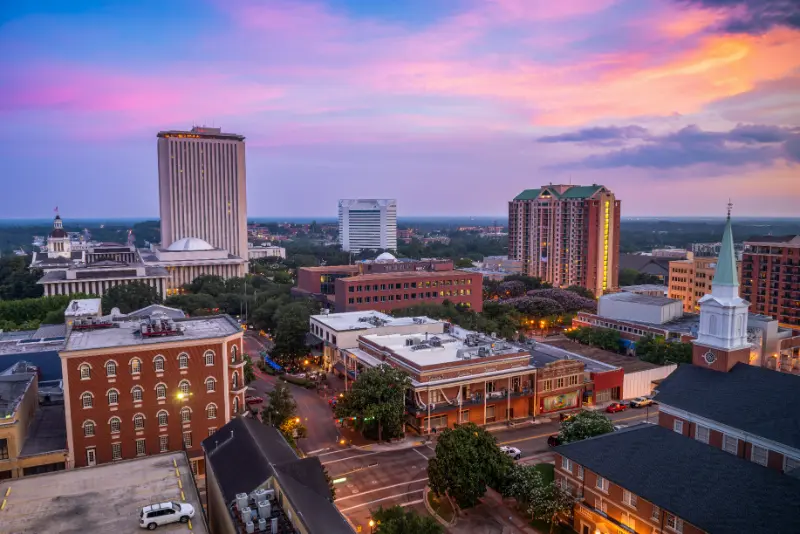
    Downtown Tallahassee Florida at Dusk

    Day 2: Cascades Park and the region's deeper history

    Begin at Cascades Park for an outdoor stroll. This central green space shows another side of Tallahassee, with landscaped areas, paths and opportunities to pause. Choose a short circuit suitable for your group rather than trying to cover the entire park. Summer mornings are generally more comfortable than afternoons, when shade and hydration become essential. Children can enjoy open space before an indoor museum; older visitors might appreciate a bench-based walk that includes frequent places to sit.

    For the afternoon, consider Mission San Luis, which interprets a seventeenth-century Spanish mission and the Apalachee community, or Tallahassee Museum, where natural habitats, regional history and outdoor exhibits are central. These are different attractions and should not be reduced to interchangeable photo stops. Mission San Luis is a cultural-history choice; Tallahassee Museum suits visitors particularly interested in ecology and hands-on local interpretation. Confirm operating days, admissions, any ongoing exhibits and the length of walking routes before choosing. Outdoor trails may become difficult in heat or after heavy rain.

    If you are traveling with elementary-age children, explain the indigenous history respectfully and accurately rather than describing it as a costume display. Teenagers may respond well to questions about land, colonialism and the development of modern Florida. Travelers who want a quieter, art-oriented day can favor local galleries and the gardens around a cultural institution instead. Do not feel obliged to combine both major museums: one thoughtful visit and one shaded outdoor stop make a more humane day.

    Day 3: Wakulla Springs when the park is operating

    Edward Ball Wakulla Springs State Park is one of the region’s most remarkable natural destinations, with deep spring waters, a historic lodge and cypress-bordered river habitat. The popular ranger-led river boat tour can show birds, alligators and sometimes manatees, although wildlife observations are never guaranteed. Florida State Parks describes tours that typically last under an hour, subject to conditions, and requires reservations for the boat program. Check accessibility arrangements in advance if your party uses a wheelchair; the park lists accessible boat options by request.

    Weather is especially important here. Official state-park information in October 2026 has included storm-related closures or restricted overnight accommodations. It would be irresponsible to promise the lodge or boat operation on a particular date. Call or check the state-park website before leaving Tallahassee and make sure your reservation remains valid. Thunderstorms and other safety conditions can stop tours. If the park is open only for day use, adjust the itinerary to what staff confirms rather than assuming that a historical description reflects today’s operating status.

    If access is limited, choose an alternative Tallahassee cultural visit or a carefully planned St. Marks-area stop, using current refuge and historic-site rules. Do not drive to remote wetlands on flooded roads or bypass closure barriers. When you do visit Wakulla, follow all wildlife guidance, avoid approaching alligators and keep small children supervised near water. A seated boat ride may be the perfect centerpiece for a multigenerational trip, whereas keen hikers can choose a signed trail if conditions and stamina permit.

    Where to stay and how to choose a practical base

    Downtown Tallahassee provides the simplest access to the Capitol district and restaurants. Hotels near the universities can be convenient at quieter times, but university sports weekends and major events often increase demand. A highway hotel may reduce the nightly rate but require more driving for every evening meal. Compare parking and breakfast costs as well as room prices. A couple seeking a city break may value walkable dining; a family with small children may prioritize a suite, laundry and easy vehicle access.

    Florida State Capitol Tallahassee Government Building

    If Wakulla is the principal reason for the trip, a rural overnight may seem appealing, but check storm impacts and actual lodging operations first. The official park pages have issued weather-related restrictions, so do not prepay for an affected property without confirmation. Older travelers and wheelchair users should ask hotels directly about elevator access, door clearances and bathroom layouts. Historic-looking accommodations may involve stairs, and booking-site accessibility filters do not replace a direct conversation about equipment requirements.

    Getting around and the real length of the day

    Walking the Capitol area is possible for many visitors, but Tallahassee’s terrain is hillier than much of coastal Florida. Choose garage or surface parking close to the day’s starting point and use brief vehicle transfers when needed. Public transit may work for selected city journeys; the full three-day plan, especially Wakulla, is easiest with a rental car. Arrange a driver if you do not wish to drive. For a traveler who uses a powered mobility device, confirm accessible transit or vehicle arrangements well in advance.

    The drive to Wakulla passes through a different landscape from downtown. Leave time for slower rural roads and for locating the correct park entrance. Do not plan with only the advertised travel time from a mapping app. Heavy rain can cause delays or closures; keep a conservative margin before your reservation. If your party prefers not to drive at dusk, begin the nature day early and finish with dinner back in Tallahassee. A reasonable transport plan is the strongest form of safety preparation.

    Spending priorities and low-cost discoveries

    Tallahassee can be attractive for travelers who want cultural experiences without a daily theme-park admission. Many public areas are inexpensive to enjoy, but ticketed museums, historic sites and boat tours have separate policies. Check the official fee page for every stop and choose one priority paid experience each day. A river boat tour may be the most memorable expense for nature lovers, while a museum may matter more to a history enthusiast. Both choices are sensible; you do not need to do everything.

    Meals near the Capitol and universities cover a range of budgets. An early lunch can reduce waiting and make the afternoon more relaxed. If traveling with children, schedule snacks and a proper sit-down break rather than buying whatever is available after everyone becomes tired. Parking, hotel-event rates and fuel should be included in the overall budget. A low advertised accommodation price on the edge of town can be offset by three days of repeated driving.

    Families, older visitors and accessible alternatives

    Tallahassee works for a broad age range precisely because history and nature can be experienced in different ways. A young child may enjoy Cascades Park and a short museum visit more than hours of state-government interpretation. School-age children can learn about the relationship between the Apalachee people, Spanish colonial institutions and today’s Florida. Teenagers may appreciate a mix of environmental science and modern civic history. Adults in their seventies, eighties or beyond can choose seated boat interpretation and one central museum without tackling strenuous trails.

    Check every site’s current wheelchair access, restroom arrangements and distances between parking and entrance. A boat advertised as accessible may require advance notice and specific equipment preparation. Travelers with hearing or vision needs should ask about captions, assistive interpretation or alternative formats. For those sensitive to crowds, weekday mornings often offer a calmer experience than event weekends. What makes a trip inclusive is not identical physical activity, but meaningful options and adequate time for everyone.

    Weather, storms and why the backup day matters

    The capital’s inland location does not eliminate tropical-weather risk. Florida’s hurricane season can affect roads, trees, accommodations and protected areas far from the immediate coastline. During warmer months, lightning and heavy rain require a conservative approach to outdoor activities. Follow the National Weather Service, local emergency messages and the official park operator. Never assume a green map pin means an attraction has reopened after a storm.

    For this trip, the safest arrangement is to keep two city days relatively flexible and book Wakulla only after confirming the park’s current operations. If a nature day is cancelled, a visit to another operating history museum and a leisurely local meal remain worthwhile. This is not a failure of the itinerary; it is how a sensible Florida trip adapts to real conditions.

    Frequently asked questions

    Can Tallahassee be visited as a day trip?

    You can see the Capitol district in one day, but three days allow the city’s parks and a separate nature excursion. The wider region’s appeal is easily missed during a short highway stop.

    Is Wakulla Springs currently fully open?

    Official notices in October 2026 have reported storm-related changes, including overnight accommodation restrictions. Check the latest park status and your boat reservation directly before traveling.

    Do we need to reserve a Wakulla river boat tour?

    The state park publishes a reservation system for river boat tours. Book through the official channel and reconfirm operations during severe weather or storms.

    Is this trip suitable for visitors who cannot hike?

    Yes. Focus on indoor historic attractions, shorter park visits and a suitable boat tour where available. Verify site-specific access rather than assuming all paths are barrier-free.

    When should we avoid university crowds?

    Check Florida State and Florida A&M event calendars, especially sports weekends and graduations, before selecting hotel dates. Prices and traffic can change significantly.

    Official resources