
Florida is a fantastic place to combine beaches, theme parks and regional food, but an attractive “gluten-free” symbol is not enough if you have celiac disease. Travelers who must avoid cross-contact need a different approach from someone who simply prefers a wheat-free meal. The practical goal is to build a holiday around places where staff can explain ingredients, preparation and alternatives, while keeping a simple backup for long driving days. This guide focuses on Orlando, Miami, the Gulf Coast and the Keys, with a plan that also works for children and older travelers.
At a glance
| Planning issue | Practical action |
|---|---|
| Dining safety | Ask about cross-contact and shared equipment |
| Theme parks | Check special-diet procedures directly |
| Road trips | Carry safe snacks and locate backup food |
| Accommodation | Consider a kitchen and nearby groceries |
Understand what gluten-free means for your trip
Before reserving restaurants, write down whether the traveler has diagnosed celiac disease, a medically advised gluten restriction, wheat allergy or a personal food preference. These situations can involve different risks and different questions. Gluten occurs in wheat, barley and rye, but ingredients alone are not the whole story for someone with celiac disease. Shared equipment, breading stations and preparation surfaces can affect suitability. Do not assume that a “gluten-friendly” dish has been prepared to prevent cross-contact. If the traveler carries prescribed emergency medication for a separate allergy, follow the treating clinician’s plan. A food-service employee should never be expected to make a medical determination.
Choose an accommodation that gives you control
A hotel near a trusted grocery store or a suite with a usable kitchen can take pressure off every restaurant decision. Before booking, ask whether the kitchen has an actual refrigerator, cookware, microwave and cleaning supplies, rather than interpreting “kitchenette” as a promise of equipment. At a shared vacation rental, wash surfaces and equipment appropriately before preparing meals and consider bringing your own small essentials. For a large family, one reliable breakfast in the room can prevent rushed decisions at a crowded attraction. Check whether any included breakfast relies mainly on shared toasters and buffet utensils. If convenient food is scarce, location becomes part of the safety plan.
How to talk to restaurant staff clearly
Rather than asking only “Do you have gluten-free options?”, explain the specific need: “I have celiac disease. Can you check whether this can be prepared without gluten cross-contact?” Ask about shared fryers, grills, pasta water, cutting boards and flour-heavy kitchen areas. A chef or manager may have better information than a printed online menu. If answers are uncertain or contradictory, select another venue without feeling obliged to compromise. Documenting a successful conversation can be useful for later visits, but procedures can vary by shift. Menus can change without notice, so even a return visit deserves a fresh conversation about the exact order.
Disney World: special-diet requests are a process
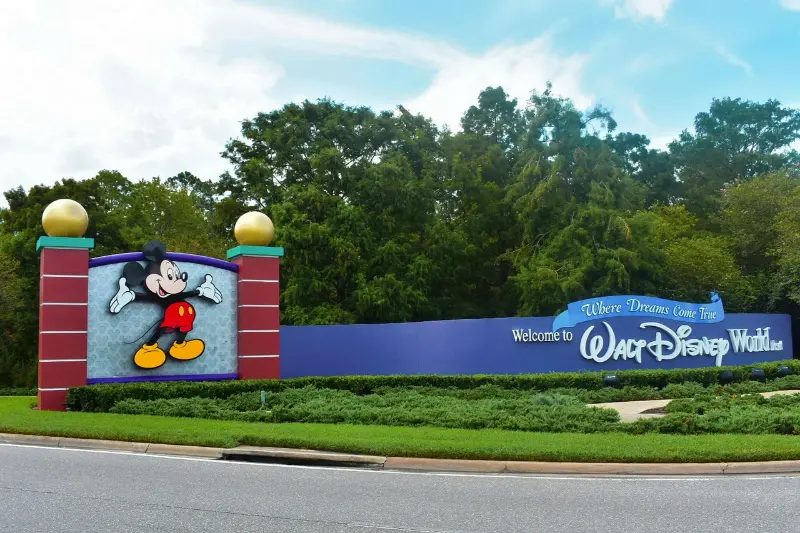
Walt Disney World provides information on allergy-friendly menus and ways to involve specially trained staff. Its published guidance distinguishes the order request from the moment food arrives: guests should confirm that the delivered meal matches the request. Look up Disney’s official special-diet guidance while planning, then speak to a Cast Member at the location. Gluten concerns may be accommodated, but no restaurant can promise absolute freedom from cross-contact. Allow extra time for preparation and resist scheduling a tight dining slot immediately before a show. If traveling with several dietary needs, ask about the appropriate advance contact process rather than relying on a standard app filter.

Universal Orlando and other theme parks
At Universal, SeaWorld and smaller parks, determine how guests speak directly with food-service staff about ingredients and preparation. Search the attraction’s current dining page, then confirm at the restaurant rather than assuming the same safety practices apply across an entire resort. Quick-service counters may offer fewer substitutions than full-service kitchens, especially during peak hours. A practical day might start with breakfast at the hotel, use a researched lunch location and carry a permitted safe snack for delays. Check each park’s current policy on outside food and special dietary requirements. Never put essential meals at the mercy of a single mobile-order screen.
Miami, Fort Lauderdale and the Atlantic Coast
South Florida offers broad dining choices, but a restaurant describing itself as healthy, organic or dairy-free is not automatically appropriate for celiac disease. Sushi sauces can contain wheat; breaded seafood and shared fryers need questions; tropical bowls can involve granola or toppings prepared in shared equipment. In Miami Beach, downtown Miami and Fort Lauderdale, favor places willing to describe their process over businesses chosen solely for a social-media list. If staying without a car, map a grocery store and two dining alternatives within a manageable journey of the hotel. Summer storms make it even more useful to have options reachable without a long outdoor walk.
Gulf Coast towns, the Keys and road trips
On a drive through Sarasota, Naples, Clearwater or the Overseas Highway, reliable food options may be more scattered than in Orlando. Check restaurant opening days and keep an alternative before entering a long stretch of road. Seafood served grilled may still be seasoned with sauces or cooked on shared equipment; do not infer safety from the basic ingredient. Pack enough food for the time between confirmed stops, particularly when traveling with children. In the Keys, allow for island distances, parking and weather delays. Choosing a self-catering base for part of the trip makes meals less dependent on the opening hours of an individual kitchen.
Grocery shopping and reading American labels
U.S. supermarket labels may differ from those in a traveler’s home country. Look for clear gluten-free labeling where appropriate and read full ingredient statements, especially on snack mixes, sauces and convenience foods. A package with a familiar brand name may have a different formulation in the United States. For celiac disease, consider advice from a professional or national celiac organization on certification and cross-contact claims. Buy a few dependable staples soon after arrival, not after the family is already hungry. Keep refrigerated purchases cold on hot drives. Restaurant leftovers also require sensible temperature control; Florida heat can shorten the time food stays safe outdoors.
Children’s meals and shared family tables
A child’s safe meal can be accidentally compromised when adults share bread, swap forks or help themselves from the same plate. Make an agreed family rule about shared condiments, utensils and food exchange. At a buffet, ask staff about safe service from a separate preparation area instead of assuming that an allergy label prevents other guests from moving serving spoons. For very young children, a familiar snack and predictable mealtime reduce stress when a custom order takes longer. Older children can be taught a short, respectful sentence explaining their dietary requirement. Do not rely on another child’s memory of ingredients when deciding whether an offered treat is safe.
Flights, airports and emergency reserves
Airline special meals may be unavailable, unsuitable or changed, so confirm airline arrangements and carry permitted food that the traveler can reliably eat. Be aware of security rules for liquids, spreads and baby foods on the routes you use. Allow time to find food during connections, and never put the entire day’s supplies in checked baggage. At the destination, keep one emergency meal in an accessible bag for unexpected closure, delay or hurricane-related disruption. International visitors should review entry requirements for bringing food into the United States; restrictions depend on the item and its origin. A locally purchased backup is often simpler than transporting large supplies internationally.
Sample four-day gluten-conscious itinerary
Day one can be a short arrival day in Orlando: grocery shopping, room setup and a preselected dinner near the hotel. Day two can focus on one theme park, with the lunch venue identified in advance and a backup in the same park. Day three can be a lighter resort or nature day, giving children and older adults a break from lines and meal deadlines. Day four can be a beach trip or transfer toward the Gulf Coast with researched stops. This plan is deliberately flexible; the important element is not the attraction count but the number of decisions that can be made calmly. Repeat what works without treating a previous safe meal as a guarantee.
A final check before paying for the trip
For each destination, save a small list: accommodation kitchen details, nearby grocery, two possible restaurants, park food policies and the medical contact information recommended by your clinician. Make a short note about which questions were answered directly by staff and which remain uncertain. A good gluten-free holiday is not necessarily more expensive, but uncertainty can lead to costly last-minute changes. Spend effort confirming a few dependable choices rather than collecting hundreds of unverified restaurant pins. A written plan shared among travel companions also prevents one person from bearing the full responsibility for every meal.
Frequently asked questions
Is a gluten-free menu always suitable for celiac disease?
No. A dish may exclude gluten ingredients while still being exposed to shared fryers, utensils or flour. Ask about preparation and cross-contact controls, explain the medical need and make an individual decision based on the restaurant’s answers.
Does Disney World guarantee a celiac-safe meal?
Disney describes special-diet request procedures and reasonable accommodation, not an absolute guarantee. Inform staff, confirm preparation and check the delivered order. Review the latest official information because policies and menus can change.

Can I bring my own food into Florida theme parks?
Rules vary by park and may distinguish ordinary snacks, medical dietary requirements, glass containers and cooling methods. Consult the current policy for the specific park and discuss necessary accommodation in advance.
Is a self-catering apartment better than a hotel?
It can offer control, especially for longer stays or multiple family members with restrictions. However, shared equipment must be assessed and cleaned appropriately. A hotel near dependable restaurants and supermarkets may work just as well.
What is the single most useful precaution on a road trip?
Carry a genuinely suitable backup meal and identify the next reliable stop before setting off. Traffic, thunderstorms and early closing times can otherwise turn a minor change of plan into a stressful search for food. Disney dining venues. Florida tourism planning.