
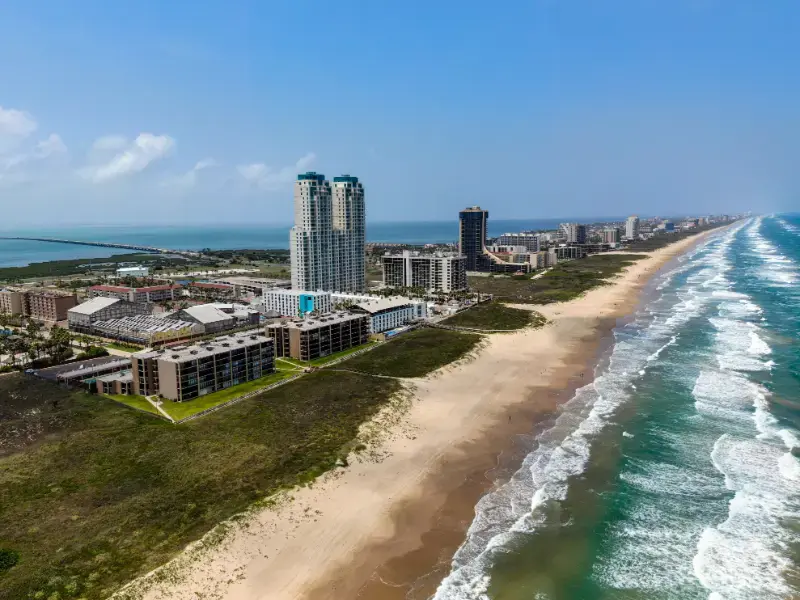
Where you stay on Amelia Island changes the trip more than many first-time visitors expect. A downtown Fernandina Beach room creates walkable evenings and easy access to restaurants and history. A central beach hotel makes sunrise and quick ocean breaks effortless. A south-island resort or rental creates a quieter, more self-contained vacation but increases the drive to downtown and Fort Clinch.
There is no single best area. The right base depends on whether your priority is beach time, history, families, romance, golf, a resort experience, budget or a multigenerational rental with kitchen space. The island is small enough to explore by car, but long enough that choosing the wrong zone can create unnecessary daily backtracking.
This guide focuses on areas and accommodation styles rather than ranking individual hotels. Properties, ownership, renovation status and rates change; the location logic remains useful much longer.
Quick planning summary
- Best for first-time sightseeing: historic Fernandina Beach or the north-central island
- Best for easy beach access: central oceanfront/Sadler Road and Fletcher Avenue area
- Best for luxury resort trips: south island
- Best for families needing space: vacation rentals or suites near central/south beaches
- Best for couples who value atmosphere: downtown B&Bs or oceanfront resorts
- Best for campers: Fort Clinch, subject to availability and current reservation rules
Historic downtown Fernandina Beach: best for walkable evenings
Stay near historic Fernandina Beach if restaurants, architecture, the waterfront and evening atmosphere matter more than stepping directly onto the sand. This is the strongest base for couples, history-focused trips and visitors who dislike driving to dinner after a full day outside.
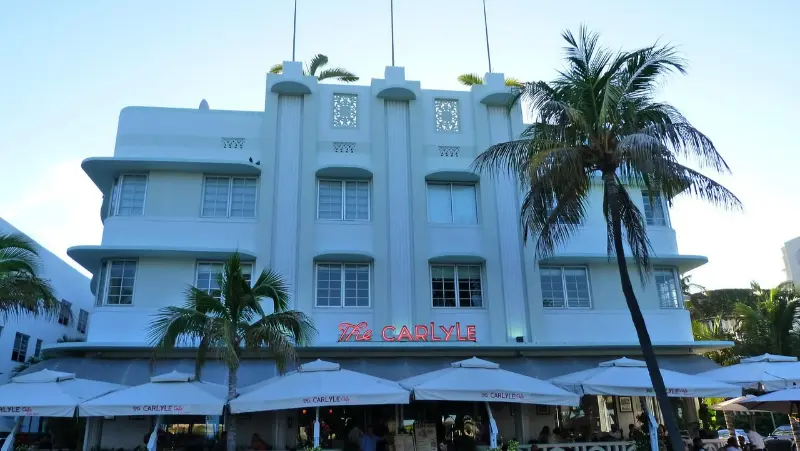
The trade-off is beach immediacy. You can reach Main Beach and the north end quickly by car, but a downtown stay is not the same as waking up on the Atlantic. If children want to swim every morning before breakfast, a central beach base may create less friction.
North and Main Beach area: best compromise for first visits
The area around Main Beach is a strong compromise because Fort Clinch, the beach and downtown are all close. Families can reach facilities quickly, while couples still have easy access to Fernandina Beach evenings. It is also useful for travelers who want an early sunrise without giving up the historic district.
Central beach and Sadler Road: best for practical beach vacations
Central Amelia Island around Sadler Road has a concentration of hotels, restaurants, shops and beach access. It is less romantic than a Victorian B&B and less self-contained than a resort, but it can be the easiest zone for a simple family beach trip where food, supplies and ocean access all need to be close.
American Beach and central-south island: quieter, more residential feel
The area around American Beach places you closer to important Black history, Peters Point and the island’s southern half. Vacation rentals can make sense for families or longer stays, but visitors should remember that residential areas are communities, not resort compounds. Parking and public access still need to use designated locations.
South-island resorts: best for a self-contained vacation
The south end is strongest for travelers who want golf, pools, spa, resort dining, beach and organized activities in one property or resort zone. That reduces day-to-day planning, but downtown Fernandina Beach and Fort Clinch become deliberate drives rather than casual evening walks.
A resort stay can be excellent for grandparents and families who want predictable amenities, yet it is not automatically the best choice for people who plan to spend most of every day sightseeing. Pay for the resort experience only if you intend to use it.
Vacation rentals: best for space and longer stays
A condo, cottage or house can be the most practical choice for families who need multiple bedrooms, laundry and a kitchen. The important comparison is not just nightly rate; include cleaning fees, parking, minimum stays, beach distance and whether everyone will still need a car for meals and activities.
Bed-and-breakfasts: best for historic atmosphere
Fernandina Beach has historic inns and B&Bs that turn the accommodation into part of the trip. They work especially well for couples and adults who enjoy porches, architecture and personal service. Families should confirm age policies, room configurations and stair access before assuming that a historic property fits young children or mobility needs.
Camping at Fort Clinch
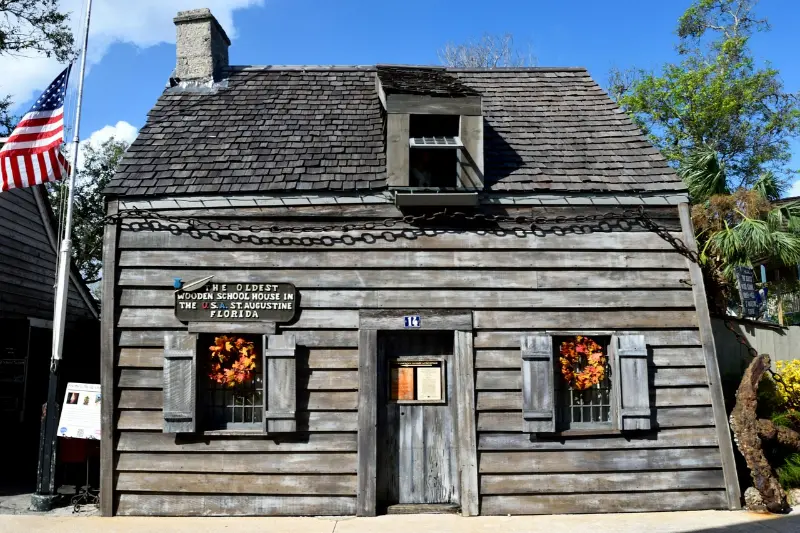
Camping at Fort Clinch State Park creates a completely different Amelia Island experience. It is valuable for travelers who want nature and early park access, but reservations can be competitive and camping logistics are not comparable to staying at a beach hotel. Treat it as its own trip style, not simply the cheapest lodging option.
Choosing an area without overpaying
Pay for the location you will actually use. A premium oceanfront room is poor value if your itinerary starts early every day and returns after dark. A cheaper inland room is poor value if your children want multiple daily beach trips and every outing requires loading the car.
How many nights to book
Two nights works for a compact first visit, three or four nights creates a balanced beach-and-history trip, and a week makes sense for travelers who want repeated beach days, resort downtime or day trips toward Jacksonville and St. Augustine. Longer stays benefit more from kitchens and laundry than short romantic weekends do.
Families with babies and young children
Where to Stay on Amelia Island can work very well with babies and younger children when the day is built around simple logistics rather than a long checklist. The practical questions are shade, restroom access, the distance from the car to the activity, and whether the group can leave quickly if heat, hunger or fatigue changes the plan. In a lodging decision across downtown, beach and resort zones, a shorter visit with a predictable break often produces a better family day than trying to stay until everyone is tired.
Pack one small bag that can move easily between car, beach, boardwalk or park. Water, a snack, sun protection, a light layer, wipes and a change of clothes solve more problems than extra entertainment. If a child still naps, use the nap window either for the drive between zones or for a quiet accommodation break instead of expecting a stroller nap on exposed sand.
Teenagers and older children
Teenagers usually respond better when Where to Stay on Amelia Island is connected to a choice: photography, fishing, wildlife, a food stop, a bike ride, beach time or a specific historical story. Give them a reason to participate instead of presenting the visit as another mandatory stop. The strongest fit is usually for families, couples, seniors, longer-stay visitors and first-time travelers.
A useful strategy is to let older children choose one stop or one activity each day. On Amelia Island that might mean a sunrise beach walk, searching for shark teeth, choosing the lunch area, photographing the harbor or adding a short nature trail. That small amount of control can make a multigenerational itinerary feel much less rigid.
Senior travelers and multigenerational groups
Senior travelers should plan around surface, shade and heat rather than distance alone. Historic properties may have stairs and older layouts, while modern hotels and resorts often offer more predictable accessible rooms and elevators. In warm months, mornings are normally more comfortable, while winter cold fronts can make oceanfront areas feel substantially cooler and windier than the temperature shown for inland Nassau County.
For a multigenerational group, create a common meeting point before people split into faster and slower activities. A shaded bench, pavilion, visitor center, restroom area or clearly identified beach access makes it easier for one person to rest while others continue a longer walk.
Accessibility and comfort
Accessibility is highly location-specific. Historic properties may have stairs and older layouts, while modern hotels and resorts often offer more predictable accessible rooms and elevators. Travelers who need a step-free route, beach mat, accessible restroom or short path should confirm the exact facility before leaving the hotel. A general statement that a park or beach is accessible does not guarantee that every viewpoint, dune crossing or shoreline section is.
Heat management is part of accessibility in Florida. Schedule the most exposed portion first, carry more water than you expect to need and avoid building a day in which every stop requires standing in full sun. Air-conditioned lunches, museums and accommodation breaks can be used deliberately as recovery periods.
Weather, seasons and the Atlantic coast
Lodging location matters most when weather makes repeated returns to the room useful; central beach areas can simplify storm and heat breaks. Summer brings high humidity and frequent afternoon thunderstorms, while fall requires attention to tropical-weather forecasts. Winter and early spring can be excellent for walking, but strong northeast winds may make beach conditions feel cool even on a bright day.
Lightning is a more important planning issue than rain. If thunder is audible, leave open beach, pier and exposed waterfront areas and move to a substantial building or vehicle. Do not wait for heavy rain. After storms, also expect temporary changes in surf, erosion, beach access and trail conditions.
Budget and value
Lodging is usually the largest Amelia Island expense, so compare total stay cost, parking, resort fees and the value of amenities you will actually use. Compare the full cost of the day rather than admission alone: parking, equipment rental, food, tolls, fuel and the time needed to move between stops can matter as much as the ticket price. Amelia Island is particularly good for mixing one paid attraction with free beaches, downtown walking or nature areas.
Family tipFor families, the cheapest day is not always the easiest day. A free access with a long gear carry and no nearby restroom can be less practical than a modestly priced park with predictable facilities. Choose according to the people traveling, not simply the number on the admission board.
Food, water and break strategy
Carry water even for short outings. The combination of sun, salt air and walking can dehydrate people faster than expected, especially children and older travelers. If the stop has limited food service, decide in advance whether you will picnic, eat before arrival or continue to Fernandina Beach afterward.
Avoid waiting until everyone is hungry to choose the next meal. On busy weekends, a twenty-minute drive and parking search can turn into a much longer gap. A small snack keeps the schedule flexible and makes it easier to leave a beach or park at the right moment rather than too late.
Safety and local conditions
Choose accommodations with a realistic evacuation/weather plan during hurricane season and never rely on direct beach access during dangerous surf or storms. On beaches, follow posted flags and lifeguard guidance where provided. In natural areas, give all wildlife space and never feed animals. Around fishing areas, watch for hooks, lines and slippery surfaces; around dunes, stay on designated crossings to protect vegetation and reduce erosion.
Beach conditions can change within hours. Strong wind, rip currents, jellyfish, nesting closures or high tide may alter what is comfortable or permitted. Treat same-day signage as more important than any travel article, including this one.
Photography and wildlife etiquette
Oceanfront views are appealing, but a downtown sunset, historic porch or marsh view can be equally memorable without requiring every photograph to be taken from the beach. Use a longer focal length rather than approaching birds or wildlife for a closer image. Avoid stepping into dunes, marsh grass or closed nesting zones for a better angle. Sunrise and the final hour before sunset generally provide softer light and lower heat, but access hours still apply.
If you photograph people on a working fishing bridge, residential street or small local park, remember that these are community spaces rather than staged attractions. Keep pathways clear, avoid blocking ramps and give anglers, cyclists and families enough room to use the area normally.
How to combine this stop with the rest of Amelia Island
Where to Stay on Amelia Island fits most naturally with the attractions closest to your chosen zone, with one day north and one day south. The goal is to reduce backtracking. Group north-end attractions with Fernandina Beach and Fort Clinch, central beach stops with Sadler Road and Main Beach, and southern-island activities with American Beach, Peters Point or Amelia Island State Park.
A strong Amelia Island day usually has one anchor and one or two lighter additions. If the anchor is outdoors and weather-sensitive, pair it with downtown Fernandina Beach or a museum so the day can survive a shower, high wind or heat without feeling wasted.
Common mistakes to avoid
- assuming every Amelia Island beach access has the same parking, restroom and accessibility features.
- using an old article for beach-driving, parking or construction information without checking current rules.
- planning the most exposed outdoor stop for the middle of a summer afternoon.
- adding too many attractions and leaving no time for the beach, food or an unexpected weather change.
- treating wildlife, dunes or marsh edges as unrestricted photo areas.
Extra planning notes for a smoother visit
Save the exact street address or access number before leaving your accommodation. Navigation apps sometimes route visitors to the nearest stretch of shoreline rather than the correct parking entrance.
Keep sandals and closed shoes in the vehicle. A beach-and-nature itinerary can move from soft sand to roots, shells, boardwalks or wet grass within the same half-day.
Check the event calendar before a weekend visit. Festivals, races, markets and special events can be a reason to visit, but they can also change downtown traffic and parking patterns.
If your plan includes sunset, decide where dinner will happen before the final activity. That small decision prevents a tired group from having to search for food at the busiest part of the evening.
For longer stays, leave one half-day unscheduled. Amelia Island rewards flexibility: good surf, wildlife, perfect beach weather or a downtown event may be worth more than an attraction chosen weeks earlier.
Official information to check before you book
The official Amelia Island lodging directory lists resorts, hotels, rentals, B&Bs and camping options. Compare it with the property’s own current booking terms before paying, especially for parking, cancellation, resort fees, accessibility and renovation status.
Final thoughts
Choose your Amelia Island base by the moments you want to make effortless. Downtown makes evenings easy, central beach areas make quick ocean time easy, and south-island resorts make self-contained relaxation easy. Once that priority is clear, the accommodation search becomes much simpler.