
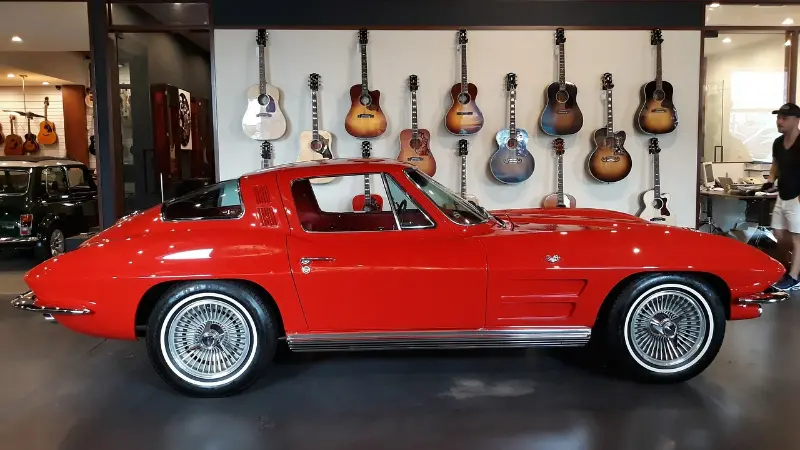
The Appleton Museum of Art is one of the easiest Ocala attractions to underestimate. Travelers sometimes see it as a small local museum to fill an hour, but the collection is broad enough to support a real museum visit, with European, American, Asian, African, Islamic, contemporary and decorative arts represented across more than 24,000 objects. It is also an excellent counterweight to Ocala’s outdoor identity: after springs, trails and horse country, the museum adds a quieter cultural day without requiring a drive to Orlando or Tampa.
For a first visit, allow 1.5–3 hours. The practical details below reflect conditions published for October 2026. As operating details can change before 2028, confirm prices, hours, closures, reservations and event schedules shortly before travel.
Quick planning summary
- Location: 4333 E. Silver Springs Blvd, Ocala, FL 34470
- Current hours: Tuesday–Saturday 10 a.m.–5 p.m.; Sunday noon–5 p.m.; closed Monday
- Current admission: Adults $10; seniors 55+ $8; youth 6–17 $5; children 5 and under free; several free-admission groups
- How much time: 1.5–3 hours
- Best for: art lovers, couples, senior travelers, rainy-day visitors and families wanting a calmer indoor stop
Important current-status note
October 2026 snapshot: Current visitor information lists Tuesday through Saturday hours of 10 a.m.–5 p.m., Sunday noon–5 p.m. and Monday closure. General admission is $10 for adults, $8 for seniors 55+ and several other discount groups, $5 for ages 6–17 and free for children five and under. Florida educators, U.S. veterans and some other groups currently qualify for free admission. Special exhibitions and programs can affect the best time to visit.
For a future trip, use that snapshot only as a planning reference. Florida parks, museums and event venues can change schedules after storms, construction, seasonal demand or operational updates, so the official information closest to your travel date should take priority.
Why this place is worth your time
The Appleton is most valuable when you want a refined indoor attraction that still feels connected to the region. The building is comfortable, the collection is varied enough for different tastes, and the visit can be as short or as slow as your group needs. For travelers who dislike enormous museums, its manageable scale is an advantage rather than a limitation.
The best way to judge this stop is not by how many boxes it checks, but by whether it adds a different experience to the rest of your itinerary. Ocala and North Central Florida are most rewarding when springs, horse country, local history, museums and quieter outdoor spaces are mixed rather than repeated back to back.
What to see and do
- Permanent collection galleries: Move by interest rather than trying to study every object. The geographic and historical range keeps the visit varied.
- Special exhibitions: Temporary shows can be the strongest reason for repeat visits, so check the exhibition calendar before arrival.
- Outdoor spaces and architecture: Allow a little time outside the galleries; the setting helps break up a long indoor visit.
- Museum store: Useful for art-focused gifts and a short browse even if some members of the group finish the galleries earlier.
- Programs and talks: Families and adults can get more from the museum when a workshop, tour or gallery program matches their schedule.
You do not need to complete every option. Choose the two or three elements that best match your group, weather and energy level. A focused visit usually feels more satisfying than rushing through every possible activity.
How to plan the visit
A two-hour visit is comfortable for most travelers. Art enthusiasts can spend three hours or more, while families with young children may prefer a focused 60–90 minute loop followed by another activity. Because the museum is closed Monday, check the day before building a rainy-day backup plan around it.
Build a buffer for parking, restrooms, ticketing or check-in, and the short delays that come with traveling as a family. In this part of Florida, an extra 20–30 minutes can also protect the day from roadwork, event traffic or a summer shower.
Families, teenagers and older travelers
The museum is calmer than a science center and works best for children who can enjoy short looking games, colors, shapes and stories rather than hands-on play. Teenagers interested in art, design or photography may find it surprisingly strong. Older adults benefit from the indoor climate, seating opportunities and accessible layout.
For mixed-age groups, one demanding activity and one easy activity per day is a useful rule. Babies and toddlers need shade and predictable breaks; school-age children respond well to a clear purpose; teenagers usually appreciate independence and photography; older adults benefit when seating, heat and walking distance are considered before arrival.
Accessibility and mobility
The museum emphasizes accessibility across its building, programs and services. If a specific mobility, sensory or service-animal accommodation is important, review the museum’s current accessibility information or call before visiting. Indoor routes are generally far easier than the region’s spring and trail attractions.
Temporary maintenance can change an otherwise accessible route. If a wheelchair path, accessible restroom, assisted boarding option or short-distance parking space is essential, verify that specific feature instead of relying on a general accessibility label.
Best season and weather strategy
This is a year-round attraction and especially useful in peak summer heat, winter cold fronts or stormy afternoons. Rain can increase visitor demand, so do not assume bad weather guarantees an empty museum. Special exhibitions matter more than season for repeat visitors.
North Central Florida can move quickly from comfortable morning temperatures to hot, humid afternoons. In summer, lightning risk matters as much as the temperature. During cooler months, cold fronts can make mornings surprisingly chilly even when the afternoon forecast looks mild.
Parking, driving and arrival logistics
The museum is east of central Ocala on State Road 40, so it is easier to reach by car than on foot from Downtown. Parking is much less complicated than downtown event parking. If you are combining it with Silver Springs, the two are on the same general side of town, which reduces unnecessary driving.
Save the exact entrance or parking location before leaving Wi-Fi. Parks and equestrian properties may have multiple gates, and arriving at the wrong one can cost far more time than the driving distance suggests.
Food, water and breaks
The museum does not operate a full restaurant, so plan lunch before or after. Food and drink are restricted to designated areas. A museum morning followed by lunch in Ocala usually works better than trying to stretch the visit through a meal window.
Carry more water than a short drive might suggest. Heat, cold spring water, cycling and long periods of standing at an event can all disguise fatigue until the group is already tired. A planned snack and a seated break often extend the day more effectively than adding another attraction.
Safety and practical cautions
The main practical issues are museum etiquette and supervision. Keep children close to artwork, follow photography rules and avoid food or drink in gallery areas. Non-flash photography is generally permitted in permanent-collection spaces, but temporary-exhibition policies can differ.
Wildlife, water, horses and Florida weather all deserve more respect than a normal urban sightseeing day. Follow closures and staff instructions rather than looking for a workaround when conditions change.
Common mistakes to avoid
- planning the visit on Monday
- assuming every special exhibition allows the same photography rules
- expecting a full restaurant on site
- rushing through every gallery just to say you saw it
- overlooking discount or free-admission eligibility
How to combine it with other North Central Florida experiences
The Appleton is a strong climate-controlled complement to North Central Florida’s outdoor days. Travelers coming from Gainesville can compare it with Florida Museum of Natural History for natural history or Cade Museum for hands-on invention. Build each museum around a different interest rather than trying to visit all of them in a single day.
On a two- or three-day regional stay, alternate indoor and outdoor experiences. That keeps the itinerary flexible when heat, storms, event schedules or water conditions force a change.
Budget planning
Admission is moderate and several categories receive discounts or free entry. Because parking and on-site spending are limited, this can be one of the easier Ocala attractions to budget precisely. Check current reciprocal museum programs if you already hold a qualifying membership elsewhere.
Always compare the ticket price with the true cost of the day: parking, rentals, fuel, meals, reservations and equipment can matter more than admission. Free attractions still deserve careful scheduling if they require a long drive or a specific event window.
Who should prioritize this stop?
Prioritize the Appleton if you enjoy art, need a weather-proof attraction or want a quieter day between springs and horse events. Visitors who only want interactive children’s exhibits may prefer a different museum, but mixed-age groups often appreciate its manageable size.
If your group has very different interests, let this attraction serve the travelers who will enjoy it most, then balance the day with a second activity chosen for everyone else. A complete Florida vacation does not require every person to love every stop equally.
Official information to check before you go
Before traveling, check the official visitor information for the latest hours, fees, closures, reservations, event calendars and weather-related changes. For a 2028 visit, current official information should override older screenshots, blogs and social posts.
Final thoughts
The Appleton gives an Ocala itinerary cultural depth. It is not trying to compete with a giant metropolitan museum; its strength is that you can spend a thoughtful two hours with art and still have enough energy for dinner, downtown or another light activity afterward.
Ocala and North Central Florida reward travelers who arrive informed but keep the day flexible. The region is strongest when clear springs, local culture, horse country and outdoor time complement one another instead of competing for every hour.