
Don Garlits Museum of Drag Racing is one of the easiest ways to add a completely different type of Florida experience to an Ocala trip. After several days of springs, horse farms and forest roads, walking through rows of dragsters, engines, memorabilia and classic cars is an indoor reset—and for motorsport fans it can be a destination in its own right.
Allow 2–3 hours for a normal visit, or closer to 3–4 hours if you read exhibits carefully and spend equal time in the drag-racing and antique-car collections.
Quick planning summary
- Location: 13700 SW 16th Avenue, Ocala, FL 34473
- Current hours: daily, 9 a.m.–5 p.m.; closed Thanksgiving and Christmas
- Current adult admission: $22
- Current discounts: seniors 60+, military/veterans/first responders, college students and teenagers currently $17; children 5–12 currently $10
- How much time: 2–3 hours
- Best for: motorsport fans, multigenerational families, rainy or very hot days and road-trip travelers
Important current-status note
October 2026 snapshot: The practical details in this guide reflect information published in October 2026. Because this article is scheduled for 2028, recheck admission, operating hours, closures, reservation rules, water conditions and event calendars shortly before traveling. In North Central Florida, spring access can also change after storms, high water, construction or capacity-control measures.
The museum currently advertises daily 9 a.m.–5 p.m. hours and the admission schedule above. It also describes itself as pet-friendly for leashed pets or pets in strollers. Prices, holiday closures and policies can change before 2028, so verify directly before travel.
Why this museum is more interesting than it sounds
Even people who do not follow drag racing may recognize the value of seeing how rapidly the sport evolved. Early machines look almost improvised beside later purpose-built dragsters. That visual progression makes the museum work as an engineering and design story, not just a collection of famous names.
The second strength is scale. This is not a single-room roadside display. The museum has enough vehicles and memorabilia that enthusiasts can spend several hours, while a less committed companion can still enjoy the color, craftsmanship and oddities without understanding every racing class.
What to focus on during your visit
- Historic dragsters: Look for the way chassis, engines, safety equipment and aerodynamics change across decades.
- Don Garlits memorabilia: The personal history gives context to why the museum exists and why Ocala became its home.
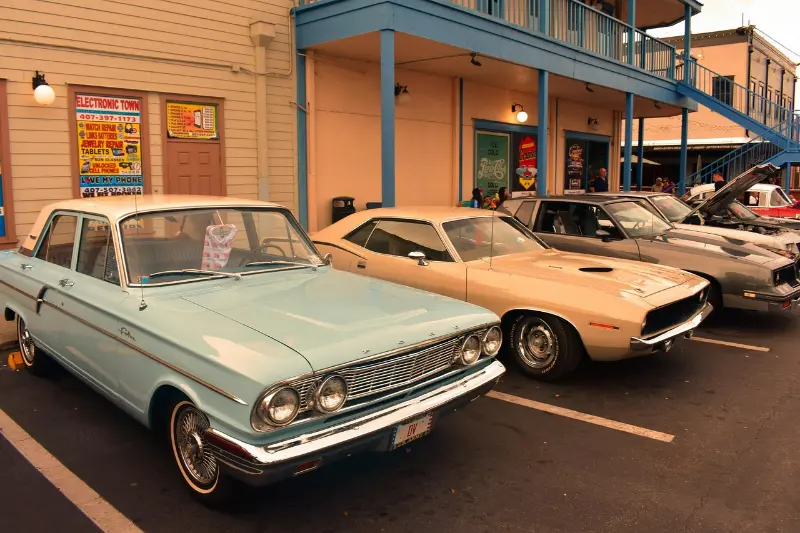
- Antique and classic cars: This section broadens the visit for travelers who care more about general automotive history than drag racing.
- Engines and technical displays: Teenagers interested in mechanics may get more from these than from the trophy cases.
- Photography: Allow extra time because dense rows of vehicles make quick phone photos easy but thoughtful compositions slower.
Families, teenagers and older travelers
This is a useful mixed-age stop. Young children may not read much, but they usually respond to brightly colored race cars and unusual shapes. Teenagers who enjoy engineering, gaming, motorsport or car culture can stay engaged far longer than at a traditional history museum. Older adults often connect the vehicles with eras they remember personally.
For mixed-age groups, the most reliable rhythm is one demanding activity and one easy activity per day. Babies and toddlers need predictable shade and breaks; school-age children usually respond well to a clear mission such as spotting fish or horses; teenagers appreciate independence, photography and an activity with some movement; older adults benefit when heat, walking distance, seating and restroom access are considered before arrival.
Accessibility and pace
The museum is largely an indoor, walk-through experience and is generally easier on mobility than trails or spring parks. Visitors who require wheelchair access or a specific seating/rest schedule should still confirm current details directly. The most practical strategy is to slow down and use the visit as a low-heat day rather than rushing simply because the exhibits are indoors.
Best time to visit
Rainy afternoons and the hottest part of summer are obvious choices, but that also means the museum can be a valuable weather backup. If you are driving I-75, its south-Ocala location makes it easier to combine with a travel day than attractions deep inside the national forest.
How it fits into an Ocala itinerary
Pair the museum with Downtown Ocala for dinner and a walk, or use it after a short visit to Sholom Park. I would not pair it with a full spring-and-paddling day unless your group genuinely has the energy; the museum deserves attention rather than becoming an afterthought.
Budget planning
A family of four can spend noticeably more here than at free parks, but the visit is predictable: admission is the main expense, parking is straightforward, and there is no need to rent equipment. If only one person in the group is a serious motorsport fan, decide in advance whether everyone wants to visit or whether this is a good split-group activity.
Common mistakes to avoid
- assuming it is only interesting to professional racing fans
- allowing less than an hour
- saving every exhibit for the end and getting museum fatigue
- forgetting to check holiday closures
- trying to squeeze it between two large outdoor attractions with no recovery time
Official information to check before you go
Check the official Don Garlits Museum of Drag Racing website for current admission, hours, group policies and any special events before your visit.
Final thoughts
The museum works because it changes the texture of an Ocala trip. Springs explain the landscape, horse venues explain the local economy and identity, and Don Garlits explains another piece of Florida’s enthusiasm for speed and mechanical experimentation. Even if you are only moderately interested in cars, two hours here can be more memorable than adding a fourth similar outdoor stop.
A simple way to organize the museum
Instead of moving randomly from case to case, divide the visit into three questions: how did the cars become faster, how did safety evolve, and which personalities pushed the sport forward? That structure prevents exhibit fatigue and gives non-experts something concrete to look for. Children can choose a favorite car in each section; adults can compare engine placement, tires and body shape.
If you have a serious motorsport fan in the group, agree on a meeting point and give that person extra time in the technical sections. Mixed-interest groups enjoy the museum more when nobody feels forced to read every label at the same pace.
How to use the museum on a travel day
Its location near the I-75 corridor makes the museum particularly useful on arrival or departure day. Check out of the hotel, spend two to three hours at the museum, have lunch nearby and continue south or north without crossing the entire county. That is often a better use of time than squeezing it into a day already devoted to springs or horse country.
For visitors who are not drag-racing fans
Give yourself a simple mission: choose one decade and compare the cars, or focus on the engineering progression from early machines to later aerodynamic designs. The museum becomes easier to enjoy when you stop trying to memorize names and instead look for how speed changed the shape and safety of vehicles.
Couples with different interests can also split attention: one person reads technical displays while the other focuses on styling, photography and social history. You do not have to understand racing statistics to appreciate the collection.
Practical planning checklist
- save the official address and current operating information before leaving your hotel
- check weather, heat index and lightning risk on the morning of the visit
- keep water, dry clothing and basic first-aid supplies in the vehicle
- confirm any reservation or timed-entry requirement separately from admission
- leave enough time between activities for food, restrooms and traffic
Ocala and Marion County are easiest to enjoy when the schedule has room to absorb a change. A delayed tour, full parking lot or sudden storm should alter the order of the day, not destroy the entire itinerary.
Extra planning advice for a smoother Ocala trip
Ocala looks compact when viewed on a statewide map, but the county spreads across horse country, the I-75 corridor, Silver Springs, Dunnellon and the Ocala National Forest. Before committing to a schedule, plot the exact entrances of the places you intend to visit. A route that appears to involve three nearby attractions can become several hours of driving when one stop is west of the city and another is deep in the forest. Grouping activities by area usually improves the trip more than adding one extra attraction.
Weather deserves the same attention. From late spring through early fall, start strenuous outdoor activities early, protect the hottest part of the afternoon for lunch or an indoor stop, and keep a rain alternative available. Thunderstorms can arrive quickly and may close swimming areas, outdoor arenas or trails even when the morning was clear. In winter, the opposite problem appears: spring water remains relatively constant while cool air makes getting out of the water uncomfortable, especially for children and older travelers.
Carry drinking water in the car even when the attraction sells beverages. Rural recreation areas may have limited service, and a short delay can become uncomfortable in heat. Download maps, reservation confirmations and important phone numbers before leaving strong cell coverage. If you have medication, mobility equipment or food that must stay cool, plan for those needs before entering the forest rather than assuming facilities will be equivalent to a city attraction.
Finally, leave at least one flexible block in every day. Ocala is most enjoyable when a spring, horse event, museum or scenic drive has enough time to breathe. The region is not improved by rushing from one parking lot to another. A slower schedule also makes it easier to respond to capacity limits, delayed shows, a child who needs a rest, or a storm that changes the order of the day.