
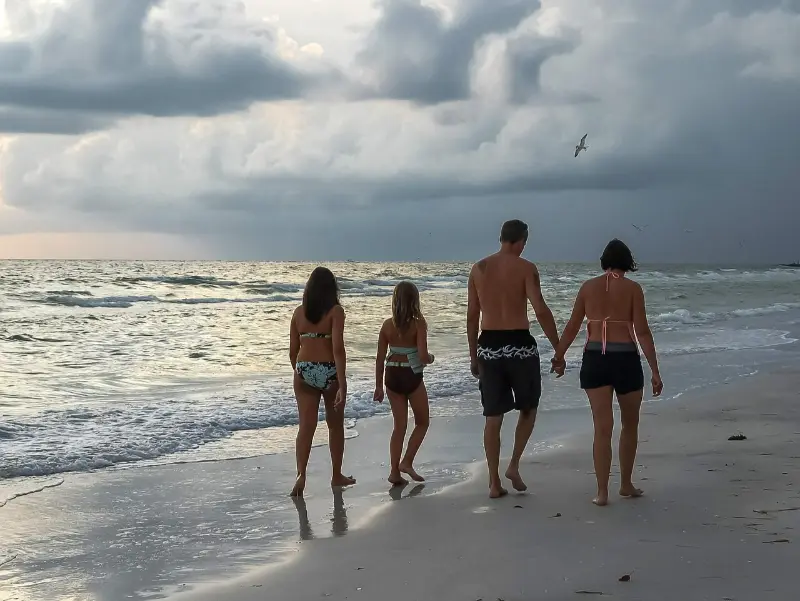
Florida is one of the easiest states in the United States to market as a family destination and one of the easiest to over-plan. Theme parks, beaches, wildlife, springs, space attractions, museums and boat trips can fill weeks, but children experience the trip through energy, heat, meals, sleep and transitions rather than through a parent’s checklist. The best family vacations usually include fewer major activities than expected and more time for pools, snacks, naps, playgrounds, simple beach mornings and spontaneous stops.
This guide is built for families with children from babies and toddlers through teenagers, as well as grandparents joining a multigenerational trip. It explains how to choose destinations, how long to stay, which parts of Florida work well for different ages, and how to make transportation, weather and accommodation easier. It also treats accessibility and senior needs as part of family travel rather than a separate topic.
Quick planning summary
- Best for: Parents, grandparents and multigenerational groups planning a Florida vacation with children from infancy through the teenage years.
- Ideal trip length: 7–10 nights for one region plus a second base; 10–14 nights for a wider road trip.
- Getting around: A rental car is usually the simplest choice outside compact city or resort stays.
- Best planning principle: Choose one main experience per day and let the accommodation, pool and meal plan support the rest of the schedule.
Choose Florida by age, not only by fame
Babies and toddlers often do best in destinations where the room, pool and beach are easy to reach. Panama City Beach, Clearwater-area resorts, Naples and other beach communities can work well when accommodation logistics are simple. Orlando can also be excellent, but only if the schedule respects naps and heat. Young school-age children often love the combination of theme parks, wildlife and beaches, while older children can handle longer day trips and more structured attractions.

Teenagers may appreciate Orlando thrill rides, Miami food and art, surfing on the Atlantic, snorkeling in the Keys, paddling springs or a Kennedy Space Center day more than a traditional “kids” attraction. The best family itinerary gives teenagers some choices. Ask them to select a restaurant, activity or beach rather than expecting enthusiasm for every adult-planned stop.
The strongest family regions
Orlando is unmatched for major theme parks and works best when the hotel and park plan are coordinated. The Gulf Coast offers family-friendly beach bases with softer sand and sunsets. The Space Coast combines beaches with Kennedy Space Center. St. Augustine gives families history, a walkable old city and nearby beaches. South Florida adds Miami, the Everglades and access to the Florida Keys, while North Florida and the Panhandle can provide quieter nature, springs and lower-key road trips.
You do not need to cover every region on a first vacation. A stronger seven-night trip might be five nights in Orlando and two nights on the Space Coast, or four nights in Miami plus three in the Upper Keys. A family beach week can be complete without theme parks. Florida is large enough that combining destinations should be a deliberate choice rather than an assumption.
Traveling with babies and toddlers
The hotel room becomes part of the itinerary. A refrigerator, microwave or kitchen, laundry, blackout curtains and a separate sleeping area can matter more than a dramatic lobby. A true beachfront location can reduce stroller transfers and make it easier to return for naps. Confirm crib availability before arrival and inspect any provided sleep equipment. Pack familiar snacks, medicines, swim gear and comfort items rather than assuming every brand will be available nearby.
Plan outdoor time in shorter blocks. Morning beach walks and late-afternoon swims are usually easier than midday in summer. At theme parks, use indoor shows, meals and hotel breaks to manage heat. A toddler who misses a nap may not care that the family paid for an expensive evening event. Protecting routine is often the best way to protect the vacation budget.
Elementary-age children: mix wonder with downtime
Children roughly in the elementary years are often ideal Florida travelers because they can enjoy attractions while still finding joy in pools, wildlife and small surprises. Theme parks can be magical, but so can spotting an alligator from a boardwalk, seeing a rocket, collecting shells or watching a dolphin from shore. Build variety so the trip is not one long queue.
Let children know the plan in simple terms: one big activity, one meal they can count on and a clear time for rest. Long drives become easier with planned stops rather than emergency breaks. On road trips, state parks, springs and small towns can create low-cost half-days between major destinations.
Florida with teenagers
Teenagers often respond better to autonomy than to constant family programming. Give them responsibility for navigation, photography, choosing a meal or selecting one activity. Orlando offers thrill rides and entertainment; Miami offers art, food and beach culture; the Keys offer snorkeling, fishing and boat trips; the Atlantic Coast offers surfing; springs offer paddling and swimming under the right conditions.
Build in connectivity and charging without allowing devices to dominate every moment. A portable battery pack can prevent practical problems when tickets, maps and reservations live on phones. Agree on meeting points in crowded places and explain what to do if the group becomes separated. Older teenagers should still receive clear water-safety and driving rules rather than being treated as automatically experienced.
Multigenerational family trips
A Florida trip with grandparents can be excellent when the schedule includes multiple ways to enjoy the same destination. At a theme park, one group can ride attractions while another enjoys shows and meals. At a beach, some family members can swim while others use a shaded promenade or waterfront restaurant. In the Everglades, tram tours, scenic drives and boardwalks can provide wildlife experiences without long hikes.
The key is accommodation. Elevators, walk-in showers, nearby dining and short parking routes can be more important than resort size. Do not assume grandparents want a slow trip, but do not force the entire group to match the fastest traveler. Split activities are a strength, not a failure of family togetherness.

Safety: beaches, heat, storms and wildlife
Florida family travel is shaped by water and weather. Check beach flags and rip-current information before swimming. Children who can swim in a pool are not automatically prepared for ocean currents. Use properly fitted life jackets on boats and paddlecraft. Around springs, rivers and wetlands, assume wildlife may be present and keep children close. Never feed or approach alligators.
Heat can become a health issue quickly. Carry water, schedule shade and use sunscreen and protective clothing. Afternoon thunderstorms are common in warm months; lightning should move the family indoors rather than under a beach umbrella or isolated tree. During Atlantic hurricane season, flexible cancellation and official weather monitoring become especially important.
Where to stay with children
Families should evaluate total convenience: room layout, pool, kitchen facilities, laundry, parking, elevator, noise, breakfast and distance to the main activity. A cheaper hotel forty minutes from the theme parks may cost more in fuel, parking and patience. A beach condo with a kitchen can be valuable for a week, while a short city stay may be easier in a hotel with breakfast and walkable restaurants.
For babies and light sleepers, ask about room location. Pool-view and entertainment-zone rooms can be noisy. For teenagers, separate sleeping space can reduce friction. For multigenerational groups, two nearby rooms may work better than one crowded suite. Cancellation flexibility matters during storm season and when traveling with small children who may become ill unexpectedly.
A realistic 10-day family itinerary
Days 1–4 can be based in Orlando with two or three major theme-park days and at least one lighter day. Days 5–6 can move to the Space Coast for Kennedy Space Center and beach time. Days 7–10 can continue to St. Augustine or a Gulf beach depending on your route and season. This is only one model, but it demonstrates the principle of moving less often and letting each base serve several experiences.
For South Florida, a strong alternative is three nights in Miami, one night in Homestead after the Everglades and four nights in the Upper or Middle Keys. Families who mainly want beach time can ignore both examples and stay in one destination for a full week. The right itinerary is the one your children can actually enjoy, not the one that looks most impressive on a map.
Common family-travel mistakes to avoid
Families rarely regret leaving one attraction off the schedule; they often regret exhaustion. The biggest improvement comes from making the day simpler.
- Changing hotels every night or two.
- Planning full outdoor days during the hottest summer hours.
- Assuming a child who swims well in a pool understands ocean conditions.
- Choosing accommodation without checking room layout and parking.
- Building every day around adults’ priorities.
- Treating rest days as wasted time.
Useful Wonderful Florida guides to read next
Continue planning with Orlando, best Florida beaches, Everglades National Park and Panama City Beach with a baby.
Official resources to check before you travel
Opening hours, road conditions, park rules, transportation services, weather alerts and reservation requirements can change. Check the official source again shortly before the trip whenever a specific attraction, route or service is essential to your plans.
Final thoughts
Florida with children is easiest when the trip leaves space for childhood. Choose fewer bases, protect sleep and shade, build one main experience into each day and let beaches, pools, wildlife and simple meals count as real vacation time. That approach works from infancy through the teenage years and makes multigenerational travel much more comfortable.