Universal Studios Florida and Universal Islands of Adventure are neighboring theme parks within Universal Orlando Resort, but a first-time visitor can have very different experiences in each. One is built around screen-inspired environments, entertainment, and attractions with a studio identity; the other emphasizes themed islands with fantasy worlds, comic-book energy, dinosaurs, and major rides. Travelers often buy tickets before understanding how the parks differ, then discover that their family’s preferred attractions sit on opposite sides of the park-to-park boundary. The decision involves not only the rides but the height requirements, motion sensitivity, walking distance, budget, and whether an expensive two-park day is worth the extra pressure.
In this guide
- The first distinction: two separate park admissions
- What makes Universal Studios Florida different?
- What makes Islands of Adventure different?
- Harry Potter fans need to make one crucial decision
- Families with children under seven
- Families with teenagers and thrill seekers
- Non-riders and grandparents still deserve a meaningful day
- Motion sickness: more than coaster intensity
- Understanding walking distances and fatigue
- A one-day plan for Universal Studios Florida
- A one-day plan for Islands of Adventure
- Two parks in one day: when it makes sense
- Express Pass, queues, and value
- Accessibility and sensory planning before the trip
- Choosing the park without overspending
Quick decision table
| Compare | Option A | Option B / planning note |
|---|---|---|
| Main identity | Studios: film-themed experiences, Diagon Alley | Islands: themed islands, Hogsmeade, thrill rides |
| Harry Potter lands | Diagon Alley | Hogsmeade |
| Hogwarts Express | Park-to-park ticket required | Park-to-park ticket required |
The first distinction: two separate park admissions
Both parks belong to the same resort, but you should not assume every Universal ticket allows entry to both on the same day. Universal sells one-park-per-day and park-to-park options, and its ticket structure can also include Epic Universe and other parks depending on the product. Read the precise names, dates, and admission entitlements before purchasing. The official Universal ticket information explains how the categories work. If you have only one day and no desire to switch parks, a single-park ticket may suit your plans. A park-to-park product makes sense when your group truly wants experiences in both parks, but the additional flexibility is not automatically a good value for families who need frequent rests.
What makes Universal Studios Florida different?
Universal Studios Florida is home to Diagon Alley and other film-inspired attractions and entertainment. Its identity tends to appeal to visitors who enjoy detailed settings, productions, and recognizable characters, rather than those who simply want the greatest number of intense coasters. Some rides use screens, simulators, enclosed sets, or effects that can be uncomfortable for people prone to motion sickness even when a ride does not look physically demanding. Study each attraction individually rather than judging its intensity from the word ‘family.’ Non-riders can still appreciate themed streets, shops, dining, shows, and the feeling of entering fictional worlds. A pleasant day here does not require completing every ride, and an afternoon plan should include time to sit down away from busy queues.

What makes Islands of Adventure different?
Islands of Adventure contains Hogsmeade, Jurassic-themed areas, and several of the resort’s most prominent thrill experiences. Families with enthusiastic coaster riders often place this park high on the itinerary because the headlining attractions are memorable. Yet it also includes environments, shops, and selected experiences for people who will not board a major ride. Attractions vary enormously in height, physical restraints, sensory intensity, and boarding requirements. A tall child may still dislike a ride; an adult who enjoys gentle attractions may not want to try anything with strong acceleration or drops. Choose the park based on your group’s actual interests and comfort rather than advertising imagery of the most dramatic roller coaster.
Harry Potter fans need to make one crucial decision
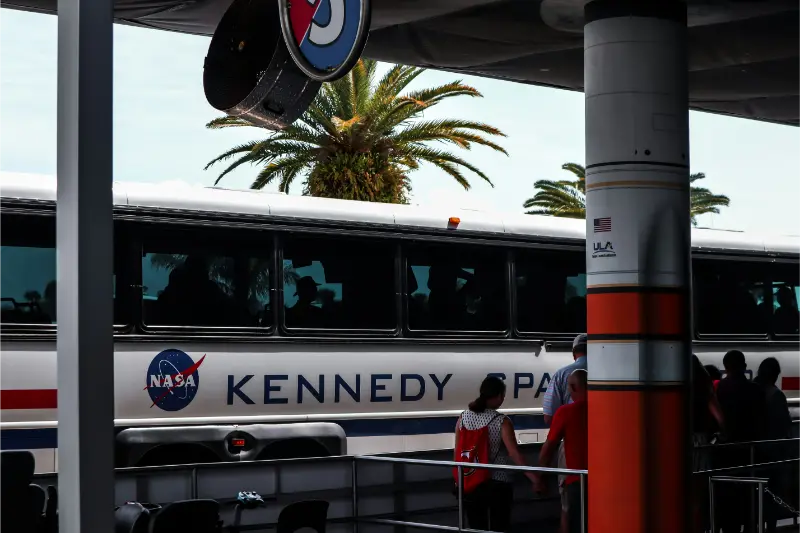
The Wizarding World of Harry Potter extends across both parks: Diagon Alley is in Universal Studios Florida, while Hogsmeade is in Islands of Adventure. The Hogwarts Express travels between them, but Universal explicitly requires park-to-park access. Buying a one-park ticket with the intention of riding the train leads to disappointment. The train is also a transport-themed attraction with its own operating schedule, rather than a guaranteed shuttle running regardless of conditions. Universal’s current notice mentions a planned brief closure in November 2026; operational details can change. Decide whether seeing both lands and riding the train is worth the extra cost to your family. If not, choosing the one land that matters most is a perfectly valid strategy.
Families with children under seven
Small children may enjoy themed characters and environments, but height restrictions and startling effects limit some headline attractions. Look beyond the marketing category of the park and use the official ride lists to identify experiences appropriate for your child’s actual height, interests, and sensitivity to noise. A stroller or shaded break is often just as important as the next attraction. Parents should consider whether older siblings will become frustrated by frequent stops at rides the youngest cannot enter, and whether the party can split safely into two supervised groups for a period. Both parks can serve younger children if expectations are realistic, yet neither should be sold as a day in which every family member can ride everything together.
Families with teenagers and thrill seekers
Islands of Adventure will often be the stronger first choice for visitors who place major coaster experiences at the top of their list, but it is not automatically the only park worth visiting for teenagers. Fans of specific films, Harry Potter’s Diagon Alley, or varied entertainment may favor Studios Florida. Teen preferences differ even within one family: a fourteen-year-old who dislikes drops may be happier exploring themed sets than waiting for siblings at a thrill ride. Before the trip, ask each teen to select three priority experiences and group them by park. If those choices are split evenly, consider a multi-day ticket or park-to-park access. One intense day may cost less upfront but yield fewer enjoyable experiences when queues and fatigue are taken into account.
Non-riders and grandparents still deserve a meaningful day
Visitors who avoid thrill rides for health, comfort, or personal preference should not be assigned the role of waiting outside every attraction. Build a shared itinerary around scenic environments, suitable shows, themed restaurants, and visits to shops or character areas of interest. Both parks can be enjoyed this way, but review the current entertainment schedule because shows may be seasonal or unavailable on certain dates. Identify comfortable meeting points where someone can sit indoors, ideally away from peak lunch crowds. If part of the party uses a wheelchair or scooter, the group should check official accessibility information for transfers, restraint requirements, and companion arrangements. Not every attraction can be made suitable for every physical condition.
Motion sickness: more than coaster intensity
A family member who tolerates gentle outdoor rides may feel worse in a motion simulator, dark ride, or attraction combining large moving images with motion. Conversely, some people find a traditional coaster more tolerable than a screen-based experience. Avoid broad claims that one park is completely safe for motion-sensitive guests. Read the specific attraction’s warnings and ask staff about the motion and visual effects when uncertain. Bring appropriate items as advised by a medical professional if you already know you are susceptible, and avoid scheduling several intense experiences without a break. A park day should not become an endurance test. Where an attraction is unsuitable, plan something nearby that the person genuinely wants to do rather than waiting in a hot queue area.
Understanding walking distances and fatigue
The parks are large and can require extensive walking, standing, and navigation through crowds. Switching parks is an additional commitment, particularly when the family has small children or a visitor who needs rest after short distances. Planning to cross the boundary several times in one day can create more movement than enjoyment. For a one-day visit, choose a main park and treat the other as an optional bonus only when your ticket allows it and energy remains. For a two-day visit, dedicate a substantial day to each and use the morning for top priorities. Schedule meals at sensible times rather than skipping lunch to catch one more ride. A comfortable late-afternoon departure can be a successful outcome.
A one-day plan for Universal Studios Florida
Arrive after verifying the opening time for your ticket date, then begin with your group’s highest-priority attraction while enthusiasm is greatest. Reserve a block of time for exploring Diagon Alley without rushing through shops and architecture. After a proper lunch, balance another selected attraction with a show or an indoor rest depending on conditions. Leave room for a second look at favorite areas rather than treating the day as a competition to accumulate ride counts. Children who are overwhelmed by crowds may benefit from a planned break outside the busiest zones. If evening entertainment matters to your group, confirm its actual schedule that day and do not assume a nighttime show occurs every evening.
A one-day plan for Islands of Adventure
Prioritize the major ride or land that motivated the visit, but understand that attractions can close temporarily due to weather or operations. A morning spent in a selected themed island may be more enjoyable than repeatedly racing across the park after changing wait times. Make time for Jurassic or fantasy environments that non-riders can appreciate, and insert a long shaded break after lunch. Anyone planning water rides should check current offerings and think about a change of clothing or a way to protect electronics. Do not push a nervous child onto a ride based on an online video. Before returning to the hotel, consider one final comfortable shared experience, even if that means skipping a last high-intensity queue.
Two parks in one day: when it makes sense
A park-to-park day can be a good option for repeat visitors who already know the resort, adults with a short priority list, or Harry Potter fans who specifically want both lands and the train. It is a less convincing approach for a family experiencing Universal for the first time with a toddler, a mobility-limited grandparent, and several different ride priorities. Study the opening hours for both parks, the Hogwarts Express schedule, and any major ride closures. If you cannot comfortably enjoy both by late afternoon, two separate days may deliver greater value. The extra ticket benefit does not remove queue times or physical limits. A successful plan should be reversible if weather or fatigue changes the day.
Express Pass, queues, and value
Express access can reduce waiting on eligible attractions, but products and exclusions vary. It does not replace a ticket, does not guarantee instant boarding, and should not be purchased before deciding which attractions you actually intend to ride. Some hotel packages may include certain benefits, but confirm the current terms for the exact resort and park dates. For a family of five, an expensive add-on that helps only two thrill riders could be poor value. Compare the price against the opportunity to add a second park day, choose quieter dates, or stay at a more convenient hotel. Always confirm which attractions participate and whether the package applies to the park you will visit; Universal Orlando now includes more than the two traditional main parks.
Accessibility and sensory planning before the trip
Read Universal’s current accessibility guides and contact Guest Services about needs that cannot be resolved from the website. Attractions have specific boarding requirements, and some require transfers out of mobility devices. Guests with sensory sensitivities may find queues, music, strobe effects, enclosed spaces, or sudden noise difficult; identify quieter routes and agree on a retreat plan. Do not rely on another traveler’s accessibility experience because equipment and personal needs differ. A caregiver assisting a child should ask about rider switch or child swap arrangements for the relevant attraction. Anyone with a medical restriction should follow the posted safety guidance rather than trying to interpret it from the ride’s appearance.
Choosing the park without overspending
Start by making a list of the six things the group most wants to experience. Place each on the map, identify height or health restrictions, and note who can participate. If nearly all are in one park, buy admission accordingly and use the savings for a more comfortable meal, transportation, or an extra night. If the list is evenly divided and the family can manage the walking, compare park-to-park against a two-day ticket. Do not assume that a park marketed for children is suitable for all children, or that the park known for thrills has nothing for non-riders. The park that wins is the one where your particular group enjoys more of its paid day together.
Frequently asked questions
Are Universal Studios Florida and Islands of Adventure the same park?
No. They are separately ticketed parks within Universal Orlando Resort; ticket products determine whether you may visit one or both in a day.
Do I need park-to-park access for the Hogwarts Express?
Yes. Universal requires park-to-park access to travel between Hogsmeade and Diagon Alley on the train.
Is Islands of Adventure only for roller coaster fans?
No. It also has themed environments and other attractions, although major thrill rides are an important part of its identity.