
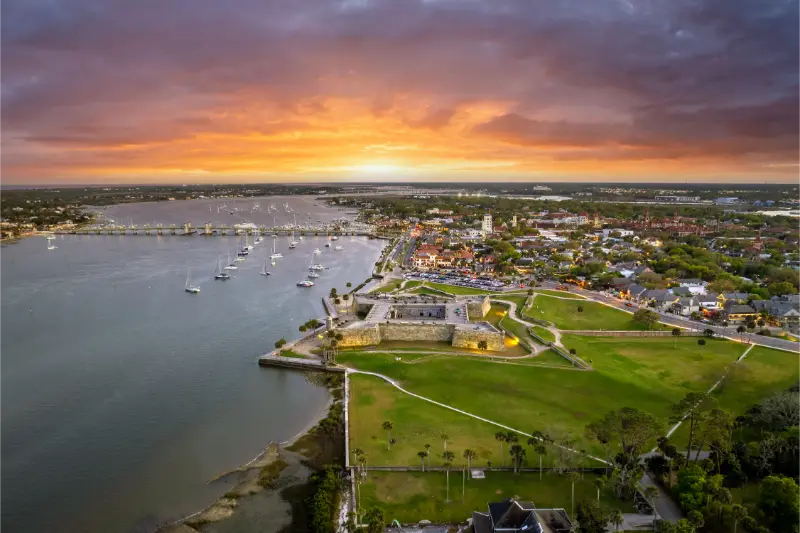
History becomes much more interesting to children when they can stand inside a real fort, look across an old harbor or see an actual spacecraft instead of memorizing dates from a textbook. Florida is particularly good for this kind of family travel because its Atlantic coast connects stories of Indigenous communities, Spanish colonial power, maritime trade, coastal defense and the American space program. Those subjects deserve honest explanations, but they can be explored in a way that welcomes curious children.
This six-day route is designed for families with children roughly ages 7–11. It begins in St. Augustine and finishes on the Space Coast, with three nights in each region. A rental car makes the journey easier; the daily schedule includes only one major attraction because young children can learn plenty from an hour of careful exploration followed by a swim or a restful lunch. The aim is an enjoyable family vacation, not a demanding history course.
Choose the right approach to history for children
Before departure, ask your children what interests them: castles, ships, stories about people, unusual buildings or rockets. Let each child pick a question to investigate. At a fort, it may be “How did people carry water?” or “What happened when someone was sick?” At a space exhibit, it could be “How did astronauts eat?” Questions that connect daily life to a historic place are more engaging than simply asking children to remember names and years.
Florida’s history is not a story of only one group of settlers. Long before European colonization, Indigenous nations and communities lived across the peninsula, and their descendants remain part of Florida today. Colonial forts also connect to enslavement, conflict, migration and resistance. Present these themes honestly, using age-appropriate language and interpretation from official museums and parks. Avoid describing painful histories as amusing battles or treating living cultures as exotic decorations.
Pack notebooks if your children enjoy drawing, but do not make every activity into homework. One sketch, one question and one favorite fact are enough to turn a visit into a conversation over dinner.
Day one: arrive in St. Augustine and explore the old streets
St. Augustine provides a strong introduction because its historic core is compact enough for a short afternoon walk, yet different attractions require different amounts of time. After checking in, choose a public square or short street section near your accommodation and enjoy the buildings, waterways and lively atmosphere. Older streets can have uneven paving, so a family using a stroller or mobility aid should plan the exact route rather than assuming all historic areas are smooth.
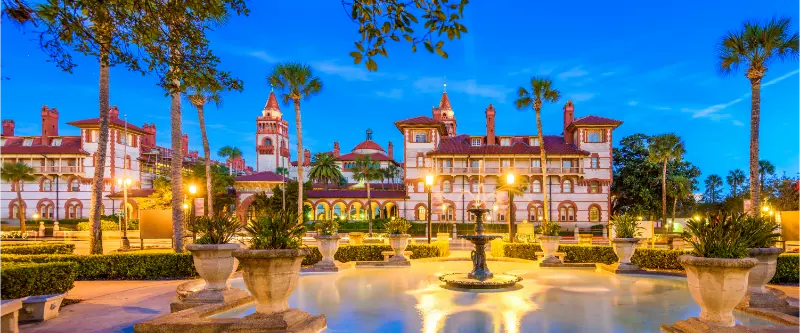
Let children compare old building styles with the places they know at home. Ask them which features might have helped people cope with heat, storms or daily work. A waterfront view can lead naturally to questions about transportation before cars. Do not overload the afternoon with paid tours: the sense of place is part of the lesson.
If you choose a hotel near the historic center, verify whether parking is included. Some lodgings in older buildings have stairs or limited family room options. Eating dinner near the hotel helps children settle and leaves everyone rested for the fort the next morning.
Day two: Castillo de San Marcos and its Junior Ranger program
The Castillo de San Marcos National Monument is one of Florida’s most vivid places to explore colonial military history. Its walls, rooms and position beside the Matanzas River help explain how the city was defended. The National Park Service visitor guidance recommends allowing time for the visit, while its Junior Ranger resources provide an engaging way for children to explore, ask questions and learn.
Do not promise a cannon demonstration without checking the current program calendar. Even when special activities are unavailable, the site’s architecture and exhibits make an interesting visit. Invite children to identify where food might have been stored and what life inside a defensive structure could have felt like. Keep discussions sensitive: military sites tell stories of people under threat, not merely exciting battles.
Take water and plan shade breaks. Parts of historic structures can involve stairs, exposed areas and uneven surfaces, so families traveling with grandparents or wheelchairs should consult accessibility guidance. After the visit, choose a casual lunch and one short neighborhood activity at most. The fort deserves time for questions and reflection rather than being squeezed between attractions.
Day three: Fort Mose or Fort Matanzas—choose one
The third day offers two distinct historical stories. Fort Mose Historic State Park, north of the center, introduces the history of freedom seekers and a community of formerly enslaved people associated with Spanish Florida. It is an important corrective to accounts of the region that focus solely on governors and forts. The official state park page lists visitor center and tour arrangements, which do not necessarily match grounds opening days. Check before you plan the day’s timing.
Fort Matanzas National Monument, south of St. Augustine, offers another approach through maritime defense and a short passenger ferry to a historic fort. The National Park Service says free boarding passes must be collected in person from its own visitor center and that ferry tours do not run on Tuesdays and Wednesdays. Every family member needs a pass, including babies. Because passes are first come, first served and the historic fort involves stairs and other constraints, this is not a guaranteed accessible outing.
Choose the site that fits the children’s interests and your group’s mobility. Fort Mose emphasizes a profound story of freedom and resilience; Fort Matanzas emphasizes the geography and defense of a waterway. Attempting both in one day can be stressful. A short beach visit afterward, if conditions are safe, provides a change of pace.
Day four: drive south and tell the story of coastal navigation
Move toward the Space Coast, allowing time for a modest heritage stop along the way. The Ponce de Leon Inlet Lighthouse near Daytona Beach is one potential place to explore the importance of coastal navigation. Some visitors enjoy the museum grounds and historic context without climbing the tower. The climb is strenuous and involves many steps, so check current rules, height restrictions and access considerations before telling children they will reach the top.
Discuss how a lighthouse helped mariners navigate before satellite positioning and modern electronic instruments. Invite kids to compare a lighthouse with a phone map: both communicate location, but the tools and risks are very different. If the lighthouse stop would make the day too long, drive directly to your accommodation and save the lesson for a coastal viewpoint near your destination.
Settle into a hotel around Titusville, Cocoa Beach or another Space Coast base that suits your next two days. The best location depends on which attractions matter most. Hotels near the ocean may be farther from Kennedy Space Center than expected, while an inland base could be less convenient for evening beach walks. Check actual driving times and parking, not just the regional label.
Day five: Kennedy Space Center and Florida’s modern history
The Kennedy Space Center Visitor Complex connects the historic journey with a different era of exploration. Children can encounter the scale of rockets, learn about astronaut training and see how spaceflight involves engineering, teamwork and risk. Use the official visitor complex website to check current tickets, operating schedules, exhibits and any tour requirements. Launch times and special activities can change, so never build a family’s entire trip around an unconfirmed launch.
Choose two or three major exhibits instead of assuming every experience can be completed in one day. Some films and presentations may be loud or dark, which is worth considering for children with sensory sensitivities. Families with younger siblings can split temporarily with an adult accompanying each group. Allow time for meals and sitting down, and check stroller or mobility equipment rules in advance.
Turn the visit into a discussion about curiosity and evidence. What problem did engineers have to solve? What equipment helped protect astronauts? What would children ask a scientist who works there today? The site is especially effective when children are encouraged to wonder rather than feel tested on technical facts.
Day six: coastal ecosystems and the trip home
End with a gentle Space Coast morning. A suitable beach access, nature center or small local museum can help children connect historical exploration with the landscape they have been traveling through. Look at dunes, notice birds from a respectful distance and talk about why shorelines need protection. If conditions are good, a brief beach stop can be relaxing; if surf or lightning is a concern, choose an indoor alternative or return to the hotel.
If you are departing from Orlando or another airport that day, do not add an ambitious excursion. Allow time to check out, drive, return the car and reach the terminal. A final breakfast conversation is a fine way to summarize what each child enjoyed. They may remember an animal at the water’s edge as strongly as the historic fort, and that is part of the value of travel.
Families with seven or eight nights can add a free day in St. Augustine or on the Space Coast. A rest day makes a substantial difference to children who need time to process new surroundings.
What to pack and how to keep learning fun
Bring sun protection, water, comfortable shoes, a small notebook and spare clothing for a possible beach outing. Historic sites often have exposed stone surfaces and limited shade. Some buildings or tours have stairs, narrow passages or noise, so read visitor guidance before arrival. A lightweight pair of binoculars can make a waterfront stop more interesting, but expensive special equipment is unnecessary.
Give children age-appropriate jobs: reading a sign aloud, spotting an old building feature, choosing one photo, or asking a ranger a question. Do not pressure them to perform for the camera or finish every Junior Ranger page in a hurry. If a subject becomes emotionally difficult, discuss it plainly and leave room for questions. Learning does not require dramatizing war or human suffering.
Set one realistic daily spending limit for paid attractions, food and souvenirs. National Park Service fees, special tours and Kennedy Space Center tickets have different price structures, and some programs have limited capacity. Buying tickets from official providers helps avoid unclear cancellation conditions. Balance costly days with small-town strolls and free public viewpoints.
The six days in one view
| Day | Main story | Key experience |
|---|---|---|
| 1 | St. Augustine as a historic city | Short old-town exploration |
| 2 | Colonial defense and everyday life | Castillo de San Marcos |
| 3 | Freedom and coastal history | Fort Mose or Fort Matanzas |
| 4 | Maritime navigation | Optional Ponce Inlet Lighthouse stop |
| 5 | Modern science and exploration | Kennedy Space Center |
| 6 | People and coastal landscapes | Easy Space Coast nature outing |
The route works best with thoughtful choices. The children do not need to visit every fort or complete every educational exhibit. A meaningful historic trip is one where they understand that Florida has many stories and remain curious enough to ask about them long after coming home.
Frequently asked questions
What age is best for this history itinerary?
Ages 7–11 are a good fit because many children in this range enjoy forts, Junior Ranger activities and space exhibits, but the route can be adapted for younger siblings and teenagers.
Can we visit Fort Matanzas any day of the week?
No. The National Park Service currently lists no ferry service on Tuesdays and Wednesdays, and visitors need free same-day boarding passes. Check for updates and weather cancellations.
Is Kennedy Space Center essential for the last part of the trip?
No, but it creates a strong contrast with colonial history. Families on a tighter budget can choose local heritage or nature activities instead and keep the trip focused on enjoyable learning.