

The Florida Keys offer an extraordinary opportunity to see living coral habitat, reef fish and the changing colors of a tropical marine ecosystem. They also show why a tourist activity can affect the place people came to admire. Coral is made up of living animals; a casual touch with a hand or fin can cause damage, and anchoring or collecting can harm protected habitats. A responsible snorkeling trip begins long before anyone enters the water. It involves selecting a suitable operator, understanding the Florida Keys National Marine Sanctuary, using equipment comfortably and accepting that visibility and wildlife cannot be guaranteed. This guide focuses on reef etiquette and planning, complementing general Florida snorkeling and beach guides.
Quick planning checklist
| Before you go | Practical check |
|---|---|
| Current conditions | Review local official notices, weather and seasonal restrictions |
| Access and comfort | Confirm parking, step-free routes, restrooms and the needs of your group |
| Budget | Check admission, equipment or transport costs and cancellation terms |
| Backup plan | Choose a nearby alternative if the main activity is unsuitable |
Understand the Florida Keys sanctuary
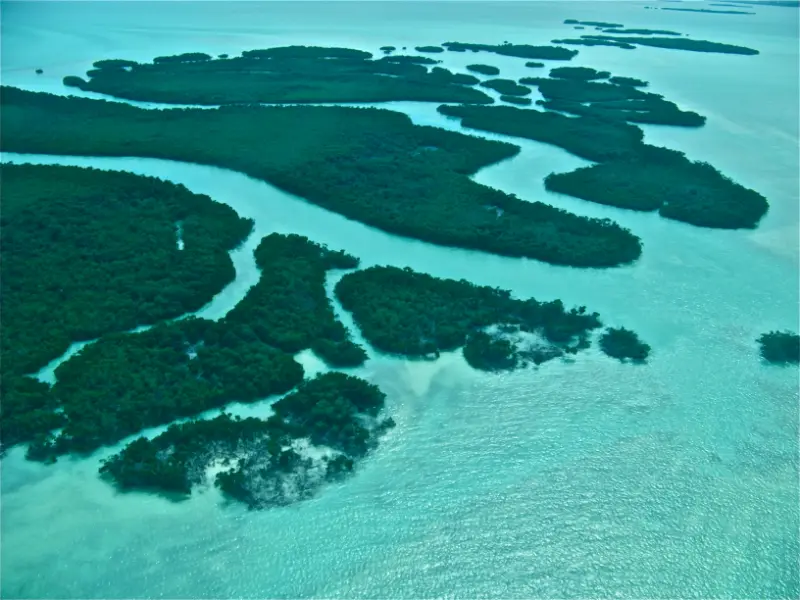
The Florida Keys National Marine Sanctuary includes an extensive protected marine landscape with different management zones. Some areas permit diving and snorkeling while restricting fishing, collecting, anchoring or entry. Do not assume every reef has identical rules simply because it is within the sanctuary. Official NOAA maps and zone descriptions identify sanctuary preservation areas, wildlife management areas and other designated protections. When joining a commercial boat, ask which site is proposed and how the captain adapts if conditions change. Responsible operators will avoid taking guests into unsuitable shallow coral habitat. Visitors planning private boating need a more detailed grasp of zone rules, markers and mooring systems. The sanctuary's regulation pages are authoritative and should be checked before departure, especially when rules change over time.
Choosing an ethical snorkeling operator
An attractive website showing sea turtles beside a boat is not enough to judge an excursion. Ask about safety briefings, maximum group size, flotation devices, supervision in the water and what happens if wind or visibility makes the planned reef unsuitable. NOAA recognizes Blue Star operators who undertake responsible practices. This can be a useful indicator, although each guest must still follow instructions. A tour that promises touching marine animals or guaranteed close turtle encounters is a poor fit for an ethical reef experience. Ask whether guides discuss fin technique and coral distance before entering. Travelers with young children or mobility limitations should clarify the ladder arrangement, shaded seating and whether remaining on the boat is possible. Compare the conditions of the whole excursion, not only the advertised underwater photographs.
Why coral must never be touched or stood on
Even dead-looking formations can be fragile habitat, and living coral colonies are easily affected by contact. NOAA guidance emphasizes maintaining distance, keeping equipment secure and never standing or resting on coral. The same applies to fins and camera accessories: a camera housing or dangling strap can strike a colony just as easily as a hand. If a mask needs adjusting, float on the surface or return to the boat rather than standing on an underwater structure. Choose a shallow practice area away from the reef before the tour, and take time to master a calm kicking motion. Inexperienced snorkelers should consider a guided trip with a properly fitted flotation vest. Photographs and videos are valuable souvenirs, but none justifies touching the reef to hold a position.
What to do around fish, turtles and other wildlife
Wild animals are not performers. Do not chase a turtle, block its ascent to breathe, feed fish or place yourself in a dolphin's path. Fish feeding changes behavior and can attract unwanted activity; some forms are prohibited. Remain a calm observer and allow animals to choose their own direction. If a turtle passes nearby, keep your distance without moving abruptly to follow it. Avoid flash photography or prolonged hovering over one animal when other snorkelers are present. People may react enthusiastically to seeing a familiar species, but shouting and crowding can spoil the observation for everyone. Responsible wildlife watching may produce fewer close-up photographs, yet it gives visitors a more genuine understanding of a habitat that belongs to its inhabitants.
Mooring buoys and boat behavior matter
Many popular sanctuary reef sites have mooring buoys intended to prevent anchor damage. NOAA publishes information about these systems and zone-specific restrictions. A private boater should learn the correct procedure and never assume anchoring is lawful simply because another vessel is doing it. Motors and propellers can also damage shallow seagrass or threaten swimmers. Professional tour operators should brief passengers about boarding, exiting and keeping clear of propulsion equipment. Ask about conditions and the vessel's safety plan. For families with a child who becomes distressed in rough water, choose a short protected-water trip or a glass-bottom boat alternative instead of insisting on offshore snorkeling. Choosing a gentler activity still allows everyone to appreciate marine life.
Visibility, current and the limits of forecasts
A sunny day at the hotel does not guarantee comfortable reef conditions. Wind waves, currents, thunderstorms, recent rainfall and water clarity can alter the experience. Operators may change destinations or cancel trips for safety. This is a reason to book with clear cancellation policies and to leave some flexibility in a multi-day Keys itinerary. Check marine forecasts and follow the captain's directions. Good swimmers can still be surprised by the effort required in a current, especially when using unfamiliar fins. Do not overestimate children or older family members simply because they are enthusiastic. Build a simple sign or buddy system for anyone who needs a rest. If underwater visibility is poor, a coastal nature center or protected shore activity may be a better use of the day.
What to pack and how to avoid leaving debris
Prepare a comfortable mask and snorkel, fitted fins, water, sun protection and any required medication. Secure every small item on the vessel; loose plastic packaging can become marine debris. Never use sunscreen claims as permission to contact coral. Consider physical shade and protective clothing alongside any sunscreen appropriate for your group and the operator's policies. Test a mask seal before departure, especially for first-time snorkelers who may become anxious after water enters it. If your equipment falls into deep water, tell the guide rather than diving beyond your ability to retrieve it. Bring a dry bag for essentials, but do not attach dangling accessories that may snag on coral. Leave shells, coral fragments and other sanctuary materials in place.
A responsible family day in Key Largo or the Middle Keys
A family with two school-age children starts by comparing operators and choosing a morning trip suitable for beginners. They check marine forecasts, ask about flotation, boat access, cancellation rules and the intended reef zone. Before departure the children practice breathing with masks in a supervised shallow setting and learn three rules: no touching, no chasing, no collecting. At the reef, one adult stays close to each child and the group follows the guide's instructions. If someone becomes cold or uncomfortable, they return to the boat rather than pushing on for the sake of photographs. Later, the family visits an educational exhibit to identify some of the marine species they observed. This approach makes environmental respect part of the holiday, not a lecture added afterwards.
Official sources to check before entering the water
NOAA's Florida Keys National Marine Sanctuary provides the most directly relevant official visitor and regulation information: https://floridakeys.noaa.gov/visitor_information/things-to-do/responsible-diving.html and https://floridakeys.noaa.gov/regs/welcome.html. The guidance emphasizes careful buoyancy, maintaining distance and respecting zone restrictions. A tour operator can explain local conditions but cannot override official sanctuary rules. Recheck the pages shortly before the trip because zone provisions and other regulations may change. If planning private boat use, seek specific boating and navigation information in addition to snorkeling advice. For children, beginners and visitors with limited swimming experience, arranging professional supervision matters more than trying to visit the most famous reef on a checklist.
Three ways reef tourism can support conservation
First, choose an operator that explains ecological limits and follows current sanctuary navigation, wildlife and mooring requirements. Second, learn something about the habitat before entering: understand the difference between coral colonies, seagrass and sandy bottom so that you know where not to place fins or feet. Third, avoid bringing unnecessary waste onto the boat, and consider supporting reputable local education or habitat-restoration organizations after the trip. Paying for a tour does not grant permission to damage a reef, but it can fund operators who invest in careful practices. Ask the guide how they help guests avoid touching coral and what happens when conditions are unsuitable. Clear answers matter more than the number of species guaranteed in the advertisement.
If you feel anxious or seasick, change the plan early
Beginners sometimes assume they must persist after booking an expensive excursion. In reality, discomfort can lead to rushed movements that are unsafe around a reef. Tell the guide before entering if you cannot clear your mask comfortably or if the boat motion has made you ill. Ask to remain on board, return to a shallow practice area or skip the water session. An accompanying family member can take photographs from the deck if permitted. Choosing a boat with shade, seating and a reasonable trip duration can make snorkeling accessible to more travelers. There is no conservation benefit in insisting that a frightened swimmer reach a reef that is beyond their present confidence or endurance.
Frequently asked questions
Can I touch coral if it looks dead? No. Avoid touching or standing on any coral structure and follow sanctuary zone rules, which may protect dead coral too.
Are all reefs in the Keys open for snorkeling? No. Check the NOAA sanctuary map and zone restrictions for your intended site.
Does a Blue Star operator guarantee dolphin or turtle sightings? No. The recognition relates to responsible practices, not guaranteed wildlife encounters.
Can I take shells home from a reef? Do not collect sanctuary materials without confirming rules. Protected zones restrict removal, including some nonliving items.
Is a glass-bottom boat a good alternative? It can be a useful choice for travelers who prefer observing marine habitats without entering open water.