Category: Florida Family Travel

  • Florida With a Toddler and a Teenager: Six Days Around Fort Lauderdale

    Florida With a Toddler and a Teenager: Six Days Around Fort Lauderdale

    Planning a Florida vacation for a toddler and a teenager is less straightforward than booking a theme park and hoping everyone enjoys it. A three-year-old may need a midday nap, safe places to run and short outings. A fifteen-year-old might want photography, independent choices and something more challenging than another playground. South Florida can accommodate both, but the solution is not to force both children through the same attraction list at the same speed. It is to create a trip with shared experiences, brief separate choices and enough downtime to prevent every afternoon from ending badly.

    This six-day plan uses Fort Lauderdale, Hollywood Beach and the inland Davie area as a manageable Broward County base. It is useful for parents, grandparents and other caregivers traveling together. Every day’s main activity has a shorter version and an alternative when the weather or the toddler’s needs change. The activities are real places, not invented personal experiences, and the itinerary can be adapted for an adult who walks slowly or a teen who dislikes water.

    Balancing a toddler and a teen

    Day Shared experience Different-age option
    One Easy arrival and dinner Teen chooses food stop; toddler rests
    Two Hollywood Broadwalk Short stroller loop or longer photo walk
    Three Hands-on science Split museum galleries with responsible adults
    Four Flamingo Gardens Quiet animal viewing or photography
    Five Hugh Taylor Birch nature Short shaded walk or longer supervised path
    Six Repeat a favorite Each child chooses a small final activity

    Start by choosing the right family accommodation

    Select one base for all six nights. Fort Lauderdale can be convenient for city attractions and the waterfront, while Hollywood Beach provides direct access to a long oceanfront promenade in some locations. Davie and other inland areas may be useful for the garden day but are less attractive if the family wants to walk to the beach regularly. Compare driving times at the actual hours you will travel, not only distances in a booking app. A small child becomes tired in traffic long before the rest of the family does.

    Prioritize two sleeping zones if the budget allows. A toddler who goes to bed early and a teenager who wants to read or talk in the evening have very different routines. A separate bedroom or quiet sitting area can be more valuable than a luxury pool. Check whether a crib can be reserved, whether bedroom doors lock unexpectedly and whether any pool or balcony is securely protected. Ask about laundry, refrigerator access and a nearby supermarket. For six nights, ordinary practical features can determine how relaxed everyone feels.

    Day one: arrive, recover and explore a small area

    Arrival day should have no expensive timed attraction. Check into the hotel, locate the grocery store and take a gentle walk where your youngest traveler can move safely. If arriving by plane, check the toddler’s seat and transport needs before departure rather than assuming a rideshare provider will supply an appropriate child restraint. The teenager can help choose a casual restaurant or photograph the evening light; that small choice makes the trip feel shared rather than completely designed for a preschooler.

    If you have time, explore the closest public waterfront or neighborhood path for less than an hour. Avoid a long drive to Miami or an ambitious sunset cruise on the first night. Young children often need familiarity, and adults may be tired from travel logistics. Establish where everyone will sleep and which items must be packed for the morning. A calm arrival can save the next day from frustration, particularly when several family members have different sleep schedules.

    Day two: Hollywood Broadwalk for two different ages

    Hollywood Beach’s Broadwalk is a paved oceanfront promenade with restaurants, places to pause and access to the sand. It suits a mixed-age group because visitors can enjoy the setting without all joining the same activity. The official City of Hollywood Broadwalk information describes the route and public amenities. Choose a short stretch near confirmed parking and restrooms rather than expecting a toddler to cover the entire promenade.

    The teenager might enjoy taking photos or walking farther with one adult while another supervises the toddler close to a shaded rest point. Establish a clear reunion location, and do not leave young children unattended at the beach. Swimming should depend on current flags and safe conditions, not a promise made days before the trip. Families who prefer to remain dry can still enjoy breakfast near the ocean and watch the activity along the shore. Return to the accommodation before everyone is exhausted.

    Day three: hands-on science in Fort Lauderdale

    A science museum is useful when two children have different learning styles. The Museum of Discovery and Science in downtown Fort Lauderdale has interactive exhibits that can be more flexible than a performance with one start time. Check current admission, exhibits and age recommendations before arrival, since temporary programs change. Ask the teen to choose one exhibit that they genuinely want to explore, and give the toddler shorter hands-on sessions where appropriate. One parent or grandparent may need to move between different galleries rather than expecting all four visitors to stay together.
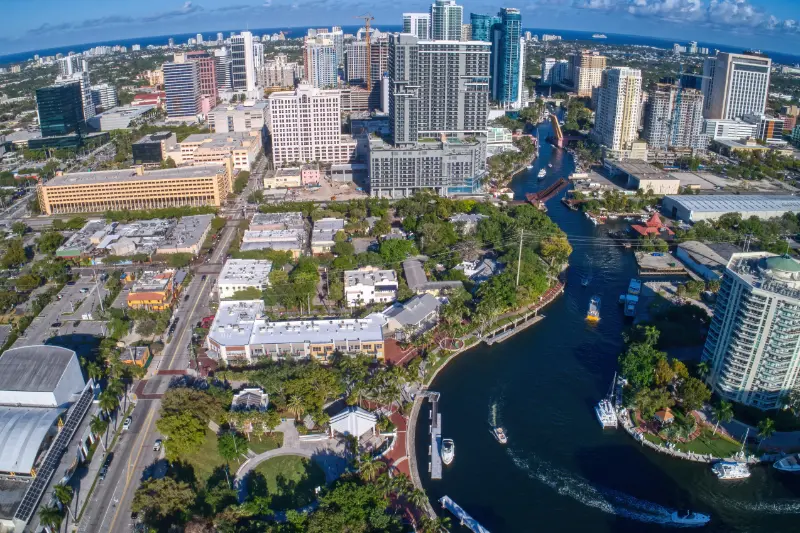
    Fort Lauderdale Downtown Waterway and Highways Aerial

    Plan a midpoint snack and an exit option. Museum fatigue is real, particularly when a toddler has been awake early. If the teen wants more time, one adult can remain while the other leaves with the younger child; agree on a safe pickup plan in advance. In hot or stormy weather, an indoor museum can be the day’s principal attraction. Finish with a low-key dinner instead of adding a distant evening event that depends on the youngest member’s unpredictable energy.

    Day four: gardens and rescued wildlife in Davie

    Flamingo Gardens combines botanical landscapes with a wildlife sanctuary, offering opportunities to talk about native plants and animal care. The official Flamingo Gardens visit page lists admission details and operating hours. Verify the current tram operation and exhibit schedule before setting out rather than promising an animal presentation that might not occur. A teenager interested in photography can find plenty to study, while a younger child may be happiest observing one animal quietly rather than rushing between displays.

    The sanctuary is not a petting zoo. Explain that the animals are not there to be touched or fed by visitors. Keep the toddler from climbing barriers or dropping food into enclosures, and use the marked paths. A stroller can help, but check surface conditions if your group has mobility limitations. Reserve shaded breaks and drinking water, especially in warm months. After the visit, return to the hotel rather than scheduling another distant park. A day that works for both ages often has a single clear highlight.

    Day five: Fort Lauderdale’s Hugh Taylor Birch State Park

    Hugh Taylor Birch State Park provides an urban nature experience very different from the ocean promenade. It protects green space between developed Fort Lauderdale and coastal waterways. The official state-park information provides current access conditions and notes that some restrooms, pavilions and the floating dock have been affected by closures. Check those details before choosing an activity that depends on a particular facility. A short shaded outing can be plenty for a small child, while a teen may enjoy observing wildlife or exploring a longer designated route with an adult.

    Do not assume that all paths are suitable for strollers, and never bring the toddler close to open water without direct supervision. The group can split by energy level for part of the morning and meet for a picnic in an open, permitted area. Carry food and water because convenience services can change. If storms approach, leave the park and use a museum or a quiet hotel afternoon as the backup. The purpose is to appreciate a pocket of nature, not to force a full-day hike inside a city.
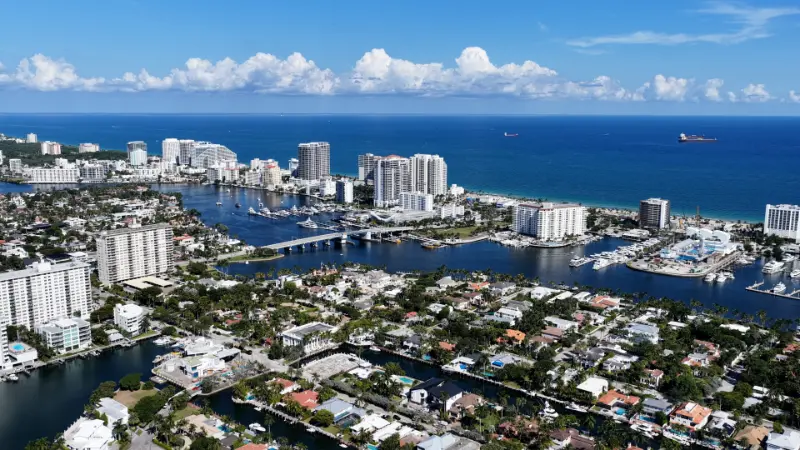
    Fort Lauderdale Skyline and Waterfront Aerial

    Day six: let each child choose a small final experience

    The final day is ideal for a simple choice. Ask the teenager to select between a photography walk, a museum return or a favorite food stop. Give the toddler a predictable playground or short beach outing with a caregiver. Keep the choices geographically close so the family is not spending the day driving between them. You might all meet for lunch and enjoy one brief shared waterfront moment in the afternoon. If your flight is that day, replace extra sightseeing with unhurried packing and a comfortable transfer.

    One mistake on mixed-age trips is to describe a teenager’s preference as a reward for tolerating the toddler’s activities. Both children are legitimate travelers. A little separate time can help the older child feel respected and the younger child stay comfortable. Adults should plan who carries snacks, who supervises beach access and who handles tickets; these decisions are easier before a tired child starts crying. A successful conclusion may involve very little activity and still feel satisfying.

    A daily rhythm that prevents tired afternoons

    Build the day around one main morning outing, lunch, rest and an optional short evening activity. For a toddler, naps may be essential; for the teen, downtime in a separate space can be just as valuable. If the family is staying in a rental with a kitchen, an early meal can reduce the pressure to find a restaurant when everyone is hungry. Pack a change of clothes, sunscreen, water and a few familiar snacks, but do not carry so much equipment that every stop becomes difficult.

    Alternate the focus of the days. A beach promenade and garden visit provide movement and nature, while an indoor science museum adds hands-on learning. Do not schedule multiple animal attractions simply because the children liked one. Consider the teen’s interests—photography, art, marine science, food or sports—and choose the relevant details within the same itinerary. For a toddler, novelty comes from manageable experiences such as watching birds, riding in a stroller and exploring a safe public space.

    Swimming, storms and family safety

    Broward County’s Atlantic beaches have changing waves, currents and weather. Follow flags and lifeguard instructions, maintain direct toddler supervision and avoid swimming during unsafe conditions. For a mixed-age group, assign supervising adults rather than assuming a teenager will watch a younger sibling while everyone relaxes. A teen may be a capable helper but should not carry the full responsibility for another child’s safety. The family should have a meeting point and know what to do if separated in a crowded area.

    Thunderstorms are common in warm months and can make exposed beaches or open gardens dangerous. Move inside when lightning is nearby, and do not wait under a beach umbrella. In the car, use age- and size-appropriate child restraints according to the applicable requirements. If the toddler becomes overheated, return to an air-conditioned environment and seek medical help for concerning symptoms. There is no attraction important enough to justify ignoring a child’s health or an official safety warning.

    How to budget fairly for two ages

    The budget includes accommodation that allows proper rest, car hire or other transport, parking, meals, admission for different age categories and a small reserve for weather-related changes. Check museum and garden ticket prices for the actual ages of your children; one child may qualify for free admission while the other pays a youth or adult rate. A hotel pool can be an excellent low-cost afternoon option, but it still requires supervision. Compare full accommodation prices, not just advertised nightly amounts.

    Allow the teenager a small discretionary amount for a chosen activity or snack rather than spending every extra dollar on toddler equipment. Budget for one paid family highlight and several low-cost outings, such as a waterfront promenade and park time. A convenient hotel may cost more but save enough driving, parking and stress to be worth it. Conversely, a rental with laundry and a kitchen can make a longer stay easier. Choose based on the group’s actual routines.

    Keep the vacation flexible enough for everyone

    The joy of this kind of trip lies in noticing that the two children may enjoy the same place for different reasons. At a garden, the teen might photograph birds while the toddler notices bright leaves. On the Broadwalk, the older child may enjoy an independent stroll with an adult while the younger one watches bicycles from a stroller. Both experiences count. Do not make every day a forced group photograph or a contest to visit the most attractions.

    If grandparents join, include their comfort and mobility needs in the plan from the beginning. They may enjoy an art museum more than a long beach walk, or they may prefer to spend a quiet afternoon with the younger child while the parents accompany the teenager to a chosen attraction. Offer options rather than assumptions. South Florida has enough variety for different generations, provided the itinerary values rest and treats each person’s energy as real.

    Frequently asked questions

    Is Fort Lauderdale a good base for a toddler and a teenager?

    It can be. The area combines beaches, museums, parks and nearby gardens. Choose one lodging base, plan short morning activities and keep afternoons flexible.

    Can we see Hollywood Beach without spending the whole day swimming?

    Yes. The paved Broadwalk, ocean views and restaurants make a shorter, mostly dry outing possible. Always follow beach safety instructions if anyone enters the water.

    What if the teenager and toddler want completely different activities?

    Plan one shared outing, then allow a brief split with a responsible adult supervising each child. Agree on the meeting place and treat both children’s preferences seriously.

  • Florida With Preschoolers Ages 3–5: Six Days on Amelia Island and in Jacksonville

    Florida With Preschoolers Ages 3–5: Six Days on Amelia Island and in Jacksonville

    For children ages three to five, a Florida vacation succeeds when the day includes something exciting and enough unhurried time to enjoy it. A wide beach, a gentle nature walk or a close-up look at an old fort can leave a stronger impression than an ambitious schedule of tickets and driving. Northeast Florida’s First Coast is particularly good for that kind of holiday: Amelia Island offers a compact beach town, while the Jacksonville area provides a zoo, riverfront parks and indoor choices for poor weather.

    This six-day plan uses two bases or one base with manageable day trips. It is designed for adults who want an enjoyable vacation of their own, while keeping preschoolers’ naps, attention spans and limited tolerance for heat in mind. It doesn’t promise that every attraction is stroller-accessible in every section, and it doesn’t require children to behave like miniature adults.

    Decide whether to stay on Amelia Island or near Jacksonville

    Amelia Island is a good base for a beach-focused family. Fernandina Beach has historic streets, cafés and a setting that invites short walks. A rental with a practical kitchen and a quick route to the sand can save time on breakfast and snacks. If the trip includes a stroller, inspect the route from accommodation to the beach: sandy access points, stairs and long boardwalks are not all equally convenient. Staying close to the beach may cost more, but with a child who needs afternoon rest it can make the entire holiday feel easier.

    Jacksonville offers more varied lodging and usually puts indoor activities and the zoo within easier reach. The city spreads over a large area, so selecting a hotel based on the word “Jacksonville” alone can mean long daily drives. Families who want both beach and museums should compare Jacksonville Beach, Southbank, Riverside and the northern parts of the city according to their intended outings. One base for all six nights works if you do not mind driving, but switching once between Amelia Island and Jacksonville can reduce backtracking.

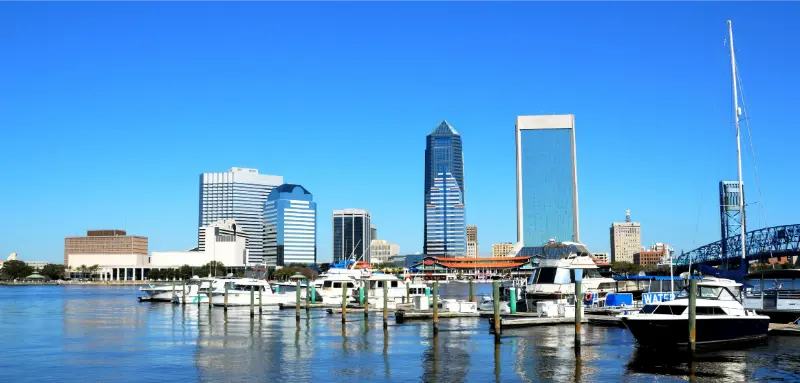
    Jacksonville Marina and Waterfront Towers

    A rental car generally makes this itinerary simpler. Confirm the child restraint you need and inspect it before leaving the airport. Parents arriving late should consider collecting the car, buying basic food and doing nothing more elaborate that evening. Small children rarely benefit from an impressive first-night plan after a long flight.

    Day one: arrive and learn the neighborhood

    After arrival, give the child a familiar routine. Find a grocery store, a shaded place to eat and the nearest place to buy sunscreen or forgotten supplies. A short walk around Fernandina Beach’s historic district or a peaceful neighborhood near your Jacksonville hotel is enough. The day’s highlight may simply be ice cream and the promise of the beach tomorrow. Reserve any serious sightseeing for a morning when everyone has slept.

    If your family has arrived from another time zone, avoid insisting on a tightly timed restaurant meal. A casual place with outdoor seating can make a stop less stressful, provided temperatures are comfortable. Bring water, a sun hat and a lightweight layer for strong indoor air conditioning. Confirm that the hotel room or rental has genuinely usable curtains and a sleeping setup that keeps a small child away from balcony doors.

    Day two: Amelia Island beach time, with an early finish

    Begin at a public beach access point suited to your equipment and mobility needs. Atlantic beaches can have surf and currents; shallow-looking water is not automatically safe. Check flags and local advisories, stay within reach of children near the water and choose sand play over swimming if conditions are rough. A bucket, a small shovel and time to watch shorebirds can occupy a preschooler happily. Protect dune vegetation by using marked access paths.

    Leave before the hottest part of the day, even if everyone wants “five more minutes.” A lunch and quiet afternoon at the property creates energy for another short outing at sunset. Adults who want a longer walk can take turns while the other adult remains with the resting child. Avoid designing the whole family schedule around one person’s tolerance for heat or distance.

    In the evening, explore a small section of Fernandina Beach on foot and choose an early casual dinner. Rather than promising a particular restaurant before you know the child’s mood, identify two nearby options with accessible restrooms and food everyone can eat. Keeping this day simple sets up the rest of the trip.

    Day three: Fort Clinch, where history becomes visible

    Fort Clinch State Park combines an old coastal fort, maritime forest and beach scenery. Preschoolers often respond to visible objects such as cannons, thick walls and historic rooms more than to a long explanation of military history. Begin at the visitor information area, ask what programs are happening and select the parts of the fort your child can enjoy without climbing every stair. Adults can give the child a small mission: find the old doors, observe the brickwork or imagine how a meal might have been prepared.

    Some fort areas are inherently difficult for people with mobility limitations because of historic construction. Florida State Parks lists accessible boardwalks and viewing platforms and notes that staff may provide assistance for selected lower-level fort areas. Check directly before visiting if step-free access is essential. Fort Clinch accessibility and visitor facilities.

    The park’s natural setting makes it possible to end a museum visit with a picnic or a short boardwalk outing. If the weather is very hot, resist adding the beach afterward. Children may be delighted by the fort but completely finished by lunchtime. Carry snacks and water because reliable food at the exact spot you want should never be assumed.

    Day four: Jacksonville Zoo and Gardens

    A zoo day is not a competition to see every animal. Arrive early, choose four or five exhibits and plan a break while interest is still high. Jacksonville Zoo and Botanical Gardens offers animal habitats and garden landscapes; review the current map and any temporary closures before choosing a route. Online ticket booking can make entry simpler, and the zoo’s official visitor page provides current operating information: Jacksonville Zoo and Gardens.

    Downtown Jacksonville Waterfront with Tour Boat

    Ask the child which animals they most want to see, then add one or two quieter stops that interest the adults. A stroller may still be useful for a four-year-old who usually walks at home: the distances can feel longer in humid weather. Use shaded paths and restrooms before anyone is desperate for them. If a particular exhibit is crowded, move on instead of keeping a child standing in a line for a glimpse.

    Plan a low-effort afternoon. A hotel pool, subject to adult supervision and weather, may be more rewarding than an additional attraction. Children often process a busy day through play and repetition, so leave time for them to talk about what they noticed rather than rushing to another ticketed experience.

    Day five: a riverfront or garden morning, not another big event

    Jacksonville’s St. Johns River shapes the city, and a gentle visit to a riverfront park can show children a different landscape from the Atlantic beaches. Choose a well-maintained promenade or park with shade, drinking water and a straightforward parking plan. Watch boats pass, notice the changing color of the water and let the child move at their own pace. If the sun is harsh or rain is forecast, replace the walk with a short indoor museum or children’s activity appropriate to their age.

    The Cummer Museum of Art and Gardens is an option for adults who enjoy art and landscaped gardens, but decide whether your child can manage an art museum respectfully. A short visit focused on two or three paintings and the gardens is preferable to dragging a bored preschooler through every gallery. Ask about family programming and current garden access. If you choose something else, the day is still complete: the family does not need to earn its vacation by visiting every landmark.

    A relaxed dinner near your accommodation is a better finale than a long cross-city drive. If the child is still energetic, a small playground or a supervised game outdoors will likely be more memorable than another attraction.

    Day six: one last favorite place and a gentle departure

    Use the final morning to revisit what your child enjoyed most. That may mean a second short beach stop, a café breakfast or a park. Allow more time than expected to pack snacks, rinse sand from shoes, return rental equipment and organize the car seat. Wet bathing suits and beach toys can become an unpleasant surprise at the airport if packed hurriedly.

    If the flight departs early, skip sightseeing. Children are usually more resilient about an uneventful final morning than about a stressful airport rush. Keep comfort items and spare clothing in the hand luggage, and calculate your departure based on the rental car return and the specific airport’s recommendations, not only the drive shown on a map.

    Choose the season for comfort rather than just price

    Spring and fall can be pleasant for outdoor visits, although weather varies from week to week. Summer brings heat, humidity, thunderstorms and beach conditions that can change quickly. A day planned around morning activities and an indoor afternoon works better than expecting a preschooler to be comfortable outside for six consecutive hours. Winter can be enjoyable for walking and sightseeing even when the Atlantic water feels too cool for a swim.

    School vacations and holiday weekends affect prices and crowds. For a flexible family, choosing a midweek arrival and a less busy period can reduce both hotel cost and pressure at attractions. Compare the forecast for Jacksonville with your expectations: Northeast Florida does not have the same winter temperatures as Miami or the Keys. Pack layers and do not let promotional beach photographs determine the packing list.

    Meals, equipment and realistic expenses

    You don’t need to pack an entire nursery, but you do need a familiar set of essentials. Check whether your accommodation provides a crib or booster seat before relying on it. A small cooler for water and snacks, sunscreen that your child tolerates, and a change of clothes can make the difference between a manageable outing and an abrupt return to the hotel. Keep a weatherproof bag for wet clothes and a basic first-aid kit.

    Budget for lodging, car rental and child seat, parking, admission, food, beach equipment and taxes. Many attractions charge different rates by age and may require advance online purchases. Don’t rely on a random older price quoted on a blog. An excellent family day can be inexpensive, especially when it’s spent at a local park or beach; a zoo day and a fort visit may be the two main admission expenses worth prioritizing.

    Safety and access questions parents should settle

    At any Florida beach, review current surf conditions and lifeguard information where available. Do not leave toddlers or preschoolers unattended near water, even when they wear flotation devices. Natural areas may have insects and uneven trails; use clear paths, keep children close and never invite them to feed wild animals. If a thunderstorm approaches, leave exposed beaches and piers rather than trying to watch it from the shoreline.

    For children with sensory needs, ask the zoo and museums about quiet spaces, special programming and less crowded arrival times. A child who dislikes loud sounds may enjoy the forest or garden more than a busy exhibit. For families using wheelchairs or other mobility aids, contact each attraction for current routes and facilities; historic fort spaces and beach surfaces need special attention.

    What makes this trip work

    The First Coast gives families variety without demanding a theme park vacation. One day focuses on sand, another on historic walls, another on animals, and the remaining days protect the breathing room that preschoolers need. If you reduce the schedule when the weather or mood calls for it, you haven’t wasted the trip. You have built a vacation that lets children enjoy Florida while leaving adults enough energy to enjoy it too.

    Frequently asked questions

    Is the First Coast a good choice for a three-year-old?

    Yes, if the daily plan remains flexible. A morning on a beach with easy restroom access, one short fort visit and a zoo day can be enough variety. Choose accommodation close to your main base so that naps, snacks and unexpected changes do not require long drives.

    Should we include both Amelia Island and Jacksonville every day?

    No. Most families will enjoy the trip more by concentrating on Amelia Island for beach and small-town days, then making one or two purposeful excursions to Jacksonville. The time saved in the car is especially useful for children who still rest after lunch.

    Can preschoolers visit Fort Clinch?

    Families can enjoy park scenery and selected historic features, but some fort areas have stairs, uneven surfaces and limits for strollers. The state park lists accessible boardwalks and offers equipment for some visitors with mobility needs; contact staff before committing to a particular route.

  • Florida with Teenagers: Theme Parks, Beaches, Space, Wildlife, Water Sports and Trip Planning

    Florida with Teenagers: Theme Parks, Beaches, Space, Wildlife, Water Sports and Trip Planning

    Florida with teenagers works best when the trip gives them some ownership. A schedule designed entirely around what adults think a family should enjoy can produce resistance, even when the attractions are excellent. I would ask each teenager to choose one priority—thrill ride, beach activity, shopping district, space experience, wildlife encounter or food stop—and then build the route around a few shared anchors.

    Explore this guide

    The state is unusually good for this age because high-energy and low-pressure experiences can sit side by side. A morning can involve a launch site or roller coasters, while the afternoon is a beach or hotel-pool reset. The goal is not constant entertainment. Teenagers also need downtime, privacy and a chance to use their phones without adults treating every quiet minute as wasted vacation.

    Quick planning summary

    • Best for thrill rides: Orlando and Tampa
    • Best for space and science: Kennedy Space Center and the Space Coast
    • Best for water sports: Keys, Gulf beaches and Atlantic surf towns
    • Best for wildlife: Everglades, springs and refuges
    • Best city energy: Miami, Fort Lauderdale and St. Petersburg
    • Family strategy: give teens real choices and protect some unscheduled time

    Theme parks without turning the trip into a marathon

    Teenagers may be ready for Florida’s biggest rides, but that does not mean they want fourteen hours in a park every day. Choose the parks that match their interests, learn the current queue systems and allow enough time for the attractions they care about rather than collecting every ride.

    Older teens can take more responsibility for navigation, mobile orders and checking wait times. Giving them a practical role changes the trip from something being done to them into something they are helping run.

    Beaches, surfing and water sports

    A beach day becomes more attractive to many teenagers when it includes an activity: surfing lesson, paddleboard, snorkeling, kayaking, fishing or beach volleyball. The Atlantic coast generally offers more surf potential, while many Gulf destinations are known for calmer-looking water, though daily conditions vary everywhere.

    Use professional operators for activities that require local knowledge, and do not treat strong swimming as a substitute for understanding rip currents, weather or boat safety.

    Kennedy Space Center and the Space Coast

    Kennedy Space Center can work extremely well with teenagers because it combines engineering, history, large-scale hardware and the possibility of launch-related excitement. Give the visit enough time; rushing through major exhibits removes much of the impact.

    Kennedy Space Center Directional Sign

    If a launch is part of the dream, remember schedules can move for technical and weather reasons. Build the trip around the Space Coast rather than making a nonrefundable vacation depend on one launch time.

    Wildlife and springs

    Teenagers who are bored by a passive scenic drive may become engaged when wildlife involves paddling, snorkeling, photography or a guided tour. Springs in North and Central Florida, Everglades ecosystems and coastal refuges can all provide that sense of discovery.

    Respect wildlife distance and operator rules. Social-media photos are not worth crowding an alligator, manatee or nesting bird.

    Cities, food and independent-feeling time

    Miami, St. Petersburg, Tampa, Fort Lauderdale and other cities can give teenagers a different Florida from beaches and parks: murals, music, sports, cafés, shopping and neighborhoods. A food stop chosen by the teenager can sometimes create more enthusiasm than another museum chosen by adults.

    Depending on age and family comfort, give older teens limited independent-feeling time in a safe, agreed area while adults stay nearby. Clear meeting points and charged phones are essential.

    Phones, photos and social media without fighting all day

    Phones are part camera, ticket wallet, map and communication device, so a total ban is unrealistic. Set a few boundaries that protect shared time: perhaps no phones during one meal, but free use during long drives or queues.

    Carry battery packs. A dead phone can become a practical problem when tickets, reservations and family communication are stored digitally.

    Let teenagers help plan the route

    Give each teen a small research assignment: choose one restaurant, one beach, one attraction or one roadside stop. Set the budget and geographic boundaries, then take the choice seriously. This creates buy-in without surrendering the whole itinerary.

    For siblings with very different interests, alternate priorities. One high-adrenaline day followed by a slower wildlife or beach day often works better than trying to satisfy everyone in every hour.

    Families, older travelers and accessibility

    Younger teens may still need the structure of a family itinerary, while older teens can handle more responsibility and may care about Wi-Fi, privacy and evening options. Multigenerational groups should not assume the teenager and grandparent have opposite interests; both may enjoy a space center, boat tour, baseball game or food market. Accessibility needs should be discussed directly with the teen rather than through assumptions about what they can or cannot do.

    For mixed-age groups, I would plan the day around the person with the lowest heat tolerance or the strongest mobility, feeding or rest requirement, then let more energetic travelers add optional activities. Florida becomes much easier when the group does not have to move as one unit every minute. Build obvious meeting points, keep phones charged and choose a hotel or base that allows someone to stop early without collapsing the rest of the day.

    Budget and booking strategy

    Teenagers can increase food and activity costs because they may be adult-priced at attractions while still traveling as part of the family. Agree in advance on souvenir, snack and optional-activity budgets. Letting a teen control a small personal trip budget can reduce repeated negotiations. Balance expensive park or water-sport days with beaches, city walks, state parks and hotel downtime.

    When comparing prices, look at the total daily cost rather than one headline number. Parking, tolls, resort fees, food, equipment rental, transfers and cancellation rules can change which option is actually cheaper. I also prefer reservations that can be modified when weather or family needs are likely to affect the plan, even if the flexible rate costs a little more.

    Best timing and seasonal planning

    School calendars make summer and holiday periods common, but heat and crowds can be intense. Early starts, midday indoor time and evening returns work well. Spring-break periods vary by district and destination. If the trip includes hurricane season, keep the route flexible and make sure teens know where official weather information comes from rather than relying on social media.

    Florida is large enough that conditions vary by region. A cool morning in North Florida can coexist with beach weather in the Keys, and a thunderstorm in one part of a metro area does not mean the entire day is lost. Check local forecasts, water conditions and official attraction notices close to the visit rather than relying on a statewide forecast saved weeks earlier.

    A practical way to use this guide

    Start by choosing the one outcome that would make the trip feel successful. Then protect the time, location and budget for that priority before adding optional experiences. This prevents a common Florida problem: an itinerary with many individually good ideas that becomes tiring because the driving, heat and check-in times do not fit together.

    I would also separate fixed commitments from flexible choices. Flights, cruises, major attraction reservations and special tours belong in the fixed group. Beaches, neighborhood walks, parks, casual restaurants and hotel-pool time can usually remain flexible. When weather or fatigue changes the day, move the flexible pieces instead of trying to force the original schedule.

    Hotel rooms and family privacy with teenagers

    Accommodation can decide whether a teen trip feels easy. Two beds in one small room may be fine for a weekend, but on a longer stay a suite, connecting rooms or a condo can reduce friction dramatically. Teenagers sleep later, use bathrooms longer and may want a little privacy after a full day with family. If the budget allows, space is often a better upgrade than a fancier lobby.

    Location matters too. A walkable hotel near restaurants, beach or entertainment can give older teens a sense of independence without requiring adults to drive every short trip. Establish clear boundaries and meeting points. The goal is not unsupervised travel; it is creating a trip where every family member has moments of autonomy as well as shared experiences.

    Common mistakes to avoid

    • Planning every activity without giving teenagers a meaningful choice.
    • Assuming a beach alone will entertain everyone for eight hours.
    • Overloading consecutive theme-park days.
    • Treating phone use as laziness when the phone is also the camera, map and ticket wallet.
    • Scheduling only educational stops or only thrill rides instead of mixing styles.
    • Leaving no unscheduled time for sleep, friends or hotel-pool downtime.

    Useful Wonderful Florida guides

    Official resources to check before you go

    Hours, access rules, reservation systems, transportation schedules and weather-related closures can change. Check the official source shortly before travel when a specific attraction, service or route is essential to the trip.

    Final thoughts

    Teenagers do not need a separate vacation from the family; they need some influence over the shared one. Give them real choices, alternate high-energy and low-pressure days, and leave room for downtime. Florida’s variety makes that balance easier than in many destinations.

  • Florida Family Resorts Guide: Orlando, Gulf Coast, Atlantic Beaches, Keys and Multigenerational Stays

    Florida Family Resorts Guide: Orlando, Gulf Coast, Atlantic Beaches, Keys and Multigenerational Stays

    Florida has family resorts for almost every style of vacation, but the best property is not always the one with the longest amenity list. An Orlando resort with shuttle service can save hours of driving; a Gulf Coast resort with direct beach access can simplify life with toddlers; a condo-style property with laundry and a kitchen may be more valuable to a multigenerational family than a luxury lobby. The useful question is what the resort removes from the day.

    I would compare family resorts by location, room layout, pool and shade, food flexibility, transport and the needs of the youngest and oldest traveler. Kids clubs and water slides are excellent only if the family will use them. For a short theme-park trip, transport may matter most; for a week at the beach, kitchen facilities, beach access and laundry can change the entire experience.

    Quick Planning Summary

    • Orlando resort choice should begin with the parks and transport you expect to use most.
    • Beach resorts are easiest with direct sand access, a pool and practical food options.
    • Suites, kitchens and laundry often matter more than decorative luxury for longer family stays.
    • Kids clubs, childcare and activity schedules should be checked for ages, hours and extra fees.
    • Multigenerational groups should prioritize elevators, short walking distances and flexible room configurations.

    In this guide

    Orlando resort styles

    Orlando offers everything from heavily themed hotels to large vacation resorts, suite properties and off-site condos. Staying inside or close to a major resort complex can simplify transport and midday breaks, while an off-site property may provide more space and a kitchen for less money. The right choice depends on which parks are central to the trip.

    Map the actual entrance or transport point rather than relying on the word “near.” A property can be geographically close to Orlando attractions while still requiring long daily drives in traffic. Keep the day geographically compact. Florida traffic, bridge crossings and parking can turn a simple-looking transfer into lost vacation time, so one major area plus one nearby secondary stop is usually enough.

    Pleasure Island Sign at Orlando Theme Park

    Gulf Coast family resorts

    Clearwater, St. Pete Beach, Sarasota-area islands, Fort Myers region, Naples and the Panhandle all offer family-oriented coastal stays. Gulf resorts are popular for pool-and-beach days where the family can return to the room easily. Barrier-island location can be worth paying for if it eliminates parking and bridge traffic.

    Check whether beach chairs, umbrellas, parking and resort activities are included or charged separately. A competitive nightly rate can become less attractive after daily fees. Build a weather alternative before the trip rather than after a thunderstorm begins. Museums, long lunches, pools and flexible neighborhood time can protect the day without forcing the group to chase the original schedule.

    Atlantic Coast family resorts

    Atlantic resorts can pair beaches with surfing, Space Coast attractions, historic towns or South Florida city experiences. Amelia Island and Northeast Florida can feel relaxed, Cocoa Beach works well with Kennedy Space Center, and Southeast Florida offers more urban dining and entertainment.

    Choose a beach with the right swimming conditions and lifeguard access for the family. The Atlantic can offer more active surf than a child expects. For multigenerational travel, let the slowest comfortable pace define the shared portion of the day. People can split for optional activities later, but meals and one headline experience are easier when nobody feels rushed.

    Florida Keys family stays

    The Keys suit families who want snorkeling, boating, wildlife and island atmosphere more than a traditional broad-sand beach holiday. Resorts may focus on pools, docks, small private shorelines and water activities. Key Largo and Islamorada can be easier for shorter mainland-connected trips than driving all the way to Key West.

    Do not choose a Keys resort from beach photographs alone. Verify the type of shoreline, swimming access and how much of the family day depends on boat excursions. Check the official source shortly before travel whenever access depends on capacity, wildlife, weather, water conditions, event schedules or operating rules. Florida conditions can change without making the destination itself less worthwhile.

    Pools, water features and kids clubs

    A good resort pool can rescue a day when weather, naps or energy make a full excursion unrealistic. Water slides and splash areas are particularly useful with school-age children, while shaded shallow areas matter more for toddlers. Kids clubs can give adults a break but often have age, reservation and fee rules.

    Read the current activity calendar rather than assuming a resort’s marketing photos represent daily programming. Seasonal schedules can change. Keep the day geographically compact. Florida traffic, bridge crossings and parking can turn a simple-looking transfer into lost vacation time, so one major area plus one nearby secondary stop is usually enough.

    Suites, kitchens and laundry

    Room configuration affects family travel more than many booking filters show. A separate sleeping area can preserve adult evenings after young children go to bed, while a kitchen reduces restaurant dependence and helps with allergies or picky eaters. Laundry is extremely useful on beach and theme-park trips.

    Compare the total space and practical features, not only the room category name. Some “suites” are large rooms without a true door between sleeping areas. Build a weather alternative before the trip rather than after a thunderstorm begins. Museums, long lunches, pools and flexible neighborhood time can protect the day without forcing the group to chase the original schedule.

    Transport, parking and resort fees

    Shuttles can save rental-car days, but frequency and reservation requirements matter. Beach resorts may charge for parking, while urban properties can add valet fees. Resort fees may include activities the family will use or may simply raise the effective nightly price.

    Calculate the full trip cost with transport and fees before comparing hotels. Paying more for a property that eliminates a rental car or daily beach parking can still be the better value. For multigenerational travel, let the slowest comfortable pace define the shared portion of the day. People can split for optional activities later, but meals and one headline experience are easier when nobody feels rushed.

    Multigenerational and accessible resort planning

    A resort for grandparents, parents and children needs more than children’s entertainment. Elevators, short routes, seating, accessible pools, step-free beach access and nearby dining can determine whether everyone participates comfortably. Connecting rooms or multi-bedroom units can balance togetherness with privacy.

    Call the property when a specific accessible feature is essential. Room-category labels do not always describe the path from parking to pool, beach and restaurant. Check the official source shortly before travel whenever access depends on capacity, wildlife, weather, water conditions, event schedules or operating rules. Florida conditions can change without making the destination itself less worthwhile.

    Families, seniors and accessibility

    Family resorts should be evaluated by the family’s actual routine. Babies need quiet sleep and refrigeration, toddlers need short walking routes, teenagers may value a separate activity area, and grandparents may need seating and elevators. The perfect property is the one that makes ordinary parts of the day easier.

    When accessibility is essential, verify the exact route from parking or transit to the experience itself. A destination may advertise accessibility while an individual beach access, historic building, dock, trail or hotel facility still has limitations. Ask about step-free entry, elevators, accessible restrooms, seating and mobility equipment rather than relying on a general label.

    Best time and season

    School holidays, spring break, winter demand and major theme-park periods can change resort prices sharply. Summer provides maximum pool use but adds heat and storms. Shoulder periods can offer better value if school schedules allow, but always compare cancellation flexibility during tropical-weather season.

    Florida is long enough that conditions can differ substantially between the Panhandle, Central Florida, South Florida and the Keys. Recheck local weather and any marine, park or event conditions close to the travel date rather than planning only from statewide averages.

    Budget and booking strategy

    Separate the room rate from the total resort cost. Add parking, resort fees, breakfast, beach equipment, transport and food. A suite with breakfast and kitchen may outperform a cheaper standard room once two restaurant meals a day are included.

    Compare the total trip cost rather than the first advertised price. Parking, resort fees, tolls, equipment rental, transport, meals and cancellation terms can change which option is actually good value. Reserve the experiences you would be genuinely disappointed to miss and keep ordinary sightseeing more flexible.

    How to build a realistic day

    Start with one anchor experience and one optional second stop. Add a meal area, transport plan and realistic return time before adding anything else. This makes the schedule resilient when weather, traffic, parking, a tired child or an unexpectedly good experience changes the original timing.

    Outdoor activities are often easiest earlier in the day during warm months. Use midday for indoor attractions, lunch, a pool or rest, then return outside later. Avoid scheduling the longest drive immediately after the most physically demanding activity.

    Common mistakes to avoid

    • Choosing a resort only from the pool photograph.
    • Assuming every “suite” has a separate bedroom.
    • Ignoring daily parking and resort fees.
    • Booking a beach resort without confirming actual beach access.
    • Selecting a large resort for a mobility-limited traveler without checking walking distances.

    Florida with kids, Where to stay in Florida, Orlando travel guide for first-time visitors, Florida beach vacation guide, Florida for seniors.

    Official resources

    Operating rules, prices, access, weather procedures and schedules can change. When a detail is essential to the trip, confirm it with the responsible park, agency, destination or operator shortly before travel.

    Final advice

    The best Florida family resort is not necessarily the most elaborate one. Choose the property that removes the hardest part of your vacation—transport, meals, beach access, nap logistics or mobility—and the amenities will feel much more valuable.

  • Florida with Kids: Best Destinations, Beaches, Theme Parks and Family Planning by Age

    Florida with Kids: Best Destinations, Beaches, Theme Parks and Family Planning by Age

    Florida is one of the easiest states in the United States to market as a family destination and one of the easiest to over-plan. Theme parks, beaches, wildlife, springs, space attractions, museums and boat trips can fill weeks, but children experience the trip through energy, heat, meals, sleep and transitions rather than through a parent’s checklist. The best family vacations usually include fewer major activities than expected and more time for pools, snacks, naps, playgrounds, simple beach mornings and spontaneous stops.

    Explore this guide

    This guide is built for families with children from babies and toddlers through teenagers, as well as grandparents joining a multigenerational trip. It explains how to choose destinations, how long to stay, which parts of Florida work well for different ages, and how to make transportation, weather and accommodation easier. It also treats accessibility and senior needs as part of family travel rather than a separate topic.

    Quick planning summary

    • Best for: Parents, grandparents and multigenerational groups planning a Florida vacation with children from infancy through the teenage years.
    • Ideal trip length: 7–10 nights for one region plus a second base; 10–14 nights for a wider road trip.
    • Getting around: A rental car is usually the simplest choice outside compact city or resort stays.
    • Best planning principle: Choose one main experience per day and let the accommodation, pool and meal plan support the rest of the schedule.

    Choose Florida by age, not only by fame

    Babies and toddlers often do best in destinations where the room, pool and beach are easy to reach. Panama City Beach, Clearwater-area resorts, Naples and other beach communities can work well when accommodation logistics are simple. Orlando can also be excellent, but only if the schedule respects naps and heat. Young school-age children often love the combination of theme parks, wildlife and beaches, while older children can handle longer day trips and more structured attractions.

    Orlando Resort Pool with Colorful Slides

    Teenagers may appreciate Orlando thrill rides, Miami food and art, surfing on the Atlantic, snorkeling in the Keys, paddling springs or a Kennedy Space Center day more than a traditional “kids” attraction. The best family itinerary gives teenagers some choices. Ask them to select a restaurant, activity or beach rather than expecting enthusiasm for every adult-planned stop.

    The strongest family regions

    Orlando is unmatched for major theme parks and works best when the hotel and park plan are coordinated. The Gulf Coast offers family-friendly beach bases with softer sand and sunsets. The Space Coast combines beaches with Kennedy Space Center. St. Augustine gives families history, a walkable old city and nearby beaches. South Florida adds Miami, the Everglades and access to the Florida Keys, while North Florida and the Panhandle can provide quieter nature, springs and lower-key road trips.

    You do not need to cover every region on a first vacation. A stronger seven-night trip might be five nights in Orlando and two nights on the Space Coast, or four nights in Miami plus three in the Upper Keys. A family beach week can be complete without theme parks. Florida is large enough that combining destinations should be a deliberate choice rather than an assumption.

    Traveling with babies and toddlers

    The hotel room becomes part of the itinerary. A refrigerator, microwave or kitchen, laundry, blackout curtains and a separate sleeping area can matter more than a dramatic lobby. A true beachfront location can reduce stroller transfers and make it easier to return for naps. Confirm crib availability before arrival and inspect any provided sleep equipment. Pack familiar snacks, medicines, swim gear and comfort items rather than assuming every brand will be available nearby.

    Plan outdoor time in shorter blocks. Morning beach walks and late-afternoon swims are usually easier than midday in summer. At theme parks, use indoor shows, meals and hotel breaks to manage heat. A toddler who misses a nap may not care that the family paid for an expensive evening event. Protecting routine is often the best way to protect the vacation budget.

    Elementary-age children: mix wonder with downtime

    Children roughly in the elementary years are often ideal Florida travelers because they can enjoy attractions while still finding joy in pools, wildlife and small surprises. Theme parks can be magical, but so can spotting an alligator from a boardwalk, seeing a rocket, collecting shells or watching a dolphin from shore. Build variety so the trip is not one long queue.

    Let children know the plan in simple terms: one big activity, one meal they can count on and a clear time for rest. Long drives become easier with planned stops rather than emergency breaks. On road trips, state parks, springs and small towns can create low-cost half-days between major destinations.

    Florida with teenagers

    Teenagers often respond better to autonomy than to constant family programming. Give them responsibility for navigation, photography, choosing a meal or selecting one activity. Orlando offers thrill rides and entertainment; Miami offers art, food and beach culture; the Keys offer snorkeling, fishing and boat trips; the Atlantic Coast offers surfing; springs offer paddling and swimming under the right conditions.

    Build in connectivity and charging without allowing devices to dominate every moment. A portable battery pack can prevent practical problems when tickets, maps and reservations live on phones. Agree on meeting points in crowded places and explain what to do if the group becomes separated. Older teenagers should still receive clear water-safety and driving rules rather than being treated as automatically experienced.

    Multigenerational family trips

    A Florida trip with grandparents can be excellent when the schedule includes multiple ways to enjoy the same destination. At a theme park, one group can ride attractions while another enjoys shows and meals. At a beach, some family members can swim while others use a shaded promenade or waterfront restaurant. In the Everglades, tram tours, scenic drives and boardwalks can provide wildlife experiences without long hikes.

    The key is accommodation. Elevators, walk-in showers, nearby dining and short parking routes can be more important than resort size. Do not assume grandparents want a slow trip, but do not force the entire group to match the fastest traveler. Split activities are a strength, not a failure of family togetherness.

    Walt Disney World Main Street with Visitors

    Safety: beaches, heat, storms and wildlife

    Florida family travel is shaped by water and weather. Check beach flags and rip-current information before swimming. Children who can swim in a pool are not automatically prepared for ocean currents. Use properly fitted life jackets on boats and paddlecraft. Around springs, rivers and wetlands, assume wildlife may be present and keep children close. Never feed or approach alligators.

    Heat can become a health issue quickly. Carry water, schedule shade and use sunscreen and protective clothing. Afternoon thunderstorms are common in warm months; lightning should move the family indoors rather than under a beach umbrella or isolated tree. During Atlantic hurricane season, flexible cancellation and official weather monitoring become especially important.

    Where to stay with children

    Families should evaluate total convenience: room layout, pool, kitchen facilities, laundry, parking, elevator, noise, breakfast and distance to the main activity. A cheaper hotel forty minutes from the theme parks may cost more in fuel, parking and patience. A beach condo with a kitchen can be valuable for a week, while a short city stay may be easier in a hotel with breakfast and walkable restaurants.

    For babies and light sleepers, ask about room location. Pool-view and entertainment-zone rooms can be noisy. For teenagers, separate sleeping space can reduce friction. For multigenerational groups, two nearby rooms may work better than one crowded suite. Cancellation flexibility matters during storm season and when traveling with small children who may become ill unexpectedly.

    A realistic 10-day family itinerary

    Days 1–4 can be based in Orlando with two or three major theme-park days and at least one lighter day. Days 5–6 can move to the Space Coast for Kennedy Space Center and beach time. Days 7–10 can continue to St. Augustine or a Gulf beach depending on your route and season. This is only one model, but it demonstrates the principle of moving less often and letting each base serve several experiences.

    For South Florida, a strong alternative is three nights in Miami, one night in Homestead after the Everglades and four nights in the Upper or Middle Keys. Families who mainly want beach time can ignore both examples and stay in one destination for a full week. The right itinerary is the one your children can actually enjoy, not the one that looks most impressive on a map.

    Common family-travel mistakes to avoid

    Families rarely regret leaving one attraction off the schedule; they often regret exhaustion. The biggest improvement comes from making the day simpler.

    • Changing hotels every night or two.
    • Planning full outdoor days during the hottest summer hours.
    • Assuming a child who swims well in a pool understands ocean conditions.
    • Choosing accommodation without checking room layout and parking.
    • Building every day around adults’ priorities.
    • Treating rest days as wasted time.

    Useful Wonderful Florida guides to read next

    Continue planning with Orlando, best Florida beaches, Everglades National Park and Panama City Beach with a baby.

    Official resources to check before you travel

    Opening hours, road conditions, park rules, transportation services, weather alerts and reservation requirements can change. Check the official source again shortly before the trip whenever a specific attraction, route or service is essential to your plans.

    Final thoughts

    Florida with children is easiest when the trip leaves space for childhood. Choose fewer bases, protect sleep and shade, build one main experience into each day and let beaches, pools, wildlife and simple meals count as real vacation time. That approach works from infancy through the teenage years and makes multigenerational travel much more comfortable.