
Florida with teenagers works best when the trip gives them some ownership. A schedule designed entirely around what adults think a family should enjoy can produce resistance, even when the attractions are excellent. I would ask each teenager to choose one priority—thrill ride, beach activity, shopping district, space experience, wildlife encounter or food stop—and then build the route around a few shared anchors.
The state is unusually good for this age because high-energy and low-pressure experiences can sit side by side. A morning can involve a launch site or roller coasters, while the afternoon is a beach or hotel-pool reset. The goal is not constant entertainment. Teenagers also need downtime, privacy and a chance to use their phones without adults treating every quiet minute as wasted vacation.
Quick planning summary
- Best for thrill rides: Orlando and Tampa
- Best for space and science: Kennedy Space Center and the Space Coast
- Best for water sports: Keys, Gulf beaches and Atlantic surf towns
- Best for wildlife: Everglades, springs and refuges
- Best city energy: Miami, Fort Lauderdale and St. Petersburg
- Family strategy: give teens real choices and protect some unscheduled time
Theme parks without turning the trip into a marathon
Teenagers may be ready for Florida’s biggest rides, but that does not mean they want fourteen hours in a park every day. Choose the parks that match their interests, learn the current queue systems and allow enough time for the attractions they care about rather than collecting every ride.
Older teens can take more responsibility for navigation, mobile orders and checking wait times. Giving them a practical role changes the trip from something being done to them into something they are helping run.
Beaches, surfing and water sports
A beach day becomes more attractive to many teenagers when it includes an activity: surfing lesson, paddleboard, snorkeling, kayaking, fishing or beach volleyball. The Atlantic coast generally offers more surf potential, while many Gulf destinations are known for calmer-looking water, though daily conditions vary everywhere.
Use professional operators for activities that require local knowledge, and do not treat strong swimming as a substitute for understanding rip currents, weather or boat safety.
Kennedy Space Center and the Space Coast
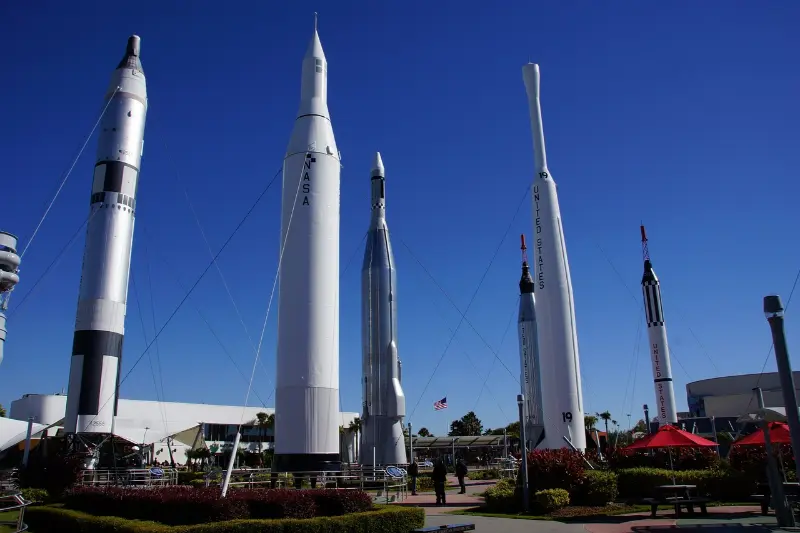
Kennedy Space Center can work extremely well with teenagers because it combines engineering, history, large-scale hardware and the possibility of launch-related excitement. Give the visit enough time; rushing through major exhibits removes much of the impact.
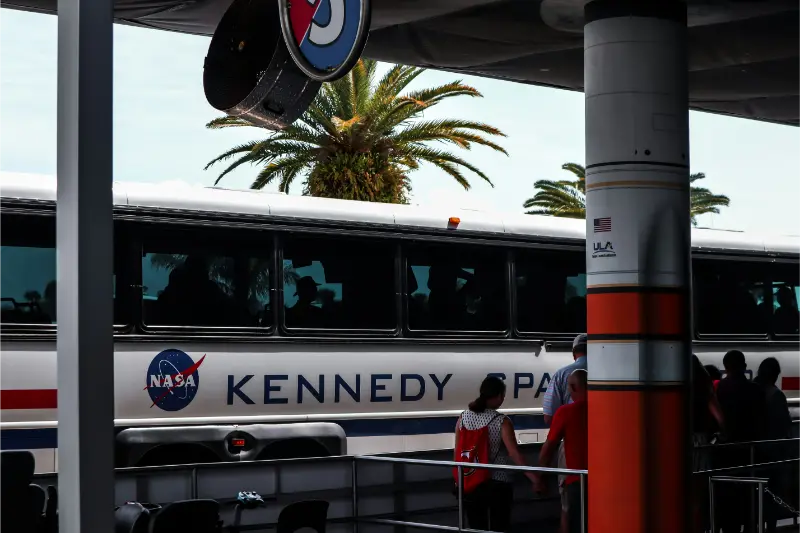
If a launch is part of the dream, remember schedules can move for technical and weather reasons. Build the trip around the Space Coast rather than making a nonrefundable vacation depend on one launch time.
Wildlife and springs
Teenagers who are bored by a passive scenic drive may become engaged when wildlife involves paddling, snorkeling, photography or a guided tour. Springs in North and Central Florida, Everglades ecosystems and coastal refuges can all provide that sense of discovery.
Respect wildlife distance and operator rules. Social-media photos are not worth crowding an alligator, manatee or nesting bird.
Cities, food and independent-feeling time
Miami, St. Petersburg, Tampa, Fort Lauderdale and other cities can give teenagers a different Florida from beaches and parks: murals, music, sports, cafés, shopping and neighborhoods. A food stop chosen by the teenager can sometimes create more enthusiasm than another museum chosen by adults.
Depending on age and family comfort, give older teens limited independent-feeling time in a safe, agreed area while adults stay nearby. Clear meeting points and charged phones are essential.
Phones, photos and social media without fighting all day
Phones are part camera, ticket wallet, map and communication device, so a total ban is unrealistic. Set a few boundaries that protect shared time: perhaps no phones during one meal, but free use during long drives or queues.
Carry battery packs. A dead phone can become a practical problem when tickets, reservations and family communication are stored digitally.
Let teenagers help plan the route
Give each teen a small research assignment: choose one restaurant, one beach, one attraction or one roadside stop. Set the budget and geographic boundaries, then take the choice seriously. This creates buy-in without surrendering the whole itinerary.
For siblings with very different interests, alternate priorities. One high-adrenaline day followed by a slower wildlife or beach day often works better than trying to satisfy everyone in every hour.
Families, older travelers and accessibility
Younger teens may still need the structure of a family itinerary, while older teens can handle more responsibility and may care about Wi-Fi, privacy and evening options. Multigenerational groups should not assume the teenager and grandparent have opposite interests; both may enjoy a space center, boat tour, baseball game or food market. Accessibility needs should be discussed directly with the teen rather than through assumptions about what they can or cannot do.
For mixed-age groups, I would plan the day around the person with the lowest heat tolerance or the strongest mobility, feeding or rest requirement, then let more energetic travelers add optional activities. Florida becomes much easier when the group does not have to move as one unit every minute. Build obvious meeting points, keep phones charged and choose a hotel or base that allows someone to stop early without collapsing the rest of the day.
Budget and booking strategy
Teenagers can increase food and activity costs because they may be adult-priced at attractions while still traveling as part of the family. Agree in advance on souvenir, snack and optional-activity budgets. Letting a teen control a small personal trip budget can reduce repeated negotiations. Balance expensive park or water-sport days with beaches, city walks, state parks and hotel downtime.
When comparing prices, look at the total daily cost rather than one headline number. Parking, tolls, resort fees, food, equipment rental, transfers and cancellation rules can change which option is actually cheaper. I also prefer reservations that can be modified when weather or family needs are likely to affect the plan, even if the flexible rate costs a little more.
Best timing and seasonal planning
School calendars make summer and holiday periods common, but heat and crowds can be intense. Early starts, midday indoor time and evening returns work well. Spring-break periods vary by district and destination. If the trip includes hurricane season, keep the route flexible and make sure teens know where official weather information comes from rather than relying on social media.
Florida is large enough that conditions vary by region. A cool morning in North Florida can coexist with beach weather in the Keys, and a thunderstorm in one part of a metro area does not mean the entire day is lost. Check local forecasts, water conditions and official attraction notices close to the visit rather than relying on a statewide forecast saved weeks earlier.
A practical way to use this guide
Start by choosing the one outcome that would make the trip feel successful. Then protect the time, location and budget for that priority before adding optional experiences. This prevents a common Florida problem: an itinerary with many individually good ideas that becomes tiring because the driving, heat and check-in times do not fit together.
I would also separate fixed commitments from flexible choices. Flights, cruises, major attraction reservations and special tours belong in the fixed group. Beaches, neighborhood walks, parks, casual restaurants and hotel-pool time can usually remain flexible. When weather or fatigue changes the day, move the flexible pieces instead of trying to force the original schedule.
Hotel rooms and family privacy with teenagers
Accommodation can decide whether a teen trip feels easy. Two beds in one small room may be fine for a weekend, but on a longer stay a suite, connecting rooms or a condo can reduce friction dramatically. Teenagers sleep later, use bathrooms longer and may want a little privacy after a full day with family. If the budget allows, space is often a better upgrade than a fancier lobby.
Location matters too. A walkable hotel near restaurants, beach or entertainment can give older teens a sense of independence without requiring adults to drive every short trip. Establish clear boundaries and meeting points. The goal is not unsupervised travel; it is creating a trip where every family member has moments of autonomy as well as shared experiences.
Common mistakes to avoid
- Planning every activity without giving teenagers a meaningful choice.
- Assuming a beach alone will entertain everyone for eight hours.
- Overloading consecutive theme-park days.
- Treating phone use as laziness when the phone is also the camera, map and ticket wallet.
- Scheduling only educational stops or only thrill rides instead of mixing styles.
- Leaving no unscheduled time for sleep, friends or hotel-pool downtime.
Useful Wonderful Florida guides
Official resources to check before you go
Hours, access rules, reservation systems, transportation schedules and weather-related closures can change. Check the official source shortly before travel when a specific attraction, service or route is essential to the trip.
Final thoughts
Teenagers do not need a separate vacation from the family; they need some influence over the shared one. Give them real choices, alternate high-energy and low-pressure days, and leave room for downtime. Florida’s variety makes that balance easier than in many destinations.