

Gainesville makes an engaging north-central Florida stop for visitors interested in museums, gardens, football, college-town dining and nearby springs. But choosing a hotel here requires a different approach from booking a beach destination. Gainesville's downtown, University of Florida campus and western interstate hotel areas each serve different schedules. A downtown room can be pleasant for an evening stroll, a campus-adjacent hotel may suit an early event, and a property near Interstate 75 can simplify driving to natural attractions. The best area changes with the reason for your visit. This guide compares the practical tradeoffs for families, couples, older travelers and road-trippers who want a comfortable base rather than spending every day in traffic or searching for parking.
Which area fits your trip?
| Base | Best for | Watch for |
|---|---|---|
| Downtown Gainesville | Restaurants, arts and evenings | Event-night noise can vary |
| UF and campus area | University visits and museums | High demand on game weekends |
| Archer Road / I-75 | Driving, family hotels and parking | Many areas are car-centered |
| Midtown | Lively university atmosphere | Not ideal for early quiet nights |
Downtown Gainesville: restaurants, arts and a walkable evening
Downtown is a good choice for travelers who want to step outside for coffee, independent restaurants, cultural events and a city atmosphere that feels different from a roadside hotel strip. Streets around the historic central district can suit a weekend exploring local food and galleries, with public spaces and evening entertainment. Not every downtown address is equally quiet, and a room near a music venue may be unsuitable for someone needing an early night. If you are visiting for a major event at the university, do not assume downtown parking will remain easy simply because the hotel is only a short map distance from campus. Look at pedestrian routes, event shuttles if available and garage rules. For a short stay without a car, downtown can be practical when most meals and activities remain nearby. For visits to springs or distant state parks, it becomes a starting point for deliberate car journeys rather than a fully walkable vacation.
The University of Florida area: useful for campus-focused trips
Hotels near the University of Florida can be ideal for campus tours, visiting students, conferences or events at venues such as the Stephen C. O'Connell Center. This area also works for visitors interested in the Florida Museum of Natural History and the Harn Museum of Art, both associated with the campus's wider cultural setting. However, a “UF area” hotel can be on a busy arterial road rather than next to the campus entrance you need. Identify the exact building or venue and work backward to the room location, particularly if someone in the group cannot walk far. Football weekends and graduation periods can bring heavy demand, minimum stays and traffic restrictions. Before booking around an event, check the university's latest parking and visitor information. A campus-based hotel is useful when your timetable revolves around the university, but may be unnecessarily expensive if you simply want a quiet spring-country road trip.
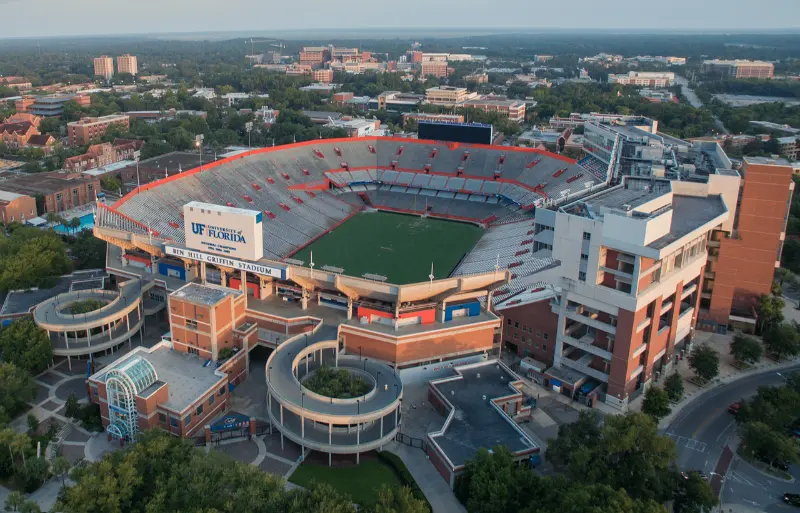
Archer Road and the Interstate 75 corridor: convenience for drivers
Western Gainesville, including the Archer Road and Interstate 75 areas, has many familiar hotel types, shopping centers and easy access to major road links. This can be a sensible choice for families driving from Orlando or Tampa, visitors who need reliable parking and travelers planning to explore several natural sites outside town. Hotels may have more predictable parking and breakfast arrangements than some central properties, but each listing requires checking. The downside is that the immediate surroundings often favor driving over walking. A restaurant that appears close may still require crossing wide roads or navigating disconnected sidewalks, which is frustrating with a stroller or mobility aid. If your schedule involves long days at springs, highway convenience could outweigh a picturesque setting; if you want to explore downtown each evening, repeated car trips are less appealing. A quiet room, practical laundry and a grocery store may be the decisive advantages for a week-long family stay.
Midtown and nearby streets: lively, but not a fit for everyone
The parts of Gainesville near the university's eastern edge have a strong student presence, with food, music and late-night activity. Visitors who enjoy a lively college-town atmosphere may find the location convenient for campus events and casual dining. On the other hand, nightlife noise, busy crossings and changing parking availability make hotel selection particularly important. Do not rely solely on a property's distance from the university; a hotel facing a busy entertainment corridor could be a poor match for a quiet family trip. Look at recent reviews for nighttime noise and room insulation, and ask whether onsite parking is guaranteed. Students and alumni returning for events may enjoy being near familiar landmarks, while older travelers attending morning programs may prefer a quieter campus-adjacent or western location. Gainesville's compact-looking core still has several distinct rhythms, so a few blocks can make a meaningful difference to the sleeping experience.
Choosing a base for springs and north-central Florida nature outings
Gainesville is often used as a gateway to springs, parks and wildlife around Alachua County and beyond. Places such as Ichetucknee Springs State Park, Gilchrist Blue Springs State Park or Payne's Prairie Preserve State Park appeal to different visitors and are not all an easy stroll from any Gainesville hotel. In particular, spring visits require checking state-park access rules, capacity, reservation requirements where applicable and whether activities such as tubing or swimming are open on the chosen day. If nature is the main focus, a western or road-access-friendly hotel may shorten some journeys, but calculate each route separately rather than assuming the nearest interstate exit serves every destination. For wildlife, observe animals from a distance, watch for alligators near water and bring mosquito protection. A travel day built around one park, a picnic and a relaxed dinner is usually better than trying to visit several springs before sunset.
Museums, gardens and low-stress cultural days
One strength of staying in Gainesville is the range of cultural activities that can fill a day when swimming or hiking is not appealing. The Florida Museum of Natural History and Harn Museum of Art are natural choices for visitors interested in science, art and indoor exploration; check current exhibitions, fees and opening days directly. Kanapaha Botanical Gardens offers a different kind of outing, with gardens and pathways rather than indoor galleries. A family with young children may enjoy combining a museum visit with lunch and then returning to the hotel for rest, while a couple can make a slower day of galleries and dinner downtown. Keep accessibility in mind: a museum's entrance may be straightforward, but garden paths and outdoor conditions require separate assessment. For rainy afternoons, museums can be good alternatives if they are actually open, though lightning warnings still make unnecessary driving unwise. Your hotel location should support the activities you value most, not just the biggest event in town.
A road-tripper's Gainesville: one night or a longer stay?
Gainesville sits on a useful inland route through north-central Florida and can serve as a convenient overnight stop between larger destinations. For a single night, easy highway access, a reliable check-in desk and breakfast may matter more than a central restaurant neighborhood. For two or three nights, choosing an area where you can enjoy one day without a major drive often improves the experience. Downtown works well for leisurely meals and cultural visits, whereas a western hotel can make a nature-focused itinerary straightforward. If you plan to continue north toward the Suwannee region or south toward Ocala, check the actual departure route rather than picking the cheapest room on the opposite side of town. A late arrival after a long drive calls for a comfortable overnight break, not an ambitious excursion added to the itinerary. For families, room configuration and the ability to obtain an easy evening meal often decide whether the stop feels restful.
Football weekends, graduations and other high-demand periods
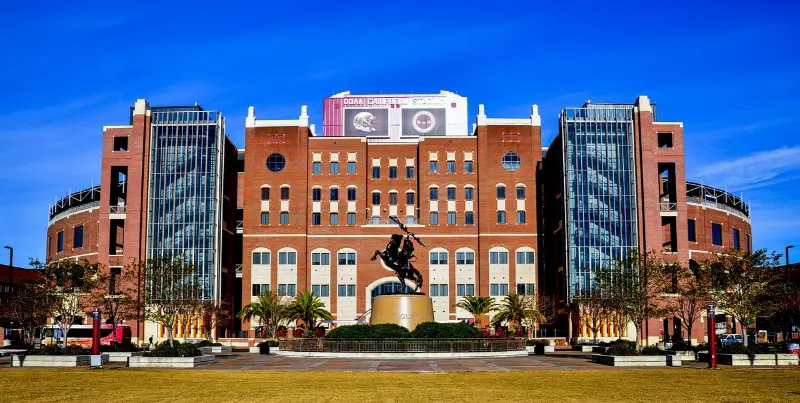
Gainesville's accommodation market changes with the university calendar. Major football weekends, commencement events, orientation periods and popular local festivals can fill rooms or create unusually high rates. Some hotels may impose minimum stays, restrictions on cancellations or parking requirements. Always check the actual event calendar and the venue you are attending before concluding that a hotel is inexplicably expensive. Traffic management can also change normal road routes, and walking distances may be longer than they appear when parking is restricted. If you are coming for a football game, give yourself substantial arrival time and use official university visitor information. If you are not attending an event, you may prefer a different weekend or an accommodation outside the busiest central area. For travelers with limited mobility, ask about accessible drop-off and event-specific transport rather than relying on normal weekday procedures.
Getting around without a car: what really works?
A compact trip centered on downtown and parts of the university area may be manageable with walking, local buses or arranged rides, depending on your accommodation and current service. Gainesville's Regional Transit System serves the city, but route patterns and frequencies should be checked for the exact dates, especially on weekends and university breaks. Visitors who want to reach remote springs, reserves and smaller towns will usually need a car or an organized excursion. Do not assume rideshare availability at a rural park entrance, particularly for the return journey. For a traveler using a wheelchair, confirm the accessibility of the bus stop and the route from stop to hotel, not only whether a vehicle is accessible. Children may tire quickly walking in summer heat between campus buildings, so plan shade and regular breaks. Choosing a base near the venues you will actually visit is the simplest way to reduce logistical strain.
Families, seniors and guests who need step-free routes
Gainesville suits multigenerational travel when everyone can enjoy a mix of indoor museums and shorter outdoor activities. Families may prefer a larger room, refrigerator and breakfast near the western corridor, particularly if spring outings fill the days. Visitors attending campus programs can save energy with a hotel close to the right entrance, but should verify safe crossings and elevators. Older travelers may value a quiet central location with nearby restaurants and a dependable check-in desk. If a guest uses a mobility device, contact the property about shower arrangements, room entrance widths and the accessible route from parking. For parks and gardens, inspect current trail descriptions; natural surfaces can be difficult even where a location is described as family-friendly. Travelers with small children should also plan for heat, occasional storms and the need to leave a nature activity early. The most helpful hotel amenity may be the ability to pause and restart the day easily.
Seasons and outdoor comfort in inland Florida
Gainesville's inland location produces a different travel experience from breezy Atlantic beach towns. Summer days can be hot and humid, with thunderstorms affecting hiking, cycling and outdoor events. Spring and autumn can feel particularly inviting for gardens and museums paired with short nature outings, though popular weekends bring visitors for campus events. Winter weather varies more than in far south Florida, so pack layers for cool mornings and do not assume every spring day is comfortable for swimming. Hurricane season runs from June through November, and inland regions can still experience severe rain or wind. Check park access after heavy weather because trails may be flooded or temporarily closed. When comparing properties, reliable air conditioning and covered parking or entrances can be useful summer comforts. A trip itinerary should account for daylight, local conditions and your group's tolerance for walking outdoors.
A three-day Gainesville stay built around one home base
For a culture-oriented weekend, stay downtown or close to campus, spend the first afternoon exploring local streets, visit one or two museums the following day and reserve a relaxed third day for a garden or nearby nature stop. A spring-focused trip works better from a practical driving base: choose one substantial outdoor destination per day and return before everyone is exhausted. If you are attending a university event, treat that event as the fixed part of the itinerary and fit meals or museums around it rather than planning ambitious extra drives. For senior travelers, shorter outings and a familiar dining choice near the hotel may be the most pleasant arrangement. Families can alternate an active morning with an indoor afternoon. The goal is to see Gainesville as a place with its own character rather than only a hotel stop on the road to a larger Florida attraction.
Before you book: identify the real reason for the trip
Write down your three highest-priority destinations, including any precise university building, then compare travel from downtown, campus and the western hotels. Check whether the property offers parking, whether it charges separately, and whether arriving during an event changes the policy. Verify breakfast, laundry, elevators, accessible bathroom features and nearby meals. For any spring outing, check current park access, rules and entry conditions before paying for nonrefundable activities. Read recent reviews for noise and roadworks. If a hotel says it is “close to UF,” measure the route to your actual venue, especially if you plan to walk. If a listing promises “near the springs,” check which spring and how long the trip truly takes. Gainesville rewards travelers who choose a base for their real schedule and then leave enough time for the museums, gardens and relaxed local meals that make the town interesting.
Frequently asked questions
Where should I stay for a University of Florida event?
Choose the precise university venue first. A hotel labeled near UF may still require a long walk, and event-day parking arrangements may change.
Is Gainesville a beach destination?
No. Gainesville is inland in north-central Florida. It is a base for campus attractions, museums, gardens and nature trips rather than an oceanfront vacation.
Are Florida springs close enough for a day trip?
Several springs and parks can be visited by car from the region, but distances and access rules differ. Check the exact park and any reservations or capacity restrictions.